What Wine To Go With Ribs
Red wine is generally preferred for ribs due to its ability to stand up to the bold flavors, especially if the ribs are BBQ or heavily seasoned. A light-bodied red like Pinot Noir can also work for milder rib preparations.
What Wine Goes Best with Ribs?
The Golden Rule: Match Acidity with Fat
When pairing wine with ribs, the golden rule is to match the acidity of the wine with the richness of the meat. Ribs are inherently fatty and flavorful, so you need a wine that can cut through that heaviness without being overwhelmed.
A high-acid wine acts like a squeeze of lemon, cleansing your palate after each bite and making the food taste even better. Look for wines like Zinfandel or Barbera, which offer bright acidity and bold fruit flavors that complement the smoky, savory notes of the meat.
Avoid light, delicate wines like Pinot Grigio, as they’ll get lost under the robust flavors of the ribs. Instead, opt for something with a bit of structure and backbone. This balance ensures every bite feels satisfying without feeling greasy or overly heavy.
The right wine elevates the meal, turning a casual dinner into something memorable.
Why Sweet and Spicy Wines Work for BBQ Sauce
BBQ sauce is often a sticky, sweet, and spicy affair, so your wine needs to handle those bold flavors. A wine with a hint of sweetness, like an off-dry Riesling, works wonders because it tames the heat from spices while harmonizing with the sauce’s sugary glaze.
The sweetness in the wine doesn’t make it taste like dessert; instead, it creates a bridge between the savory meat and the tangy sauce. If you prefer red, a fruit-forward Grenache or a spicy Syrah can stand up to the boldness without clashing.
The key is to avoid overly tannic wines, which can taste bitter when paired with sweet sauces. Instead, focus on wines with balanced fruitiness and a touch of spice to mirror the BBQ flavors. This approach keeps your palate refreshed and enhances the overall experience.
Top Wine Picks for Classic Pork Ribs
For classic pork ribs, you can’t go wrong with a medium-bodied red like Malbec or Merlot. These wines have enough tannins to grip the meat but are smooth enough to avoid overpowering the pork’s natural sweetness.
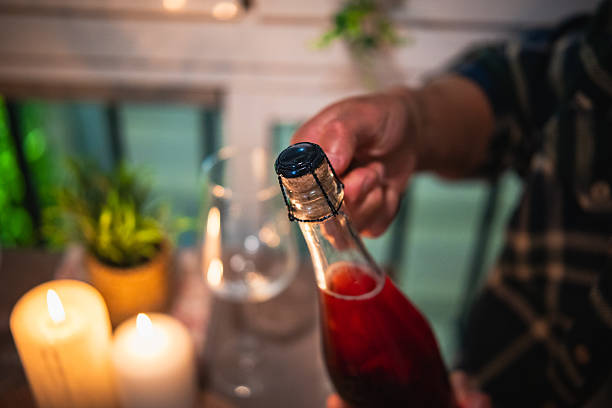
Malbec, in particular, pairs beautifully with grilled meats, offering dark fruit notes and a smoky finish that complements the char from the grill. If you’re feeling adventurous, a sparkling Rosé is a surprisingly great match—the bubbles scrub the palate clean, while the fruitiness echoes the ribs’ glaze.
Another excellent choice is a Zinfandel, known for its jammy fruit and peppery spice, which mirrors the BBQ sauce’s complexity. Avoid heavy, oaky wines, as they can clash with the pork’s delicate flavor profile. Stick to versatile, food-friendly wines that enhance the ribs’ smoky, savory goodness.
Your taste buds will thank you!
Best Red Wines for Ribs
Zinfandel: The Ultimate BBQ Wine
Zinfandel is the top pick for ribs because its bold fruitiness and peppery spice balance perfectly with sweet, sticky BBQ sauce. This red wine typically has higher alcohol content, which helps cut through the rich fat of the meat while complementing smoky flavors.
Look for a California Zinfandel with notes of blackberry, cherry, and a hint of black pepper for the best pairing. The jammy fruit flavors stand up to spicy or tangy sauces, making it a crowd-pleaser at any cookout.
Whether you’re grilling baby back ribs or slow-cooking spare ribs, Zinfandel’s robust profile ensures the wine won’t get lost. Serve it slightly chilled to enhance its refreshing qualities.
For a winning combo, pair it with ribs glazed in a honey or molasses-based sauce—the sweetness of the meat and the wine’s boldness create a harmonious match.
Syrah/Shiraz for Smoky Flavors
If your ribs are heavy on the smoke, Syrah or Shiraz is your ideal match. These wines offer savory and smoky notes that echo the char from the grill, creating a seamless flavor experience. Syrah from the U.S.
or Australia often delivers bold dark fruit, black pepper, and even a touch of bacon-like richness—perfect for dry-rubbed ribs. The wine’s moderate tannins and acidity cleanse the palate between bites, making each mouthful as enjoyable as the first.
Choose a bottle labeled Shiraz for a fruit-forward, peppery kick or a French Syrah for a more earthy, herby profile. Either way, the wine’s structure supports the meat’s texture without overpowering it.
For extra flair, pair it with ribs seasoned with cumin, paprika, or chili powder—the spices will sing alongside the wine’s bold character.
Malbec for Rich, Savory Ribs
Malbec is a fantastic choice for ribs because its plush tannins and dark fruit flavors complement hearty, savory dishes. Originally from France but now famous in Argentina, this wine brings rich, velvety textures that match the tenderness of slow-cooked ribs.
Its plum and blackberry notes add depth, while hints of cocoa and tobacco enhance umami flavors in dry rubs or tomato-based sauces. Malbec’s medium body makes it versatile enough for both glazed and spareribs, offering a smooth finish that lingers pleasantly.
For the best results, pick an Argentine Malbec, which tends to be fruitier and more approachable. The wine’s natural acidity also cuts through the meat’s richness, keeping the pairing balanced.
Try it with ribs seasoned with garlic, herbs, or a touch of heat—the wine’s bold yet mellow character ties everything together beautifully.
Best White Wines for Ribs
Riesling for Sweet and Tangy Glazes
If your ribs are coated in a sticky, sweet-and-tangy BBQ glaze, Riesling is your go-to white wine. Its natural sweetness balances the sugary notes of the sauce, while its crisp acidity cuts through the richness, keeping each bite refreshing.
Look for an off-dry Riesling—this slight sweetness pairs perfectly with caramelized glazes. For tangier sauces, the wine’s hints of citrus and stone fruit complement the zesty flavors without overpowering them. Serving it chilled enhances its refreshing qualities, making it ideal for outdoor BBQs.
The key is matching the wine’s sweetness to the sauce’s intensity, so don’t shy away from a bit of residual sugar. This pairing ensures the ribs shine while the wine adds a lively, balanced touch. Whether you’re grilling or slow-cooking, Riesling’s versatility makes it a crowd-pleaser for glazed ribs.
Chardonnay for Creamy Sauces
Creamy, buttery sauces demand a white wine with enough body to stand up to the richness, and oaked Chardonnay fits the bill. Its full texture and notes of vanilla and butter harmonize with velvety sauces, creating a luxurious mouthfeel.
Opt for a Chardonnay aged in oak—it complements the sauce’s depth without clashing. The wine’s subtle fruitiness, like apple or pear, adds brightness, while its creaminess mirrors the sauce’s consistency. Avoid overly acidic or light whites; they’ll get lost. Instead, aim for a balanced Chardonnay with a smooth finish.
This pairing elevates ribs from hearty to elegant, making it a great choice for dinner parties. Whether your sauce is garlic-infused or herb-laced, Chardonnay’s versatility ensures it won’t overpower the flavors. Serve slightly chilled to let its complexity shine, and enjoy how it enhances every savory bite.
Gewürztraminer for Spicy Rubs
Spicy rubs on ribs call for a wine that can handle the heat, and Gewürztraminer delivers. Its aromatic profile—think lychee, rose, and ginger—matches the bold spices, while its slight sweetness cools the palate. The wine’s low acidity makes it a soothing contrast to fiery rubs like chili or cayenne.
Gewürztraminer’s exotic fruit notes add a playful twist, balancing the smokiness of the ribs. Choose an off-dry bottle to harmonize with the spice level; dry versions might feel too sharp. This pairing is a winner for those who love a kick of heat with their BBQ.
The wine’s floral undertones also complement herbs like cilantro or cumin often found in spicy rubs. Serve chilled to maximize its refreshing effect. Whether you’re grilling or smoking, Gewürztraminer’s unique character makes it a standout choice for spice-lovers.
Rose and Sparkling Options for Ribs
Ideal Serving Temperatures
Serving wine at the right temperature can elevate your rib feast. For red wines like Zinfandel or Cabernet Sauvignon, aim for 60-65°F (15-18°C)—slightly cooler than room temp to highlight their bold flavors without overpowering the smoky ribs.
If you’re pairing with a crisp white like Sauvignon Blanc, chill it to 45-50°F (7-10°C) to balance the richness of the meat. Too warm, and reds might taste flabby; too cold, and whites lose their vibrant aromatics.
Use a wine thermometer or trust your instincts—reds should feel cool to the touch, whites nicely chilled. A little prep goes a long way in making your wine and ribs sing together!
Glassware Choices for Red and White Wines
The right glassware can enhance your wine and ribs experience. For red wines, choose a glass with a wider bowl to aerate and showcase bold flavors—perfect for sipping alongside smoky ribs. If you’re pouring white wines, opt for a narrower glass to preserve crispness and balance the meal’s richness.
Stemmed glasses are practical, keeping your hands from warming the wine, while stemless ones offer a casual, BBQ-friendly vibe. Don’t stress if you don’t have fancy glassware—what matters is enjoying the pairing.
A good glass makes the wine more inviting, letting you focus on the delicious harmony of flavors at your feast!
How Much Wine to Buy for a Rib Feast
Planning your wine quantity ensures no guest goes thirsty. For a rib feast, estimate one bottle per 3-4 guests if wine is the main drink. Offer both red and white options—like a fruity Zinfandel and a bright Chardonnay—to cater to different tastes.
If beer or cocktails are also on the menu, scale back to half a bottle per person. Always have an extra bottle on hand for unexpected toasts or second helpings. Leftover wine? Store it properly or use it in sauces for next-day ribs.
A little planning keeps the flow smooth and lets everyone savor the pairing stress-free!
Pairing Wine with Different Rib Styles
Dry Rubbed Ribs and Bold Reds
When pairing wine with dry rubbed ribs, you need something that can stand up to the intense spices and smoky flavors without getting lost. A bold red wine like Zinfandel or Syrah is your best bet here because these wines have enough body and fruitiness to complement the robust seasoning.
Look for bottles with high tannins and peppery notes, as they mirror the spices in the rub while cutting through the richness of the meat.
For example, a California Zinfandel offers jammy fruit flavors that balance the savory, salty elements of the rub, while a Syrah brings a smoky undertone that echoes the grill. The key is to avoid lighter reds like Pinot Noir, which might taste too watery against such a bold dish.
Instead, go big and bold to create a harmonious pairing where both the wine and ribs shine. Trust me, the right red will make every bite feel like a celebration.
Honey Glazed Ribs with Off-Dry Wines
Honey glazed ribs bring a sweet and sticky element to the table, so your wine needs to match that sweetness without overpowering it. Off-dry wines like Riesling or Gewürztraminer are perfect because their slight sweetness balances the glaze, while their acidity cuts through the fat.
Look for wines with balanced sweetness and crisp acidity to avoid a cloying finish. A chilled Riesling with notes of stone fruit and honey will enhance the glaze’s flavors, while a Gewürztraminer adds a floral twist that complements the smoky, caramelized edges.
Avoid bone-dry wines, as they can taste harsh against the sugary coating. Instead, aim for a wine that feels like a refreshing contrast, making each bite feel lighter and more enjoyable.
This pairing is all about harmony—let the wine’s sweetness echo the ribs while keeping things lively with a touch of zing. It’s a crowd-pleasing combo for sure.
Korean BBQ Ribs and Spicy Whites
Korean BBQ ribs are all about bold, spicy, and savory flavors, so you’ll want a wine that can handle the heat without clashing. Spicy whites like Gewürztraminer or an off-dry Riesling are fantastic choices because their slight sweetness and aromatic profiles tame the spice while complementing the dish’s complexity.
Look for wines with aromatic intensity to match the garlicky, gingery notes in the marinade. A chilled Grüner Veltliner also works well, offering a crisp, peppery finish that pairs beautifully with the fiery kick. Avoid oaky or heavy wines, as they can amplify the heat instead of soothing it.
Instead, opt for something light and refreshing to keep your palate cool and satisfied. The goal is to let the wine’s bright fruitiness and acidity shine through, creating a delightful contrast to the ribs’ bold flavors.
This pairing is a fun way to explore new tastes while enjoying your favorite spicy dish.
Tips for Serving Wine with Ribs
Ideal Serving Temperatures
Serving wine at the right temperature can elevate your rib feast. For red wines like Zinfandel or Cabernet Sauvignon, aim for 60-65°F (15-18°C)—slightly cooler than room temp to highlight their bold flavors without overpowering the smoky ribs.
If you’re pairing with a crisp white like Sauvignon Blanc, chill it to 45-50°F (7-10°C) to balance the richness of the meat. Too warm, and reds might taste flabby; too cold, and whites lose their vibrant aromatics.
Use a wine thermometer or trust your instincts—reds should feel cool to the touch, whites nicely chilled. A little prep goes a long way in making your wine and ribs sing together!
Glassware Choices for Red and White Wines
The right glassware can enhance your wine and ribs experience. For red wines, choose a glass with a wider bowl to aerate and showcase bold flavors—perfect for sipping alongside smoky ribs. If you’re pouring white wines, opt for a narrower glass to preserve crispness and balance the meal’s richness.
Stemmed glasses are practical, keeping your hands from warming the wine, while stemless ones offer a casual, BBQ-friendly vibe. Don’t stress if you don’t have fancy glassware—what matters is enjoying the pairing.
A good glass makes the wine more inviting, letting you focus on the delicious harmony of flavors at your feast!
How Much Wine to Buy for a Rib Feast
Planning your wine quantity ensures no guest goes thirsty. For a rib feast, estimate one bottle per 3-4 guests if wine is the main drink. Offer both red and white options—like a fruity Zinfandel and a bright Chardonnay—to cater to different tastes.
If beer or cocktails are also on the menu, scale back to half a bottle per person. Always have an extra bottle on hand for unexpected toasts or second helpings. Leftover wine? Store it properly or use it in sauces for next-day ribs.
A little planning keeps the flow smooth and lets everyone savor the pairing stress-free!
Common Mistakes to Avoid When Pairing Wine and Ribs
Avoiding Overly Tannic Wines
One big slip-up is grabbing a heavy, high-tannin red wine for ribs, especially if they’re coated in a sweet or spicy sauce. Tannins can clash with the sugars and heat, creating an unpleasant bitter or metallic taste that overpowers the meat.
Instead of reaching for that bold Cabernet Sauvignon, opt for something smoother. Fruity reds like Zinfandel or Grenache work beautifully because their jammy notes complement the rich flavors without fighting them. If you prefer white, avoid overly oaky options and stick to something crisp to cut through the fat.
The goal is harmony, not a battle in your mouth. Think about the texture of your sauce—if it’s sticky and sweet, a lower-tannin wine will let those savory flavors shine while refreshing your palate between bites.
Balancing Sweetness Without Overpowering
Ribs often come glazed with molasses, honey, or brown sugar, which makes choosing the right wine a bit tricky. A common error is serving a bone-dry wine that tastes sour and tart against the sugar, leaving a weird aftertaste.
You don’t want a dessert wine, but you do need a bottle with a touch of fruitiness. Look for off-dry whites or lighter reds with ripe fruit notes to bridge the gap. A Riesling with a hint of residual sweetness or a fruit-forward Shiraz can balance the glaze perfectly.
This match enhances the caramelization on the ribs rather than flattening it. Remember, the wine should be at least as sweet as the food, or it will feel thin and acidic. This little tweak makes the meal feel complete and incredibly satisfying.
Considering the Side Dishes in Your Pairing
Don’t make the mistake of pairing your wine solely with the ribs while ignoring the rest of the plate. If you’re serving spicy coleslaw, vinegar-based baked beans, or cheesy cornbread, these flavors impact what wine works best.
Highly acidic sides might clash with a very delicate wine, while creamy dishes require something with enough acidity to cleanse the palate. A versatile sparkling wine or a light-bodied Pinot Noir is often a safe bet for mixed spreads.
These options handle the richness of the pork and the zing of the sides without overwhelming anything. Always consider the whole meal experience.
If your sides are heavy on heat or spice, a wine with lower alcohol and a bit of sweetness will tame the fire better than a high-alcohol blockbuster. This thoughtful approach ensures every bite and sip is delicious.
Frequently Asked Questions
What wine goes best with ribs?
Ribs pair well with bold, fruity red wines like Zinfandel or Shiraz, which complement the rich, smoky flavors. For a lighter option, a dry rosé or a crisp white like Sauvignon Blanc can balance the sweetness of BBQ sauce.
Should I choose red or white wine with ribs?
Red wine is generally preferred for ribs due to its ability to stand up to the bold flavors, especially if the ribs are BBQ or heavily seasoned. A light-bodied red like Pinot Noir can also work for milder rib preparations.
What wine pairs with spicy ribs?
For spicy ribs, opt for a slightly sweet wine like Riesling or Gewürztraminer to offset the heat. Alternatively, a fruity red like Malbec can provide a nice contrast to the spice.
Can I serve sparkling wine with ribs?
Yes, a dry sparkling wine like Prosecco or Cava can cut through the richness of ribs and cleanse the palate. It’s a great choice for glazed or sticky ribs.
What wine goes with grilled ribs without sauce?
For grilled ribs without sauce, a medium-bodied red like Merlot or a Chianti works well, enhancing the natural smoky flavors. A buttery Chardonnay can also complement the grilled notes.
How do I match wine with different rib sauces?
For sweet BBQ sauce, choose a fruity red like Zinfandel. For tangy or vinegar-based sauces, a crisp white like Pinot Grigio or a light red like Beaujolais pairs nicely.
Is rosé a good choice for ribs?
Yes, a dry rosé is versatile and pairs well with ribs, especially those with a lighter glaze or seasoning. Its acidity and fruitiness balance the richness of the meat.
Conclusion
Choosing the perfect wine for ribs depends on the sauce and preparation. For smoky or spicy ribs, opt for a bold Zinfandel or Syrah to balance the heat. Sweet and tangy BBQ ribs pair beautifully with a fruity Shiraz or a chilled Rosé. Don’t be afraid to experiment with lighter reds or even a crisp white for lighter preparations. Ultimately, the best wine is the one you enjoy most. Trust your taste buds and savor the delicious combination!