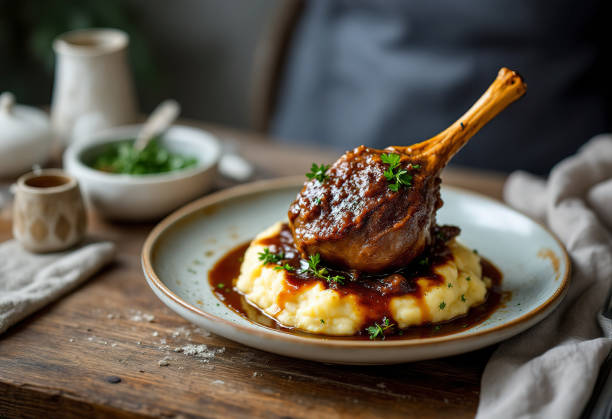
What Wine To Drink With Lamb
Choosing the perfect wine for lamb doesn’t have to be a mystery. In this quick guide, we’ll match your roast, chops, or stew with the ideal reds and even a few bold whites, explaining why each pairing works. From classic Cabernet Sauvignon to a silky Pinot Noir, and a surprising hint of Syrah, you’ll discover the flavors that complement the meat’s richness. Stick with us, and you’ll have a confident answer in minutes, ready for your next dinner tonight together.
Best wines for roasted lamb
Why red wines work best
Red wines are the natural partner for roasted lamb because their structure mirrors the meat’s richness. The tannins in Cabernet Sauvignon or Syrah cut through the lamb’s fat, while the fruit‑forward profile highlights the herbaceous rub — think rosemary or thyme.
Match intensity: choose a wine whose body equals the dish’s bold flavors, avoiding light whites that get lost. Consider the cooking method: roasting creates caramelized edges, which respond well to the smoky notes in a Grenache‑based blend.
The acidity in a Rioja or a Chianti balances the savory juices, keeping the palate refreshed between bites. By aligning the wine’s acidity, tannin level, and spice cues with the lamb’s seasoning, you create a harmonious dining experience that elevates both the food and the drink.
Serve the wine slightly chilled to soften the tannins, and let it breathe for ten minutes before pouring to fully reveal its complexity.
Top red wine picks
When planning a roast lamb dinner, start with a shortlist of reds that consistently complement the meat’s flavor profile. Cabernet Sauvignon offers firm tannins and dark‑fruit notes that stand up to a heavily seasoned leg, especially when accented with garlic and rosemary.
Syrah/Shiraz brings peppery spice and a hint of smoked plum, perfect for lamb cooked over a charcoal grill or with a crust of mustard. Grenache‑based blends from the Southern Rhône deliver silky texture, bright red berries, and subtle herbal undertones that echo the typical lamb herbs.
Chianti Classico provides bright acidity and earthy cherry flavors, cutting through the richness while matching Italian‑style herb rubs. For a more nuanced option, try a Spanish Rioja Reserva, whose aging gives vanilla and leather nuances that mingle with caramelized lamb edges.
Choose one of these wines based on your seasoning plan, and you’ll ensure the pairing enhances both the wine’s character and the lamb’s savory depth.
Serving temperature tips
The temperature at which you serve red wine can dramatically affect its ability to complement roasted lamb. Serve lighter reds such as Grenache or Chianti at 60‑64 °F (15‑18 °C) to preserve their bright fruit and acidity, which lift the lamb’s herbaceous notes without overwhelming the palate.
Full‑bodied wines like Cabernet Sauvignon or Rioja benefit from a slightly warmer range of 64‑68 °F (18‑20 °C); this allows the tannins to soften and the oak‑derived flavors to open, matching the meat’s richness.
Before serving, place the bottle in a wine fridge or a bucket of ice water for 15‑20 minutes to reach the lower end of the target range, then let it sit at room temperature for a few minutes if needed.
Avoid chilling reds too much, as excessive cold can mute the nuanced spice and fruit aromas that make the pairing work. By fine‑tuning the serving temperature, you ensure each sip mirrors the lamb’s texture and flavor, creating a balanced dining experience.
How to pair wine with grilled lamb

Flavor profile of grilled lamb
Grilled lamb delivers a rich, game‑y flavor that is both buttery and slightly sweet, with a hint of earthy herbaceousness from rosemary or mint marinades. Key point: the char from the grill adds smoky bitterness, while the natural fattiness of the meat creates a velvety mouthfeel.
When the lamb is seasoned with garlic, cumin, or rosemary, the spice layers introduce warm, aromatic notes that complement the meat’s natural gaminess. The contrast between the crisp, caramelized crust and the tender, juicy interior creates a dynamic palate that benefits from wines offering both structure and fruit.
Understanding this profile helps you select a wine that can balance the meat’s richness, accentuate its herbaceous accents, and temper the smoky edge without overwhelming the delicate nuances. A well‑chosen wine will echo the lamb’s savory depth while providing a refreshing lift that cleanses the palate between bites.
Wine choices for smoky notes
When the grill imparts a pronounced smoky character to lamb, you want a wine that can stand up to that intensity without being overpowered. Key point: opt for reds with bold fruit and moderate oak that mirror the charred flavors.
A classic choice is a Syrah or Shiraz, whose black‑fruit profile, peppery spice, and subtle smoky undertones echo the grill’s essence. Rioja Reserva, with its aged oak integration, offers smooth tannins and a hint of vanilla that complements the meat’s caramelized crust.
For a lighter yet still robust option, try a Grenache‑based blend; its bright red berries and soft tannins provide a refreshing contrast while still matching the smoky depth.
These selections ensure the wine’s structure and flavor intensity align with the lamb’s smoky profile, creating a harmonious pairing that highlights both components.
Matching acidity and tannin
Balancing acidity and tannin is crucial when pairing wine with grilled lamb, as the meat’s richness can overwhelm a wine lacking freshness. Key point: choose wines with vibrant acidity to cut through the fat while offering enough tannic grip to complement the protein.
A classic Bordeaux blend, especially one with a higher proportion of Cabernet Sauvignon, delivers firm tannins and bright acidity that cleanse the palate and accentuate the lamb’s herb‑infused flavors.
Pinot Noir, with its silky tannins and lively red‑fruit acidity, provides a more delicate counterpoint, allowing the subtle mint or rosemary notes to shine. For those preferring a white, an oaked Chardonnay with crisp acidity and a touch of buttery texture can mirror the lamb’s fattiness while refreshing the mouth.
Selecting a wine with the right acid‑tannin balance ensures each bite of lamb is framed by a palate‑cleansing sip, enhancing overall enjoyment.
What to serve with lamb stew

Hearty wines for slow‑cooked dishes
Choose a wine that can stand up to the robust flavors of a slow‑cooked lamb stew. Full‑bodied reds such as Cabernet Sauvignon, Syrah, or a mature Rioja provide the tannic structure needed to cut through the meat’s richness.
Look for bottles with moderate acidity to balance the stew’s savory depth and to refresh the palate between bites. If you prefer a softer profile, a Merlot with plush fruit and gentle tannins works well, especially when the stew includes earthy vegetables.
Aim for wines aged at least a year in oak; the subtle vanilla and spice notes will echo the stew’s herbaceous aromatics, creating a harmonious round‑off. Serve the wine slightly below room temperature, around 60‑65°F, to keep the fruit forward and the alcohol from overwhelming the dish.
Pair it with a simple side of crusty bread to further enhance the wine’s texture and complement the stew’s depth.
Recommended blends and varietals
Explore classic blends that naturally complement lamb’s gamey character. Bordeaux blends—typically a mix of Cabernet Sauvignon, Merlot, and Cabernet Franc—offer layered black‑fruit flavors, cedar, and a firm tannic backbone that mirrors the stew’s depth.
From the Rhône Valley, a Grenache‑Syrah‑Mourvèdre (GSM) blend brings ripe red berries, peppery spice, and a silky mouthfeel, perfect for stews enriched with rosemary or mint.
If you enjoy New World options, consider an Australian Shiraz or a Californian Zinfandel; both deliver bold fruit, smoky undertones, and enough body to stand up to slow‑cooked lamb. When selecting a bottle, prioritize wines with well‑integrated oak that adds vanilla and toast without masking the fruit.
Aim for a 2018‑2020 vintage to ensure the wine has developed enough complexity while retaining fresh acidity that lifts the stew’s richness. Serve the wine slightly chilled for a refreshing contrast that highlights the herbaceous notes.
Pairing tips for rich sauces
Tailor your wine choice to the sauce that finishes the lamb stew.
A red wine reduction with caramelized onions and a splash of balsamic calls for a wine with bright acidity and ripe fruit, such as a Pinot Noir from Oregon or a cool‑climate Chianti Classico; the acidity will cut through the sweetness while the subtle earthiness mirrors the sauce’s depth.
For a mint‑yogurt or herb‑cream sauce, opt for a slightly lighter red like a Grenache or a Spanish Tempranillo, whose soft tannins and red‑berry profile complement the cooling dairy element.
If the stew is finished with a tomato‑based broth, a medium‑bodied Sangiovese or a Zinfandel with a hint of spice can balance the acidity and enhance the tomato’s umami. Always taste the sauce first, then match the wine’s dominant characteristic—acid, fruit, or spice—to achieve a harmonious pairing.
Tips for matching wine with lamb chops
Balancing spice and fruit
To pair lamb chops with wine, start by assessing the spice level of your seasoning. If the dish features rosemary, garlic, or peppercorns, a medium‑bodied red with bright fruit and moderate tannins, such as a Grenache‑Syrah blend, will echo the herbal notes while softening the heat.
When the lamb is spiced with cumin, coriander, or a touch of chili, choose a wine that offers both fruit and a hint of sweetness—think a ripe Zinfandel or a New Zealand Pinot Noir with jammy red‑berry flavors. The natural sweetness balances the spice, preventing the palate from feeling overwhelmed.
For milder, herb‑only preparations, a classic Bordeaux‑style Merlot or a Spanish Tempranillo provides enough structure to complement the meat without competing with subtle flavors. Remember to match the intensity: the bolder the spice, the more fruit‑forward the wine should be.
Choosing a wine based on cooking method
Cooking method dramatically influences the wine choice for lamb chops.
Grilled chops develop a smoky char, so pair them with a wine that can stand up to that intensity, such as a Syrah from the Rhône or an Australian Shiraz, both offering peppery spice and dark fruit that mirror the grill’s caramelization.
Roasted lamb, especially when basted with red wine or stock, benefits from a wine with similar depth, like a Cabernet Sauvignon or a Rioja Reserva, whose firm tannins and oak‑derived vanilla notes echo the savory crust.
If the chops are braised in a herb‑infused broth or a tomato‑based sauce, opt for a softer, more supple wine—think a Merlot or a Chianti Classico—that provides acidity to cut through the richness while complementing the herbs.
Align the wine’s body and flavor profile with the cooking technique to ensure the meat and wine enhance each other rather than compete.
Glassware and serving suggestions
The right glassware and serving temperature can elevate the experience of sipping wine with lamb chops. Use a large‑bowl red‑wine glass for fuller‑bodied reds like Cabernet or Syrah; the ample surface area allows the aromas of blackcurrant, spice, and oak to gather, enhancing perception of flavor.
For lighter reds such as Pinot Noir or Grenache, a slightly narrower bowl concentrates delicate fruit notes while still providing enough room for the wine to breathe. Serve reds at 60–65 °F (15–18 °C)—slightly cooler than room temperature—to keep alcohol from masking subtle tannins.
If you prefer a chilled option, a rosé or a lightly oaked white (e.g., a white Rioja) should be served at 50–55 °F (10–13 °C).
Decanting a robust wine for 20–30 minutes before pouring can soften tannins and release hidden layers, ensuring every sip pairs harmoniously with the richness of the lamb.
Best white wines for lamb dishes
When white works better than red
When lamb is prepared with delicate herbs, citrus, or a light sauce, a white wine can enhance the flavors without overwhelming the meat. Choose a wine with bright acidity to cut through the richness and a subtle fruit profile that mirrors the herbaceous notes.
For example, a grilled lamb chop seasoned with rosemary and lemon zest pairs beautifully with a crisp Sauvignon Blanc; the wine’s green apple and grapefruit tones echo the lemon while its minerality lifts the rosemary.
If the dish features a creamy mustard or yogurt sauce, a fuller‑bodied white such as an oaked Chardonnay offers enough body to match the sauce’s texture, while its buttery nuances complement the lamb’s natural fattiness.
In these scenarios, the white wine’s freshness and nuanced palate can actually outperform a heavy red, delivering a balanced, elegant pairing that highlights both the wine and the dish.
Top white varietals to try
Several white varietals consistently shine alongside lamb, each bringing a distinct texture that matches common preparation styles. Sauvignon Blanc offers razor‑sharp acidity and herbaceous aromatics, making it ideal for lamb roasted with mint, thyme, or a citrus glaze.
Viognier delivers a lush mouthfeel and stone‑fruit perfume, perfect for lamb braised in a tomato‑based sauce or spiced with cumin and coriander. Gewürztraminer carries subtle sweetness and spicy notes that can tame the gaminess of grilled lamb kebabs seasoned with Middle‑Eastern spices.
Chenin Blanc, especially in a dry or off‑dry style, provides bright acidity plus honeyed undertones that complement lamb cooked with apples or apricots. Finally, an Albarino from Spain brings saline minerality and crisp citrus, a superb match for lamb served with seafood‑style sauces or a light olive tapenade.
Selecting any of these whites ensures a harmonious balance, allowing the wine to echo the dish’s flavor profile without drowning the meat’s natural richness.
Food‑wine harmony examples
To illustrate practical pairings, consider three classic lamb preparations and the white wines that elevate them. Herb‑crusted rack of lamb with a lemon‑garlic glaze pairs beautifully with a dry Riesling; the wine’s high acidity and mineral backbone mirror the citrus while its subtle petrol notes add depth.
Moroccan‑spiced lamb shoulder slow‑cooked in apricot‑rich broth finds a perfect companion in an off‑dry Chenin Blanc, whose honeyed finish balances the sweet‑savory broth and softens the spice heat.
Greek‑style grilled lamb kebabs with tzatziki and olive oil are enhanced by a crisp Assyrtiko; its saline minerality and bright lemon zest cut through the yogurt sauce and accentuate the charred meat.
Each example demonstrates how matching acidity, fruit profile, and aromatic intensity creates a seamless dialogue between plate and glass, ensuring the wine supports rather than competes with the lamb’s complex flavors.
How to adjust wine pairings for lamb marinades
Impact of herbs and garlic
Start by tasting the herb and garlic profile of your lamb marinade. Fresh rosemary, thyme, or mint add herbaceous notes that brighten the palate, while garlic contributes a robust umami depth.
These flavors demand a wine with enough acid balance to cut through richness and enough tannins to stand up to the meat’s protein. Choose a medium‑bodied red such as a Chianti Classico or a Grenache‑based blend; the moderate tannic structure will complement the herbs without overwhelming them.
If the garlic is heavily roasted, a wine with subtle spice, like a Syrah, can echo the caramelized edge. Always serve the wine slightly cooler than room temperature (around 60‑65°F) to keep the fruit forward and the herbaceous character lively.
Pairing with a lightly oaked Rioja can also work, as the oak adds a gentle vanilla hint that mirrors the garlic’s caramel notes while preserving freshness.
Wine options for citrus‑marinated lamb
Citrus marinades—lemon, orange, or yuzu—inject bright acidity and a zing that can clash with overly tannic reds. The goal is to match the wine’s vibrant acidity with the citrus’s punch while offering enough fruit to complement the lamb’s richness.
A classic choice is a dry rosé from Provence; its crisp acidity and red‑fruit aromatics echo the lemon while keeping the palate clean. For a white option, consider a Grüner Veltliner or an Albariño; both deliver zesty citrus notes and a mineral backbone that mirrors the zestiness of the marinade.
If you prefer a red, opt for a light‑bodied Pinot Noir from a cooler climate, where the soft tannins and bright cherry flavors won’t overwhelm the citrus. Serve the wine chilled (about 55°F) to enhance its refreshing character and to balance the heat of any added pepper.
Pairing with sweet glazes
Sweet glazes—honey, pomegranate molasses, or apricot jam—add a caramelized sheen that calls for wines with balanced sweetness and enough acidity to prevent cloyiness.
A fortified wine like a dry Sherry (Fino or Amontillado) offers nutty depth and a crisp finish that cuts through the glaze’s sugar while complementing the lamb’s savory core.
Alternatively, a lightly chilled Riesling (Kabinett style) provides delicate honeyed fruit and bright acidity, mirroring the glaze’s honey notes without overwhelming the meat.
For red lovers, a Zinfandel with ripe blackberry and pepper spice can stand up to the glaze’s richness, especially if the wine shows a hint of oak‑derived vanilla that echoes the caramelization.
Serve the wine at cellar temperature (around 58°F) for reds and slightly cooler (around 50°F) for whites to keep the fruit forward and the sweetness in harmony with the lamb.
Common pairing mistakes to avoid
Overpowering the lamb flavor
One frequent error is selecting a wine that overwhelms the delicate gaminess of lamb. Heavy, high‑alcohol reds can mask the meat’s subtle herb‑infused notes, leaving the palate unbalanced. Choose a wine with moderate alcohol (12‑13.5%) and a smooth texture so the lamb’s natural sweetness and seasoning shine through.
Opt for varieties such as a medium‑bodied Pinot Noir or a Grenache‑based blend that provide fruit and spice without drowning the dish. When the wine is too dominant, the pairing feels disjointed and the lamb’s flavor profile is lost.
Keep the wine’s intensity in step with the meat, allowing the protein’s earthy character to lead the tasting experience.
Consider the cooking method as well; a roasted lamb with rosemary benefits from a wine that mirrors those herbal tones, while a braised lamb with a rich jus pairs better with a wine that has gentle tannins and a hint of acidity.
Match the wine’s structure to the preparation to ensure harmony throughout the meal.
Choosing too low‑tannin wines
Another mistake is reaching for a low‑tannin wine when the lamb dish calls for structure. Tannins act as a palate cleanser, cutting through the meat’s fat and enhancing its savory depth.
Select a wine with enough tannic backbone—for example, a Syrah, Cabernet‑Mourvèdre, or a mature Tempranillo—that can stand up to grilled or seared lamb. When the wine lacks sufficient tannin, the pairing feels flabby and the richness of the lamb overwhelms the drink, resulting in a one‑dimensional taste.
Balance is achieved by pairing the wine’s firm grip with the lamb’s juiciness, allowing each bite to refresh the palate for the next.
Additionally, consider the wine’s acidity; a modest acidity combined with moderate tannins creates a synergistic effect that highlights both the herbaceous rub and the caramelized crust of the meat. Enjoy the balanced mouthfeel throughout the dinner.
Ignoring the sauce component
Failing to account for the sauce or glaze that accompanies lamb is a common oversight that can sabotage an otherwise solid wine match. Sauces often introduce sweet, acidic, or spicy elements that shift the ideal wine profile.
Identify the dominant flavor of the sauce—whether it’s a mint‑yogurt drizzle, a red‑wine reduction, or a rosemary‑garlic glaze—and choose a wine that complements rather than competes. For a sweet mint sauce, a slightly off‑dry Riesling or a fruity Zinfandel can echo the sweetness while keeping the palate lively.
A robust red‑wine reduction pairs beautifully with a full‑bodied Bordeaux blend, whose acidity mirrors the sauce’s richness. If the glaze is herb‑forward, a medium‑tannin Grenache with subtle pepper notes will harmonize with the aromatics.
By aligning the wine’s secondary characteristics with the sauce, the overall dining experience becomes cohesive and memorable.
Frequently Asked Questions
What types of red wine pair best with lamb?
Full‑bodied reds with moderate tannins, such as Cabernet Sauvignon, Syrah/Shiraz, and Bordeaux blends, complement the rich, savory flavors of lamb. Their dark fruit and spice notes enhance grilled or roasted preparations without overwhelming the meat.
How does the cooking method affect wine selection for lamb?
Grilled or charred lamb benefits from wines with smoky, peppery characteristics like a Rhône Syrah, while braised or slow‑cooked lamb pairs well with softer, earthy reds such as a Pinot Noir or a Merlot. Matching the intensity of the cooking method to the wine’s structure creates balance.
Can white wines be paired with lamb, and which ones?
Yes—especially lighter lamb dishes or those with herbaceous sauces. A buttery Chardonnay, an aromatic Viognier, or a crisp, mineral-driven Sauvignon Blanc can highlight delicate flavors without clashing with the meat.
What about rosé wines with lamb?
Dry rosés, particularly those from Provence or Spain’s Rioja Rosado, offer bright acidity and red‑fruit notes that cut through the richness of lamb. They work especially well with lamb salads, kebabs, or dishes featuring citrus and mint.
How do herbs and spices in lamb dishes influence wine choice?
Herbs like rosemary, thyme, or mint pair nicely with herbal‑forward wines such as a Grenache‑based GSM blend or a Chianti Classico. Spicy rubs featuring cumin or coriander can be complemented by a peppery Syrah or a Zinfandel with subtle sweetness.
Are there specific wine regions known for lamb pairings?
Regions famous for both lamb and wine, like the Rhône Valley (France) and the Barossa Valley (Australia), produce wines that naturally harmonize with local lamb dishes. Their characteristic blends—Syrah, Grenache, Mourvèdre—offer the right balance of fruit, spice, and acidity.
Conclusion
Pairing lamb with wine is all about balancing richness, herbaceous notes, and the cut’s texture. A classic Bordeaux blend or a full‑bodied Syrah highlights the meat’s depth, while a bright Pinot Noir or a crisp Grenache‑based rosé offers a lighter, fruit‑forward contrast. Remember to match the sauce and seasoning, experiment with regional pairings, and enjoy the discovery of flavors that elevate every bite.