What Wine To Drink With Carbonara
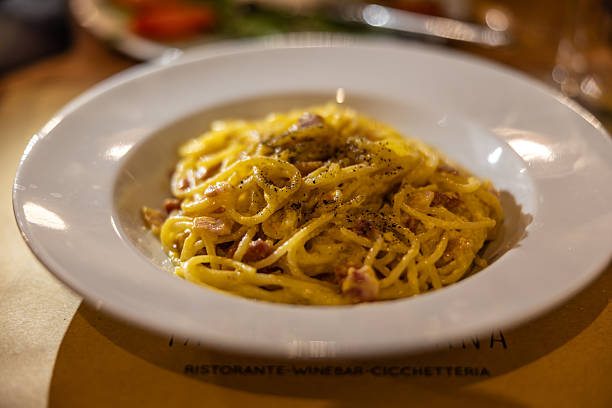
If you’re wondering which wine pairs best with creamy carbonara, you’ve come to the right place. In the next few lines we’ll cut through the confusion and recommend the perfect sips to complement the salty pancetta, silky egg sauce, and peppery bite. Expect quick, practical tips that match your palate and budget, whether you prefer a crisp white, a light red, or a sparkling surprise. Let’s dive in and make dinner unforgettable. Enjoy the perfect pairing tonight with friends together.
How to Choose the Right Wine for Carbonara
Consider the sauce’s richness
When selecting a wine for carbonara, start by evaluating the sauce’s creamy, egg‑based richness. Choose a wine with enough body to stand up to the buttery texture without overwhelming it.
A medium‑bodied white such as a Soave or a lightly oaked Chardonnay offers a subtle creaminess that mirrors the sauce while keeping the palate fresh. If you prefer red, opt for a low‑tannin, fruit‑forward Pinot Noir that won’t clash with the velvety mouthfeel.
Avoid high‑alcohol or overly oak‑heavy wines, as they can make the dish feel heavy. Consider the temperature of the wine, serving whites slightly chilled to enhance the sauce’s silkiness, and reds just off the fridge to keep the flavors bright.
By matching the wine’s weight to the sauce’s richness, you create a harmonious dining experience where each sip complements the luscious carbonara.
Match acidity levels
Carbonara’s salty pancetta and cheese call for a wine that can cut through richness with bright acidity. Select wines with crisp, refreshing acidity to balance the salty, savory notes.
A dry Italian white such as Verdicchio or a Pinot Grigio from the Alto Adige region provides lively citrus and green apple flavors that lift the dish. For red lovers, a light‑bodied Chianti Classico with moderate acidity can cleanse the palate between bites.
Steer clear of overly sweet or low‑acid wines, as they will accentuate the salt and make the meal feel flat. Pay attention to the wine’s pH perception; wines with a zesty finish enhance the lemony undertones sometimes added to the sauce.
Pairing a wine with matching acidity ensures the carbonara feels lighter, the flavors stay distinct, and each mouthful remains vibrant and satisfying.
Balance the pork flavor
To complement the pork element in carbonara, choose a wine that can echo the meat’s savory depth without overpowering it. Opt for wines with gentle fruit and subtle spice that mirror the cured pork’s salty, umami profile.
A dry rosé from Provence offers red berry notes and a hint of pepper that harmonize with pancetta, while maintaining freshness. Alternatively, a lightly oaked white such as a Gavi or a Soave Classico brings a nutty undertone that resonates with the pork’s richness.
If you enjoy reds, a young Barbera d’Asti with soft tannins and bright cherry acidity can accentuate the pork’s flavor while cutting through the cream. Avoid heavily tannic or high‑alcohol reds, which may clash with the delicate balance of the sauce.
By aligning the wine’s fruit, spice, and subtle oak with the pork’s character, the overall dish achieves a cohesive, satisfying taste.
What Types of White Wine Pair Well with Carbonara
Classic Italian whites
Choose a traditional Italian white such as Pinot Grigio from the Veneto or Verdicchio from Marche. These wines offer a clean mineral backbone and subtle citrus notes that echo the peppery bite of pancetta while letting the creamy egg sauce shine.
Serve the wine slightly chilled, around 50‑55°F, to preserve its freshness. Look for a Pinot Grigio with bright acidity and a hint of green apple; it will cut through the richness without overwhelming the dish. Verdicchio, with its slightly nutty finish, mirrors the cheese and adds a gentle herbal lift.
Pairing a classic Italian white reinforces the regional authenticity of carbonara and creates a balanced palate experience that feels both familiar and refined.
When selecting a bottle, aim for a crisp acidity level of 6‑7 on the pH scale, and avoid overly oaked versions that can mask the sauce’s delicate flavors. A light touch of lemon zest in the glass can further brighten the interaction, making each bite feel lively.
Light-bodied options
Opt for a light‑bodied white such as Sauvignon Blanc from New Zealand or Albariño from Rías Baixas. These wines bring vibrant acidity and tropical fruit aromas that lift the richness of carbonara without competing with its salty components.
Serve them at 45‑50°F to keep the fruit forward and the palate crisp. A Sauvignon Blanc with notes of grapefruit, lime, and subtle herbaceousness will cut through the creamy sauce, while an Albariño offering stone‑fruit and saline minerality mirrors the pancetta’s brine.
Choose bottles that display a clean finish and avoid heavy oak treatment, which can dull the wine’s bright character. Pairing a light‑bodied option adds a refreshing contrast, making each forkful feel lighter and more dynamic, especially when the dish includes extra cheese or black pepper for depth.
A quick tip is to swirl the glass gently before sipping, releasing aromatic compounds that enhance the wine’s citrus sparkle and prepare the palate for the next bite.
Crisp aromatic whites
Turn to aromatic whites like Gewürztraminer from Alsace or Riesling from Mosel for a fragrant, slightly off‑dry profile that complements carbonara’s savory depth. The floral perfume and lychee hints of Gewürztraminer soften the peppery bite, while a Riesling with bright acidity and a touch of honey balances the sauce’s creaminess.
Serve these wines chilled at 48‑52°F, and consider a half‑glass of sparkling water alongside to keep the palate refreshed. When selecting, pick bottles labeled “Trocken” (dry) for Riesling to avoid excessive sweetness that could clash with the cheese.
The aromatic intensity adds an unexpected layer of complexity, turning each spoonful into a nuanced experience where the wine’s spice notes echo the pancetta and the subtle sweetness lifts the overall richness.
Pair it with a garnish of fresh parsley or a squeeze of lemon to highlight the wine’s bright aromatics, creating a harmonious bridge between the dish and the glass.
Best Red Wines to Pair with Carbonara
Light reds with low tannins
When you’re serving carbonara, choose a light‑bodied red that won’t overwhelm the creamy sauce. Pinot Noir from cooler climates, such as Burgundy or Oregon, offers bright red fruit and subtle earth notes while keeping tannins soft.
Gamay (Beaujolais Nouveau or Villages) provides juicy strawberry and raspberry flavors with a refreshing acidity that cuts through the richness. Look for wines with low alcohol (around 12‑13%) so the palate stays balanced. Serve slightly chilled, about 55°F (13°C), to enhance fruit freshness and keep the wine lively.
These selections complement the pancetta’s salty bite without adding bitterness, making the dish feel lighter and more nuanced. Pairing a light red also allows you to enjoy the pasta’s silky texture while still getting the comfort of a red wine.
A short 5‑minute decant can open up subtle spice notes, and serve with a simple green salad to round out the meal.
Fruit-forward reds
If you prefer a richer palate, fruit‑forward reds bring enough body to match carbonara’s buttery sauce while still delivering fresh acidity. Zinfandel from California, especially from cooler coastal vineyards, offers jammy blackberry and plum flavors with a hint of pepper that mirrors the peppery bite of Pecorino.
Barbera from Piedmont showcases bright cherry and raspberry notes, high acidity, and low tannins, making it a natural partner for the egg‑based sauce. Choose bottles with moderate alcohol (13‑14%) to avoid overpowering the dish. Serve at cellar temperature (around 60‑65°F/16‑18°C) so the fruit remains vibrant.
Pairing a fruit‑forward red also works well with a side of roasted vegetables, as the wine’s natural sweetness balances the caramelized edges. Tip: swirl the glass and let it breathe for a minute to release aromatic fruit scents that will enhance each bite of the carbonara today.
Italian reds that work
Sticking to Italian reds can create a harmonious regional pairing that highlights the dish’s heritage. Chianti Classico from Tuscany, made primarily from Sangiovese, delivers bright cherry, dried herb, and subtle leather notes with a firm yet smooth tannic structure that cuts through the creamy egg mixture.
Dolcetto d’Alba offers soft tannins, low acidity, and flavors of black‑currant and almond, providing a gentle backbone that supports the salty pancetta without clashing. Choose a young vintage (1‑3 years old) to keep the fruit forward and the oak influence minimal.
Serve slightly cooler than typical reds, around 58‑60°F (14‑15°C), to preserve freshness. Pair these wines with a simple arugula salad dressed in lemon and olive oil; the peppery greens echo the black pepper in the carbonara while the wine’s acidity lifts the richness.
Pro tip: a brief 10‑minute aeration in a wide‑bowl glass will soften any harsh edges and reveal the wine’s nuanced spice profile.
Tips for Pairing Sparkling Wine with Carbonara
Why bubbles complement the dish
Sparkling wine’s lively acidity and fine bubbles cut through the creamy, egg‑yolk richness of carbonara, creating a refreshing contrast that keeps the palate from feeling heavy. High acidity lifts the salty pancetta, while the effervescence sweeps away lingering cheese, preparing you for the next bite.
The carbonation also highlights the subtle peppery notes, making the dish feel brighter. When you sip, notice how the bubbles dissolve, releasing aromatic nuances that echo the pasta’s herbs.
This dynamic interaction turns a simple comfort meal into a more nuanced experience, especially useful if you’re serving a crowd and want a drink that pairs well without overpowering. Balance is the key: the wine should enhance the sauce’s silkiness, not mask it, ensuring every forkful feels light yet satisfying.
Pair it with a crisp glass just before the main course, and the synergy will elevate the entire dining experience.
Choosing the right brut level
Not all sparkling wines are created equal; the brut level determines how dry the wine feels and how it interacts with carbonara’s salty, cheesy profile. Extra‑brut or brut nature offers razor‑sharp acidity and minimal residual sugar, which can accentuate the pepper and pancetta without adding sweetness.
If you prefer a slightly softer edge, a brut style provides a touch of fruitiness that balances the dish’s richness while still delivering crispness. Avoid doux or demi‑sec options, as their higher sugar content may clash with the sauce’s savory depth.
When selecting a bottle, look for descriptors like “dry,” “crisp,” or “lean” on the label, and consider wines from regions known for disciplined fermentation, such as Champagne’s non‑vintage brut, Franciacorta, or a quality Prosecco Superiore.
Taste testing a small pour before serving ensures the chosen level complements rather than competes with the pasta’s flavors.
Serving temperature tricks
Temperature is a silent partner in the pairing game; serving sparkling wine too cold can mute its aromatic complexity, while a lukewarm pour dulls its refreshing bite.
Aim for a glass temperature of 45‑48 °F (7‑9 °C) for most brut styles, which preserves acidity and lets subtle nutty or citrus notes shine through the carbonara’s buttery sauce.
If you’re using a richer extra‑brut nature, a slightly warmer range of 48‑50 °F (9‑10 °C) can reveal delicate minerality without sacrificing crispness.
Chill the bottle in an ice bucket for 20‑30 minutes rather than the freezer, and give it a brief 5‑minute rest after opening to allow the bubbles to settle just enough for a smoother mouthfeel.
Serving in flutes concentrates the aroma, but a tulip glass offers a broader surface for the wine’s perfume, enhancing the overall dining experience when paired with the creamy pasta.
How to Pair Rosé with Carbonara
Dry rosé characteristics
Dry rosés bring a bright acidity and subtle fruit that can cut through the creamy richness of carbonara without overwhelming its delicate flavors. Look for a wine with crisp acidity, light red berry notes, and a dry finish.
These elements balance the salty pancetta and Parmesan while highlighting the dish’s silky texture. A pale pink hue often signals a higher proportion of white grapes, which contributes to the refreshing palate. Avoid overly sweet or heavily oaked rosés, as they may clash with the egg‑based sauce.
Instead, choose a style that offers zesty citrus hints and a clean, mineral backbone, allowing the pasta’s peppery bite to shine alongside the wine.
When selecting a bottle, check the label for a low residual sugar level and a moderate alcohol content, typically around 11‑12% ABV, which ensures the wine remains lively and does not overpower the dish.
Pairing a dry rosé from Provence or a Spanish rosado made from Garnacha can elevate the dining experience, offering a harmonious interplay of flavors that complement the carbonara’s richness.
Regional rosé suggestions
When it comes to regional rosé options, several wine‑growing areas produce styles that naturally complement carbonara’s buttery texture and salty notes. Provence, France is renowned for its pale, dry rosés that showcase citrus, green apple, and a hint of herbs; these wines provide a crisp counterpoint to the dish.
Italian Rosato, especially from the Veneto or Tuscany, often blends Pinot Grigio and Sangiovese, delivering bright acidity and subtle red fruit that echo the pancetta’s flavor.
Spanish rosado, particularly from Rioja or Navarra, offers a slightly richer palate with strawberry and watermelon notes while maintaining a dry finish, making it a versatile match for the creamy sauce.
California’s cool‑climate rosés, such as those from the Sonoma Coast, bring a touch of tropical fruit and a lively acidity that can stand up to the peppery kick. Selecting a regional rosé that aligns with your palate ensures the wine enhances rather than competes with the carbonara.
Serving suggestions
To get the most out of a rosé with carbonara, pay attention to temperature, glassware, and timing. Serve the wine chilled, but not ice‑cold—aim for 10‑12 °C (50‑54 °F), which preserves its aromatic freshness while allowing the acidity to interact with the sauce.
Choose a large‑bowl white wine glass that directs the wine’s bouquet toward your nose and provides ample surface area for the subtle fruit aromas to develop.
Before the first bite, swirl the wine and take a short sip to coat your palate; this prepares your taste buds for the creamy egg mixture.
Pair each bite of carbonara with a modest sip, letting the wine’s crisp acidity cut through the richness and the fruit nuances highlight the pancetta’s smokiness. Finish the meal with a light, citrus‑forward rosé to cleanse the palate and leave a refreshing aftertaste.
Common Pairing Mistakes to Avoid
Overpowering tannins
When pairing carbonara, avoid wines with high tannin levels that can clash with the creamy sauce and salty pancetta. Tannins create a drying sensation that competes with the dish’s richness, leaving the palate feeling harsh.
Choose a wine with softer structure, such as a light‑bodied red or a white with gentle acidity, to let the egg‑yolk silkiness shine. If you must use a red, opt for a Pinot Noir or a Chianti Classico that offers fruit forward notes without aggressive tannins.
Serve the wine slightly chilled to further soften any residual astringency. By steering clear of overpowering tannins, you preserve the delicate balance of flavors and ensure the carbonara remains the star of the plate.
Additionally, consider the cooking method; a sauce that includes black pepper adds a subtle spice that can be overwhelmed by tannic grip. Selecting a wine with low to moderate tannins helps maintain the pepper’s aroma without muting it.
Finally, avoid overly aged reds that have developed firm tannic structures, as they will dominate the dish rather than complement it.
Too much oak
Oak influence can quickly dominate a carbonara pairing if the wine is heavily barrel‑aged. Excessive oak flavors such as vanilla, toast, and spice clash with the dish’s buttery texture and salty pancetta, creating a discordant taste profile.
Opt for wines that are lightly oaked or unoaked, allowing the natural fruit and acidity to complement the creamy sauce. A Chardonnay that has spent minimal time in new oak, or a Verdicchio with subtle oak integration, will provide a clean backbone without overwhelming the pasta.
If you prefer a red, choose a Sangiovese that shows only a whisper of oak, preserving its bright cherry notes. Serve the wine at the recommended temperature to keep oak nuances in check. By limiting oak intensity, you let the carbonara’s subtle flavors—egg, cheese, and pepper—remain front and center.
This approach ensures the wine acts as a subtle partner rather than a competing force.
Ignoring temperature
Serving wine at the wrong temperature is a common error that can sabotage a carbonara pairing. Too warm whites lose their crisp acidity, making the sauce feel heavy, while over‑chilled reds mute fruit aromas that would otherwise balance the salty pancetta.
Aim for a light‑to‑medium white around 10‑12 °C (50‑54 °F) and a light red slightly cooler than room temperature, about 14‑16 °C (57‑61 °F). This range preserves the wine’s structural elements and highlights its freshness without overwhelming the dish.
For a Chardonnay, chill it just enough to keep the buttery notes bright; for a Pinot Noir, allow a brief period at cellar temperature to let its delicate tannins soften. Use a wine thermometer or a simple ice‑water bath to achieve consistency.
By paying attention to proper serving temperature, you enhance the harmony between the wine’s acidity and the carbonara’s rich, velvety texture.
Best Ways to Serve Wine with Carbonara at Home
Proper glassware
Choosing the right glass enhances the aroma and texture of the wine you pair with carbonara. Select a white‑wine glass with a slightly tapered rim for crisp whites such as Pinot Grigio or Verdicchio, allowing the citrus notes to focus on the palate.
If you prefer a light red like Chianti Classico, opt for a Bordeaux‑style glass with a broader bowl to soften tannins and reveal fruit flavors that complement the creamy sauce. For sparkling options, use a flute or tulip glass to preserve carbonation while directing the froth toward the nose.
Keep the glass clean and free of residue, as any leftover scent can clash with the delicate balance of pancetta, egg, and cheese. Serve the wine at the recommended temperature—about 10‑12°C for whites and 14‑16°C for reds—to ensure the flavors interact harmoniously with the dish.
Decanting tips
Decanting can soften the acidity of a white or reveal subtle aromatics in a light red, making the wine a better partner for carbonara’s rich profile.
For white wines like Soave or Gavi, pour the wine into a decanter for 10‑15 minutes; this brief exposure to air awakens citrus and mineral notes that cut through the sauce’s creaminess.
With a red such as Barbera d’Asti, allow 20‑30 minutes of decanting to mellow tannins and highlight red‑fruit flavors that echo the pancetta’s smokiness. Use a clear glass decanter with a wide base to maximize surface area, and avoid swirling too vigorously, which can release harsh compounds.
If you lack a decanter, transfer the wine to a clean pitcher or large wine glass and let it breathe for the same time intervals. Always taste after the allotted period to confirm the balance before serving alongside the pasta.
Food plating coordination
Visual harmony between the plate and the glass can heighten the dining experience, especially when pairing wine with carbonara. Start by arranging the pasta in a shallow, wide‑rimmed bowl so the sauce glistens and invites the aroma of the wine to rise.
Place a small sprig of fresh parsley or a light dusting of grated Pecorino on top; the green hue contrasts with the pale wine, signaling a crisp finish.
Position the wine glass at the 2‑o’clock position relative to the diner, which is ergonomically comfortable and keeps the glass’s rim away from the steam of the hot pasta. Use a white or neutral‑colored charger underneath the plate to reflect light onto the wine, enhancing its clarity.
Finally, serve the wine just before the first forkful, allowing the palate to adjust to the acidity and fruit notes that will cut through the carbonara’s richness, creating a balanced mouthfeel from the first bite to the last sip.
Frequently Asked Questions
What type of wine pairs best with carbonara?
A crisp, acidic white wine like Pinot Grigio or a light-bodied red such as Chianti complements the creamy sauce and pancetta without overwhelming the dish.
Why is a high‑acid wine a good match for carbonara?
The acidity cuts through the richness of the egg‑cheese sauce, balancing the palate and refreshing the flavors of the pork.
Can I serve a sparkling wine with carbonara?
Yes, a dry Prosecco or Champagne works well; the bubbles and acidity lift the sauce and add a festive touch.
Should I avoid heavy reds like Cabernet Sauvignon with carbonara?
Heavy, tannic reds can clash with the delicate texture and salty pancetta, making the dish taste heavy and the wine taste muted.
What regional Italian wines complement traditional Roman carbonara?
Italian whites such as Frascati, Verdicchio, or a light red like Montepulciano d’Abruzzo enhance the authentic flavors of the dish.
How should I serve the wine for carbonara to maximize enjoyment?
Serve whites chilled at 45‑50°F (7‑10°C) and reds slightly below room temperature, around 60‑65°F (15‑18°C), to preserve freshness and balance.
Conclusion
Pairing carbonara with the right wine enhances its creamy, salty richness. A crisp, unoaked Chardonnay or a bright Italian white like Verdicchio balances the cheese and pancetta, while a light‑bodied red such as Chianti Classico or a young Barbera adds a subtle fruit contrast without overwhelming the dish. Remember to serve slightly chilled and enjoy the harmony—experiment, trust your palate, and let each bite and sip celebrate the classic Italian comfort.