What Wine Pairs With Steak
If you’re wondering what wine pairs with steak, you’ve come to the right place. I’ll walk you through the classic choices and a few surprising twists, so you can match bold flavors with the perfect sip. From robust Cabernets to silky Malbecs, and even a peppery Syrah, you’ll discover why each works so well with a juicy cut. Stick around, and you’ll have a confident, ready‑to‑serve recommendation in minutes to impress your guests, complement the grill, and elevate dinner tonight.
How to Choose the Right Wine for Steak
Consider the steak cut
Start by looking at the cut of steak you’re serving, because the texture and fat level drive the wine choice. A lean cut such as filet mignon or sirloin offers a delicate, almost buttery mouthfeel, so you want a wine that adds structure without overwhelming the meat.
Opt for a medium‑bodied red like a Pinot Noir or a light‑to‑medium Merlot; their bright acidity and soft tannins complement the subtle flavor while highlighting the steak’s natural juiciness. In contrast, a heavily marbled ribeye or T‑bone brings rich, beefy intensity and a pronounced mouth‑coating fat.
Here a fuller‑bodied wine with firm tannins—think Cabernet Sauvignon, Syrah, or a robust Malbec—will cut through the fat, balance the protein, and echo the steak’s smoky notes.
By matching the cut’s fat content and texture to the wine’s weight, you set the stage for a harmonious pairing that lets both components shine.
Match the wine body to the meat
Think of the wine’s body as the weight it brings to the palate; it should mirror the steak’s heft. A thick, char‑seared porterhouse or a well‑marinated flank steak carries a dense protein structure that benefits from a wine with comparable intensity.
Full‑bodied reds such as a bold Cabernet Sauvignon, a structured Bordeaux blend, or an Argentine Malbec provide the tannic grip and dark fruit backbone needed to stand up to the meat’s richness.
If the steak is thinner or cooked to a rare doneness, a slightly lighter body works better—opt for a Grenache‑based blend or a Rhône‑style Syrah that offers medium tannins and a peppery edge.
The goal is to avoid a wine that feels “flimsy” next to the steak, which would let the meat dominate, or one that overwhelms the palate, masking the subtle nuances of the beef. Aligning body and bite creates a seamless dialogue between food and glass.
Factor in cooking method
The way you cook steak changes its flavor profile, so let the cooking method guide your wine pick. Grilling imparts smoky char and caramelized crust; these bold notes pair beautifully with wines that have a hint of spice and firm tannins, such as a Syrah, Zinfandel, or a smoky Tempranillo.
Pan‑searing creates a buttery, Maillard‑rich surface, which is complemented by a wine with bright acidity and moderate tannins—think a Chianti Classico or a cooler‑climate Pinot Noir that can cut through the richness while echoing the savory notes.
If you’re preparing a steak with a buttery herb butter or a red‑wine reduction, choose a wine that can echo those aromatics; a Bordeaux‑style blend with herbal undertones or an aged Rioja will mirror the herbaceous elements and add depth.
Remember to consider the sauce or glaze as well—sweet‑tangy BBQ calls for a fruit‑forward Zinfandel, while a peppercorn sauce shines with a peppery Shiraz. Matching the heat, smoke, and sauce ensures the wine enhances rather than competes with the steak.
What Types of Red Wine Pair Best with Steak
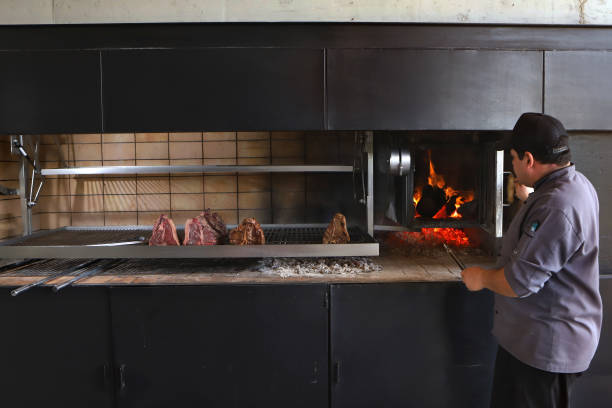
Cabernet Sauvignon
Cabernet Sauvignon is the classic steak companion because its robust structure and firm tannins cut through rich, fatty cuts. Look for wines with 13‑15% alcohol and notes of blackcurrant, cedar, and a hint of vanilla from oak aging.
When the steak is grilled or seared, the smoky char amplifies the wine’s peppery spice, creating a balanced mouthfeel. For a ribeye or New York strip, choose a bottle from Napa Valley or Bordeaux‑style blends that showcase concentrated fruit and a lingering finish.
Serve the wine slightly cooler than room temperature, around 60‑65°F, to soften the tannins and enhance aromatics. Decant for 30‑45 minutes to let the wine breathe, allowing its complex layers to meld with the meat’s juices for a harmonious pairing.
Pair it with a side of roasted garlic potatoes or a simple arugula salad to keep the focus on the meat and wine synergy.
Malbec
Malbec delivers a plush, fruit‑forward profile that pairs beautifully with leaner steak cuts such as flank or sirloin. Seek out Argentine Malbecs with 13‑14% alcohol, deep violet color, and flavors of plum, blackberry, and a touch of smoked tobacco.
The wine’s soft tannins and moderate acidity complement the meat’s natural juices without overwhelming them. Grilling the steak over hardwood adds a subtle char that mirrors the wine’s earthy undertones, enhancing the overall harmony.
For a pepper‑corn crusted steak, the subtle spice in Malbec accentuates the peppery notes, creating a seamless match. Serve the wine at 58‑62°F and give it a brief swirl to release its aromatic intensity.
Adding a side of grilled vegetables or a chimichurri sauce can elevate the pairing, letting the wine’s fruitiness brighten the savory elements. Enjoy it for dinner.
Syrah/Shiraz
Syrah, known as Shiraz in Australia, offers a peppery, smoky character that stands up to richly marbled steaks like ribeye or T‑bone. Choose bottles with 14‑15% alcohol that showcase dark cherry, black pepper, and a hint of leather from extended oak aging.
The wine’s firm tannic backbone and pronounced spice complement the meat’s fat, while its medium‑to‑high acidity cleanses the palate between bites. When the steak is seasoned with rosemary, garlic, or a balsamic glaze, the herbal and sweet‑sour notes echo the Syrah’s own complexity, creating a layered tasting experience.
Serve the wine slightly chilled at 60°F and let it breathe for 20‑30 minutes to soften any harsh edges. Pair it with a side of caramelized onions or a mushroom risotto to amplify the earthy tones and make the meal unforgettable. for everyone.
Tips for Pairing White Wine with Certain Steak Dishes
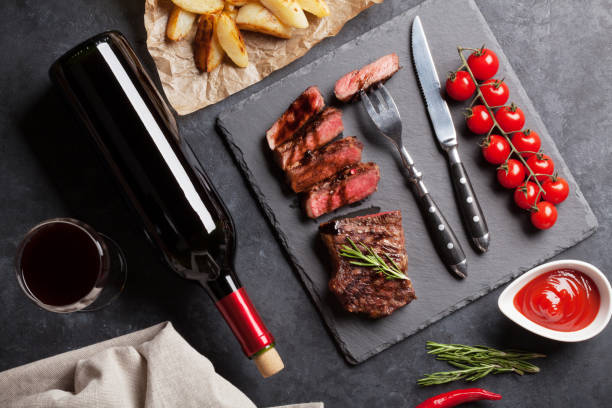
When to choose a white
When a steak is prepared with delicate flavors or lighter accompaniments, a white wine can enhance the dish without overwhelming it. Choose a white for lean cuts such as filet mignon, sirloin, or flank steak that are grilled quickly and served rare to medium‑rare.
The subtle char and minimal fat allow the wine’s acidity to cut through the meat, refreshing the palate. Pair with buttery sauces, herb‑based chimichurri, or citrus‑y marinades; the bright notes of a white will echo the herbs and lift the sauce.
Avoid heavy, heavily oaked whites with heavily seasoned or heavily charred steaks, as the flavors may clash. In summary, select a white when the steak is light, the sauce is creamy or herbaceous, and you want a crisp, refreshing contrast that highlights the meat’s natural tenderness and juiciness.
Best white varieties
Among white wines, a few varieties consistently shine alongside steak, offering enough body and acidity to complement the meat. Full‑bodied Chardonnay with moderate oak provides buttery richness that matches creamy peppercorn or mushroom sauces, while its bright acidity balances the steak’s fat.
Viognier delivers floral aromatics and a plush mouthfeel, perfect for grilled ribeye topped with herb‑infused butter. Sauvignon Blanc, especially from cooler climates, brings crisp citrus and green‑herb notes that cut through richer cuts like New York strip, enhancing any lemon‑based garnish.
White Rioja or Albariño offer mineral tension and subtle fruit, ideal for steaks served with salsa verde or tomato‑based relishes. When selecting, look for wines with medium‑high acidity, a touch of oak or spice, and enough weight to stand up to the protein without being overpowered on the palate today.
Serving temperature tips
Temperature plays a crucial role in how a white wine interacts with steak, influencing aroma release and mouthfeel. Serve light‑to‑medium whites slightly cooler than typical whites, around 45‑50 °F (7‑10 °C), to preserve their crisp acidity while allowing subtle fruit and oak nuances to emerge.
Chill in the refrigerator for 30‑45 minutes, then let the bottle sit for a few minutes before pouring to avoid over‑chilling, which can mute flavors. Use a tulip‑shaped glass to concentrate aromas and direct them toward the nose, enhancing the pairing experience.
If the steak is served with a rich sauce, consider a slightly warmer temperature, about 52 °F (11 °C), to soften the wine’s edge and create a smoother integration.
Remember to re‑evaluate the temperature after the first sip; adjust by letting the wine breathe a minute or two for optimal balance with the meat’s texture and seasoning.
Best Wine Pairings for Different Steak Cuts
Ribeye and bold reds
Ribeye’s marbling delivers rich, buttery flavor that thrives with full‑bodied, tannic reds. Choose a Cabernet Sauvignon from Napa or a Syrah from the Rhône for maximum impact. The wine’s firm tannins cut through the fat, while dark fruit notes echo the steak’s char.
For a slightly softer edge, try a Malbec with its plum‑laden profile and velvety finish. Key tip: serve the wine slightly cooler than room temperature, around 60‑65°F, to keep acidity bright. Pair the steak with a side of roasted garlic mushrooms to amplify the earthy undertones of the wine.
Remember to let the ribeye rest for five minutes after cooking so the juices redistribute, ensuring each bite matches the wine’s robust structure. Select a large, rounded glass to allow the aromas to open, and sip the wine after the first few bites to let the flavors meld.
Filet mignon and lighter reds
Filet mignon’s tender, delicate texture calls for a red that won’t overwhelm its subtle beef flavor. Opt for a Pinot Noir from Oregon or a light‑bodied Bordeaux blend with a higher proportion of Merlot. The wine’s bright acidity and red‑berry notes complement the steak’s natural sweetness while preserving its silkiness.
Key tip: decant the Pinot for 20‑30 minutes to soften tannins and release aromatic nuance. Pair the filet with a mushroom‑cream sauce; the earthiness of the mushrooms mirrors the Pinot’s forest floor aromas. Serve the wine slightly chilled, around 55°F, to enhance freshness.
Remember to sear the filet quickly over high heat, then finish in the oven to maintain its buttery interior, creating a harmonious match with the wine’s elegant profile. A side of roasted asparagus drizzled with lemon zest adds a citrus lift that brightens both the steak and the Pinot.
Sirloin and medium‑bodied wines
Sirloin offers a balance of lean meat and juicy chew, making it ideal for medium‑bodied reds that provide structure without dominating. A classic choice is a Zinfandel from California, whose jammy black‑fruit character and moderate spice echo the steak’s caramelized crust.
Alternatively, a Chianti Classico with Sangiovese’s bright acidity and herbaceous notes can lift the sirloin’s savory profile. Key tip: let the wine breathe for ten minutes after opening to allow its fruit to open fully.
Pair the sirloin with a peppercorn‑corned‑beef sauce; the peppery heat syncs with the Zinfandel’s pepper notes, while the herb‑rich sauce complements the Chianti’s earthy undertones. Serve the wine at 58‑62°F and use a broad‑rimmed glass to capture its aromatic depth.
Rest the steak for three minutes before slicing to keep juices locked in, ensuring each bite aligns with the wine’s balanced palate.
How Cooking Methods Influence Wine Choice
Grilled steak and smoky wines
Grilled steak develops a charred, smoky crust that calls for wines with comparable intensity. Choose a full‑bodied Cabernet Sauvignon or a Syrah/Shiraz that offers dark fruit, peppery spice, and firm tannins to cut through the meat’s richness.
Oak‑aged reds add a subtle vanilla note that mirrors the grill’s caramelization, while a Malbec provides plum‑like fruit and a smoky finish that complements the char. If you prefer a lighter option, a Tempranillo with its earthy undertones and modest acidity can balance the smoke without overwhelming the palate.
Serve the wine slightly chilled (around 60°F) to enhance freshness and keep the flavors lively alongside the robust steak. Pairing a wine with a subtle hint of tobacco or cedar can echo the grill’s ember, and a touch of ripe blackcurrant will lift the meat’s savory depth.
Remember to let the wine breathe for at least 20 minutes to fully develop its structure before serving.
Pan‑seared steak and fruit‑forward reds
Pan‑searing creates a caramelized crust while keeping the interior juicy, producing a slightly sweeter flavor profile that pairs beautifully with fruit‑forward reds. Opt for a Zinfandel that delivers jammy blackberry, raspberry, and a hint of pepper, matching the steak’s browned edges.
A Grenache offers red‑cherry brightness and soft tannins, allowing the meat’s natural sweetness to shine without being masked. For a cooler climate option, a Pinot Noir from Oregon provides bright acidity, subtle earthiness, and ripe strawberry notes that cut through the buttery pan sauce.
If the steak is finished with a herb butter, a Merlot with plum‑laden fruit and gentle oak can echo the herbaceous nuances. Serve these wines slightly below room temperature (55‑58°F) to keep the fruit vivid and the tannins supple, ensuring each sip refreshes the palate between bites comfortably.
Sauced steak and complementary wines
Sauced steak—whether smothered in a rich béarnaise, a peppercorn cream, or a robust mushroom gravy—requires wines that can stand up to the added layers of fat and flavor.
A Bordeaux blend with Cabernet Franc and Merlot offers firm tannins, black‑currant depth, and a touch of herbal nuance that cuts through creamy sauces while echoing the meat’s earthiness.
For a spicier peppercorn sauce, a Syrah with smoky plum, black‑olive notes, and a peppery finish mirrors the sauce’s heat and adds complexity.
If the steak is topped with a mushroom‑based sauce, a Chianti Classico brings bright acidity, cherry acidity, and subtle tannic grip that lifts the umami and prevents the palate from feeling heavy.
When serving, decant the wine for 30 minutes to soften tannins and release aromatic layers, and serve at 60‑64°F to maintain balance between the sauce’s richness and the wine’s structure.
What to Avoid When Pairing Wine with Steak
Overly sweet wines
Steer clear of wines that are overly sweet, such as dessert Rieslings or late‑harvest whites, because their sugar can clash with the savory, charred flavors of steak. Avoid high residual sugar; it masks the meat’s natural umami and makes the palate feel cloying.
When a wine’s sweetness dominates, the steak’s fat and protein become muted, leading to a flat dining experience. Choose a dry, structured red instead, allowing the beef’s richness to shine.
If you inadvertently select a sweet wine, balance it with a squeeze of lemon or a vinaigrette, but the safest route is to skip sugary options altogether for a classic steak dinner.
Examples of wines that often tip into sweetness include a Moscato d’Asti, a Gewürztraminer with late harvest, or a heavily oaked Chardonnay that leans toward honeyed notes. These styles can overwhelm the peppery crust of a ribeye and hide the subtle peppercorn seasoning.
Instead, focus on dry, high‑tannin reds like Cabernet Sauvignon or Malbec, which provide the necessary structure without unwanted sweetness. Remember, the goal is to let the steak lead the conversation, not the wine.
High‑acid whites
High‑acid white wines, such as crisp Sauvignon Blanc, unoaked Chardonnay, or a zesty Pinot Grigio, may seem refreshing but they often clash with the rich, fatty profile of steak. Acidity can accentuate bitterness in charred meat and make the sauce feel sharp rather than complementary.
When the wine’s bright tartness dominates, the steak’s natural juiciness is suppressed, leaving a disjointed palate. Instead of a white, opt for a red with balanced acidity that mirrors the meat’s texture.
If a white is unavoidable, choose one with a rounder mouthfeel—like a lightly oaked Chardonnay or a Viognier—where the acidity is softened by subtle fruit and a creamy texture. Avoid overly sharp whites and prioritize wines that support the meat’s depth rather than compete with it.
Pairing a steak with a high‑acid white can also highlight any metallic notes in the grill, making the overall experience less enjoyable. A better approach is to let the wine’s body match the steak’s heft, ensuring a harmonious finish.
Mismatched tannins
Steak thrives on wines with firm tannic structure that can cut through fat, but selecting a wine with tannins that are too soft or overly aggressive can ruin the balance.
Under‑tannic reds like a light Pinot Noir may leave the palate feeling slippery, failing to cleanse the richness of a ribeye or New York strip.
Conversely, excessively high‑tannin wines such as a very young, highly astringent Cabernet Sauvignon can overwhelm the meat, creating a drying sensation that masks the steak’s flavor. Aim for a wine where tannins are ripe and integrated, offering gentle grip without bitterness.
Examples include a well‑aged Malbec, a Bordeaux blend with balanced tannins, or a Syrah that provides both spice and smooth structure.
When in doubt, taste a small sip and notice whether the wine softens the fat or dominates the palate; adjust your choice accordingly to keep the steak as the star.
Tips for Serving and Storing Wine with Steak Dinners
Ideal serving temperature
Serve full‑bodied reds a few degrees below room temperature to highlight fruit and soften tannins. Aim for 60–65°F (15–18°C) for Cabernet Sauvignon, Merlot, or Malbec, the classic steak companions. If the wine is too warm, alcohol and bitterness dominate; too cold, aromas mute.
Chill the bottle in a wine fridge for 15–20 minutes or place it in an ice bucket with water for quick cooling. Before pouring, let the wine sit uncovered for 5–10 minutes to breathe, allowing volatile compounds to settle.
Use a thermometer or the fingertip test— the glass should feel cool but not icy. Matching the temperature to the steak’s richness ensures the meat’s savory juices and the wine’s dark fruit, spice, and oak notes meld seamlessly, creating a balanced palate experience.
Pairing this temperature with a well‑aged bottle will further soften harsh edges and enhance the steak’s charred crust.
Decanting basics
Decanting releases tannins and aromatics, turning a young, robust steak wine into a smoother companion. Allow 30–60 minutes of air exposure for Cabernet Sauvignon, Syrah, or a bold Zinfandel before serving.
Begin by gently pouring the wine into a clean decanter, avoiding the sediment that settles at the bottom of the bottle. Swirl the liquid once to increase surface area, then let it rest on a stable surface away from direct sunlight.
If time is limited, a rapid “double‑decant”—pouring the wine into a glass, then back into the bottle—can provide a quick lift. Taste after the initial period; if the wine still feels closed, give it another 10‑15 minutes.
Proper decanting not only softens aggressive tannins but also highlights dark fruit, pepper, and smoky notes that echo the grilled or seared steak’s char. This simple step ensures the wine’s structure aligns with the meat’s richness, creating a harmonious dining experience.
Storing leftovers
After a steak dinner, preserving the remaining wine keeps its flavor ready for the next meal. Seal the bottle tightly with a stopper or vacuum pump within two hours to limit oxidation.
Store the bottle upright in a cool, dark pantry at 55–60°F (13–16°C); refrigeration is acceptable for short‑term storage but may mute fruit notes. If you have a larger quantity, transfer the wine to a smaller glass carafe, reducing headspace and slowing exposure to air.
For reds that have been decanted, re‑decant into a clean vessel before resealing to capture any sediment that settled. When you’re ready to enjoy the leftovers, let the wine warm to its ideal serving temperature for 15 minutes and give it a gentle swirl.
Pair the revived wine with a lighter steak cut, such as filet mignon, or use it as a cooking ingredient for sauces and reductions, ensuring no waste and extending the steak‑wine experience.
Frequently Asked Questions
What type of red wine best complements a classic grilled steak?
Full-bodied red wines with firm tannins, such as Cabernet Sauvignon, Syrah/Shiraz, or Malbec, enhance the richness and char of a grilled steak.
Can a lighter red wine work with a lean cut of steak?
Yes, lighter reds like Pinot Noir or a young Zinfandel pair well with leaner cuts such as filet mignon or sirloin, offering acidity without overwhelming the meat.
Are there any white wines that pair nicely with steak?
While red wines are traditional, a well-structured white like an oaked Chardonnay or a buttery white Rhône blend can complement buttery steak preparations.
How does the cooking method affect wine selection for steak?
Charred or smoky steaks benefit from robust, tannic reds, whereas pan‑seared or butter‑basted steaks can pair nicely with slightly softer reds or even a rich white.
Should I consider the sauce when choosing a wine for steak?
Absolutely—peppercorn or mushroom sauces pair well with Cabernet or Merlot, while a red wine reduction pairs nicely with a matching varietal, enhancing flavor continuity.
What non‑alcoholic options work as steak pairings?
For non‑alcoholic choices, try a robust sparkling grape juice, a tea‑based mocktail with dark fruit notes, or a high‑quality non‑alcoholic red wine alternative that mimics tannic structure.
Conclusion
In short, a robust red—think Cabernet Sauvignon, Malbec, or a full‑bodied Syrah—best complements the rich, charred flavors of steak, while a peppery Zinfandel or a smooth Merlot offers a softer, fruit‑forward alternative. Consider the cut, sauce, and personal palate, and don’t shy away from experimenting with temperature and aging. Armed with these tips, you’re ready to elevate every steak dinner with the perfect wine pairing and impress your guests.