What Wine Pairs With Sea Bass
Finding the perfect wine for sea bass doesn’t have to be a mystery. In this quick guide we’ll match the delicate, flaky texture and subtle flavors of the fish with a few top picks that enhance every bite. Whether you prefer a crisp white, a light rosé, or even a gentle red, we’ve got the ideal pairings ready for you. Stick around and you’ll discover the best wine to serve tonight, no guesswork required and wow your dinner guests tonight.
How to Choose the Right Wine for Sea Bass
Identify the flavor profile of sea bass
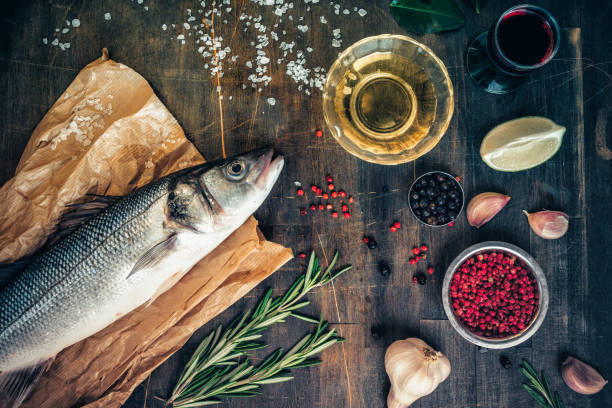
Start by tasting the natural characteristics of sea bass. The fish offers a mild sweetness and a clean, slightly briny finish, with a firm yet flaky texture that holds its shape.
Its low fat content means the flavor is delicate and does not overwhelm the palate, allowing subtle herbs or citrus to shine.
When evaluating the profile, note any nutty undertones that can appear when the fish is fresh, as well as the faint marine mineral note that hints at its ocean origin. Understanding these traits helps you target wines that complement rather than mask the fish.
Aim for wines that echo the fish’s lightness, provide a touch of acidity, and can enhance the gentle flavor without adding heaviness. Consider also the temperature of service; a slightly chilled glass will preserve the crispness and keep the pairing harmonious.
Consider cooking method and sauces
Next, examine how the sea bass is prepared, because the cooking method dramatically shifts the wine match.
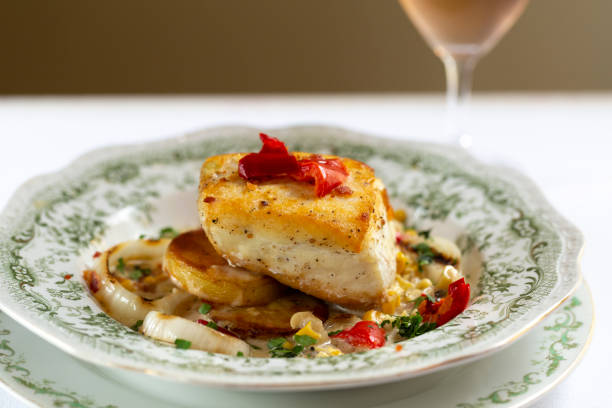
Grilled or pan‑seared fillets develop caramelized edges and a hint of smoke, which pair well with wines that have a touch of oak and a medium body, such as a lightly oaked Chardonnay or a Pinot Noir with soft tannins.
If the fish is poached in a citrus broth or served with a beurre blanc, the bright acidity calls for a crisp white like Sauvignon Blanc, Albariño, or a dry Riesling that can mirror the sauce’s zest without competing.
For richer sauces—think beurre noir, mushroom ragout, or a tomato‑based salsa—opt for a fuller‑bodied white or a light‑red that can stand up to the depth, such as a Viognier or a Gamay. Matching the preparation ensures the wine supports the dish’s texture and flavor layers, creating a balanced dining experience.
Match wine acidity to fish texture
Finally, align the wine’s acidity with the sea bass’s light, flaky texture to keep the palate refreshed. A high‑acid wine cuts through the delicate flesh, preventing the meal from feeling flat, while still honoring the fish’s subtle flavor.
Look for wines that deliver crisp acidity without overwhelming fruit, such as a Vinho Verde, a Chablis, or an unoaked Albariño, which provide a clean mineral backbone that mirrors the fish’s marine notes.
If the dish includes a buttery or herb‑infused sauce, a slightly lower‑acid but still vibrant wine like a Chenin Blanc or a Grüner Veltliner can add complexity without clashing.
The goal is to choose a wine whose acidity matches the fish’s moisture level, creating a harmonious lift that accentuates both the seafood and the wine’s bright finish. Serve the wine slightly chilled, around 45–50°F, to preserve its lively acidity and enhance the overall synergy.
What Types of White Wine Pair Best with Sea Bass
Sauvignon Blanc
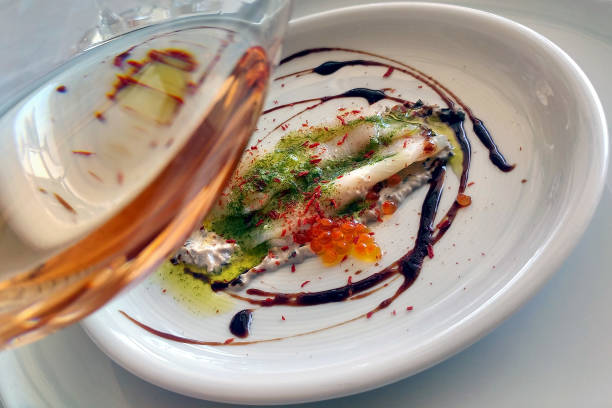
Sauvignon Blanc is a classic match for sea bass because its crisp acidity cuts through the fish’s delicate texture while highlighting subtle flavors. Look for versions from New Zealand or the Loire Valley that showcase zesty citrus, green apple, and a hint of herbaceous minerality.
Serve the wine chilled at 45‑50°F to maintain freshness. Pair it with simply grilled or pan‑seared sea bass, especially when the dish includes lemon butter or a light herb sauce.
The wine’s bright profile also balances any accompanying vegetables like asparagus or peas, making the overall meal feel light and harmonious. Its subtle tropical notes also complement a splash of orange zest in the sauce, enhancing the dining experience.
Chardonnay
Chardonnay pairs beautifully with sea bass when the fish is prepared with richer sauces or buttery finishes. Opt for unoaked or lightly oaked styles from Burgundy or California that deliver creamy texture, soft tropical fruit, and a touch of vanilla.
The wine’s moderate acidity balances the richness of a beurre blanc or a garlic‑butter glaze, while its subtle oak notes echo any grilled or roasted nuances. Serve at 50‑55°F to keep the palate supple.
This match shines when the sea bass is pan‑seared and finished with a lemon‑herb butter, allowing the wine’s buttery mouthfeel to mirror the dish’s luxurious coating without overwhelming the delicate fish.
Pinot Grigio
Pinot Grigio offers a light, crisp companion for sea bass, especially when the fish is served with citrus or herb‑forward preparations. Italian Pinot Grigios from Veneto or Friuli showcase bright green apple, pear, and a subtle mineral streak, delivering a refreshing palate that lifts the subtle sweetness of the fish.
The wine’s high acidity pairs well with a drizzle of olive oil, a squeeze of lime, or a simple salsa verde, keeping the dish lively. Serve chilled at 45‑48°F for optimal freshness.
This pairing works particularly well with grilled sea bass topped with a tomato‑basil relish, as the wine’s clean finish accentuates the bright flavors without masking the fish’s delicate texture.
Albariño
Albariño, the signature white from Spain’s Rías Baixas, is a natural ally for sea bass thanks to its vibrant acidity and salty minerality that echo coastal flavors. Expect aromas of stone fruit, citrus blossom, and a whisper of sea spray, which enhance the fish’s sweet flesh.
The wine’s crisp backbone pairs especially well with sea bass prepared à la plancha or lightly poached in a white wine broth, allowing the subtle fruit notes to complement the gentle seasoning. Serve slightly chilled at 48‑52°F to preserve its aromatic intensity.
When the dish includes a herb‑lime vinaigrette or a light tomato concasse, Albariño’s bright finish lifts the entire plate, creating a harmonious, seaside dining experience.
Best Red Wine Options for Grilled Sea Bass
Light-bodied reds
When serving grilled sea bass, choose a light‑bodied red that won’t overwhelm the delicate fish. Opt for a chilled Pinot Noir or Gamay to keep the palate fresh; the subtle fruit and soft tannins complement the buttery texture.
Start by selecting a wine with low alcohol, ideally under 13%, which preserves the fish’s natural sweetness. Serve the wine slightly cooler than typical reds—around 55°F (13°C)—to enhance its bright acidity.
Pair it with a simple herb‑marinade or citrus glaze on the sea bass, allowing the wine’s red fruit notes to echo the zest. Finally, taste the wine before pouring; if it feels overly tannic, switch to a white or a rosé.
This approach ensures the red wine adds nuance without masking the sea bass’s flavor. You can also serve a small side of roasted tomatoes to mirror the wine’s subtle berry profile.
Pinot Noir
Pinot Noir is a classic companion for grilled sea bass because its elegant structure matches the fish’s light texture. Select a Pinot with bright cherry and raspberry aromas and soft, silky tannins that won’t dominate the palate.
Look for bottles from cooler climates such as Burgundy, Oregon, or New Zealand, where the acidity stays lively and the fruit stays restrained. Chill the wine to about 55‑58°F (13‑14°C) to highlight its freshness and to temper any subtle oak influence.
When cooking, use a herb‑butter glaze with dill or thyme; the wine’s subtle spice notes will echo the herbal flavors. Before serving, give the bottle a gentle swirl and inhale the aroma, confirming the balance of fruit and earth.
Pairing this Pinot Noir with a side of lemon‑roasted asparagus further amplifies the citrus brightness, creating a harmonious dining experience.
Beaujolais
Beaujolais, made from the Gamay grape, offers a lively, fruit‑forward profile that pairs surprisingly well with grilled sea bass. Choose a Beaujolais Nouveau or a Beaujolais Villages for their light tannins and vibrant strawberry‑and‑cherry notes that accentuate the fish’s mild sweetness.
Opt for a bottle with a bright acidity of around 3.5‑4% to cut through any buttery glaze you might use. Serve the wine slightly chilled, about 54°F (12°C), which enhances its refreshing character.
While grilling, brush the sea bass with a glaze of orange zest and a touch of honey; the wine’s subtle spice and jammy fruit will mirror these flavors.
Before the meal, pour a small tasting glass and note the perfume of red berries and a hint of pepper—signs of a well‑balanced Beaujolais.
Complement the dish with a side of sautéed fennel or a simple mixed green salad dressed in a light vinaigrette to round out the bright, aromatic experience.
Tips for Pairing Sparkling Wine with Sea Bass
Why bubbles work
Sparkling wine’s lively effervescence lifts the delicate flavor of sea bass, creating a harmonious balance. The bright acidity cuts through the fish’s buttery texture, while the tiny bubbles cleanse the palate between bites, readying it for the next bite of flaky meat.
This contrast enhances the subtle sweetness of the flesh without overwhelming it. Additionally, the mineral notes often found in quality sparklers echo the sea‑salt character of the dish, reinforcing a coastal vibe.
When paired with a lightly seasoned or citrus‑marinated sea bass, the wine’s crispness accentuates the bright herbs and lemon zest, making each mouthful feel fresher. The gentle carbonation also softens any richness from sauces such as beurre blanc, ensuring the pairing remains light and elegant rather than heavy.
Overall, the dynamic interplay of acidity, texture, and minerality makes bubbles an ideal companion for sea bass.
Champagne vs Prosecco
Choosing between Champagne and Prosecco for sea bass depends on the style you want to highlight. Champagne offers fine, persistent bubbles, higher acidity, and complex toasty or brioche notes that can elevate a richer preparation, such as a sea bass baked with a buttery herb crust.
Its crystalline structure cuts through fat, leaving a clean finish that mirrors the fish’s delicate flesh. In contrast, Prosecco brings a fruitier, softer fizz with notes of green apple, pear, and white peach, making it perfect for lighter, citrus‑forward sea bass dishes or those served with a simple olive‑oil drizzle.
The lower acidity of Prosecco won’t dominate a subtly seasoned fillet, while its aromatic profile adds a playful lift.
If you prefer a more elegant, nuanced experience, reach for a Brut Champagne; if you enjoy a fresh, approachable vibe, a dry‑style Prosecco pairs beautifully, ensuring the sea bass remains the star without being overpowered.
Serving temperature
Temperature is a silent partner in the sea bass and sparkling wine duet; serving both at their optimal chill maximizes flavor harmony. Aim for a wine temperature of 45‑50°F (7‑10°C) for most brut or extra‑dry sparklers.
This cool range preserves the wine’s bright acidity and crisp bubbles while preventing the palate from feeling numb. If the wine is too cold, the subtle fruit and mineral notes will be muted; too warm, and the effervescence can become flabby.
Chill the sea bass just before plating, allowing a brief rest at room temperature (about 10‑15 minutes) to let the flesh retain its juiciness. Pair this with a glass that holds the wine upright, encouraging steady rise of bubbles.
A quick tip: place the bottle in an ice‑water bath for 15 minutes rather than the freezer, ensuring a precise temperature that lets the sparkling wine shine alongside the delicate sea bass.
How to Pair Wine with Sea Bass Sauces
Lemon butter sauce
Start by tasting the bright citrus notes of the lemon butter sauce on the sea bass. Choose a white wine with bright acidity to cut through the richness of butter while echoing the lemon zest.
A lightly oaked Chardonnay from Burgundy or a cool‑climate California source offers buttery texture that mirrors the sauce, yet its crisp acidity keeps the palate fresh.
If you prefer a more mineral profile, opt for a Sauvignon Blanc from the Loire Valley; its green‑herb aromatics complement the herbaceous undertones in the butter.
Serve the wine slightly chilled, around 10‑12 °C, and pour a modest glass to allow the wine’s fruit to mingle with the sauce’s silky mouthfeel. Avoid overly heavy reds, as they will overwhelm the delicate fish and mask the citrus sparkle.
Pairing this way enhances both the fish and the wine, creating a harmonious dining experience.
Herb pesto sauce
Begin by noting the vibrant green herbs and olive oil richness in a pesto‑dressed sea bass. Select a white wine with herbal freshness to mirror the basil, parsley, and pine‑nut flavors without competing with the fish’s delicate texture.
A Vermentino from Sardinia delivers a crisp minerality and subtle citrus that lifts the pesto’s brightness. Alternatively, a dry Italian Pinot Grigio offers light stone‑fruit notes and a clean finish that lets the herbaceous sauce shine.
Serve the wine chilled at 9‑11 °C and swirl gently to release aromatic compounds that echo the pesto’s garden profile. Skip buttery Chardonnays, as their oak influence can mask the sauce’s nuanced herbs.
A modest pour, about 150 ml, ensures the wine’s acidity balances the oil‑laden sauce, keeping each bite lively and refreshing. This pairing highlights the pesto’s freshness while providing a clean, palate‑cleansing finish after each mouthful.
Tomato-based sauce
Identify the bright acidity and subtle sweetness of a tomato‑based sauce coating the sea bass. Opt for a medium‑bodied red or a versatile rosé that can stand up to the tomato’s tang while complementing the fish’s mild flavor.
A light‑to‑medium Pinot Noir from Oregon offers red‑fruit aromas and soft tannins that soften the sauce’s acidity without overwhelming the delicate flesh. For a classic Italian match, choose a Chianti Classico; its bright cherry notes and earthy undertones echo the tomato’s herb‑infused profile.
If you prefer a rosé, a Provençal dry rosé brings fresh strawberry hints and crisp acidity that refreshes the palate between bites. Serve the wine slightly cooler than typical reds, around 13‑14 °C, and pour a modest glass to keep the balance.
Avoid full‑bodied Cabernets, whose heavy tannins can dominate the subtle sea bass texture.
Common Mistakes to Avoid When Pairing Wine with Sea Bass
Overpowering the fish
When selecting a wine for sea bass, the most common pitfall is choosing a label that overwhelms the delicate flavor of the fish. Avoid high‑alcohol, full‑bodied reds such as Cabernet Sauvignon or Syrah, as their robust tannins and intense fruit can mask the subtle sweetness of the flesh.
Instead, reach for light‑to‑medium white wines with restrained oak influence; a crisp Sauvignon Blanc, a mineral‑driven Albariño, or a gently creamy Chardonnay from a cooler climate will complement rather than dominate. Taste the wine first to ensure the palate feels bright and clean, not heavy.
Pairing a wine with a buttery sauce can also tip the balance, so match the wine’s texture to the preparation method. By keeping the wine’s body in line with the fish’s finesse, you preserve the nuanced taste of sea bass while enhancing the overall dining experience.
Ignoring acidity balance
Acidity is the silent partner that can either lift sea bass or drown it, and many diners overlook this crucial element. Select wines with a bright, crisp acidity that mirrors the natural citrus notes often used in sea‑bass preparations.
A dry Riesling, a Vinho Verde, or a Pinot Grigio with lively acidity will cut through any buttery or herb‑infused sauce, keeping the palate refreshed.
Conversely, wines that are too flat or low‑acid, such as some overly ripe Chardonnay or low‑pH white blends, will leave the fish tasting dull and the meal feeling heavy. Check the wine’s pH and taste for that sharp, lemon‑like snap before serving.
If you’re pairing a grilled or blackened sea bass, a wine with a slightly higher acidity can balance the char and spice. By respecting the acidity balance, you ensure the wine and fish sing together rather than clash.
Choosing too old wines
Age can bring complexity, but an overly mature wine often loses the freshness needed to pair with delicate sea bass. Avoid wines that have spent many years in bottle if they have become overly oxidative or have muted fruit character, as these traits clash with the fish’s light texture.
Young, vibrant whites such as a unoaked Chardonnay, a young Vermentino, or a fresh Muscadet retain the bright fruit and mineral notes that enhance the subtle sweetness of sea bass. Taste the wine before serving to confirm it still has a lively mouthfeel and a clean finish.
If the wine shows signs of excessive aging—flattened acidity, pronounced nutty or sherry‑like flavors—it will dominate rather than complement the dish. Pairing a moderately aged wine, like a 2‑3‑year‑old Sauvignon Blanc, can add a hint of depth without overwhelming the fish.
Keeping the wine’s youth in mind safeguards the harmony of flavors on the plate.
Best Practices for Serving and Storing Wine with Sea Bass Meals
Optimal serving temperature
Serve your sea‑bass companion wine at the temperature that showcases its delicate flavors. White wines such as a crisp Sauvignon Blanc, a mineral‑driven Albariño, or a lightly oaked Chardonnay perform best when chilled to 45‑50 °F (7‑10 °C).
This range preserves bright acidity while allowing subtle fruit and saline notes to emerge, enhancing the flaky texture of the fish. If you prefer a rosé, aim for the same cool zone to keep its refreshing character.
For red lovers, a lightly chilled Pinot Noir (55 °F/13 °C) can work, but keep the chill modest to avoid muting its soft tannins. Use a wine fridge or an ice bucket with a thin layer of ice and water, checking the temperature with a probe.
Adjust by a few degrees if the wine feels too sharp or too muted; the goal is a harmonious balance that lets the sea bass shine.
Glassware selection
Choosing the right glass amplifies the synergy between sea bass and its wine partner. White‑wine glasses with a narrow rim and a slightly tapered bowl concentrate aromatic compounds, directing citrus and herbaceous notes toward your nose while preserving chill.
A tulip‑shaped glass of 12‑13 oz works well for Sauvignon Blanc or Albariño, guiding the wine’s minerality to complement the fish’s brine. For a richer Chardonnay, opt for a larger, slightly rounded bowl that allows gentle oxygen exposure, softening oak nuances without warming the wine.
If you serve a rosé, a classic stemmed wine glass with a broader opening showcases its fruit‑forward profile while still holding temperature. When a light‑bodied Pinot Noir is chosen, a medium‑size red‑wine glass with a slightly narrower opening helps focus its subtle tannins and red‑berry aromatics.
Always hold the glass by the stem to avoid warming the bowl, and wipe the rim before each sip to keep the tasting experience pristine.
Storing leftover wine
Preserving the quality of leftover wine after a sea‑bass dinner ensures you can enjoy another glass without compromising flavor.
Seal the bottle tightly using the original cork, a reusable stopper, or a vacuum‑pump system to limit oxygen exposure, which can dull the wine’s bright acidity that pairs so well with fish.
Store the sealed bottle upright in a cool, dark place—ideally a wine fridge set between 50‑55 °F (10‑13 °C) for whites and rosés, or a cellar at 55‑60 °F (13‑16 °C) for a light Pinot Noir. Avoid temperature swings and direct light, both of which accelerate oxidation.
If you have a larger volume left, consider transferring the wine to a smaller container to reduce headspace, further protecting against oxidation. For short‑term storage (one‑two days), a simple refrigerator works, but allow the wine to warm back to serving temperature before uncorking.
By following these steps, the wine retains its fresh, crisp profile, ready to complement another sea‑bass dish or a different seafood entrée.
Frequently Asked Questions
What type of white wine best complements sea bass?
A crisp, acidic white wine such as Sauvignon Blanc or a lightly oaked Chardonnay highlights the delicate flavor of sea bass without overpowering it.
Can I pair rosé with sea bass?
Yes, a dry rosé with bright fruit notes and good acidity can work well, especially if the dish includes citrus or herbaceous sauces.
What about sparkling wine for sea bass?
A dry sparkling wine like Brut Champagne or Prosecco adds refreshing acidity and bubbles that cut through buttery sauces and enhance the fish’s texture.
Should I choose a red wine with sea bass?
Generally, red wines are not ideal, but a light, low-tannin red such as Pinot Noir can be acceptable if the sea bass is served with a richer, tomato-based sauce.
How does the cooking method affect wine pairing?
Grilled or pan-seared sea bass pairs well with fuller-bodied whites like Chardonnay, while poached or steamed preparations favor lighter, zestier wines like Pinot Grigio or Albariño.
What food accompaniments influence the wine choice?
Herb sauces (dill, basil) or citrusy marinades call for high-acidity whites, whereas buttery sauces or creamy risottos benefit from wines with a touch of oak and richer mouthfeel.
Conclusion
To enjoy sea bass at its best, choose a crisp, mineral-driven white like Sauvignon Blanc, a bright Albariño, or a lightly oaked Chardonnay that highlights the fish’s delicate flavor without overwhelming it. These wines balance acidity and subtle fruit, enhancing the buttery texture and any citrus or herb accompaniments. Experiment, trust your palate, and let the perfect pairing elevate every bite—cheers to your next delicious dinner!