What Wine Pairs With Filet Mignon
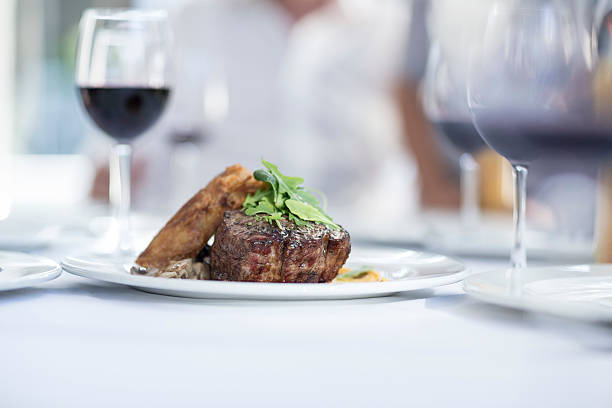
If you’re wondering what wine pairs with filet mignon, you’ve come to the right place. In the next few lines we’ll cut through the confusion and match this buttery, tender steak with the perfect bottle. Expect quick, practical recommendations—whether you prefer a silky Pinot Noir, a bold Cabernet Sauvignon, or a nuanced Merlot. By the end you’ll know exactly which wine will elevate your dinner without any guesswork. Enjoy your meal and perfect pairing tonight today!
What is the best wine for filet mignon
Red wines that complement beef
Choosing the right red wine for filet mignon starts with classic, full‑bodied options that can stand up to the steak’s richness. Cabernet Sauvignon offers firm tannins and dark fruit that cut through the meat’s fat, while Merlot provides softer tannins and plush plum notes for a gentler match.
Bordeaux blends combine Cabernet’s structure with Merlot’s roundness, delivering a balanced profile that highlights the steak’s sear. Syrah/Shiraz adds peppery spice and smoky undertones that echo a charred crust.
For a more nuanced pairing, consider a Pinot Noir from a cooler climate; its bright acidity and subtle earthiness complement the filet’s tenderness without overwhelming it.
Serve the wine slightly below room temperature, around 60‑65°F, to keep the fruit vibrant and the tannins silky, ensuring each sip enhances the beef’s buttery texture. Pair it with a simple herb butter to complete the experience.
Key flavor profiles to match
To create a harmonious match, focus on the flavor profile of the filet mignon and choose a wine that mirrors or accentuates those notes.
The steak’s natural umami richness pairs well with wines that have a hint of earthy mushroom or truffle character, such as a mature Bordeaux or a structured Cabernet.
If the meat is finished with a herb‑butter glaze, look for a wine offering green peppercorn or rosemary nuances, often found in a cooler‑climate Pinot Noir or a Rhône‑style Syrah.
A subtle smoky undertone in the wine can echo a grilled or pan‑seared crust, while a touch of dark fruit like blackcurrant balances the beef’s savory depth.
By aligning the steak’s seasoning and cooking method with the wine’s aromatic layers, each bite and sip reinforce the other, delivering a cohesive dining experience.
Why tannin matters
Tannin is the structural backbone that makes red wine a natural partner for filet mignon, and understanding its role can elevate the pairing. Firm tannins act like a gentle cleanser, cutting through the steak’s marbled fat and preparing the palate for the next bite.
When the tannin level is well‑integrated, it provides a silky mouthfeel that mirrors the meat’s buttery tenderness without overwhelming it. Overly aggressive tannins can make the beef taste metallic, while too soft a profile may leave the wine flabby beside a rich cut.
Opt for wines where tannins are softened by age or blended with fruit‑forward varieties, such as an aged Cabernet Sauvignon, a Merlot‑dominant Bordeaux, or a mature Syrah.
Serving the wine slightly chilled, around 58‑62°F, further refines the tannic edge, allowing the steak’s flavor to shine while the wine adds a subtle, supportive backbone.
How to choose a wine based on cooking method

Grilled vs pan‑seared vs roasted
Grilling a filet mignon adds smoky char that calls for a wine with firm tannins and ripe fruit to balance the intensity. Choose a full‑bodied Cabernet Sauvignon or a bold Syrah, whose dark berry notes and peppery spice stand up to the grill’s flame.
For pan‑seared steaks, the caramelized crust offers a richer mouthfeel but less smoke, so a medium‑bodied Merlot or a silky Pinot Noir works well, providing soft tannins and subtle earthiness that complement the buttery sear.
When the steak is roasted in the oven, the gentle heat preserves tenderness and allows subtle herbs to shine; here a structured Bordeaux blend or a classic Rhône blend adds layered complexity without overwhelming the meat.
In each method, match the wine’s acidity and tannin level to the cooking style to ensure the filet’s flavor shines through.
Sauce influences on pairing
The sauce you serve with filet mignon dramatically shifts the wine choice. A classic red wine reduction, made with beef stock, shallots, and a splash of Cabernet, deepens the meat’s richness; pair it with a robust Cabernet Sauvignon or a Bordeaux blend whose tannins echo the sauce’s structure.
If you prefer a creamy mushroom or peppercorn sauce, the earthiness calls for a medium‑bodied Pinot Noir or an Italian Barolo that offers bright acidity and subtle oak to cut through the cream.
For a buttery béarnaise or herb‑forward chimichurri, a lighter‑bodied Merlot or a dry Rosé provides fresh fruit notes and enough acidity to balance the herbaceous elements. Tailor the wine to the dominant flavors—rich, creamy, or herbal—to create harmony, ensuring the sauce and wine enhance the filet rather than compete.
Remember to let the wine breathe for a few minutes before serving, allowing its aromatics to develop and fully complement the sauce’s nuances.
Temperature and serving tips
Serving temperature is crucial for maximizing the partnership between filet mignon and wine.
Red wines intended for grilled or pan‑seared steaks should be slightly cooler than room temperature, around 60‑65 °F (15‑18 °C), which softens tannins and highlights fruit acidity; chill a Cabernet Sauvignon in the refrigerator for 15‑20 minutes before pouring.
For richer, roasted preparations, a slightly warmer temperature of 65‑68 °F (18‑20 °C) allows the wine’s complexity to unfold, so let a Bordeaux blend sit out for 20‑30 minutes after removal from storage.
Sparkling or rosé options that accompany herb‑based sauces are best served chilled at 45‑50 °F (7‑10 °C) to provide a refreshing contrast. Finally, decant full‑bodied reds for 30‑45 minutes to aerate and release deeper aromas, ensuring each sip mirrors the steak’s texture and flavor profile.
Use crystal glasses with a wide bowl to allow the wine to breathe and direct its bouquet toward the nose, enhancing the overall dining experience.
Tips for pairing Cabernet Sauvignon with filet mignon

Flavor characteristics of Cabernet
Cabernet Sauvignon brings deep black‑fruit flavors, firm tannins, and a touch of oak that can stand up to the rich, buttery texture of filet mignon.
Focus on ripe blackberry and cassis notes to echo the meat’s natural sweetness, while integrated spice and vanilla from barrel aging adds complexity that mirrors a simple herb rub or peppercorn crust. The wine’s acidity cuts through the steak’s fat, cleansing the palate for each bite.
When selecting a bottle, choose one that emphasizes fruit over overly aggressive tannins, ensuring the wine enhances rather than overwhelms the delicate beef. Pairing tip: look for a Cabernet with a smooth, rounded mouthfeel and a lingering finish that complements the steak’s melt‑in‑your‑mouth quality.
If the filet is served with a red‑wine reduction, choose a Cabernet that already displays a hint of dried‑herb or tobacco, as these flavors will echo the sauce without clashing. Avoid overly high‑alcohol wines that can make the steak feel heavy; a balanced 13–14% ABV works best.
Finally, let the wine breathe for 20–30 minutes to soften the tannins, allowing the fruit to shine alongside each succulent slice.
Ideal aging level
The optimal aging window for Cabernet Sauvignon when pairing with filet mignon lies between three and seven years after the vintage. During this period, the wine’s aggressive primary tannins soften, while the fruit core matures into richer plum and black‑currant flavors that harmonize with the steak’s natural juices.
Aim for a wine that has spent at least 12–18 months in oak, as this imparts subtle vanilla, cedar, and toast notes that echo a charred grill or a butter‑browned crust.
A bottle that is too young will present sharp astringency, overwhelming the delicate texture of the filet; conversely, an over‑aged Cabernet may have lost its vibrant acidity, leaving the meat feeling flat.
Aging tip: check the producer’s tasting notes for “silky tannins” and “balanced acidity” – indicators that the wine is in its prime pairing stage. If you’re buying a recent release, consider decanting for an hour to accelerate the softening process.
Serving temperature guidelines
Serving Cabernet Sauvignon at the right temperature is crucial for unlocking its partnership with filet mignon. Aim for a glass temperature of 60–64°F (15–18°C); this is cool enough to keep the alcohol in check while allowing the wine’s fruit and oak nuances to surface.
If the wine is too cold, the tannins will feel tight and the fruit muted, making the steak taste heavier. Conversely, a wine served above 68°F can taste flabby, losing the crisp acidity that cuts through the beef’s fat.
To achieve the ideal range, place the bottle in a refrigerator for 20–30 minutes before service, or use an ice bucket with a 1:1 water‑to‑ice ratio for quicker cooling.
Serving tip: after pouring, let the glass sit for a minute; this brief aeration lets the wine breathe, enhancing the aromatic profile that mirrors the steak’s herb‑butter glaze. Consistently serving at the correct temperature ensures each bite of filet mignon is met with a balanced, flavorful sip.
Best alternatives to Cabernet for filet mignon
Merlot and its soft tannins
When you choose Merlot for filet mignon, focus on wines with soft tannins and ripe fruit. Select a Merlot from a cool climate like Washington State or Bordeaux’s Right Bank, where the grape retains acidity that cuts through the steak’s richness.
Serve the wine slightly chilled—around 60°F—to enhance its fruitiness and soften any residual astringency. Pair it with a simple herb butter or a mushroom‑based sauce; the earth tones in the wine will echo the umami of the mushrooms while the soft tannins keep the palate smooth.
Avoid overly oaked Merlots that can overwhelm the delicate flavor of the meat. By matching the wine’s gentle structure with the steak’s buttery texture, you create a harmonious dining experience that highlights both the wine’s fruit profile and the filet’s tenderness.
Finish the meal with a light dessert like a vanilla‑bean panna cotta to keep the palate balanced.
Pinot Noir for lighter palate
Pinot Noir’s bright acidity and subtle tannins make it a versatile partner for filet mignon, especially when the steak is served with a delicate sauce.
Choose a Pinot from a cooler region such as Oregon’s Willamette Valley or Burgundy’s Côte de Nuits, where the wine displays red‑berry aromas and a silky mouthfeel. Decant the wine for 20‑30 minutes to open up its aromatics before serving at 55‑58°F.
Pair it with a red‑wine reduction or a herb‑infused beurre blanc; the wine’s acidity will cut through the butter while its fruit notes complement the herbaceous elements. Avoid overly earthy or high‑alcohol Pinot styles, which can dominate the subtle flavor of the filet.
By aligning the wine’s light structure with the steak’s tenderness, you achieve a balanced pairing that enhances both the meat’s natural juiciness and the wine’s nuanced profile.
Bordeaux blends for complexity
A classic Bordeaux blend—typically a mix of Cabernet Sauvignon, Merlot, and Cabernet Franc—offers the depth and structure to stand up to a richly seared filet mignon. Select a blend from the Left Bank such as Médoc or Graves, where Cabernet provides firm tannins and dark fruit, while Merlot adds plushness.
Serve the wine slightly below room temperature (around 60‑64°F) to keep the tannins supple and the fruit forward. Pair it with a peppercorn‑crusted filet or a red‑wine demi‑glace; the blend’s tannic backbone will cut through the fat, and its layered flavors will echo the sauce’s spice.
Steer clear of overly youthful Bordeaux that may be too aggressive; aim for a bottle aged 5‑8 years to ensure integrated tannins. By matching the wine’s complexity with the steak’s robust flavor, you create a sophisticated pairing that highlights the meat’s caramelized crust and the blend’s nuanced terroir.
How to match wine with sauce and sides
Mushroom sauces and earth‑y wines
When your filet mignon is topped with a rich mushroom sauce, choose a wine that mirrors the earthiness of the fungi. Opt for a medium‑bodied Pinot Noir from Burgundy or Oregon; its bright acidity and subtle tannins cut through the sauce while highlighting mushroom aromatics.
A Merlot with soft plum notes works equally well, offering enough fruit to balance the umami without overwhelming the delicate beef. Look for wines that show gentle oak and a hint of forest floor, as these flavors echo the sautéed mushrooms and enhance the meat’s tenderness.
Serve the wine slightly chilled, around 55‑60 °F, to keep the fruit forward and the palate refreshed. This pairing lets the filet’s natural buttery texture shine alongside the savory, earthy sauce, creating a harmonious bite‑after‑bite experience.
Consider adding a drizzle of truffle oil or a sprinkle of fresh thyme to the plate; the aromatic compounds will resonate with the wine’s subtle spice and forest notes.
If you prefer a slightly richer profile, a lightly oaked Cabernet Franc can provide a gentle peppery edge that complements the mushroom’s depth without masking the filet’s fine flavor.
Remember to decant the wine for 20‑30 minutes to allow its aromas to open fully, ensuring each sip aligns with the savory bite.
Butter‑based sauces and buttery reds
Filet mignon dressed in a silky butter‑based sauce—such as a classic béarnaise or a brown butter sage drizzle—calls for a wine that can match its luxurious mouthfeel.
A buttery, oak‑influenced Pinot Noir from California offers soft tannins and a creamy texture that mirrors the sauce, while its red‑fruit core adds a bright contrast to the richness.
A Merlot aged in new French oak provides a plush, velvety palate with notes of vanilla and toasted almond that echo the butter’s nutty nuance.
If you lean toward white, an oaked Chardonnay with buttery mouthfeel and subtle citrus can also complement the dish without competing with the beef’s subtle flavor. Serve the wine at 60‑65 °F to keep the fruit expressive and the oak integrated.
A brief swirl before each sip helps release the buttery aromas, ensuring the wine and sauce dance together on the palate.
Herb‑infused sides and aromatic whites
When you serve filet mignon alongside herb‑infused accompaniments—think rosemary‑roasted potatoes, thyme‑sprinkled asparagus, or a parsley‑garlic chimichurri—the wine should amplify those green, fragrant notes.
A crisp Sauvignon Blanc from the Loire Valley delivers bright acidity, citrus zest, and herbaceous undertones that echo the rosemary and thyme, while its minerality cuts through the meat’s richness. An off‑dry Riesling from Alsace offers a subtle sweetness that balances salty herb seasoning and highlights the steak’s natural juiciness.
For a more floral profile, a Grüner Veltliner with white‑pepper spice and stone‑fruit can mirror the parsley and garlic nuances. Serve these whites at 45‑50 °F to preserve their lively aromatics.
A quick nose of the glass before each bite will reveal the interplay of herb and fruit, allowing the wine to lift the filet’s flavor and the side dishes to shine in harmony.
What to avoid when pairing wine with filet mignon
Overly acidic wines
Steer clear of wines with sharp, lemon‑like acidity such as young Sauvignon Blanc or overly tart Pinot Grigio. High acidity can mask the subtle buttery flavor of filet mignon and make the meat feel tougher.
When the wine’s acidity spikes, it competes with the natural juices, pulling the palate away from the steak’s delicate texture. Instead, choose a wine with a balanced, gentle acidity that complements rather than dominates.
If you must select a white, opt for a lightly oaked Chardonnay with soft fruit notes, but avoid the crisp, green‑apple profile that can clash. Remember, the goal is to let the filet’s tenderness shine, so keep the wine’s acid level moderate and harmonious.
Even some red options, like a high‑acid Chianti Classico, can introduce the same sharpness and distract from the steak’s richness. Aim for a wine where acidity supports the meat’s natural juiciness without overwhelming it.
Heavy oak‑dominant wines
Heavy oak‑laden wines can drown the subtle flavor profile of filet mignon, turning a nuanced bite into a smoky, tannic experience. Excessive oak imparts vanilla, cedar, and toast that overwhelm the steak’s buttery texture and delicate seasoning.
Wines such as overly aged Cabernet Sauvignon, heavily barrel‑aged Rioja, or American oak‑heavy Merlot often carry intense wood notes that clash with the meat’s natural sweetness. When the oak dominates, the palate becomes busy, masking the filet’s melt‑in‑your‑mouth quality.
To keep the focus on the steak, choose a wine with restrained oak influence—perhaps a lightly oaked Pinot Noir or a Bordeaux blend with moderate aging. If you prefer a fuller‑bodied red, look for a wine that balances fruit and tannin without a thick oak veil.
The key is to let the meat’s flavor lead, with the wine acting as a subtle supporting actor.
Sweet wines that clash
Sweet wines can create a discordant flavor match with filet mignon, as the sugar accentuates bitterness and overshadows the steak’s natural umami. High residual sugar can make the meat taste sour and metallic rather than enhancing its richness.
Examples include overly sweet Riesling, dessert-style Port, or late‑harvest Zinfandel, which introduce honeyed notes that compete with the beef’s savory profile. When the wine is too sweet, the palate swings from savory to cloying, diminishing the enjoyment of the tender cut.
Opt for dry or off‑dry options that preserve balance—such as a crisp, mineral-driven dry Riesling, a dry Sherry, or a lightly sweetened Pinot Gris with restrained sugar.
If you enjoy a touch of fruit, choose a wine where the fruit is bright, not sugary, ensuring the filet’s flavor remains the star. The principle is to keep sweetness subtle, letting the meat’s depth shine.
Where to buy and store the perfect pairing wine
Choosing reputable retailers
Start by seeking out trusted wine shops or reputable online merchants that specialize in red wines known to complement filet mignon. Look for retailers that employ knowledgeable staff or certified sommeliers who can recommend classic pairings such as Cabernet Sauvignon, Merlot, or a structured Bordeaux blend.
Verify that the seller provides clear provenance, vintage information, and return policies, which signals authenticity and quality. If you shop online, prioritize platforms that offer third‑party verification, detailed tasting notes, and secure shipping conditions.
Visiting a local boutique also allows you to request a short tasting or receive a sample pour, ensuring the wine’s acidity and tannin profile will match the steak’s richness.
Ask for pairing guidance, inspect label details, and confirm storage conditions before finalizing your purchase to secure the perfect bottle for your filet mignon dinner.
Storing wine for optimal taste
Proper storage is essential to preserve the nuanced tannins and fruit intensity that make a red wine shine alongside filet mignon. Aim for a cool, dark cellar or a dedicated wine fridge set to a steady 55°F (13°C) with 60‑70% humidity, which prevents oxidation and label damage.
Store bottles horizontally if they have natural corks, keeping the cork moist and airtight; screw‑cap wines can sit upright without risk. Avoid temperature swings, direct sunlight, and strong vibrations, as these degrade aromatic compounds and soften the wine’s structure.
If space is limited, consider a small countertop cooler that offers precise temperature control and UV‑blocking glass. Periodically rotate your collection and label each bottle with the purchase date to track aging potential.
By maintaining consistent temperature, controlled humidity, and proper positioning, you ensure the wine you bought will deliver the silky mouthfeel and balanced acidity needed to elevate a filet mignon plate.
Budget-friendly options without sacrifice
Enjoying a great wine with filet mignon doesn’t have to break the bank; several value‑driven options deliver the same depth and structure as pricier labels. Look for value‑driven Cabernet Sauvignon from regions like Chile, Washington State, or Languedoc, which often offer rich black‑fruit flavors and firm tannins for under $20.
Second‑growth Bordeaux or affordable Merlot blends from Italy’s Montepulciano can provide silky texture and subtle oak without the premium price tag. For a lighter yet still robust choice, explore budget Pinot Noir from Oregon’s Willamette Valley or New Zealand’s Central Otago, where bright acidity balances the steak’s fat.
Buying in cases or joining a wine club can further reduce cost per bottle, and many retailers allow you to sample before you commit through tasting kits or small‑format bottles.
By focusing on reputable yet economical producers, you can pair your filet mignon with a high‑quality wine that respects both your palate and your wallet.
Frequently Asked Questions
What type of red wine best complements filet mignon?
A medium‑to‑full‑bodied red wine with moderate tannins, such as Cabernet Sauvignon, Merlot, or a Bordeaux blend, pairs beautifully with the tender, lean flavor of filet mignon.
Can a Pinot Noir work with filet mignon?
Yes, a Pinot Noir’s bright acidity and subtle fruit can enhance a filet mignon, especially if the steak is served with a lighter sauce or mushroom accompaniment.
Should I choose a wine with oak influence for filet mignon?
Wines aged in oak, like a oaked Chardonnay or a barrel‑aged Cabernet, add vanilla and spice notes that can complement the buttery texture of filet mignon, particularly when the dish includes a buttery or creamy sauce.
What about a wine beyond red—are there white options?
A full‑bodied white such as a buttery Chardonnay or a rich Viognier can pair well with filet mignon, especially if the steak is served with a creamy sauce or herb butter.
How does the sauce affect the wine choice for filet mignon?
A classic red‑wine sauce or demi‑glace calls for a robust red like Cabernet Sauvignon, while a mushroom or peppercorn sauce pairs nicely with a Pinot Noir or a lighter Merlot.
Is a sparkling wine a good match for filet mignon?
A dry sparkling wine, such as Champagne or a high‑acidity Prosecco, can cut through the richness of filet mignon and provide a refreshing contrast, making it a festive alternative to still reds.
Conclusion
In short, a classic, full‑bodied red such as Cabernet Sauvignon or a velvety Merlot perfectly complements the buttery richness of filet mignon, while a silky Pinot Noir offers a lighter, fruit‑forward alternative for those who prefer subtlety. Remember to match the wine’s acidity and tannin level to the steak’s seasoning and sauce. Experiment, enjoy the harmony, and let each bite and sip elevate your dinner experience.