What Wine Is Good With Sushi
Finding the perfect wine for sushi doesn’t have to be a mystery. In the next few lines, we’ll match you with crisp whites, aromatic rosés, and even light reds that complement raw fish, tempura, and soy‑based sauces. Whether you’re a seasoned sipper or a curious beginner, our quick guide pinpoints the best pairings, explains why they work, and gives you a simple go‑to list you can trust at your next sushi night and will impress your guests every time together.
How to Choose the Right Wine for Sushi
Match the flavor intensity
Start by matching the wine’s body to the intensity of the sushi flavors. Light‑bodied whites such as Sauvignon Blanc or an unoaked Chardonnay complement delicate nigiri like tuna or white fish, while a slightly richer Riesling can stand up to buttery salmon or richer rolls.
Avoid overpowering reds, as their tannins clash with the subtle umami of seaweed and rice. If you prefer a sparkling option, a dry Prosecco or Champagne adds bright acidity that mirrors the clean taste of sashimi without masking it.
Key tip: taste a bite first, then sip; the wine should echo the sushi’s delicacy rather than dominate the palate. Consider the temperature as well; serving the wine slightly chilled (around 45‑50°F) keeps it crisp and enhances its ability to cleanse the palate between bites.
This harmony lets the rice’s subtle sweetness shine while the wine’s fruit notes provide a refreshing counterpoint.
Consider the sushi type
Different sushi varieties call for distinct wine partners. For raw fish such as tuna, yellowtail, or hamachi, a crisp, mineral‑driven white like Albariño or a dry Japanese sake‑style wine offers a clean canvas that highlights the fish’s buttery texture.
If you’re enjoying eel (unagi) or tempura rolls, choose a wine with a touch of sweetness—off‑dry Riesling or a lightly chilled Gewürztraminer—because the glaze’s caramel notes and fried batter need a balancing sweetness.
Spicy rolls featuring sriracha or jalapeño benefit from a wine with low alcohol and bright acidity, such as a Vinho Verde or a slightly sweet rosé, which cools the heat while preserving flavor.
When serving vegetarian sushi with avocado or cucumber, opt for a herbaceous white like Grüner Veltliner that complements the fresh greens without overwhelming them. Serve the wine in a slender glass to keep its aromas focused and lively.
Balance acidity and sweetness
The interplay of acidity and a hint of sweetness is the secret to pairing wine with sushi successfully. High‑acid wines such as Chablis, Pinot Grigio, or a crisp Soave cut through the rice’s subtle stickiness and refresh the palate, making each bite feel lighter.
When the sushi includes sweet components—for example, a mango roll or a honey‑glazed nigiri—choose a wine that mirrors that gentle sweetness without becoming cloying, like an off‑dry Riesling or a semi‑sweet Muscat.
The wine’s acidity should still be present to prevent the pairing from feeling heavy; a balanced acidity ensures the fish’s delicate flavors remain front‑and‑center.
Pro tip: a splash of sparkling water in the glass can amplify the wine’s liveliness, enhancing its ability to cleanse the palate and keep the sushi experience bright and harmonious. Enjoy the wine at a cool 50°F to maintain its crisp character throughout the meal.
What is the Best White Wine for Sushi
Sauvignon Blanc options
Sauvignon Blanc is a classic partner for sushi because its bright acidity cuts through the richness of fish while highlighting delicate flavors. Look for wines from New Zealand’s Marlborough region, which offer vibrant citrus notes, herbaceous aromatics, and a crisp, clean finish that mirrors the seaweed and rice.
If you prefer a more restrained style, try a French Loire Valley Sancerre, where the mineral backbone and subtle green apple tones complement nigiri without overwhelming it. Serve the wine well‑chilled, around 45‑50°F, to preserve its freshness.
Pairing tip: match the wine’s intensity to the sushi type—lighter rolls with a zesty Sauvignon Blanc, and richer, buttery pieces like toro benefit from the wine’s high acidity that refreshes the palate after each bite.
Choose a narrow‑rimmed white wine glass to concentrate the aromas, and sip between bites, letting the wine cleanse the palate before the next piece of sushi, even when a dab of soy sauce or a pinch of wasabi is present.
Riesling choices
Riesling’s natural acidity and subtle sweetness make it a versatile match for sushi, especially when the roll includes spicy mayo, tempura, or a hint of ginger.
Opt for an off‑dry German Kabinett from the Mosel valley, where soft stone fruit flavors, gentle honeyed notes, and a balanced acidity enhance the umami of soy sauce while tempering heat from wasabi.
For a lighter profile, choose an Alsace dry Riesling that delivers crisp minerality, green apple crispness, and a clean finish that mirrors the clean lines of sashimi. Serve Riesling slightly cooler than typical whites, around 48°F, to keep the fruit lively.
Pairing tip: let the wine’s aromatic intensity lead the experience—its perfume lifts delicate fish, and the touch of residual sugar softens the bite of richer items like eel or tempura‑battered shrimp.
Enjoy each sip as a bridge between flavors, allowing the wine to linger just long enough before the next bite.
Pinot Grigio picks
Pinot Grigio offers a light, clean canvas that lets sushi’s subtle nuances shine without competing for attention. Italian Pinot Grigio from the Veneto region provides delicate citrus sparkle, soft stone fruit hints, and a lean, dry finish that pairs beautifully with white fish nigiri and cucumber rolls.
If you favor a slightly richer texture, select a California Pinot Grigio that adds subtle tropical fruit, gentle acidity, and a touch of mineral backbone to complement richer items like salmon or avocado‑filled rolls. Serve the wine chilled, around 46‑48°F, and use a tulip‑shaped glass to concentrate the faint aromatics.
Pairing tip: let the wine’s crisp minerality cleanses the palate after each bite, especially when soy sauce is used, ensuring the next piece of sushi tastes as fresh as the first.
A quick swirl before sipping releases the subtle flavors, making each sip a perfect prelude to the next bite of sushi.
What is the Best Red Wine for Sushi

Light-bodied reds
Light-bodied reds are a surprisingly elegant match for sushi because their gentle structure lets the delicate flavors of raw fish shine. Low alcohol and soft tannins prevent the wine from overwhelming the rice and seaweed, while subtle fruit notes echo the sweetness of sushi sauces.
Varieties such as Gamay, Zweigelt, and a chilled Beaujolais Nouveau provide bright cherry and raspberry aromas that complement salmon, tuna, and vegetable rolls. Serve the wine slightly chilled, around 50‑55°F (10‑13°C), to enhance freshness and keep the palate clean between bites.
When selecting a bottle, look for descriptors like “fruity,” “light,” and “easy‑drinking.” Pairing a light-bodied red with sushi creates a balanced experience that highlights both the wine’s nuance and the dish’s elegance.
Try a single‑vintage Gamay from the Loire Valley or a light Merlot from California for a playful twist, and remember to refill the glass slowly to maintain temperature.
Pinot Noir recommendations
Pinot Noir is often hailed as the red wine that sings with sushi, thanks to its silky texture and bright acidity. Fine cherry and earthy mushroom notes complement both fatty tuna and delicate white fish, while the wine’s moderate alcohol level keeps the palate lively.
For the best match, choose a cooler‑climate Pinot from Oregon’s Willamette Valley, Burgundy’s Côte de Nuits, or New Zealand’s Central Otago. These regions produce wines with vibrant red fruit, subtle spice, and a supple finish that mirrors the umami of soy sauce and the slight heat of wasabi.
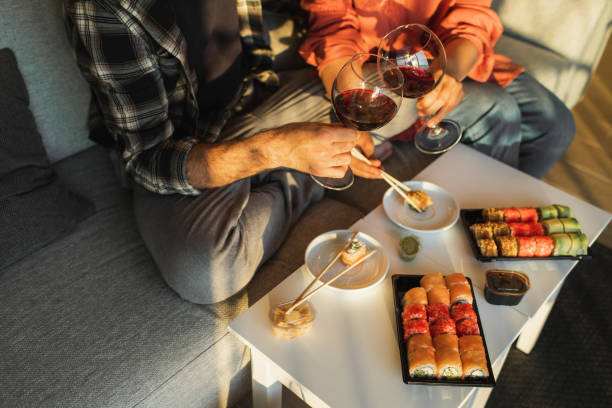
Serve the Pinot slightly chilled, around 55°F (13°C), to accentuate its freshness. Pair a light‑bodied, low‑tannin Pinot with sashimi, salmon nigiri, or mushroom‑filled rolls for a harmonious dining experience that lets the wine enhance, rather than dominate, the subtle flavors of the sushi.
Avoiding heavy tannins
Heavy‑tannin reds such as Cabernet Sauvignon or Syrah can clash with sushi because their astringent grip masks the subtle fish textures and makes soy sauce taste metallic. High tannin wines also amplify the saltiness of soy, leading to an unbalanced mouthfeel.
To keep the dining experience smooth, steer clear of wines with deep, dark fruit and firm structure; instead, opt for reds that are low in tannin and high in acidity.
A chilled Gamay, a soft Pinot Noir, or a light Merlot will provide enough body to stand up to richer rolls without overwhelming the palate.
If you already have a bold red on hand, decant it for 30 minutes and serve it at a cooler temperature, around 60°F (16°C), to soften the tannins. By choosing low‑tannin options, you preserve the delicate interplay of flavors that makes sushi enjoyable.
Tips for Pairing Sparkling Wine with Sushi
Champagne vs. Prosecco
When choosing a bubbly for sushi, start by comparing Champagne and Prosecco. Champagne’s higher acidity and fine bubbles cut through the fattiness of tuna and salmon, while its subtle toast notes complement the umami of soy sauce.
Prosecco offers a fruitier, lighter profile with notes of green apple and pear that match the delicate flavors of white fish and cucumber rolls. Consider the price point: Champagne delivers complexity and prestige, but a quality Prosecco provides excellent value for everyday sushi nights.
Look for non‑dosage (Brut Nature) styles if you prefer a dryer palate that won’t overwhelm the sushi’s subtle seasoning. Ultimately, match the wine’s intensity to the sushi’s richness; richer, oily cuts pair better with Champagne, whereas lighter, vegetable‑focused rolls shine with Prosecco.
Also, pay attention to the vintage; younger Champagnes retain crisp citrus that mirrors the lemon zest often brushed on nigiri, while aged bottles develop nutty nuances that can stand up to richer eel sauces.
For Prosecco, a slightly off‑dry (Extra Dry) version adds a touch of sweetness that balances the saltiness of soy and wasabi without masking the fish’s freshness.
Serving temperature
Temperature is a silent partner in the sushi‑wine dance; serving your sparkling wine too cold can mute its aromatics, while too warm can accentuate alcohol and overwhelm delicate fish. Aim for 45–48°F (7–9°C) for most Champagnes and 46–50°F (8–10°C) for Prosecco.
To achieve this, place the bottle in an ice bucket with equal parts ice and water for about 20 minutes, or chill in the refrigerator for 3‑4 hours.
Before pouring, give the glass a quick swirl to release bubbles and aroma, then let it sit for a moment so the wine can open up.
If you notice the wine tasting flat, gently warm the glass in your hand for a few seconds; the slight temperature rise can revive fruit notes and enhance acidity, creating a better match for the sushi’s subtle flavors.
Consistently serving at the right temperature ensures the crisp acidity and fine mousse of the sparkling wine complement rather than compete with the fish.
Food pairing examples
Pairing specific sushi pieces with the right bubbly turns a meal into a celebration. Salmon nigiri benefits from a dry Champagne; the wine’s bright acidity cuts the fish’s oil while its brioche notes echo the subtle sweetness of the glaze.
Tuna rolls with spicy mayo shine with an Extra Dry Prosecco, whose crisp apple flavor tempers the heat and its fine bubbles cleanse the palate between bites.
For vegetarian cucumber or avocado maki, choose a Brut Nature Champagne—its minerality mirrors the fresh cucumber crunch and the avocado’s buttery texture without adding extra sweetness. Eel (unagi) with sweet soy glaze pairs beautifully with a slightly off‑dry (Demi‑Sec) Champagne, as the hint of residual sugar balances the glaze’s richness.
Lastly, tempura shrimp matches a lightly sparkling rosé; the pink hue adds a hint of red fruit that complements the fried batter’s golden crisp. These targeted matches let you enjoy each sushi type at its peak, with the sparkling wine amplifying rather than masking flavors.
How to Pair Sake and Wine Together with Sushi
When to use sake
When sushi is served in a traditional setting, sake often shines as the most harmonious companion. Choose a chilled Junmai for richer, umami‑laden rolls, while a light, aromatic Ginjo works beautifully with delicate nigiri such as tuna or sea‑bream.
If the sushi includes bold flavors like eel, spicy mayo, or tempura, a slightly fuller‑bodied Daiginjo can match the intensity without overwhelming the palate. Sake’s lower acidity and subtle rice sweetness complement the vinegared rice, allowing the fish’s texture to stand out.
Use sake especially when the meal emphasizes Japanese ingredients, as its nuanced profile enhances the subtle salt and sea notes. In contrast, when the sushi is paired with Western sauces or cheese‑infused rolls, a carefully selected wine may be preferable.
Knowing when to reach for sake ensures a balanced tasting experience that respects both the drink and the sushi.
Blending wine with sake flavors
Creating a bridge between wine and sake opens a playful avenue for sushi pairings. Start with a white wine that mirrors sake’s crisp acidity, such as a dry Riesling or Albariño, and pour a splash of chilled Junmai to introduce rice‑derived sweetness.
The result is a hybrid sip that highlights citrus zest while softening the wine’s tannins, making it more forgiving for oily fish like salmon or mackerel.
For red options, select a light‑bodied Pinot Noir and swirl in a touch of Daiginjo; the subtle fruit notes meld with the wine’s soft berry profile, producing a balanced palate that can stand up to richer rolls featuring avocado or tempura shrimp.
Experiment with ratios—typically 3 parts wine to 1 part sake—to maintain the wine’s structure while allowing the umami character of sake to shine. This blending technique not only broadens the flavor spectrum but also respects the delicate nature of sushi, offering diners a unique tasting journey.
Serving suggestions
Presenting sushi alongside the right wine or sake elevates the entire dining experience. Serve all beverages chilled—ideally between 45‑50°F—for optimal freshness; a cold glass accentuates the clean lines of nigiri and the crisp bite of maki.
Arrange a tasting flight: a glass of dry Riesling, a small carafe of Junmai, and a pour of light Pinot Noir, allowing guests to rotate between drinks as they move through different sushi pieces.
Pair a buttery Chardonnay with richer, cream‑based rolls, but balance it with a splash of Daiginjo to cut through the fat. Use small, elegant wine glasses or traditional ochoko cups for sake, and encourage sipping rather than gulping to savor the nuanced aromas.
Complement the table with simple garnishes—pickled ginger, wasabi, and a drizzle of soy sauce—so the palate remains clean between sips. By thoughtfully coordinating temperature, glassware, and portion size, you create a harmonious rhythm that lets both sushi and the chosen wine or sake shine.
Best Ways to Serve Wine with Different Sushi Rolls
Nigiri and sashimi pairings
When enjoying delicate nigiri or sashimi, choose wines that echo the fish’s subtle sweetness without overwhelming it. Dry Riesling offers bright acidity and a hint of stone fruit that lifts the buttery texture of tuna or salmon while preserving the clean palate.
Sauvignon Blanc from New Zealand provides crisp citrus notes and a mineral backbone that pairs beautifully with lean white fish such as snapper or sea bass.
For those who prefer red, a light‑bodied Pinot Noir—especially from Oregon—delivers soft red‑berry flavors and low tannins that complement the umami of eel nigiri without clashing. Keep the temperature slightly cooler than usual, around 45‑50°F, to maintain freshness.
Avoid heavy oak‑aged whites or high‑tannin reds, as they can mask the nuanced flavors of the raw fish and distract from the subtle soy‑ginger seasoning. Serve the wine in a narrow‑rimmed glass to focus the aromatics.
Maki and temaki combos
Maki rolls and hand‑rolled temaki bring together rice, seaweed, and a variety of fillings, so the wine should balance acidity with a touch of fruit to cut through the vinegared rice.
Prosecco or a dry Champagne offers lively bubbles and citrus zest that cleanse the palate between bites of spicy tuna or cucumber rolls, highlighting the crunch without drowning the flavors.
For those who enjoy a still white, Albariño from Spain delivers bright stone‑fruit aromas and a saline minerality that mirrors the oceanic notes of shrimp or crab inside the roll.
If you favor a rosé, select a dry Provençal rosé with strawberry‑redcurrant tones; its light tannins and refreshing finish pair nicely with avocado‑rich California rolls. Keep the wine chilled at 50‑55°F and serve in a flute or tulip glass to preserve the effervescence and aromatic intensity.
Specialty rolls and bold wines
Specialty rolls often feature rich sauces, tempura crunch, or indulgent ingredients like foie gras, demanding a wine that can stand up to the intensity.
Gewürztraminer with its aromatic spice, lychee notes, and moderate sweetness counters the heat of spicy mayo or sriracha‑glazed eel while complementing the buttery texture of tempura shrimp.
Barbera from Italy, offering vibrant acidity, soft tannins, and dark‑fruit depth, pairs surprisingly well with rolls that include roasted pork belly or teriyaki‑glazed salmon, cutting through the caramelized glaze.
For a daring match, try a lightly oaked Chardonnay from Burgundy; its creamy mouthfeel and subtle vanilla echo the richness of avocado‑cream sauces and smoked scallops without overwhelming the fish.
Serve these wines slightly warmer than typical whites—around 52‑56°F—to enhance their aromatic profile, and present them in a wide‑bowl glass to allow full expression.
Common Pairing Mistakes to Avoid
Overpowering sauces
When sushi is served with rich, overpowering sauces, the delicate balance of fish, rice, and subtle seasoning can be lost. Choose a wine with bright acidity and low tannin to cut through the sauce without overwhelming the palate.
Avoid heavily oaked whites or full‑bodied reds that will clash with soy‑based or spicy mayo drizzles. Instead, opt for a crisp Riesling, a dry Sauvignon Blanc, or a lightly sparkling Prosecco that can refresh the mouth between bites.
Match the intensity of the sauce by selecting a wine whose flavor profile mirrors the sauce’s saltiness and spice level, not its weight. This approach preserves the nuanced textures of sushi while keeping the pairing harmonious.
If the sauce includes ginger or citrus notes, a wine with a hint of minerality, such as a Chablis or an Albariño, will echo those bright tones. Keep the wine’s alcohol modest (under 12%) to prevent it from amplifying the sauce’s heat.
Finally, taste the sauce first and adjust the wine choice accordingly, ensuring the pairing remains supportive rather than dominating.
Too much oak
Oak influence can quickly dominate the subtle flavors of sushi, masking the fresh brine and umami that define each bite. Select wines with minimal oak aging to preserve a clean, mineral character that complements raw fish.
Over‑oaked Chardonnay, heavily toasted Pinot Noir, or any wine with pronounced vanilla and smoke notes will clash with the delicate rice and seaweed, creating a discordant palate.
Instead, reach for unoaked or lightly oaked whites such as a unoaked Chardonnay, a crisp Grüner Veltliner, or a lightly oaked Sauvignon Blanc with restrained barrel time. These choices provide enough structure to stand up to soy sauce while letting the sushi’s natural flavors shine.
Watch the oak intensity by checking the label for terms like “French oak for 6 months” versus “neutral vessel” – the latter signals a safer match for sushi’s finesse.
Mismatched sweetness levels
Sushi often balances salty, acidic, and umami notes, and introducing a wine that is too sweet can overwhelm that equilibrium, making the fish taste flat.
Aim for wines with balanced or restrained sweetness; a dry Riesling, a slightly off‑dry Gewürztraminer with low residual sugar, or a crisp Pinot Gris can enhance the subtle sweetness of eel without dominating it.
Overly sweet options like Moscato, late‑harvest Sauvignon Blanc, or dessert‑style sparkling wines will clash with soy sauce and wasabi, turning the pairing into a cloying experience.
Consider the type of sushi: nigiri with delicate white fish benefits from a very dry, mineral-driven wine, while richer rolls with tempura or teriyaki glaze can tolerate a hint of gentle fruitiness.
Taste the wine first, noting its sugar level, and adjust by selecting a wine whose sweetness mirrors the dish’s natural sweetness rather than overpowering it.
Frequently Asked Questions
What types of white wine pair best with sushi?
Light, crisp whites such as Sauvignon Blanc, Pinot Grigio, and dry Riesling complement the delicate flavors of sushi without overwhelming them, offering bright acidity and subtle fruit notes.
Can sparkling wine be a good match for sushi?
Yes, sparkling wines like Prosecco, Champagne, or a dry Cava work well because their effervescence cleanses the palate and highlights the texture of the fish and rice.
Is rosé suitable for sushi, and if so, which style?
A dry, lightly chilled rosé with bright acidity and low residual sugar pairs nicely, especially with richer rolls or those featuring salmon or tuna, as it balances richness without being too sweet.
What about red wine—should I avoid it with sushi?
Generally, light-bodied reds with low tannins such as Pinot Noir or Gamay can work, especially with heartier sushi like eel or tempura, but they should be served slightly chilled to keep the palate fresh.
How does the sushi preparation (raw vs. cooked) affect wine choice?
Raw fish pairs best with high-acidity whites and sparkling wines, while cooked or fried sushi (e.g., tempura) can handle slightly richer whites like Chardonnay or a light red, as the cooking adds depth that can stand up to more body.
Are there specific Japanese wines that complement sushi?
Japanese Koshu, a white wine with subtle citrus and mineral notes, and Japanese sparkling wines made from Muscat or Chardonnay are excellent local options that enhance sushi’s flavors while staying true to regional profiles.
Conclusion
Choosing the right wine for sushi hinges on balance, acidity, and subtlety. Light, crisp whites like Sauvignon Blanc, dry Riesling, or sparkling Prosecco complement the delicate fish and rice without overwhelming flavors. For richer rolls, a lightly oaked Chardonnay or a gentle rosé adds depth. Remember to match intensity and enjoy the harmony; experiment with these suggestions and let your palate guide the perfect pairing.