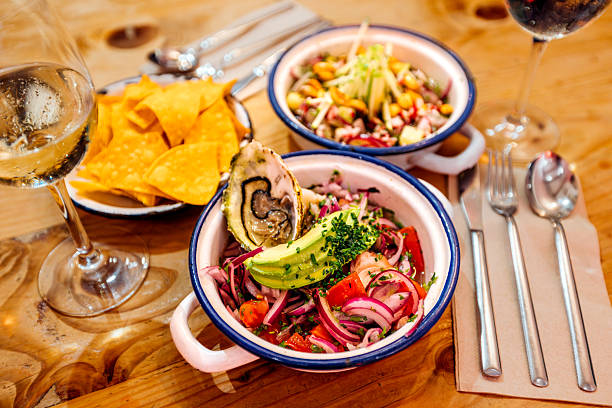
What Wine Goes With Sea Bass
If you’re wondering what wine pairs best with sea bass, you’ve come to the right place. In the next few lines we’ll cut through the confusion and recommend the perfect whites and light reds that highlight the fish’s delicate flavor. Expect quick, practical tips—think crisp Sauvignon Blanc, buttery Chardonnay, or a subtle Pinot Noir—so you can serve a glass that truly complements your dinner without any guesswork. Enjoy your meal and the perfect sip today, please.
Best White Wines for Sea Bass
Classic Chardonnay Pairings
Choose a buttery, oak‑aged Chardonnay to highlight the delicate flavor of sea bass. The wine’s creamy texture mirrors the fish’s flaky flesh, while subtle vanilla and toast notes add depth without overwhelming the dish.
Serve slightly chilled at 50‑55°F to keep acidity bright, which cuts through any buttery sauce or lemon garnish. Look for regions such as Burgundy’s Côte de Beaune or California’s Sonoma Coast, where balanced fruit and restrained oak create a harmonious match.
If the preparation includes a herb‑infused beurre blanc, the wine’s subtle citrus hints will echo the herbs, enhancing the overall palate experience. Pair with grilled or pan‑seared sea bass for a classic, elegant dinner that feels both refined and comforting.
A glass of this Chardonnay also pairs nicely with a side of roasted asparagus or a light quinoa salad, ensuring the meal stays balanced and the wine remains the star.
Crisp Sauvignon Blanc Options
Opt for a vibrant Sauvignon Blanc when you want a zesty companion for sea bass. Its high acidity and green‑herb aromatics lift the fish’s subtle sweetness, while citrus bursts of grapefruit and lime echo any lemon‑based marinades.
Serve well chilled at 45‑50°F to preserve the crispness that cuts through richer sauces like a light beurre blanc. Look to regions such as New Zealand’s Marlborough or France’s Loire Valley, where mineral undertones add a refreshing backbone.
If the sea bass is prepared with a tomato‑olive relish, the wine’s herbaceous notes will harmonize with the briny elements, creating a balanced palate. Pair with seared or oven‑baked sea bass for a bright, summer‑ready plate that feels lively and clean, perfect for outdoor dining or a relaxed weekend meal.
A side of citrus‑infused quinoa or a simple arugula salad will further accentuate the wine’s bright profile, making the dining experience cohesive and refreshing.
Light Pinot Grigio Choices
Select a light‑bodied Pinot Grigio for a subtle, elegant pairing with sea bass that lets the fish shine without competition.
The wine’s delicate stone‑fruit flavors—pear, apple, and a hint of peach—provide a gentle sweetness that mirrors the natural taste of the fish, while its crisp finish cleanses the palate between bites. Serve chilled at 48‑52°F to maintain its subtle aromatics and ensure a refreshing sip.
Ideal sources include Italy’s Veneto region and Oregon’s Willamette Valley, where low alcohol and bright acidity keep the wine airy.
When the sea bass is prepared with a herb‑citrus glaze or a light butter sauce, the Pinot Grigio’s subtle minerality enhances the citrus zest and herb notes, creating a seamless flavor bridge.
Pair with grilled or poached sea bass alongside a simple vegetable medley, delivering a balanced, understated dinner perfect for a quiet evening.
Red Wine Options That Work
Light‑bodied Pinot Noir
Pairing sea bass with a light‑bodied Pinot Noir can be surprisingly rewarding when you focus on balance and texture. Choose a Pinot with low tannins and bright acidity, such as a Burgundy or a cooler‑climate Oregon Pinot, to complement the delicate, flaky flesh without overwhelming it.
Look for subtle red‑fruit aromas—cherry, raspberry, and a hint of earth—that echo the mild sweetness of the fish. Serve the wine slightly chilled, around 55°F (13°C), to enhance its freshness and keep the palate lively.
When cooking, opt for a simple pan‑sear or herb‑crusted preparation; the wine’s gentle spice will mirror the herb notes and lift the dish. Avoid heavily oaked or high‑alcohol styles, as they can mask the sea bass’s subtle flavors.
This pairing works especially well with sauces that include citrus, capers, or a light beurre blanc.
Beaujolais Nouveau Tips
Beaujolais Nouveau, released just weeks after harvest, offers a fresh, fruity profile that can brighten a sea bass plate when handled correctly. Select a bottle with vibrant raspberry and strawberry notes, and a soft, low‑tannin structure that won’t dominate the fish’s subtle taste.
Serve it chilled at 50‑55°F (10‑13°C) to preserve its lively acidity and prevent the fruit from turning syrupy. Pair it with sea bass prepared in a light Mediterranean style—think olive oil, lemon zest, and fresh herbs—so the wine’s bright fruit mirrors the citrus elements.
Avoid heavy butter sauces; instead, use a drizzle of extra‑virgin olive oil or a light tomato‑based salsa to keep the palate clean. The slight effervescence of some Beaujolais Nouveau releases adds a playful lift, making each bite feel lighter.
This match shines during spring gatherings when the wine’s youthful energy complements the delicate, flaky fish.
When to Choose a Rosé
A dry rosé can be an elegant companion for sea bass, especially when the dish features bright, summery flavors. Pick a rosé with crisp acidity and a hint of stone‑fruit, such as a Provençal or a New World Pinot Noir rosé, to echo the fish’s light texture without adding weight.
Serve it chilled at 45‑50°F (7‑10°C) so the acidity cuts through any buttery or creamy elements while preserving the wine’s aromatic freshness.
Ideal preparations include grilled sea bass with a tomato‑olive salsa, or poached fish finished with a citrus‑herb vinaigrette; the rosé’s subtle red‑berry notes will harmonize with the tangy sauce. Steer clear of overly sweet or heavily oaked rosés, as they can mask the delicate flavor of the sea bass.
When paired correctly, the wine’s mineral backbone and refreshing finish lift the dish, making it perfect for al fresco dining or a relaxed weekend brunch.
How to Match Wine Acidity with Sea Bass Flavors

Balancing Citrus‑Based Sauces
Start by tasting the citrus component of your sea‑bass dish—lemon, lime, or orange zest adds bright acidity that needs a wine with a matching lift. Choose a white wine that mirrors that zing, such as a crisp Sauvignon Blanc, a mineral‑driven Albariño, or a lightly oaked Vermentino.
Match the wine’s acidity level to the sauce’s intensity so the palate stays refreshed rather than overwhelmed.
If the sauce is mildly tangy, a wine with moderate acidity like a dry Riesling works well; for a punchier lemon butter, opt for a wine with higher acidity and citrus notes, like a New Zealand Sauvignon Blanc.
Serve the wine chilled (8‑10 °C) to enhance its crispness and to balance the warm, flaky fish. A quick sip before each bite will confirm that the wine lifts the sauce without masking the delicate sea‑bass flavor.
Pairing with Herb‑Infused Preparations
When sea bass is finished with fresh herbs—think dill, parsley, basil, or tarragon—the wine should echo those green, aromatic qualities without stealing the spotlight. Opt for a white with subtle herbaceous notes, such as a Grüner Veltliner, a lightly oaked Chardonnay from a cooler climate, or a crisp Pinot Grigio.
Align the wine’s aromatic profile with the dominant herb; Grüner Veltliner’s white‑pepper edge complements dill, while a lightly oaked Chardonnay’s buttery nuance pairs nicely with basil‑infused butter sauces. Keep the body medium‑light so the fish’s tenderness remains front‑and‑center; a heavy, oak‑driven wine would drown the delicate flesh.
Serve at 10‑12 °C to preserve freshness and allow the herb‑driven aromas to shine. A quick swirl and sip before the first forkful will reveal whether the wine lifts the herb layer, creating a harmonious, garden‑like finish for your palate today.
Considering Salt and Butter
Salted butter sauces on sea bass introduce richness that calls for a wine with enough acidity to cut through the fat while still complementing the fish’s subtle sweetness.
Choose a white with bright acidity and a touch of minerality, such as a Chablis, a dry Sancerre, or an unoaked Sauvignon Blanc.
Balance the wine’s acidity against the sauce’s salt level; a higher‑acid wine like Chablis will cleanse the palate after each buttery bite, preventing the dish from feeling heavy. If the butter is infused with capers or olives, a wine with slight herbal undertones—like a Sancerre—adds depth without clashing.
Keep the alcohol modest (11‑12% ABV) to avoid overpowering the delicate flesh. Serve slightly cooler than typical whites (9‑11 °C) so the acidity stays sharp and the buttery texture feels elegant rather than greasy.
A brief taste before the first mouthful confirms the wine’s ability to lift the sauce while honoring the sea bass.
Tips for Serving Temperature and Glassware
Ideal Chill for White Wines
Chill your white wine to a crisp, refreshing temperature that highlights the delicate flavors of sea bass. Aim for 45–50°F (7–10°C); this range preserves acidity while allowing subtle fruit aromas to shine.
Before serving, place the bottle in an ice bucket for 20‑30 minutes or use a wine fridge set to the target range. For a classic pairing, choose a Sauvignon Blanc with citrus notes or a unoaked Chardonnay that offers bright minerality.
If you prefer a richer texture, a Viognier slightly warmer at 52°F works well. Remember to keep the wine away from direct sunlight and avoid over‑chilling, which can mute the nuanced palate that complements the buttery flesh of sea bass.
A properly chilled white enhances the fish’s sweetness and balances any herb or lemon garnish on the plate for dinner.
Serving Red Wine Slightly Cool
While white wines dominate the sea bass pairing, a light‑bodied red can also complement the fish when served slightly cooler than room temperature. Target a serving temperature of 55–60°F (13–16°C); this coolness softens tannins and highlights fruit without overwhelming the delicate protein.
Opt for a Pinot Noir with red‑berry notes, a Gamay from Beaujolais, or a Frappato that offers gentle spice. Chill the bottle in the refrigerator for about 15 minutes before pouring, or place it in an ice‑water bath for a quicker dip.
When the wine is too warm, the tannic structure can clash with the buttery texture of sea bass, creating a harsh mouthfeel. By keeping the red slightly cool, you preserve its silky mouthfeel and allow subtle acidity to cut through any buttery sauce or olive‑oil drizzle.
Serve the wine in a medium‑size, slightly tapered glass to direct aromas toward the nose, enhancing the overall harmony with the dish.
Choosing the Right Glass Shape
The shape of the glass can dramatically influence how a wine interacts with sea bass, guiding temperature, aroma and sip size.
For crisp whites such as Sauvignon Blanc or a lightly oaked Chardonnay, use a U‑shaped white wine glass with a narrow rim; this concentrates the citrus and mineral notes while keeping the wine cooler longer.
When serving a light red like Pinot Noir, select a tulip‑shaped glass that narrows at the top, directing subtle fruit aromas toward the nose and allowing a slight swirl to release gentle tannins.
If you prefer a fuller‑bodied white, a balloon‑style glass offers more surface area, encouraging slight oxidation that can round out the wine’s texture to match richer sauces.
Always hold the glass by the stem to avoid warming the bowl with your hand, and consider pre‑chilling the stem for extra temperature control.
By matching glass shape to wine style, you enhance the balance between the wine’s acidity and the buttery, flaky qualities of sea bass, creating a cohesive dining experience.
What to Avoid When Pairing Wine with Sea Bass
Heavy Oak‑Aged Wines
Heavy oak‑aged wines, such as many barrel‑finished Cabernet Sauvignon or oaked Chardonnay, should be steered clear of sea bass. The pronounced vanilla, toast, and buttery notes can overwhelm the fish’s delicate, flaky texture and subtle briny flavor.
Avoid dominant oak flavors because they mask the bright citrus or herbaceous accents often used in sea‑bass preparations. Likewise, the firm tannic structure of heavily oaked reds can create a gritty mouthfeel that feels out of place with the smooth, buttery flesh.
Instead, opt for lighter, unoaked whites that let the seafood shine. Remember that the goal is to complement, not dominate, the dish; a wine with restrained wood influence will preserve the nuanced taste of the sea bass while still providing a pleasant sip.
Choosing a wine with subtle acidity and a clean finish will further enhance the fish’s natural sweetness without adding heaviness.
High‑Alcohol Fortified Drinks
High‑alcohol fortified drinks like Port, Sherry, or Madeira are another mismatch for sea bass. Their elevated alcohol levels, often exceeding 15‑20% ABV, amplify heat and can dull the palate, making the gentle flavors of the fish seem muted.
Avoid high‑proof beverages because the intense spirit character competes with the subtle seasoning, whether it’s a lemon‑butter glaze or a light herb rub. Moreover, the nutty or oxidative notes common in aged fortified wines clash with the fresh, maritime character of sea bass, creating a discordant taste experience.
Instead, keep the pairing light and refreshing; a crisp, low‑alcohol white or a delicate rosé will preserve the dish’s elegance. By steering clear of fortified options, you ensure the seafood’s natural sweetness and texture remain the stars of the meal.
A wine with moderate acidity will also help cut through any buttery sauce, keeping the overall balance harmonious.
Overly Sweet Selections
Overly sweet selections, such as dessert Rieslings, Moscato d’Asti, or heavily sugared white blends, can dominate a sea‑bass plate. The pronounced sugar intensity masks the fish’s natural brine and can make the dish taste flat or even sour by contrast.
Avoid wines with high residual sugar because they overwhelm the delicate seasoning, whether it’s a simple olive‑oil drizzle or a subtle tomato‑based salsa. Sweet wines also tend to linger on the palate, reducing the refreshing finish that complements flaky fish.
Instead, choose a dry or off‑dry white with a crisp acidity that highlights the sea bass’s light flavor profile without adding cloying sweetness. By steering clear of sugary options, you allow the seafood’s subtle nuances to shine and keep the dining experience light and enjoyable.
Pairing with a wine that finishes cleanly will preserve the dish’s freshness and prevent any lingering cloyiness.
How to Pair Wine with Different Sea Bass Recipes
Grilled Sea Bass with Lemon
Grilled Sea Bass with Lemon shines with bright, citrus‑forward wines. Choose a Sauvignon Blanc from the Loire or New Zealand for its zesty acidity that mirrors the lemon glaze and cuts through the light char.
If you prefer a slightly richer profile, a Vermentino from Italy offers a mineral backbone and subtle herbaceous notes that complement the fish’s flaky texture. Serve the wine chilled at 45‑50°F to keep the palate fresh.
Pairing tip: pour a small splash of the wine over the finished dish to enhance the lemon aroma, then sip between bites to balance the smoky grill flavor. This combination highlights the sea bass’s delicate sweetness while keeping the overall meal light and refreshing.
A glass of 6‑8 oz lets you enjoy the wine’s crisp finish without overwhelming the fish. For a festive twist, try a lightly oaked Chardonnay with subtle butter notes, but keep the oak gentle to avoid masking the citrus.
Pan‑Seared Sea Bass in Butter Sauce
Pan‑Seared Sea Bass in Butter Sauce calls for wines that can stand up to the rich, velvety texture while preserving the fish’s subtle flavor. A White Burgundy (Chardonnay from Côte de Beaune) offers a balanced mix of buttery mouthfeel and bright acidity, echoing the sauce without becoming cloying.
If you prefer a cooler climate wine, opt for an Alsatian Pinot Gris; its stone fruit aromas and crisp minerality cut through the butter and highlight the sear’s caramel notes. Serve the wine slightly cooler than room temperature, around 52‑55°F, to maintain freshness.
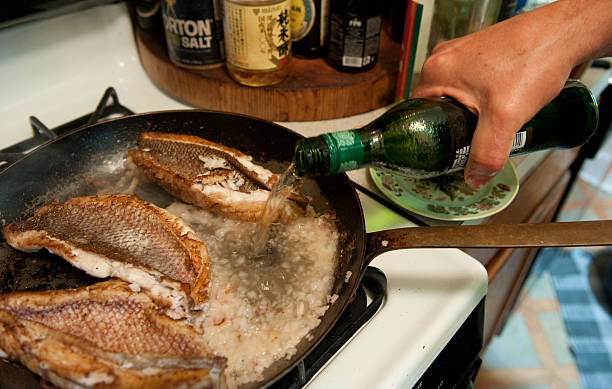
Practical tip: drizzle a thin ribbon of the wine into the pan after deglazing to integrate flavors, then finish the dish with a splash on the plate.
This technique unites the buttery sauce and the wine’s nuanced fruit, creating a harmonious palate that celebrates the pan‑seared crust and the delicate flesh of the sea bass.
Sea Bass Ceviche Pairings
Sea Bass Ceviche Pairings thrive on crisp, aromatic whites that amplify the citrus zing and fresh herbs. A Albariño from Rías Baixas delivers bright acidity, stone‑fruit notes, and a saline finish that mirrors the oceanic base of the ceviche.
For a slightly more floral profile, choose a Riesling (dry to off‑dry) from Alsace; its perfume of white peach and subtle minerality balances the heat of jalapeño and the tang of lime. Keep the wine chilled to 40‑45°F to preserve its lively character.
Serving suggestion: place a small glass beside the ceviche bowl and encourage diners to sip between bites, allowing the wine’s acidity to cleanse the palate and reset the flavor cycle.
Adding a splash of the chilled wine into the ceviche mixture just before plating can enhance the overall brightness, creating a seamless dialogue between the fish’s delicate texture and the wine’s vibrant profile.
Best Ways to Store and Choose a Bottle for Sea Bass
Reading Labels for Freshness
Start by examining the label for the wine’s vintage, region, and grape variety, as these clues indicate freshness and flavor profile that complement sea bass. Look for recent vintages—ideally within the last two to three years—to ensure bright acidity and lively fruit.
Check the appellation; coastal regions such as Loire, Marlborough, or Sonoma Coast often produce crisp whites that match the delicate texture of the fish. Pay attention to descriptors like “crisp,” “minerally,” or “citrus‑forward,” which signal the right balance of acidity.
If the label mentions oak aging, choose a lightly oaked option to avoid overpowering the subtle sea‑bass flavors. Finally, verify the seal and any quality certifications, as they guarantee proper bottling and storage before purchase, giving you confidence that the wine will stay vibrant when paired with your dish.
Pair it with a lightly seasoned lemon‑herb sea bass to let the wine’s citrus notes enhance the fish’s natural sweetness.
Storing Opened Bottles
Once you’ve opened a bottle that pairs perfectly with sea bass, proper storage preserves its bright acidity and prevents oxidation. Recork the bottle tightly or use a wine stopper to limit air exposure; a vacuum pump can further extend life by removing residual oxygen.
Store the sealed bottle upright in the refrigerator, even if it’s a red wine, because cooler temperatures slow chemical reactions that degrade flavor. Aim to consume the wine within three to five days; after this period, the nuanced citrus and mineral notes that complement the fish will fade.
If you have a larger volume, consider transferring the remaining wine into a smaller container to reduce the air‑to‑wine ratio. Finally, label the bottle with the opening date and the dish it was paired with, so you can quickly retrieve the right wine for future sea‑bass meals without guessing.
Budget‑Friendly Picks
When you’re watching your grocery bill but still want a wine that elevates sea bass, several budget‑friendly options deliver the right acidity and subtle fruit without breaking the bank.
Sauvignon Blanc from Chile or the South‑West Cape often costs under $12 and offers crisp citrus, green‑apple, and a hint of herb that mirrors the light seasoning of the fish.
Albariño from Rías Baixas is another excellent value, typically priced between $13‑$15, delivering bright stone‑fruit flavors and a saline minerality that echoes oceanic notes. For red‑wine lovers, a light‑bodied Pinot Noir from Oregon at around $14 provides soft tannins and red‑berry acidity that won’t overwhelm the delicate flesh.
Look for bottles labeled “unoaked” or “fermented in stainless steel” to ensure the wine stays fresh and fruit‑forward. Pair any of these selections with a simple lemon‑butter or herb‑crusted sea bass, and you’ll enjoy a restaurant‑quality experience at a fraction of the cost.
Frequently Asked Questions
What type of white wine pairs best with sea bass?
A crisp, acidic white wine such as Sauvignon Blanc or a dry Riesling complements the delicate flavor of sea bass without overwhelming it.
Can I serve a rosé with sea bass?
Yes, a dry rosé with bright fruit notes works well, especially if the dish includes herbs or a light tomato sauce.
Is Chardonnay a good match for sea bass?
A lightly oaked or unoaked Chardonnay can be a good match, offering subtle buttery notes that enhance buttery sauces on the fish.
What red wine, if any, goes with sea bass?
If you prefer red, choose a very light, low-tannin wine like a Pinot Noir or a Beaujolais Nouveau, but serve it slightly chilled.
How does the cooking method affect wine choice for sea bass?
Grilled or pan-seared sea bass pairs well with more aromatic whites like Vermentino, while poached or steamed preparations suit delicate wines like Albariño.
Should I consider the sauce when picking a wine for sea bass?
Absolutely—citrus or herb sauces call for high-acid wines like Sauvignon Blanc, while creamy sauces benefit from richer whites such as Chardonnay.
Conclusion
In short, a crisp, aromatic white such as Sauvignon Blanc, unoaked Chardonnay, or a light Pinot Grigio perfectly complements the delicate, buttery flavor of sea bass, while a subtle rosé or a gently chilled sparkling wine can add a refreshing lift. Remember to match acidity with the dish’s richness and serve slightly chilled. Experiment, enjoy the pairing, and let your palate guide future seafood adventures.