What Wine Goes With Mediterranean Food
Looking for the perfect wine to pair with Mediterranean dishes? You’ve come to the right place. In the next few lines we’ll quickly match you with the ideal reds, whites, and rosés that complement everything from fresh seafood to herb‑laden grilled vegetables. Expect clear, practical tips that consider flavor intensity, acidity, and regional traditions, so you can serve a glass that elevates your meal without the guesswork. Let’s dive in and find your perfect sip for any Mediterranean feast tonight.
How to Pair Wine with Mediterranean Flavors
Match acidity with citrus notes
Begin by looking at the bright citrus components that often appear in Mediterranean dishes—lemon‑zested fish, orange‑marinated olives, or grapefruit‑infused salads. Choose a wine with comparable acidity to echo those flavors without overwhelming them.
Crisp Sauvignon Blanc, Italian Vermentino, or Greek Assyrtiko all deliver sharp, lemon‑forward notes that mirror the food’s zest. When serving grilled shrimp with a drizzle of lemon‑olive oil, pour a chilled glass of Vermentino; its mineral edge will lift the seafood while the acidity balances the oil’s richness.
For tomato‑based mezze like bruschetta, a dry Rosé with bright red‑fruit acidity can cut through the sauce and keep the palate fresh. Remember to serve the wine chilled (around 45‑50°F) to enhance its crispness and ensure the citrus dialogue remains lively throughout the meal.
Pairing this way also highlights the herbal undertones of oregano or basil that often accompany the dishes, creating a harmonious finish.
Balance herbs with wine body
Herbs such as rosemary, thyme, and sage are staples in Mediterranean cooking, imparting earthy aromatics to grilled lamb, roasted vegetables, and olive‑oil‑based sauces. Select a wine with enough body to stand up to these robust flavors without masking them.
Medium‑to‑full‑bodied reds like Spanish Tempranillo, Italian Chianti Classico, or French Grenache‑based blends provide ripe fruit and subtle tannins that complement herbaceous notes. For a rosemary‑marinated leg of lamb, serve a 2019 Tempranillo; its plum‑like fruit and gentle spice will echo the herb while its structure cuts through the meat’s fat.
When the dish features thyme‑infused ratatouille, a Chianti Classico offers bright acidity and a hint of earth that mirrors the vegetable medley. If you prefer a lighter option, a dry, aromatic white such as Albanian Shesh i Bardhë with a moderate palate can match sage‑laden fish.
Always taste the wine first to confirm that its mouthfeel aligns with the herb intensity, adjusting temperature or decanting as needed.
Consider spice level
Spice in Mediterranean cuisine ranges from the gentle heat of black pepper to the bold kick of harissa, piri‑piri, or smoked paprika. Match the wine’s spice tolerance to the dish’s heat so the pairing feels balanced rather than clashing.
Lightly spiced grilled chicken with a pinch of smoked paprika pairs beautifully with a chilled Albariño; its bright acidity and subtle saline notes soften the smoky edge while preserving freshness.
For a fiery lamb tagine seasoned with harissa, choose a fruit‑forward, low‑tannin red such as a young Australian Shiraz or a Grenache‑based Rhône blend; the wine’s jammy berries and soft spice will echo the dish’s heat without being overpowered.
When serving seafood paella that includes a dash of cayenne, a slightly off‑dry Riesling offers a touch of residual sugar that cools the palate and harmonizes with the saffron and pepper. Adjust serving temperature—slightly warmer for reds, cooler for whites—to ensure the wine’s flavors integrate smoothly with the spice profile.
Best White Wines for Mediterranean Dishes

Sauvignon Blanc with Greek salads
Pairing a crisp Sauvignon Blanc with Greek salads creates a bright, refreshing match that highlights the dish’s lemony vinaigrette and salty feta. Choose a wine with high acidity and citrus notes to cut through the olive oil and balance the herbs like oregano and mint.
Look for a New Zealand or Loire Valley Sauvignon Blanc that offers green apple and grapefruit flavors; these will echo the cucumber and tomato crunch. Serve the wine chilled at 45‑50°F (7‑10°C) to keep it lively.
When assembling the salad, add extra lemon zest or a splash of white wine vinegar to reinforce the wine’s bright profile.
This pairing works especially well for classic salads such as Horiatiki or a mixed greens version with Kalamata olives, because the wine’s minerality mirrors the briny olives and the cheese’s tang perfectly.
Pinot Grigio for seafood
A light, dry Pinot Grigio pairs beautifully with Mediterranean seafood dishes, from grilled octopus to lemon‑garlic shrimp. Select a wine with subtle fruit and a clean finish to let the sea flavors shine without overwhelming them.
Italian Pinot Grigio from the Veneto or Friuli regions offers notes of pear, white peach, and a touch of minerality that echo the brine of mussels and the citrus zest in many recipes. Chill the bottle to 50‑55°F (10‑13°C) and serve in a narrow glass to preserve its delicate aroma.
When cooking, incorporate a splash of the same wine into the pan sauce; this creates a seamless bridge between plate and glass. The wine’s crisp acidity also cuts through buttery sauces, making it an ideal companion for dishes like grilled branzino, calamari, or a simple tomato‑olive tapenade on crusty bread.
Vermentino for Italian antipasti
Vermentino’s aromatic profile makes it a standout match for Italian antipasti, especially those featuring olives, marinated artichokes, and fresh herbs. Choose a Vermentino with bright citrus and a hint of salinity to mirror the briny components and enhance the herbal notes.
Wines from Sardinia or Liguria often display green apple, lime, and a subtle sea‑spray minerality that complements the tang of cured meats like prosciutto and the zest of lemon‑infused bruschetta. Serve at 48‑52°F (9‑11°C) to keep its lively character intact.
Pair the wine with a platter that includes grilled zucchini, roasted red peppers, and a drizzle of extra‑virgin olive oil; the wine’s acidity will cut through the oil and refresh the palate between bites.
This combination elevates the dining experience, turning a simple spread into a harmonious celebration of Mediterranean flavors together.
Top Red Wines for Mediterranean Meals
Chianti for tomato‑based pasta
Pair a classic Chianti with any tomato‑based pasta to highlight the dish’s acidity and herbaceous notes. Serve the wine slightly chilled at 16‑18°C to keep its bright fruit forward and prevent over‑alcohol warmth.
Decant for 20‑30 minutes to soften tannins, allowing the cherry and plum flavors to mingle with the sauce’s tang. When cooking, add a splash of the same Chianti to the simmering sauce; this creates a seamless bridge between plate and glass.
Choose a Chianti Classico Riserva for deeper structure if the pasta includes meat or aged cheese, while a basic Chianti works well with simple marinara.
Finally, present the bottle with a small olive‑oil‑drizzled bread basket, encouraging guests to sip between bites and fully experience the harmony of acidity, fruit, and rustic tannins. Pair it with a side of grilled zucchini and fresh basil to reinforce the Mediterranean profile.
Grenache for grilled lamb
Select a Grenache to accompany grilled lamb, as its ripe red‑fruit character and subtle spice echo the meat’s smoky richness. Serve at 14‑16°C to preserve freshness while allowing the wine’s soft tannins to coat the palate.
Before grilling, marinate the lamb with rosemary, garlic, and a splash of Grenache; the wine’s natural peppery notes will integrate into the meat. When plating, drizzle a thin reduction of the same Grenache over the lamb slices to create a cohesive flavor loop.
Opt for a Grenache‑based blend from the Rhône if the lamb is seasoned with cumin or harissa, while a Spanish Garnacha works beautifully with herb‑forward rubs.
Complement the dish with roasted Mediterranean vegetables—eggplant, bell peppers, and olives—to let the wine’s acidity balance the fattiness of the lamb, delivering a harmonious Mediterranean dining experience tonight.
Pinot Noir for mushroom dishes
Pair a delicate Pinot Noir with mushroom‑laden Mediterranean dishes, as its earth‑forward aromas and silky texture mirror the umami depth of the fungi. Serve slightly cooler than usual, around 12‑14°C, to highlight the wine’s bright acidity and subtle red‑berry notes without overwhelming the palate.
Begin by sautéing mushrooms with thyme, garlic, and a splash of Pinot Noir; the wine’s gentle tannins will enhance the mushroom’s natural richness. When plating, drizzle a light Pinot‑infused sauce over the dish, ensuring the flavors interlace seamlessly.
Choose a Pinot Noir from Oregon’s Willamette Valley for a fruitier profile that pairs well with creamy polenta, or a Burgundy‑style Pinot for a more mineral edge that complements olive‑oil‑based preparations.
Accompany the meal with a side of grilled artichokes and lemon‑zested quinoa, letting the wine’s acidity cut through the earthiness and create a balanced Mediterranean experience.
Rosé Options That Complement Mediterranean Cuisine
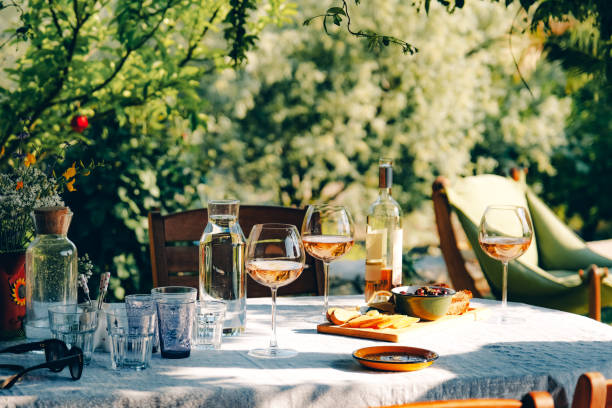
Provence rosé with mezze
Pairing Provence rosé with Mediterranean mezze creates a light, refreshing match that highlights both the wine and the dishes. The wine’s delicate strawberry and citrus notes enhance the herb‑laden dips like tzatziki, hummus, and baba ganoush, while its subtle acidity balances salty olives and feta.
Serve the rosé chilled at 45‑50°F to keep its crispness alive. Choose a rosé with a dry finish to avoid overpowering the nuanced spices of za’atar or sumac.
When arranging a mezze platter, include fresh vegetables, grilled halloumi, and a drizzle of extra‑virgin olive oil; the wine’s minerality mirrors the olive oil’s fruitiness, creating harmony on the palate.
This pairing works well for casual gatherings or as an appetizer before a larger Mediterranean feast, offering a versatile, elegant start to the meal. Pair it with a glass of sparkling water and a slice of lemon for an extra bright finish.
Spanish rosado with paella
Spanish rosado is a natural companion to the rich, saffron‑infused flavors of paella, whether it features seafood, chicken, or chorizo. The wine’s bright red‑fruit profile highlights the sweetness of shrimp and mussels while its crisp acidity cuts through the buttery rice and oil‑laden sofrito base.
Serve the rosado slightly cooler than white wine, around 50‑55°F, to preserve its fruitiness without dulling its lively finish. Opt for a rosado from Rioja or Navarra that offers subtle herbal notes, which echo the parsley and rosemary often sprinkled on top of the dish.
When plating paella, add lemon wedges and a drizzle of extra‑virgin olive oil; the citrus amplifies the wine’s acidity, creating a balanced mouthfeel. This pairing shines at family gatherings and festive celebrations, providing a refreshing contrast that keeps the palate lively throughout the multi‑course meal.
Dry rosé for grilled vegetables
Dry rosé is an excellent match for the smoky char of grilled Mediterranean vegetables, offering a crisp counterpoint to caramelized sweetness.
The wine’s subtle notes of green apple, grapefruit, and a hint of minerality enhance the natural flavors of zucchini, eggplant, and bell peppers while its moderate tannins soften the bite of charred edges. Serve the rosé chilled at 48‑52°F to keep its refreshing acidity vibrant.
Choose a rosé from southern France or Italy that leans toward a drier style, ensuring it doesn’t overwhelm the delicate herbs like oregano, thyme, and basil used in the seasoning.
Drizzle the vegetables with a splash of lemon‑infused olive oil before grilling; the citrus mirrors the wine’s bright acidity, creating a harmonious finish. This pairing works beautifully for outdoor al fresco dining, providing a light yet satisfying accompaniment that complements both the texture and flavor of the vegetables.
How to Choose Wine Based on Specific Ingredients
Olives and briny sauces
Olives and briny sauces bring salty, umami notes that can overwhelm delicate wines, so choose a partner that mirrors that intensity without adding extra acidity. Dry rosé with bright red fruit and a crisp finish works well, offering enough body to stand up to the brine while refreshing the palate.
Vermentino from Italy or Corsica provides a mineral edge and subtle citrus that echo the sea‑salt flavor of olives, enhancing the dish rather than competing. If you prefer red, opt for a light‑bodied Pinot Noir with low tannins and bright red berry aromas; its subtle earthiness complements the olive’s fruitiness.
Avoid heavy, oak‑driven reds, as they can mask the nuanced saltiness. Serve the wine slightly chilled (around 55°F) to keep the fruit forward and the finish clean, ensuring each bite of olive‑laden mezze is balanced by a lively sip.
Garlic and herb marinades
Garlic and herb marinades infuse Mediterranean dishes with aromatic intensity, demanding a wine that can handle both pungent and fresh herbaceous layers.
Sauvignon Blanc from the Loire or New Zealand offers vibrant acidity, citrus zest, and herb‑driven notes that echo rosemary, oregano, and thyme, cutting through garlic’s richness while amplifying the garden flavors.
For a slightly richer profile, try a Grenache‑based rosé; its red‑fruit softness and subtle spice complement the sweet‑burn of roasted garlic without overwhelming the herbs.
If you lean toward red, a Chianti Classico with bright cherry acidity and a hint of dried herbs provides a balanced backbone, letting the wine’s tannins soften the garlic’s bite. Avoid overly oaky or buttery whites, as they can clash with the bright herb profile.
Serve whites chilled (45‑50°F) and reds at cellar temperature (60‑65°F) to maintain the harmony between the aromatic sauce and the chosen wine.
Lemon and feta pairings
Lemon and feta create a bright, tangy foundation that thrives on crisp acidity and subtle salty creaminess, so the ideal wine should mirror that lift while offering a smooth finish.
Assyrtiko from Santorini delivers sharp citrus, mineral flint, and a clean, long finish that amplifies lemon zest and balances feta’s salt without overwhelming it. A Greek rosé made from Agiorgitiko grapes provides soft red‑berry notes and a gentle acidity that complements the cheese’s creamy texture while keeping the palate refreshed.
For red‑wine lovers, a Pinot Noir from Oregon with light tannins, bright cherry acidity, and a hint of earth can handle the lemon’s zing and the feta’s richness in equal measure. Skip heavy, high‑alcohol whites like Chardonnay, as they mute the citrus sparkle.
Serve Assyrtiko and rosé well chilled (45‑50°F) and Pinot Noir slightly cooler than room temperature to preserve balance.
Tips for Serving Temperature and Glassware
Chill whites and rosés correctly
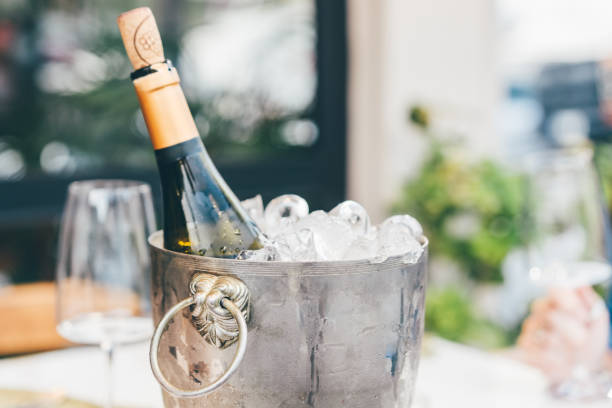
Start by chilling your white and rosé wines to the ideal range of 45‑55°F (7‑13°C) before serving Mediterranean dishes such as grilled fish, lemon‑herb chicken, or fresh salads. Cool the bottle in the refrigerator for 2‑3 hours or use an ice bucket with a 1:1 ice‑water mix for faster results.
When the wine is ready, give it a quick swirl and sniff to confirm crisp acidity and bright fruit aromas that will complement olive oil, tomatoes, and herbs. Avoid over‑chilling, which can mute flavors; if the wine feels too cold, let it sit for a few minutes in the glass.
Serving at this temperature enhances the wine’s freshness, balances the salty brine of seafood, and highlights the herbal notes of Mediterranean cuisine. Pair these chilled whites with dishes featuring feta, olives, or citrus‑marinated vegetables to keep the palate lively and refreshing.
Serve reds slightly cooler
Serve reds slightly cooler, around 60‑65°F (15‑18°C), to match heartier Mediterranean fare like lamb tagine, tomato‑based pasta, or grilled eggplant. Cool the bottle in the fridge for 20‑30 minutes or place it in a wine cooler set to the target temperature.
Before pouring, let the wine breathe for 5‑10 minutes in a decanter or large glass to release its spice, plum, and pepper notes that complement rosemary, cumin, and roasted red peppers. Do not serve too warm, as excess heat can exaggerate tannins and mask subtle fruit.
Adjust the temperature by briefly returning the glass to a cooler surface if needed. This modest chill preserves the wine’s structure while enhancing its ability to stand up to the robust flavors of Mediterranean meat and vegetable dishes.
A lightly chilled Merlot or Grenache works especially well, providing soft tannins that meld with the smoky and herbaceous components of the cuisine.
Select the right glass for aroma
Select the right glass for aroma to fully enjoy Mediterranean pairings; a tulip‑shaped white wine glass concentrates citrus and floral notes, while a larger, slightly tapered red glass enhances fruit and spice aromas.
Use a glass with a rim that directs the wine to the tip of the tongue, allowing acidity to brighten dishes like grilled shrimp, herb‑marinated chicken, or tomato‑based sauces.
For rosés, choose a stemless or shallow bowl that keeps the wine cool and showcases its bright berry character alongside salads and mezze. Avoid overly narrow glasses, which can trap heat and limit aroma diffusion.
Clean the glassware thoroughly and avoid lingering detergent residues, as they can interfere with the delicate balance of flavors that complement olives, capers, and fresh herbs in Mediterranean meals.
A crystal glass with a thin rim also helps preserve the wine’s temperature longer, ensuring each sip matches the vibrant spices of the cuisine.
Common Pairing Mistakes to Avoid
Overpowering tannins with delicate dishes
Pairing a heavily tannic red, such as a young Cabernet Sauvignon, with the light, herb‑driven flavors of Mediterranean fare can drown out the subtle notes of olive oil, lemon, and fresh herbs.
Choose wines with softer tannins or lower extraction, like a Pinot Noir or a Grenache‑based rosé, which allow the dish’s nuances to shine. When a robust wine is unavoidable, serve it slightly chilled to soften the astringency and balance the palate.
Avoid letting the wine dominate the plate; instead, let the acidity and fruit profile complement the tomatoes, grilled vegetables, or seafood. Remember that the goal is harmony, not competition, so select a wine whose structure mirrors the delicacy of the Mediterranean ingredients.
A good rule of thumb is to match the wine’s body to the weight of the food; a medium‑bodied white such as Vermentino or a light rosé can provide the right balance without overwhelming the palate.
Too sweet wines with spicy foods
Sweet wines like Moscato or late‑harvest Riesling can clash with the piquant heat found in many Mediterranean dishes, especially those featuring harissa, chili‑infused olive oil, or peppery sausage. The sugar amplifies the spice, making the palate feel hot and unbalanced.
Instead, opt for wines with a touch of residual sugar but enough acidity to cut through the heat, such as an off‑dry Gewürztraminer or a crisp Albariño.
If you prefer a dry style, choose a wine with bright acidity and subtle fruit—for example, a Sauvignon Blanc from the Loire or a dry rosé from Provence—that can refresh the mouth between bites. Serve the wine slightly chilled to enhance its refreshing qualities.
By balancing sweetness with acidity, you keep the spice lively without letting it dominate, allowing the herbs, citrus, and olive notes of the Mediterranean cuisine to remain front and center.
Mismatched body and richness
Choosing a light‑bodied wine for a rich, oil‑laden dish such as grilled lamb with rosemary or a buttery seafood risotto can leave the palate feeling thin and unfulfilled. The wine must have enough body to stand up to the dish’s fat and provide a satisfying mouthfeel.
Pair a fuller‑bodied white like a Chardonnay with moderate oak, or a medium‑bodied red such as a Chianti Classico, which offers both acidity and structure to cut through the richness.
When the dish is especially decadent, consider a wine with a hint of smooth tannins and a round texture, like a Merlot or a Grenache‑based blend, served slightly cooler than room temperature to accentuate freshness.
Additionally, match the wine’s alcohol level to the dish; higher alcohol can amplify richness, so a wine around 12‑13% ABV is often ideal. By aligning the wine’s weight with the food’s richness, you create a balanced experience where neither element overwhelms the other.
Frequently Asked Questions
Which white wines pair best with Mediterranean dishes?
Crisp whites like Sauvignon Blanc, Pinot Grigio, or a dry Greek Assyrtiko complement the fresh herbs, citrus, and seafood typical of Mediterranean cuisine.
What red wines work well with Mediterranean grilled meats?
Medium-bodied reds such as Chianti, Grenache, or a light Italian Barbera balance the smoky flavors of grilled lamb, chicken, or beef without overpowering the herbs.
Are rosé wines a good match for Mediterranean salads and mezze?
Yes, dry rosés, especially those from Provence or Spain, offer bright acidity and fruit notes that enhance salads, hummus, and other mezze plates.
How does the spice level of Mediterranean food affect wine choice?
Milder spice pairs well with aromatic whites or light reds; for spicier dishes, choose wines with a touch of sweetness like an off‑dry Riesling or a slightly chilled Zinfandel to tame heat.
What Italian wines complement Mediterranean seafood pasta?
Italian whites such as Vermentino, Verdicchio, or a lightly oaked Chardonnay provide the acidity and minerality needed to highlight the delicate flavors of seafood pasta.
Can I pair Mediterranean vegetarian dishes with sparkling wine?
Absolutely—Brut or Extra‑Dry sparkling wines, like Cava or Prosecco, cut through olive oil and fresh vegetables, adding a refreshing contrast to the meal.
Conclusion
Pairing Mediterranean cuisine with wine is all about balance—crisp whites like Sauvignon Blanc or Vermentino complement fresh herbs and citrus, while light reds such as Grenache or Chianti enhance grilled vegetables and lamb. Rosé offers versatile acidity for mezze spreads, and a modestly oaked white adds richness to richer stews. Use these guidelines to experiment, and enjoy discovering your perfect Mediterranean wine match.