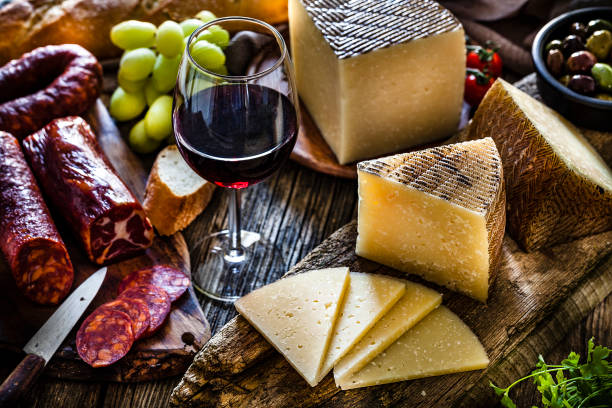
What Wine Goes With Manchego Cheese
If you’re wondering what wine pairs best with Manchego cheese, you’ve come to the right place. In the next few lines we’ll quickly match this buttery, nutty Spanish staple with the perfect sip, whether you prefer reds, whites, or a sparkling surprise. Expect clear, tasty recommendations that suit any occasion, from casual tapas nights to elegant dinner parties. Let’s dive in and find the ideal wine to elevate your Manchego experience right now and impress your guests effortlessly with confidence.
How to Pair Wine with Manchego Cheese
Manchego’s flavor profile
Manchego, a Spanish sheep‑milk cheese, offers a firm yet buttery texture that shifts with age. Young Manchego (aged 2‑3 months) is mild, slightly sweet, and nutty, while an aged version (12‑24 months) develops sharper, caramel‑like notes and a granular crumb.
The cheese’s natural acidity balances its rich fat content, creating a creamy mouthfeel that can stand up to both light and robust wines. Key point: the age of the cheese dictates the intensity of flavor, so choose a wine that mirrors or complements that level.
For younger wheels, look for fresher, fruit‑forward wines; for mature wedges, opt for deeper, more structured bottles that can handle the pronounced tang and earthy undertones.
The buttery crumb also releases subtle grassy aromas that echo the high‑altitude pastures where the sheep graze, while the salty finish can highlight a wine’s mineral backbone. Understanding these layers helps you match the cheese with a wine that either accentuates its sweetness or balances its saltiness.
Basic pairing principles
Pairing wine with Manchego starts with balancing intensity, acidity, and texture. Match intensity: a young, mild Manchego pairs well with crisp whites like Albariño or Verdejo, whose bright acidity cuts through the cheese’s creaminess without overwhelming it.
For aged Manchego, choose fuller‑bodied reds such as Tempranillo, Garnacha, or even a Rioja Reserva, whose tannins and dark fruit can stand up to the cheese’s robust, nutty depth.
Consider acidity: wines with higher acidity, like a dry Riesling or a sparkling Cava, refresh the palate and highlight the cheese’s subtle salty notes.
Texture harmony: the smooth, slightly crumbly mouthfeel of Manchego is complemented by wines with a silky or slightly effervescent texture, ensuring a seamless transition from bite to sip.
When in doubt, follow the rule of “same region, similar climate,” as Spanish wines often share the same terroir that shaped the cheese, creating a natural synergy.
Common mistakes to avoid
Even seasoned hosts can slip up when serving Manchego and wine. Avoid overpowering the cheese: pouring a high‑alcohol, heavily oaked Chardonnay or a bold Cabernet Sauvignon can mask the cheese’s delicate nutty flavors, especially with younger Manchego.
Don’t ignore temperature: serving red wine too warm dulls its tannins and makes it taste flat against the cheese’s richness; aim for 60‑65°F for reds and 45‑50°F for whites.
Avoid mismatched sweetness: a wine that is too sweet, such as a late‑harvest Riesling, will clash with the cheese’s savory salt, creating an unbalanced palate. Beware of strong aromatics: intensely aromatic wines like Gewürztraminer can dominate the subtle grassy notes of Manchego, leaving the cheese unnoticed.
By steering clear of these pitfalls—over‑power, wrong temperature, excess sweetness, and overwhelming aromatics—you ensure a harmonious tasting experience where each sip and bite enhance the other.
What Types of Red Wine Complement Manchego

Tempranillo
When pairing Manchego with a Spanish red, Tempranillo is a classic choice because its bright acidity and subtle tannins complement the cheese’s nutty, buttery profile.
Look for a joven or lightly oak‑aged Tempranillo; these versions offer red‑fruit aromas of cherry and plum that echo the cheese’s slight sweetness, while the gentle spice from a touch of peppercorn balances the salty edge.
The wine’s moderate alcohol (around 13 %) ensures the palate isn’t overwhelmed, allowing the creamy texture of Manchego to shine. Serve the cheese at room temperature and pour the wine slightly chilled (about 60 °F) to accentuate freshness.
This combination works well as an appetizer or alongside tapas such as olives and cured ham, creating a harmonious Spanish‑style tasting experience. The subtle oak notes provide a faint vanilla hint that mirrors the cheese’s earthy undertones, while the fruit-driven finish keeps the pairing lively.
For a more robust expression, choose a Reserva Tempranillo with a touch more tannin; it will stand up to aged Manchego that has developed deeper caramel flavors.
Pairing these together also invites a glass of sparkling water with a slice of lemon to cleanse the palate between bites, ensuring each mouthful remains fresh and balanced.
Garnacha
Garnacha (Grenache) offers a bright, fruit‑forward profile that pairs beautifully with the buttery richness of Manchego. Select a young, unoaked Garnacha to keep the focus on juicy red‑berry flavors—strawberry, raspberry, and a hint of dried fig—that echo the cheese’s subtle sweetness.
The wine’s low tannin structure and moderate acidity cut through the cheese’s creamy mouthfeel without overpowering it, creating a seamless balance. Serve the cheese at room temperature and pour the Garnacha slightly cooler than usual (around 58 °F) to highlight its fresh fruit character.
This match works especially in a summer cheese board, alongside grilled vegetables, roasted red peppers, or a drizzle of honey that amplifies both the wine’s natural spice and the cheese’s nutty notes.
For an added twist, try a Garnacha from the Priorat region, where a touch of minerality adds depth and complements the aged Manchego’s caramelized edges. The lingering soft finish leaves a pleasant aftertaste of red fruit and a whisper of pepper, encouraging you to reach for another slice.
Pair this combo with a handful of toasted almonds or a slice of quince paste to further enhance the interplay of sweet and savory flavors.
Pinot Noir
Pinot Noir, with its elegant acidity and silky tannins, is an unexpected but rewarding partner for Manchego. Choose a fruit‑driven Pinot from a cooler climate, such as Burgundy or Oregon, where cherry, cranberry, and subtle earth notes complement the cheese’s nutty and slightly tangy character.
The wine’s bright acidity cuts through the buttery texture, while its gentle spice—often a hint of clove or cinnamon—mirrors the faint herbal nuances in aged Manchego. Serve the cheese slightly warmed and the Pinot at around 55 °F to preserve its delicate aromatics.
This pairing shines in a mixed‑cheese platter that includes brie and blue cheese, as the Pinot bridges the gap between soft and strong flavors.
Adding a side of roasted beets or a drizzle of balsamic reduction brings out the wine’s underlying earthiness and accentuates the cheese’s caramelized notes, creating a layered tasting experience that is both sophisticated and approachable.
The subtle tannic grip also prepares the palate for the next bite, ensuring the cheese’s richness never feels heavy.
For an extra dimension, serve a small spoonful of fig jam on the side; the jam’s natural sweetness interacts with the Pinot’s red‑fruit backbone, highlighting both the wine’s acidity and the cheese’s creamy depth.
This combination works beautifully as an evening starter before a main course of roasted poultry or grilled salmon, where the lingering flavors continue to complement the meal.
What White Wines Match Manchego’s Taste
Albariño
Albariño, a crisp white from Spain’s Rías Baixas, pairs beautifully with Manchego’s nutty, buttery profile. Serve it chilled at 45‑50°F to highlight its bright acidity, which cuts through the cheese’s fat and refreshes the palate.
Look for aromas of green apple, citrus zest, and a hint of saline minerality; these complement the cheese’s subtle tang. When planning a tasting, match a young Albariño (1‑2 years old) with a firm, aged Manchego, as the wine’s lively fruit balances the cheese’s deeper flavors.
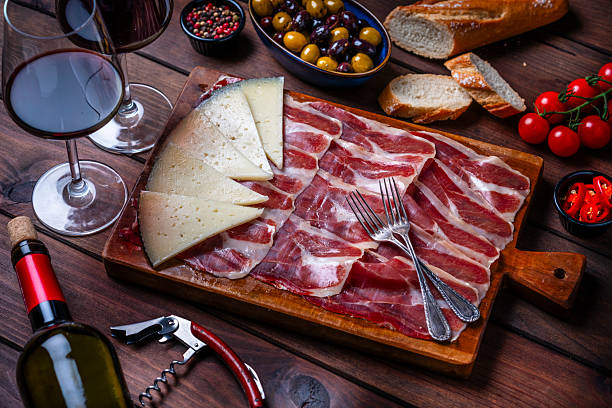
Pairing works well on a charcuterie board alongside olives and almonds, creating a harmonious Mediterranean snack. For a more structured experience, choose a bottle with a slight oak influence, which adds a creamy texture echoing Manchego’s smooth mouthfeel while maintaining enough acidity to keep the pairing lively.
Serve the wine in a tulip-shaped glass to concentrate the aromatics and enjoy the synergy with each bite.
Sauvignon Blanc
Sauvignon Blanc, especially those from the Loire Valley or New Zealand, offers a zesty contrast that lifts Manchego’s rich, buttery notes. Chill the wine to 48‑52°F and serve it in a white wine glass to preserve its crispness.
The grape’s signature herbaceous tones—think freshly cut grass, lime zest, and white pepper—interact with the cheese’s nutty undertones, creating a refreshing balance. For a focused pairing, choose a Sauvignon Blanc with moderate acidity and low residual sugar, as excessive sweetness can overwhelm the cheese’s subtle flavor.
Pair the wine with a slice of aged Manchego and a drizzle of honey or quince paste; the wine’s acidity cuts the sweetness while highlighting the cheese’s caramelized edges.
When hosting, arrange the cheese on a slate board with sliced green apples and a handful of toasted pumpkin seeds to echo the wine’s green, citrus profile.
Viura (Macabeo)
Viura, known as Macabeo in Rioja, delivers a subtle fruitiness and gentle minerality that complements Manchego’s creamy texture. Serve Viura at 46‑50°F and use a medium‑size white wine glass to allow its nuanced aromas to develop.
The wine’s notes of pear, white peach, and faint almond echo the cheese’s nutty character while its soft acidity prevents the palate from feeling heavy.
For optimal pairing, select a Viura aged briefly on its lees (6‑12 months); the slight creaminess mirrors the cheese’s smooth mouthfeel, and the subtle oxidative edge adds intrigue.
Pair the wine with a wedge of semi‑aged Manchego, a drizzle of extra‑virgin olive oil, and a few Marcona almonds for a balanced bite. When serving, add a sprig of fresh rosemary on the cheese platter to highlight the herbal nuances present in both the wine and the cheese.
How to Choose a Rosé for Manchego
Dry rosé options
When pairing Manchego with a dry rosé, look for wines that emphasize crisp acidity and subtle mineral notes. A Provençal rosé made from Grenache, Cinsault, and Rolle offers a clean palate, with hints of citrus zest and a faint saline finish that mirrors the cheese’s buttery texture.
Spanish rosados from Rioja, especially those labeled ‘Rosado Seco,’ bring a restrained fruit profile and a backbone of green apple and white pepper, which cuts through Manchego’s nutty richness without overwhelming it. Choose bottles with low residual sugar (under 2 g/L) and a moderate alcohol level (11‑12.5%).
Serve the wine chilled at 45‑50 °F to preserve its freshness, allowing the cheese’s firm crumb and buttery notes to shine alongside the rosé’s bright acidity. Key tip: a dry rosé with mineral undertones enhances the cheese’s depth while keeping the palate lively.
Fruit-forward rosés
Fruit-forward rosés bring a lively burst of red‑berry flavor that can balance Manchego’s savory depth. Look for wines from the New World, such as a California rosé crafted from Pinot Noir and Syrah, which delivers bright strawberry, raspberry, and a touch of watermelon alongside a soft, rounded mouthfeel.
These wines typically carry 3‑4 g/L of residual sugar, providing just enough sweetness to soften the cheese’s sharp tang without turning the pairing cloying. A South African rosé made from Mourvèdre and Grenache offers tropical notes of passion‑fruit and a subtle spice edge that echoes the nutty undertones of Manchego.
When selecting a fruit-forward rosé, prioritize a balanced acidity (around 6‑7 g/L) to keep the palate refreshed. Serve slightly warmer than a dry rosé, around 50‑55 °F, so the fruit aromas open fully.
Pro tip: Pair a glass of fruit-forward rosé with a thin slice of aged Manchego to let the cheese’s firm texture and the wine’s juicy profile complement each other beautifully.
Serving tips
Serving Manchego with rosé is as much about timing and temperature as it is about flavor harmony. Begin by allowing the cheese to breathe at room temperature for 20‑30 minutes; this softens its fat and releases aromatic compounds that will interact with the wine’s acidity.
Slice the cheese into ¼‑inch wedges, which provides a manageable bite size and exposes more surface area for the rosé to coat. Pair each wedge with a sip of rosé poured into a tulip‑shaped glass, which concentrates the fruit aromas while preserving the wine’s crisp edge.
If you’re offering both dry and fruit-forward options, arrange them side‑by‑side on a cheese board with complementary accompaniments: toasted almonds, quince paste, and thin slices of crusty baguette.
Keep the rosé chilled at the appropriate temperature—45‑50 °F for dry styles and 50‑55 °F for fruitier versions—and replace any melted ice to maintain consistency. Final advice: rotate the wine glasses between bites to keep the palate refreshed and let the cheese’s buttery richness shine through each sip.
Tips for Pairing Sparkling Wine with Manchego
Cava selections
Cava selections: Choose a dry or semi‑dry Cava to complement Manchego’s nutty, buttery profile. Opt for a Brut or Extra Brut style, which offers crisp acidity and fine bubbles that cut through the cheese’s richness without overwhelming its subtle flavors.
Look for Cavas from the Penedès region made with traditional grapes like Macabeo, Xarel·lo, and Parellada; these provide citrus zest and green apple notes that echo the cheese’s slight tang.
For a slightly richer pairing, a Rosé Cava adds a hint of red fruit that enhances the cheese’s aged caramel undertones. Serve the bottle chilled, around 45‑50°F, to keep the fizz lively and to let the wine’s bright minerality lift the creamy texture of the cheese.
This balance creates a harmonious bite‑after‑bite experience, perfect for tapas boards or a simple cheese platter today.
Champagne vs. Prosecco
Champagne vs. Prosecco: When deciding between Champagne and Prosecco for Manchego, consider the cheese’s intensity and the wine’s structure. Champagne’s higher acidity and fine mousse can stand up to aged Manchego, especially 12‑month or older wheels, by cutting through the firm, buttery texture and highlighting the cheese’s nutty depth.
Choose a Brut Nature or Extra Brut Champagne for minimal dosage, letting the wine’s citrus, brioche, and mineral notes shine alongside the cheese’s caramelized edges. In contrast, Prosecco’s lighter fruit profile and softer bubbles pair best with younger Manchego, around 3‑6 months, where the cheese is milder and creamier.
A dry (Extra Dry) Prosecco offers green apple and pear aromas that complement the cheese’s subtle tang without overpowering it.
Serve both wines well‑chilled, around 40‑45°F, and use a tulip‑shaped glass for Champagne to concentrate aromas, while a standard flute works for Prosecco, ensuring each sip enhances the cheese’s flavor journey.
Temperature and glassware
Temperature and glassware: Proper serving temperature and the right glass enhance the synergy between sparkling wine and Manchego. Aim for 45‑50°F (7‑10°C) for Cava and Prosecco, and a slightly cooler 40‑45°F (4‑7°C) for Champagne, preserving acidity and lively bubbles while allowing subtle aromatics to emerge.
Chill the bottle in an ice‑water bath for 20‑30 minutes rather than the freezer, which can mute flavors. Choose glassware that showcases effervescence: a tulip‑shaped or white‑wine glass for Champagne concentrates the fine mousse and directs citrus and toast notes toward the palate, complementing the cheese’s buttery richness.
For Cava and Prosecco, a sleek flute maintains carbonation and highlights fruity aromas that mirror the cheese’s mild tang. Serve the wine in a decanter only if it shows excessive sediment; otherwise, pour directly to preserve its crisp character.
This attention to temperature and vessel ensures each sip lifts the Manchego’s nutty profile, creating a balanced tasting experience.
Best Ways to Serve Manchego and Wine Together
Ideal serving temperature
Serve Manchego at room temperature, around 68–72°F (20–22°C), to let its nutty, buttery flavors shine. Chill the wine just enough to preserve acidity without muting fruit; a light‑to‑medium red such as Tempranillo, Garnacha, or a young Rioja should sit at 55–60°F (13–16°C).
If you prefer white, a crisp Albariño or a lightly oaked Verdejo works best at 50–52°F (10–11°C). Avoid overly cold temperatures, which can dull the cheese’s texture and make the wine taste sharp.
Let the cheese sit out for 30 minutes after removal from the fridge, covering it loosely with parchment to prevent drying.
Meanwhile, pour the wine into a glass and let it breathe for a few minutes; this enhances aromatic integration and creates a harmonious balance between the creamy Mancheco and the selected wine.
Serving both components at these optimal temperatures ensures the cheese’s buttery crumb and the wine’s fruit notes complement each other, elevating the overall tasting experience.
Plate composition
Create a balanced plate that lets Manchego and its wine partner shine. Start with a sturdy wooden board or marble slab to keep the cheese cool yet accessible. Slice the Manchego into ¼‑inch wedges; this thickness releases its nutty aroma while remaining easy to bite.
Pair the cheese with classic Spanish accompaniments: thinly sliced quince paste (membrillo), Marcona almonds, and a drizzle of extra‑virgin olive oil. These elements provide sweet, salty, and fatty contrasts that highlight the wine’s acidity and fruit.
Choose a medium‑bodied red like Tempranillo or a crisp white such as Albariño, and place the bottle within arm’s reach. Add fresh figs, toasted baguette slices, and a handful of olives to introduce texture and freshness, ensuring each bite can be matched with a sip.
Avoid overpowering flavors like strong blue cheeses or pungent herbs, which can mask the subtlety of Manchego and the selected wine, keeping the tasting experience harmonious.
Timing and pacing
Plan the tasting sequence to let the flavors evolve naturally. Begin with a light sip of the chosen wine before the first bite of Manchego; this primes the palate and reveals the wine’s primary fruit notes.
Follow with a small wedge of cheese, letting it sit on the tongue for a few seconds before swallowing, then take another sip to note how the cheese’s buttery texture softens the wine’s tannins.
Gradually increase the portion size—move from a quarter‑slice to a half‑slice as the tasting progresses, allowing the wine to open up and develop secondary aromas like dried herbs or red fruit.
Insert palate cleansers such as a slice of green apple or a sip of sparkling water between bites to reset the mouth without overwhelming the flavors.
Conclude the session with a final, slightly larger bite paired with a lingering sip, giving a satisfying finish that highlights the harmony between the nutty Manchego and the selected Tempranillo or Albariño. This paced approach ensures each element is appreciated fully without fatigue.
Frequently Asked Questions About Manchego Wine Pairing
Can aged Manchego pair with different wines?
Aged Manchego, typically 12 months or more, develops nutty, caramel‑sweet notes and a firmer texture that can stand up to bolder wines. Start with medium‑bodied reds such as Tempranillo, Garnacha, or a young Rioja; their soft tannins and bright acidity echo the cheese’s buttery richness without overwhelming it.
For those who prefer white, choose full‑flavored whites like an oaked Chardonnay or a Spanish Albariño with a hint of minerality—these wines match the cheese’s depth while cutting through its fat.
If you enjoy a touch of sparkle, a dry rosé with red‑fruit aromas can highlight the nuttiness and add a refreshing contrast.
Remember to serve the wine slightly cooler than room temperature (around 55‑60°F) to keep the flavors bright, and let the cheese sit out for 30 minutes before serving so its aroma fully develops.
What about flavored Manchego?
Flavored Manchego—whether smoked, herb‑infused, or peppered—adds an extra layer of complexity that calls for wines with complementary or contrasting profiles.
Smoked Manchego pairs beautifully with rich, slightly sweet reds like a Zinfandel or a Grenache‑based blend; the fruit‑forward character balances the wood smoke while the wine’s moderate acidity keeps the palate clean.
For herb‑spiked varieties (rosemary, thyme, or oregano), look to herbaceous whites such as Sauvignon Blanc or a Verdejo; their green, citrus notes echo the seasoning and lift the cheese’s buttery base.
Peppered Manchego benefits from a crisp, high‑acid wine like a young Pinot Noir or a sparkling Cava; the fizz or soft tannins temper the spice and highlight the cheese’s creamy texture.
In every case, serve the wine slightly chilled (white 45‑50°F, red 55‑60°F) and give the cheese a brief room‑temperature rest to let the infused flavors shine.
Pairing on a budget
Enjoying great Manchego wine pairings doesn’t have to break the bank; several affordable options deliver the right balance of acidity, fruit and structure.
Young Tempranillo from the Rioja Crianza tier often costs under $12 and offers bright red‑berry flavors and soft tannins that complement the cheese’s buttery bite without overpowering it.
If you prefer white, a Vinho Verde from Portugal provides crisp citrus zest and a light effervescence for roughly $8‑10, cutting through the richness of a younger Manchego (3‑6 months) and keeping the palate lively.
For sparkling lovers, a Cava Brut in the $9‑12 range adds bright acidity and fine bubbles that refresh the palate between bites, highlighting the cheese’s nutty notes.
To maximize value, buy the wine in a half‑bottle or look for bulk deals, and always let the cheese breathe for 20‑30 minutes so the modestly priced wine can fully express its supportive character.
Frequently Asked Questions
What type of wine pairs best with Manchego cheese?
Manchego pairs especially well with medium‑bodied red wines like Tempranillo or Garnacha, as well as dry white wines such as Albariño or a crisp Verdejo, which complement its nutty, buttery flavor.
Can I serve a rosé with Manchego?
Yes, a dry rosé with bright acidity and subtle fruit notes can balance the richness of Manchego, making it a versatile and crowd‑pleasing option.
Why do Spanish wines work particularly well with Manchego?
Manchego originates from Spain, and Spanish wines like Rioja, Ribera del Duero, or Rueda share regional flavor profiles—earthy, fruity, and slightly spicy—that naturally harmonize with the cheese’s sheep‑milk character.
Should I match the age of the cheese with the wine?
Pair younger, milder Manchego (aged 2‑3 months) with lighter wines such as a young Verdejo, while aged Manchego (12‑24 months) pairs better with more structured reds like aged Tempranillo or a medium‑aged Rioja.
Is sparkling wine a good match for Manchego?
A dry sparkling wine, like Cava or Brut Champagne, offers acidity and bubbles that cut through the cheese’s creaminess, creating a refreshing contrast.
What food accompaniments enhance the wine and Manchego pairing?
Serve Manchego with olives, quince paste, or toasted nuts; these sides echo the nutty notes of the cheese and amplify the fruit and acidity of the chosen wine, rounding out the tasting experience.
Conclusion
In pairing Manchego, choose wines that echo its buttery richness and nutty depth—think crisp Rioja, aromatic Albariño, or a bright Tempranillo. These selections balance the cheese’s firm texture while highlighting its subtle spice. Remember, temperature and personal taste matter, so experiment with a glass or two. Enjoy the harmonious duo, and let each sip inspire your next culinary adventure today.