What Wine Goes With Fried Fish
If you’re wondering what wine pairs best with fried fish, you’ve come to the right place. We’ll quickly guide you through crisp whites, bright rosés, and even a few surprising reds that cut through the batter’s richness. Expect easy-to-follow tips, flavor‑matching tricks, and a short list of top picks you can grab at any store. In just a few sentences, you’ll know exactly which bottle will elevate your crispy catch. Enjoy your meal and cheers to perfect pairing every time!
What types of wine pair best with fried fish
White wines that complement crisp batter
Pair a crisp white with the golden crust to balance richness and keep the palate fresh. Sauvignon Blanc offers bright acidity, citrus zest, and herbal notes that cut through oil while echoing the batter’s lightness.
Pinot Grigio delivers clean minerality and subtle green apple flavors, making it a safe, food‑friendly match for any fried fish. For richer batters, Albariño adds stone‑fruit sweetness and a saline finish that mirrors sea‑salted seasoning. Serve these wines chilled (45‑50°F) to enhance their refreshing qualities.
When selecting, prioritize high acidity and low oak influence; this ensures the wine lifts the dish rather than competing with the fried texture.
Rosé options for light fried fish
Rosé wines bring a playful fruitiness that pairs nicely with lighter fried fish such as sole or whiting. Provence rosé delivers delicate strawberry and citrus aromas, plus crisp acidity that brightens the oil‑laden bite.
Spanish rosado offers deeper red‑fruit notes and a touch of spice, which can stand up to a seasoned batter without overwhelming the fish. Look for a dry style (under 2 % residual sugar) to keep the palate from feeling cloying. Serve at 50‑55°F to preserve freshness.
The pink hue also adds visual appeal, making the plate more inviting while the wine’s acidity and subtle fruit balance the fried crispness beautifully.
Sparkling wine choices for extra crunch
Sparkling wines amplify the crunch of fried fish while refreshing the palate between bites. Champagne (non‑dosage Brut) offers fine bubbles, high acidity, and toasted brioche notes that echo a buttery batter. Prosecco provides lighter fruit flavors—green apple and pear—and a softer mousse, ideal for delicate fillets.
Cava brings a crisp mineral edge and a touch of citrus, complementing seasoned coatings. Serve well‑chilled (40‑45°F) to maximize effervescence; the cold temperature also tempers the oil’s richness. When choosing, prioritize dry or extra‑dry styles to avoid sweetness that can mask the fish’s flavor.
The carbonation acts as a palate cleanser, ensuring each bite remains as satisfying as the first.
Red wine considerations (if any)
Red wine with fried fish is rarely a first choice, but certain light‑bodied reds can work when the batter is heavily spiced or served with a robust sauce. Beaujolais Nouveau offers bright fruit, low tannins, and refreshing acidity that can cut through oil without overwhelming delicate fish.
Pinot Noir from a cooler climate provides subtle earthiness and soft tannins, pairing well with a herb‑infused crust. Opt for wines with less than 5 % alcohol and minimal oak to keep the profile lively. Serve slightly chilled (55‑60°F) to highlight fruit notes and soften any perceived heaviness.
Even then, reserve reds for adventurous diners who enjoy a contrast between the wine’s soft structure and the crisp fried texture.
How to match wine acidity with fried fish flavors
Balancing citrusy sauces
Start by looking at the citrus component in the sauce—lemon, lime, or orange will amplify the bright acidity of the wine. Choose a white with lively acidity such as Sauvignon Blanc, Albariño, or a crisp Vinho Verde.
Match the citrus intensity by selecting a wine that mirrors the same level of zest; a higher‑acid wine will cut through the oil while echoing the sauce’s tang. If the sauce leans toward sweet orange, a slightly off‑dry Riesling can balance the contrast.
Serve the wine chilled (8‑10 °C) to keep the palate fresh, and avoid overly buttery whites that will mute the citrus sparkle. Pairing with a glass of chilled sparkling water can further cleanse the palate between bites.
Dealing with salty coatings
Salty batters create a briny crunch that can overwhelm subtle wines, so you need a partner with enough acidity and effervescence to lift the salt.
Choose a sparkling wine such as Prosecco, Cava, or a dry Champagne; the bubbles act like a scrub, cutting through the grease while the crisp acidity mirrors the saltiness. If you prefer still wines, opt for a high‑acid Grüner Veltliner or a mineral‑driven Muscadet.
Serve the wine well‑chilled (6‑8 °C) and avoid oak‑heavy whites that will add heaviness. A small sip before each bite resets the palate, keeping the fish light and the sauce bright. A quick swirl in the glass releases aromatic notes that further balance the salty coating.
Pairing with spicy batters
Spicy batters introduce heat that can clash with low‑acid wines, so the goal is to find a wine that cools the palate while complementing the flavor. Select an off‑dry Riesling or a slightly sweet Gewürztraminer; the residual sugar tames the spice and the bright acidity keeps the fish lively.
For those who prefer less sweetness, a lightly chilled Pinot Grigio with a touch of minerality works well. Serve the wine at 9‑11 °C and avoid high‑alcohol reds that will amplify the heat. A small sip between bites creates a soothing contrast, letting the spice shine without overwhelming the palate.
A garnish of fresh cilantro can echo the wine’s aromatic profile, enhancing the overall harmony.
Adjusting for herb‑infused fish
Herb‑infused fried fish, such as basil, dill, or tarragon, adds vegetal notes that pair best with aromatic, slightly acidic whites. Opt for a Sauvignon Blanc from the Loire or New Zealand, whose herbaceous character mirrors the fish’s seasoning while its crisp acidity cuts through the fry.
An Alsatian Pinot Blanc or a dry Chenin Blanc also works, offering a subtle fruit backdrop that doesn’t mask the herbs. Serve the wine at 10‑12 °C and steer clear of overly oaked wines that could dominate the delicate herb profile.
A brief pause after each bite lets the wine’s green nuances lift the herbal aromatics, creating a balanced tasting experience.
Tips for choosing wine based on fish variety
White fish vs. oily fish
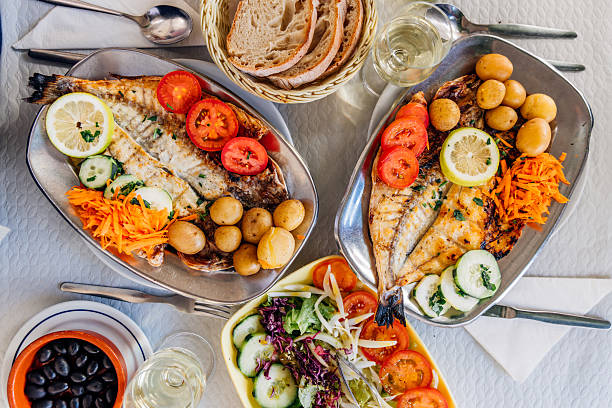
When you’re serving fried white fish such as cod, haddock, or sole, look for wines that can cut through the crisp batter without overwhelming the delicate flesh. Choose a bright, high‑acid white like Sauvignon Blanc, Albariño, or a dry Riesling; the acidity lifts the oil and highlights subtle flavors.
If you prefer a touch of sparkle, a dry Prosecco or Champagne adds refreshing bubbles that cleanse the palate between bites. For oily fried fish like salmon or mackerel, a richer white with enough body to stand up to the fat works best.
Opt for an oaked Chardonnay or a Viognier that offers a buttery mouthfeel and a hint of tropical fruit, balancing the fish’s richness while still providing enough acidity to keep the dish lively.
Serve the wine slightly chilled, around 45‑50°F, to enhance its refreshing qualities and ensure it doesn’t mute the fry’s crunch.
Freshwater vs. saltwater selections
Freshwater fish that are fried, such as catfish, trout, or perch, often carry a mild, sometimes earthy flavor that pairs well with wines offering gentle fruit and moderate acidity.
A lightly oaked Pinot Grigio or a crisp Grüner Veltliner provides enough zest to cut through the batter while complementing the subtle graininess of the fish. For saltwater varieties like fried snapper, grouper, or tilapia, the briny notes call for wines with a saline edge and a mineral backbone.
Try a dry Muscadet, a Sancerre, or a unoaked Chardonnay; their minerality mirrors the oceanic character and their acidity keeps the palate fresh.
If you enjoy rosé, a dry Provençal rosé with bright red‑fruit aromas works across both freshwater and saltwater fried dishes, delivering a balanced profile that highlights the seasoning without overpowering the delicate flesh.
Seasoned fillets and breaded sticks
Seasoned fried fillets, whether coated in Cajun spices, lemon‑pepper rubs, or herb‑infused breadcrumbs, demand wines that can handle bold aromatics while still refreshing the palate. A medium‑bodied Gewürztraminer or an aromatic Torrontés offers floral and spice notes that echo the seasoning and a touch of residual sugar to soften heat.
For classic breaded fish sticks, the goal is a wine with crisp acidity and subtle fruit that doesn’t compete with the simple, salty coating.
Choose a chilled Vinho Verde, a light Italian Pinot Bianco, or a sparkling Lambrusco; their lively bubbles and citrus edge cut through the oil and keep the bite light.
When serving with a tangy tartar or lemon aioli, a dry rosé with bright acidity and a hint of strawberry complements the sauce, creating a harmonious balance that lets the fried fish remain the star.
Best ways to serve wine with fried fish meals
Temperature guidelines for whites and rosés
Start by chilling your white or rosé to the ideal range before the fish hits the plate. Serve light whites such as Sauvignon Blanc or Pinot Grigio at 45‑50°F (7‑10°C) to preserve crisp acidity that cuts through fried batter.
Rosé wines benefit from a slightly warmer 50‑55°F (10‑13°C), allowing fruit aromas to shine without overwhelming the delicate oil. Use a wine fridge or an ice bucket with a thin layer of ice for quick cooling, and check temperature with a simple thermometer.
Avoid over‑chilling, which can mute flavors and make the wine taste flat. Let the bottle sit for a few minutes after removal from the fridge to reach the target temperature, ensuring the wine’s acidity and fruit balance complement the salty, crunchy fish perfectly.
Pairing this temperature precision with a crisp finish will elevate the dining experience and keep the palate refreshed.
Glassware that enhances aroma
Choose a glass that directs the wine’s bouquet toward your nose while allowing the delicate aromas to mingle with the fried fish’s scent. Upright white wine glasses with a slightly tapered rim concentrate citrus and mineral notes, perfect for Sauvignon Blanc or unoaked Chardonnay.
For rosé, a large‑bowl, slightly curved glass encourages the fruit‑forward profile to open, highlighting strawberry and watermelon hints that balance the batter’s richness. Avoid overly wide bowls, which can dissipate aroma too quickly, and steer clear of heavy stemless tumblers that trap heat.
Hold the glass by the stem to keep the bowl cool, and give the wine a gentle swirl before sipping to release volatile compounds. This thoughtful glass selection amplifies freshness and ensures each sip cuts through the oil, creating a harmonious mouthfeel that complements the crisp texture of fried fish.
Timing the pour for optimal taste
Synchronize the pour with the moment the fish leaves the fryer to capture the perfect balance of flavors.
Start pouring a glass just as the plate is set down, allowing the wine to breathe for 30‑45 seconds before the first sip; this short aeration releases bright acidity that brightens the salty crust.
If you prefer a fuller expression, give the wine a gentle swirl and let it sit for up to two minutes, but avoid long exposure that can mute the fresh fruit notes.
For rosé, a brief pause of 20‑30 seconds is enough to highlight its floral edge without overwhelming the delicate fish. Keep the bottle within easy reach so you can refill promptly, maintaining a consistent temperature throughout the meal.
By timing each pour to match the serving rhythm, you ensure every bite is paired with a wine that is at its most vibrant and complementary.
How to pair wine with common fried fish sides
Fries and chips
When serving fried fish with classic fries or thick-cut chips, choose a wine that can cut through the oil while complementing the salty crunch. Opt for a crisp, high‑acid white such as Sauvignon Blanc or a unoaked Chardonnay; the acidity lifts the grease and highlights the fish’s buttery texture.
Sparkling wine—especially a dry Brut or a Prosecco—adds lively bubbles that cleanse the palate between bites, making each fry feel lighter. If you prefer red, go for a light, low‑tannin option like a chilled Beaujolais Nouveau; the fruitiness won’t overwhelm the dish.
Serve the wine slightly chilled (45‑50°F) to maintain freshness, and consider a small spritz of lemon in the glass to echo the citrus often added to chips.
Pairing the wine with a pinch of sea salt on the fries accentuates the minerality of Sauvignon Blanc, while a dash of smoked paprika on the chips mirrors the subtle oak notes in an unoaked Chardonnay.
For a festive touch, serve the sparkling wine in flute glasses and garnish with a cucumber slice, adding a counterpoint to the fried richness. Keep the wine’s alcohol level around 11‑12% to avoid amplifying the greasiness of the fries.
This thoughtful approach turns a simple side into a cohesive tasting experience that elevates the entire fried‑fish plate.
Coleslaw and salads
Coleslaw and light salads bring acidity, crunch, and herbaceous notes that can balance the richness of fried fish. Choose a crisp, aromatic white such as Riesling (off‑dry) or a dry Albariño; the slight sweetness of an off‑dry Riesling softens the tang of cabbage while its acidity keeps the palate bright.
A light rosé with red fruit aromas also works, offering enough body to stand up to the creamy dressing without overwhelming the fish. If you favor sparkling, a dry Cava provides refreshing bubbles that cut through both the mayo‑based slaw and the oil on the fish.
Serve the wine chilled (45‑50°F) and consider adding a sprig of fresh dill or mint to the glass to echo the herbs in the salad. Pairing in this way creates a harmonious contrast: the wine lifts the vegetal flavors, while the fish’s crunch is highlighted by the wine’s lively acidity.
Consider a lightly oaked Pinot Grigio, whose mineral edge mirrors the crisp carrots and radish in the slaw. A dry Chenin Blanc from the Loire Valley adds bright acidity with a faint honeyed note that pairs well with sweet corn in summer salads.
When pouring, fill the glass halfway and give it a quick swirl to release citrus aromas that echo the lemon vinaigrette on mixed greens. This alignment keeps each fried‑fish bite fresh and palate‑cleansing.
Tartar sauce and lemon wedges
Tartar sauce and a squeeze of lemon are classic accompaniments that add richness and bright acidity to fried fish, demanding a wine that can handle both creamy texture and citrus zing.
A dry, high‑acid white such as a Chablis or a Sancerre works beautifully; the flinty minerality cuts through the mayo‑laden sauce while the crisp acidity mirrors the lemon’s bite. A sparkling rosé offers gentle fruit notes and effervescence that lift the sauce’s fattiness and enhance the citrus sparkle.
If you enjoy a red, choose a very light, chilled Gamay or a Pinot Noir from a cool climate, whose soft tannins won’t clash with the sauce’s creaminess. Serve the wine at 50‑55°F and consider adding a thin lemon twist to the glass rim, reinforcing the citrus theme.
Herb‑infused tartar sauces that include capers, dill, or parsley benefit from a wine with subtle herbaceous notes; a Vermentino delivers a salty minerality and a hint of green that echoes the fresh herbs.
For a more adventurous match, try an Albariño with its bright fruit aroma, which complements the lemon’s zest while standing up to the sauce’s richness.
When serving, place the lemon wedge on the rim of the glass or float a small slice in the wine to reinforce the citrus connection throughout the meal.
What to avoid when pairing wine with fried fish
Overly oaky whites
When you reach for a white that is drenched in oak, the smoky, vanilla notes can overwhelm the delicate, crispy crust of fried fish. Avoid heavy oak influence and look for cleaner profiles instead.
Oak‑aged wines often bring buttery texture that competes with the oil‑laden bite, making the pairing feel cloying rather than refreshing. Instead, choose a wine with bright acidity and subtle fruit, which will cut through the grease without masking the fish’s flavor.
Remember, the goal is to let the fish shine, not to let the wine dominate the palate. A common mistake is to reach for a Chardonnay that has spent months in new oak barrels; the resulting creamy mouthfeel can clash with the fried batter, leaving a heavy aftertaste.
Opt for a lightly oaked or unoaked alternative, such as a crisp Sauvignon Blanc or a mineral‑driven Albariño, which provide the necessary acidity and a clean finish. Prioritize freshness over oak intensity to keep the pairing lively and balanced.
Heavy reds that mask flavor
Heavy, tannic reds such as Cabernet Sauvignon or Syrah can quickly dominate the subtle flavors of fried fish. Steer clear of robust body and high tannin because they compete with the crisp batter and can leave a metallic aftertaste when paired with oily fish.
The deep fruit and spice notes typical of these wines tend to mask the delicate seasoning, making the dish feel muted. Instead, choose a lighter red with low tannins and bright acidity, like a Pinot Noir from a cooler climate or a Gamay.
These wines offer soft fruit and subtle earthiness that complement rather than overwhelm. Focus on balance, selecting a wine that lifts the fish without drowning it in weight. A chilled serving temperature, around 55°F, further softens the wine’s structure and aligns it with the fish’s temperature, enhancing the overall harmony.
Too sweet sparkling wines
Overly sweet sparkling wines, such as demi‑sec Prosecco or Moscato d’Asti, can clash with the salty, fried crust of fish. Avoid high residual sugar because it accentuates the oiliness and can make the palate feel sticky rather than refreshed.
Sweet bubbles tend to mask the subtle brine and seasoning, leaving the fish tasting flat. Instead, opt for a dry or extra‑dry style like Brut Champagne, Cava, or a crisp Italian Franciacorta.
These selections bring fine acidity, delicate effervescence, and a clean finish that cuts through the grease while highlighting the fish’s texture. Prioritize acidity and minerality over sweetness to keep the pairing lively and to let the fried fish’s flavor shine through without being drowned by sugary fizz.
Serving the wine well chilled, around 45–48°F, ensures the bubbles stay lively and the acidity remains sharp, providing the perfect counterpoint to the fried bite.
How to create a complete wine‑and‑fish pairing menu
Starter pairings for appetizers
Begin your meal with light, crisp wines that cut through the oil of fried appetizers. Champagne or dry Prosecco offers bright acidity and fine bubbles that cleanse the palate between bites of tempura shrimp or fish sticks.
If you prefer still wines, a Sauvignon Blanc from the Loire or New Zealand delivers citrus zest and herbaceous notes that match the seasoning on battered fish. For a touch of minerality, try an Albariño with its saline finish, echoing the sea‑salt flavor.
Serve the wine chilled at 45‑50°F to keep the refreshing contrast vivid. These selections keep the starter lively, preventing the fried coating from feeling heavy while highlighting the delicate fish flesh.
Pair each sip with a small squeeze of lemon or a light aioli to enhance the acidity, and consider a quick garnish of fresh herbs like dill or parsley to complement the wine’s aromatic profile.
Main course wine selection
For the main course, choose wines that balance the richer, crunchier texture of battered fish while standing up to bold seasonings. Dry Riesling from Alsace or Germany offers bright acidity, stone‑fruit flavors, and a subtle hint of sweetness that tempers the oil without overwhelming the fish.
Chardonnay with light oak, especially from cooler climates like Burgundy or coastal California, provides a creamy mouthfeel that mirrors the buttery coating and adds citrus undertones.
If you enjoy reds, a Pinot Noir with low tannins and bright red fruit can work surprisingly well with heartier fried fish such as catfish or cod, especially when the dish includes a tomato‑based sauce.
Serve whites at 48‑52°F and reds slightly cooler than room temperature, around 55‑60°F, to keep the flavors bright. Complement the wine with a garnish of capers or a drizzle of herb‑infused olive oil to create a harmonious finish.
Dessert wine that still works with fish
Even after the main course, a thoughtfully chosen dessert wine can still complement fried fish, especially when the finale features subtle sweetness or citrus notes.
Moscato d’Asti offers low alcohol, gentle fizz, and aromatic peach and orange blossom that echo the lightness of a lemon‑zested fish dish while providing a refreshing contrast to the fried crust.
For a richer option, a Late Harvest Riesling delivers honeyed apricot flavors and vibrant acidity that cut through residual oil and pair beautifully with a honey‑glazed salmon or a sweet‑and‑spicy batter.
If you prefer a fortified style, a dry Sherry such as Amontillado brings nutty depth and a saline edge that mirrors the sea‑salt seasoning, making it a sophisticated match for a final bite of fried anchovies.
Serve these wines chilled, around 45‑50°F, and consider a small side of fresh berries or a citrus sorbet to tie the flavors together.
Frequently Asked Questions
What type of white wine pairs best with fried fish?
A crisp, acidic white wine like Sauvignon Blanc or a dry Riesling complements the fried batter’s richness and cuts through the oil, enhancing the fish’s flavor.
Can I pair sparkling wine with fried fish?
Yes, sparkling wines such as Champagne or Prosecco work well; their bubbles and acidity refresh the palate and balance the greasiness of the fried coating.
Are rosé wines a good match for fried fish?
Dry rosé wines can be a good match, offering bright fruit notes and enough acidity to complement the fried texture without overwhelming the fish.
What about red wine—does any red pair with fried fish?
Generally, red wines are not ideal, but a light, low-tannin red like a Pinot Noir served slightly chilled can work if you prefer red, as it won’t dominate the delicate fish flavor.
Should I consider the seasoning of the fish when choosing wine?
Yes, spicier or heavily seasoned fried fish pairs better with wines that have a touch of sweetness, such as an off‑dry Riesling, to balance heat and enhance flavors.
Is there a specific wine from a region known for pairing with fried fish?
Wines from coastal regions, like a Portuguese Vinho Verde or a Spanish Albariño, are classic pairings; their bright acidity and minerality complement the sea‑salted, fried profile.
Can I serve a chilled rosé spritzer with fried fish?
A rosé spritzer, diluted with sparkling water, offers refreshing acidity and light fruitiness, making it a versatile, lower‑alcohol option that still pairs nicely with fried fish.
Conclusion
In short, the best wines for fried fish are bright, high‑acid whites such as Sauvignon Blanc, Pinot Grigio, or a dry Riesling, plus sparkling options like Champagne or Prosecco that cut through the oil. Light, low‑tannin reds like Beaujolais can also work. Remember to match the seasoning and batter style, and feel free to experiment—your perfect pairing awaits! Try serving the wine slightly chilled for extra refreshment, and share your discoveries with fellow food lovers.