
What Wine Goes With Filet Mignon
Choosing the perfect wine for filet mignon doesn’t have to be a mystery. In the next few lines you’ll discover the top red options that enhance the steak’s buttery texture and subtle flavor, plus a quick tip for matching sauces and personal taste. Whether you prefer a classic Cabernet Sauvignon, a silky Pinot Noir, or an elegant Merlot, we’ll guide you to a confident, delicious pairing in seconds. Let’s dive in and solve your wine‑and‑steak dilemma right now today together.
How to Choose the Right Wine for Filet Mignon
Flavor profile of filet mignon
When you’re planning a steak dinner, start by understanding the flavor profile of filet mignon. This cut is prized for its buttery tenderness and a delicate, almost sweet beef taste that lacks the robust, beefy intensity of ribeye or sirloin.
Because the meat is so lean, it doesn’t carry strong fat‑driven flavors, so the palate is more about subtle umami, a whisper of iron, and a faint grassy note from the animal’s diet.
The mildness means the steak can be easily overwhelmed, so you want a wine that enhances without overpowering. Look for wines that bring a touch of acidity, gentle fruit, and a smooth finish to complement the silk‑like texture while highlighting the steak’s subtle nuances rather than masking them.
Pairing it with a wine that mirrors that elegance will turn a simple plate into a memorable dining experience.
Key wine characteristics to match
The ideal wine for filet mignon should possess soft tannins, moderate acidity, and a fruit profile that complements the steak’s subtlety. Soft tannins prevent a drying sensation that could clash with the meat’s buttery texture, while moderate acidity cuts through any slight fattiness and refreshes the palate between bites.
Fruit flavors such as red berries, cherries, or plum add a gentle sweetness that mirrors the steak’s natural umami without overwhelming it. Additionally, a silky mouthfeel and a lingering finish help echo the tenderness of the cut, creating a harmonious mouth‑to‑mouth experience.
Consider wines like Pinot Noir, Merlot, or a lightly oaked Cabernet Franc; each offers the right balance of elegance, fruit, and structure. When selecting, taste the wine first—if it feels smooth, bright, and slightly fruit‑forward, you’re likely on the right track for pairing with filet mignon.
Common mistakes to avoid
Even seasoned hosts can slip up when pairing wine with filet mignon, but avoiding a few common mistakes will keep the dinner on point.
First, don’t reach for a heavy, high‑tannin wine like a full‑bodied Cabernet Sauvignon; the aggressive tannins will mask the steak’s delicate flavor and create a harsh mouthfeel.
Second, steer clear of overly fruity, sweet wines such as overly ripe Zinfandel or dessert styles, because the sugar can clash with the meat’s natural umami and make the pairing feel unbalanced. Third, avoid wines with excessive oak influence; strong vanilla or smoke notes can dominate the subtle beef taste.
Finally, don’t ignore temperature—serving red wine too warm dulls its acidity and accentuates bitterness, while serving it too cold mutes fruit. By keeping these pitfalls in mind, you’ll select a wine that enhances rather than competes with the filet mignon’s refined character.
What Types of Red Wine Pair Best

Cabernet Sauvignon
Cabernet Sauvignon is a classic match for filet mignon because its full‑body and firm tannins cut through the steak’s buttery texture while highlighting the meat’s natural richness.
Look for a wine with ripe blackcurrant, cedar, and a hint of vanilla from oak aging; these flavors echo the charred crust from a grill or pan‑sear. A moderate level of acidity keeps the palate refreshed, preventing the dish from feeling heavy.
Serve the steak medium‑rare and let the wine breathe for 30 minutes to unlock its aromatic complexity, ensuring each bite and sip complement one another seamlessly.
Merlot
Merlot offers a silky, medium‑bodied alternative that pairs beautifully with filet mignon, especially when the steak is served with a mushroom or red‑wine reduction sauce. Its plush plum and black‑cherry notes, combined with soft tannins, enhance the beef’s tenderness without overpowering it.
Choose a Merlot with subtle oak influence to add a whisper of spice that mirrors any peppercorn crust. The wine’s natural acidity balances the richness of the meat, making each mouthful feel lighter.
For optimal pairing, let the Merlot sit at slightly below room temperature (around 60°F) to preserve its fruit‑forward character.
Pinot Noir
Pinot Noir is an elegant, lighter‑bodied option that works surprisingly well with filet mignon, particularly when the steak is accompanied by a herb‑butter or cranberry glaze. Its bright red‑fruit profile—think raspberry, cherry, and subtle earthiness—adds a refreshing contrast to the beef’s subtle flavor.
The wine’s gentle tannins and higher acidity cleanse the palate, allowing the steak’s delicate texture to shine. Opt for a Pinot from a cooler climate (e.g., Burgundy or Oregon) for more pronounced acidity and minerality. Serve slightly chilled (55‑58°F) to accentuate its crisp fruit notes alongside the tender filet.
Syrah/Shiraz
Syrah (or Shiraz) brings a spicy, robust character that pairs wonderfully with filet mignon when the dish includes a pepper‑corn crust or smoky barbecue glaze. Its bold black‑pepper, smoked meat, and dark‑berry flavors complement the steak’s savory depth, while firm tannins provide structure without overwhelming the tender cut.
Look for a Syrah with balanced oak influence to introduce vanilla and cedar nuances that echo the grill’s char. The wine’s moderate acidity lifts the richness of the meat, creating a harmonious finish.
Serve the wine at a cool room temperature (around 62°F) and allow it to breathe for 20‑30 minutes before enjoying.
What White Wines Can Complement
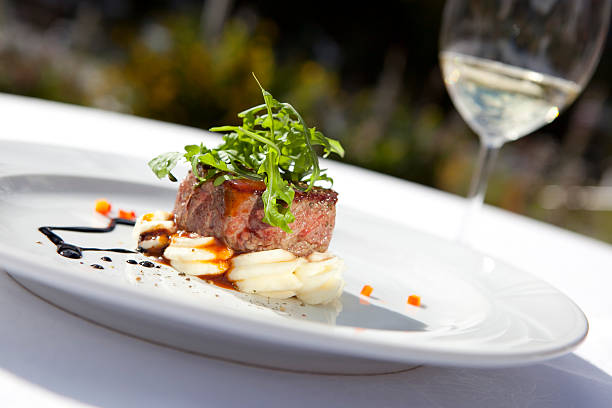
Why white can work
White wines can surprisingly enhance a filet mignon when chosen with care. The key is to match the steak’s delicate, buttery texture with a wine that offers bright acidity and subtle fruit without overwhelming the meat.
A lighter body allows the beef’s natural flavors to shine, while a touch of oak can echo the char from the grill. Look for wines that provide a silky mouthfeel and a balanced finish, which will complement the tenderness of the cut.
Additionally, the cooler temperature of white wine can refresh the palate between bites, preventing richness from becoming cloying.
By focusing on these attributes—acidity, fruit, and texture—you can create a harmonious pairing that highlights both the steak and the wine, proving that a well‑chosen white can work just as well as a classic red.
Serve the wine slightly chilled, around 45‑50°F, to maintain its freshness and ensure it interacts perfectly with the meat’s richness.
Chardonnay
A classic, oak‑driven Chardonnay can be an excellent companion for filet mignon, especially when the steak is prepared with butter or a creamy sauce. The wine’s rich buttery notes mirror the melt‑in‑your‑mouth quality of a well‑seared cut, while its moderate acidity cuts through the fat, keeping the palate lively.
Look for a Chardonnay that balances vanilla‑spice oak with ripe apple and pear flavors; this harmony supports the beef without masking it. If the steak is grilled, the subtle smoky nuances in a lightly toasted Chardonnay echo the char, adding depth to each bite.
Pairing with a medium‑bodied style ensures the wine’s texture aligns with the steak’s tenderness, creating a seamless dining experience that highlights both the meat’s juiciness and the wine’s elegance. Serve it at a cool 52°F to preserve its crispness and let the oak nuances shine alongside the steak’s savory profile.
Viognier
Viognier offers a fragrant, aromatic alternative that can surprise diners when paired with filet mignon. Its lush stone‑fruit aromas—think apricot, peach, and subtle floral hints—add a bright contrast to the meat’s richness, while the wine’s medium acidity keeps the palate from feeling heavy.
Choose a Viognier with a rounded mouthfeel and a hint of spice; this will echo any peppercorn or herb rub used on the steak. The wine’s slightly higher alcohol content also contributes a silky body that mirrors the buttery texture of a perfectly cooked filet.
When the steak is served with a light beurre blanc or a mushroom‑cream sauce, the Viognier’s natural honeyed sweetness complements the sauce without competing. Serve the wine just chilled, around 48°F, to accentuate its aromatic profile and ensure a harmonious balance between the wine’s perfume and the beef’s depth.
Tips for Matching Wine with Sauces and Seasonings
Butter and herb sauces
Pair a filet mignon dressed in a classic butter‑and‑herb sauce with a wine that mirrors its richness while preserving the meat’s delicate texture.
Choose a lightly oaked Chardonnay from Burgundy or a New World region; its creamy mouthfeel and subtle vanilla notes echo the buttery sauce, and its bright acidity cuts through the fat.
Alternatively, a Pinot Noir with soft tannins and red‑fruit aromatics can complement the herbal parsley, thyme, or chervil without overwhelming the steak. When the sauce includes a splash of lemon or white wine, a dry Riesling offers a crisp counterbalance, highlighting the herbaceous nuances.
Avoid overly tannic reds, as they may mask the subtle flavors of the sauce. Serve the wine slightly chilled (12‑14 °C) to enhance freshness, and let the steak rest before plating to retain juices, ensuring a harmonious bite‑by‑bite experience.
Mushroom sauces
Filet mignon paired with a earthy mushroom sauce thrives when matched with a wine that can echo the umami depth without overwhelming the tender beef.
A medium‑bodied Merlot from Bordeaux or California offers plush black‑fruit flavors and soft tannins that meld with sautéed cremini, portobello, or wild mushroom blends, while its subtle oak adds a whisper of spice.
For a more pronounced earthiness, try a Pinot Noir from Oregon’s Willamette Valley; its bright acidity and forest‑floor aromas enhance the sauce’s mushroom perfume and keep the palate lively.
If the sauce is finished with a splash of Madeira or a drizzle of truffle oil, a full‑bodied Cabernet Franc with herbaceous notes can stand up to the richness. Steer clear of overly high‑alcohol wines that may mask the delicate mushroom nuances.
Serve the wine at 15‑17 °C, allowing its structure to support the meat and the sauce in equal measure.
Peppercorn sauce
An indulgent peppercorn sauce on filet mignon calls for a wine that can balance the heat and creamy richness while complementing the beef’s natural flavor.
A classic Bordeaux‑style blend, especially one dominated by Cabernet Sauvignon, provides firm tannins and dark‑fruit intensity that cut through the peppery bite and stand up to the sauce’s cream base.
If you prefer a lighter profile, a Syrah/Shiraz with peppery spice notes and a touch of smoky oak mirrors the sauce’s peppercorn punch while adding juicy blackberry depth.
For a truly harmonious match, consider an aged Rioja; its mellowed acidity, subtle vanilla, and integrated tannins soften the heat and enhance the sauce’s buttery texture. Avoid overly fruity, low‑tannin wines that will be lost against the bold peppercorn flavor.
Serve the wine slightly below room temperature (16‑18 °C) to keep the palate refreshed and the steak’s elegance front and center.
Best Ways to Serve and Store the Wine
Ideal serving temperature
To showcase the rich, buttery character of a filet‑mignon‑friendly wine such as Cabernet Sauvignon or a classic Bordeaux blend, serve it slightly cooler than typical room temperature. Aim for 55–58°F (13–14°C); this temperature softens tannins while preserving fruit intensity.
Before pouring, place the bottle in a wine fridge or an ice‑water bucket for 15–20 minutes if it’s been stored at 65°F. Avoid over‑chilling, which can mute the wine’s spice and oak nuances, and never serve straight from a refrigerator at 40°F.
When the glass is filled, allow a brief 5‑minute “breathing” period; this lets the wine open up, enhancing its silky texture that pairs beautifully with the steak’s melt‑in‑your‑mouth tenderness. Check temperature with an inexpensive wine thermometer for consistency, especially when entertaining multiple guests.
Also, serve the wine in a large‑bowl glass to allow ample surface area for aroma development.
Decanting tips
Decanting a full‑bodied red that complements filet mignon, such as a Cabernet Sauvignon, helps soften firm tannins and releases layered aromas of blackcurrant, cedar, and subtle pepper. Pour the wine into a decanter about 30 minutes before service; this timing allows the wine to breathe without excessive oxidation.
If the bottle is young (under 5 years), give it the full half‑hour; for more mature bottles, a 15‑minute decant is sufficient to awaken fruit while preserving delicate tertiary notes.
Use a clear, wide‑bottomed decanter to maximize surface contact, and watch the flow to avoid sediment that can appear in older wines. Swirl gently in the glass after pouring to further integrate flavors.
For large gatherings, consider a “pre‑decant” pitcher that holds multiple servings, ensuring each guest receives wine at its optimal expression alongside the steak.
Storage guidelines
To keep your filet‑mignon‑pairing wine at peak quality, store bottles horizontally in a consistent, cool environment between 50–55°F (10–13°C) with 60–70% humidity. This protects the cork from drying out and prevents oxidation. Avoid exposure to direct sunlight or vibrations, which can accelerate aging and degrade flavor.
If you have a large collection, invest in a dual‑zone wine fridge: one zone for reds like Cabernet Sauvignon and another slightly warmer zone for whites you may serve as an aperitif.
Label each bottle with the purchase date to track optimal drinking windows—most premium reds are best enjoyed within 5–10 years, though some Bordeaux may improve for decades.
For short‑term storage (less than a month), a simple wine cooler works, but for long‑term aging, consider a professional cellar or climate‑controlled storage facility to maintain the wine’s structure and ensure it continues to complement the steak’s richness.
How to Pair Wine with Side Dishes
Potatoes and root vegetables
When serving filet mignon with roasted potatoes or caramelized carrots, choose a medium‑to‑full‑bodied red such as a classic Cabernet Sauvignon or a smooth Merlot. The wine’s firm tannins cut through the beef’s richness, while its dark fruit notes echo the natural sweetness of root vegetables.
For a more nuanced match, a Bordeaux‑style blend adds subtle herbal undertones that complement rosemary‑infused potatoes. Keep the seasoning simple—salt, pepper, and a touch of garlic—to let the wine shine.
Serve the wine slightly cooler than room temperature (around 60‑65°F) to preserve its fruit‑forward character and ensure the pairing remains balanced throughout the meal.
If you prefer mashed potatoes with butter and chives, a soft‑styled Pinot Noir can also work, offering lighter tannins that won’t overwhelm the delicate sauce, and its bright acidity will lift the creamy texture.
Green vegetables
Grilled asparagus, sautéed spinach, or a crisp green bean almondine call for a red that offers a touch of acidity and herbaceous nuance.
A Cabernet Franc provides gentle tannins and a peppery, vegetal backbone that mirrors the grassy flavors of green vegetables while still standing up to the richness of filet mignon. Alternatively, a light‑bodied Syrah from the Rhône delivers subtle smoky notes that complement charred asparagus and add depth to the beef.
To keep the pairing harmonious, avoid overly oaky wines that could mask the fresh herb profile.
Serve the wine slightly chilled (around 58‑62°F) to enhance its bright acidity, and consider a brief 10‑minute decant to open up aromatic layers, ensuring the wine’s subtle spice interacts beautifully with the vegetable’s natural bite.
Pairing with a drizzle of lemon‑garlic vinaigrette further accentuates the wine’s citrus edge and creates a cohesive palate experience.
Grains and salads
Quinoa pilaf, wild rice medley, or a mixed arugula salad with shaved Parmesan introduces grain textures that benefit from a wine with balanced fruit and subtle spice.
A Merlot offers plush plum and black‑cherry flavors, plus soft tannins that complement the nutty undertones of wild rice without overwhelming the filet mignon.
For a more aromatic profile, try a Zinfandel with its peppery jammy notes; its moderate acidity cuts through buttery grain dishes and highlights the salad’s peppery greens. Keep dressings light—olive oil, lemon, or a mustard‑honey vinaigrette—so the wine’s fruit can shine.
Serve the wine at a modest temperature (around 60‑64°F) and give it a 5‑minute swirl in the glass to release aromatics, ensuring each bite of grain or salad is lifted by the wine’s elegant fruit‑spice balance.
A final touch of toasted pine nuts adds a gentle crunch that mirrors the wine’s subtle oak nuance, creating a harmonious finish.
Frequently Asked Questions About Wine and Filet Mignon
Can I use a lighter wine?
Yes, you can pair a lighter wine with filet mignon if you choose one that still offers enough structure to complement the beef’s subtle richness.
Opt for a Pinot Noir from a cool climate such as Burgundy or Oregon; its bright acidity, soft tannins, and red‑fruit notes will enhance the meat without overwhelming it.
Another good choice is a Gamay from Beaujolais, which provides fresh berry flavors and a silky mouthfeel that matches the tender cut. When selecting, look for wines with moderate alcohol (around 12‑13%) and a hint of earthiness to echo the grill’s char.
Serve the wine slightly chilled, about 55‑60°F, to keep the fruit lively and the palate refreshed. This approach lets you enjoy a more delicate sip while still honoring the filet’s elegance.
Pair it with a simple herb butter or a light mushroom sauce to further bridge the flavors and keep the dining experience balanced.
What about sparkling wine?
Sparkling wine can be an exciting partner for filet mignon, especially when you want a lively contrast that cuts through the meat’s buttery texture.
Choose a dry Brut Champagne or a high‑quality crémant from Burgundy; the fine bubbles and crisp acidity cleanse the palate between bites, while the subtle toast and citrus notes complement the seared crust.
If you prefer a more fruit‑forward profile, a Rosé Sparkling offers red‑berry aromas that echo the beef’s natural flavor without adding heaviness. Serve the sparkling wine well chilled, around 45‑50°F, to preserve its effervescence and keep the flavors bright.
Pair the steak with a light peppercorn sauce or a drizzle of truffle oil; the acidity of the wine will balance the richness, making each mouthful feel lighter and more refined. This pairing works especially for celebratory meals where you want both elegance and a touch of festive sparkle.
How to handle a budget-friendly pairing
Enjoying filet mignon on a budget doesn’t mean you have to sacrifice a great wine match. Look for value‑driven reds such as a California Pinot Noir or an Argentinian Malbec that offer ripe fruit, soft tannins, and enough acidity to complement the steak without breaking the bank.
Many grocery stores and online retailers feature “second‑label” bottles from reputable producers at 15‑20 USD, delivering quality comparable to higher‑priced options. When shopping, check the vintage; a recent year often provides fresher fruit and a more approachable palate, which pairs well with the tender cut.
Serve the wine slightly cooler than room temperature, about 58‑62°F, to highlight its fruit character and keep the palate lively.
Pair the meat with a simple herb‑garlic butter or a caramelized onion topping; the wine’s fruitiness will balance the savory richness, allowing you to enjoy a restaurant‑level experience at home without overspending.
Frequently Asked Questions
What type of red wine pairs best with filet mignon?
A classic choice is a full‑bodied, low‑tannin red such as a Cabernet Sauvignon or Merlot, which complements the beef’s richness without overwhelming its delicate flavor. These wines provide dark fruit notes and subtle oak that enhance the steak’s natural juices.
Can a lighter red wine work with filet mignon?
Yes, lighter reds like Pinot Noir or a Burgundy can be excellent, especially if the filet is served with a mushroom or herb sauce. Their bright acidity and silky texture balance the meat without adding too much heaviness.
Is a white wine ever appropriate with filet mignon?
While red is traditional, a full‑bodied white such as an oaked Chardonnay or a white Burgundy can work if the steak is prepared with a buttery or creamy sauce. The wine’s buttery notes and moderate acidity can complement the richness of the dish.
How does the cooking method affect wine selection for filet mignon?
Grilled or pan‑seared filet mignon benefits from robust reds like a Syrah or Malbec, which stand up to the char and smoky flavors. If the steak is roasted or served with a delicate sauce, a softer red or even a white may be more harmonious.
Should I consider the sauce when choosing a wine for filet mignon?
Absolutely—sauces dictate the pairing. A red wine reduction calls for a matching red like a Bordeaux, while a béarnaise or mushroom sauce pairs nicely with Pinot Noir or an earthy Pinotage.
What are some non‑traditional wine pairings for filet mignon?
For a creative twist, try a sparkling red such as Lambrusco or a dry rosé, which offers bright acidity and fruit to cut through the steak’s richness. These options add a refreshing contrast while still complementing the meat’s flavor.
Conclusion
In short, a classic, full‑bodied red such as Cabernet Sauvignon or a velvety Merlot pairs beautifully with the buttery richness of filet mignon, while a subtle Pinot Noir or a nuanced Bordeaux blend offers a lighter, elegant alternative. Remember to match the wine’s acidity and tannin level to the steak’s preparation and sauce. Experiment, enjoy the harmony, and let these pairings elevate your next dinner experience.