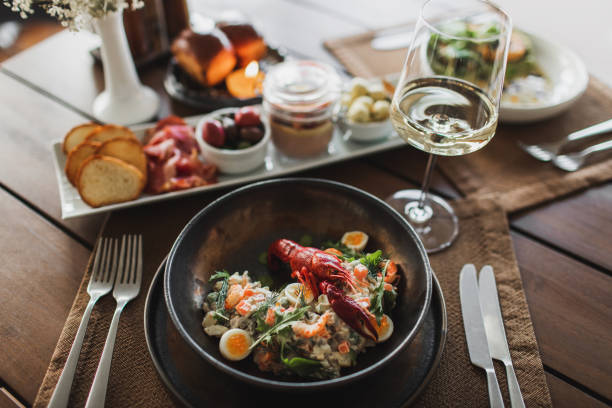
What Wine Goes With Crab
Craving the perfect sip to pair with sweet, succulent crab? You’re in the right place. In just a few lines we’ll guide you to the ideal wine—whether you’re serving a buttery crab cake, a spicy crab boil, or a delicate crab salad. Expect quick, clear recommendations that match flavor, texture, and occasion, so you can pour confidently and enjoy every bite without guesswork. Grab your glass, follow our tips, and impress your guests instantly tonight everywhere.
How to Choose the Right Wine for Crab
Consider the Crab Preparation
Start by looking at how the crab is prepared, because the cooking method sets the flavor foundation.
If you’re serving sweet, lightly boiled or steamed crab with a simple butter‑lemon dip, opt for a crisp, mineral white such as a Chablis or a Sauvignon Blanc that lets the delicate sweetness shine.
For richer preparations—think crab baked in a creamy cheese sauce or tossed in a garlic‑herb butter—choose a fuller‑bodied white like an oaked Chardonnay or a Viognier to complement the buttery texture.
When the dish includes bold spices, Asian aromatics, or a tomato‑based sauce, a slightly off‑dry Riesling or a Gewürztraminer can tame heat while echoing the spice notes.
Identify the cooking style, match the sauce intensity, and pick a wine that mirrors the dish’s richness to create harmony on the palate today.
Match the Wine Body to Flavor Intensity
Next, align the body of the wine with the intensity of the crab’s flavor profile. Light‑bodied whites such as Pinot Grigio or Albariño work well with subtle, sweet crab meat because their gentle texture doesn’t overwhelm the natural brininess.
If the crab is served in a richer broth, a medium‑bodied wine like a Chenin Blanc or a dry Riesling provides enough weight to stand up to the added depth without masking the seafood.
For dishes that feature smoky or grilled crab, a slightly more robust option—think a white Rioja or an unoaked Chardonnay—adds structure and a hint of oak that mirrors the char.
When the crab is part of a luxurious, buttery sauce, a full‑bodied white such as a buttery New World Chardonnay or a Viognier with ripe stone‑fruit notes can echo the creaminess.
Assess the flavor strength, choose a wine body that parallels it, and ensure the wine’s texture complements the crab for a balanced experience.
Balance Acidity and Sweetness
Finally, think about the interplay of acidity and sweetness, which can either brighten the crab or soften any residual heat.
High‑acid wines such as a crisp Muscadet, a dry Sancerre, or a sparkling Brut keep the palate refreshed and highlight the sea‑salt notes, especially with cold‑served crab salads or chilled lobster‑style platters.
If the preparation includes a sweet glaze, a touch of honey‑ed or off‑dry wine—like an Alsatian Pinot Gris, a semi‑sweet Chenin, or a lightly sweetened Vinho Verde—mirrors the glaze while preserving enough acidity to prevent cloying.
For spicy crab dishes, a wine with a balanced acid‑sweet profile, such as an off‑dry Gewürztraminer or a Riesling with residual sugar, can tame the heat and complement the aromatics.
Gauge the dish’s acidity, select a wine that offers complementary acidity or gentle sweetness, and use the wine to enhance rather than dominate the crab’s delicate flavors.
What Types of White Wine Pair Best with Crab

Chardonnay: Oaked vs. Unoaked
Chardonnay is the classic companion for sweet, buttery crab dishes, but the style you choose can change the experience dramatically. Oaked Chardonnay brings vanilla, toast, and a creamy mouthfeel that mirrors the richness of crab baked in butter or served with a lobster‑style sauce.
The subtle oak can also stand up to a light drizzle of lemon‑butter, creating a balanced contrast. In contrast, unoaked or lightly fermented Chardonnay offers bright acidity, crisp green‑apple notes, and a mineral edge that highlights the delicate sweetness of fresh crab meat without overwhelming it.
This cleaner profile pairs especially well with chilled crab salads, crab cakes with a citrus vinaigrette, or simple steamed crab served with a squeeze of lime.
When selecting a bottle, look for a balance between fruit and acidity that matches the preparation method, ensuring the wine enhances rather than competes with the shellfish’s natural flavor.
Sauvignon Blanc: Crisp and Herbaceous
Sauvignon Blanc delivers a zesty, herb‑forward profile that can cut through the richness of crab while amplifying its sweet brine. Crisp acidity and notes of lime, grapefruit, and green herbs create a lively backdrop that lifts the delicate flesh of crab without masking it.
This wine shines when paired with crab dishes that incorporate fresh herbs, such as a crab and avocado salad dressed with cilantro‑lime vinaigrette, or a classic New England boiled crab served with a squeeze of lemon and a sprinkle of dill.
The aromatic intensity of Sauvignon Blanc also complements Asian‑inspired preparations, like crab tossed in a ginger‑soy glaze, where the wine’s citrus edge balances the umami and spice.
Choose a bottle from cooler climates—like the Loire Valley or New Zealand’s Marlborough—to ensure the palate remains bright and the minerality mirrors the oceanic character of the crab.
Riesling: Off‑Dry Options
Riesling offers a versatile spectrum from bone‑dry to gently off‑dry, making it an excellent match for crab dishes that feature a hint of sweetness or spice.
Off‑dry Riesling brings a touch of residual sugar that pairs beautifully with crab in buttery sauces, coconut‑curry broths, or sweet‑chili glazes, as the wine’s acidity tames the richness while the subtle honeyed notes echo the dish’s flavor layers.
Even a drier style works well with simple steamed crab, where the wine’s crisp green‑apple and mineral tones highlight the seafood’s natural brininess. Look for Rieslings from Germany’s Mosel or Alsace, where the balance of acidity and fruit is finely tuned.
Serving the wine slightly chilled (around 45‑50°F) ensures the refreshing palate cleanses the mouth between bites, allowing the crab’s delicate sweetness to shine. A garnish of fresh dill or chives adds extra complexity and ties the flavors together.
Which Red Wines Can Work with Crab Dishes

Light‑bodied Reds: Pinot Noir
When pairing crab with a red, choose a light‑bodied Pinot Noir that offers bright fruit and low tannin. Select a wine with 12‑13% alcohol and aromas of red cherry, raspberry, and subtle earth to complement the sweet, delicate meat without overwhelming it.
Serve the Pinot slightly chilled, around 55°F (13°C), to enhance its freshness and keep the palate lively. Look for bottles from cooler climates such as Oregon, Burgundy, or New Zealand, where the wine retains acidity that cuts through buttery sauces and matches the briny notes of crab.
Avoid heavily oaked styles, as oak can mask the subtle flavors of the shellfish. Pair this wine with classic crab dishes like crab cakes, chilled crab salad, or a simple crab boil with lemon; the wine’s soft tannins and bright acidity will lift the dish while letting the crab shine.
Beaujolais Nouveau for Warm Weather
Beaujolais Nouveau, released just weeks after harvest, is a fresh, fruit‑forward red that thrives in warm‑weather crab meals. Choose a bottle with vibrant raspberry and strawberry notes and a soft, low‑tannin structure that won’t clash with the sweet, succulent flesh of crab.
Serve it chilled at 50‑55°F (10‑13°C) to accentuate its lively acidity and keep the palate crisp on a sunny patio or beach setting.
This wine pairs especially well with crab dishes that feature light citrus vinaigrette, mango salsa, or a modest drizzle of chili oil, as the bright fruit mirrors the tropical flavors while the gentle spice of the wine adds depth.
Look for reputable producers from the Beaujolais region such as Georges Duboeuf or Marcel Lapierre, ensuring the wine is truly youthful and aromatic. The result is a harmonious balance where the crab’s brine and the wine’s fruit dance together without the heaviness of traditional reds.
Avoid Heavy Tannins
When serving crab, the last thing you want is a red wine that smothers the delicate flavor with firm tannins. Steer clear of Cabernet Sauvignon, Syrah, or Merlot that carry high tannic bite and deep oak influence, as these can make the crab taste metallic and the sauce greasy.
Instead, opt for wines with minimal tannin and a bright, fruit‑driven profile, such as a light Pinot Noir or a chilled Beaujolais.
If you must use a fuller‑bodied red, choose a low‑tannin, low‑alcohol example like a Gamay‑based wine from the Loire, and serve it slightly cooler than room temperature to soften any residual grip.
Taste the wine before pairing; it should feel silky on the tongue and finish clean, allowing the sweet, briny crab to remain the star. By avoiding heavy tannins, you preserve the crab’s natural sweetness and keep the dining experience light and enjoyable.
Tips for Pairing Wine with Specific Crab Recipes
Steamed or Boiled Crab
Serve steamed or boiled crab with wines that highlight its delicate sweetness without overwhelming it. Sauvignon Blanc from cooler climates offers bright acidity, citrus notes, and a subtle herbaceous edge that cuts through the brine. Albariño provides a crisp, stone‑fruit profile and a saline minerality that mirrors the oceanic flavor.
For those who prefer a slightly richer texture, a lightly oaked Chablis delivers flinty precision and a gentle creaminess that complements the tender meat. Keep the wine chilled around 45‑50°F to preserve freshness, and avoid heavy oak or high‑alcohol styles that can mask the crab’s natural nuance.
Pairing these crisp whites ensures the seafood shines, while the acidity refreshes the palate between bites, making each mouthful feel clean and balanced. A glass of dry rosé with strawberry hints can also work, offering a touch of fruit that complements the crab without stealing the spotlight.
Crab Cakes and Fried Crab
When serving crab cakes or any fried crab, choose wines that can stand up to the rich, buttery coating and the crisp breading. Champagne or quality sparkling wine provides high acidity, fine bubbles, and a yeasty complexity that cuts through the fat while echoing the salty sea flavor.
A dry Riesling from Alsace or the Mosel region offers bright stone fruit, a hint of minerality, and enough body to match the crunchy texture.
For those who enjoy a fuller mouthfeel, an oaked Chardonnay with subtle vanilla and toasted nut notes can complement the golden crust without overwhelming the delicate crab inside. Serve these wines chilled, around 45°F for sparkling and 50‑55°F for white wines, to keep the palate lively.
The key is balancing acidity and a touch of richness so each bite of crispy crab feels elegant and refreshing.
Crab in Creamy Sauces
Crab dishes finished in creamy sauces—think lobster‑style bisques, alfredo, or a buttery mustard glaze—need wines that can match the silkiness while providing enough acidity to prevent the palate from feeling heavy.
White Burgundy (Chardonnay from Burgundy) offers a perfect blend of buttery texture, subtle oak, and bright citrus that mirrors the sauce’s richness yet lifts the dish. Viognier brings aromatic stone‑fruit and a creamy mouthfeel that harmonizes with the velvety sauce without adding excess weight.
If you prefer a lighter option, a dry Chenin Blanc from the Loire Valley delivers crisp acidity, honeyed notes, and a mineral edge that cuts through the cream. Serve these whites slightly cooler than room temperature, around 52‑55°F, to preserve their nuanced aromatics.
The goal is to create a partnership where the wine’s structure supports the sauce’s depth, allowing the sweet crab meat to shine through each luxurious spoonful.
Best Ways to Serve Wine with Crab at Home
Temperature Guidelines
When pairing wine with crab, temperature plays a crucial role in highlighting the delicate flavors of both the seafood and the wine. Serve white wines chilled between 45–50°F (7–10°C); this cool range preserves crisp acidity and bright fruit notes that complement the sweet, briny meat.
For fuller‑bodied whites such as Chardonnay, aim for the higher end of the range, around 50°F, to allow subtle oak and buttery nuances to emerge without becoming flabby.
Rosé and sparkling options should be served at 45°F, ensuring refreshing bubbles cut through the richness of crab dishes like crab cakes or butter‑laden claws.
If you prefer a light red, such as a Pinot Noir, keep it slightly cooler than usual, around 55°F, to maintain its fruit‑forward profile while preventing the tannins from overwhelming the crab’s subtle sweetness. Consistently monitoring temperature guarantees a harmonious dining experience.
Glassware Selection
Choosing the right glassware enhances aroma delivery and sip comfort, especially when serving wine with crab. Opt for a white‑wine glass with a narrow bowl; this shape concentrates delicate floral and citrus notes, guiding them toward the nose while keeping the wine cool longer.
For Chardonnay or Viognier, a slightly larger, slightly tapered glass allows subtle oak and stone fruit aromas to unfold without overwhelming the palate.
If you prefer a sparkling wine, a flute or tulip glass is ideal – the tall, narrow profile preserves carbonation and showcases the wine’s bright acidity that cuts through buttery crab dishes.
When serving a light red like Pinot Noir, select a Burgundy‑style glass with a broader rim to encourage gentle oxidation, softening tannins and highlighting red‑fruit nuances that complement crab’s sweet flesh. Consistent glass selection ensures each sip aligns with the crab’s texture and flavor, creating a balanced dining experience.
Decanting or Not
Decanting can improve certain wines, but when pairing with crab, the decision hinges on the wine’s structure and age.
Young, crisp whites such as Sauvignon Blanc or Albariño benefit little from decanting; their bright acidity and aromatic intensity are best experienced straight from the bottle, preserving the freshness that matches the sweet, salty crab meat.
Conversely, a lightly oaked Chardonnay that has been aged for several months may gain subtle complexity when gently swirled in a decanter for five to ten minutes, allowing softening of any residual buttery texture and a fuller expression of stone‑fruit aromas.
Sparkling wines never require decanting, as agitation would dissipate their lively bubbles and diminish the palate‑cleansing effect essential for crab dishes.
If you opt for a light red like a chilled Pinot Noir, a brief pour‑and‑wait technique—letting the wine sit in the glass for a minute—can replace a full decant, ensuring the tannins mellow just enough to complement the crab without overpowering it.
How to Pair Sparkling Wine and Champagne with Crab
Champagne Brut vs. Extra Dry
Champagne Brut and Extra‑Dry styles both bring bright acidity that cuts through the sweet, briny flesh of crab, but they differ in sugar level and flavor emphasis.
Brut’s crisp minerality highlights the delicate shellfish without overwhelming it, while Extra‑Dry’s subtle fruitiness—often notes of ripe apple and pear—adds a gentle sweetness that mirrors the natural sweetness of crab meat.
When serving a classic crab cocktail or chilled crab legs with a light butter sauce, Brut’s clean finish keeps the palate refreshed between bites. For richer preparations such as crab bisque or crab‑filled ravioli, the slightly sweeter profile of Extra‑Dry can balance the creamy texture and enhance aromatic herbs.
Choose Brut for a purist, palate‑cleansing experience, and opt for Extra‑Dry when you want a touch of fruit‑driven harmony that complements richer sauces. Both choices sparkle beautifully with a crisp white wine glass, ensuring the crab’s flavor shines.
Prosecco and Cava Options
Prosecco and Cava provide affordable, lively alternatives to Champagne while still delivering the effervescence that lifts crab’s sweet flesh.
Prosecco’s light floral aromatics—often notes of white peach, honeysuckle, and citrus—pair especially well with cold crab salads, crab cakes brushed with a citrus‑herb aioli, or simple crab legs served with a squeeze of lemon.
The wine’s gentle sweetness (typically a Dry or Extra‑Dry style) mirrors the natural brine, creating a harmonious balance without masking delicate flavors.
Cava, on the other hand, offers a crisper, more mineral-driven profile thanks to its traditional method production and the use of native Spanish grapes such as Macabeo and Xarel·lo.
Its higher acidity and subtle toast make it an excellent match for richer crab dishes like crab‑filled paella or crab bisque, where the wine can cut through the richness and highlight savory herbs.
Both sparkling options are best served chilled at 45‑50°F to preserve their bright bubbles and ensure they enhance rather than overpower the crab.
When to Choose Sparkling Over Still
Choosing sparkling wine instead of a still white for crab often hinges on the dish’s texture, sauce richness, and the dining atmosphere. Bubbles act as a palate cleanser, lifting the buttery or creamy mouthfeel of crab cakes, crab‑filled pastries, or lobster‑crab bisques, allowing each bite to taste fresh.
If the crab is served cold—such as in a chilled crab salad, sushi‑style crab rolls, or with a light vinaigrette, the crisp acidity and effervescence of a dry sparkling wine keeps the flavors bright and prevents the dish from feeling heavy.
Conversely, a still wine like a crisp Sauvignon Blanc or an oaked Chardonnay may be preferable when the crab is paired with earthy herbs, smoked elements, or a richer beurre blanc, where the wine’s body can stand up to the sauce.
In celebratory settings or when you want to add a festive sparkle to the table, opting for Champagne, Prosecco, or Cava elevates the experience and pairs seamlessly with most crab preparations.
Common Pairing Mistakes to Avoid with Crab
Overpowering the Delicate Flavor
Crab’s sweet, subtle flesh can be easily masked by wines that are too bold. Avoid full‑bodied reds, high‑alcohol whites, and heavily oaked chardonnays that dominate the palate. Instead, reach for light, crisp options such as a unoaked sauvignon blanc, a dry riesling, or a crisp pinot grigio.
These wines provide bright acidity that lifts the crab without overwhelming it. Match the wine’s intensity to the dish – a simple boiled crab calls for the purest, most neutral profile, while a richer butter sauce can tolerate a slightly richer, yet still restrained, white.
Keep the alcohol level moderate (around 11‑12%) and steer clear of tannic structures, as they clash with the delicate protein. By selecting a wine that mirrors the crab’s finesse, you preserve the seafood’s natural sweetness and ensure a harmonious pairing today.
Ignoring Regional Styles
When you pair crab without considering its geographic origin, you miss the chance to echo regional flavors.
Match the wine’s terroir to the crab’s source – a Maryland blue crab shines with a crisp, mineral‑driven Virginia Albariño or a Chesapeake‑style dry riesling, while Pacific Northwest Dungeness benefits from a bright, citrusy Oregon pinot gris or a cool‑climate sauvignon blanc from Washington.
For tropical or Caribbean crab dishes, lean toward a slightly aromatic, low‑alcohol viognier or a New Zealand sauvignon blanc that mirrors the island’s zest. Avoid generic, mass‑produced whites that lack the subtle minerality or acidity needed to complement the local seafood profile.
By aligning the wine’s regional character with the crab’s provenance, you enhance the natural brine, highlight nuanced spice, and create a cohesive dining experience that feels both authentic and refined.
Mismatching Sweetness Levels
Crab’s gentle sweetness can clash with wines that are overly sugary, leading to a discordant taste. Steer clear of dessert wines, overly ripe late‑harvest whites, or overly sweet rosés unless the dish includes a honey‑glazed or sweet chili glaze.
For classic steamed or grilled crab, choose wines with a dry finish and a touch of fruit acidity, such as a dry riesling, a crisp chablis, or an unoaked sauvignon blanc.
If the preparation involves a buttery or creamy sauce, a lightly off‑dry gewürztraminer can provide a subtle balance without overwhelming the palate. Match the wine’s residual sugar to the sauce’s sweetness – the goal is harmony, not competition.
By keeping the wine’s sweetness in check, you let the crab’s natural flavor shine while still offering a refreshing counterpoint that enhances the overall meal.
Frequently Asked Questions
What type of white wine pairs best with crab?
A crisp, aromatic white such as Sauvignon Blanc or a dry Riesling complements the sweet, delicate flavor of crab without overwhelming it.
Can I serve a sparkling wine with crab?
Yes, sparkling wines like Champagne or Prosecco work well; their acidity and effervescence enhance the briny notes and cleanse the palate.
Is a Chardonnay a good match for crab?
A lightly oaked or unoaked Chardonnay pairs nicely, offering a buttery texture that mirrors the richness of crab while maintaining enough acidity.
What about rosé wine with crab?
Dry rosé, especially those with bright red fruit and good acidity, can be a refreshing alternative, balancing the crab’s sweetness and adding a subtle fruit dimension.
Should I avoid heavy red wines with crab?
Generally, heavy reds with high tannins can clash with crab’s delicate flavor; it’s best to stick with lighter reds like Pinot Noir only if the crab is prepared with strong spices.
How does the preparation method affect wine choice?
Steamed or boiled crab pairs best with crisp whites, while grilled or butter‑sauced crab can handle richer whites or a lightly oaked Chardonnay, and spicy preparations may benefit from an off‑dry Riesling.
Conclusion
In short, the best wine partners for crab are crisp, aromatic whites and light, refreshing rosés that highlight the shellfish’s sweet, delicate flavor without overwhelming it. Think Sauvignon Blanc, Albariño, Chablis, or a dry Riesling for bright acidity, while a chilled Champagne or a bright rosé adds festive sparkle. Experiment with these suggestions, trust your palate, and enjoy the perfect pairing at your next seafood feast.