What Wine Goes With Cioppino
Looking for the perfect sip to complement your steaming bowl of cioppino? You’re in the right place. In just a few lines we’ll match you with the ideal wine, whether you crave bright acidity, subtle fruit, or a touch of oak. Expect quick, clear guidance that pairs the seafood stew’s tomato‑rich broth and briny catch with a wine that enhances every flavor. Let’s dive in and find your flawless wine companion right now to savor together and celebrate the night.
How to Choose the Right Wine for Cioppino
Key flavor components of cioppino
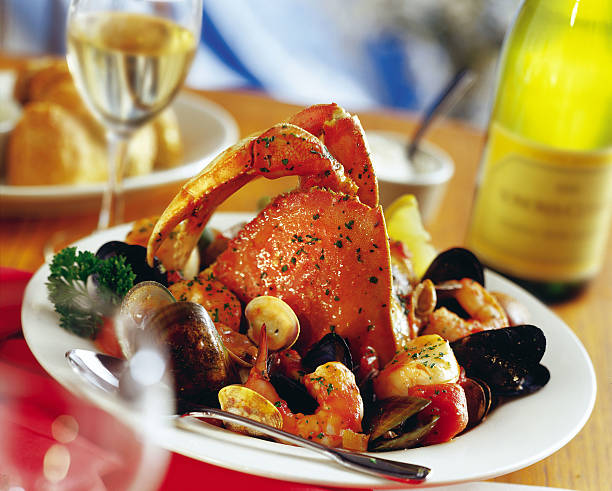
Start by identifying the dominant flavors in cioppino: a bright tomato‑based broth, aromatic garlic, fresh herbs like basil and oregano, and a briny mix of seafood. Tomato acidity provides a lively backbone, while the sea‑salt from mussels and clams adds depth.
The gentle heat from red‑pepper flakes introduces a subtle spice that can brighten the palate. Recognize that the dish’s richness comes from the oil‑laden fish and shellfish, which creates a silky mouthfeel. By mapping these components—acid, salt, spice, and richness—you can target wines that either echo or balance them.
Look for wines with crisp acidity to cut through the broth, moderate fruit to complement the tomato, and mineral notes that mirror the oceanic character. This flavor map will guide you toward a wine that feels harmonious rather than competing with the stew.
Matching wine acidity with tomato broth
When pairing, prioritize wines whose acidity can stand up to the tangy tomato broth of cioppino. High‑acid whites such as Vermentino, Sauvignon Blanc, or a crisp Italian Pinot Grigio provide a lively lift that mirrors the sauce’s brightness.
If you prefer red, choose a light‑bodied, low‑tannin option like a Chianti Classico or a young Sangiovese; their natural acidity will cut through the richness without overwhelming the delicate seafood. Avoid heavily oaked or buttery styles, as they can mute the broth’s sharpness and clash with the briny notes.
Consider the temperature: serve whites chilled (45‑50 °F) to enhance freshness, and reds slightly cooler than room temperature (58‑62 °F) to keep the fruit forward.
By matching the wine’s zesty acidity to the soup’s tomato base, you create a seamless dialogue where each sip refreshes the palate and prepares it for the next spoonful of stew.
Considering seafood variety
Cioppino often combines several types of seafood—clams, mussels, shrimp, crab, and firm white fish—each bringing its own texture and flavor intensity. To honor this mix, select a wine that can adapt to both sweet and briny notes.
A dry rosé with bright acidity and subtle red‑fruit aromatics works well, offering enough body to complement the buttery crab while staying light enough for delicate shrimp.
For those who favor white wines, an unoaked Chardonnay or a mineral‑driven Albariño delivers crispness that highlights the sea‑salt edge of mussels and the subtle sweetness of lobster tails if added.
If the stew leans heavily on richer fish like salmon or monkfish, a medium‑bodied red such as a Gamay or a light Grenache can provide gentle tannins without masking the oceanic character.
The key is to match the wine’s texture to the stew’s overall mouthfeel, ensuring each bite and sip feel balanced and cohesive.
What Types of White Wine Pair Best

Sauvignon Blanc characteristics
When you serve cioppino, a bright, herb‑forward Sauvignon Blanc can cut through the tomato‑rich broth while echoing the dish’s citrus notes. Look for high acidity and a crisp green‑apple or grapefruit palate; these flavors lift the seafood and balance the spice.
Choose a New Zealand or California bottling that showcases zesty herbaceousness and a touch of minerality, which mirrors the sea‑salt edge of the soup. Serve the wine chilled at 45‑50°F to keep its freshness sharp. Avoid overly oaked styles, as heavy vanilla can clash with the delicate fish.
A glass poured just before the first spoonful ensures the wine’s lively aromatics mingle with the garlic, fennel, and basil, creating a harmonious bite‑by‑bite experience. Pair it with a crusty baguette to soak up the broth, and you’ll notice the wine’s tropical lime hints amplifying the tomato’s acidity.
This combination keeps the palate refreshed throughout the meal.
Pinot Grigio for light broth
Pinot Grigio shines when cioppino’s broth leans toward a lighter, olive‑oil base rather than a heavy tomato sauce. Its lean, clean profile delivers subtle pear and white‑peach notes that complement the sweet flesh of shrimp and clams without overwhelming them.
Opt for an Italian Pinot from the Alto Adige region, where a faint mineral streak adds a salty edge that mirrors the sea‑derived flavors. Keep the wine chilled just above freezing, around 48°F, to preserve its crispness.
Serve the glass alongside a squeeze of lemon; the citrus will echo the wine’s natural acidity and brighten the broth’s herbs. Avoid overly sweet styles, as they can mask the delicate seafood taste.
By pairing this restrained white, each spoonful of broth feels lifted, and the lingering finish of the wine encourages you to savor the next bite.
Vermentino’s mineral edge
Vermentino, a Mediterranean white, brings a bright, mineral-driven character that pairs beautifully with cioppino’s briny seafood mix. Its lively acidity and notes of lime zest, green apple, and wet stone echo the tomato‑based broth while adding a sun‑kissed complexity.
Choose a coastal Italian or French (Corsica) Vermentino that shows a salty, sea‑spray finish, reinforcing the dish’s oceanic vibe. Serve it slightly cooler than typical whites, around 50°F, to let the aromatic herbs of basil and oregano shine without being dulled.
A small drizzle of extra‑virgin olive oil on the soup before serving can enhance the wine’s oil‑friendly texture, creating a seamless mouthfeel. Avoid heavily oaked versions, as the oak can dominate the subtle herbaceous nuances.
With Vermentino, each sip lifts the broth’s richness, and the lingering minerality invites you to enjoy another ladle of the flavorful stew.
What Red Wines Can Complement Cioppino
Light-bodied reds that work
Choosing a light‑bodied red for cioppino lets the seafood’s briny sweetness shine while the wine adds subtle fruit and soft tannins. Opt for a chilled Gamay or a young Beaujolais that offers bright cherry notes and low acidity, which won’t clash with the tomato broth.
Serve the wine slightly cooler than typical reds, around 55‑60°F, to enhance its refreshing character. Look for wines labeled “Beaujolais Villages” or “Gamay Nouveau” for a fruit‑forward profile that complements the garlic, herbs, and shellfish without overwhelming them.
Pairing a light red also works well with a splash of citrus garnish in the soup, creating a balanced mouthfeel. Remember to decant briefly if the wine feels closed, allowing its aromas to open and mingle with the stew’s aromatic base.
A quick swirl in the glass before sipping can release additional spice notes that echo the dish’s peppery undertones.
Pinot Noir with tomato base
Pinot Noir’s silky texture and moderate acidity make it a natural partner for cioppino’s tomato‑rich broth. Choose a fruit‑forward Pinot from a cooler climate, such as Oregon’s Willamette Valley or Burgundy’s Côte d’Or, where red‑berry flavors meld with the stew’s sweet‑sour profile.
Serve the wine slightly chilled, around 58°F, to keep its fruit vivid and prevent the tannins from feeling heavy against the delicate shellfish. Look for bottles with notes of raspberry, cherry, and a hint of earth, which will echo the herbs and garlic in the pot.
When the soup includes a splash of white wine, the Pinot’s subtle oak can bridge the two worlds, adding depth without overpowering. To maximize harmony, add a pinch of fresh basil to the cioppino just before serving, allowing the herb’s aroma to resonate with the wine’s subtle spice.
Beaujolais Nouveau option
Beaujolais Nouveau, released just weeks after harvest, offers a lively, fruit‑laden profile that can brighten a hearty cioppino. Serve this young Gamay slightly chilled, around 55°F, to accentuate its fresh strawberry and raspberry bursts while keeping the palate clean for the seafood.
The wine’s low tannin structure and bright acidity cut through the tomato broth, enhancing the natural sweetness of clams and shrimp. Look for bottles with a vivid ruby hue and a hint of banana‑ripe banana aroma, a signature of the carbonic‑macération process that adds a playful twist.
Pairing Beaujolais Nouveau with cioppino works especially well when the dish includes a splash of lemon or a drizzle of olive oil, as the wine’s crispness mirrors those bright notes.
For an extra layer of complexity, finish the meal with a small cheese board of mild goat cheese, letting the wine’s fruit continue to dance alongside the lingering sea flavors.
Tips for Serving Wine with Cioppino
Ideal serving temperature
Serve the chosen wine at a temperature that highlights its fruit and acidity while complementing the briny, tomato‑rich broth of cioppino. For a crisp white such as Vermentino or Sauvignon Blanc, aim for 45‑50°F (7‑10°C); this chill preserves bright citrus notes and keeps the wine refreshing against the stew’s heat.
If you prefer a light‑bodied red like a Chianti Classico or a Pinot Noir, target 55‑60°F (13‑16°C), slightly cooler than room temperature, to soften tannins and let peppery spice shine without overwhelming the seafood. Use a wine thermometer or an ice‑water bath for precision.
Let the wine rest for a few minutes after chilling to avoid serving it too cold, which can mute flavors. Adjust the temperature by a degree or two based on personal preference and the specific sauce intensity, ensuring a harmonious balance between sip and spoon.
Glassware that enhances aroma
Choosing the right glass can elevate the aromatic profile of the wine you serve with cioppino, making each sip echo the sea’s brine and the stew’s herbs.
A tulip‑shaped white‑wine glass with a slightly narrowed rim concentrates citrus and herbal notes, perfect for Vermentino, Albariño, or a dry Riesling that will cut through the tomato base.
For a light red such as a Gamay or a young Sangiovese, a Bordeaux‑style glass with a broader bowl allows gentle oxidation, releasing subtle spice and fruit that complement the seafood’s sweetness. Avoid overly large, wide‑mouth glasses that disperse aroma too quickly, which can mute the wine’s delicate perfume.
Prior to serving, swirl gently to awaken volatile compounds, then pause to inhale the bouquet. This deliberate glass selection and technique ensure the wine’s perfume interacts with the dish, creating a multisensory dining experience.
Decanting vs. straight pour
Deciding whether to decant your wine or serve it straight from the bottle can affect how it pairs with the robust flavors of cioppino.
For most white wines that complement seafood—such as a chilled Vermentino or a crisp Pinot Grigio—skip decanting; these wines are best enjoyed fresh, with their bright acidity and mineral edge fully intact.
If you opt for a light red like a Chianti or a Grenache, a brief 20‑30 minute pour into a decanter can soften tannins and release subtle herbaceous aromas, aligning the wine’s profile with the stew’s garlic and fennel.
Use a clean, wide‑bottomed decanter and avoid excessive aeration, which can diminish fruit freshness. When time is limited, a simple “straight pour” into the appropriate glass works well; just ensure the wine is at the recommended serving temperature and give it a gentle swirl before sipping.
This balanced approach lets you adapt to both the wine’s character and the dinner schedule.
Best Wine Pairings by Region
Italian coastal wines
Pair cioppino with bright, mineral‑driven whites from Italy’s coastline. Vermentino from Liguria or Sardinia offers citrus zest, saline notes and a crisp acidity that cuts through the tomato‑based broth and highlights the seafood.
Verdicchio dei Castelli di Jesi provides a slightly richer texture with green apple and almond hints, matching the dish’s garlic and herb flavors while maintaining freshness. For a touch of elegance, a Falanghina from Campania delivers floral aromatics and a lively palate that mirrors the stew’s spice.
Serve these wines slightly chilled (10‑12 °C) to keep the palate lively. Choose a wine with good acidity and a hint of minerality to balance the richness of crab, clams, and shrimp, ensuring each bite feels clean and vibrant.
Look for a wine that shows a subtle saline finish, as this will echo the sea‑salted broth and enhance the tomato’s acidity, making the pairing harmonious.
California coastal selections
On the West Coast, California offers crisp, fruit‑forward whites that complement cioppino’s bold flavors. Santa Barbara’s Albarino delivers bright lemon, green apple and a light saline edge that mirrors the oceanic broth while its acidity lifts the richness of the shellfish.
Sonoma Coast Chardonnay with restrained oak, buttery notes and vibrant citrus can handle the tomato base and garlic without overwhelming the dish; choose a unoaked or lightly oaked style for freshness.
Rombauer’s Pinot Gris from the Central Coast provides a slightly richer mouthfeel, with pear, honey and a touch of spice that pairs nicely with the stew’s peppery undertones. Serve these wines chilled at 10‑13 °C.
Prioritize wines with high acidity and a clean finish to cut through the stew’s oil, keeping the palate refreshed between bites and allowing the seafood’s sweetness to shine.
New World alternatives
For diners seeking a different angle, New World wines from cooler regions provide vibrant acidity and fruit that stand up to cioppino’s complex profile. Marlborough Sauvignon Blanc from New Zealand offers intense grapefruit, passionfruit and a crisp minerality that cuts through the tomato base and highlights the garlic and herbs.
Chile’s Casablanca Valley Riesling brings a touch of sweetness, bright lime and subtle floral notes, balancing the heat from red pepper flakes while complementing the sweet brine of the shellfish.
Argentina’s Patagonian Pinot Noir (light‑bodied, low‑tannin) can be a surprising red option; its red‑berry fruit, soft earth and refreshing acidity can match the stew’s depth without overpowering the seafood. Serve whites at 8‑10 °C and the Pinot Noir slightly cooler than room temperature.
The key is to choose wines with vivid acidity, fruit‑forward profiles, and moderate alcohol to keep the dish lively and prevent the wine from feeling heavy.
Common Pairing Mistakes to Avoid
Overpowering oak flavors
Choosing a wine with strong oak influence can quickly dominate the delicate tomato‑seafood broth of cioppino. Avoid heavily barrel‑aged reds such as aged Cabernet Sauvignon or oaked Chardonnay, whose vanilla, butter, and toast notes clash with the bright acidity and briny flavors of the dish.
Instead, opt for wines that showcase bright fruit and crisp acidity without overwhelming oak. A lightly oaked Pinot Noir or a unoaked Sauvignon Blanc lets the seafood shine while providing enough structure to complement the sauce.
If you prefer a red, select a young, low‑tannin Grenache that offers red berry notes without the heavy wood. Remember, the goal is to enhance, not mask, the complex blend of herbs, garlic, and seafood in cioppino.
Serve the wine slightly chilled, around 55‑60°F, to keep the palate refreshed and to balance the soup’s warmth.
Too much tannin with seafood
High‑tannin wines create a drying sensation that clashes with the succulent, oily texture of cioppino’s shellfish and fish. Steer clear of bold reds like Nebbiolo, Syrah, or aged Bordeaux, whose firm tannic grip can mute the bright tomato base and make the seafood taste metallic.
Tannins also react with the natural salts, intensifying bitterness and leaving an unpleasant aftertaste. To keep the pairing harmonious, choose low‑tannin options such as a crisp Vermentino, a light‑bodied Chianti Classico (unoaked), or even a sparkling Prosecco that offers gentle acidity without harsh grip.
These wines let the garlic, fennel, and pepper notes of the broth shine while providing enough body to stand up to the dish’s richness. Remember to serve them at a cool cellar temperature, roughly 50‑55°F, to preserve their delicate structure and ensure a balanced mouthfeel.
Ignoring spice level
Cioppino often carries a gentle heat from red pepper flakes, cayenne, or fresh chili, and pairing it with a wine that lacks enough spice tolerance can result in a flat, dull experience.
Avoid overly sweet or low‑acid wines such as many Rieslings or Muscat, which can be overwhelmed by the peppery kick and leave the palate feeling heavy. Instead, select wines with bright acidity and a hint of fruit that can match the heat without being overpowered.
A dry Rosé with crisp red fruit, a slightly off‑dry Gewürztraminer, or a light‑bodied Albariño provide the right balance, offering enough zest to complement the spice while keeping the seafood flavors vibrant. Serve the wine slightly chilled, around 52‑55°F, to enhance its refreshing qualities and to temper the dish’s warmth.
A touch of minerality in the wine also mirrors the briny notes of the broth, creating a cohesive taste profile.
How to Store and Reuse Leftover Wine
Refrigeration guidelines
When you’ve opened a bottle for a cioppino dinner, keep the leftovers fresh by refrigerating the wine promptly. Transfer the wine to a smaller, airtight container to reduce exposure to oxygen, which slows oxidation and preserves flavor. Store the bottle upright to minimize surface area contact with air.
Aim for a storage temperature of 45‑55°F (7‑13°C); a regular refrigerator works, but if it’s too cold, let the wine warm for 15‑20 minutes before serving.
For red wines that pair well with cioppino’s tomato‑rich broth—like a light‑bodied Chianti or a Pinot Noir—use a wine stopper and a vacuum pump to extend life up to a week. Label the container with the date opened, so you can track freshness and avoid waste.
If you prefer a white option, a crisp Vermentino also works; store it the same way, and it will stay vibrant for several days, ready to enhance future seafood soups.
Using wine in sauces
Leftover wine can become the backbone of a flavorful sauce that echoes the sea‑savory notes of cioppino. After your dinner, reserve the red wine that complemented the tomato‑based broth—Chianti or Pinot Noir—and deglaze the pan with a splash, scraping up browned bits for depth.
Simmer the wine with crushed garlic, fennel fronds, and a pinch of red pepper flakes until it reduces by half, concentrating its fruit and acidity. Stir in a spoonful of tomato paste, a dash of fish stock, and finish with a drizzle of olive oil for silkiness.
For a white‑wine twist, use the Vermentino to create a lighter beurre blanc: melt butter, whisk in the wine, a squeeze of lemon, and finish with fresh herbs like parsley or basil.
Taste frequently and adjust salt or a touch of sugar to balance the sauce, then toss with leftover seafood or pasta for a quick, elegant second‑course that maximizes your wine investment.
Creative cocktail ideas
Turn your leftover cioppino wine into a cocktail that keeps the maritime vibe alive. A simple wine spritz starts with chilled Chianti or Pinot Noir poured over ice, then topped with sparkling water and a splash of grapefruit juice for bright acidity that mirrors the tomato broth.
Add a dash of bitters and garnish with a sprig of rosemary or a slice of orange for aromatic depth.
If you saved the Vermentino, craft a Mediterranean twist on the classic Aperol Spritz: combine three parts Vermentino, two parts Aperol, and one part soda water, then finish with a lemon twist to highlight the wine’s citrus notes.
For a richer option, make a Red Wine Hot Toddy by warming the leftover red, stirring in honey, a squeeze of lemon, and a pinch of cayenne; this soothing drink pairs beautifully with the lingering spice of cioppino.
Experiment with fresh herbs, infused simple syrups, or a splash of vermouth to keep the flavors evolving and ensure no wine goes to waste.
Frequently Asked Questions
What type of wine pairs best with cioppino?
A crisp, acidic white wine such as a Sauvignon Blanc, Vermentino, or a dry Italian Pinot Grigio complements the tomato‑based broth and seafood without overwhelming the flavors.
Can I serve a red wine with cioppino?
While whites are traditional, a light‑bodied, low‑tannin red like a Chianti Classico or a young Barbera can work if you prefer red, especially if the broth is richer and spiced.
Should I choose a sparkling wine for cioppino?
Yes, a dry sparkling wine like Prosecco or a Brut Champagne adds bright acidity and effervescence that cut through the richness of the seafood and enhance the dish’s briny notes.
What about rosé wines?
Dry rosés, particularly those from Provence or Italian rosato, provide a good balance of fruit and acidity, making them a versatile match for the mix of shellfish and tomatoes in cioppino.
How does the seasoning level affect wine choice?
If the cioppino is heavily seasoned with herbs and spices, opt for a wine with higher acidity and subtle herbaceous notes, such as an Albariño or a Grigio, to keep the palate refreshed.
Is temperature important when serving wine with cioppino?
Yes, serve white and rosé wines chilled (45‑50°F/7‑10°C) to highlight their acidity, while sparkling wines should be even colder (40‑45°F/4‑7°C). Red wines, if chosen, are best slightly below room temperature (60‑65°F/15‑18°C).
Conclusion
In short, a crisp, aromatic white—like a dry Sauvignon Blanc, a bright Pinot Grigio, or a mineral-driven Vermentino—complements cioppino’s tomato‑rich broth and seafood medley, while a light, fruity red such as a chilled Gamay or a young Chianti can also work for those who prefer red. Remember to match acidity and freshness, and feel free to experiment; the perfect pairing awaits your palate.
