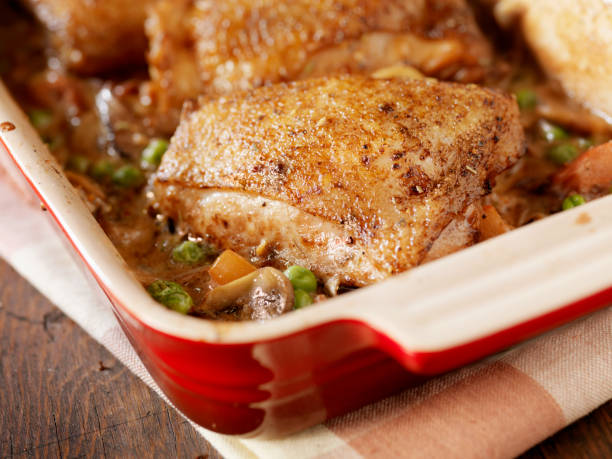
What Wine Goes With Chicken Marsala
Finding the perfect wine for chicken marsala is easier than you think. In this quick guide, we’ll match the dish’s sweet mushroom sauce with a few top picks, from buttery whites to light reds, so you can serve a glass that enhances every bite. Whether you prefer a crisp Pinot Grigio or a subtle Merlot, we’ve got you covered today.
What wine pairs best with chicken marsala
Classic white options
Pair chicken marsala with a crisp white that highlights the dish’s mushroom‑earthiness and sweet wine sauce. Sauvignon Blanc from a cool climate offers bright acidity and citrus notes that cut through the richness while echoing the herbaceous undertones.
Pinot Grigio provides a light, clean palate with subtle stone‑fruit flavors, letting the marsala’s caramelized edges shine. For a richer texture, choose an Italian Verdicchio; its almond finish and moderate body complement the buttery sauce without overwhelming the chicken.
Serve the wine slightly chilled, around 45‑50°F, and pour a modest glass to keep the balance delicate. This approach ensures the wine lifts the umami of the mushrooms and the sweet depth of the marsala, creating a harmonious dining experience.
Try pairing a glass with the first bite to let the acidity awaken the palate, and consider a light appetizer of lemon‑zested greens to further accentuate the wine’s crispness.
Red wine alternatives
Red wines can also complement chicken marsala when you prefer a fuller mouthfeel and soft tannins. Pinot Noir is a classic match; its bright cherry and raspberry fruit, coupled with subtle earth notes, mirrors the mushroom component while the low tannin structure won’t dominate the delicate chicken.
Barbera from Italy offers vibrant acidity and plum flavors that cut through the sauce’s sweetness, providing a lively contrast that keeps the palate refreshed. For a richer option, select a Gamay from Beaujolais, whose fruity profile and silky texture enhance the caramelized marsala without adding bitterness.
Serve these reds slightly cooler than typical room temperature, around 55‑60°F, to preserve their fruitiness. By choosing a gentle red, you add depth to the dish, allowing the wine’s soft spice to mingle with the mushroom‑laden sauce for a balanced, satisfying bite.
Rosé choices
Rosé offers a versatile middle ground, delivering freshness and a hint of fruit that pairs nicely with the sweet‑savory profile of chicken marsala. Opt for a dry Provençal rosé; its strawberry‑and‑herb aromatics and crisp acidity brighten the mushroom earthiness while the subtle minerality echoes the wine’s own marsala notes.
A Grenache‑based rosé from Spain provides richer red‑fruit flavors and a soft roundness that complements the caramelized sauce without overwhelming the chicken’s tenderness. For a more aromatic twist, try an Italian Cerasuolo—a deeper pink made from Montepulciano—that adds bright cherry acidity and a touch of spice, enhancing the dish’s complexity.
Serve the rosé well chilled, around 50‑55°F, and sip between bites to keep the palate lively. This strategy lets the wine’s lively fruit and balanced acidity lift the dish, creating a harmonious blend of flavors that satisfies both wine lovers and food enthusiasts.
How to match wine flavor with marsala sauce
Balancing sweetness and acidity
Start by looking at the sweetness level of the marsala sauce. If you use a dry marsala, choose a wine that offers bright acidity to cut through the savory broth, such as a dry Pinot Grigio or a Sauvignon Blanc with citrus notes.
For a sweet marsala, a wine with a touch of residual sugar—like an off‑dry Riesling or a Gewürztraminer—will echo the sauce’s caramel tones while keeping the palate refreshed. Match the wine’s acidity to the sauce’s sweetness to prevent the dish from feeling cloying.
Taste both components side‑by‑side; the wine should lift the mushroom‑earthiness without overwhelming the chicken. Finally, serve the wine slightly chilled (45‑50°F) to enhance its crispness and keep the overall meal balanced.
You can also experiment with a light Chardonnay that has subtle oak, but ensure it is not overly buttery, as that can mask the delicate chicken flavor.
Considering the mushroom component
The earthy flavor of mushrooms in chicken marsala calls for a wine that can mirror those forest notes without competing with the sauce’s richness.
A medium‑bodied Pinot Noir offers soft tannins and bright red fruit that complement the umami of cremini or shiitake mushrooms, while its subtle spice ties back to the marsala’s caramelized edge.
If you prefer a white, an Italian Verdicchio provides a mineral backbone and a hint of almond that echoes the mushroom’s depth. Look for wines with earthy undertones—such as a Burgundy or a Sangiovese—to create a harmonious bridge between the protein and the fungi.
Serve the wine at cellar temperature (55‑60°F) to allow its aromatic profile to unfold fully, letting the subtle notes of truffle and forest floor enhance each bite of the dish. Pairing this way also highlights the chicken’s tenderness.
Adjusting for cooking method
The way you finish chicken marsala—whether you simmer the sauce briefly or reduce it slowly—affects the wine choice. A quick simmer retains more of the marsala’s bright acidity, so a crisp, high‑acid white such as a Vinho Verde or a Albariño will keep the dish lively and prevent heaviness.
When you reduce the sauce to a glossy glaze, the flavors become richer and more concentrated; in this case, a light‑to‑medium red like a Barbera with gentle tannins can stand up to the intensity without adding bitterness.
Match the wine’s body to the sauce’s thickness: lighter wines for thinner sauces, fuller‑bodied wines for thicker reductions. Additionally, consider a splash of the same marsala wine in the glass; the familiar aromatics will echo the cooking liquid, creating continuity from plate to palate.
Serve the selected wine just before plating to ensure the temperature aligns with the dish’s final temperature.
Tips for selecting a white wine for chicken marsala

Choosing a dry Chardonnay
When pairing chicken marsala, a dry Chardonnay works beautifully because its bright acidity cuts through the mushroom‑laden sauce while its subtle oak echoes the dish’s buttery notes.
Look for a New World style with crisp citrus and green apple flavors, or a lightly oaked French Burgundy for a more nuanced profile. Aim for a wine that finishes clean and mineral, so it won’t overwhelm the delicate poultry.
Serve the Chardonnay slightly chilled, around 50‑55°F, to keep its freshness lively. If you’re buying by the bottle, check the label for terms like “unoaked,” “crisp,” or “lean” to guide your choice.
Pairing a dry Chardonnay also offers flexibility for side dishes—its versatile palate complements roasted vegetables and creamy risottos that often accompany chicken marsala. Enjoy the harmony of flavors as the wine’s silky texture lifts the sauce, making each bite more elegant and satisfying.
Opting for a Pinot Grigio
Pinot Grigio is another excellent match for chicken marsala because its light‑body and zesty citrus notes brighten the rich mushroom sauce without competing with the wine’s flavor.
Choose an Italian Pinot Grigio from the Veneto or Friuli regions, where the grapes retain a clean minerality and a hint of green pear. The wine’s crisp finish helps cleanse the palate between bites, allowing the sauce’s sweet marsala flavor to shine.
Serve it well chilled, around 45‑50°F, to accentuate its refreshing character. When shopping, look for descriptors such as “dry,” “bright,” or “lean” on the label, which signal the right style for this dish.
Pairing Pinot Grigio also works well with side salads or sautéed greens, as its subtle fruit balances the earthiness of the mushrooms and the savory chicken. A glass served alongside the meal adds a refreshing lift, making the dining experience feel lighter and more vibrant.
Trying an Italian Verdicchio
Verdicchio, a lesser‑known Italian white from the Marche coast, brings a unique nutty minerality that pairs beautifully with chicken marsala’s savory depth. The wine’s medium acidity and subtle almond‑like finish echo the toasted notes of the marsala reduction, while its bright green apple aroma lifts the dish’s earthiness.
Look for a Verdicchio dei Castelli di Jesi Classico, which offers a balanced profile without excessive oak influence. Serve it slightly cooler than room temperature, around 52‑55°F, to showcase its crispness.
When selecting a bottle, check for terms like “secco” or “dry” on the label, indicating the appropriate style for this pairing. The wine’s silky texture also complements side dishes such as lemon‑herb risotto or grilled asparagus, creating a harmonious meal where each component enhances the others.
Enjoying Verdicchio with the meal adds a refined elegance, making the classic chicken marsala feel like a special occasion dinner.
Best red wines to serve with chicken marsala
Light-bodied Pinot Noir
Choose a light‑bodied Pinot Noir for its bright acidity and subtle fruit that complements the sweet‑savory profile of chicken marsala. Look for wines from cooler regions such as Oregon’s Willamette Valley or Burgundy’s Côte d’Or, where cherry, raspberry, and earthy notes are restrained.
Serve the wine slightly chilled, around 55‑60°F, to enhance its freshness and keep the mushroom‑laden sauce from feeling heavy. Pairing tip: decant for 15‑20 minutes to open up aromas, then sip between bites to let the wine’s soft tannins cleanse the palate.
This combination highlights the dish’s mushroom umami while the Pinot’s gentle spice mirrors the Marsala’s caramelized edge, creating a balanced, elegant dining experience. A 750‑ml bottle will comfortably serve four to six guests, and storing the bottle upright in a cool, dark place preserves its delicate profile.
Remember to avoid overly oaked Pinot Noir, as heavy oak can clash with the sauce’s subtle sweetness.
Medium-bodied Merlot
Opt for a medium‑bodied Merlot that offers plush fruit and soft tannins, which harmonize with the creamy, mushroom‑rich sauce of chicken marsala. Select Merlots from California’s Napa Valley or Italy’s Tuscany, where plum, black‑cherry, and a hint of vanilla integrate smoothly with the dish’s sweet‑savory notes.
Serve the wine at a slightly warmer temperature, around 60‑65°F, to allow its roundness to unfold and complement the sauce’s richness. Serving suggestion: pour a modest 5‑ounce pour and let the wine breathe for 10 minutes, releasing its nuanced spice and chocolate undertones that echo the caramelized Marsala.
This pairing balances the dish’s depth without overwhelming the chicken, while the Merlot’s gentle acidity lifts the palate, ensuring each bite feels fresh and satisfying. Pair the Merlot with a side of roasted vegetables or a light risotto; the wine’s fruitiness will brighten the earthy components, creating a cohesive plate.
Tip: keep the bottle away from direct sunlight to maintain its silky texture.
Sangiovese considerations
Sangiovese can be a versatile partner for chicken marsala, especially when you prefer a wine with bright acidity and moderate tannins that cut through the sauce’s richness. Choose Italian Chianti Classico or a Tuscan Rosso with cherry, dried‑herb, and subtle earthy tones that echo the mushroom elements.
Serve the wine slightly cooler than room temperature, around 58‑62°F, to preserve its crispness and enhance the interplay of fruit and acidity. Food‑wine tip: drizzle a touch of extra‑virgin olive oil on the chicken before cooking; the olive‑oil‑infused flavor will resonate with the Sangiovese’s herbal nuance, creating a harmonious blend.
This approach lets the wine’s lively acidity lift the dish, while its soft tannic structure supports the caramelized Marsala without dominating the palate. Serve the wine in a glass with a slightly tapered rim to focus the aromatic profile, and consider a brief 10‑minute aeration to soften any sharp edges.
Remember to match the wine’s intensity with the dish’s seasoning for a balanced finish.
When to serve rosé or sparkling wine
Rosé for a fresh twist
Rosé offers a bright, fruit‑forward alternative that can lift the earthy mushroom notes in chicken marsala while complementing its sweet‑savory sauce. Choose a dry, medium‑bodied rosé with crisp acidity and subtle red‑berry flavors; this balance prevents the wine from being overwhelmed by the dish’s caramelized mushrooms and Marsala reduction.
Key point: match the wine’s acidity to the sauce’s sweetness to keep the palate refreshed between bites. Look for rosés from Provence or a New World Pinot Noir base, which provide enough structure to stand up to the protein without masking the delicate chicken.
Serve the glass slightly chilled, around 50‑55°F, to enhance the fruit aromatics and create a lively contrast to the warm, velvety sauce. This pairing works especially well for spring or summer gatherings where a lighter, more vibrant wine is desired.
The subtle herbal undertones in many rosés also echo the thyme or rosemary often used in the dish, creating a harmonious flavor bridge.
When the marsala sauce leans toward a sweeter profile, a rosé with a hint of minerality can counterbalance the richness, ensuring the wine remains lively throughout the meal.
Pairing with a rosé also allows the dish to transition smoothly to a dessert course, as the wine’s fruit notes can complement a light fruit tart or panna cotta.
Sparkling wine for festive meals
Sparkling wine brings effervescence and bright acidity that can cut through the richness of chicken marsala, making it an excellent choice for celebratory or festive settings.
Opt for a Brut or Extra‑Dry style, such as a classic Champagne, a Prosecco with a dry finish, or a quality Cava, to provide enough acidity without adding excessive sweetness. Key point: balance the wine’s acidity with the sauce’s sweet marsala so the palate stays refreshed.
The fine bubbles lift the aromatic mushrooms and caramelized onions, while the subtle toasty notes in aged sparkling wines echo the browned chicken skin. Serve the sparkling wine well chilled, around 45‑50°F, to maximize its crispness and lively mouthfeel.
This pairing shines during holiday meals or brunches where the celebratory sparkle enhances the dish’s comforting depth, and it also pairs nicely with a side of roasted vegetables or a light salad.
Temperature and serving tips
Serving temperature and proper glassware are critical to showcasing the harmony between chicken marsala and either rosé or sparkling wine. For rosé, aim for a chill of 50‑55°F; this temperature accentuates fruit aromatics while preserving enough body to match the dish’s sauce.
Use a stemmed wine glass with a slightly tapered rim to concentrate the bouquet and guide the wine to the palate’s sweet spot.
For sparkling wine, a cooler range of 45‑50°F is ideal, as it heightens the wine’s acidity and crisp bubble texture, preventing the carbonation from dulling the sauce’s flavors. Choose flutes or tulip‑shaped glasses that preserve the bubbles and direct the aromas upward.
Key point: avoid over‑chilling, which can mute flavor and ensure the wine is rested for a few minutes after opening to allow any sediment to settle.
Pair these serving practices with a thoughtfully set table, soft lighting, and a brief pause between courses to let guests appreciate the nuanced interplay of flavors.
How to taste and test wine with the dish
Conducting a quick pairing test
Begin by selecting a small sample of the wine you think might complement chicken marsala, such as a medium‑bodied Pinot Noir, a dry Riesling, or a lightly oaked Chardonnay. Pour a tasting‑size pour, about two ounces, into a clean glass.
Take a quick sip, let it coat your palate, then set it aside. Next, taste a bite of the marsala‑sauced chicken, noting the sweet‑savory balance, the mushroom earthiness, and the buttery finish.
Return to the wine and notice how the flavors interact: does the acidity cut through the sauce, does the fruit echo the mushroom, or does the oak clash with the dish? Jot down a brief impression, focusing on harmony or tension.
If the pairing feels flat, repeat the process with a different wine style, adjusting temperature or serving size. This rapid test helps you identify a wine that enhances the dish without overwhelming it.
Using a wine glass for aroma
Use a proper wine glass to fully experience the aroma that will guide your pairing decision. Choose a glass with a tulip‑shaped bowl that concentrates volatile compounds and allows you to swirl without spilling.
After pouring the wine, gently rotate the glass, then bring it to your nose and inhale deeply, noting primary scents such as red‑berry fruit, citrus zest, or subtle mushroom notes that may echo the chicken’s sauce.
Compare these aromas to the dish’s fragrant components: the sweet marsala reduction, the earthy mushrooms, and the buttery herbs.
If the wine’s bouquet offers bright acidity or a hint of spice, it can lift the richness of the sauce; if it leans toward heavy oak, it may compete with the mushroom earthiness.
Write down which aromatic qualities align best with the chicken marsala, as this sensory link often predicts how the flavors will meld on the palate.
Adjusting based on personal palate
Finally, fine‑tune the pairing by considering your own palate preferences and the dish’s nuances. Ask yourself whether you favor a wine that mirrors the dish’s sweetness, such as a slightly off‑dry Gewürztraminer, or one that provides contrast, like a crisp Sauvignon Blanc with herbal notes.
Taste the chicken marsala again, this time sipping the wine between bites to observe how the mouthfeel changes: does the wine’s acidity refresh the palate after each creamy mouthful, or does its tannin soften the sauce’s richness?
Adjust variables like serving temperature—chilling a white a few degrees can heighten freshness, while a slightly warmer red can reveal softer fruit. Record your observations and, if possible, test a second wine to confirm the best match.
This personalized approach ensures the final choice enhances both the wine and the chicken marsala for a harmonious dining experience.
Frequently asked questions about wine and chicken marsala
Can I use cooking wine as a pairing?
Cooking wine is formulated for heat and often contains added salt, preservatives, and lower alcohol, which can mask the delicate flavors you want to enjoy with chicken marsala. Choose a drinking-quality wine for the table, even if you use a different bottle for cooking.
A dry white such as Pinot Grigio or a light-bodied red like Chianti will complement the mushroom‑rich sauce without overwhelming it. If you must use the same bottle for cooking, select a wine you would also drink, and avoid “cooking wine” sold in the grocery aisle.
Taste before serving: after deglazing, let the sauce simmer so the alcohol evaporates and the wine’s fruit notes concentrate. This approach ensures the pairing remains harmonious and the dish retains its intended elegance.
Serve the wine slightly chilled, around 55°F, to highlight its acidity and keep the palate refreshed between bites.
What if I prefer a sweeter wine?
If your palate leans toward sweetness, you can still pair a wine with chicken marsala without clashing with the dish’s savory depth. Opt for a off‑dry white such as Riesling or Gewürztraminer, which offers a gentle honeyed finish while preserving enough acidity to cut through the mushroom sauce.
A lightly sweetened Moscato d’Asti works well if you serve the marsala at a slightly cooler temperature, allowing the fruit aromas to rise without making the plate taste sugary.
When selecting, look for wines with residual sugar levels between 2 and 5 g/L; this range adds a subtle lift without overpowering the earthy notes. Taste test a sip before plating: the wine should echo the marsala’s own sweet undertones yet still provide a crisp backbone.
Pairing in this way creates a balanced contrast, enhancing both the wine’s fruit character and the dish’s richness.
How to store the wine after opening?
Proper storage after opening preserves the wine’s flavor profile for future pairings with leftover chicken marsala. First, reseal the bottle with a tight-fitting stopper or a vacuum pump to limit oxygen exposure, which is the main cause of oxidation.
Store the wine upright in a cool, dark place—ideally a refrigerator for whites and a slightly warmer spot (around 55°F) for reds. Keep the temperature stable; fluctuations accelerate spoilage.
If you have a wine fridge, set it to 45–55°F and maintain humidity around 70 % to keep corks from drying out. Label the bottle with the opening date so you can track its freshness; most wines stay vibrant for 3–5 days, though fortified varieties last longer.
Before serving leftovers, give the wine a quick sniff and a small taste; if it has turned flat or developed off‑notes, it’s time to open a fresh bottle for the next meal.
Frequently Asked Questions
What type of wine pairs best with chicken marsala?
A medium‑body white wine with good acidity, such as a dry Pinot Grigio or a lightly oaked Chardonnay, complements the mushroom‑and‑Marsala sauce without overwhelming it.
Can a red wine work with chicken marsala?
Yes, a light‑to‑medium red like a Pinot Noir or a Barbera can work well, especially if the sauce is richer; the low tannins and bright fruit help balance the dish.
Should I choose a dry or sweet wine for chicken marsala?
Opt for a dry wine; the Marsala sauce is already slightly sweet, so a dry wine prevents the pairing from becoming cloying and keeps the palate refreshed.
Is there a specific Italian wine that matches chicken marsala?
An Italian Verdicchio or a Soave Classico offers crisp acidity and subtle minerality that echo the Italian roots of the dish while enhancing the mushroom flavors.
How does the cooking method affect the wine choice?
If the chicken is pan‑seared and the sauce is buttery, a richer white like an oaked Chardonnay works; if it’s simmered with herbs, a crisper white or light red keeps the flavors bright.
What temperature should I serve the wine with chicken marsala?
Serve white wines chilled at 45‑50°F (7‑10°C) and reds slightly below room temperature, around 55‑60°F (13‑16°C), to ensure the wine’s acidity and fruit shine alongside the dish.
Conclusion
Pairing chicken marsala with the right wine enhances its rich mushroom and Marsala flavors. A dry, medium‑bodied white such as Pinot Grigio or a lightly oaked Chardonnay balances acidity and complements the sauce, while a soft, fruity red like a young Barolo or a Pinot Noir adds gentle tannins without overpowering the dish. Experiment, enjoy, and let your palate guide the perfect match.

