
What Wine Goes With Cheddar Cheese
Finding the perfect wine to pair with cheddar doesn’t have to be a mystery. In the next few lines we’ll quickly guide you through the top choices, from crisp whites that highlight the cheese’s sharp bite to smooth reds that mellow its richness. Whether you’re hosting a casual snack night or a sophisticated tasting, our easy recommendations will have you pouring the right bottle in no time, so you can enjoy the ultimate cheese‑and‑wine harmony together.
How to Pair Wine with Cheddar Cheese
Identify cheddar flavor intensity
Begin by assessing the cheddar’s flavor intensity before selecting a wine. Slice a small piece and note whether it is mild, medium, sharp, or extra‑sharp, and consider its age—young cheddars are creamy and buttery, while aged varieties develop crumbly textures and nutty, caramel notes.
Taste test the cheese on its own, then with a neutral cracker to isolate flavor without interference. Record the age and flavor profile in a quick notebook; this data guides the wine’s body and acidity.
Remember that sharper, older cheddars can stand up to bolder wines, whereas milder cheddars pair best with lighter, fruit‑forward options. By pinpointing the cheddar’s intensity you create a clear baseline, ensuring the subsequent wine match enhances rather than overwhelms the cheese’s character.
Use this insight to narrow down the wine list, focusing on styles that mirror the cheese’s strength and texture.
Match wine body to cheese richness
Next, align the wine’s body with the richness of the cheddar you’ve identified.
A full‑bodied wine such as Cabernet Sauvignon, Syrah, or a well‑structured Merlot can complement the dense, buttery mouthfeel of sharp or aged cheddar, while a medium‑bodied option like Pinot Noir or Grenache works nicely with milder, creamier varieties.
Body level is the key metric; it should either match or slightly exceed the cheese’s weight to avoid a thin, fleeting pairing. Consider the tannin structure as well—moderate tannins can cut through the cheese’s fat, creating a pleasant balance, whereas overly aggressive tannins may feel harsh.
When you choose a wine whose body mirrors the cheddar’s richness, the flavors meld, delivering a harmonious bite that highlights both the fruit‑driven notes of the wine and the nutty, caramelized tones of the cheese together.
Consider wine acidity level
Finally, evaluate the acidity level of potential wines, because acidity acts as a palate cleanser that cuts through cheddar’s fat and brightens its savory notes.
High‑acid wines such as Sauvignon Blanc, Chenin Blanc, or a crisp Riesling can lift the cheese’s richness, especially with younger, milder cheddars, while medium‑acid options like Chardonnay (unoaked) or a light‑bodied Tempranillo provide a subtle lift without overpowering the cheese’s delicate flavor.
Acidity balance should be calibrated so the wine refreshes the mouth after each bite, preventing the pairing from feeling heavy. If the cheddar is particularly sharp, a wine with a pronounced acidity will tame the bite and create a smooth transition.
Conversely, for very creamy, buttery cheddars, a slightly lower‑acid wine allows the cheese’s texture to shine while still offering enough zest to keep the experience lively. Use these acidity cues to fine‑tune your final selection, ensuring each sip and nibble complement one another.
What Types of Wine Complement Cheddar
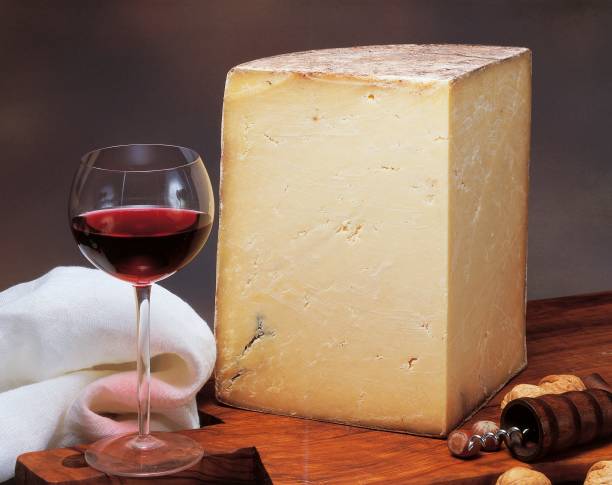
Red wines that work well
Red wines are a classic companion for cheddar, especially when the cheese is sharp or aged. Cabernet Sauvignon offers bold tannins and dark fruit that cut through the cheese’s richness, making each bite feel balanced.
Merlot provides a softer, velvety texture with plum and chocolate notes, which complement milder cheddar without overwhelming it. For a lighter touch, Pinot Noir brings bright acidity and red berry flavors that highlight the cheese’s nutty undertones, perfect for younger cheddar varieties.
Syrah (or Shiraz) adds peppery spice and smoky depth, pairing beautifully with smoked or extra‑sharp cheddar. Finally, Zinfandel delivers jammy fruit and a hint of spice, enhancing the caramelized edges of aged cheddar.
When selecting a red, aim for a wine with moderate to high acidity and balanced tannins to cleanse the palate and keep the flavor experience lively. Serve the wine slightly below room temperature, around 60‑65°F, to preserve its fruit character and ensure it doesn’t overpower the cheese’s subtle nuances.
White wines that enhance flavor
White wines can brighten the palate and accentuate cheddar’s creamy texture, especially with milder or medium‑aged varieties. Chardonnay, particularly those with a touch of oak, offers buttery notes and a hint of vanilla that mirror the cheese’s richness, while its acidity keeps the pairing lively.
Sauvignon Blanc delivers crisp citrus and green‑herb flavors that cut through the fattiness of cheddar, making it ideal for younger, milder cheeses. For a slightly sweeter profile, Riesling (off‑dry) provides honeyed fruit and bright acidity, which harmonize with the tang of sharp cheddar without creating bitterness.
Pinot Grigio brings light, mineral-driven freshness that highlights the nutty undertones of aged cheddar, and its subtle fruit keeps the overall experience balanced. When choosing a white, look for good acidity and moderate fruit intensity to lift the cheese’s flavor while preserving its smooth mouthfeel.
Serve the wine chilled at 45‑50°F to maintain its crispness, allowing the cheese’s buttery qualities to shine without being masked by excessive warmth.
Rosé and sparkling options
Rosé and sparkling wines bring effervescence and bright fruit that can cut through cheddar’s richness, creating a lively contrast especially suited for gatherings. Dry rosé offers red‑fruit aromas and a crisp acidity that lifts the cheese’s nutty notes while its subtle tannins prevent the palate from feeling heavy.
Prosecco delivers light bubbles, green apple and pear flavors, and a refreshing finish that cleanses the mouth after each bite of sharp cheddar, making the cheese feel less dense.
Champagne (or quality sparkling wine) provides fine mousse, citrus zest, and a touch of brioche, which pairs wonderfully with aged cheddar, enhancing its caramelized edges. For a slightly sweeter option, Moscato d’Asti offers low‑alcohol fizz and honeyed peach notes that balance the saltiness of cheddar without overwhelming it.
When selecting these wines, prioritize high acidity and fine carbonation to keep the cheese tasting bright and the overall experience vibrant.
Best Red Wines for Sharp Cheddar
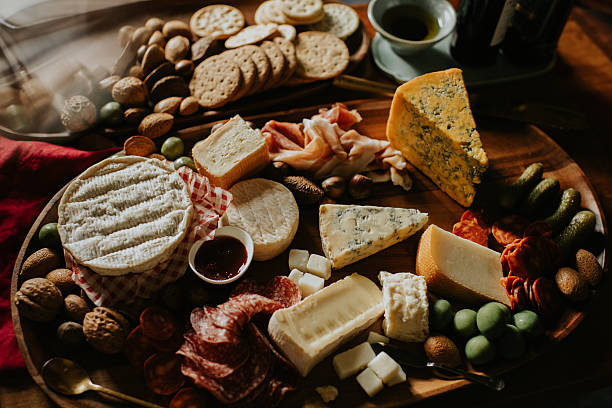
Cabernet Sauvignon
Pairing sharp cheddar with Cabernet Sauvignon creates a bold, satisfying match that highlights the cheese’s tang while softening its bite. Choose a wine with ripe blackcurrant and cedar notes to complement the cheddar’s sharpness, and look for moderate tannins that cut through the richness without overwhelming the palate.
Serve the wine slightly below room temperature, around 60‑65°F, to keep the fruit flavors vibrant. When assembling a cheese board, add toasted nuts, dried figs, and a drizzle of honey to bridge the wine’s acidity and the cheese’s saltiness.
Taste a sip before the bite to gauge balance, then let the flavors mingle; the wine’s dark fruit will echo the cheddar’s depth, while the tannins cleanses the palate for the next mouthful. This pairing works especially well with aged sharp cheddars aged 12‑18 months, delivering a harmonious, lingering finish.
Merlot
Merlot’s plush, fruit‑forward profile makes it an excellent companion for sharp cheddar, especially when the cheese is young to medium‑aged. Select a Merlot with soft plum, black‑cherry and a hint of vanilla to balance the cheddar’s bite while adding a round, velvety mouthfeel.
Keep the wine chilled to about 58‑60°F so its ripe fruit stays lively and its gentle tannins don’t dominate.
On a platter, pair the cheese with caramelized onions, roasted bell peppers, and a few slices of crusty baguette; these elements echo the Merlot’s subtle spice and enhance the cheese’s salty edge.
Take a small bite, then sip to notice how the wine’s smooth texture softens the cheddar’s sharp edges, creating a seamless transition from creamy to savory. This duo shines with cheddar aged 6‑12 months, delivering a balanced, comforting experience that invites another round.
Syrah/Shiraz
Syrah, known as Shiraz in warmer regions, offers peppery spice and dark‑fruit intensity that pairs beautifully with the robust character of sharp cheddar. Look for a bottle with blackberry, smoked meat and a touch of black‑pepper to mirror the cheese’s tang while adding a savory depth.
Serve the wine slightly cooler than typical red, around 60‑62°F, to keep its bold flavors from overwhelming the palate. Complement the pairing with grilled sausages, roasted almonds, and a drizzle of balsamic reduction; these accompaniments amplify the wine’s smoky notes and balance the cheddar’s salt.
Sip first, then bite to feel the peppery finish of the Syrah soften the cheese’s sharp edge, creating a harmonious blend of heat and richness. This match excels with well‑aged cheddar over 18 months, delivering a lingering, complex finish that keeps the tasting experience exciting.
Best White Wines for Mild Cheddar
Chardonnay
When pairing mild cheddar with Chardonnay, look for a wine that balances the cheese’s buttery richness without overwhelming its subtle flavor. Choose an unoaked or lightly oaked Chardonnay that offers bright acidity and a hint of citrus; this will cut through the creaminess and highlight the cheese’s nutty notes.
Serve the wine chilled at 10‑12°C (50‑54°F) to keep the palate fresh. A Chardonnay from cooler climates, such as Burgundy’s Chablis or a New Zealand Sauvignon‑style Chardonnay, provides crisp green apple and lemon zest that complement the cheddar’s mild sharpness.
Avoid heavily butter‑laden, high‑alcohol styles, as they can mask the cheese’s delicate profile. Pairing a modestly acidic, fruit‑forward Chardonnay with mild cheddar creates a harmonious mouthfeel, allowing the cheese’s texture to shine while the wine adds a refreshing lift.
Finish the pairing with a few slices of apple or a handful of toasted almonds to reinforce the citrus and nutty themes.
Sauvignon Blanc
Sauvignon Blanc’s high acidity and herbaceous character make it an excellent companion for mild cheddar, especially when the cheese is served at room temperature.
Select a Sauvignon Blanc from cooler regions such as the Loire Valley, New Zealand, or California’s coastal areas, where the wine displays green‑apple, lime, and subtle grassy notes that echo the cheese’s buttery base. Serve the wine at 8‑10°C (46‑50°F) to preserve its crispness.
The bright acidity cuts through the cheddar’s fat, while the herbaceous aromatics add a refreshing contrast that prevents the palate from feeling heavy.
Pair the cheese with a light drizzle of honey or a smear of fig jam to enhance the wine’s citrus zest and bring out the cheese’s faint sweetness.
By matching the wine’s lively acidity with the cheese’s smooth texture, you create a balanced bite that highlights both the cheese’s mild flavor and the wine’s vibrant profile.
Pinot Grigio
Pinot Grigio offers a light‑bodied, mineral‑driven profile that pairs surprisingly well with mild cheddar, especially when the cheese is part of a cheese board with fresh fruit. Opt for an Italian Pinot Grigio or an Alsatian Pinot Blanc that delivers crisp citrus, pear, and a subtle stone‑fruit finish.
Serve it chilled at 7‑9°C (45‑48°F) to keep the flavors bright. The wine’s clean, restrained acidity lifts the buttery mouthfeel of the cheddar without competing with its delicate taste.
Adding a few slices of crisp green apple or a handful of grapes reinforces the wine’s fruit notes and creates a cohesive tasting experience. Avoid overly sweet or heavily oak‑influenced styles, as they can mask the cheese’s subtlety.
By aligning the wine’s mineral edge with the cheese’s smooth texture, you achieve a refreshing pairing that lets both the cheddar and the Pinot Grigio shine.
Tips for Serving Wine with Cheddar
Temperature guidelines
Start by chilling your wine to the optimal range for the cheddar style you’re serving. White wines such as Sauvignon Blanc or a crisp Chardonnay should be served between 45–50°F (7–10°C) to preserve their acidity, which cuts through sharp cheddar.
Red wines like Pinot Noir, Merlot, or a light Zinfandel pair best at 55–60°F (13–16°C), allowing fruit flavors to complement the cheese’s buttery notes without becoming overly tannic. If you prefer fortified options, a chilled Tawny Port at 50°F (10°C) offers nutty sweetness that balances aged cheddar.
Use a wine fridge or an ice bucket with a splash of water for quick cooling, and let the bottle sit for a few minutes after removal to reach the target temperature. Proper temperature ensures the wine’s structure shines while the cheddar’s texture remains creamy and inviting.
Glassware selection
Choose glassware that highlights the wine’s aromatics and directs its flow onto the cheddar’s palate. For white wines, a narrow‑rimmed Chardonnay or Sauvignon Blanc glass concentrates citrus and mineral notes, guiding the crisp acidity to cut the cheese’s richness.
Red wines benefit from a larger, slightly tapered bowl—such as a Pinot Noir or Merlot glass—that allows gentle aeration, releasing soft fruit aromas that echo the cheddar’s nutty undertones.
When serving especially fortified wines like Port, a smaller, tulip‑shaped glass preserves the wine’s warmth and concentrates its rich sweet bouquet, enhancing the contrast with sharp cheddar. Avoid overly thick stems that trap heat; instead, opt for thin‑walled crystal to maintain temperature.
Present the glasses on a clean, stable surface, and consider a small coaster for each to prevent condensation from affecting the cheese’s texture.
Serving order
Plan the sequence so the wine’s intensity rises with the cheddar’s age and flavor depth. Begin with a young, mild cheddar paired with a crisp white such as Sauvignon Blanc; the wine’s bright acidity awakens the palate and prepares it for richer bites.
Follow with a medium‑aged cheddar and a light‑bodied red like Pinot Noir; the soft tannins and red fruit notes mirror the cheese’s buttery texture without overwhelming it.
Conclude with an aged, sharp cheddar alongside a fuller‑bodied red—Merlot, Zinfandel, or a chilled Tawny Port—allowing the wine’s deeper structure to stand up to the cheese’s pronounced sharpness and crumbly bite.
Serve each pairing in small, timed portions, giving guests a minute to cleanse their palate with a sip of water before moving to the next cheese. This progressive approach highlights the complementary evolution of flavor, ensuring every bite and sip feels balanced and satisfying.
Common Pairing Mistakes to Avoid
Overpowering the cheese
One of the most common errors is selecting a wine that overwhelms the cheddar’s flavor. High‑alcohol, heavily oaked reds can dominate the buttery, nutty notes of a mild cheddar, leaving the cheese tasting flat.
Instead, choose wines with moderate alcohol (around 12‑13%) and restrained oak, such as a lightly‑styled Cabernet Franc or a medium‑bodied Merlot. These options provide enough structure to complement the cheese without drowning it.
Balance acidity is also crucial; a wine with bright acidity, like a crisp Chardonnay, lifts the cheese’s richness and creates a harmonious mouthfeel. Remember to serve the wine slightly cooler than room temperature to keep the flavors bright and prevent the alcohol from becoming too assertive.
Pairing a wine with a similar intensity ensures the cheddar’s sharpness shines, while a too‑powerful wine masks the subtle caramel undertones that develop in aged varieties.
Ignoring cheese age
Cheddar comes in a wide age spectrum, from fresh mild to sharp 5‑year‑old blocks, and each stage demands a different wine partner. Treating a young cheddar like an aged one leads to a mismatch where the wine’s depth overshadows the cheese’s delicate flavor.
For a mild, creamy cheddar, opt for a light‑bodied white such as a Sauvignon Blanc or an unoaked Chardonnay, which mirrors the cheese’s subtle creaminess without overwhelming it.
When dealing with a sharp, aged cheddar, choose a wine with more structure and tannin, like a Cabernet Sauvignon, Syrah, or even a fortified Port, to stand up to the cheese’s pronounced bite and crumbly texture.
Match intensity by aligning the cheese’s age with the wine’s body, ensuring the cheese’s nutty and earthy notes are highlighted rather than hidden in the overall tasting experience.
Mismatching sweetness
Sweetness is another frequent pitfall when pairing wine with cheddar. Choosing an overly sweet wine such as a late‑harvest Riesling or a dessert Muscat can clash with cheddar’s salty, umami character, making the cheese taste bland and the wine cloyingly sugary.
Conversely, a completely dry wine may highlight the cheese’s bitterness, especially with sharp cheddar, leading to an unbalanced palate. The sweet spot lies in wines that offer a hint of fruit or residual sugar without dominating the profile.
A medium‑dry Zinfandel, a slightly off‑dry Chenin Blanc, or a lightly sweetened Grenache provide enough fruitiness to complement the cheese’s nutty undertones while keeping the saltiness in check.
Balance the sugar level by selecting a wine whose sweetness mirrors the cheese’s natural salt, creating a cohesive and enjoyable tasting experience for the whole gathering.
How to Create a Cheese and Wine Tasting Party
Select a cheese variety range
Begin by curating a balanced cheese platter that showcases a range of textures and flavors while keeping cheddar as the star. Choose a sharp, aged cheddar (8‑12 months) for its nutty depth, and pair it with a milder young cheddar for contrast.
Add complementary varieties such as a creamy brie, a tangy blue, and a firm gouda to give guests options that highlight different taste profiles. Label each cheese with its age and origin so participants can easily identify the selections.
Slice the cheddar into bite‑size wedges and arrange it on a wooden board alongside crackers, fresh fruit, and nuts. Keep the platter at room temperature for 30 minutes before the party to allow the flavors to fully develop.
This thoughtful variety not only pleases diverse palates but also sets the stage for purposeful wine pairings later in the event.
Plan wine flight
Next, design a wine flight that highlights the best companions for cheddar while offering contrast for the other cheeses. Select a full‑bodied red such as Cabernet Sauvignon or Merlot; their firm tannins and dark fruit notes balance the sharpness of aged cheddar.
For a bolder match, try a Zinfandel or a Malbec, whose spice and plum flavors echo the cheese’s richness. If you prefer white, a buttery Chardonnay with a hint of oak can soften the cheddar’s bite, while a crisp Riesling provides a sweet‑acidic counterpoint.
Include a sparkling option like Prosecco to cleanse the palate between bites. Arrange the wines in order of light‑to‑heavy intensity, labeling each bottle with tasting notes and suggested cheese pairings. Serve the wines slightly chilled (red at 60‑65°F, white at 50‑55°F) to ensure optimal expression.
This curated flight not only answers the “what wine goes with cheddar?” question but also creates a dynamic tasting experience for all guests.
Pairing sequence and pacing
Finally, plan the pairing sequence and pacing to let each cheese and wine shine without overwhelming the palate. Start with milder cheeses such as young cheddar paired with a light white like Sauvignon Blanc; this awakens the senses and prepares guests for richer flavors.
Move on to the aged cheddar and introduce the chosen red, allowing 2‑3 minutes of sipping before each bite so the tannins can soften the cheese’s bite. Follow with the blue cheese and a sweet Riesling, giving a brief pause to cleanse the palate with a sip of sparkling water.
End the tasting with the creamy brie and a buttery Chardonnay, letting guests linger over the final notes. Provide small tasting cards that outline the order, suggested sip‑to‑bite ratios, and brief tasting tips.
By controlling the flow and offering clear guidance, you ensure a seamless experience that highlights why certain wines, especially full‑bodied reds, are the perfect match for cheddar.
Frequently Asked Questions
What type of wine pairs best with sharp cheddar?
A full‑bodied red such as Cabernet Sauvignon or a robust Zinfandel complements the intensity of sharp cheddar, balancing its richness with tannins and fruit.
Are white wines a good match for mild cheddar?
Yes, lighter whites like Chardonnay, especially those with subtle oak, or a crisp Sauvignon Blanc enhance the creamy texture of mild cheddar without overwhelming it.
Can I pair cheddar with sparkling wine?
Absolutely; the acidity and bubbles in Champagne or Prosecco cut through cheddar’s fat, creating a refreshing contrast that highlights both flavors.
What about fortified wines like Port with cheddar?
Aged Port or a sweet Madeira pairs wonderfully with aged cheddar, as the wine’s sweetness and nutty notes echo the cheese’s depth.
Do I need to consider the age of the cheddar when choosing wine?
Yes; younger cheddars work well with lighter, fruit‑forward wines, while aged cheddars benefit from more structured reds or fortified wines that can stand up to their stronger flavor.
Is there a universal wine that works with most cheddar varieties?
A versatile choice is a medium‑bodied Merlot or a balanced Pinot Noir, which offer enough fruit and softness to complement a wide range of cheddar styles.
Conclusion
Choosing the right wine for cheddar is simple: bright, acidic whites like Sauvignon Blanc or crisp Riesling cut through sharp cheddar, while medium‑bodied reds such as Merlot or a fruity Zinfandel complement its buttery depth. Remember to match intensity—mild cheddar pairs best with lighter wines, aged cheddar shines with fuller‑bodied selections. Experiment, trust your palate, and enjoy the delightful harmony that a well‑chosen wine brings to every cheese board.
