What Wine Goes With Charcuterie
Choosing the perfect wine for a charcuterie board can feel like a puzzle, but we’ve got you covered. In the next few lines you’ll discover which reds, whites, and rosés complement salty meats, tangy cheeses, and crunchy accompaniments. From a crisp Sauvignon Blanc that brightens pâté to a smooth Pinot Noir that balances cured salami, we’ll match flavors quickly and confidently. Stick around, and you’ll be pairing like a pro in no time with confidence and delicious results every occasion.
What is Charcuterie and Why Wine Matters
Key flavors in charcuterie
Charcuterie boards blend salty, smoky, fatty, and sometimes sweet or tangy notes, creating a complex palate that guides wine selection. The salt from cured ham or prosciutto amplifies acidity, so a wine with bright acidity—such as a Sauvignon Blanc or a dry Riesling—cuts through the richness.
Smoky flavors from chorizo or smoked sausage pair well with wines that have subtle fruit and moderate tannins, like a Pinot Noir or a light Grenache.
When you include sweet elements like fig jam or honey‑glazed pâté, contrast it with a slightly off‑dry wine, for example a Vouvray or an off‑dry rosé, to balance the sugar.
Finally, the fatty texture of pâtés and pâtés de campagne benefits from bubbly wines; the carbonation refreshes the palate and highlights the meat’s depth. Understanding these flavor pillars helps you match the right wine to each bite.
Common types of meats
Typical charcuterie selections include prosciutto, salami, chorizo, coppa, and pâté, each bringing a distinct texture and taste. Prosciutto, with its delicate, buttery saltiness, shines alongside crisp whites like Pinot Grigio or a lightly oaked Chardonnay that echo its subtle sweetness without overwhelming it.
Salami, especially the garlic‑spiced varieties, offers a firm bite and peppery heat; a medium‑bodied red such as a Chianti Classico or a Spanish Tempranillo provides enough tannin to tame the spice while complementing the meat’s richness.
Chorizo, known for smoky paprika and bold heat, pairs beautifully with a fruity, slightly higher‑acid red like a Garnacha or a Zinfandel that can stand up to the intensity.
Coppa delivers a marbled, savory profile that matches well with a dry rosé or a light Merlot, balancing fat with soft fruit notes.
Finally, pâté—whether liver‑based or mushroom—needs a wine with gentle acidity and subtle fruit, such as a dry Beaujolais Nouveau or an off‑dry Riesling, to cut through the creaminess and highlight earthy undertones.
How wine enhances the experience
Wine acts as a palate cleanser and flavor amplifier, turning a simple charcuterie spread into a memorable tasting journey. The acid in white wines or sparkling varieties lifts the fat from cured meats, refreshing the mouth for the next bite and preventing flavor fatigue.
Tannins in light reds create a gentle astringency that softens the saltiness of salami and prosciutto, while their fruit notes echo the sweet accompaniments like dried figs or quince paste.
When you choose a bubbly wine, the carbonation physically scrubs the palate, highlighting subtle spices in chorizo and releasing aromatic compounds in pâté.
Pairing strategically also guides the order of consumption: start with milder meats and crisp whites, then progress to richer sausages matched with fuller reds, finishing with dessert‑style jams and an off‑dry rosé or dessert wine for balance.
By aligning wine structure—acidity, tannin, sweetness, and effervescence—with the textures and flavors on the board, you create harmony, depth, and a dynamic experience that keeps guests engaged from the first slice to the last sip.
How to Match Wine with Different Charcuterie Types
Dry‑cured sausages
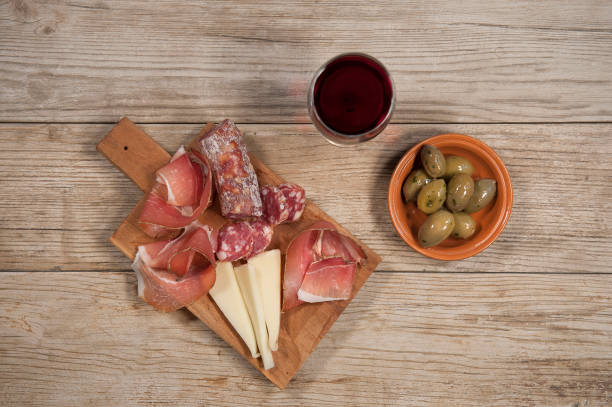
Pair dry‑cured sausages such as salami, soppressata, and chorizo with wines that balance their salty, spicy, and fatty profile. Choose a medium‑bodied red like Chianti Classico or a Grenache‑based blend; the bright acidity cuts through the fat while soft tannins complement the spice.
If you prefer white, opt for an off‑dry Riesling or a Grüner Veltliner, whose crisp fruit and subtle minerality echo the cured meat’s complexity. Serve the wine slightly chilled (around 55‑60°F) to enhance freshness.
When assembling a board, place the sausage slices next to the wine glass, allowing the aromas to mingle. Tip: a splash of sparkling water in the glass can soften high alcohol levels, keeping the pairing lively and food‑forward.
This synergy highlights the peppery notes and ensures each bite feels refreshed, making the board enjoyable from start to finish.
Smoked meats
Smoked meats like prosciutto, smoked turkey, and kielbasa bring a deep, woody flavor that thrives with wines offering bright acidity and gentle tannins. Select a light‑to‑medium red such as Pinot Noir or a Barbera; their fruit‑forward profile lifts the smoke while the subtle tannic structure prevents bitterness.
For a white alternative, try an unoaked Chardonnay or a dry Sauvignon Blanc, whose citrus zest and herbal notes cut through the richness. Serve reds at 58‑62°F and whites slightly cooler to preserve aromatic intensity.
Arrange the smoked slices beside the glass, allowing the wine’s acidity to cleanse the palate between bites. Pro tip: a small drizzle of honey‑mustard glaze on the meat can echo the wine’s fruit notes, creating a harmonious loop of flavor.
This pairing also accentuates the subtle sweet‑smoke balance, making each sip feel like a continuation of the smoky experience.
Pâtés and terrines
Pâtés and terrines, with their velvety texture and earthy, sometimes gamey flavors, pair best with wines that provide acidity and a touch of sweetness to cut through the richness.
Opt for a slightly off‑dry rosé such as a Provençal blend; its red fruit aroma and crisp finish brighten the palate while complementing the pâté’s depth. If you enjoy red, choose a light Grenache or a Beaujolais Nouveau, whose low tannins and bright berry notes mirror the pâté’s subtle fruitiness.
For a white match, a slightly sweet Gewürztraminer or an Alsatian Riesling works wonders, offering floral perfume and enough residual sugar to balance the fat. Serve the wine chilled (around 50‑55°F) and present the pâté on a small toast point, allowing the wine to glide over the spread.
Key tip: a few cornichons or a dab of grainy mustard on the side can echo the wine’s acidity, creating a cohesive tasting experience.
Best Red Wines for Charcuterie Boards
Light‑bodied reds
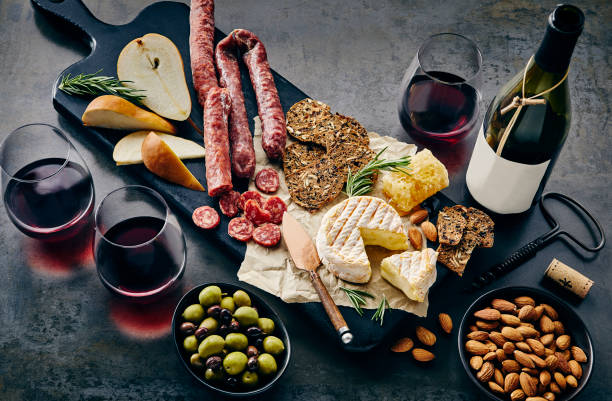
Pair a light‑bodied red such as Pinot Noir, Gamay, or a young Beaujolais with delicate charcuterie like prosciutto, smoked salmon, and mild pâtés. Serve slightly chilled (12‑14°C) to keep acidity bright and fruit forward, which cuts through the fat without overwhelming subtle flavors.
Choose wines with soft tannins and vibrant red‑fruit notes; they enhance the saltiness of cured meats while complementing herbs and light cheeses. Look for bright acidity and low alcohol (under 13%) to maintain balance on the palate.
When assembling the board, place the light‑bodied wine at the beginning of the tasting sequence, letting guests enjoy its freshness before moving to richer selections. This approach ensures the wine lifts the delicate textures and flavors, creating a harmonious start to the charcuterie experience.
Pair it with a handful of fresh berries or a drizzle of honey to accentuate the wine’s subtle fruitiness.
Medium‑bodied reds
Medium‑bodied reds such as Merlot, Tempranillo, or Chianti offer a versatile bridge between light and full‑bodied wines, making them ideal for classic charcuterie mixes that include salami, chorizo, and aged cheeses. Serve at cellar temperature (15‑17°C) to showcase ripe plum and cherry flavors while keeping the wine’s moderate tannins smooth.
These wines provide enough structure to stand up to spicier meats, yet retain enough fruit to complement nutty pâtés and olives. Select bottles with balanced acidity and 13‑14% alcohol to prevent the palate from feeling heavy.
Arrange the board so the medium‑bodied wine follows the light option, allowing guests to transition from delicate to richer flavors. Adding a few dried figs or a smear of grainy mustard enhances the wine’s earthiness and creates a cohesive tasting journey.
Serve with a small dish of marinated artichoke hearts to highlight the wine’s subtle herbal notes.
Full‑bodied reds
Full‑bodied reds such as Cabernet Sauvignon, Syrah, or Malbec bring bold tannins, dark fruit, and smoky spice that pair powerfully with robust charcuterie selections like peppered jerky, cured duck breast, and strong pâtés.
Serve slightly below room temperature (16‑18°C) to soften the intensity and allow the wine’s black‑currant and peppercorn aromas to mingle with the meat’s richness. These wines excel at cutting through high‑fat content, while their oak‑derived vanilla and cedar notes complement smoked sausages and aged hard cheeses.
Choose wines with 14‑15% alcohol and firm acidity to keep the palate refreshed amid heavy flavors. Position the full‑bodied wine at the end of the tasting progression, letting it anchor the board’s strongest elements.
Pair with a few dark chocolate squares or a drizzle of balsamic reduction to echo the wine’s depth and create a memorable finale.
Top White and Rosé Wines to Pair with Charcuterie
Crisp whites
Choose a crisp white that cuts through the richness of cured meats while highlighting fresh herbs. Sauvignon Blanc from the Loire or New Zealand offers bright acidity, citrus zest, and a subtle grassy note that balances salty prosciutto and herbed salami.
Pinot Grigio from Italy provides light stone‑fruit flavors and a clean finish, perfect for delicate pâtés and mild cheeses. For a touch of minerality, try an Albarino from Spain; its saline edge mirrors the brine in olives and anchovies.
Serve these wines chilled at 45‑50°F to keep their lively profile intact. Pairing a crisp white with charcuterie not only refreshes the palate between bites but also accentuates the spice in peppered sausages, making each mouthful more vibrant.
You can also experiment with a lightly oaked Muscadet that brings a subtle nutty nuance, ideal for richer terrines. When arranging the board, place the wine glasses beside the meats so guests can sip between selections, preventing the flavors from becoming muddied.
Aromatic whites
Opt for an aromatic white that adds perfume and depth to the savory board, turning each bite into a sensory experience. Gewürztraminer from Alsace delivers lychee, rose petal, and spice notes that echo the fennel and mustard seeds in many salami blends.
Its low acidity lets the wine sit beside fatty pâtés without overwhelming them. Riesling—especially an off‑dry version from Germany’s Mosel—offers honeyed apricot, crisp minerality, and a touch of sweetness that softens the heat of spicy chorizo and peppered ham.
For a Mediterranean twist, try a Viognier from the Rhône; its lush peach and honeysuckle aromas complement cured duck breast and pâté de campagne. Keep these wines slightly chilled (50‑55°F) to preserve their aromatic intensity.
Serve them in tulip‑shaped glasses to concentrate the bouquet, allowing guests to inhale the fragrant notes before each sip, which enhances the overall tasting journey. Pair the aromatic whites with a selection of spiced nuts, dried figs, and a drizzle of honey‑infused mustard to echo the wine’s floral sweetness.
The lingering finish of these wines also works well with aged cheeses like blue or goat, creating a balanced contrast that keeps the palate refreshed today.
Dry rosés
Dry rosé offers the best of both worlds—crisp acidity of a white and a hint of red fruit that mirrors the savory depth of charcuterie.
Provence rosé, with its pale pink hue, delivers strawberry, watermelon, and a chalky minerality that cuts through the salt of cured ham and the fattiness of salami. Spanish rosado, especially from Rioja, brings brighter citrus and a subtle herbaceous edge, perfect for spicier chorizo and paprika‑rubbed sausages.
For a richer profile, try an Italian rosato from Tuscany; its soft tannins and notes of raspberry and almond complement pâté de foie gras and aged prosciutto. Serve rosés well‑chilled at 48‑52°F to maintain freshness, and use stemless wine glasses to keep the aroma close to the nose.
Enhance the pairing by adding marinated olives, grainy mustard, and a handful of toasted baguette slices, allowing the wine’s bright finish to cleanse the palate between each flavorful bite.
A dry rosé also pairs beautifully with cheese boards that feature soft goat cheese, creamy brie, and tangy blue, as the wine’s acidity balances the richness while its fruit notes lift the flavors.
For a festive touch, serve the rosé alongside a small dish of smoked salmon or trout, whose delicate smoke complements the wine’s subtle minerality and creates a harmonious finish.
Tips for Balancing Sweet and Savory Elements
Using off‑dry wines
Choose an off‑dry wine to bridge the salty, fatty notes of charcuterie with a subtle sweetness that brightens the palate. Select a Riesling or Gewürztraminer with residual sugar around 2–4 g/L; their acidity cuts through cured meats while the gentle fruitiness complements pâtés and pâté‑style spreads.
Serve slightly chilled (45‑50 °F) to keep the wine lively and prevent it from tasting cloying. When assembling the board, place the off‑dry bottle near milder meats like prosciutto or turkey, allowing the wine’s honeyed aromatics to lift the delicate flavors without overwhelming them.
For richer, spicier sausages, a slightly higher sweetness level can tame heat and balance peppery undertones. Remember to taste the wine first; if it feels too sweet, add a splash of sparkling water to adjust the balance while preserving the essential fruit character.
Serve the wine in a clear glass to appreciate its golden hue.
Pairing with fruit spreads
Integrate fruit spreads to create a sweet‑savory dialogue that highlights both the wine and the charcuterie. Choose a wine with bright acidity, such as a dry rosé or a crisp Pinot Noir, which can mirror the tartness of raspberry or fig jam while standing up to the richness of salami.
Apply the spread sparingly on crackers, then layer a slice of cured meat; this prevents the fruit from dominating and lets the wine’s red fruit notes shine through.
When the spread includes a hint of honey, a wine with a touch of residual sugar—like an off‑dry Chenin Blanc—will echo the honeyed flavor without becoming cloying.
Taste the combination before serving to gauge balance; if the fruit overwhelms, add a few olives or nuts to introduce bitterness and texture, helping the wine retain its freshness across each bite. Finish the board with a drizzle of aged balsamic to add depth and further unite the flavors.
Managing spice heat
Spice in charcuterie, such as peppered salami or chorizo, can dominate a pairing if not tempered by the right wine.
Opt for a wine with moderate alcohol and gentle fruit, like a Grenache‑based rosé or a lightly oaked Zinfandel, which offers enough body to stand up to heat while its soft tannins soothe the palate.
Cool the wine slightly (around 55 °F) to soften the perception of alcohol and let the fruit flavors dominate the spice.
When serving, place a small dollop of creamy cheese—such as brie or goat cheese—next to the spicy slice; the fat coats the tongue, reducing the burn and allowing the wine’s berry notes to emerge.
If the heat is intense, balance it with a splash of sparkling water or a few slices of crisp cucumber on the side, which introduces a refreshing contrast and keeps the wine’s acidity lively throughout the tasting.
How to Build a Wine‑Friendly Charcuterie Plate
Choosing complementary cheeses
Start by selecting cheeses that echo the flavors of your charcuterie. Soft, buttery options like Brie or Camembert pair beautifully with a crisp Sauvignon Blanc or a light‑bodied Champagne, whose acidity cuts through the richness.
For sharper, aged cheeses such as Manchego or aged Gouda, choose a medium‑bodied Pinot Noir or a Tempranillo that can match the nutty depth without overwhelming the palate. Blue cheeses demand a sweeter counterpoint; a Riesling with a touch of residual sugar or a Port will balance the pungency.
Keep the cheese variety diverse but manageable—three to four types—so guests can experiment with different wine‑cheese combos. Tip: Arrange cheeses on a separate board with small labels, allowing diners to match each cheese to its ideal wine quickly.
Serve the cheeses at room temperature for about 30 minutes before plating, as this releases aromatic compounds that enhance the wine interaction.
Adding nuts and olives
Nuts and olives bring texture and briny contrast that can shift the wine balance. Crunchy almonds, walnuts, or pistachios pair nicely with a dry Rosé or a Gewürztraminer, whose floral notes lift the earthiness of the nuts while the wine’s acidity keeps the palate fresh.
Marinated olives, especially those with herbs or citrus, are excellent companions for an Albariño or a Vermentino, both offering bright acidity and minerality that echo the olive’s salty bite.
If you prefer a richer profile, a Merlot or a Barbera can stand up to the robust flavors of smoked almonds or spiced olives. Pro tip: Toss the nuts lightly in sea salt and rosemary before serving; this subtle seasoning amplifies the wine’s spice notes and creates a harmonious bite.
Keep portions small—about a handful per guest—so the nuts and olives enhance rather than dominate the overall charcuterie experience.
Arranging for visual appeal
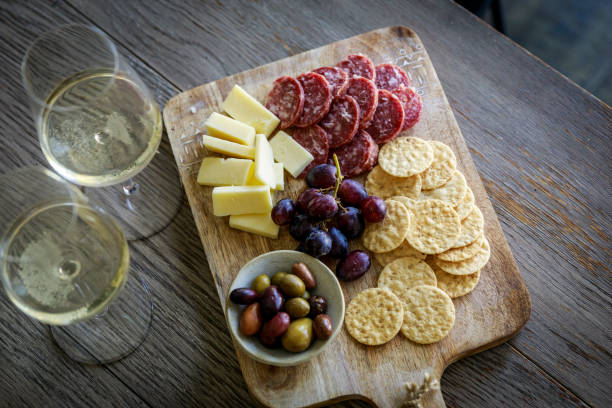
The final step is to arrange every element so it invites exploration and guides wine selection. Start with a central focal point—perhaps a slate board or a rustic wooden platter—then position cured meats in overlapping fans to showcase texture.
Place wine glasses strategically: a light‑bodied white like Chardonnay on one side for buttery salami, and a medium‑bodied red such as Syrah opposite for spicier chorizo.
Fill gaps with colorful pickles, dried fruits, and fresh herbs; the bright hues of rosemary, thyme, and edible flowers echo the citrus notes in a Sauvignon Blanc or the berry tones of a Zinfandel, Visual cue: Use small labeled tags that match each wine to its best pairing, allowing guests to move from plate to glass intuitively.
Finish with a drizzle of honey or a fig jam near the cheese corner—sweet accents that pair wonderfully with a late‑harvest Riesling or a sparkling rosé, adding a final layer of balance and elegance.
Common Mistakes to Avoid When Pairing Wine and Charcuterie
Overpowering the wine
One of the biggest errors is selecting a wine that overwhelms the delicate flavors of cured meats. Pick a wine with moderate alcohol and acidity so the charcuterie’s spice, salt, and fat can shine.
Heavy reds like full‑bodied Cabernet can mask the subtle nutty notes of prosciutto or the sweet tang of salami. Instead, opt for lighter reds such as Pinot Noir or Gamay, or even a crisp rosé, which provide enough structure without drowning the board.
Match intensity: a robust, smoky chorizo pairs well with a fruit‑forward Zinfandel, but a milder pâté benefits from a gentle Beaujolais. Remember to taste the wine first; if it feels too aggressive, swap for a softer option.
By keeping the wine’s profile in check, you let each bite and sip complement rather than compete. This balance creates a harmonious tasting experience for all guests.
Ignoring texture contrast
Texture is a silent partner in wine‑charcuterie pairings, and overlooking it can ruin the experience.
Consider the mouthfeel of both components: a creamy pâté or soft cheese calls for a wine with bright acidity to cut through richness, while crisp, dry sausages benefit from a wine with a silky tannin structure.
Pairing a buttery, buttery‑rich foie gras with a buttery Chardonnay may feel redundant, whereas a lightly effervescent Champagne adds a refreshing contrast.
Balance crunch and softness by matching a firm, dry salami with a medium‑bodied red that offers subtle fruit and moderate tannins, such as a Merlot, which lifts the chew without overwhelming it.
Likewise, a delicate prosciutto pairs beautifully with a dry Riesling that offers a hint of sweetness to echo the meat’s subtle salt. By aligning texture profiles, you enhance each bite, creating a layered palate that keeps diners engaged.
Neglecting temperature
Serving temperature is often ignored, yet it dramatically influences how wine interacts with charcuterie. Serve reds slightly cooler than room temperature, around 55‑60 °F, to preserve fruit freshness and prevent alcohol from masking the meat’s spice.
A too‑warm Pinot Noir can taste jammy and drown the subtle pepper of a Spanish chorizo. Conversely, white wines and rosés should be chilled to 45‑50 °F; this crisp chill highlights acidity, cutting through fatty salami and enhancing salty notes.
Avoid extreme cold on delicate wines like a light Gamay, which can mute aromatics and make the wine seem flat. Likewise, a chilled red blend loses its structure and can feel thin beside robust cured meats.
Adjust the temperature based on the wine’s body: lighter wines colder, fuller wines slightly warmer. By respecting these temperature cues, you ensure each sip complements the board’s flavors rather than competing with them.
Frequently Asked Questions
What types of wine pair best with charcuterie?
Red wines with moderate tannins like Pinot Noir or Gamay, rosé, and crisp white wines such as Sauvignon Blanc or dry Riesling complement the salty, fatty flavors of charcuterie.
Should I choose a sparkling wine for a charcuterie board?
Yes, sparkling wines like Prosecco, Champagne, or Cava add acidity and effervescence that cut through the richness of cured meats, making them an excellent pairing.
How do I match wine to specific charcuterie items?
Pair lighter meats like prosciutto with delicate reds or rosés, while richer, spicier sausages go well with fuller-bodied reds such as Merlot or a slightly sweet Gewürztraminer to balance spice.
Is there a recommended wine temperature for serving with charcuterie?
Serve white and rosé wines chilled at 45‑50°F (7‑10°C) and red wines slightly cooler than room temperature, around 55‑60°F (13‑15°C), to enhance their refreshing qualities alongside the meats.
Can I pair a dessert wine with charcuterie?
A dry or off‑dry dessert wine like a late‑harvest Riesling or a Vouvray can work well with sweeter cured meats or pâtés, providing a pleasant contrast to salty flavors.
What are some budget-friendly wine options for a charcuterie spread?
Affordable choices include Spanish Garnacha, Italian Valpolicella, French Sauvignon Blanc, or a local sparkling wine, all of which offer good acidity and flavor balance without breaking the bank.
Conclusion
Pairing wine with charcuterie is all about balance—light, crisp whites like Sauvignon Blanc or sparkling prosecco cut through salty meats, while medium-bodied reds such as Pinot Noir or Grenache complement richer, spicier cuts. Remember to match acidity with fat and tannins with protein for harmony. Experiment with regional pairings and trust your palate; the perfect match will elevate every bite and sip.