What Wine Goes With Butter Chicken
Looking for the perfect wine to pair with buttery, spiced butter chicken? You’ve come to the right place. In the next few lines we’ll quickly pinpoint the ideal wine that balances the creamy tomato sauce, aromatic spices, and subtle heat, so you can sip confidently and enjoy every bite. Whether you prefer a crisp white, a fruity rosé, or a light red, we’ve got the answer you need right now plus a quick tip for serving and storage advice today.
What types of wine complement butter chicken
Red wines that work well
Pairing red wine with butter chicken can be a rewarding surprise when you choose varieties that balance spice and cream. Pinot Noir offers bright red fruit and subtle earth tones that complement the tomato‑based sauce without overwhelming the dish.
Grenache brings soft tannins and a hint of spice that mirrors the cumin and garam masala, creating harmony on the palate.
For those who enjoy a richer profile, a Zinfandel with ripe blackberry and pepper notes can stand up to the heat while its moderate acidity cuts through the buttery richness. Look for wines with moderate alcohol (12‑13.5%) and soft tannins to avoid clashing with the dish’s delicate flavors.
Serve slightly chilled, around 55‑60°F, to enhance fruit freshness and keep the pairing lively. These reds let the buttery sauce shine while adding a complementary depth that elevates the overall dining experience.
White wines that pair nicely
White wines often provide the crisp acidity and subtle fruit that brighten butter chicken’s creamy, spiced sauce. A Riesling—especially off‑dry with a touch of residual sugar—mirrors the dish’s mild heat and balances the richness with its bright acidity and notes of apricot and honey.
Gewürztraminer offers aromatic spice and lychee flavors that echo the Indian spices, while its medium body keeps the palate from feeling overloaded. For a more classic choice, Sauvignon Blanc from a cooler climate delivers citrus zest, green herbaceousness, and a crisp finish that cuts through the butter and tomato base.
Aim for wines with 7‑9% alcohol and moderate acidity to keep the pairing lively. Serve chilled at 45‑50°F to preserve freshness. These whites enhance the aromatic profile of butter chicken, providing a refreshing counterpoint that makes each bite feel lighter and more vibrant.
Rosé options for a balanced taste
Rosé wines strike a middle ground, offering the fruitiness of red wine with the crisp acidity of white, making them a versatile match for butter chicken. A dry Provence rosé delivers delicate strawberry and citrus notes, light tannins, and a clean finish that brightens the creamy sauce without adding sweetness.
Spanish rosado, especially from Rioja, brings a touch of red berry depth and subtle spice that mirrors the dish’s cumin and coriander, while its moderate acidity keeps the palate refreshed.
For a richer profile, an Italian rosato from Veneto offers soft plum flavors and a slightly fuller body, which can stand up to the buttery richness and bold spices. Choose rosés with 11‑12.5% alcohol and a dry to off‑dry style. Serve slightly chilled, around 50‑55°F, to highlight fruit aromatics.
These rosés provide balance, allowing the spice and cream to shine together while delivering a lively, palate‑cleansing finish.
How to match wine intensity with butter chicken flavor
Considering spice level
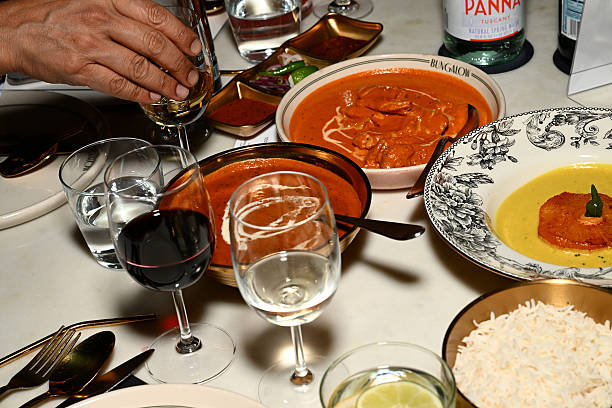
Start by gauging how hot the butter chicken is on your plate. If the dish leans toward mild heat, a lighter‑bodied, low‑tannin wine such as a Pinot Noir or a chilled Beaujolais will complement without overwhelming.
For medium spice, choose a wine with a touch of fruit sweetness; an off‑dry Riesling or a slightly chilled Grenache rosé can tame the heat while echoing the dish’s aromatic spices.
When the heat spikes, reach for a wine that offers refreshing acidity and a hint of residual sugar, like an off‑dry Chenin Blanc, to cool the palate.
Key point: match the wine’s perceived spiciness to the dish’s heat level, using fruit‑forward, low‑tannin options for milder versions and a touch of sweetness for hotter plates. Serve the wine slightly chilled, around 12‑14°C, to enhance its crispness and keep the flavors lively.
Balancing richness and acidity
The buttery, cream‑laden sauce of butter chicken calls for a wine that can cut through richness while echoing its aromatic profile. Look for wines with bright acidity and moderate body, such as an unoaked Chardonnay, a crisp Sauvignon Blanc, or a dry Riesling.
These choices lift the fat and create a clean finish that mirrors the dish’s tomato‑onion base. If you prefer a fuller mouthfeel, a lightly oaked Viognier offers floral notes that harmonize with the garam masala and fenugreek without adding heaviness.
Key point: the wine’s acidity should be strong enough to balance the sauce’s creaminess, while its fruit profile should complement, not clash with, the spice blend.
Pairing a wine with a zesty citrus edge—for example, a New Zealand Sauvignon Blanc—creates a refreshing contrast that keeps each bite lively and prevents the palate from feeling weighed down.
Adjusting for sweetness
Butter chicken often carries a subtle sweetness from tomatoes, caramelized onions, and a splash of cream, so a wine with a gentle hint of sugar can mirror that dimension without turning the pairing cloying.
Opt for off‑dry or semi‑sweet whites such as an Alsatian Gewürztraminer, a late‑harvest Riesling, or a Moscato d’Asti served chilled. These wines provide aromatic spice notes—lychee, rose petal, honey—that echo the dish’s fragrant masala while their residual sugar softens the heat and rounds out the sauce’s richness.
For red lovers, a lightly chilled, fruit‑forward Pinot Noir with a touch of natural sweetness can also work, especially when the butter chicken is prepared with a sweeter tomato purée.
Key point: match the wine’s sweetness level to the sauce’s inherent sweetness, using a wine that adds a delicate sugary lift without overwhelming the savory backbone of the dish.
Best Indian wines for butter chicken

Popular Indian reds
When you think of Indian reds that can stand up to butter chicken’s creamy, spiced sauce, look for wines with soft tannins and a touch of fruit sweetness.
Sula Rasa, a blend of Shiraz and Cabernet Sauvignon, offers ripe blackberry notes and a gentle spice that mirrors the dish’s garam masala. Grover La Reserve, a Merlot‑dominant blend, brings plum and chocolate flavors that soften the heat while adding depth.
For a lighter option, Fratelli Sangiovese delivers bright cherry acidity that cuts through the richness without overwhelming the palate. Choose wines aged briefly in oak to retain a fresh fruit profile; excessive oak can clash with the buttery texture.
Serve the reds slightly chilled (around 14‑16 °C) to enhance their fruitiness and keep the butter chicken feeling lively on the tongue. Pair it with naan to complete the experience.
Indian whites that shine
White wines with bright acidity and subtle fruit can balance butter chicken’s creamy sauce while highlighting its aromatic spices. Sula Chenin Blanc offers tropical pineapple and honeyed notes that echo the dish’s subtle sweetness, while its crisp finish cleanses the palate between bites.
Grover La Cuvée Sauvignon Blanc brings citrus zest and green apple, providing a lively contrast to the buttery richness and cutting through the heat of the chili. For a richer texture, try Fratelli Chardonnay, aged in neutral oak to retain a buttery mouthfeel that mirrors the sauce without becoming cloying.
Look for wines with moderate alcohol (11‑12 %) to avoid amplifying the spice. Serve whites chilled at 10‑12 °C and consider a light garnish of fresh coriander on the plate; the herb’s brightness will sync with the wine’s fruit, creating a harmonious dining experience.
Regional rosés to try
Rosé wines from India’s emerging vineyards bring just the right mix of fruit and freshness to complement butter chicken’s buttery gravy and spice profile.
Sula Rosé, made from a blend of Shiraz and Cabernet Sauvignon grapes, delivers red‑berry aromas and a hint of rose petal that lifts the dish’s richness without adding heaviness.
Grover Rosé, crafted from a Grenache base, offers strawberry and watermelon notes with crisp acidity, which brightens the palate and tempers the heat of the masala.
For a more adventurous sip, try Fratelli Pinot Noir Rosé, featuring delicate cherry and hibiscus flavors that echo the subtle sweetness of the tomato‑onion base. Aim for a rosé with 10‑11 % alcohol and a dry finish; excessive sweetness can clash with the sauce’s creaminess.
Serve the rosé chilled at 8‑10 °C and enjoy it alongside a side of basmati rice to let the wine’s fruitiness shine through each bite.
Tips for serving wine with butter chicken
Ideal serving temperature
To highlight the creamy, spiced flavors of butter chicken, aim for a wine temperature that preserves freshness while softening alcohol heat. Serve white wines such as off‑dry Riesling or Gewürztraminer at 45‑50 °F (7‑10 °C) to keep their bright acidity lively.
Light‑bodied reds like Pinot Noir or Gamay are best slightly cooler than room temperature, around 55‑60 °F (13‑16 °C), allowing fruit aromas to shine without overwhelming the dish.
Use a wine‑chilling sleeve or an ice bucket for quick adjustment, and let the bottle sit for a few minutes after removal to reach the target range. Avoid overly warm temperatures, which can make the wine taste flabby and clash with the buttery sauce.
Consistently checking the thermometer ensures each pour supports the aromatic cumin, tomato, and cream components of the chicken. A quick tip is to place the bottle in a bucket of cool water for five minutes before service, ensuring the wine arrives at the perfect sip‑ready temperature.
Glassware recommendations
Choosing the right glass enhances the wine’s ability to complement butter chicken’s rich, aromatic profile. For aromatic whites like Riesling, use a tulip‑shaped glass with a narrow rim; this concentrates the perfume and directs the wine toward the palate where acidity balances the sauce.
For light reds such as Pinot Noir, a medium‑bowl glass with a slightly tapered opening works best, allowing gentle aeration while preserving delicate fruit notes. Avoid oversized, overly wide glasses that disperse aromas too quickly and diminish the wine’s subtle spice‑matching qualities.
Ensure the glass is clean and free of residue, as any lingering scent can interfere with the nuanced flavors of cumin, garam masala, and tomato. Holding the glass by the stem keeps the bowl cool, especially for whites, and prevents hand heat from altering the temperature during the meal.
Decanting and aeration tips
Proper aeration can unlock the subtle fruit and spice harmony needed to pair wine with butter chicken. For white wines such as off‑dry Riesling, decanting is rarely required; a brief swirl in the glass releases aromatics without diluting the delicate sweetness that tames the dish’s heat.
For light reds like Pinot Noir, a short decant of 20‑30 minutes helps soften tannins and reveal soft cherry and earthy notes that echo the tomato‑based sauce. Use a clear, wide‑mouth decanter to maximize surface area, and monitor the wine’s evolution by tasting every few minutes.
Avoid over‑aerating, which can cause the wine to lose its bright acidity and become flabby, undermining the balance with the creamy butter chicken.
If you lack a decanter, pour the wine into a large pitcher for a few minutes, then transfer it back to the bottle before serving to achieve a similar gentle exposure to oxygen.
What to avoid when pairing wine with butter chicken
Wines that clash with spices
Steer clear of wines that bring sharp acidity and overt citrus notes, as they tend to clash with the creamy, mildly spiced sauce of butter chicken. High acidity can highlight the heat from garam masala and turn the dish’s subtle sweetness into a sour experience.
Likewise, wines dominated by green apple or lemon zest often overwhelm the buttery base, making the palate feel disjointed. Opt for a balanced profile instead of a wine that screams sharp citrus on every sip.
When the wine’s acidity fights the sauce, the flavors become discordant, and the enjoyment of both the food and the drink suffers. In short, avoid any white or rosé that leans heavily toward crisp, tart character, as it will mask the dish’s nuanced spices rather than complement them.
Choosing a wine with gentle fruit and moderate acidity lets the sauce shine while keeping the spice level pleasant.
Overly tannic reds
Red wines packed with firm tannins and a robust structure can dominate butter chicken’s delicate creaminess, leaving the palate feeling tight and bitter. High tannin wines such as Cabernet Sauvignon, Syrah, or Nebbiolo create a drying sensation that clashes with the dish’s buttery texture and aromatic spices.
The astringency pulls focus away from the subtle sweetness of tomatoes and the mellow heat of garam masala, making the meal feel unbalanced. Moreover, the bold fruit and oak influence in these reds can mask the nuanced flavors rather than enhance them.
To keep the dining experience harmonious, steer clear of any wine that boasts intense tannic grip or heavy body. Instead, opt for lighter reds or whites that offer softness, allowing the butter chicken’s richness to remain the star of the plate.
A wine with soft, plush fruit and minimal tannic edge lets the sauce’s cream and spice shine without competition.
Highly sweet wines
Excessively sweet wines, especially dessert styles like late harvest Riesling or Sauternes, can overpower butter chicken by drowning its subtle spice and creamy notes in cloying sugar. Overly sweet profiles turn the dish’s gentle heat into a background murmur, while the wine’s honeyed intensity dominates the palate.
The natural sweetness of the tomato‑based sauce is already present, so adding another layer of sugar creates a one‑dimensional taste that feels heavy and unbalanced. Moreover, the lingering residual sugar can mask the aromatic complexity of cumin, coriander, and fenugreek, preventing these spices from being appreciated.
To maintain a harmonious pairing, avoid wines that showcase intense sweetness or dessert‑level sugar. Instead, choose a wine with a hint of fruit‑driven freshness and modest residual sugar, allowing the butter chicken’s flavors to stay front and center.
A lightly off‑dry Riesling with balanced acidity can provide a gentle lift without overwhelming the dish’s spice profile.
How to create a wine tasting menu with butter chicken
Starter wine selection
Begin your tasting menu with a wine that awakens the palate without overwhelming the delicate spices of butter chicken. Opt for a crisp, aromatic white such as an Indian Sauvignon Blanc or a New Zealand Sauvignon Blanc, whose bright acidity cuts through the buttery sauce while highlighting citrus notes.
A dry sparkling wine like Prosecco or a Brut Champagne adds lively bubbles that cleanse the mouth, preparing it for richer flavors ahead.
If you prefer a slightly richer texture, choose an unoaked Chardonnay with subtle oak and a mineral finish; it offers enough body to match the starter without clashing with the dish’s heat.
Serve the wine chilled at 45‑50°F (7‑10°C) and present it in a narrow flute or white‑wine glass to focus the aromatics. This thoughtful starter selection sets a balanced foundation, ensuring each subsequent sip enhances the upcoming butter chicken experience.
Main course pairing
Transition to the main course by pairing butter chicken with wines that complement its creamy, tomato‑based sauce and warm spices. A semi‑sweet Riesling from Germany or Alsace provides bright acidity and a hint of residual sugar that mirrors the dish’s slight sweetness while taming heat.
Gewürztraminer offers floral aromatics and a spicy backbone that echoes the garam masala, creating a harmonious dialogue on the palate. For red‑wine lovers, choose a light‑bodied Pinot Noir with soft tannins and red‑fruit notes; its subtle earthiness won’t dominate the sauce but adds depth.
Serve whites at 50‑55°F (10‑13°C) and reds slightly cooler than room temperature, around 60‑65°F (15‑18°C). Pour a modest glass—about 4‑5 ounces—to maintain balance, allowing the wine’s acidity to cut through the butter‑rich sauce and the fruit to lift the chicken’s savory profile.
Pairing this way ensures each bite feels refreshed, and the wine’s lingering finish accentuates the cilantro garnish.
Dessert wine considerations
Conclude the tasting menu with a dessert wine that respects the lingering spice of butter chicken while offering a sweet finale. Moscato d’Asti delivers low alcohol, gentle fizz, and honeyed peach notes that complement any residual heat without overwhelming the palate.
Late‑harvest Riesling provides richer concentration, balancing acidity with luscious apricot and honey flavors that echo the dish’s tomato base.
For those preferring a richer texture, a Vin Santo or an Indian Sula Late Harvest offers nutty undertones and a velvety mouthfeel, pairing beautifully with a cardamom‑spiced kulfi or mango kulfi served alongside. Serve the dessert wine chilled at 45‑50°F (7‑10°C) in a small tulip glass to concentrate aromas.
This thoughtful selection caps the experience, allowing the wine’s sweetness to soothe the spice and leave a lingering, harmonious impression.
Serve the Moscato with a citrus sorbet or a drizzle of honey over baklava; its gentle fizz lifts the pastry’s richness while the floral notes echo the coriander in the main dish. Pair the late‑harvest Riesling with a cardamom‑infused panna cotta, letting the wine’s acidity balance the creamy texture.
With Vin Santo, an almond biscotti offers a crunchy contrast that enhances the nutty finish. These pairings tie the dessert wine to the lingering butter‑chicken flavors, creating a cohesive finale.
Frequently asked questions about wine and butter chicken
Can I use sparkling wine?
Yes, you can pair sparkling wine with butter chicken, especially if you choose a slightly off‑dry style. The gentle bubbles lift the creamy, tomato‑based sauce and cut through the richness, while a hint of acidity balances the spices.
Look for a Prosecco, an off‑dry Riesling Sekt, or a Brut Rosé that offers fruit‑forward notes without overwhelming heat. Serve chilled at 45‑50°F to keep the fizz lively and the palate refreshed. When selecting, avoid overly sweet varieties, as they may clash with the garam masala and chili.
Instead, aim for a wine that offers crisp acidity and subtle fruit, which will enhance the buttery texture and complement the dish’s aromatic profile. Pairing sparkling wine also adds a celebratory touch to your meal, making the experience both elegant and approachable.
Try a glass alongside naan to enjoy the contrast of textures and flavors.
Is chilled red wine okay?
Chilled red wine can work with butter chicken, but you need to choose the right style and temperature. Opt for a light‑bodied, low‑tannin red such as Pinot Noir, Gamay, or a young Beaujolais, and chill it to about 55‑60°F rather than ice‑cold.
This slight chill softens the fruit intensity and highlights the wine’s bright acidity, which helps cut through the creamy sauce and mellow the heat from the spices. Avoid full‑bodied reds like Cabernet Sauvignon or Syrah, as their robust structure and higher tannins may clash with the dish’s delicate balance.
Serve the wine in a glass that allows gentle swirling to release aromatics, and pair it with a side of basmati rice to further moderate the temperature contrast.
By selecting a fruit‑forward, lightly chilled red, you’ll enjoy a harmonious blend where the wine’s subtle spice notes echo the curry, creating a satisfying dining experience.
How to store leftover wine?
Storing leftover wine after a butter chicken dinner requires a few simple steps to preserve its flavor and prevent oxidation. First, reseal the bottle with its original cork or a reusable wine stopper, ensuring a tight fit to limit air exposure.
If the original cork is damaged, use a vacuum pump to remove excess oxygen and create a vacuum seal. Store the bottle upright in a cool, dark place such as a pantry or refrigerator; refrigeration slows down chemical reactions that can degrade the wine.
For red wines that you plan to enjoy within a day, keep them at 55‑60°F, while whites and rosés benefit from a colder 45‑50°F. Avoid storing wine near strong odors or heat sources, as these can alter its taste.
When you’re ready to serve, let the wine return to its ideal serving temperature by gently warming it in a glass or letting it sit at room temperature for a few minutes. Following these steps ensures your leftover wine remains enjoyable for future meals or a relaxed evening sip.
Frequently Asked Questions
Which wine varieties complement the flavors of butter chicken?
Light‑to‑medium bodied whites such as Riesling, Gewürztraminer, and Sauvignon Blanc work well, as their acidity and subtle fruit balance the creamy tomato sauce and spices.
Can I pair a red wine with butter chicken?
Yes—a low‑tannin, fruit‑forward red like Pinot Noir or a lightly chilled Beaujolais can complement the dish without overwhelming its delicate flavors.
How does the spiciness level affect wine choice?
Spicier butter chicken benefits from wines with a touch of sweetness or higher acidity, such as off‑dry Riesling or a slightly sweet rosé, which help tame heat and enhance the sauce.
Are there any sweet wines that work well with butter chicken?
Off‑dry wines like Moscato d’Asti or a semi‑sweet Chenin Blanc provide a pleasant contrast to the savory, mildly spicy sauce, creating a balanced palate.
Should I consider the cooking method (tandoor vs stovetop) when choosing wine?
Tandoor‑cooked butter chicken often has a smoky char, so a wine with a hint of earthiness—like a lightly oaked Chardonnay or a smoky Grenache—can complement that nuance.
What are some budget‑friendly wine options for butter chicken?
Affordable choices include a New World Riesling, an Italian Pinot Grigio, or a French Beaujolais Nouveau; these wines offer the right acidity and fruit without breaking the bank.
Conclusion
In short, buttery, aromatic whites like Riesling, Gewürztraminer, or a lightly oaked Chardonnay complement butter chicken’s rich sauce, while a soft, fruit‑forward red such as Pinot Noir or a chilled Beaujolais adds a pleasant contrast. Remember to match the wine’s acidity to the dish’s spice level. Experiment, enjoy the pairing, and let these suggestions guide your next flavorful dinner at home tonight.