What Wine Goes With Burgers
If you’re wondering what wine goes with burgers, you’ve come to the right place. We’ll quickly guide you through the best pairings, from juicy beef to veggie patties, and explain why certain reds, rosés, and even whites can elevate every bite. Expect practical tips, flavor‑matching tricks, and a simple recommendation list so you can confidently pour the perfect glass alongside your favorite burger tonight. Whether you grill outdoors or cook indoors, these wines always impress guests every time you dine.
Best Wine Types for Classic Beef Burgers
Cabernet Sauvignon
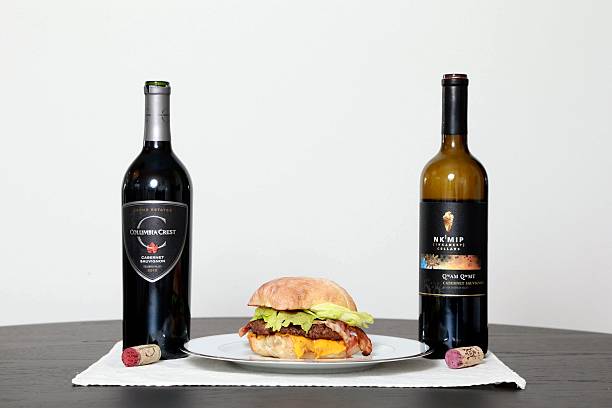
Pair a classic beef burger with a Cabernet Sauvignon to highlight the meat’s richness. The wine’s firm tannins cut through the juicy patty, while dark fruit flavors—blackcurrant, plum, and a hint of cedar—complement the charred crust.
Look for a bottle with moderate oak, which adds vanilla and spice that echo any pepper or caramelized onions in the topping. Serve the wine slightly below room temperature, around 60‑65°F, to keep the acidity bright and the fruit forward.
If you like extra heat, choose a Cabernet with a touch of peppery spice; it will mirror the burger’s seasoning without overwhelming it.
Key tip: match the wine’s body to the burger’s size—larger, stacked burgers pair best with a fuller‑bodied Cabernet, while a single patty works well with a lighter style. Enjoy the pairing with a side of crisp fries for a balanced meal.
Malbec
Malbec’s plush, jammy profile makes it an excellent companion for a beef burger loaded with smoky toppings. The wine delivers ripe blackberry, plum, and a whisper of chocolate that echo grilled meat and barbecue sauce.
Its soft tannins and moderate acidity keep the palate refreshed, preventing the burger’s fat from feeling heavy. Choose a Malbec from Argentina’s high‑altitude regions for bright minerality, or a French Cahors style for earthier depth if you’re adding mushrooms or blue cheese.
Serve slightly chilled, around 58‑62°F, to enhance fruit aromatics while maintaining structure. Pro tip: a Malbec with a subtle smoky finish will mirror the char on the patty, creating a harmonious flavor loop that elevates every bite.
Pair it with a side of roasted red peppers and a drizzle of olive oil to accent the wine’s earthy notes and round out the dining experience.
Zinfandel
Zinfandel’s bold, fruit‑forward character pairs beautifully with a juicy beef burger, especially when the toppings include caramelized onions or a spicy ketchup.
The wine bursts with ripe raspberry, black pepper, and a touch of cinnamon, which complement the burger’s savory depth and add a subtle heat that matches any pepper jack cheese.
Its higher alcohol content and generous body stand up to the richness of the meat, while a hint of smokiness mirrors the grill’s char. Opt for a California Zinfandel with balanced acidity to cut through the fat, and serve at 60‑65°F to keep the flavors lively.
Quick win: a Zinfandel with a slight jammy finish will enhance the burger’s natural sweetness, making each bite more satisfying.
Serve the burger on a toasted brioche bun with a slice of sharp cheddar, and the Zinfandel’s ripe berry notes will harmonize with the cheese’s tang, creating a memorable flavor pairing.
How to Pair Wine with Specialty Burgers
Turkey or Chicken Burgers
When pairing wine with turkey or chicken burgers, aim for light‑to‑medium whites that complement the mild poultry flavor without overwhelming it. A crisp Sauvignon Blanc offers bright acidity and herbaceous notes that cut through any avocado or pesto topping.
Chardonnay with subtle oak can match a buttery brioche bun and creamy sauces, while a Pinot Grigio provides a clean, citrusy backdrop for lettuce and tomato. If you prefer red, choose a light‑bodied Pinot Noir; its soft tannins and red‑fruit profile enhance grilled chicken without clashing with spice.
Keep the wine chilled (45‑55°F) to maintain freshness and let the burger’s subtle nuances shine.
Veggie and Black Bean Burgers
Veggie and black bean burgers call for wines that echo their earthy, sometimes spicy character while balancing plant‑based richness. Off‑dry Riesling delivers a touch of sweetness that offsets heat from jalapeños or chipotle mayo, and its acidity lifts the burger’s texture.
A dry rosé offers bright red‑fruit flavors and a crisp finish that pairs well with grilled zucchini or roasted peppers. For a bolder match, try a Zinfandel with soft tannins and jammy berries; it mirrors the smoky depth of black beans.
If you enjoy aromatics, a Gewürztraminer brings floral spice that harmonizes with cumin or coriander in the patty.
Lamb Burgers
Lamb burgers thrive with full‑bodied reds that can stand up to the meat’s gamy richness and any robust herbs like rosemary or mint. A Syrah/Shiraz offers dark fruit, peppery spice, and firm tannins that accentuate grilled lamb’s caramelized crust.
Cabernet Sauvignon provides structured tannins and black‑currant notes that cut through creamy feta or tzatziki toppings. For a Mediterranean twist, consider a Grenache—its bright red‑berry profile and subtle spice complement rosemary‑infused patties.
If you prefer a slightly softer edge, a Malbec delivers plush plum flavors and a velvety finish that melds beautifully with the lamb’s natural sweetness.
Fish Burgers
Fish burgers, whether made with salmon, cod, or tuna, pair best with crisp, aromatic whites that highlight the delicate seafood without drowning it. Albariño offers zesty citrus and saline notes that echo a lemon‑herb mayo or sea‑salted bun.
A Vermentino brings bright acidity and subtle herbal undertones, perfect for dill or caper toppings. For a touch of effervescence, a dry sparkling wine such as Prosecco adds lively bubbles that cleanse the palate between bites.
If you enjoy a hint of richness, a lightly oaked Chenin Blanc provides honeyed fruit and balanced acidity, enhancing grilled fish while keeping the overall profile fresh.
Tips for Matching Wine with Burger Toppings

Cheese Choices
Match the cheese on your burger with a wine that can either complement or contrast its richness. Sharp cheddar pairs well with a full‑bodied Zinfandel, whose fruit and spice cut through the cheese’s bite.
For Swiss or mild mozzarella, choose a crisp Sauvignon Blanc that highlights the milky texture without overwhelming it. Blue cheese lovers should reach for a sweet, slightly fortified Port, balancing the pungent tang.
When you use American cheese, a light‑to‑medium Pinot Noir offers soft tannins that echo the melt without clashing. Remember to consider the melt level; a creamy cheese benefits from a wine with bright acidity to keep the palate fresh.
Spicy Sauces
Spicy burger sauces demand a wine that can tame heat while enhancing flavor. Chipotle mayo works with a smoky, medium‑bodied Malbec; its soft tannins and dark fruit mellow the smoky heat.
For sriracha‑based sauces, try an off‑dry Riesling; the touch of sweetness offsets the peppery bite and its acidity lifts the richness. Jalapeño relish pairs nicely with a crisp, slightly bitter Grüner Veltliner, whose mineral edge cuts through the sharpness.
If you favor a honey‑mustard glaze, a lightly chilled rosé offers fruit‑forward notes that balance sweetness and spice. In each case, aim for a wine with enough fruit and a hint of residual sugar to soothe the palate without drowning the sauce.
Caramelized Onions
Sweet, buttery caramelized onions call for a wine that mirrors their depth without adding excess richness. Red wine lovers can choose a Merlot with soft tannins and plum‑forward notes that echo the onion’s caramel tones.
White wine fans might opt for an oaked Chardonnay; its buttery texture and subtle vanilla complement the onions’ sweetness. For a lighter touch, a dry Grenache offers bright red fruit and a hint of spice that lifts the dish.
If you enjoy a touch of acidity, a sparkling Prosecco can cut through the sugar‑laden layers, refreshing the palate between bites. The key is to match the wine’s fruit intensity to the onions’ natural sweetness for harmony.
Bacon and Smoke
Bacon’s salty, smoky character thrives with wines that can stand up to its intensity. Smoky BBQ bacon pairs beautifully with a robust Syrah; its peppery notes and firm tannins echo the charred meat.
For a maple‑glazed bacon, a slightly sweet, medium‑bodied Gewürztraminer balances the sweet‑savory contrast while its aromatic profile cuts through the fat. A classic bacon cheeseburger can be matched with an earthy Cabernet Sauvignon, whose dark fruit and structured tannins cleanse the palate.
If you prefer a lighter option, a chilled Beaujolais Nouveau offers bright red fruit and low tannins that lift the smoky richness without overwhelming it. Choose a wine with enough acidity or tannic grip to balance the bacon’s fat.
What to Look for in a Wine’s Flavor Profile
Acidity Balance
When pairing a burger, the wine’s acidity is the first lever to consider because it cuts through the richness of the meat and cheese while refreshing the palate between bites. Look for wines that showcase a bright, crisp acidity without overwhelming fruit sweetness.
A medium‑bodied red such as a Zinfandel or a cooler‑climate Pinot Noir often delivers that tangy lift, while a dry rosé or a light‑to‑medium white like Sauvignon Blanc can also provide the necessary zest.
The goal is to balance the burger’s fattiness, so the wine should feel lively and cleansing on the tongue, especially if the burger includes toppings like bacon, avocado, or a tangy barbecue sauce.
By matching the acidity level to the burger’s richness, you keep the overall dining experience harmonious and prevent the flavors from becoming heavy or cloying.
Tannin Levels
Tannins give structure and a drying sensation that can either complement or clash with a juicy burger, so choosing the right level is essential. For a classic beef patty with melted cheese, aim for moderate tannins that provide grip without overwhelming the meat’s savory juices.
A soft‑styled Cabernet Sauvignon, Merlot, or a Grenache‑based blend offers enough backbone to stand up to the protein while still feeling approachable.
If the burger is topped with strong flavors such as blue cheese, caramelized onions, or a smoky chipotle mayo, a wine with slightly higher tannin intensity—like a young Syrah or a Tempranillo—can cut through the richness and highlight the spice.
Conversely, overly tannic wines (e.g., very aged Cabernet or high‑tannin Nebbiolo) may dry out the palate and make the burger taste flat. Balancing tannin strength with the burger’s fat and seasoning ensures a harmonious mouthfeel that keeps each bite and sip enjoyable.
Fruit Forwardness
Fruit forward wines bring a burst of ripe flavors that can brighten a hearty burger and create a pleasing contrast to salty or smoky elements.
Look for vivid fruit notes—such as cherry, raspberry, or plum—in reds that are not overly oak‑driven, because the fruit will lift the meat’s umami without adding heaviness.
A New World Zinfandel, a California Pinot Noir, or a fruit‑rich Malbec delivers juicy berry and spice aromas that pair especially well with burgers topped with BBQ sauce, caramelized onions, or pepper jack cheese.
If you prefer a white, a lightly oaked Chardonnay with tropical fruit hints or an off‑dry Riesling with apricot and honey can also complement a turkey or veggie burger, balancing the lighter protein with a touch of sweetness.
By selecting a wine where fruit is the dominant character, you ensure the pairing remains bright, lively, and food‑friendly, keeping the burger experience exciting from start to finish.
Best Ways to Serve Wine with Burgers
Ideal Serving Temperature
When you serve a burger, the wine’s temperature can make or break the pairing. Aim for a slightly chilled red at 55‑58°F (13‑14°C) to keep tannins fresh without muting fruit.
If you prefer a white or rosé, serve it a touch cooler at 50‑52°F (10‑11°C) so acidity cuts through the richness of cheese and sauce. For lighter burgers with turkey or veggie patties, a cooler temperature preserves the wine’s bright aromatics.
Use a wine thermometer or the back‑of‑hand method—hold the bottle in your hand; it should feel cool but not icy. Let the wine rest in a bucket of ice water for five minutes for reds, or simply place a white wine in the fridge for 20 minutes.
Adjust the temperature by a degree or two based on the burger’s toppings and spice level.
Glassware Recommendations
Choosing the right glass enhances the burger‑wine experience by directing aromas and controlling sip size. For medium‑bodied reds like Merlot or Zinfandel, select a large‑bowl, slightly tapered glass that allows the wine to breathe and concentrates fruit notes toward the nose.
If you’re serving a crisp rosé or Sauvignon Blanc, a U‑shaped white‑wine glass with a narrower rim preserves acidity and highlights citrus aromatics. When pairing a bold, smoky burger with a Cabernet, a tall, sturdy Bordeaux glass helps channel the wine’s structure and softens tannins against the meat’s char.
Avoid overly narrow flute glasses, which trap the wine’s body and mute flavor. Keep glasses at a comfortable height, about 10‑12 inches, so guests can easily swirl and sniff. Clean the rims thoroughly to prevent residue from interfering with the wine’s delicate balance.
Decanting Tips
Decanting can unlock hidden flavors in wines that pair well with juicy burgers, especially robust reds that may be closed off when first opened.
For a Cabernet Sauvignon or Malbec, pour the wine into a decanter for 30‑45 minutes to expose it to oxygen, softening tannins and revealing dark fruit and spice notes that complement grilled beef. Use a clear, wide‑bottomed decanter to maximize surface area; swirl gently once poured to encourage even aeration.
If the wine shows a slight sediment, let it sit upright for an hour before decanting, then pour slowly, leaving the last ounce in the bottle. For lighter reds like Pinot Noir, a brief 10‑15 minute decant is sufficient to brighten acidity without over‑exposing delicate aromatics.
Always taste a small sip before serving to ensure the wine has reached the desired balance of fruit, acidity, and structure for the burger’s toppings.
Common Mistakes When Pairing Wine and Burgers
Choosing Overly Light Wines
Many home cooks reach for a crisp, low‑alcohol white such as Pinot Grigio or Sauvignon Blanc, assuming its acidity will cut through the burger’s richness.
The mistake is that these wines are often too delicate to stand up to a grilled patty, melted cheese, and smoky char, leaving the wine tasting thin and the burger overwhelming.
Instead, aim for a wine with enough body and tannin to match the meat’s texture, such as a medium‑bodied Merlot, Zinfandel, or a fruit‑forward Cabernet‑Franc. Key tip: choose a wine with 12‑14% alcohol and moderate acidity, which will complement the beef without being drowned out.
This balance lets the fruit flavors echo the caramelized crust while the tannins cleanse the palate between bites, creating a harmonious dining experience. Serve the wine slightly chilled, around 60°F, to enhance its fruit intensity and keep the meal refreshing.
Ignoring Burger Fat Content
Another frequent oversight is treating every burger the same, regardless of its fat level. A juicy double‑cheese burger with bacon carries significantly more grease than a lean turkey or veggie patty, and the wine must counterbalance that richness.
The error lies in picking a wine solely for its fruit profile without accounting for the burger’s fat content, which can mute flavors and make the wine taste sour.
Opt for wines that have bright acidity and a touch of residual sugar, such as a Grenache‑based blend, a chilled Barbera, or an off‑dry Riesling. Pro tip: the acidity cuts through fat, while a hint of sweetness softens the bitterness of charred edges.
When the wine’s structure mirrors the burger’s mouthfeel, each sip refreshes the palate, allowing the next bite to be as satisfying as the first.
Mismatching Sweetness
Sweetness is a subtle but powerful factor that many diners overlook when pairing wine with a burger. Selecting a dessert‑style wine or an overly ripe New World Shiraz can clash with the savory, salty, and sometimes spicy components of the sandwich.
The pitfall is that excessive sugar amplifies the perception of salt and can make the beef taste metallic, while too little sweetness may leave the palate feeling dry after a juicy patty.
Choose wines with balanced residual sugar, such as a slightly off‑dry rosé, a low‑alcohol Lambrusco, or a medium‑dry Malbec. Actionable tip: match the wine’s sweetness to any sweet condiments—think caramelized onions, barbecue glaze, or a fig jam—so the flavors echo rather than compete.
This harmony lets the wine highlight the burger’s umami while keeping the overall taste round and enjoyable.
Quick Pairing Cheat Sheet for Burgers
Red Wine Pairings
Choose a medium‑bodied red that can handle the beef without overwhelming it. Zinfandel offers ripe fruit and a touch of spice that complements classic cheeseburgers and smoky grill marks. For a leaner patty, Pinot Noir provides bright acidity and subtle earth notes that cut through cheese and toppings.
If you prefer a richer profile, Cabernet Sauvignon with firm tannins and dark berry flavors stands up to bacon‑topped or barbecue‑sauced burgers. Pairing a Merlot works well with mushroom‑laden or caramelized‑onion burgers, as its soft tannins and plum finish soften savory richness.
Keep the wine slightly chilled (around 60°F) to enhance freshness and ensure the fruit flavors stay lively against the hearty meat. Serve the wine in a large‑bowl glass to allow aroma development, and consider a side of pickles or a tangy slaw to echo the wine’s acidity.
A modest pour of 5‑6 ounces ensures the palate stays balanced throughout the meal.
White Wine Pairings
White wines can surprise burger lovers by offering bright contrast to rich meat. Chardonnay with moderate oak and buttery notes pairs nicely with grilled chicken or turkey burgers, especially when topped with avocado or creamy sauces.
For a crisp counterpoint, Sauvignon Blanc delivers citrus zest and herbaceous tones that cut through sharp cheddar and pickles, making each bite feel fresher. If you enjoy a slightly sweet edge, Riesling (off‑dry) balances the salt of bacon or caramelized onions while its acidity keeps the palate lively.
Pinot Grigio works well with fish‑style burgers or veggie patties, as its light body and subtle minerality let the toppings shine without competing. Serve whites chilled at 45‑50°F and use a tulip‑shaped glass to focus the aromatic profile.
Pair with a side of coleslaw or a light vinaigrette to echo the wine’s acidity and enhance the overall harmony.
Rosé and Sparkling Options
Rosé and sparkling wines bring festive fizz that lifts the burger experience. Dry Rosé offers red‑fruit brightness and a touch of acidity, making it a versatile match for classic beef burgers with lettuce, tomato, and a smear of aioli.
Its light tannins also complement spicy jalapeño or chipotle‑marinated patties without overwhelming heat. Prosecco or Champagne provides lively bubbles and crisp citrus notes that cut through greasy toppings like cheese‑stuffed or bacon‑laden burgers, refreshing the palate between bites.
For a fruitier sparkle, try an Asti Spumante, whose gentle sweetness balances smoky barbecue sauce and caramelized onions. Serve rosé slightly chilled at 55°F and sparkling wines at 45°F in flute or coupe glasses to preserve effervescence.
Pair with a side of sweet potato fries or a fresh herb salad; the acidity and carbonation will highlight the wine’s fruit character while keeping the meal light and enjoyable.
Frequently Asked Questions
What type of red wine pairs best with a classic beef burger?
A medium‑bodied red like a Zinfandel or a fruit‑forward Merlot complements the beef’s richness without overwhelming it.
Can I serve a white wine with a burger, and which one works?
Yes—an oaked Chardonnay or a crisp, aromatic Viognier can balance a juicy burger, especially if topped with cheese or caramelized onions.
What wine should I choose for a burger with spicy toppings?
A slightly sweet wine such as an off‑dry Riesling or a Gewürztraminer helps tame heat while matching bold flavors.
Is a rosé a good match for a burger?
A dry rosé with bright acidity and red fruit notes pairs nicely with burgers, especially those with fresh toppings like tomato and lettuce.
How does the cooking method affect wine selection for burgers?
Grilled burgers develop smoky char, which pairs well with smoky‑toned wines like Syrah or a smoky Cabernet Sauvignon, while pan‑seared burgers can work with smoother reds.
What wine goes well with a veggie or turkey burger?
Lighter reds such as Pinot Noir or a crisp white like Sauvignon Blanc complement the milder flavors of veggie or turkey patties.
Conclusion
Whether you crave a juicy beef patty, a spicy veggie burger, or a tangy blue‑cheese topping, the right wine can elevate every bite. Light, fruity reds like Pinot Noir or Zinfandel balance richness, while crisp whites such as Sauvignon Blanc or dry Rosé cut through fat and complement fresh toppings. Experiment, trust your palate, and enjoy pairing adventures that turn a simple burger into a memorable dining experience.