What Wine Goes With Bolognese
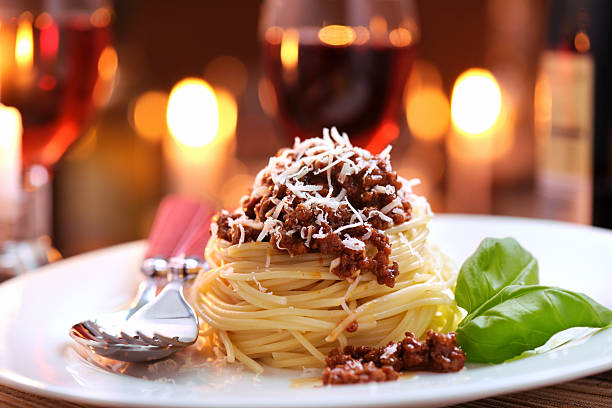
Looking for the perfect wine to elevate your hearty Bolognese? You’ve come to the right place. In the next few lines we’ll cut through the confusion and recommend the ideal reds and even a few surprising whites that complement the rich tomato‑meat sauce. Grab a glass, follow our guide, and enjoy a perfectly paired dinner without the guesswork. For any occasion tonight together.
What is Bolognese Sauce and Its Flavor Profile
Key ingredients that define the taste
Traditional Bolognese sauce builds its signature taste around a few core ingredients. Ground beef (or a mix of beef, pork, and veal) provides a deep, meaty backbone, while finely diced carrots, celery, and onions (soffritto) add subtle sweetness and aromatic depth.
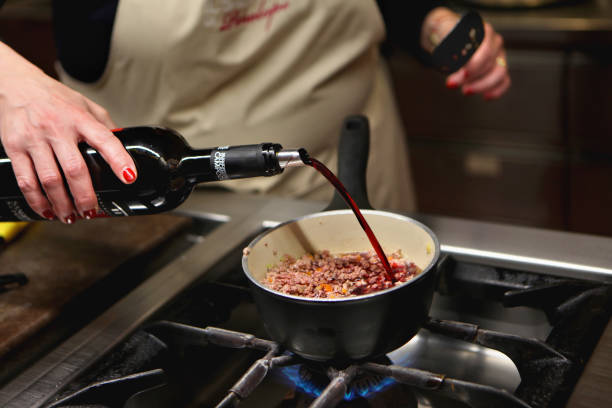
The sauce is enriched with tomato paste for a concentrated umami boost, and a splash of dry red wine not only deglazes the pan but also introduces bright acidity that balances the richness.
Finally, a modest amount of milk or cream softens the acidity and rounds out the flavor, creating a velvety mouthfeel.
When selecting a wine to accompany Bolognese, choose one that mirrors these layers: a medium‑bodied red with good acidity, such as a Chianti Classico, Barbera, or a young Sangiovese, will echo the sauce’s tomato‑wine harmony while cutting through the meat’s fat.
Typical seasoning and herbs
The seasoning palette of Bolognese is deliberately restrained to let the core ingredients shine, yet a few herbs add essential brightness. Fresh or dried oregano contributes a classic Italian note that pairs well with the acidity of the tomato base.
Bay leaves are simmered gently, imparting a subtle earthy aroma that deepens the sauce over time. A pinch of nutmeg—often overlooked—enhances the dairy component and adds a warm, nutty nuance.
For those who enjoy a hint of heat, a dash of crushed red pepper flakes can be introduced without overwhelming the balance.
When it comes to wine pairing, these herbaceous and spice layers call for a red with moderate tannins and a touch of spice itself; a Nebbiolo or a Zinfandel with peppery undertones can complement the oregano and nutmeg while maintaining harmony with the sauce’s savory depth.
Texture and richness factors
Texture is a defining characteristic of a true Bolognese, achieved through careful layering of fats and liquids.
The slow simmer of ground meat with a splash of olive oil creates a silky mouthfeel, while the gradual addition of broth (beef or chicken) keeps the sauce supple and prevents it from drying out.
The inclusion of milk early in the cooking process tenderizes the protein and contributes a creamy body that balances the acidity of tomatoes. As the sauce reduces, the fat from the meat and oil melds with the tomato paste, delivering a luxurious, almost buttery richness.
To match this depth, select a wine that offers both acidity and a round, velvety texture; a medium‑bodied Merlot with soft tannins or a Barolo with refined structure can mirror the sauce’s silkiness while cutting through the fat, ensuring each bite is complemented by a harmonious sip.
How to Choose Red Wine for Bolognese
Matching acidity with tomato base
Start by looking at the tomato‑rich sauce, which brings bright acidity to the dish. Choose a red that mirrors that zing without overwhelming it. Italian reds such as Chianti, Barbera, or Sangiovese offer crisp acidity and bright red fruit that echo the tomatoes’ tang.
Look for wines with moderate acidity (around 5‑6 g/L) and a clean finish so the sauce stays lively. Avoid overly soft or buttery styles that can make the sauce taste flat.
When tasting, note a fresh cherry or plum note followed by a subtle tart edge – that’s the sweet spot. Pairing a wine with matching acidity keeps the palate refreshed between bites and highlights the sauce’s natural brightness.
Check the label for clues like ‘secco’ or a cooler‑climate origin, which usually means higher acidity. A hillside Chianti Classico from Tuscany offers a bright, mineral edge that lifts the tomato base.
Balancing tannins and meat richness
Next, think about the meat component, which adds fat and protein that soften a wine’s tannic bite. Aim for a red with moderate tannins that can cut through the richness without feeling harsh.
Barolo, Montepulciano d’Abruzzo, or a Merlot‑based Bordeaux blend provide enough structure to lift the beef while staying supple. Look for wines with tannin levels around 3‑4 g/L and a smooth, rounded mouthfeel.
If the sauce includes pancetta or sausage, a wine with slightly higher tannins, such as a young Chianti Riserva, can help cleanse the palate. When you sip, notice a firm grip on the teeth followed by a velvety finish – that indicates the right balance.
Pairing the right tannin level ensures the meat stays juicy and the wine remains enjoyable, creating a harmonious mouthfeel. Serve the wine slightly below room temperature to keep the tannins soft and the fruit bright.
Considering body and alcohol level
Finally, match the wine’s body and alcohol to the overall weight of the Bolognese. A medium‑body red with 12‑13 % alcohol complements the hearty sauce without overwhelming it. Chianti Classico, Dolcetto d’Alba, or a soft‑styled Zinfandel deliver enough fruit and texture to sit comfortably beside the meat and tomato blend.
High‑alcohol wines (above 14 %) can accentuate the sauce’s sweetness and make the dish feel heavier, while very light wines may disappear against the richness. Check the label for ABV and look for descriptors like ‘elegante’ or ‘equilibrato’ that hint at a balanced profile.
When you pour, notice a round, plush mouthfeel that mirrors the sauce’s creaminess, and a gentle warmth that lifts the flavors without burning. Choosing the right body and alcohol level ensures the wine supports the dish from start to finish today.
Best Red Wine Varieties for Bolognese

Chianti Classico and Sangiovese
When pairing Bolognese, reach for a Chianti Classico or a pure Sangiovese. High acidity cuts through the meat’s richness, while moderate tannins support the tomato base without overwhelming herbs.
Look for a wine aged a few years in oak; this adds subtle spice and a hint of vanilla that mirrors the sauce’s simmered aromatics. Serve slightly below room temperature (around 60°F) to keep the fruit bright and the structure supple.
Decant for 20‑30 minutes if the wine is young, allowing it to open up and integrate with the dish’s complex layers. Pair it with a generous sprinkle of Parmigiano-Reggiano for extra depth, and the wine’s cherry notes will echo the sauce’s sweetness.
Barbera d’Asti
Barbera d’Asti is a classic Italian match for Bolognese because its bright acidity lifts the sauce, while soft tannins let the meat’s fat glide smoothly. The wine’s ripe red‑fruit profile—think plum, raspberry, and a touch of black‑cherry—mirrors the tomato’s natural sweetness, creating harmony on the palate.
Choose a bottling from the 2018‑2020 vintage for balanced fruit and subtle oak influence. Serve at 58‑62°F and let it breathe for 15 minutes to soften any sharp edges. A small drizzle of extra‑virgin olive oil on the pasta will accentuate the wine’s subtle peppery finish, enhancing the overall experience.
Enjoy the pairing with a side of roasted vegetables to bring out the wine’s earthy undertones.
Montepulciano d’Abruzzo
Montepulciano d’Abruzzo offers a robust body and deep plum flavors that stand up to the hearty Bolognese sauce. Its moderate acidity balances the tomato base, while a hint of spice and dried herbs echoes the oregano and bay leaf in the ragù.
Opt for a wine aged 2‑3 years in stainless steel or neutral oak to preserve fruit purity and avoid overpowering oak tannins. Serve slightly chilled at 60‑64°F to keep the palate fresh.
Before plating, stir a spoonful of butter into the sauce; this silky addition will sync with the wine’s velvety texture, creating a seamless, comforting dining experience.
Zinfandel and other options
If you prefer a bolder, fruit‑forward choice, a Zinfandel can surprise with its jammy blackberry and peppery notes that complement the richness of Bolognese. The wine’s higher alcohol adds warmth, while soft tannins keep the sauce from feeling heavy.
Choose a medium‑bodied Zinfandel with modest oak to avoid clashing with the herbs. For those seeking alternatives, consider a Grenache‑based blend from Southern France or a Tempranillo from Rioja, both offering bright acidity and red‑fruit character.
Serve any of these at 62‑65°F and allow a brief 10‑minute aeration to let the aromatics open, ensuring a balanced, enjoyable pairing. Pair the wine with a garnish of fresh basil to highlight the herbal nuances and complete the flavor dialogue.
Tips for Pairing White Wine with Bolognese
When a white works better
When the sauce leans toward a lighter, tomato‑forward profile or includes a splash of white wine during cooking, a white can actually enhance the dish. Choose a wine with bright acidity to cut through the meat’s richness and to match the tang of the tomatoes.
Look for a palate that offers subtle fruit notes rather than heavy oak, so the wine supports the herbs and pork without overwhelming them. A crisp white also pairs well when the Bolognese is served over delicate pastas such as tagliatelle or pappardelle, allowing the noodles to stay light.
Avoid overly buttery or high‑alcohol whites, as they can mask the sauce’s nuance. By selecting a white that mirrors the sauce’s acidity and bright flavors, you create a harmonious balance that lets both food and wine shine.
This pairing works especially well with a modestly seasoned Bolognese that isn’t overloaded with cream.
Top white choices: Verdicchio, Soave
Two Italian whites that consistently rise to the occasion with Bolognese are Verdicchio and Soave. Verdicchio from the Marche region delivers a lively citrus core, a hint of almond, and a mineral backbone that mirrors the sauce’s tomato acidity while standing up to the pork’s fattiness.
Its medium body and crisp finish keep the palate refreshed between bites. Soave, made primarily from the Garganega grape in Veneto, offers delicate stone‑fruit aromas, subtle floral notes, and a clean, slightly nutty texture that complements the herbs and Parmesan often sprinkled on top.
Both wines are low in oak influence, allowing the natural fruit and acidity to shine. When choosing between them, consider the overall seasoning: Verdicchio pairs nicely with a herb‑heavy Bolognese, whereas Soave shines when the sauce leans toward sweeter carrot and celery notes today.
Serving temperature and style
Serving temperature can make or break the harmony between white wine and a rich Bolognese. Aim for a chill of 10‑12 °C (50‑54 °F); this is cool enough to preserve the wine’s acidity and bright fruit, yet warm enough to let its subtle flavors emerge.
Over‑chilling dulls the nuanced almond and stone‑fruit notes of Verdicchio and Soave, while a too‑warm pour can accentuate alcohol and mask the sauce’s delicate balance.
Consider the style of the wine: a lightly sparkling or slightly frizzante version of these whites can add a refreshing lift, cutting through the meat’s fattiness and highlighting the herbs.
If you prefer a still wine, serve it in a white‑wine glass with a slightly tapered rim to concentrate the aromas toward the nose. By respecting temperature and glassware, you ensure each sip complements the savory depth of the Bolognese.
How to Pair Sparkling Wine with Bolognese
Why bubbles can cut richness
Sparkling wine’s lively acidity and fine carbonation act as a palate cleanser, cutting through the dense, meat‑laden sauce of a classic Bolognese. The bubbles lift fat and protein, creating a refreshing contrast that prevents the dish from feeling heavy.
High acidity balances the tomato’s tang, while effervescence softens the richness of ground beef and pork. This dynamic interplay keeps each bite bright, allowing the herbs, garlic, and Parmesan to shine without being masked.
Choose a wine with enough body to stand up to the sauce, but not so overpowering that it overwhelms the subtle spices. The result is a harmonious dining experience where the wine refreshes the palate and the Bolognese remains flavorful and satisfying.
Additionally, the gentle fizz helps to highlight the sweet notes of carrots and celery, making the overall flavor profile more layered and enjoyable.
Recommended sparkling options
When selecting a sparkling wine for Bolognese, look for styles that offer bright acidity, moderate fruit, and a fine mousse. Prosecco from the Veneto region provides crisp green‑apple and pear notes with a light body that lifts the sauce without competing with its depth.
For a richer texture, Franciacorta—Italy’s method‑sparkling wine—delivers creamy mousse, subtle citrus, and a hint of almond, which pairs beautifully with the meat’s umami. If you prefer a drier, more mineral profile, Champagne (non‑vintage Brut) offers high acidity, fine bubbles, and toasted brioche flavors that echo the Parmesan garnish.
Cava from Spain is another budget‑friendly choice, offering bright lemon zest and a clean finish that cuts through the sauce’s fattiness. Aim for wines with a dosage around 12‑15 g/L to maintain enough sweetness to balance the tomato’s acidity while preserving the refreshing bite.
Serving suggestions
To maximize the harmony between sparkling wine and Bolognese, serve the wine chilled at 45‑50 °F (7‑10 °C) and the pasta hot, freshly tossed. Start each course with a small sip before the first forkful; the acidity will prime your palate for the sauce’s depth.
Pair the wine with a wide‑rimmed bowl of tagliatelle or pappardelle, allowing the noodles to capture the sauce and the bubbles to rise through the broth.
Add a light drizzle of extra‑virgin olive oil and a shaving of Parmigiano‑Reggiano just before serving; the oil’s silkiness and cheese’s saltiness are amplified by the wine’s crisp finish.
For a complete meal, accompany the dish with a simple arugula salad dressed in lemon vinaigrette, which echoes the wine’s citrus notes and keeps the overall experience bright and balanced.
Serve the glasses on a wooden tray to keep them cool longer, and encourage guests to swirl gently to release the aromatics before sipping.
Best Ways to Serve Wine with Bolognese Meal
Decanting and aeration tips
Before pouring, give your red wine a brief aeration to soften tannins and release aromatic fruit. Decant for 20‑30 minutes if you choose a full‑bodied Sangiovese or Barolo; younger Chianti benefits from a shorter 10‑15 minute swirl in a decanter.
For lighter reds such as Dolcetto, a simple glass swirl is enough to open the nose. Use a clean, wide‑bowl decanter that allows maximum surface area exposure. If you lack a decanter, pour the wine into a large pitcher or a clean jar, then let it sit uncovered.
Remember to taste after the initial period; if the flavors still seem tight, give it another five minutes. Proper aeration not only enhances the sauce‑matching fruit notes but also reduces any harsh edge, creating a smoother partnership with the rich meat and tomato base of Bolognese.
Glassware and portion size
Choosing the right glass enhances aroma perception and sip control, especially with a hearty Bolognese sauce. Opt for a large‑bowl, Bordeaux‑style glass for robust reds like Nebbiolo or a medium‑curved glass for softer Sangiovese; the wider rim allows the wine’s fruit and spice to swirl freely.
Avoid narrow, flute‑like glasses that trap aromas and mute the wine’s complexity. When serving, pour about 5‑6 ounces (150‑180 ml) per person; this size lets the wine breathe while preventing over‑indulgence.
If you’re offering multiple courses, start with a lighter red and reserve the fuller bodied option for the main dish. For a casual family dinner, a single carafe of 750 ml split among guests works well, but always refill only after the glass is emptied to maintain consistent temperature.
Proper glassware and portion control keep the wine’s balance aligned with the richness of the meat, cheese, and tomato layers.
Pairing with side dishes and cheese
Complement the wine‑and‑Bolognese duo by selecting side dishes and cheeses that echo the sauce’s depth without overwhelming it. A classic parmesan‑crusted bruschetta adds a salty crunch that highlights the wine’s acidity; the hard cheese also mirrors the tannic structure of a Chianti.
For a richer experience, serve a small aged Pecorino Toscano slice; its sharp, nutty notes enhance the earthy undertones of a Barolo. If you prefer a lighter touch, a mixed green salad with balsamic vinaigrette provides bright acidity that refreshes the palate between bites.
Pairing a roasted vegetable medley—especially carrots, zucchini, and bell peppers—brings natural sweetness that balances the wine’s fruit profile. Keep portions modest, allowing the wine to remain the star while the accompaniments add texture and contrast, creating a harmonious, restaurant‑quality meal at home.
Finish the dinner with a light drizzle of extra‑virgin olive oil over the salad to further lift the wine’s fruitiness and tie the flavors together.
Common Pairing Mistakes to Avoid
Overpowering the sauce
One frequent error is selecting a wine that overwhelms the rich, meaty sauce. Heavy, high‑alcohol reds such as a 2015 Barolo or an overly tannic Cabernet Sauvignon can dominate the delicate balance of tomato, pork, and beef, leaving the nuanced herbs and umami muted.
Match the wine’s body to the sauce’s texture by opting for a medium‑bodied red with moderate tannins, like a Chianti Classico or a Sangiovese‑based blend. These wines provide enough acidity to cut through the fat while complementing the herbaceous notes without drowning them.
When you keep the wine’s intensity in check, the bolognese shines, and each sip enhances the savory depth rather than eclipsing it. Also, avoid serving the wine at too warm a temperature; a slightly cooler red preserves freshness and prevents the alcohol from becoming cloying.
Serve the bottle at around 60°F (16°C) to maintain balance.
Choosing overly sweet wines
Another common misstep is reaching for a sweet or semi‑sweet wine, assuming the acidity of the tomatoes will balance the sugar.
In practice, the caramelized notes of a dessert‑style Lambrusco or a Riesling Spätlese clash with the savory depth of the bolognese, making the sauce taste flat and the wine cloyingly sweet.
Select dry, fruit‑forward reds that offer bright acidity without residual sugar, such as a Montepulciano d’Abruzzo or a Nero d’Avola. These varieties highlight the tomato’s brightness while supporting the meat’s richness.
If you prefer a white, choose a crisp, bone‑dry Verdicchio or a lightly oaked Pinot Grigio, which provide enough acidity to lift the sauce without introducing sweetness. Staying clear of sugary profiles ensures the wine acts as a bridge, not a barrier, between palate and plate.
Taste the wine first; if the fruit flavors dominate, switch to a more restrained option.
Ignoring regional traditions
Finally, overlooking the culinary heritage of Italy leads many to pair bolognese with wines that simply do not belong to its region. While any good red can work, the classic pairing is with a local Emilia‑Romagna wine such as a Lambrusco di Sorbara (dry style) or a Sangiovese‑based Gutturnio.
These wines were crafted to complement the same ingredients—tomato, pork, and Parmigiano—that define the sauce. Honor the regional match by selecting a wine that shares the same terroir, which naturally balances acidity, tannin, and fruit profile.
If you cannot find a true Emilia‑Romagna label, choose a nearby Piedmont Barbera or a Tuscan Chianti, both of which echo the regional acidity and moderate body needed for bolognese.
Ignoring these traditions often results in a mismatch where the wine either masks the sauce’s complexity or feels out of place on the palate.
Frequently Asked Questions
What type of red wine pairs best with Bolognese sauce?
Medium‑to‑full‑bodied reds with good acidity, such as Chianti Classico, Sangiovese, or Barolo, complement the rich meat and tomato flavors of Bolognese. Their bright acidity cuts through the fat while the tannins enhance the savory depth.
Can a white wine work with Bolognese?
Yes, a full‑bodied white with acidity, like a dry Italian Verdicchio or an oaked Chardonnay, can balance the sauce’s richness. Choose a wine with enough structure to stand up to the meat and tomato base.
Why is acidity important when pairing wine with Bolognese?
The tomato component adds natural acidity, so a wine with similar or slightly higher acidity refreshes the palate and prevents the dish from feeling heavy. It also helps highlight the herbs and spices in the sauce.
Is a rosé a good match for Bolognese?
A dry, crisp rosé—especially one from Provence or a Sangiovese‑based rosé—can be a versatile partner. Its bright fruit and acidity provide a refreshing contrast while still supporting the meat flavors.
Should I consider the pasta type when choosing a wine for Bolognese?
While the sauce is the dominant factor, heartier pasta like tagliatelle or pappardelle benefits from a fuller‑bodied wine, whereas thinner pasta such as spaghetti can work with slightly lighter reds. Match the wine’s weight to the overall richness of the dish.
What are some budget‑friendly wine options for Bolognese?
Look for affordable Italian reds like Montepulciano d’Abruzzo, Chianti Rosso, or a basic Nero d’Avola. These wines deliver the necessary acidity and fruit without breaking the bank.
Conclusion
In short, a robust, medium‑bodied red such as Chianti, Barolo, or a Sangiovese blend pairs beautifully with the rich, meaty flavors of Bolognese, while a fuller‑bodied Cabernet or a structured Merlot also works well. Remember to match the wine’s acidity and tannins to the sauce’s tomato base and meat depth. Experiment, enjoy, and let your palate guide you to the perfect pairing.