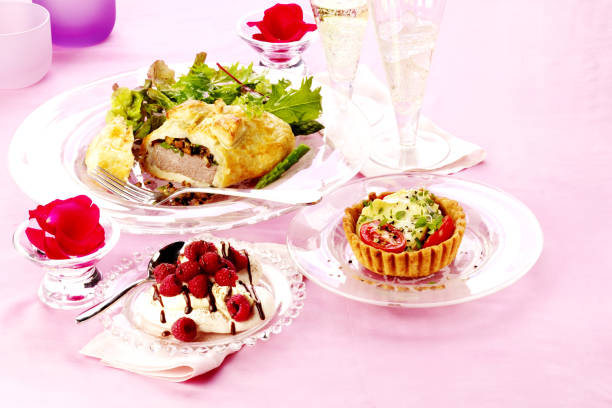
What Wine Goes With Beef Wellington
Choosing the perfect wine for Beef Wellington doesn’t have to be a mystery. In the next few lines, we’ll quickly guide you to the ideal pairing, balancing the dish’s buttery puff pastry, tender filet, and earthy mushroom duxelles. Expect recommendations ranging from classic French reds to elegant New World options, plus tips on serving temperature and why each choice shines. By the end, you’ll know exactly which bottle to uncork for a show‑stopping dinner tonight together.
How to Choose the Right Red Wine for Beef Wellington
Key flavor profiles to match
Start by identifying the dominant flavors in Beef Wellington: a buttery puff pastry, earthy mushroom duxelles, and a juicy, slightly gamey beef tenderloin.
Look for a red wine that mirrors these elements with rich dark fruit like blackcurrant or plum, earthy undertones such as truffle or forest floor, and a hint of soft oak to echo the pastry crust.
A moderate acidity will cut through the richness, while a subtle spice note can complement the herb‑infused duxelles. Choose wines that balance fruit and earth without overwhelming the dish; this harmony lets each bite and sip reinforce the other.
By matching the wine’s flavor profile to the dish’s layers, you create a seamless dining experience that feels both elegant and comforting. Serve the wine slightly chilled, around 16‑18°C, to enhance its freshness and keep the palate lively throughout the meal.
Preferred grape varieties
When selecting a wine for Beef Wellington, focus on grape varieties that naturally produce the balance you need. Cabernet Sauvignon offers firm tannins and blackcurrant depth, ideal if you prefer a more robust backbone. Merlot brings plush plum and soft tannins, complementing the buttery pastry without overpowering the duxelles.
For a classic pairing, Pinot Noir—especially from Burgundy or Oregon—delivers delicate cherry notes, subtle earth, and a silky texture that mirrors the tenderloin’s melt‑in‑the‑mouth quality. Bordeaux blends (Cabernet‑Merlot‑Cabernet Franc) combine structure and complexity, providing layered flavors of tobacco, cedar, and ripe berries that echo the dish’s richness.
Syrah/Shiraz can be a bold alternative, offering peppery spice and dark fruit that stand up to the hearty pastry. Choose a variety that matches your personal palate strength: lighter Pinot for subtle elegance, or fuller Cabernet‑based blends for a more pronounced, celebratory feel.
Typical body and tannin levels
Pay attention to the wine’s body and tannin structure to ensure it harmonizes with the layered richness of Beef Wellington. Aim for a medium‑to‑full body that can stand up to the buttery puff pastry and the dense mushroom duxelles without feeling thin.
Moderate tannins are essential: they provide a gentle grip that cleanses the palate after each bite, yet remain supple enough not to clash with the tenderloin’s delicate texture. Wines with silky, integrated tannins—such as a well‑aged Merlot or a refined Bordeaux blend—deliver a smooth mouthfeel that mirrors the dish’s elegance.
If you prefer a lighter profile, a Pinot Noir with soft, fine‑grained tannins offers enough structure to support the flavors while preserving a graceful finish. Balance the wine’s weight with a touch of acidity; this combination keeps the overall experience lively and prevents the richness from becoming overwhelming.
What is the Classic Pairing: Pinot Noir and Beef Wellington
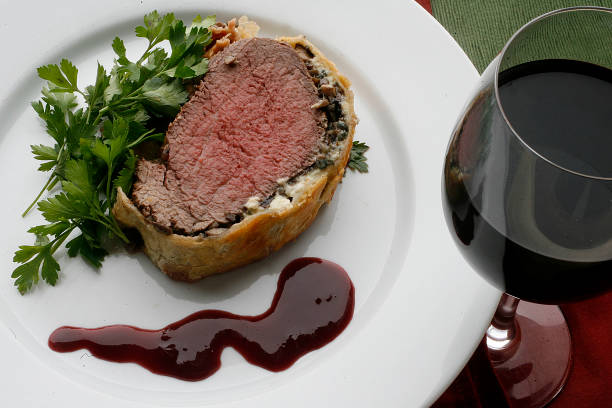
Why Pinot Noir works
Pinot Noir’s bright acidity and subtle tannins cut through the buttery puff pastry and rich beef tenderloin in a Wellington, while its red‑fruit aromas echo the earthy mushroom duxelles. Balance acidity with richness to keep the palate refreshed, preventing the fat from feeling heavy.
The wine’s delicate spice notes complement the herb‑infused pâté, creating a seamless flavor bridge. Because Pinot Noir is lighter than most reds, it won’t overpower the nuanced layers of the dish, allowing the beef’s natural juices to shine.
Choose a bottle with moderate alcohol (around 12‑13%) to maintain elegance, and look for a wine that shows a hint of earthiness to mirror the mushrooms. This synergy makes Pinot Noir the classic, go‑to pairing for Beef Wellington, delivering harmony rather than competition on the plate.
Serve it alongside a light salad to further accentuate the wine’s freshness and keep the dining experience balanced.
Serving temperature tips
Serving Pinot Noir at the right temperature unlocks its fruit‑forward character and softens any harsh edges, ensuring it enhances Beef Wellington rather than masks it. Aim for 55‑58°F (13‑14°C); this cool‑room range preserves acidity while allowing subtle aromatics to rise.
If the wine is too cold, the bouquet will be muted and tannins may feel tighter; if too warm, alcohol can dominate and the delicate spice notes fade.
To achieve the ideal chill, place the bottle in the refrigerator for 30‑45 minutes before service, or use an ice bucket with a 1:1 ice‑water mix for a quicker drop.
Let the wine breathe for 10‑15 minutes after opening to let flavors integrate, especially for more structured Pinot Noir from cooler climates. These temperature and aeration steps create a harmonious mouthfeel that mirrors the Wellington’s buttery layers and savory depth.
Recommended Pinot Noir regions
Pinot Noir thrives in cool climates that preserve its delicate fruit profile, making certain regions perfect companions for Beef Wellington. Burgundy’s Côte de Nuits delivers classic cherry‑and‑earth notes with fine tannins that echo the mushroom duxelles and pâté.
For a slightly richer texture, look to California’s Russian River Valley, where ripe red berries mingle with subtle oak, adding a gentle roundness that balances the buttery puff pastry. Oregon’s Willamette Valley offers bright acidity and a hint of spice, cutting through the richness while complementing the herb‑infused layers.
If you prefer an elegant, restrained style, try New Zealand’s Central Otago, known for its vibrant cranberry flavors and crisp minerality that lift the dish’s depth.
Selecting a Pinot from any of these regions ensures the wine’s aromatic complexity and balanced structure enhance the Wellington’s savory layers, creating a cohesive dining experience that feels both refined and comforting.
Best Ways to Pair Full‑Bodied Reds with Beef Wellington
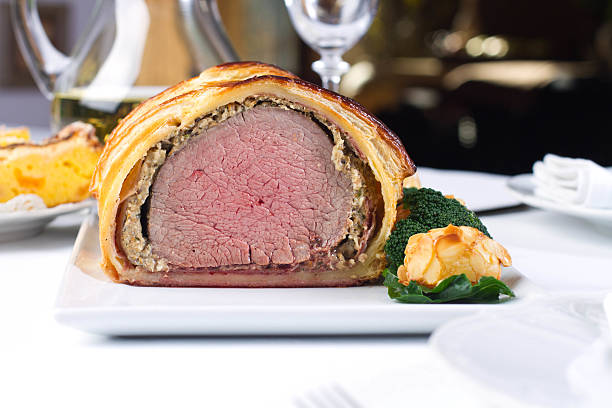
Using Cabernet Sauvignon
Start by selecting a Cabernet Sauvignon that offers firm tannins and ripe dark fruit, which cut through the buttery puff pastry and complement the beef’s richness. Choose a wine with 13‑14% alcohol to match the dish’s intensity without overwhelming it.
Look for notes of blackcurrant, cedar, and a hint of vanilla from oak aging; these flavors echo the mushroom duxelles and pâté. Serve the wine slightly cooler than room temperature, around 60‑64°F, to keep the fruit forward and the tannins supple.
Decant for 30 minutes to allow the wine to open up, revealing layered complexity that mirrors the multi‑textured Wellington. Pairing this Cabernet with a well‑seared filet ensures each bite is balanced by the wine’s structure and aromatic depth, creating a harmonious dining experience.
Additionally, a subtle hint of graphite or tobacco on the finish can enhance the savory notes of the pâté and the earthiness of the mushrooms, making every sip a complement to the plate.
Considering Merlot options
Opt for a Merlot that balances plush fruit with soft tannins, creating a gentle backdrop for the delicate layers of Beef Wellington. Select a bottle with 12‑13.5% alcohol to keep the palate supple and avoid masking the dish’s subtle flavors.
Look for aromas of plum, black cherry, and a touch of chocolate, which echo the richness of the beef and the buttery crust. Serve the Merlot at 58‑62°F, slightly cooler than typical reds, to highlight its silky texture and fruit-forward profile.
Allow the wine to breathe for 15‑20 minutes in a glass to soften any edge and bring forward its velvety mouthfeel.
Pairing this Merlot with a medium‑rare filet ensures the wine’s roundness complements the tender meat, while its gentle spice notes lift the herbal nuances of the thyme‑infused duxelles, delivering a cohesive and elegant dining experience.
When to choose Syrah
Choose a Syrah that offers peppery spice and dark fruit intensity, perfect for standing up to the robust flavors of Beef Wellington. Aim for a wine with 13.5‑14.5% alcohol to provide enough body without overwhelming the palate.
Seek out notes of blackberry, smoked paprika, and a subtle hint of leather, which mirror the savory depth of the mushroom duxelles and the richness of the pâté. Serve the Syrah slightly warmer, around 64‑66°F, to let its bold character shine while maintaining a smooth finish.
Give the wine 20‑30 minutes of gentle aeration to soften any harsh tannins and reveal its layered complexity.
Pair this Syrah with a well‑seared filet and a crisp puff pastry; the wine’s spicy backbone will cut through the buttery crust, while its fruit backbone amplifies the beef’s juiciness, resulting in a balanced and memorable pairing.
Tips for Matching Wine with Different Beef Wellington Variations
Mushroom duxelles impact
The earthy richness of mushroom duxelles calls for a wine that can echo its umami while cutting through the buttery pastry. Choose a medium‑bodied Pinot Noir from Burgundy or Oregon; its bright red fruit and subtle earth tones complement the mushrooms without overwhelming the beef.
If you prefer a fuller palate, a Merlot with soft tannins and a hint of plum will balance the savory depth and keep the dish elegant. Avoid overly tannic reds like Cabernet Sauvignon, which can clash with the delicate mushroom flavor.
A lightly oaked Chardonnay can also work, offering a creamy texture that mirrors the duxelles’ mouthfeel, but keep the oak influence modest to let the earthiness shine. Serve the wine slightly chilled (15‑16 °C) to enhance freshness and maintain harmony between the earth‑forward duxelles and the tender beef.
Prosciutto vs. pâté
Prosciutto and pâté each bring a distinct texture and flavor that shift the wine pairing game for Beef Wellington. When using prosciutto, the salty, cured meat adds a savory snap that pairs beautifully with wines offering bright acidity and moderate tannins.
A classic Chianti Classico provides red cherry notes and a firm backbone that cuts through the salt while echoing the herbaceous undertones of the crust. For a richer, buttery pâté layer, look for a wine with plush fruit and gentle spice.
A Burgundy Pinot Noir with silky tannins and hints of mushroom aligns with the pâté’s depth, while a Riesling (off‑dry) brings a touch of sweetness that balances the richness without overwhelming the beef.
Avoid overly acidic whites like Sauvignon Blanc, which can clash with the fat of the pâté, and steer clear of overly oaky reds that may mask the delicate flavors of both fillings.
Gluten‑free crust considerations
Switching to a gluten‑free crust—often made from almond flour, rice flour, or a nut‑based pastry—alters the texture and introduces nutty, slightly sweet notes that influence wine selection. Opt for a wine with subtle fruit and restrained oak to let the crust’s delicate crumb shine without being overpowered.
A Grenache‑based rosé offers red berry freshness and a crisp finish that mirrors the lightness of almond flour while providing enough acidity to cut through the beef’s richness.
If you prefer a still red, a Gamay (Beaujolais) delivers bright raspberry flavors and low tannins, complementing the nutty crust and preserving the dish’s elegance. For those who enjoy white wines, a Viognier with aromatic stone‑fruit aromas and a creamy mouthfeel can echo the subtle sweetness of a rice‑flour crust.
Steer clear of heavily oaked Chardonnay, whose bold butteriness may clash with the crust’s subtle nutty profile, and avoid high‑alcohol wines that could overwhelm the nuanced flavors.
How to Pair Wine When Serving Beef Wellington at a Dinner Party
Balancing multiple dishes
Start by choosing a wine that can bridge the richness of Beef Wellington and the flavors of the other courses.
Select a medium‑to‑full‑bodied red such as a Bordeaux blend or a mature Pinot Noir; these wines have enough tannin to cut through the pastry and pâté while remaining supple enough for lighter appetizers. Taste the wine alongside a small bite of each dish during a rehearsal run to confirm harmony.
If you plan to serve a seafood starter, keep a chilled glass of Chardonnay on hand for that course, then transition to the red for the main. Serve the wine slightly cooler than room temperature (around 60°F) to preserve fruit freshness and prevent the alcohol from overwhelming delicate palate nuances.
By mapping the wine’s profile to each plate ahead of time, you ensure a seamless flow that enhances every bite.
Wine quantity and pacing
Plan the amount of wine you pour so guests can enjoy the pairing without feeling rushed or wasteful.
Allocate one 5‑oz pour per person for the first two courses, then increase to a 6‑oz pour when the Beef Wellington arrives, as the richer sauce calls for a fuller expression of the wine.
Use a timed service schedule: serve the starter wine 5 minutes before the plates, let the wine breathe for 10 minutes, then present the second pour just as the main is placed on the table.
Offer a water palate cleanser between pours to reset taste buds and keep the wine’s acidity bright. If the dinner stretches beyond three hours, replace the original bottle with a younger, fruit‑forward version of the same varietal to maintain freshness.
By controlling volume and timing, you keep the wine’s structure aligned with the meal’s rhythm.
Pairing with side dishes
Match the wine not only to the Beef Wellington but also to its accompanying sides, ensuring a cohesive flavor narrative. Roasted root vegetables such as carrots and parsnips benefit from the wine’s subtle oak, which highlights their caramelized sweetness.
Green beans almondine introduce a buttery, nutty element; a wine with a hint of earthiness, like a Merlot or a lightly oaked Syrah, will echo that profile without overpowering the beef.
For a creamy mushroom duxelles layer, choose a Pinot Noir with bright red‑fruit notes that cut through the richness and keep the palate lively. When plating, place the wine glass slightly to the right of the main plate so guests can sip as they transition between sides.
Taste each side with a sip before the next bite to confirm balance, adjusting the pour if the dish feels too dominant. This deliberate coordination turns the dinner into a harmonious tasting experience.
What to Avoid When Pairing Wine with Beef Wellington
Overly tannic wines
Overly tannic reds can clash with the delicate puff pastry and buttery mushroom duxelles of Beef Wellington. High tannin levels create a drying sensation that overwhelms the tender beef and masks the subtle herbaceous notes.
Choose wines with softer structure, such as a lightly oaked Pinot Noir or a Merlot with moderate tannins, instead of a young Cabernet Sauvignon or a heavily tannic Syrah.
Avoid wines with astringent grip and focus on those that offer gentle fruit and a silky mouthfeel, allowing the dish’s layers of flavor to shine without competition. By steering clear of excessive tannins, you preserve the balance between meat richness and pastry crispness, ensuring a harmonious dining experience.
Pairing with a wine that has low to medium tannin also helps the mushroom duxelles retain its earthy aroma, while the subtle acidity keeps the palate refreshed between bites.
High‑acid whites
High‑acid white wines, such as a sharply citrusy Sauvignon Blanc or a crisp Albariño, can dominate the nuanced flavors of Beef Wellington. Excessive acidity highlights the buttery pastry and can make the rich beef taste flat, disrupting the intended balance.
Instead, opt for whites with moderate acidity and a touch of roundness, like a lightly oaked Chardonnay or a Viognier with aromatic spice.
Avoid wines that scream lemon or green apple and choose those that provide subtle fruit and a creamy texture, which complement the mushroom duxelles and the tenderloin without overwhelming them.
By selecting a white with balanced acidity, you allow the dish’s savory depth to shine while maintaining a refreshing finish that cleanses the palate between bites.
A wine that offers soft minerality and a hint of stone fruit will echo the earthy notes of the duxelles, creating a cohesive pairing without the harsh edge of high acidity.
Heavy oak influence
Heavy oak influence in red wines, such as a heavily barrel‑aged Cabernet or a New World Syrah, can mask the delicate layers of Beef Wellington. Dominant oak flavors like vanilla, smoke, and toast compete with the mushroom duxelles and the buttery puff pastry, leading to a muddled palate.
Opt for wines with subtle oak integration, like a lightly oaked Pinot Noir or a Bordeaux‑style blend with restrained aging. These choices provide enough structure to support the beef while allowing the subtle herbal and earthy components to remain audible.
Avoid wines that are overly smoky or vanilla‑forward, as they will dominate the dish’s nuanced profile. By selecting a wine with balanced oak, you preserve the harmony between the meat’s richness and the pastry’s crispness, delivering a refined and enjoyable pairing.
A wine that shows gentle spice and a hint of red fruit will echo the thyme and shallot notes in the duxelles, creating a seamless integration without the weight of heavy oak.
Best Ways to Store and Serve Your Chosen Wine
Proper decanting techniques
When you’ve selected a classic Bordeaux or a rich Pinot Noir to accompany Beef Wellington, proper decanting unlocks its full potential. Start by letting the bottle rest upright for at least 24 hours to allow sediment to settle.
Open the cork gently and pour a small amount into a glass to check for any off‑aromas. Use a clean, wide‑mouth decanter and slowly tilt the bottle, allowing the wine to glide along the glass wall; this minimizes agitation and preserves delicate tannins.
For younger reds, aim for a 30‑ to 45‑minute decant, while mature vintages may need only 10‑15 minutes to breathe. If you lack a decanter, a large pitcher or even a clean wine‑glass can serve as a temporary vessel.
Remember to re‑seal the bottle with a stopper if the wine isn’t finished within the recommended window, protecting its freshness for later servings.
Ideal glassware
Choosing the right glass enhances the harmony between Beef Wellington and its companion wine. For a full‑bodied Bordeaux blend, select a large, tapered Bordeaux glass that concentrates aromas while allowing ample surface area for the wine to open.
If you prefer a silky Pinot Noir, a smaller, bowl‑shaped Burgundy glass will focus the subtle fruit notes and guide them toward the palate. Ensure the rim is thin to avoid muting delicate flavors.
Hold the glass by the stem to keep the bowl cool and prevent hand heat from altering temperature. When serving multiple guests, provide a uniform set of glasses to maintain consistency in perception. Clean the glassware thoroughly, removing any residue or detergent film, as these can interfere with aroma detection.
Finally, present the glasses slightly angled on the table, inviting diners to appreciate the wine’s color and bouquet before the first sip.
Temperature control guidelines
Serving temperature is a decisive factor in how a red wine complements Beef Wellington. Aim for 60‑65 °F (15‑18 °C) for a Bordeaux blend, which softens tannins and highlights dark fruit while preserving structure.
Pinot Noir performs best slightly cooler, around 55‑58 °F (13‑14 °C), allowing its bright acidity and silky texture to cut through the buttery pastry.
Use a wine fridge or an ice bucket with a thin layer of water and ice to fine‑tune the temperature; avoid submerging the bottle, which can over‑chill the wine.
Before service, check the bottle with a calibrated thermometer and let it rest for a few minutes after removal to reach the target range. For longer meals, keep the bottle in a temperature‑stable environment—away from drafts, direct sunlight, or heat sources—to prevent premature warming.
If the wine drifts warm, briefly place it back in the fridge for 5‑10 minutes, then re‑measure before pouring.
Frequently Asked Questions
What type of red wine pairs best with Beef Wellington?
Full‑bodied red wines with moderate tannins, such as Pinot Noir, Merlot, or a Bordeaux blend, complement the rich beef and mushroom duxelles without overwhelming the delicate pastry.
Can I serve a white wine with Beef Wellington?
Yes, a rich, buttery white like Chardonnay (especially oak‑aged) or a white Burgundy can work well, offering acidity to cut through the richness while matching the dish’s elegance.
Should I choose an aged or a young wine for Beef Wellington?
A slightly aged wine (2‑5 years) is ideal; it has developed complexity that mirrors the layered flavors of the dish, whereas very young wines may be too sharp.
What specific Pinot Noir is recommended for Beef Wellington?
Look for a Pinot Noir from Burgundy (e.g., Côte de Nuits) or a cooler‑climate New World region like Oregon’s Willamette Valley, which offers bright fruit, earthiness, and silky tannins.
How does the wine’s acidity affect the pairing?
Moderate acidity balances the richness of the beef and pastry, cleansing the palate between bites and enhancing the mushroom and herb flavors.
Are there any sparkling wine options for Beef Wellington?
A dry sparkling wine such as Champagne or a high‑quality Brut can be a festive alternative, providing crisp acidity and fine bubbles that cut through the dish’s richness.
Conclusion
In short, a classic pairing for Beef Wellington is a full‑bodied, elegant red such as Pinot Noir or a Bordeaux blend, whose bright acidity and subtle tannins complement the buttery puff pastry and earthy mushroom duxelles. For those preferring white, a rich, oak‑aged Chardonnay works beautifully. Remember to serve slightly chilled and enjoy the harmony of flavors—cheers to your perfect dinner!