What To Serve Mulled Wine In
Looking for the perfect vessel to showcase your cozy mulled wine? In the next few lines we’ll walk you through the best options, why each works, and how to match your serving style to any holiday gathering, so you can pour, sip, and celebrate without a hitch, and enjoy the warm glow together.
How to Choose the Right Glassware for Mulled Wine
Classic wine glasses
Choose a clear, stemmed wine glass with a wide bowl to showcase the ruby hue of mulled wine while allowing steam to rise gently. Select glasses with a sturdy base so they won’t tip when placed on a wooden table or a heat‑proof coaster.
A 12‑ to 14‑ounce capacity holds a generous serving without spilling, and the thin rim lets the drinker sip comfortably. If you prefer a festive touch, opt for glasses with a subtle etched pattern or a gold rim; these details catch the light and enhance the holiday atmosphere.
Avoid thin crystal that can crack under temperature changes; instead, use lead‑free glass that tolerates the warmth of the beverage. Finally, pre‑warm the glasses in hot water for a few seconds to keep the mulled wine hot longer and prevent rapid cooling.
Mugs and tumblers
Mugs and tumblers are ideal for casual gatherings where comfort outweighs formal presentation. Pick a sturdy, insulated mug with a thick handle that stays cool to the touch, allowing guests to hold it without burning their fingers.
A capacity of 10‑12 ounces provides a satisfying portion while leaving room for a garnish of orange slice or cinnamon stick. For a rustic vibe, choose ceramic mugs with a matte finish or hammered metal tumblers that retain heat longer than glass.
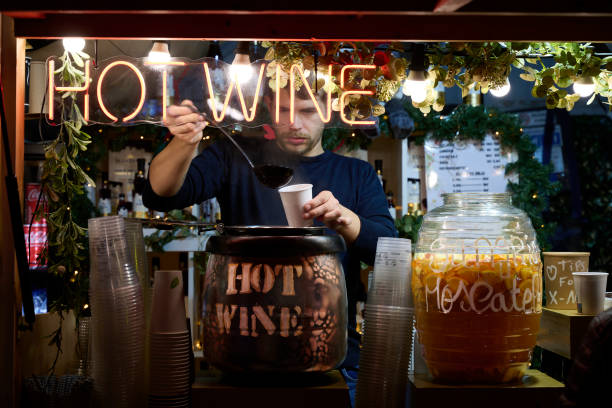
If you serve outdoors, double‑walled stainless‑steel tumblers prevent condensation and keep the mulled wine warm for up to an hour. Avoid disposable plastic cups as they can leach flavors and melt under heat.
Enhance the experience by pre‑heating the mugs in the oven or warm water, which steadies the temperature and reduces the need for constant reheating. Pair each mug with a small coaster to protect surfaces and add a decorative element.
Heat‑resistant ceramic cups
Heat‑resistant ceramic cups combine elegance with practicality, making them perfect for indoor holiday parties where the drink is served from a simmering pot. Look for cups glazed with a lead‑free, high‑temperature finish that can endure 180°F (82°C) without cracking.
A 8‑to‑10 ounce size is ideal for tasting portions and allows room for a decorative swirl of whipped cream or a dusting of nutmeg. Choose cups with a wide rim to release aromatic steam and a comfortable, thickened handle that stays cool even as the liquid inside stays hot.
For added flair, select pieces featuring seasonal motifs such as snowflakes, holly, or a subtle gold trim that catches candlelight. Avoid thin porcelain that may shatter when exposed to sudden temperature shifts; instead, opt for stoneware or porcelain with reinforced walls.
Warm the cups briefly in the oven before serving to maintain the mulled wine’s temperature and to create a welcoming, cozy ambience.
What Materials Work Best for Serving Mulled Wine
Glass vs. metal
Choosing between glass and metal vessels shapes both presentation and temperature control. Clear glass mugs let guests admire the ruby hue and spice‑laden steam, enhancing visual appeal while allowing easy monitoring of heat loss; however, they can become uncomfortable to hold as the liquid cools.
Stainless‑steel or copper mugs excel at retaining warmth, keeping mulled wine hot for longer periods, and they add a rustic, festive feel. The metal’s conductivity, however, can cause the exterior to become too hot to touch, so consider insulated handles or double‑walled designs.
For outdoor gatherings, metal is often preferred for durability, while indoor settings benefit from the elegance of glass. Whichever you choose, pre‑warm the vessel by rinsing with hot water to prevent a sudden temperature drop that could dull the wine’s aromatic profile.
This small step preserves the wine’s spice balance and ensures every sip stays pleasantly warm.
Ceramic and stoneware options
Ceramic mugs and stoneware cups bring a cozy, homestyle vibe that pairs well with mulled wine’s comforting spices. Heavy‑wall ceramic distributes heat evenly, reducing the risk of hot spots that can scorch the wine’s delicate aromatics, while its insulated feel keeps the drink warm in the hand.
Stoneware offers similar thermal stability and adds a rustic texture that complements winter décor; its porous surface can absorb a hint of the wine’s flavor over time, enhancing the tasting experience for repeat use. Both materials are microwave‑safe for quick reheating, but avoid sudden temperature shocks that might cause cracking.
For a polished look, select pieces glazed in deep reds or golds to echo the wine’s color. Ensure the rim is smooth to prevent accidental burns, and consider pairing the vessel with a matching saucer for an elegant serving station.
Avoiding plastic containers
Plastic vessels may seem convenient, but they are ill‑suited for serving mulled wine due to heat retention and flavor integrity concerns. BPA‑free polymer cups can melt or warp when exposed to the wine’s typical serving temperature of 160‑180 °F, releasing unwanted chemicals that alter the drink’s spice profile.
Moreover, plastic absorbs odors, meaning lingering scents from previous uses can clash with the aromatic cloves, cinnamon, and orange peel of mulled wine. For outdoor picnics, opt for insulated stainless‑steel or insulated glass containers rather than disposable plastic tumblers.
If you must use a reusable plastic mug, choose one specifically rated for hot beverages and pre‑heat it with warm water to minimize thermal shock. Ultimately, selecting heat‑resistant, non‑reactive materials preserves the wine’s aromatic balance and ensures a safe, enjoyable sipping experience for all guests throughout the evening.
Tips for Keeping Mulled Wine Warm While Serving
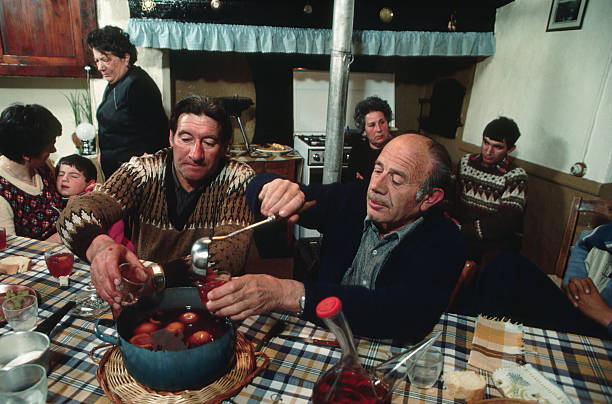
Using insulated trays
When serving mulled wine at a gathering, the easiest way to keep it hot is to place the pot on an insulated tray. Choose a tray with a thick, heat‑retaining base—ceramic, stoneware, or a double‑walled metal model works best.
The tray creates a barrier between the pot and the cold air, slowing heat loss and giving guests a stable temperature for longer periods. Pre‑heat the tray in the oven for a few minutes or fill it with hot water before adding the wine, then dry it thoroughly.
Position the tray on a sturdy table away from drafts, and consider adding a silicone mat underneath for extra insulation. If you’re using a slow‑cooker, simply set the cooker on the tray; the combined insulation keeps the wine simmering without boiling.
This method also makes it easy to move the entire setup without spilling, ensuring a seamless service.
Pre‑warming the serving vessel
Before pouring mulled wine into glasses or mugs, pre‑warm the vessels to prevent the liquid from cooling instantly. Fill each cup with hot tap water and let it sit for a minute, then discard the water and dry the interior.
This simple step raises the temperature of the glass by several degrees, allowing the wine to stay hotter for longer. For ceramic mugs, you can place them in a low‑heat oven (around 150 °F) for a few minutes, but always check the manufacturer’s guidelines to avoid cracking.
Use double‑walled or insulated mugs when possible; they act as built‑in heat shields. If you’re serving in a punch bowl, warm it by immersing it in a larger pot of simmering water for a few minutes before transferring the wine.
Pre‑warming not only keeps the drink warm but also enhances the aromatic release, giving guests a richer tasting experience.
Covering with a lid or foil
One of the most reliable ways to retain heat in mulled wine is to keep the pot covered while it’s on the serving table. A tight‑fitting lid traps steam, which recirculates and maintains the beverage’s temperature.
If your pot doesn’t have a proper lid, stretch a sheet of aluminum foil over the opening and crimp the edges to create a seal; this inexpensive hack works almost as well as a metal lid.
For slow‑cookers, use the built‑in lid and set the device to the “keep warm” setting, checking occasionally that the seal remains intact. Add a decorative cover such as a glass cloche or a festive tea towel for visual appeal, but ensure it still allows steam to stay trapped.
When serving in a punch bowl, place a large, heat‑resistant dome or a silicone cover on top. By consistently covering the wine, you extend the serving window by 30‑45 minutes without sacrificing flavor.
Best Ways to Present Mulled Wine for Holiday Gatherings
Garnish placement
Start by selecting a sturdy, heat‑proof glass or mug that fits comfortably in a hand. Place fresh citrus slices—like orange or lemon—directly into the wine so they release aroma as guests sip.
Add a sprig of rosemary or a cinnamon stick on the rim for visual appeal and a subtle scent boost. For a festive touch, thread a few whole cloves into a small orange wedge and rest it on the lip of the glass.
Ensure each garnish is positioned where it won’t obstruct drinking but remains visible, encouraging guests to stir and enjoy the evolving flavors. This thoughtful arrangement not only enhances the drink’s aroma but also creates an Instagram‑ready presentation that elevates the holiday atmosphere.
Pair each drink with a matching napkin in a coordinating color to tie the table setting together, and consider adding a tiny candy cane stirrer for extra holiday cheer.
Adding festive rims
Choose a rim that adds both flavor and visual sparkle. Dip the glass edge in a shallow dish of warm honey, then roll it in crushed gingerbread cookies or finely ground nutmeg for a sweet‑spicy crust.
For a glittering effect, lightly brush the rim with edible gold dust or a thin layer of red sugar crystals, which catch the light as guests lift their glasses. Ensure the coating adheres by warming the rim briefly with a kitchen torch or hot water before applying the garnish.
This technique not only intensifies the mulled wine’s aromatic profile but also creates a festive border that invites conversation. Finish by placing a small decorative pick—such as a mini pine‑cone or a star‑shaped chocolate—into the rim, giving each serving a personalized holiday signature.
Serve the rim‑coated glasses on a tray lined with cinnamon sticks for an extra aromatic showcase that ties the whole presentation together.
Serving with complementary snacks
Pair mulled wine with bite‑size treats that echo its warm spices and balance its sweetness. Offer a platter of spiced nuts, dried figs, and dark chocolate squares, arranging them in concentric circles around the drink station for easy access.
Include savory options such as cheese cubes dusted with smoked paprika or mini pretzel sticks rolled in cinnamon sugar to satisfy both sweet and salty cravings. For a festive twist, serve small gingerbread men or cranberry‑infused shortbread cookies on decorative parchment that matches your holiday color scheme.
Place each snack on a small wooden board or a festive paper cup beside the glass, allowing guests to pick up a nibble without crowding the serving area.
This thoughtful combination not only enhances the mulled wine’s flavor profile but also keeps the gathering lively, as guests mingle while enjoying complementary bites.
How to Match Mulled Wine Vessels with Your Décor
Rustic wooden trays
To create a cozy, countryside vibe, place your mulled wine in sturdy rustic wooden trays that echo natural textures. Choose trays made from reclaimed pine or oak, allowing the grain to show through and complement warm lighting.
Line each compartment with a simple linen napkin or a sprig of rosemary to add fragrance and protect the glassware. Pair the trays with mismatched ceramic mugs or enamel cups for an authentic feel, and scatter pine cones or dried orange slices around the edges for visual interest.
The wooden base also keeps drinks warm longer, reducing the need for constant reheating. When your guests reach for a cup, the tactile warmth of the wood enhances the overall sensory experience, making the mulled wine feel like a comforting hearth offering.
Serve the trays on a reclaimed barn door or a distressed wooden table to complete the rustic tableau.
Elegant crystal glasses
Elevate your holiday gathering by presenting mulled wine in elegant crystal glasses, which catch the candlelight and reflect the deep ruby hue of the beverage. Opt for glasses with a slender stem and a gently flared bowl to allow aromas to gather while maintaining a graceful silhouette.
Enhance the presentation with a thin gold or silver rim, or choose glasses etched with subtle winter motifs such as snowflakes or holly leaves. Pair each glass with a delicate garnish—like a cinnamon stick or a thin orange wheel—resting on a polished silver coaster for added sophistication.
The clarity of crystal showcases the wine’s spice‑laden color, while the cool touch of the glass contrasts pleasantly with the drink’s warmth.
Arrange the glasses on a mirrored tray or a marble serving board to amplify reflections, creating a luxurious visual effect that invites guests to linger and savor each sip.
Modern minimalist settings
For a sleek, contemporary vibe, serve mulled wine in modern minimalist settings that let the drink speak for itself without visual clutter. Choose simple, matte‑black or brushed‑steel mugs with clean lines, or opt for clear, thin‑walled glass tumblers that highlight the wine’s amber glow.
Keep accessories to a minimum: a single sprig of rosemary, a small metal stirrer, and a monochrome napkin are enough to add subtle flair. Place the vessels on a low‑profile concrete slab or a white lacquered tray to reinforce the clean aesthetic.
The restrained backdrop amplifies the aromatic steam, making the scent of cloves and orange peel more pronounced. Encourage guests to appreciate the contrast between the warm liquid and the cool, industrial surface, fostering a sensory dialogue that feels both sophisticated and approachable.
This understated presentation works especially well in open‑plan lofts or chic kitchen islands where space and light dominate the atmosphere.
What to Avoid When Serving Mulled Wine
Thin glass that cracks
Choose a sturdy, heat‑resistant vessel for mulled wine; thin glass can shatter when exposed to the drink’s warmth. Avoid delicate wine glasses and opt for thick‑walled mugs, ceramic cups, or insulated tumblers that can handle temperatures of 70‑80 °C without cracking.
Before serving, pre‑warm the container with hot water, then dry it to prevent sudden temperature shock. If you must use glass, select tempered or double‑walled options specifically designed for hot beverages. Check for chips or hairline cracks that could worsen under heat.
By selecting robust drinkware, you protect guests from dangerous breakage and keep the mulled wine’s aroma intact, ensuring a safe and enjoyable festive experience. Also, avoid placing the mug directly on a cold marble surface, as the rapid cooling can cause stress fractures.
After each use, wash the vessel with mild detergent and rinse thoroughly to remove any residual spices that might corrode the material over time. Maintain the integrity of your serving ware by storing it away from extreme temperature fluctuations, ensuring it remains reliable for future holiday gatherings.
Containers that alter flavor
Mulled wine’s delicate spice profile can be compromised by containers that leach unwanted flavors. Steer clear of plastic cups, low‑quality metal tins, or unlined wooden barrels, as they may impart chemical or metallic notes that mask the cinnamon, clove, and orange zest.
Choose food‑grade stainless steel, glazed ceramic, or enamel‑coated mugs that are inert and won’t react with the hot liquid. Before serving, ensure the interior is free of residual soap or previous seasoning, which can mingle with the wine’s aromatics.
If you prefer a rustic look, line a wooden serving board with a food‑safe silicone liner to keep the wine’s taste pure. Test a small sip after transferring the mulled wine to the chosen vessel; any off‑flavors indicate the container is unsuitable.
By selecting neutral‑taste drinkware, you preserve the intended balance of sweet and spicy notes, delivering a consistently enjoyable holiday libation.
Over‑filling and spills
Over‑filling a cup with mulled wine not only creates messy spills but also diminishes the drink’s temperature and aroma. Limit the fill level to about three‑quarters of the vessel’s capacity, leaving space for steam to rise and for a garnish such as a cinnamon stick or orange slice.
When serving from a punch bowl or thermos, use a ladle with a measured scoop to control portions and avoid sudden surges of hot liquid onto the table. Place each mug on a heat‑resistant coaster or tray; this catches any accidental drips and protects surfaces from heat damage.
If a spill occurs, blot it immediately with a cloth rather than wiping, which can spread the stain. Encourage guests to sip slowly and keep the mug upright, reducing the risk of sloshing as they move.
Proper portion control and protective accessories keep the serving area tidy and ensure every guest enjoys a perfectly warm mulled wine experience.
Tips for Cleaning and Reusing Mulled Wine Serveware
Stain removal for glass
Glass mugs and carafes are popular choices for serving mulled wine, but the rich spices can leave stubborn stains. Act quickly by rinsing the vessel with warm water as soon as you finish serving.
Fill the glass with a mixture of one part white vinegar to two parts hot water, let it soak for five minutes, then scrub with a non‑abrasive sponge. For persistent orange‑tint, sprinkle baking soda on the damp interior and gently rub; the mild abrasive lifts pigment without scratching.
Rinse thoroughly and dry with a lint‑free cloth to prevent water spots. If you prefer a natural option, steep a few slices of lemon in hot water and use the liquid as a final rinse.
Regular maintenance keeps the glass clear, enhances the visual appeal of the drink, and extends the life of your serveware.
Caring for ceramic mugs
Ceramic mugs add a cozy, rustic feel to a mulled‑wine gathering, yet the sugary syrup and spices can cause glaze discoloration if not cared for properly. Start with a gentle wash: use lukewarm water, a few drops of mild dish soap, and a soft cloth or sponge.
Avoid harsh scouring pads that can chip the glaze. For stubborn residue, create a paste of baking soda and water, apply it to the stained area, and let it sit for three minutes before wiping clean.
If the mug shows a faint orange hue, soak it in a solution of one tablespoon of hydrogen peroxide per cup of water for ten minutes, then rinse well.
After cleaning, dry the mug upside‑down on a rack to allow air circulation and prevent moisture buildup, which can lead to mold. Store mugs with a protective layer of tissue paper between each piece to guard against scratches and preserve their bright finish for future holiday parties.
Storing metal pitchers safely
Metal pitchers, especially those made of stainless steel or copper, give mulled wine a sleek, festive presentation, but they require careful handling to avoid tarnish and dents.
Begin with a thorough dry: after washing with warm, soapy water, rinse well and dry the interior and rim with a microfiber cloth to eliminate moisture that accelerates oxidation.
To protect the surface, lightly coat the inside with a thin layer of food‑grade mineral oil; this creates a barrier against rust without affecting flavor.
When placing the pitcher in a cabinet, wrap it in a soft cloth or place a sheet of parchment paper between it and any hard objects to cushion impacts. Avoid stacking heavy items on top, as pressure can warp the handle or dent the base.
If you notice early signs of discoloration, polish with a non‑abrasive metal cleaner and a soft polishing cloth, following the manufacturer’s instructions. Proper storage keeps the pitcher shining and ready for the next holiday gathering, ensuring your mulled wine continues to be served in style.
Frequently Asked Questions
What type of glass is best for serving mulled wine?
A heat‑resistant glass mug or a sturdy stemless wine glass works well because it can handle the warm temperature without cracking. Choose a wide‑rimmed glass to allow the aromas to bloom.
Can I serve mulled wine in traditional wine glasses?
Yes, but opt for a glass with a thicker bowl, such as a red‑wine glass, to keep the drink warm longer. Avoid very thin crystal glasses, as they may become uncomfortable to hold.
Are ceramic mugs a good option for mulled wine?
Ceramic mugs are excellent because they retain heat and feel comfortable in the hand. Look for mugs with a handle to protect your fingers from the heat.
What about insulated travel mugs for mulled wine?
Insulated travel mugs keep mulled wine hot for hours and are perfect for outdoor gatherings. Ensure the mug is BPA‑free and has a secure lid if you plan to transport it.
Should I use a punch bowl for mulled wine at parties?
A large, heat‑proof punch bowl is ideal for serving mulled wine to a crowd, allowing guests to ladle their own portions. Pair it with heat‑resistant glasses or mugs placed nearby.
Is it okay to serve mulled wine in a teapot?
A decorative teapot can be a charming serving vessel, especially for a festive setting. Just make sure the teapot is made of metal or heat‑proof ceramic to avoid cracking.
Conclusion
Choosing the right vessel for mulled wine enhances both flavor and festivity. Consider insulated cups for outdoor gatherings and decorative pitchers for self‑serve stations. By matching your serveware to the occasion, you elevate the experience and invite guests to savor every cozy sip. Cheers to perfect presentations!