What Red Wine Is The Sweetest
If you’re hunting for the sweetest red wine, you’ve landed in the right spot. We’ll quickly point you to the top contenders—think luscious, fruit‑forward styles like a ripe Lambrusco, a velvety Brachetto d’Acqui, or a dessert‑ready Banyuls. Expect notes of berries, cherries, and a gentle honeyed finish that make each sip feel like a treat. In just a few lines, you’ll know exactly which reds satisfy a sweet tooth without the guesswork and pair beautifully with chocolate desserts or fruit.
What is the Sweetest Red Wine?
Definition of sweetness in red wine
Sweetness in red wine refers to the residual sugar left after fermentation. While most reds are dry, some retain enough sugar to be perceived as sweet on the palate. Residual sugar (RS) is measured in grams per liter and determines how much natural sweetness remains.
The perception of sweetness is also influenced by acidity, alcohol, and tannin levels, which can mask or highlight sugar. A wine with low tannins and bright acidity may taste sweeter even with modest RS, whereas high tannins can make the same sugar level feel less sweet.
Understanding this balance helps drinkers identify truly sweet reds versus those that simply feel smoother. When searching for the sweetest red, look for wines labeled as late‑harvest, dessert, or fortified, as these styles intentionally preserve higher sugar content.
These wines often feature ripe fruit aromas and a velvety mouthfeel that accentuate their sugary character.
How sugar levels are measured
Winemakers quantify sweetness using several laboratory methods that translate sugar into a numeric value. The most common metric is grams of residual sugar per liter (g/L), which directly indicates how much sugar remains after fermentation stops.
Another approach is Brix, a scale that measures the percentage of soluble solids, primarily sugar, in the grape juice; 1 °Brix equals roughly 10 g/L of sugar.
For consumers, the Alcohol By Volume (ABV) can hint at sweetness because higher alcohol often results from fermenting more sugar, though some winemakers stop fermentation early to retain sugar, producing lower ABV sweet reds.
Professional tasting sheets also use sweetness descriptors ranging from dry to very sweet, correlating with measured RS levels. By checking the label for RS or Brix values, or consulting winery technical sheets, you can reliably compare the sweetness of different red wines and select the one that matches your palate.
Common terms: off‑dry, semi‑sweet
The wine industry uses specific terms to describe varying degrees of sweetness, helping shoppers navigate the spectrum from barely perceptible sugar to dessert‑level richness.
Off‑dry (or semi‑dry) indicates a wine that contains a modest amount of residual sugar, typically 5–15 g/L, offering a gentle hint of sweetness that balances acidity without being cloying.
Semi‑sweet wines sit slightly higher, often ranging from 15–30 g/L, delivering a more noticeable sugary impression while still maintaining structure and fruit focus. Both categories are popular in red varieties such as Lambrusco, Brachetto d’Acqui, and some Zinfandel styles, where the fruit-forward profile benefits from a touch of sugar.
Understanding these labels allows you to choose a red that aligns with your taste preference—whether you desire a subtle sweet lift or a richer, more indulgent experience. Pairing them with mildly spiced dishes can enhance their balanced sweetness.
How to Identify Sweet Red Wines at the Store
Reading labels for residual sugar
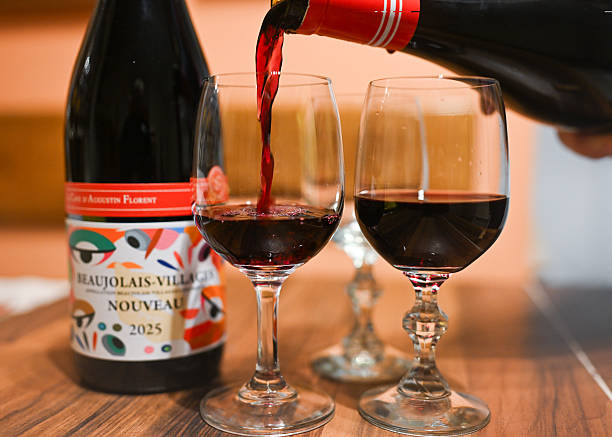
Start by locating the back‑of‑bottle label where the winemaker often lists the wine’s style. Look for terms such as “late harvest,” “dessert wine,” “sweet,” or a specific residual sugar (RS) figure measured in grams per liter.
If the RS is above 45 g/L, the wine is generally considered sweet, while values under 10 g/L indicate dry. Some producers also use a sweetness scale (e.g., “semi‑sweet” or “extra sweet”).
Pay attention to the alcohol percentage; higher alcohol can mask sweetness, so a 12% wine with 60 g/L RS will taste sweeter than a 14% wine with the same RS. Finally, note any fruit‑forward descriptors like “ripe berry” or “plum” that often accompany sweeter reds.
By systematically scanning these label cues, you can quickly narrow down the sweetest red options before even opening the bottle. Also, check for certifications such as ‘DOCG’ or ‘AOC’ that sometimes require a minimum sweetness level for certain regional specialties, like Italy’s Brachetto d’Acqui or Germany’s Spätlese style reds.
Recognizing sweet wine categories
Familiarize yourself with the primary sweet‑red categories that retailers group together. Late‑harvest reds are made from grapes left on the vine longer, concentrating sugars; examples include late‑harvest Zinfandel or Cabernet Franc.
Ice‑wine reds are produced from frozen berries, yielding intense sweetness and bright acidity—look for Canadian Ice‑wine made from Merlot or Pinot Noir.
Fortified reds, such as Port, Madeira, or Banyuls, have brandy added after fermentation, locking in residual sugar and boosting alcohol; these are among the sweetest reds on the market. Naturally sweet varietals like Brachetto, Lambrusco (sweet style), and some Austrian Zweigelt can also deliver pronounced fruit sugar without special processing.
When you see these category names on shelf tags or in the wine‑aisle signage, you can instantly target the sweetest options. Cross‑reference the category with the label clues from the first step to confirm the wine truly belongs to a high‑sugar group.
Using aroma and taste cues
Before you purchase, rely on your senses to verify sweetness. Aroma is the first indicator: swirls that release notes of ripe berries, cherries, figs, honey, or candied orange peel usually signal higher residual sugar.
If you detect a pronounced perfume of dried fruit or jam, the wine is likely in the sweet spectrum.
When you can sample a tasting bar, take a small sip and let the palate linger; sweet reds often coat the mouth with a viscous, syrupy texture and showcase flavors like chocolate‑covered strawberries, caramel, or spice‑laden raisins.
Acidity will balance the sugar, so a bright, crisp finish alongside the sweetness confirms a well‑made dessert‑style red. Conversely, a sharp, tannic bite with minimal fruit sweetness suggests a dry wine.
By training yourself to match these aromatic and mouthfeel cues with the label information, you’ll confidently pick the sweetest red wines without guessing.
Best Sweet Red Wine Varieties
Brachetto d’Acqui
Brachetto d’Acqui is a sparkling red from Italy’s Piedmont region celebrated for its pronounced sweetness and fragrant bouquet. Made from the Brachetto grape, it delivers fruity aromatics of strawberry, raspberry and rose petals, paired with low tannins and a light, effervescent body that feels refreshing on the palate.
The wine is typically off‑dry, making it a perfect match for chocolate desserts, fruit tarts, or as an aperitif. Look for the DOCG label to ensure authentic quality, and serve it chilled at 6‑8 °C to highlight its bright acidity and lingering honeyed finish.
Its approachable style makes it an excellent entry point for those seeking the sweetest red wine experience.
Lambrusco (sweet styles)
Lambrusco, especially the sweeter styles from Emilia‑Romagna, offers a vibrant red that balances sugar and acidity for a lively drinking experience. Produced from various Lambrusco clones, these wines showcase bright cherry and plum flavors complemented by soft fizz that lifts the palate.
The moderate sweetness is often labeled as ‘Dolce’ or ‘Semi‑Dolce’, making it ideal alongside charcuterie, pizza, or spicy Asian dishes. Look for bottles with a deep ruby hue and a pronounced frothy head, indicating proper carbonation.
Serve chilled at 8‑10 °C to preserve its refreshing character, and enjoy the pleasant after‑taste of honeyed berries that defines the sweetest Lambrusco expressions.
Dornfelder (late harvest)
Dornfelder, a German red known for its deep color, can be crafted as a late‑harvest wine that delivers notable sweetness without overwhelming heaviness. The grapes are left on the vine longer, allowing concentrated sugar and ripe black fruit notes to develop, resulting in a velvety mouthfeel and balanced acidity.
This style often exhibits flavors of blackberry jam, plum, and subtle spice, with a lingering honeyed finish. Pair it with roasted duck, mushroom risotto, or a rich chocolate mousse to highlight its sweet profile.
When selecting, seek the ‘Spätlese’ or ‘Auslese’ designation, which guarantees the late‑harvest quality, and serve slightly below room temperature, around 14 °C, to showcase its aromatic complexity.
Ruby Port (fortified sweet)
Ruby Port is a fortified Portuguese wine that epitomizes sweet red indulgence, offering a rich, fruit‑forward character that appeals to dessert lovers.
Made from a blend of indigenous grapes such as Touriga Nacional and Tinta Roriz, it is aged briefly in large oak vats, preserving vibrant ruby color and intense berry aromas.
The addition of grape spirit raises the alcohol to around 20 % and locks in natural sugars, delivering a lusciously sweet palate with notes of blackcurrant, cherry, and a hint of chocolate. Serve it slightly chilled at 12‑14 °C alongside blue cheese, dark chocolate, or as a standalone after‑dinner treat.
Look for the ‘Ruby’ label to ensure the youthful, fruit‑driven style that defines the sweetest fortified red.
Top Sweet Red Wines by Region
Italian sweet reds
Italian sweet reds offer several approachable choices for those seeking the sweetest red wine experience. Brachetto d’Acqui from Piedmont is a lightly sparkling, fragrant red with notes of strawberry and rose, delivering a gentle sweetness that pairs well with desserts.
Recioto della Valpolicella is a rich, amber‑colored wine made from dried grapes, offering intense flavors of dried cherries, chocolate, and spice, and a velvety finish. For a more robust option, try Vin Santo Rosso, a rare red variant aged in small barrels, showcasing caramel and fig nuances.
When selecting, look for terms like “dolce,” “late‑harvest,” or “passito” on the label to ensure the wine’s sugar level meets your palate.
Spanish sweet reds
Spanish sweet reds may be less known, but they deliver impressive richness for anyone asking what red wine is the sweetest.
Pedro Ximénez‑infused red blends from Jerez combine the deep, syrupy character of the PX grape with a base of Tempranillo or Garnacha, creating a luscious, dark ruby wine with flavors of raisins, molasses, and coffee.
Vino de Licor de Montilla‑Moriles is another fortified style where red grapes are macerated in PX or Pedro Ximénez must, yielding a velvety texture and intense sweetness. Look for descriptors such as “dulce,” “licor,” or “fortificado” on the bottle.
Serve these wines slightly chilled alongside chocolate desserts or strong cheeses to highlight their opulent sweetness.
French sweet reds
France is renowned for its sweet red wines, offering some of the most decadent options for those seeking the ultimate sugary profile.
Banyuls from the Roussillon region is a fortified wine made primarily from Grenache, aged in oak barrels to develop caramel, fig, and dark chocolate notes with a lingering sweetness. Maury follows a similar style but often displays brighter red‑fruit aromas and a smoother finish.
Rivesaltes Grand Cru, produced using the mutage technique, locks in residual sugar, delivering flavors of dried apricot, cinnamon, and toasted nuts. When shopping, prioritize terms like “vin doux naturel,” “mutage,” or “fortifié” to guarantee a high sugar content.
Pair these wines with fruit tarts, blue cheese, or pâté for a balanced tasting experience.
New World options
Across the New World, winemakers are crafting sweet red wines that rival Old‑World classics while adding fresh fruit intensity. In Australia, Late‑Harvest Shiraz from the Barossa Valley is harvested after a frost, concentrating sugars and yielding jammy plum, chocolate, and spice notes with a plush mouthfeel.
California’s Sweet Red Blends, often based on Zinfandel or Petite Sirah, are fortified or left on the skins to enhance residual sugar, offering bold raspberry and licorice flavors. South Africa produces Vin de Liqueur using fortified methods with Pinotage, delivering smoky cherry and caramel layers.
To ensure sweetness, seek labels indicating “late‑harvest,” “dessert,” or “fortified.” Serve these wines chilled with dark chocolate, berry desserts, or strong pâtés for an indulgent finish.
Tips for Pairing Sweet Red Wine with Food
Desserts that match
To pair a sweet red wine with dessert, start by matching intensity and flavor profiles. Choose a wine with ripe fruit and low tannins, such as Brachetto d’Acqui or a ruby‑style Port, which complement chocolate, berries, and caramel.
For a chocolate mousse, serve a rich, velvety Port; its notes of blackcurrant and spice echo the cocoa while cutting through the creaminess. Fresh fruit tarts pair beautifully with light, fragrant Brachetto, whose strawberry‑and‑rose aromatics lift the citrus glaze.
If you prefer a cheese‑based dessert like cheesecake, a sweetened Lambrusco offers a gentle fizz that balances the dense texture. Remember to serve the wine slightly chilled (12‑14 °C) to enhance freshness and keep the sweetness from overwhelming the dessert.
By aligning the wine’s sweetness level with the dessert’s richness, each bite and sip become a harmonious finish to the meal.
Cheese pairings
Sweet red wines excel when paired with cheeses that balance saltiness and creaminess. Select a wine with moderate alcohol and bright fruit, such as a late‑harvest Zinfandel or a sweet Banyuls, to contrast the richness of blue cheese and aged cheddar.
For a blue‑veined cheese like Roquefort, serve a full‑bodied Banyuls; its honeyed figs and caramel notes tame the pungent bite while echoing the cheese’s buttery texture. A creamy goat cheese benefits from a fruity Brachetto d’Acqui, whose floral aroma lifts the tang and adds a refreshing finish.
When offering a cheese platter, include a soft, slightly sparkling Lambrusco alongside semi‑hard Gouda; the gentle fizz cuts through the nutty sweetness and refreshes the palate. Keep the wine at cellar temperature (13‑15 °C) to preserve its aromatic complexity.
By matching the wine’s sweetness to the cheese’s salt level, you create a dialogue where each component enhances the other, turning a simple tasting into a memorable experience.
Spicy dishes
Spicy cuisine and sweet red wine can be a winning combination when the wine’s sugar tempers heat without masking flavor. Pick a wine with pronounced fruit and low tannins, like a sweet Shiraz or a semi‑sweet Lambrusco, to balance dishes such as barbecue ribs, chili‑infused stews, or Asian‑style duck.
A sweet Shiraz offers dark berry and pepper notes that echo the smoky heat of grilled meats while the residual sugar cools the palate. For Thai or Indian curries, serve a lightly fizzy Brachetto; its gentle carbonation and strawberry‑rose scent lift the spice and provide a refreshing contrast.
When enjoying a spicy chocolate dessert, a ruby Port delivers deep plum and chocolate flavors that mirror the dish’s intensity, with enough sweetness to soften the heat. Serve these wines slightly cooler than usual (12‑13 °C) to keep the fruit bright.
By aligning the wine’s sweetness level with the dish’s spiciness, you create balance, allowing the heat to be enjoyable rather than overwhelming.
Tips for Storing and Serving Sweet Red Wine
Ideal temperature
Serving sweet red wine at the right temperature enhances its fruit‑forward character and balances the residual sugar. Aim for 12‑14 °C (54‑57 °F) for light, aromatic styles such as Brachetto d’Acqui or a chilled Lambrusco, allowing bright berry notes to shine without becoming cloying.
Fuller‑bodied sweet reds like Recioto della Valpolicella or a late‑harvest Zinfandel benefit from a slightly warmer range of 15‑16 °C (59‑61 °F), which softens tannins and reveals layered spice and chocolate nuances. Avoid serving these wines ice‑cold, as excessive chill can mute the perfume and make the sweetness feel harsh.
If the wine has been stored in a cooler cellar, let it sit in the refrigerator for 20‑30 minutes before moving to a wine‑glass‑friendly temperature. Use a thermometer or the back of your hand to gauge the glass surface; it should feel cool but not frosty.
Glassware selection
Choosing the proper glass amplifies the aromatic intensity and mouthfeel of sweet red wines, guiding the palate toward balance.
Opt for a tulip‑shaped, medium‑size glass with a slightly narrowed rim; this concentrates the perfume of fragrant reds like Brachetto, Moscato Rosso, or a sweet Shiraz while directing the flow to the tip of the tongue where sweetness is perceived.
A slightly larger bowl works well for richer, viscous wines such as Recioto della Valpolicella or a fortified Port‑style red, allowing gentle aeration that softens the syrupy texture and unveils hidden spice notes. Avoid overly tall or narrow flutes, which can trap volatile aromas and make the wine taste flat.
When serving multiple sweet reds, keep the glasses uniform to maintain consistent temperature and presentation, and ensure they are clean and free of detergent residue, as any film can mute the delicate fruit aromas that define the sweetest red selections.
Shelf life considerations
Sweet red wines can age gracefully, but their high residual sugar also makes them prone to oxidation if not stored properly. Store bottles horizontally in a cool, dark environment at 12‑14 °C (55‑57 °F) with humidity around 70 % to keep the cork supple and prevent premature drying.
For wines intended to be enjoyed within a few years—such as a fresh Brachetto d’Acqui or a young Lambrusco—keep them refrigerated after opening and consume within 3‑5 days, sealing the bottle with a vacuum stopper to limit air exposure.
More robust, tannic sweet reds like Recioto della Valpolicella or a late‑harvest Cabernet can develop complex tertiary notes over 5‑10 years if the cellar conditions remain stable. Periodically check for signs of cork leakage, off‑odors, or a brownish hue, which indicate the wine has passed its optimal window.
By monitoring temperature fluctuations and protecting the seal, you preserve the luscious sweetness and ensure each sip reflects the wine’s intended character.
Frequently Asked Questions About Sweet Red Wine
Is sweet red wine high in alcohol?
Sweet red wines are often perceived as heavy, but alcohol level varies by style. Most sweet reds fall between 10% and 13% ABV, similar to dry reds. For example, a classic Moscato d’Asti rosso or Brachetto d’Acqui typically sits around 5‑7% ABV, making them lighter.
In contrast, fortified options like Port or Madeira can reach 18‑20% ABV, delivering both sweetness and a warming punch. When choosing a sweet red, check the label for the alcohol percentage; producers usually list it on the back.
If you prefer lower alcohol, opt for young, fruit‑forward varieties such as Lambrusco or German Spätlese Pinot Noir. Higher‑alcohol sweet reds are best enjoyed in smaller pours or as dessert companions, where the richness balances the elevated spirit content.
Remember that serving temperature also influences perception; slightly chilled sweet reds can feel less alcoholic and more refreshing.
Can sweet red wine be used for cooking?
Sweet red wine can be a versatile ingredient in the kitchen, adding depth and a subtle fruitiness to sauces, braises, and desserts. When reducing a sweet red, the natural sugars concentrate, creating a glossy glaze perfect for glazing roasted meats like duck or pork shoulder.
For a quick sauce, deglaze the pan with a splash of Brachetto or Lambrusco, then simmer with stock, herbs, and a touch of butter. In desserts, a reduction of Moscato d’Asti rosso can be drizzled over poached berries or vanilla ice cream for an elegant finish.
However, be mindful of balance: the inherent sweetness can overwhelm savory dishes if not offset by acidity or bitterness. Add a splash of balsamic vinegar, a pinch of sea salt, or a dash of dark chocolate to achieve harmony.
Always taste as you go, adjusting the amount of wine to suit the desired level of sweetness and complexity.
How to differentiate natural sweetness from added sugar?
Distinguishing natural grape sweetness from added sugar in red wine requires a few sensory and label checks. Natural sweetness comes from residual sugar left after fermentation; it often carries fruit‑forward aromas like ripe berries, cherries, or figs and a smooth mouthfeel.
Wines such as Brachetto d’Acqui or German Spätlese Pinot Noir display this profile. In contrast, added sugar (often listed as chaptalization or sweetening) can create a cloying, overly syrupy texture and may mask the wine’s acidity.
Examine the back label for terms like “chaptalized,” “sweetened,” or “with added sugar.” A quick taste test helps: swirl the wine and note if the sweetness is integrated with acidity and tannin, indicating natural residual sugar, or if it feels isolated and heavy, suggesting added sugar.
Pairing the wine with a high‑acid food, like a citrus salad, can also reveal the source—natural sweet wines will balance, while artificially sweetened ones may taste out of sync.
Frequently Asked Questions
Which red wine varieties are known for being the sweetest?
Dessert-style reds like Brachetto d’Acqui, Lambrusco (especially the sweet versions), and some styles of Port such as Ruby Port are among the sweetest red wines.
Is a sweet red wine the same as a fortified wine?
Not always. While many fortified wines like Port are sweet, there are non-fortified sweet reds such as certain Lambruscos and Brachetto that achieve sweetness through residual sugar without added alcohol.
How can I identify a sweet red wine on a label?
Look for terms like “dolce,” “sweet,” “late harvest,” “dessert,” or specific style names like “Brachetto” or “Lambrusco” with a sweet designation. Alcohol by volume (ABV) may also be higher in fortified sweet reds.
What food pairs well with the sweetest red wines?
Sweet reds complement desserts like chocolate, berries, and cheese plates, especially blue cheeses. They also pair nicely with spicy dishes, as the sweetness balances heat.
Can I find sweet red wines at a typical grocery store?
Yes, many supermarkets carry sweet reds such as Lambrusco, Brachetto d’Acqui, and bottled Port. Check the wine aisle for the dessert or fortified sections.
Are there any low-alcohol sweet red wines?
Some semi-sweet reds like certain Italian Lambruscos have lower ABV (around 7-11%) while still offering noticeable sweetness due to residual sugar.
What temperature should I serve a sweet red wine?
Serve sweet reds slightly chilled, around 50-55°F (10-13°C), to enhance their fruitiness and balance the sweetness.
Conclusion
In our exploration of the sweetest red wines, we discovered that dessert-style varieties like Brachetto d’Acqui, Lambrusco, and ripe, fruit‑forward Zinfandel often top the list, while residual sugar levels and winemaking techniques shape their luscious profiles. Remember, personal palate preferences matter, so tasting a few options will guide you to your perfect sweet sip. Cheers to enjoying the delightful world of sweet reds!