
What Red Wine Goes With Venison
Finding the perfect red wine for venison doesn’t have to be a mystery. In this quick guide, we’ll match the rich, gamey flavors of your favorite cut with the ideal wine, whether you prefer a bold Cabernet, a silky Pinot Noir, or a spicy Syrah. You’ll learn why certain tannins and fruit profiles complement the meat, plus a few serving tips to elevate your dinner. Let’s dive in and pair your venison with confidence, tonight, and impress your guests today.
How to Choose Red Wine for Venison
Consider the cut and cooking method
Start by looking at the specific cut of venison you plan to serve and how you’ll cook it. A lean loin or tenderloin roasted quickly benefits from a wine with bright acidity and subtle fruit, while a hearty shoulder or shank that’s braised or slow‑cooked needs more structure.
Identify the cooking technique – grilling adds smoky char, stewing creates rich, gelatinous sauce, and pan‑searing develops caramelized crust. Each method extracts different flavors from the meat, and the wine should either echo or contrast those notes.
For grilled cuts, choose a wine with fresh red‑berry acidity to cut through char. For braised dishes, look for deeper, earthy wines that can stand up to the sauce’s intensity.
By aligning the cut’s fat content and the cooking style with the wine’s body, you set a solid foundation for a harmonious pairing.
Match intensity and flavor profile
Next, compare the intensity of the venison’s flavor with the wine’s profile. Wild game often carries a gamey, earthy character that pairs best with wines offering similar depth.
Choose a wine with matching intensity – a full‑bodied Cabernet Sauvignon, Syrah, or a robust Pinot Noir can mirror the meat’s richness, while a lighter Grenache can provide a gentle lift without overwhelming.
Consider the sauce or seasoning: a pepper‑corn crust, juniper berries, or a red‑wine reduction will amplify spice and benefit from a wine that has spicy undertones and ripe fruit.
If the dish includes sweet elements like a berry glaze, a wine with a hint of jammy fruit, such as a Zinfandel, will echo that sweetness. By aligning the wine’s flavor layers—fruit, spice, earth—with those of the prepared venison, you create a cohesive tasting experience that feels intentional and satisfying.
Balance tannins and fat
Finally, think about how tannins interact with the fat and protein in venison. Tannic wines can cleanse the palate, but too much astringency may clash with the meat’s lean texture.
Select a wine with balanced tannins – a moderately tannic Merlot or a softer, fruit‑forward Cabernet Franc provides enough grip to cut through fat without overwhelming the delicate gaminess.
For very lean cuts, opt for a wine with lower tannin levels and higher acidity, such as a Chianti Classico, which lifts the meat’s natural sweetness.
When the dish includes a buttery or creamy sauce, a wine with a silky mouthfeel, like a mature Rioja, can mirror that richness while the tannins keep the pairing from feeling heavy.
By calibrating the tannin structure to the venison’s fat content and any accompanying sauces, you achieve a seamless balance that lets both food and wine shine.
What Red Wines Pair Best with Venison

Cabernet Sauvignon
Cabernet Sauvignon’s firm tannins and dark fruit flavors make it a classic match for rich venison dishes. Choose a wine with ripe blackberry and cassis notes to complement the game’s natural earthiness, and look for a hint of oak or spice to echo any rosemary or juniper seasoning.
A wine aged in French oak will add vanilla and toasted cedar, enhancing the meat’s buttery texture. Serve the wine slightly below room temperature, around 60‑64°F, to keep the tannins lively without overwhelming the palate.
This pairing works especially well with grilled or pan‑seared venison steaks topped with a red‑wine reduction. Pair it with a side of roasted root vegetables to round out the flavors.
Syrah/Shiraz
Syrah, known as Shiraz in warmer regions, offers peppery spice and juicy plum that harmonize with the gamy intensity of venison. Select a bottle with smoky black‑pepper and leather aromas to mirror any peppercorn crust or smoked preparation.
The wine’s moderate acidity cuts through the meat’s richness, while its velvety tannins soften the texture. Look for a Syrah aged in oak barrels to gain subtle notes of chocolate and dried herbs, which complement a rosemary‑garlic glaze. Serve at 58‑62°F to keep the fruit forward.
This combination shines with braised venison shoulder or slow‑cooked stews, especially when accompanied by earthy mushrooms.
Pinot Noir
Pinot Noir’s bright acidity and delicate red‑fruit profile make it an elegant partner for leaner cuts of venison. Opt for a wine with cherry, raspberry and subtle earth tones to accentuate the meat’s natural sweetness without overpowering it.
The lighter tannin structure allows the wine to glide over the tender texture of venison medallions or filet, especially when served with a light berry‑based sauce. Choose a Pinot from a cooler climate, such as Burgundy or Oregon, where the wine retains a crisp minerality that lifts the dish.
Serve slightly chilled at 55‑57°F for maximum freshness. This pairing is ideal for pan‑seared venison with a thyme‑butter garnish and a side of sautéed greens.
Merlot
Merlot’s plush mouthfeel and ripe plum flavors provide a smooth backdrop for hearty venison preparations. Pick a Merlot with soft tannins, chocolate hints, and a touch of spice to balance the meat’s robustness, especially when the dish includes a sweet‑savory glaze.
The wine’s moderate acidity keeps the palate refreshed, while its roundness complements braised venison shanks or roasted roasts. Look for a Merlot aged in French oak for nuanced vanilla and toasted nut nuances that echo a rosemary‑infused gravy. Serve at 60‑64°F to let the fruit shine.
This match works beautifully with venison accompanied by caramelized onions and a side of buttery mashed potatoes.
Tips for Pairing Wine with Different Venison Dishes
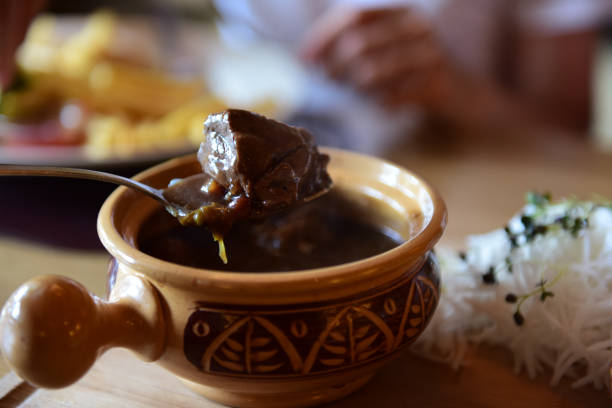
Roasted venison shoulder
Pair a roasted venice shoulder with a full‑bodied red that can stand up to the meat’s rich, caramelized crust. Choose a Cabernet Sauvignon from Napa or Bordeaux for its firm tannins and dark‑fruit intensity, which cut through the fat and highlight the herb‑rubbed exterior.
Syrah or Shiraz offers peppery spice and smoky notes that echo the oven‑roasted flavors, especially when the dish includes juniper or rosemary. If you prefer a more elegant profile, a Bordeaux blend (Cabernet‑based) provides balanced acidity and subtle earth tones that complement the tender interior.
Serve the wine slightly below room temperature, around 60°F (15‑16°C), to keep the fruit fresh and the tannins smooth. Decant for 30 minutes to let the wine open up, ensuring every sip matches the depth of the roasted venison.
Pair it with a side of root vegetables or a red‑wine reduction to reinforce the wine’s berry and spice layers.
Grilled venison steaks
Grilled venison steaks demand a wine that matches the char and gamey bite while adding fruit‑forward freshness. Pinot Noir from Oregon or Burgundy is a classic choice; its bright acidity, silky tannins, and red‑berry aromas balance the smoky grill marks and keep the palate lively.
For a bolder profile, try a Malbec from Argentina; its plush plum and blackberry flavors, coupled with a hint of vanilla from oak aging, complement the steak’s juicy interior and any chimichurri glaze.
Zinfandel works well when the steak is brushed with a sweet‑spicy glaze, as its jammy fruit and peppery spice mirror the caramelized edges. Serve the wine slightly chilled, around 58°F (14°C), to enhance fruit clarity and soften tannins.
Let the wine breathe for 10‑15 minutes in the glass, allowing aromatic compounds to rise and synchronize with the steak’s smoky, herb‑infused notes.
Venison stew
A slow‑cooked venison stew benefits from a red wine that can meld with the broth’s deep, earthy flavors and stand up to hearty vegetables. Merlot with its plush plum, soft tannins, and subtle chocolate undertones integrates smoothly, enriching the stew without overpowering the meat’s tenderness.
Syrah (especially a Rhône‑style) adds peppery spice and smoky depth that echo the stew’s caramelized onions and root vegetables, while its firm structure holds up to long cooking.
For a richer, more opulent match, consider a Cabernet Franc from the Loire Valley; its herbaceous notes of bell pepper and thyme mirror the stew’s aromatic herbs, and its moderate acidity lifts the sauce.
When serving, warm the wine to about 62°F (17°C) and pour it into a shallow bowl to release aromas. Pair the stew with a slice of rustic rye bread, allowing the wine’s fruit and spice to mingle with the stew’s savory broth.
Best Ways to Serve Red Wine with Venison
Optimal serving temperature
When pairing red wine with venison, temperature is a critical factor that can enhance or mute the wine’s structure and the meat’s richness. Aim for a serving temperature between 60–65°F (15–18°C) for medium‑bodied reds such as Pinot Noir or Merlot, which complement the gamey flavor without overwhelming it.
Fuller‑bodied options like Cabernet Sauvignon or Syrah benefit from a slightly warmer range, around 65–68°F (18–20°C), allowing their tannins to soften and their fruit notes to shine alongside the venison’s earthy undertones.
To achieve the ideal temperature, remove the bottle from the refrigerator 30–45 minutes before service for lighter reds, and 45–60 minutes for heavier styles. Use a wine thermometer or the back‑of‑hand test—touch the glass; it should feel just cool, not cold.
Consistently serving at the right temperature ensures the wine’s acidity, tannin, and aroma profile align perfectly with the dish.
Decanting guidelines
Decanting can unlock the full potential of red wines that accompany venison, especially those with robust tannic structures. Decant for 30–45 minutes when serving a young Cabernet Sauvignon or Syrah, allowing oxygen to mellow harsh edges and reveal dark fruit, spice, and leather notes that echo the meat’s depth.
For mature, aged wines such as a 10‑year‑old Bordeaux blend, a shorter decant of 10–15 minutes is sufficient to separate sediment and gently aerate the wine without stripping delicate tertiary aromas.
Use a clean, wide‑bored decanter to maximize surface area; swirl the wine gently as it pours to promote even exposure. If you lack a decanter, a large glass pitcher or even a clean vase works in a pinch—just let the wine sit uncovered for the same time intervals.
Monitor the wine’s evolution; if flavors become too soft, serve promptly. Proper decanting ensures the wine’s texture and complexity harmonize with the venison’s richness, creating a balanced palate experience.
Glassware selection
The right glass can amplify the synergy between red wine and venison, guiding aromas to the nose and directing flow to the palate.
Choose a large, bowl‑shaped Bordeaux or Burgundy glass for full‑bodied reds like Cabernet Sauvignon, Syrah, or a mature Rioja; the wide bowl encourages oxidation, softening tannins and releasing earthy, game‑y notes that mirror the meat’s flavor.
For lighter, fruit‑forward options such as Pinot Noir or a young Merlot, a slightly narrower glass with a tapered rim concentrates delicate aromatics and focuses the wine’s acidity, enhancing the venison’s subtle sweetness.
Avoid overly tall, narrow glasses that trap aromas and restrict aeration, as they can mute the wine’s complexity. Ensure the glass is crystal‑clear and free of scratches, which can scatter light and affect perception of color and clarity.
Serve the wine at the appropriate temperature in the chosen glass, allowing a brief swirl before the first sip to coat the interior and fully engage the senses.
Common Mistakes to Avoid When Pairing Red Wine and Venison
Overpowering the meat
When selecting a red wine for venison, the first mistake is letting the wine dominate the delicate game flavors. A wine that is too high in alcohol or tannin can mask the subtle earthiness of the meat, leaving the palate overwhelmed.
Choose a wine with balanced structure—moderate tannins, medium to high acidity, and a smooth finish. Opt for varieties like a medium‑bodied Pinot Noir or a Syrah with restrained oak. These wines provide enough backbone to complement the richness of venison without drowning its natural gaminess.
Taste the wine and the meat together before finalizing the pairing; if the wine feels harsh or the meat tastes muted, adjust by selecting a lighter style or decanting the wine to soften its edge.
Consider serving the wine slightly chilled, around 14‑16°C, which can further tame aggressive tannins and enhance fruit purity, creating a harmonious dialogue between plate and glass.
Choosing overly fruity wines
Another common error is reaching for a wine that leans heavily on ripe, jammy fruit flavors. While fruit‑forward reds can be delightful with many dishes, they often clash with the earthy, slightly gamey profile of venison.
Overly sweet or overly ripe fruit can mask the meat’s natural nuances and make the pairing feel disjointed. Instead, aim for wines that showcase restrained fruit alongside savory spice notes, such as a Grenache‑based blend with subtle peppercorn hints or a mature Bordeaux with integrated blackcurrant and cedar.
These selections provide a balanced fruit‑to‑earth ratio, allowing the venison’s herbal undertones to shine.
If you do prefer a fruitier style, choose a wine with good acidity and moderate alcohol, and consider pairing it with a sauce that incorporates berries or cherries, which can bridge the flavor gap without overwhelming the palate.
Ignoring regional influences
Finally, many diners overlook how the wine’s origin can complement the terroir of the venison. Pairing a wine from a region that shares similar climate, soil, and traditional preparation methods often yields a more cohesive experience.
Ignoring regional influences can result in mismatched flavor profiles, such as pairing a buttery Californian Cabernet with a lean, forest‑foraged venison roast, which may feel heavy and out of balance.
Instead, look to wines that originate from areas known for game cooking, like a Rhône‑Valley Syrah that mirrors the herb‑laden, smoky character of French venison dishes, or a New Zealand Pinot Noir that aligns with the cool‑climate, grassy nuances of locally sourced venison.
These regional pairings bring harmonious acidity and spice that echo the meat’s natural environment, enhancing both the wine and the dish. When possible, research the specific provenance of your venison and select a wine from a neighboring or historically linked wine region for the most integrated pairing.
How to Enhance the Pairing Experience
Food seasoning and wine synergy
Start by matching the intensity of the venison’s seasoning with a wine that can stand up to bold flavors. Choose a full‑bodied red such as Cabernet Sauvignon or Syrah when the meat is rubbed with rosemary, garlic, and pepper, as their firm tannins cut through the richness.
If the preparation leans toward a lighter herb blend—think thyme, juniper, or a splash of red wine reduction—opt for a medium‑bodied Pinot Noir whose bright acidity and subtle fruit complement without overwhelming.
Balance spice by selecting a wine with a hint of earthiness; a Bordeaux blend offers layered notes of blackcurrant and cedar that echo gamey undertones.
Taste both the seasoning and the wine side by side before serving; a quick sip should reveal complementary textures, ensuring the wine enhances the meat’s natural gaminess rather than masking it.
Side dishes that complement both
Select side dishes that bridge the flavors of the venison and the chosen red wine, creating a harmonious plate. Root vegetables roasted with rosemary and a drizzle of balsamic echo the earthiness of Cabernet or Syrah, while their natural sweetness balances the wine’s tannic grip.
For a Pinot Noir pairing, serve wild mushroom risotto; the creamy texture and umami notes mirror the wine’s subtle fruit and acidity, enhancing both. Incorporate a cranberry‑apple compote to add a bright, tart contrast that lifts the gamey meat and brightens the wine’s berry profile.
When using a Bordeaux blend, consider braised red cabbage with cloves and a splash of red wine; the savory depth aligns with the wine’s layered structure.
Keep seasoning consistent across sides—use the same herbs and spices as the main course—to ensure each bite reinforces the wine’s character, making the dining experience cohesive and memorable.
Timing the wine pour
Timing the wine pour is crucial to fully enjoy the pairing with venison; the wine should be at its optimal temperature and aeration when the meat hits the plate.
Serve full‑bodied reds like Cabernet or Syrah slightly cooler (around 60‑64°F); chill them for 15‑20 minutes after refrigeration to soften harsh tannins, then uncork 30 minutes before serving to allow gentle breathing.
For Pinot Noir, aim for a room‑temperature range of 55‑58°F, letting the bottle sit upright for an hour to let sediment settle and aromas open.
If you’ve chosen a Bordeaux blend, give it 20‑30 minutes of decanting in a glass decanter; this not only removes any sediment but also introduces oxygen that rounds out the wine’s structure, matching the richness of the venison.
Coordinate the pour with the final plating—pour a small tasting glass as guests are seated, let them swirl and sniff, then refill after the first bite to ensure the wine’s flavors evolve in sync with the dish.
Frequently Asked Questions About Red Wine and Venison
Can lighter reds work with lean cuts?
Yes, lighter‑bodied reds can complement lean venison cuts when you balance acidity and subtle tannins. Choose a Pinot Noir or Gamay for their bright fruit and soft structure; they won’t overwhelm the meat’s natural gaminess.
Look for wines with moderate acidity (0.6‑0.7 g/L) to cut through any lean‑cut dryness and to highlight the herb‑infused rubs often used on tenderloin or loin. A young, fruit‑forward Beaujolais Villages works well because its low tannin level lets the meat’s texture shine.
If you prefer a touch more body, a chilled, lightly oaked Grenache offers spice without heavy tannins. Serve the wine slightly cooler than room temperature (about 55‑60 °F) to keep the palate fresh.
Pairing lighter reds with lean venison not only respects the cut’s delicacy but also creates a harmonious mouthfeel that enhances both wine and protein in the dish.
Is a vintage important?
The vintage of a red wine can subtly shift its compatibility with venison, but it isn’t the sole deciding factor. Older vintages often develop softer tannins and richer, earthy notes that echo the gamey flavor of a roasted rack or shoulder.
A 10‑year‑old Cabernet Sauvignon, for example, may present leather, tobacco, and dried‑fruit nuances that meld beautifully with a herb‑crusted preparation. Conversely, a young, vibrant vintage retains bright acidity and primary fruit, which can lift a simple grilled steak and keep the palate lively.
When choosing, consider the wine’s maturity level rather than the exact year; a well‑cellared bottle that has reached its peak will enhance the meat, while a premature one may feel harsh. If you’re unsure, ask your retailer for a tasting note that highlights the wine’s current profile.
Ultimately, a thoughtfully selected vintage—whether youthful or mature—adds depth and balance to the venison experience.
What if I prefer a different varietal?
If you gravitate toward a varietal other than the classic Cabernet or Pinot, there are plenty of options that still celebrate venison’s robust character. Syrah/Shiraz offers peppery spice, dark‑fruit intensity, and firm tannins that stand up to a braised shank or a slow‑cooked stew.
For a fruitier profile, try a Zinfandel with its jammy blackberry and subtle cinnamon notes; it pairs especially well with a sweet‑and‑savory glaze on a venison roast. Malbec from Argentina provides velvety tannins and a hint of smoky plum, complementing grilled cuts that have been seasoned with smoked paprika.
If you prefer something lighter yet still structured, a Tempranillo with its red‑cherry acidity and earthy undertones can accentuate herb‑marinated tenderloin without overpowering it. When selecting an alternative varietal, focus on balance between acidity, tannin, and flavor intensity to match the preparation method.
Taste a small sip before serving to ensure the wine’s profile aligns with the dish’s seasoning and cooking style.
Frequently Asked Questions
What type of red wine pairs best with venison?
Full‑bodied, tannic reds such as Cabernet Sauvignon, Syrah/Shiraz, or Bordeaux blends complement the rich, gamey flavor of venison.
Why are tannic wines a good match for venison?
Tannins cut through the meat’s fat and protein, cleansing the palate and enhancing the savory notes of the game.
Can I pair a Pinot Noir with venison?
Yes, especially if the venison is prepared with lighter sauces or mushrooms; the fruitiness and moderate tannins of Pinot Noir provide a balanced contrast.
What red wine works well with a venison stew?
A robust Syrah or a Zinfandel, whose spice and dark fruit flavors stand up to the stew’s hearty broth and herbs.
Should I consider the cooking method when choosing a wine?
Absolutely—grilled or roasted venison pairs best with bold, smoky reds, while braised or slow‑cooked dishes can handle more nuanced, earthy wines like a Cabernet Franc.
Are there any red wines to avoid with venison?
Light, low‑tannin wines such as Beaujolais or delicate rosés may be overwhelmed by venison’s intensity and can taste thin alongside the meat.
Conclusion
In short, a bold, tannic red such as Cabernet Sauvignon, Syrah or a structured Bordeaux blend best complements venison’s rich, gamey flavor, while a lighter Pinot Noir works for milder preparations. Pairing hinges on sauce, cooking method, and personal taste, so experiment with these suggestions. Enjoy discovering the perfect match, and let the wine elevate every bite of your next venison feast.

