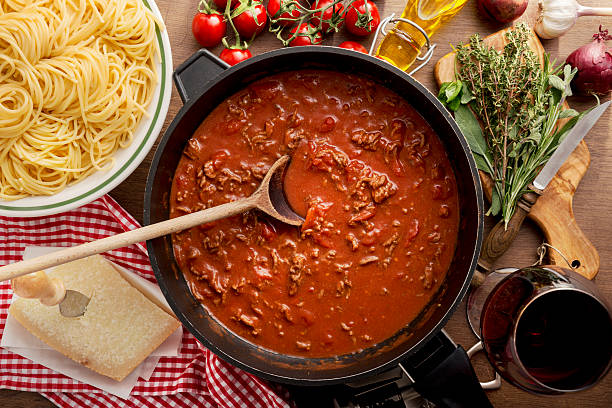
What Red Wine For Bolognese
Choosing the right red wine for Bolognese can elevate the sauce from good to unforgettable. In this quick guide, we’ll pinpoint the perfect varietals that complement the rich meat, tomatoes, and herbs without overpowering them. Expect recommendations like Chianti, Sangiovese, and a modest Barolo, plus tips on price points and pairing tricks. By the end, you’ll know exactly which bottle to uncork for a dinner that impresses every palate, fast and confidently and will make your guests smile tonight too.
How to Choose the Right Red Wine for Bolognese
Key flavor profiles to match
When pairing red wine with Bolognese, start by identifying the dominant flavors in the sauce—slow‑cooked beef, pork, tomatoes, and aromatic vegetables. Rich, savory meat notes blend best with wines that echo those umami tones, while the tomato acidity calls for a fruit‑forward profile.
Look for wines that showcase ripe cherry, plum, and subtle spice to mirror the sauce’s depth without overwhelming it. Avoid overly sweet or heavily oaked selections, as they can mask the delicate balance of herbs and garlic.
A medium‑bodied wine with a smooth mouthfeel will integrate seamlessly, allowing the sauce’s complexity to shine. By matching the wine’s flavor profile to the sauce’s core ingredients, you create a harmonious dining experience where each sip enhances every bite of the Bolognese.
Pair it with a simple side of garlic‑bread and a fresh salad to complete the meal.
Ideal acidity levels
Bolognese sauce relies on a bright tomato base that needs a wine with enough acidity to cut through the richness of meat and fat. A moderate acidity (around 3.5‑4.0 g/L) provides the lift that keeps the palate refreshed without turning the sauce sour.
Choose a wine such as Chianti Classico, Barbera, or a young Sangiovese, which naturally exhibit crisp red‑fruit acidity that mirrors the tomatoes. Avoid wines with very low acidity like overly ripe Merlot, as they can make the sauce feel heavy.
Conversely, extremely high‑acid wines (e.g., some Nebbiolo) may dominate the flavor profile. Aim for a balanced acidity that harmonizes with the sauce’s tang, enhancing the herbaceous notes of oregano and basil while supporting the savory depth of the meat.
Serve the dish with a light drizzle of extra‑virgin olive oil to accentuate the wine’s bright finish.
Tannin balance for sauce
Tannins give structure to red wine, but too much can clash with the smooth texture of Bolognese. Aim for soft to medium tannins that provide a gentle grip without overwhelming the sauce’s silkiness.
Wines like Montepulciano d’Abruzzo, a young Tempranillo, or a lightly‑oaked Cabernet Franc deliver the right amount of tannic backbone while keeping the palate supple.
The tannins should complement the protein in the meat, helping to cleanse the palate between bites, yet remain subtle enough to let the sauce’s garlic, onion, and herb layers shine.
Steer clear of highly tannic wines such as mature Barolo or heavily extracted Cabernet Sauvignon, as they can make the sauce taste gritty. By selecting a wine with balanced tannins, you ensure each spoonful feels velvety and each sip reinforces the depth of the Bolognese today.
What Red Wine Varieties Pair Best with Bolognese
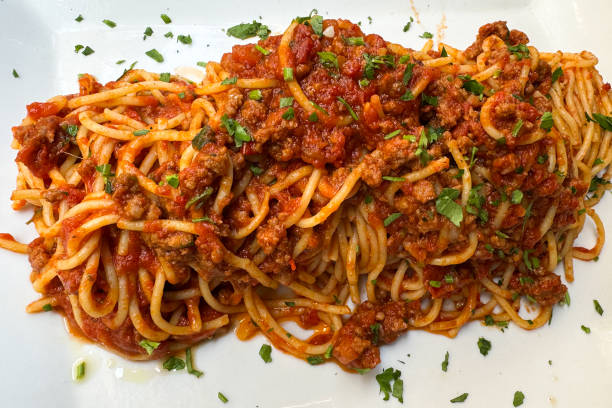
Chianti Classico
Chianti Classico offers bright acidity and moderate tannins that cut through the richness of a meat‑laden Bolognese. Look for a wine with vibrant cherry and red‑currant notes, complemented by subtle earthy undertones. The wine’s natural acidity mirrors the tomato base, while its tannic structure balances the pork and beef fat.
Serve the Chianti slightly below room temperature (around 16‑18 °C) to keep the fruit fresh and the palate lively. Pair it with a traditional tagliatelle Bolognese or a baked lasagna for a harmonious dining experience that highlights both the sauce’s depth and the wine’s elegance.
A short 10‑minute decant can soften any harsh edges, ensuring the wine integrates smoothly with the sauce’s herbs and Parmesan finish.
Barbera d’Asti
Barbera d’Asti is celebrated for its high acidity and juicy fruit profile, making it an excellent companion for the savory depth of Bolognese. Prioritize a bottling with bright plum, blackberry, and a hint of spice, which will echo the sauce’s tomato sweetness while cutting through the meat’s richness.
The wine’s low tannins allow the herbs—bay leaf, rosemary, and thyme—to shine without being overwhelmed. Serve the Barbera slightly chilled (15‑17 °C) to accentuate its crispness and keep the palate refreshed between bites.
A brief 5‑minute aeration can release subtle aromatics, ensuring the wine’s fruitiness meshes perfectly with the sauce’s umami backbone. Pair it with pappardelle or a hearty ragù for a balanced, comforting meal.
Montepulciano d’Abruzzo
Montepulciano d’Abruzzo delivers a plush mouthfeel, ripe dark‑fruit flavors, and a touch of smoky spice that stand up to the robust character of Bolognese. Select a wine showcasing black‑cherry, plum, and a whisper of pepper, which will complement the sauce’s caramelized onions and slow‑cooked meat.
Its moderate tannins and balanced acidity help soften the richness while enhancing the tomato’s acidity. Serve the Montepulciano at 17‑19 °C, allowing its velvety texture to unfold fully.
Decant for 10‑15 minutes to open up the subtle oak nuances, then enjoy with wide‑ribbon pasta like fettuccine or rigatoni, letting the wine’s depth mirror the sauce’s layered complexity.
Sangiovese
Sangiovese, the backbone of many Tuscan reds, offers bright acidity, red‑fruit brightness, and subtle herbal notes that harmonize with a classic Bolognese. Choose a version with cherry, strawberry, and a hint of dried oregano, mirroring the sauce’s tomato base and herbaceous seasoning.
Its firm yet elegant tannic structure cuts through the meat’s fat while preserving the sauce’s delicate balance. Serve the Sangiovese slightly cooler than room temperature (16‑18 °C) to keep its fruit forward and its acidity crisp.
A short 5‑minute swirl in the glass will release its aromatic profile, making it a perfect match for tagliatelle al ragù or a baked pasta casserole.
Tips for Selecting a Bottle on a Budget
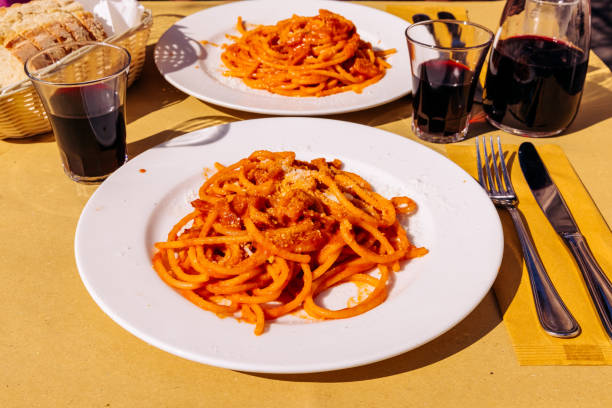
Price ranges that work
When you’re pairing red wine with a hearty Bolognese, aim for a price range that delivers flavor without breaking the bank.
Look for bottles between $8 and $15; many Italian Chianti, Montepulciano d’Abruzzo, or a modest Barbera fall comfortably here and provide enough acidity and tannin to cut through the meat sauce.
Shop the bulk bins or value shelves at larger retailers, where you can often find well‑rated wines at a discount. Don’t overlook supermarket private‑label selections—these are frequently sourced from reputable producers and can surprise you with quality.
If you have a bit more flexibility, stretch to $20 for a young Sangiovese or a Rioja Crianza, which adds complexity while still being affordable. Remember, the goal is a wine that complements the dish’s richness, not an expensive bottle that overwhelms the palate.
Reading labels for quality
Reading labels can quickly reveal whether a budget wine will stand up to a rich Bolognese. Focus on the grape variety—Sangiovese, Nebbiolo, or Grenache are classic choices that bring bright acidity and moderate tannins.
Look for terms like “Riserva” or “Reserva” which indicate a short aging period, adding structure without a steep price tag. Check the alcohol level; wines around 12‑13.5% ABV tend to be more food‑friendly and less hot on the palate.
If the label lists a specific vintage, aim for a recent year (2019‑2022) to ensure fruit freshness that will balance the tomato base. Also, note the region abbreviation—Chianti Classico, Montepulciano d’Abruzzo, or Rioja—these appellations have proven track records for value.
By scanning these key details, you can skip expensive tasting rooms and still pick a bottle that elevates your sauce tonight.
Regional shortcuts
Regional shortcuts let you buy confidently even when you’re watching the price. Italian regions such as Tuscany (Chianti, Morellino) and Abruzzo (Montepulciano) consistently produce affordable reds that marry well with meat‑based sauces.
Spanish Rioja and Portuguese Douro reds are often priced lower than their Italian counterparts yet deliver similar acidity and fruit depth. When you see a label from these areas, assume a medium‑body profile that will stand up to the richness of Bolognese without overpowering it.
For the ultimate bargain, explore lesser‑known zones like Sicily’s Nero d’Avola or France’s Languedoc‑Roussillon blends; they often appear for $7‑$12 and still offer the structure you need.
By focusing on these proven regions, you can shortcut the tasting process, trust the terroir, and select a wine that enhances the dish while staying within your grocery budget.
Best Ways to Cook Bolognese with Red Wine
When to add wine during simmer
Start by browning the minced beef, pork, and pancetta until a deep caramel crust forms; this step builds the sauce’s backbone. Add the wine after the meat is fully seared, using a wide, heavy‑bottomed pot to allow rapid evaporation.
Pour in ½ to ¾ cup of a dry, medium‑bodied red such as Chianti, Sangiovese, or a young Barolo, and stir vigorously to deglaze the fond. The alcohol lifts the browned bits, infusing the mixture with fruity acidity that balances the richness of the meat.
Let the wine simmer for two to three minutes before introducing tomatoes, broth, or milk; this short burst cooks off harsh alcohol while preserving the nuanced tannins that will mellow during the long simmer.
Timing the wine addition at this stage ensures the flavor integrates smoothly without overwhelming the final Bolognese.
How long to reduce
After the wine has been deglazed, the next critical step is reduction, which concentrates flavor and removes excess acidity. Aim for a reduction of roughly one‑third to one‑half of the original volume, typically 5‑7 minutes over medium‑low heat.
Watch the sauce closely; it should thicken slightly and develop a glossy sheen without scorching. Stir occasionally to prevent the meat from sticking, and use a wooden spoon to scrape the caramelized edges back into the liquid.
A proper reduction will transform the sharp, fruity notes of Chianti or Montepulciano into a mellow, earthy backbone that complements the tomatoes and soffritto later added. If the reduction evaporates too quickly, lower the heat and add a splash of broth to maintain moisture.
Conversely, if the sauce remains thin after the allotted time, increase the heat briefly, allowing the liquid to evaporate until the desired consistency is reached. This balanced reduction ensures the wine’s character is pronounced yet harmonious within the final Bolognese.
Combining wine with other liquids
The final layer of liquid balance comes when you blend the reduced wine with tomatoes, stock, and a touch of dairy. Choose a dry red with moderate acidity, such as a Nebbiolo or a Cabernet Sauvignon, to stand up to the acidity of crushed tomatoes while adding depth.
After the wine reduction, stir in a can of San Marzano tomatoes, allowing the sauce to return to a gentle boil. Then add a cup of low‑sodium beef or veal stock; the stock supplies savory umami that rounds out the wine’s fruitiness.
For a classic Bolognese, finish with a splash of whole‑milk cream or a dollop of mascarpone; the dairy softens the tannins and creates a velvety mouthfeel.
Keep the heat low and let the mixture simmer for at least one hour, stirring occasionally, so the flavors meld and the wine’s nuances integrate fully. This careful combination of wine, tomato, stock, and cream produces a harmonious sauce where each component shines without overpowering the others.
How to Store and Serve Red Wine for Bolognese
Optimal temperature for cooking
Choose a dry, medium‑bodied red such as Chianti, Sangiovese, or a young Barolo. Heat the wine gently to about 60‑65 °F (15‑18 °C) before adding it to the pan; this prevents a sudden temperature shock that can cause the sauce to seize.
Measure the amount—typically ½ to ¾ cup per pound of meat—to balance acidity and depth without overwhelming the other flavors. Add the wine after browning the meat and deglazing the pot, allowing it to simmer for 3‑5 minutes to evaporate harsh alcohol notes while preserving fruitiness.
Maintaining a steady simmer rather than a rapid boil ensures the sauce integrates the wine’s tannins smoothly, resulting in a richer, silkier texture that complements the tomatoes and herbs in a classic Bolognese.
If you prefer a fuller profile, a small splash of aged Cabernet Sauvignon can be added, but keep the total volume under one cup to avoid bitterness.
Decanting before use
Before stirring red wine into your Bolognese, decant it for 20‑30 minutes to let the aromas open and any sediment settle. This step is especially useful for younger wines like Montepulciano d’Abruzzo, which can be tight and tannic straight from the bottle.
Pour the wine into a clean glass decanter, allowing it to expose to air; the oxygen softens harsh edges and releases fruit‑forward notes that will brighten the sauce. If you lack a decanter, simply swirl the wine in a wide‑mouth pitcher for a minute and let it rest.
Taste a small sip before adding it to the pan; you should detect a balanced acidity and a hint of berry or cherry that will complement the tomatoes.
By decanting, you also reduce the risk of introducing unwanted bitterness from residual lees, ensuring a smoother, more harmonious flavor profile in the final Bolognese.
Storing leftovers
After cooking, store any leftover Bolognese with wine in an airtight container in the refrigerator for up to four days.
Before sealing, allow the sauce to cool to room temperature, then add a thin splash of the same red wine used during cooking to revive the depth of flavor that may dull over time.
For longer storage, transfer the sauce to a freezer‑safe bag, leaving a small headspace, and add an extra teaspoon of wine to counteract freeze‑induced flavor loss.
When reheating, gently simmer over low heat, stirring frequently, and pour in a modest amount of fresh wine—about two tablespoons per cup of sauce—to re‑balance acidity and enrich the mouthfeel. Avoid microwaving at high power, as it can cause the wine’s volatile compounds to evaporate quickly, leaving a flat taste.
By following these steps, the red wine’s character remains vibrant, keeping your Bolognese tasting as rich as the night it was first made.
Common Mistakes to Avoid When Pairing Red Wine and Bolognese
Overpowering the sauce
One of the most common errors is letting the wine dominate the dish instead of complementing it. A robust, high‑tannin wine can mask the delicate layers of meat, tomato, and herbs in a Bolognese.
To avoid this, select a red with moderate tannins and a soft mouthfeel, such as a Chianti Classico or a Sangiovese‑based blend. Look for wines that have fruit‑forward flavors—ripe cherry, plum, or subtle spice—that echo the sauce’s sweetness without overwhelming it.
Serve the wine slightly chilled (around 16‑18 °C) to keep the alcohol in check and preserve freshness. Finally, taste both the sauce and the wine together before serving; if the wine feels too aggressive, swap for a lighter option or dilute with a splash of water to soften the impact.
Pairing with a modestly aged bottle, around two to three years, also helps maintain balance and prevents the wine’s oak notes from overwhelming the sauce.
Using too young wine
Choosing a wine that is too young can leave the pairing flat because the flavors haven’t had time to integrate. Young reds often exhibit sharp acidity and green fruit notes that clash with the rich, cooked tomato base of Bolognese.
Opt for a wine that has spent at least one to two years aging in oak or bottle, allowing softened tannins and developed secondary aromas like dried herbs, leather, or earth. A Barbera d’Asti or a medium‑aged Montepulciano d’Abruzzo works well, offering enough structure without raw edge.
Before serving, give the bottle a brief 30‑minute breath to open up, and taste a sip alongside a spoonful of sauce.
If the wine still feels harsh or overly bright, let it sit a bit longer or choose a slightly older vintage to achieve harmony between the sauce’s depth and the wine’s maturity.
Ignoring acidity balance
Acidity is the silent bridge that links the bright tomato component of Bolognese with the structure of red wine. Ignoring this balance often results in a mismatch where the wine feels flat or the sauce becomes overly sharp.
Aim for a wine whose natural acidity mirrors the tang of the tomatoes, such as a Nebbiolo, a Chianti Rufina, or a lightly acidic Dolcetto. These wines provide enough crispness to cut through the fat of the meat while preserving the sauce’s sweet‑savory character.
When cooking, add a pinch of sugar or a splash of balsamic vinegar only if the wine’s acidity is too low, ensuring the overall palate stays harmonious.
Serve the wine at a cool room temperature and re‑evaluate after the first few bites; if the sauce still dominates, switch to a wine with higher acidity to restore equilibrium.
FAQ: Quick Answers About Red Wine and Bolognese
Can I use any red wine?
Choose a dry, medium‑bodied red such as Chianti, Sangiovese, or Merlot for authentic flavor. These wines provide enough acidity to cut the richness of the meat while adding subtle fruit notes. Avoid overly sweet wines like Lambrusco or heavy, tannic reds such as Cabernet Sauvignon, which can dominate the sauce.
If you only have a full‑bodied wine, dilute it with a splash of beef broth to soften the intensity. The key is to select a wine you would also enjoy drinking, because its character will shine through the simmering process.
Taste the sauce after the wine has reduced by half until it reduces by half, allowing the alcohol to evaporate and the flavors to concentrate, which deepens the sauce’s complexity and prevents a harsh bite.
What if I don’t have wine?
If you run out of red wine, don’t panic; several pantry staples can mimic its acidity and depth. Beef or chicken broth combined with a splash of balsamic vinegar gives a savory backbone and a touch of sweetness similar to a reduced wine.
For a fruitier profile, mix equal parts unsweetened cranberry or pomegranate juice with a teaspoon of red wine vinegar, then thin with a little water. Tomato paste dissolved in warm water also adds richness and a hint of umami, especially when seasoned with a pinch of dried herbs.
Remember to taste and adjust the seasoning after each addition, as these substitutes can shift the salt balance. While the exact nuance of wine is unique, these alternatives keep the sauce moist, flavorful, and balanced, ensuring your Bolognese remains comforting even without the original ingredient.
How much wine is needed?
The amount of red wine you add depends on the size of your batch and the intensity you desire. A typical rule of thumb for a standard 2‑pound (900 g) Bolognese is to start with ½ cup (120 ml) of dry red wine.
This quantity provides enough acidity to brighten the meat while contributing a subtle depth of flavor. If you are preparing a larger pot—say 4 pounds of meat—double the wine to 1 cup (240 ml).
Conversely, for a lighter sauce or if you prefer a milder taste, you can reduce the wine to ¼ cup (60 ml) and let it simmer longer to achieve the same concentration.
Always add the wine early, after browning the meat, and allow it to reduce by half before introducing the tomatoes; this step evaporates the alcohol and melds the flavors, resulting in a richer, more harmonious sauce.
Frequently Asked Questions
Which red wine pairs best with a classic Bolognese sauce?
A medium-bodied wine with good acidity, such as Chianti Classico or Sangiovese, complements the tomato and meat flavors without overwhelming them.
Can I use a full-bodied red wine like Cabernet Sauvignon for Bolognese?
While Cabernet Sauvignon can work, its high tannins may dominate the sauce; if you prefer it, use a smaller amount and balance with a splash of broth or water.
What Italian red wines are recommended for Bolognese?
Italian reds like Barbera, Montepulciano d’Abruzzo, or a young Nebbiolo provide bright acidity and fruit that enhance the richness of the sauce.
Should I add the wine at the beginning or end of cooking Bolognese?
Add the wine after browning the meat and before simmering the tomatoes; this allows the alcohol to evaporate while the flavors concentrate.
Is it okay to use a non-Italian red wine for Bolognese?
Yes, a French Côtes du Rhône or a Spanish Tempranillo can work well, as long as they are medium-bodied with moderate acidity.
How much wine should I add to a pot of Bolognese sauce?
Typically, ½ to ¾ cup of wine per pound of meat is sufficient; adjust based on your taste and the desired depth of flavor.
Conclusion
Choosing the right red wine for Bolognese is simple: opt for a medium‑bodied, fruit‑forward wine with moderate acidity and soft tannins, such as Chianti, Sangiovese, or a young Barolo. These wines enhance the sauce’s tomato richness without overpowering the meat. Remember to taste as you cook and adjust seasoning accordingly. With these tips, you’ll create a harmonious dish that impresses friends and family alike—cheers to your culinary success!