
What Pairs With Red Wine
If you’re wondering which foods make red wine shine, you’ve come to the right place. In the next few lines we’ll match classic and surprising pairings—think juicy steaks, rich mushroom risotto, sharp aged cheeses, and even dark chocolate desserts. Whether you prefer a bold Cabernet or a silky Pinot Noir, we’ll guide you to the perfect bite that enhances flavor, balances tannins, and turns any meal into a memorable experience. Let’s dive in! Enjoy the journey.
How to Choose Red Wine for Food Pairing
Match wine body with dish richness
Start by evaluating the weight of the red wine—light, medium, or full‑bodied—and match it to the richness of the dish. A light‑bodied Pinot Noir pairs well with delicate proteins such as roasted chicken or salmon, while a medium‑bodied Merlot complements heartier fare like pork tenderloin or mushroom risotto.
For robust dishes featuring grilled steak, lamb, or aged cheeses, choose a full‑bodied Cabernet Sauvignon or Syrah that can stand up to the intense flavors. Bold key points: align wine weight with protein density, consider cooking method, and use the sauce’s texture as a guide.
When the dish is creamy or buttery, a richer wine adds balance; when it is lean, a lighter wine preserves nuance. This strategic pairing ensures neither the food nor the wine overwhelms the other, creating a harmonious dining experience. Enjoy the perfect match.
Consider flavor intensity
When pairing red wine with food, focus on the intensity of flavors rather than just the ingredients. A wine with pronounced dark‑fruit notes, peppery spice, and firm tannins, such as a Zinfandel or Malbec, can handle bold flavors like barbecued ribs, peppered sausage, or heavily spiced chili.
Conversely, a subtle, earthy Pinot Noir works best with milder profiles such as herb‑crusted chicken, roasted vegetables, or a light tomato‑based pasta. Bold key points: compare the dominant taste of the dish with the wine’s primary aromatics, match spice levels, and avoid pairing a delicate wine with overpowering sauces.
If the dish includes strong umami elements like soy sauce or aged cheese, choose a wine whose fruit and spice can cut through the richness. Balancing intensity ensures each bite and sip amplify one another, creating a cohesive palate experience that highlights both the cuisine and the bottle.
Balance acidity and tannins
Acidity and tannins are the structural pillars of red wine, and they play a crucial role in food harmony. High‑acid reds like Chianti or Sangiovese brighten dishes with tomato sauces, vinaigrette‑marinated salads, or fatty pork, cutting through richness and refreshing the palate.
In contrast, low‑acid, tannin‑rich wines such as Cabernet Sauvignon or Nebbiolo pair well with protein‑dense foods like grilled steak, game, or aged hard cheeses, where the tannins soften the meat’s fibrous texture.
Bold key points: assess the dish’s fat content, choose acidity to lift heaviness, and use tannins to soften protein. When a sauce is cream‑based, a wine with moderate acidity and softer tannins, like Merlot, provides balance without overwhelming the cream.
For dishes featuring charred or smoky elements, a wine with firm tannins adds structure and complements the smoky bitterness. By aligning acidity and tannin levels with the dish’s composition, you achieve a seamless taste integration that enhances both components.
Best Red Wines for Classic Meat Dishes
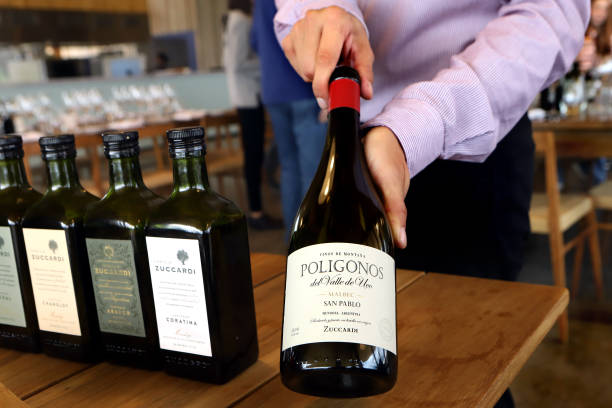
Cabernet Sauvignon with steak
Cabernet Sauvignon’s firm tannins and dark fruit flavors make it a natural partner for a juicy steak. Choose cuts like ribeye, strip, or filet mignon, seasoning them simply with salt, pepper, and a touch of rosemary.
Grill the meat to medium‑rare to keep the protein tender, then let it rest for five minutes before slicing. While the steak cooks, decant the wine for at least 30 minutes to soften its edge and release aromatic notes of blackcurrant and cedar.
Serve the wine slightly below room temperature, around 60°F, to balance acidity and alcohol. Pairing the wine’s structure with the meat’s fat creates a harmonious mouthfeel, while the wine’s acidity cuts through richness, enhancing both flavors.
For an extra layer, add a red‑wine reduction sauce, which mirrors the wine’s profile and ties the dish together.
Merlot with roasted chicken
Merlot’s soft tannins and ripe plum character complement the gentle flavor of roasted chicken, especially when the bird is seasoned with herbs and a hint of citrus.
Start by brining the chicken in a mixture of water, salt, and a splash of orange juice for one hour to keep the meat moist.
Pat it dry, rub it with olive oil, garlic, thyme, and a sprinkle of black pepper, then roast at 425°F for 45 minutes until the skin turns golden and crispy.
While the chicken roasts, gently warm the Merlot in a glass decanter for 15 minutes to open its aromatics of cherry, chocolate, and subtle spice. Serve the wine slightly chilled, around 58°F, which accentuates its fruitiness without overwhelming the delicate poultry.
The wine’s moderate acidity balances the savory juices, while its mellow body mirrors the chicken’s tenderness, creating a seamless pairing that elevates both components.
Syrah with lamb
Syrah’s peppery spice and bold dark‑fruit backbone make it a classic companion for lamb, whether it’s grilled, braised, or roasted. Begin with a rub of rosemary, garlic, cumin, and smoked paprika to highlight the wine’s earthy notes.
Cook the lamb to medium‑rare, allowing a pink center that preserves juiciness, then let it rest for ten minutes before carving.
While the meat rests, pour the Syrah into a wide‑bowl decanter and let it breathe for 20‑30 minutes; this releases aromas of blackberry, licorice, and a hint of smoked meat that echo the lamb’s flavor profile.
Serve the wine at 62°F to keep its tannic structure supple and its spice forward. The wine’s firm tannins cut through the lamb’s fat, while its savory spice lifts the herb rub, creating a balanced dialogue on the palate.
Finish the meal with a drizzle of mint‑yogurt sauce, which adds a fresh contrast that brightens both the wine and the dish.
Red Wine Pairings for Pasta and Pizza
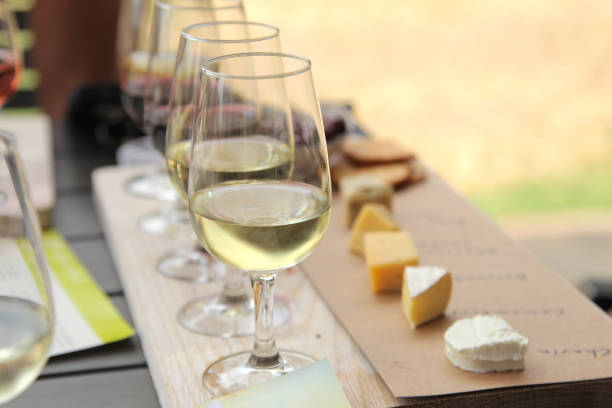
Chianti with tomato‑based sauces
When you serve a classic marinara or a hearty Bolognese, reach for a medium‑bodied Chianti to enhance the dish. Chianti’s bright acidity cuts through the tomato’s acidity, while its subtle tannins complement the meat’s richness. Warm the wine slightly—just above cellar temperature—to release aromatic notes of cherry and dried herbs.
Pair a 12‑oz glass with spaghetti, penne, or lasagna, and consider adding a pinch of fresh basil to the sauce for a harmonious herb‑wine bridge. For an extra layer of flavor, drizzle a touch of extra‑virgin olive oil on the pasta before serving; the oil mirrors the wine’s silky texture.
Serve the wine in a large, rounded glass to allow its fruit‑forward profile to shine, and enjoy the balanced interplay of acidity, tannin, and savory sauce. This combination also works well with a side of garlic‑bread, reinforcing the wine’s rustic character.
Pinot Noir with mushroom pizza
For a mushroom‑topped pizza, especially one featuring earthy varieties like cremini, shiitake, or portobello, a light‑to‑medium Pinot Noir is an ideal match. Pinot Noir’s soft tannins and bright red fruit notes echo the umami depth of the mushrooms without overwhelming them.
Serve the wine slightly chilled, around 55°F, to accentuate its refreshing acidity. Spread a thin layer of truffle oil on the crust before baking; the aromatic oil will intertwine with the wine’s subtle oak nuances.
When slicing the pizza, sprinkle a handful of fresh arugula and a drizzle of lemon‑infused olive oil to add a peppery brightness that mirrors the wine’s crisp finish. Use a tulip‑shaped glass to concentrate the fragrant bouquet, allowing aromas of cherry, raspberry, and forest floor to rise.
This pairing creates a harmonious dialogue between the wood‑synergy of the wine and the savory, earthy toppings.
Zinfandel with spicy arrabbiata
Spicy arrabbiata sauce, with its bold tomato base, chili flakes, and garlic, calls for a wine that can stand up to heat while adding its own fruit‑forward character. Zinfandel, with its ripe blackberry and peppery spice, does exactly that.
Zinfandel’s moderate acidity and jammy fruit balance the sauce’s heat, while its subtle tannins soften the lingering burn. Serve the wine at a cool room temperature, about 60°F, to keep the fruit flavors lively.
Before plating, toss the pasta with a splash of red‑wine vinegar and a sprinkle of grated Pecorino; the vinegar mirrors the wine’s acidity, and the cheese adds a creamy counterpoint. Choose a wide‑bowl glass to allow the wine’s aromatic profile of plum, cinnamon, and black pepper to unfold fully.
This combination transforms a fiery meal into a rounded, satisfying experience.
Cheese Selections That Complement Red Wine
Aged cheddar with bold reds
Pair an aged cheddar with robust red wines such as Cabernet Sauvignon, Syrah, or Malbec to highlight the cheese’s nutty depth. Start by letting the cheddar breathe at room temperature for 30 minutes, which softens its texture and releases aromatic oils.
Slice the cheese into ½‑inch pieces and arrange them on a wooden board alongside a handful of toasted almonds and dried figs for contrast. When pouring the wine, let it aerate in a decanter for ten minutes to soften tannins, then serve at 60‑65°F.
Taste the wine first, then follow with a bite of cheddar; the cheese’s creamy fat coats the palate, mellowing the wine’s acidity and emphasizing dark fruit notes. Finish the pairing by cleaning the palate with a small slice of crisp apple, which refreshes the flavors for the next sip.
Brie and soft reds
Brie’s buttery, earthy profile pairs beautifully with lighter red wines like Pinot Noir, Gamay, or a young Merlot, creating a harmonious balance of fruit and cream. Begin by letting the Brie sit out of the refrigerator for 20‑30 minutes so it reaches a supple temperature.
Cut the wheel into wedges about 1‑inch thick and place them on a platter with fresh berries, thinly sliced pear, and a drizzle of honey for a touch of sweetness. Serve the red wine slightly chilled at 55‑60°F; a brief swirl in the glass will open up floral aromas.
Take a sip, then let a piece of Brie melt on your tongue before the next bite; the cheese’s fat softens the wine’s acidity and lifts its red‑berry notes. Conclude the tasting with a few toasted walnuts, which add crunch and a nutty finish that echoes the wine’s subtle spice.
Blue cheese with sweet reds
Blue cheese’s sharp, salty character shines when paired with sweet‑finished reds such as Port, Zinfandel, or a ripe Shiraz, allowing the wine’s fruitiness to temper the cheese’s pungency. Start by crumbling a modest amount (about 30 g) onto a small plate; avoid over‑loading to keep each bite balanced.
Add complementary elements like sliced pear, honey‑glazed walnuts, and a few dark chocolate shavings to create layers of flavor. Serve the sweet red slightly cooler than room temperature, around 58‑62°F, and give it a gentle swirl to release its aromatic profile.
Take a sip, then let a piece of blue melt on your tongue before the next bite; the cheese’s creamy fat mellows the wine’s high alcohol, while the wine’s jammy berries highlight the blue’s earthy undertones.
Finish the experience with a sip of sparkling water to cleanse the palate and prepare for another round of contrast.
Vegetarian and Vegan Pairings
Beet salad with Grenache
Start with a fresh beet salad to highlight the bright fruit of Grenache. Toss roasted beets, arugula, and goat‑cheese‑free feta with a vinaigrette of red wine vinegar, olive oil, and a pinch of orange zest.
Add toasted walnuts for crunch and a splash of honey to echo the wine’s subtle sweetness. The earthiness of beets mirrors the wine’s red berry notes, while the acidity balances its soft tannins. Serve the salad chilled, letting the flavors meld for ten minutes before plating.
This pairing works especially as a starter or light lunch, keeping the meal light, vibrant, and fully vegetarian. Pair the wine slightly chilled at 55°F to enhance its fruitiness. If you prefer a richer texture, drizzle a spoonful of walnut‑oil‑based pesto over the top just before serving.
The combination of earthy beets and the wine’s soft spice creates a harmonious mouthfeel that satisfies both palate and nutrition goals. For a complete vegan experience, replace the feta with crumbled tofu marinated in lemon and herbs.
This ensures the dish remains nutrient‑dense and satisfying while complementing the Grenache’s lively profile.
Grilled portobello with Malbec
Grilled portobello mushrooms are a robust match for the full‑bodied character of Malbec. Marinate large caps in a blend of soy sauce, smoked paprika, minced garlic, and a dash of balsamic vinegar for at least thirty minutes.
Heat the grill to medium‑high and cook each side for four to five minutes until char marks appear and the interior stays juicy. The smoky, umami depth of the mushroom amplifies Malbec’s dark plum and black‑currant flavors, while the acidity of the balsamic cuts through the wine’s firm tannins.
Serve the mushrooms atop a bed of quinoa mixed with roasted red peppers and fresh cilantro for added texture. Pairing the dish with a slightly cooler Malbec (around 60°F) enhances its fruit profile without muting the earthy notes.
Consider adding a side of grilled asparagus spears brushed with lemon zest to introduce a contrast that lifts the Malbec’s richness. A drizzle of pomegranate molasses over the mushrooms adds an element that mirrors the wine’s berry finish.
When serving, present the plate with a sprig of rosemary to echo the herbaceous undertones in the dish and the wine. This combination ensures the meal is satisfying for vegans and showcases the depth of Malbec.
Lentil stew with Rioja
Lentil stew is a comforting companion for the elegant structure of Rioja. Begin by sautéing onions, carrots, and celery in olive oil until softened, then add garlic, smoked paprika, and a splash of sherry for depth.
Stir in brown lentils, diced tomatoes, vegetable broth, and a bay leaf, letting the mixture simmer for forty‑five minutes until the lentils are tender. Season with fresh thyme and a pinch of sea salt to bring out the stew’s earthy richness, which mirrors Rioja’s red‑fruit and vanilla notes.
Serve the stew in a shallow bowl, topped with a drizzle of extra‑virgin olive oil and a handful of chopped parsley for brightness. Pair the dish with a glass of Rioja at 58‑60°F to accentuate its silky tannins and subtle oak influence.
For added texture, add a side of roasted cauliflower florets tossed in rosemary; the caramelized edges complement the wine’s mellow acidity, making the meal nutritious, satisfying, and perfectly aligned with a vegan palate.
Tips for Pairing Red Wine with Desserts
Dark chocolate and Cabernet
Pair a rich Cabernet Sauvignon with dark chocolate for a classic, indulgent match. Choose 70% or higher cocoa to stand up to the wine’s firm tannins and full‑body.
Serve the chocolate slightly warmed so the flavors melt together, and consider adding a pinch of sea salt to highlight the wine’s fruit notes. Match intensity by selecting a chocolate bar that has deep, roasted flavors and a hint of espresso or cherry, which echo the Cabernet’s blackcurrant and oak.
For a dessert, create a dark‑chocolate mousse or a flourless cake, and drizzle a splash of the same Cabernet over the top just before serving. This technique reinforces the pairing and adds a glossy finish.
Enjoy slowly, allowing each sip to cleanse the palate before the next bite, ensuring the wine’s acidity balances the chocolate’s bitterness.
Berry tarts with Pinot Noir
Pinot Noir’s bright acidity and subtle fruit profile make it an ideal companion for berry‑filled tarts. Select a tart that features a buttery crust filled with mixed berries—strawberries, raspberries, and blueberries—so the wine’s red‑fruit aromas are echoed.
Sprinkle a light dusting of powdered sugar and a drizzle of honey to enhance the natural sweetness without overwhelming the palate. Serve the wine slightly chilled (around 55°F) to accentuate its crispness and let the tart’s tartness balance the wine’s soft tannins.
For extra depth, add a dollop of vanilla‑infused whipped cream, which complements Pinot Noir’s subtle oak notes.
Pair bite‑for‑bite: take a spoonful of tart, then sip the wine, allowing the berry juices to lift the wine’s cherry and earth tones, while the wine’s acidity cuts through the richness of the crust. This harmonious exchange creates a refreshing finish that invites another round.
Cheesecake with a light red
A light‑bodied red such as a Gamay or a young Merlot pairs beautifully with creamy cheesecake, offering just enough fruit to lift the dessert without overpowering it.
Choose a plain or vanilla‑flavored cheesecake and top it with a thin layer of fresh strawberries or a raspberry coulis, which mirrors the wine’s red‑berry notes. Keep the wine chilled to about 58°F so its lively acidity can cut through the richness of the cheese.
Add a subtle garnish like a mint leaf or a sprinkle of toasted almond slivers to introduce a gentle nutty aroma that complements the wine’s soft tannins.
When serving, place a small slice on a plate, take a sip of the wine, then bite into the cheesecake; the contrast of creamy texture and bright fruit creates a balanced mouthfeel.
This pairing works especially well for brunch or a light dessert after a hearty meal, leaving a clean, satisfying finish.
Practical Pairing Strategies for Everyday Meals
Use the 3‑C rule: cuisine, contrast, complement
Start by applying the 3‑C rule: cuisine, contrast, and complement. Identify the dominant cuisine style of your meal—Italian, French, Asian, or American—and select a red wine that shares regional characteristics or classic pairings.
Next, look for contrast: pair a tannic wine like Cabernet Sauvignon with fatty, protein‑rich dishes such as steak or lamb to cut through richness. Finally, seek complement by matching flavor notes; a Pinot Noir’s red‑fruit aroma pairs beautifully with mushroom risotto or roasted chicken, echoing earthiness.
When planning a dinner, write down the main ingredient, its cooking style, and the wine’s profile, then check each of the three criteria. This systematic approach removes guesswork and ensures every bite and sip enhance each other, turning everyday meals into a cohesive tasting experience.
Try this method with a simple pasta Bolognese and a Merlot to see the balance in action.
Adjust pairing for cooking method
Cooking method dramatically reshapes how flavors interact with red wine, so tailor your choice accordingly. Grilled or charred foods develop smoky, caramelized notes; pair them with a wine that has a hint of oak or spice, such as a Syrah or Zinfandel, to echo the fire‑kissed surface.
Roasted dishes, especially those with herbs like rosemary or thyme, benefit from a medium‑bodied wine like a Merlot, whose soft tannins and subtle earth tones complement the herbaceous crust without overwhelming it.
For slow‑braised stews, the prolonged cooking extracts deep, gelatinous richness—match this with a full‑bodied Cabernet or a Bordeaux blend whose firm structure can stand up to the intensity. When sautéing with butter or olive oil, choose a lighter red like a Gamay, whose bright acidity cuts through the fat.
By aligning the wine’s texture and flavor profile with the specific heat technique, you create a harmonious balance that elevates both the dish and the drink.
Experiment with temperature and glassware
Temperature and glassware are often overlooked but they fine‑tune the partnership between red wine and everyday meals. Serve lighter reds such as Pinot Noir or Gamay slightly cooler—around 55‑58 °F (13‑14 °C)—to preserve their delicate fruit aromas and keep acidity lively, which brightens salads, grilled fish, or poultry.
Fuller‑bodied wines like Cabernet Sauvignon or Malbec should be a few degrees warmer, about 60‑65 °F (15‑18 °C), allowing tannins to soften and flavors to open up, perfect for hearty stews or grilled red meat.
Choose glassware that matches the wine’s structure: a broad‑bowl, tapered‑rim glass for bold reds encourages oxygen flow and showcases complexity, while a narrower, upright glass concentrates the bouquet of lighter wines.
Experiment by rotating the glass half‑turn after a sip to release hidden notes, and note how a modest change in temperature or vessel can transform the perception of fruit, spice, or oak. Document these tweaks in a simple chart to repeat the most successful combos for future meals.
Frequently Asked Questions
What foods pair best with full‑bodied red wines like Cabernet Sauvignon?
Rich, flavorful dishes such as grilled steak, lamb, or hearty stews complement the tannins and dark fruit notes of full‑bodied reds, enhancing both the wine and the food.
Which cheeses go well with lighter red wines like Pinot Noir?
Soft to medium‑hard cheeses such as Brie, Gruyère, or mild cheddar match the delicate fruit and subtle earthiness of Pinot Noir without overwhelming its nuances.
Can I pair red wine with spicy cuisine?
Yes—spicy dishes like Mexican or Indian fare pair nicely with fruit‑forward reds like Zinfandel or Grenache, whose sweetness balances heat and highlights the wine’s spice notes.
What side dishes complement a glass of Merlot?
Merlot’s smooth, plum‑like profile pairs well with roasted vegetables, mushroom risotto, or herb‑seasoned chicken, offering a harmonious blend of flavors.
Is chocolate a good match for red wine?
Dark chocolate, especially with 60‑70% cocoa, pairs beautifully with robust reds like Syrah or Malbec, as the wine’s dark fruit and peppery notes echo the chocolate’s bitterness.
How do I choose a red wine to match a cheese board?
Select a variety of reds: a bold Cabernet for strong cheeses, a medium‑bodied Merlot for semi‑soft cheeses, and a light Pinot Noir for milder cheeses, ensuring each wine enhances the specific cheese’s texture and flavor.
Conclusion
In short, red wine shines alongside bold, savory foods—think grilled steak, hearty stews, aged cheeses, and mushroom‑rich dishes—while also complementing simple sides like roasted vegetables or a dark chocolate dessert. Balance acidity, tannins, and spice to enhance both wine and food. Experiment with regional pairings and trust your palate; the perfect match awaits, so enjoy discovering your own delicious combinations.
