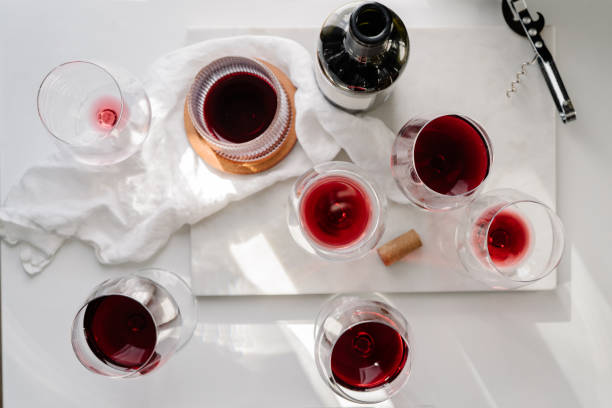
What Pairs With Pinot Noir
Looking for the perfect match for Pinot Noir? You’re in the right place. In the next few lines we’ll quickly reveal the foods that complement its bright fruit, silky tannins, and subtle earthiness. From roasted chicken and mushroom risotto to salmon, soft cheeses, and even dark chocolate, we’ll give you a concise guide so you can pair your bottle with confidence and enjoy every sip. Let’s dive in! These pairings work for casual meals, dinner parties, and wine‑tasting evenings alike.
How to Choose the Right Pinot Noir for Food Pairing
Assessing flavor profile
Begin by tasting the Pinot Noir’s core aromas—red berries, cherry, and subtle earth. Identify dominant fruit notes; brighter cranberry pairs well with lighter dishes, while richer plum complements heartier fare. Look for secondary flavors such as mushroom, forest floor, or spice, which can echo savory components in a meal.
Assess the level of oak; a lightly oaked wine offers clean acidity that lifts salads and seafood, whereas pronounced vanilla and toast can stand up to roasted poultry. Consider any lingering sweetness; a touch of residual sugar balances spicy Asian cuisine.
By mapping these sensory cues to the menu, you can select a Pinot Noir that either mirrors the dish’s flavors for harmony or provides a contrasting brightness that refreshes the palate between bites.
Finally, note the wine’s finish length; a lingering finish can sustain the flavor dialogue throughout a multi‑course dinner, ensuring each bite remains integrated with the wine’s evolving profile.
Considering body and acidity
Next, evaluate the wine’s body and acidity, as these structural elements dictate how it interacts with food textures. A lighter‑bodied Pinot Noir with crisp acidity excels alongside delicate proteins like salmon, scallops, or herb‑crusted chicken, cutting through richness without overwhelming.
Conversely, a fuller‑bodied style with softer tannins and a round mouthfeel can stand up to richer fare such as duck confit, mushroom risotto, or grilled pork shoulder. Match the acidity level to the dish’s sauce; high‑acid wines brighten tomato‑based or vinaigrette sauces, while moderate acidity pairs smoothly with cream‑based sauces.
Consider the balance between fruit and acidity; a wine that leans toward fruit may need a dish with a touch of acidity to prevent it from tasting overly sweet.
By aligning body and acidity with the dish’s weight and sauce profile, you create a harmonious mouthfeel that enhances both the wine and the cuisine.
Matching vintage to dish
Finally, think about the vintage and how its age influences pairing potential. Younger vintages of Pinot Noir retain vibrant fruit and higher acidity, making them ideal for dishes that benefit from a lively lift, such as roasted vegetables, beet salads, or spicy Asian stir‑fries.
More mature vintages develop softer tannins, deeper earthy notes, and a smoother finish, which complement complex, slow‑cooked meals like beef bourguignon, braised lamb shank, or mushroom‑laden pasta.
Assess the harvest year’s climate; a cooler year often yields higher acidity and red‑fruit purity, while a warmer year adds jammy richness suitable for heartier fare. Align the wine’s developmental stage with the cooking technique: fresh, bright wines for quick‑sear or grilling, and rounder, evolved wines for braising or roasting.
By matching the vintage’s character to the dish’s intensity and preparation method, you ensure a seamless dialogue that elevates both the food and the wine.
What Foods Pair Best with Light‑bodied Pinot Noir
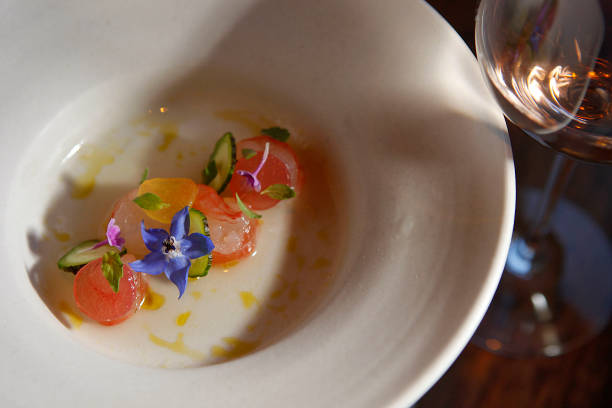
Grilled salmon and trout
Pair a light‑bodied Pinot Noir with grilled salmon or trout for a bright, harmonious meal. Choose a simple herb rub of dill, thyme, and lemon zest to keep the fish delicate and let the wine’s red fruit notes shine.
Grill the fish skin‑side down for four minutes per side, then finish with a splash of fresh lemon juice to echo the wine’s acidity.
Serve with a side of lightly dressed arugula salad tossed in olive oil and a pinch of sea salt, which adds a peppery crunch that mirrors the Pinot’s subtle spice.
If you prefer a richer texture, add a drizzle of almond‑based beurre blanc; the nutty undertones will complement the wine’s soft tannins. This combination creates a balanced plate where the fish’s smoky char and the wine’s fruit‑forward profile enhance each other without overwhelming the palate.
Roasted chicken
Roasted chicken is a classic companion for light‑bodied Pinot Noir, offering gentle richness that matches the wine’s subtle structure.
Season the bird with a blend of rosemary, sage, and cracked black pepper, then roast at 375°F until the skin turns golden and the internal temperature reaches 165°F, preserving juicy meat that highlights the wine’s soft tannins.
Add a splash of cherry‑balsamic glaze during the last ten minutes; the sweet‑tart flavor mirrors the Pinot’s bright red‑berry aromas. Pair with a side of roasted root vegetables—carrots, parsnips, and beets tossed in olive oil and thyme—to introduce earthy sweetness that echoes the wine’s mineral notes.
Finish the plate with a light drizzle of herb‑infused olive oil, reinforcing the aromatic connection. This straightforward preparation lets the Pinot’s elegance shine while the chicken’s savory depth provides a satisfying, balanced dining experience.
Mushroom risotto
Mushroom risotto pairs beautifully with a light‑bodied Pinot Noir, as the creamy texture and earthy flavors amplify the wine’s subtle fruit and acidity.
Start by sautéing a mix of cremini, shiitake, and porcini mushrooms in butter until they release their aroma, then deglaze with a splash of dry white wine to add depth.
Stir in Arborio rice, toast briefly, and gradually add warm vegetable broth, allowing each ladleful to absorb before the next, creating a silky base that mirrors the Pinot’s smooth mouthfeel.
Finish the risotto with a handful of grated Parmesan and a drizzle of truffle oil; the umami richness highlights the wine’s red‑cherry notes while the slight earthiness complements its gentle tannins.
Serve the dish hot, garnished with fresh parsley for a pop of color and a hint of herbaceous brightness that ties the plate together, delivering a cohesive, elegant pairing that satisfies both palate and soul.
Best Pairings for Medium‑bodied Pinot Noir
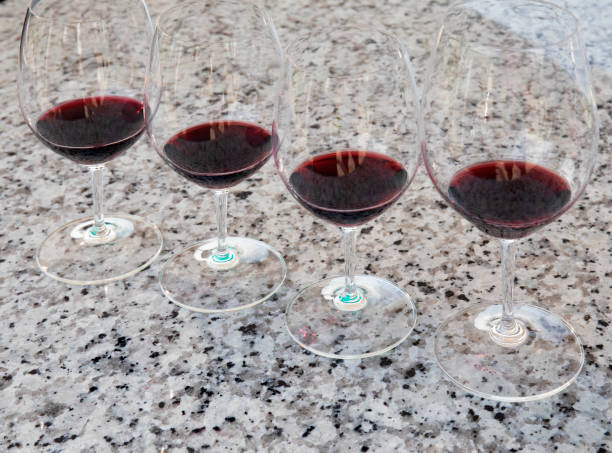
Duck breast with cherry glaze
Start by searing a duck breast until the skin is crisp, then finish it in the oven to keep the meat juicy. While the duck rests, whisk together cherry jam, a splash of red wine vinegar, and a pinch of black pepper to create a glossy glaze.
Brush the glaze over the sliced duck just before serving. The rich, fatty texture of the duck balances the bright acidity and soft tannins of a medium‑bodied Pinot Noir, while the cherry notes echo the wine’s subtle red‑fruit flavors.
Serve the dish with a side of lightly sautéed wild mushrooms or a simple arugula salad dressed with lemon to add a fresh contrast. This combination highlights the wine’s elegance and makes the pairing memorable for both casual diners and seasoned wine enthusiasts.
Serve the Pinot Noir slightly chilled, around 55°F, in a large‑bowl glass to allow its aromas to open fully, and let the guests sip slowly to appreciate the harmony between the fruit‑forward wine and the sweet‑savory duck.
Pork tenderloin with herb rub
Begin by trimming a pork tenderloin and patting it dry. Create a herb rub using rosemary, thyme, minced garlic, cracked black pepper, and a drizzle of olive oil; the aromatic herbs will complement the subtle earthiness of a medium‑bodied Pinot Noir.
Rub the mixture evenly over the meat, then sear each side in a hot skillet to develop a caramelized crust before transferring it to a preheated oven to finish cooking to medium‑rare. Let the tenderloin rest for ten minutes, then slice it thinly against the grain.
The lean protein and herbaceous notes of the pork enhance the wine’s soft tannins and red‑berry undertones, while the slight fattiness provides a smooth mouthfeel that mirrors the wine’s silky texture.
Pair the dish with roasted root vegetables tossed in a touch of honey and a sprinkle of sea salt to add a sweet‑savory balance. Serve the Pinot Noir at cellar temperature, about 60°F, in a tulip‑shaped glass to concentrate its fragrant profile.
Hearty pasta sauces
Choose a pasta that can hold sauce well, such as pappardelle or rigatoni, and prepare a hearty tomato‑based ragù enriched with sautéed mushrooms, caramelized onions, and a splash of red wine.
Simmer the sauce slowly, allowing the vegetables to soften and the flavors to meld, then finish with a handful of fresh basil and a drizzle of extra‑virgin olive oil.
The umami depth of the mushrooms and the sweet acidity of the tomatoes create a perfect backdrop for a medium‑bodied Pinot Noir, whose soft tannins and cherry‑red fruit notes will cut through the richness while echoing the sauce’s earthiness.
Add a generous sprinkle of grated Parmesan and a pinch of cracked black pepper just before plating to introduce a creamy, salty element that enhances the wine’s subtle spice.
Serve the dish warm, and present the Pinot Noir slightly chilled, around 57°F, in a large‑bowl glass to let its aromas of red plum and spice unfold alongside each bite.
Tips for Pairing Pinot Noir with Cheese
Soft cheeses that complement
Soft cheeses create a silky backdrop that lets Pinot Noir’s bright acidity and red‑fruit notes shine. Choose a young Brie or Camembert that offers buttery richness without overwhelming the wine.
The mild mushroom aroma in these cheeses mirrors the subtle earthiness of Pinot, while the creamy texture balances the wine’s light tannins. Serve at room temperature for optimal flavor integration, and pair with a slice of fresh baguette or lightly toasted crackers to add a neutral crunch.
Adding a drizzle of honey or a few fresh berries can amplify the wine’s cherry and raspberry flavors, creating a harmonious mouthfeel. Remember to keep the cheese portion modest—about one ounce per glass—so the wine remains the star of the pairing experience.
Pair this combination during a relaxed evening appetizer or as part of a cheese board that includes seasonal fruits like sliced pear or apple, which echo the wine’s subtle spice.
Semi‑hard options
Semi‑hard cheeses provide enough structure to match Pinot Noir’s gentle tannins while contributing complementary flavors. Opt for a young Gruyère or a mild Manchego that offers nutty undertones and a firm crumb. These cheeses echo the wine’s subtle oak influence and enhance its cherry‑and‑plum profile.
Slice the cheese thinly and let it sit for 15 minutes at room temperature; this softens the texture and releases aromatic compounds that mingle with the wine’s acidity.
Pair with a handful of toasted walnuts or a drizzle of fig jam to introduce a sweet‑savory contrast that highlights the Pinot’s spice notes. Serve alongside roasted chicken or mushroom‑laden pasta to create a cohesive meal where the cheese, food, and wine each reinforce the other’s characteristics.
Keep the portion modest—about two ounces per glass—to maintain balance and let the Pinot’s elegance remain front and center.
Blue cheese considerations
Blue cheeses can be intimidating, but when paired thoughtfully they can elevate Pinot Noir’s fruit‑forward character. Select a milder blue such as Gorgonzola Dolce or a creamy Roquefort that offers a gentle tang without overwhelming the wine’s delicate structure.
The salty, umami notes of these cheeses amplify the Pinot’s raspberry and cranberry nuances, while the creamy mouthfeel softens the wine’s acidity.
Crumble a small amount—about a quarter cup—onto a slice of pear or a few crisp apple wedges; the fruit’s natural sweetness balances the cheese’s sharp edge and mirrors the wine’s subtle spice.
Serve the pairing on a chilled slate platter with a drizzle of aged balsamic reduction to add depth and a hint of sweetness.
Keep the portion modest, as the intensity of blue can quickly dominate; a single bite per glass ensures the Pinot remains the star while the cheese provides a compelling, complementary accent.
How to Pair Pinot Noir with Side Dishes and Vegetables
Root vegetables roasted with herbs
When you serve Pinot Noir, roasted root vegetables create a harmonious match that highlights the wine’s subtle earthiness and bright acidity.
Choose carrots, parsnips, and beets, cut into uniform pieces, then toss with olive oil, sea salt, cracked black pepper, and a blend of rosemary, thyme, and a pinch of smoked paprika. Roast at 425°F (220°C) for 30‑35 minutes, turning once, until the edges caramelize and the interiors stay tender.
The natural sweetness of the vegetables balances the wine’s soft tannins, while the herbaceous aromatics echo the Pinot’s red‑fruit and floral notes. For an extra layer of flavor, finish the dish with a drizzle of balsamic reduction or a sprinkle of toasted walnuts just before serving.
This combination makes the wine feel fuller on the palate without overwhelming its delicate profile, turning a simple side into a star pairing.
Sautéed greens
Sautéed greens are a light, vibrant companion that accentuates Pinot Noir’s bright acidity and delicate fruit character. Begin with a mix of baby spinach, Swiss chard, and kale, washed and roughly chopped.
Heat a skillet over medium‑high heat, add a tablespoon of extra‑virgin olive oil, and melt a small knob of butter for richness. Toss the greens in, seasoning with flaky sea salt, freshly cracked black pepper, and a squeeze of lemon juice to lift the flavors.
Cook for 2‑3 minutes, just until wilted but still bright green, then finish with a handful of toasted pine nuts and a sprinkle of grated Pecorino Romano.
The slight bitterness of the greens mirrors the wine’s subtle tannins, while the citrus note brightens the palate, allowing the Pinot’s cherry and raspberry aromas to shine. This quick side dish adds texture and depth without masking the wine’s nuanced profile.
Seasonal fruit accompaniments
Seasonal fruit can turn a simple Pinot Noir tasting into a memorable experience, as the wine’s soft tannins and bright acidity pair beautifully with sweet‑tart flavors. Choose fruits that are in peak season—such as sliced ripe pears, crisp apples, or tart cherries—and prepare them with a light glaze.
In a saucepan, combine a splash of apple cider, a drizzle of honey, and a pinch of ground cinnamon; warm until the honey dissolves. Toss the fruit slices in the warm glaze, then serve them at room temperature alongside the wine.
The natural sugars enhance the Pinot’s red‑berry notes, while the gentle spice echoes its subtle earthy undertones. For added texture, sprinkle toasted almond slivers or a few crumbled goat cheese over the fruit.
This pairing creates a balanced contrast: the fruit’s freshness lifts the wine’s palate, and the wine’s acidity keeps the fruit from becoming cloyingly sweet.
What to Avoid When Pairing Pinot Noir
Overly spicy dishes
Pinot Niro’s delicate fruit and subtle earth tones can be overwhelmed by excessive heat. Dishes drenched in hot chili, cayenne, or fiery curry sauces tend to mute the wine’s nuanced aromas, leaving a flat, bitter finish.
When you crave spice, temper the heat by using milder peppers, a touch of smoked paprika, or a sweet element like caramelized onions to balance the palate. Pairing with a lightly spiced mushroom risotto or roasted beet salad lets the wine’s red‑berry notes shine without competing against aggressive heat.
Remember, moderation is key; a pinch of spice can enhance, but a blaze will dominate the pairing experience. If you must serve a spicy entrée, consider serving the Pinot Noir slightly chilled (around 55°F) to accentuate its crisp acidity, which can cut through a hint of heat.
Additionally, serving the wine alongside a cooling side such as a cucumber‑mint salad or a dollop of plain Greek yogurt can create a refreshing contrast, preventing the spice from overpowering the wine.
By keeping the spice level subtle and balancing flavors, you preserve the wine’s elegance and enjoy a harmonious dining experience.
Heavy red meats
Pinot Noir’s light‑to‑medium body and bright acidity are not built to stand up to robust, fatty cuts like ribeye, porterhouse, or lamb shank. The wine’s subtle tannins can be swallowed by the meat’s richness, resulting in a muted palate and a perception of bitterness.
To keep the pairing enjoyable, opt for leaner proteins such as grilled chicken breast, turkey, or pork tenderloin, which allow the wine’s cherry and earth notes to remain prominent.
If you prefer a red‑meat dish, choose a preparation that trims excess fat and incorporates aromatic herbs—think rosemary‑rubbed pork loin or a herb‑crusted veal cutlet. Serving the Pinot Noir slightly cooler (around 54–56°F) can enhance its acidity, helping it cut through the remaining juiciness without being overwhelmed.
Trim the fat and focus on herb‑forward flavors to let the wine’s elegance shine alongside meat.
Strongly flavored sauces
Pinot Noir thrives on subtlety, so intense sauces—think heavy béarnaise, rich demi‑glace, or bold barbecue glaze—can dominate the wine’s delicate profile. The sauce’s concentrated umami and sweetness often mask the wine’s red‑fruit aromatics and silky texture, leaving a flat tasting experience.
To preserve balance, choose lighter accompaniments such as a drizzle of olive oil with fresh herbs, a simple mushroom sauté, or a vinaigrette made with shallots and a splash of red wine vinegar.
If a richer sauce is desired, thin it with broth or tomato purée to reduce intensity, and pair it with a Pinot Noir that has a slightly higher acidity, which can cut through the sauce’s richness. Serving the wine in a slightly chilled glass (55°F) also helps maintain its freshness.
By moderating sauce intensity, you allow the wine’s nuanced flavors to interact harmoniously with the dish.
Best Ways to Serve Pinot Noir for Optimal Pairing
Ideal serving temperature
Serve Pinot Noir slightly chilled to highlight its bright fruit and subtle tannins. Aim for a temperature between 55°F and 60°F (13°C‑16°C); this is cool enough to preserve aromatic freshness without muting flavor.
If the wine is stored in a cellar, pull the bottle out 15‑20 minutes before opening and let it sit at room temperature. For warmer climates, place the bottle in an ice bucket with half ice, half water for about 5‑7 minutes.
Use a wine thermometer to verify the target range, adjusting as needed. Remember that overly cold temperatures can mask the wine’s delicate spice notes, while too warm a pour may accentuate alcohol and make the finish feel harsh.
By mastering the serving temperature, you set the stage for perfect pairings with poultry, salmon, mushroom dishes, and soft cheeses.
Glassware selection
Choosing the right glass enhances Pinot Noir’s nuanced profile and guides the palate toward its best companions. Opt for a large‑bowl, tapered‑rim glass that allows gentle swirling, releasing aromatic compounds while directing the wine to the tip of the tongue where fruit flavors shine.
Avoid overly narrow flutes, which can trap aromas, and skip heavy crystal that may cool the wine too quickly. A standard Burgundy glass—approximately 12‑14 ounces with a 4‑inch bowl—offers the ideal balance of surface area and stem length, keeping the wine at the desired temperature.
When serving multiple wines, keep each glass separate to prevent cross‑contamination of scents. Clean the glassware with warm water only; detergent residues can mute delicate notes.
By pairing the correct glass with your Pinot Noir, you amplify its earthy undertones, making it a flawless match for roasted duck, herb‑crusted pork, or a cheese board featuring brie and gouda.
Decanting tips
Decanting Pinot Noir can soften tannins and open up its fruit bouquet, especially for younger bottles. Start by standing the bottle upright for at least two hours before opening to allow sediment to settle at the bottom.
Use a clear, wide‑mouth decanter so the wine can breathe; a simple carafe works well. Pour slowly, watching the neck for any hint of particles, and stop when you see the sediment approaching the rim.
For a more expressive profile, let the wine sit in the decanter for 15‑30 minutes before serving; swirl gently every few minutes to increase oxygen exposure. If you’re short on time, a quick 30‑second pour‑and‑swirl in the glass can achieve a similar effect.
Remember to taste after each interval to gauge when the wine reaches its peak flavor. Proper decanting prepares Pinot Noir to pair beautifully with grilled vegetables, turkey, or a mushroom risotto, highlighting its silky texture and bright acidity.
Frequently Asked Questions
What foods complement the light body of Pinot Noir?
Pinot Noir pairs well with dishes that have subtle flavors, such as roasted chicken, grilled salmon, and mushroom risotto. Its acidity and soft tannins enhance the earthiness of mushrooms and the delicate taste of poultry and fish.
Can Pinot Noir be enjoyed with cheese?
Yes, especially with soft to medium cheeses like Brie, Camembert, and Gruyère. The wine’s fruitiness balances the creamy texture, while its acidity cuts through richer cheeses.
What side dishes work best with Pinot Noir?
Side dishes like roasted root vegetables, herbed quinoa, and lightly seasoned asparagus complement Pinot Noir. These options echo the wine’s earthy notes without overpowering its subtlety.
Is Pinot Noir suitable for holiday meals?
Pinot Noir is versatile for holiday tables, pairing nicely with turkey, pork tenderloin, and even duck. Its bright acidity can refresh the palate between richer holiday dishes.
How does the region of Pinot Noir affect food pairings?
Cool‑climate Pinot Noirs (e.g., Burgundy, Oregon) are more delicate and pair best with lighter fare, while warmer‑climate versions (e.g., California) have richer fruit and can stand up to heartier dishes like grilled steak or spiced sausage.
Can Pinot Noir be paired with desserts?
Yes, especially fruit‑based desserts like cherry pie, strawberry shortcake, or dark chocolate with berries. The wine’s red fruit flavors echo the dessert, while its acidity prevents it from feeling overly sweet.
What wine temperature is ideal for Pinot Noir when pairing with food?
Serve Pinot Noir slightly chilled at 55‑60°F (13‑15°C). This temperature enhances its freshness and acidity, making it a better match for food without the wine feeling too heavy.
Conclusion
Pinot Noir shines with delicate dishes—roasted poultry, salmon, duck, mushroom‑laden stews, and earthy vegetables—while its bright acidity complements soft cheeses, charcuterie, and even spicy Asian fare. The wine’s subtle tannins make it versatile for both light and richer meals. Experiment with these pairings to discover your personal favorites, and let the elegance of Pinot Noir elevate every bite and share your experiences with friends.


