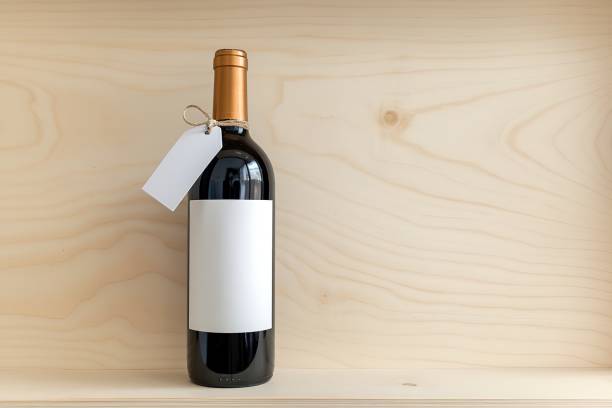
What Is White Merlot
If you’ve wondered whether Merlot can be white, you’re in the right place. White Merlot is a crisp wine made by pressing the grapes gently and skipping the skin contact that gives red Merlot its deep hue. It offers bright fruit notes, a finish, and a lighter body—perfect for warm evenings or food pairings that call for subtlety. In the next lines we’ll explain how it’s produced, what it tastes like, and where to find it.
What Is White Merlot?
Definition and Basics
White Merlot is a winemaking technique that produces a pale‑colored wine from the red Merlot grape without allowing the skins to impart their typical deep hue.
By pressing the grapes immediately after harvest and limiting skin contact, winemakers extract juice that retains the grape’s natural acidity and subtle fruit aromatics while avoiding the tannins that give red Merlot its structure.
Key steps include cold‑soaking the crushed berries, rapid filtration, and fermenting in stainless steel at low temperatures to preserve freshness. This method results in a wine that looks almost like a white wine but still carries faint hints of red‑fruit character.
For consumers seeking a lighter‑bodied alternative to traditional Merlot, white Merlot offers a crisp, approachable profile that pairs well with seafood, salads, and mild cheeses. It is also an excellent choice for those experimenting with food‑wine pairings because its subtle tannin level lets delicate flavors shine without overwhelming the palate.
How It Differs From Red Merlot
While red Merlot is celebrated for its plush, medium‑body texture and pronounced tannic grip, white Merlot diverges primarily in winemaking style and sensory outcome. The red version undergoes extended maceration, allowing pigments and polyphenols to leach from the skins, which creates its characteristic ruby color and firm structure.
In contrast, white Merlot skips maceration entirely, resulting in a clear, straw‑yellow hue and a noticeably softer mouthfeel. Differences also appear in aroma: red Merlot often displays black‑cherry, plum, and cedar notes, whereas white Merlot leans toward green apple, citrus zest, and faint floral hints.
The reduced tannin content makes the white style more approachable for beginners and suitable for cooler serving temperatures, typically 45‑55 °F.
Understanding these contrasts helps consumers decide which expression aligns with their palate, whether they prefer the robust depth of traditional red Merlot or the bright, easy‑drinking character of its white counterpart.
Typical Flavor Profile
The flavor profile of white Merlot is defined by its light‑to‑medium body, crisp acidity, and a subtle fruit spectrum that distinguishes it from both white and red counterparts.
On the palate you’ll encounter bright citrus such as lemon and lime, alongside green apple and pear nuances that lend a refreshing quality. Soft floral aromas—often reminiscent of white blossoms or honeysuckle—add complexity without overwhelming the senses.
Because the skins are removed early, tannins are minimal, allowing the wine’s natural minerality to surface, sometimes expressed as a gentle slate or flint note. Subtle spice hints, like white pepper or a whisper of vanilla from oak aging, can appear in more structured examples.
This combination makes white Merlot a versatile partner for dishes like grilled shrimp, herb‑crusted chicken, or creamy pasta sauces, as its acidity cuts through richness while its fruit accentuates delicate flavors. When serving, aim for 45‑50 °F to preserve its aromatic vibrancy and ensure a balanced tasting experience.
How White Merlot Is Made
Grape Selection and Harvest
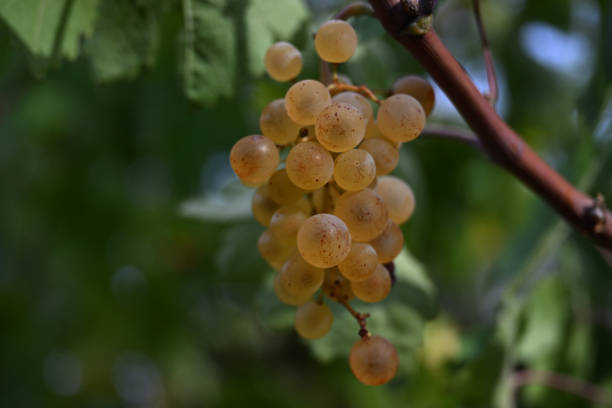
White Merlot begins with the same dark‑skinned Merlot grapes used for red wine, but the winemaker selects berries that are fully ripe yet free of bruises or rot. Early morning picking preserves acidity and reduces oxidation, while careful hand‑harvesting allows only the healthiest clusters to be collected.
After harvest, the grapes are promptly transported to a temperature‑controlled facility where they are sorted on a vibrating table to remove any remaining stems, leaves, or underripe fruit. The skins are then gently pressed within hours of picking to extract clear juice without prolonged skin contact, which would impart color.
This swift, low‑temperature press ensures the resulting must retains the varietal’s bright fruit aromatics while preventing tannin extraction. The winemaker may also choose single‑vineyard sourcing to highlight terroir differences, giving the final white Merlot a distinct sense of place.
Vinification Process
Once the clear juice is collected, the vinification of white Merlot follows a strictly controlled fermentation to preserve its delicate profile. The juice is chilled to 45–50 °F (7–10 °C) before inoculation, which slows microbial activity and locks in primary fruit aromas such as green apple, pear, and subtle citrus.
Winemakers often use neutral yeast strains that emphasize the grape’s natural character rather than adding spicy or buttery notes. Fermentation proceeds in stainless steel tanks equipped with temperature‑regulating jackets, keeping the bath between 55 °F and 60 °F (13–16 °C) for 10–14 days.
Gentle punch‑downs are performed only when necessary to prevent oxidation, and the wine is protected with inert gas blankets. After primary fermentation, the wine may undergo a brief cold‑stabilization at 32 °F (0 °C) to precipitate excess proteins, ensuring clarity.
The entire process is designed to produce a crisp, aromatic white Merlot that showcases the varietal’s fruit purity without the color or tannic structure of its red counterpart.
Aging Techniques
After fermentation and clarification, white Merlot is typically aged in vessels that protect its freshness while allowing subtle development. Many producers choose stainless steel tanks for a short 2–4 month period, preserving the bright acidity and fruit‑forward character.
Others opt for neutral oak barrels that impart a whisper of vanilla and a gentle micro‑oxygenation, softening the palate without overwhelming the wine with wood flavors. During aging, the wine is racked every 4–6 weeks to separate it from sediment and to maintain clarity.
Some winemakers perform a brief malolactic fermentation at this stage to reduce sharp malic acid, creating a smoother mouthfeel while retaining the wine’s crisp profile. Finally, the wine is filtered through a fine diatomaceous earth pad and bottled under inert gas to prevent oxidation.
These aging choices ensure that the final white Merlot delivers a clean, aromatic experience that answers the question “what is white Merlot?” by highlighting its unique, color‑less expression of the Merlot grape.
Where to Find White Merlot
Top Wine Regions Producing It
White Merlot is a lightly‑styled, pale‑colored wine made by limiting skin contact during fermentation. To locate it, focus on regions that experiment with short maceration or use cool‑climate vineyards.
California’s Napa and Sonoma valleys produce small‑batch white Merlot, often labeled as “white‑style Merlot” or “blanc de Merlot.” In France’s Loire Valley, producers such as Domaine de la Taille‑aux‑Loups experiment with early‑pressed Merlot grapes, yielding a crisp, floral profile.
Chile’s Central Valley and Argentina’s Mendoza also release limited releases during the post‑harvest period, capitalizing on high altitude to preserve acidity. Australia’s Margaret River region has boutique wineries that press Merlot grapes within 12 hours, creating a bright, citrus‑forward wine.
When searching, look for terms like “white Merlot,” “blanc de Merlot,” or “early‑pressed Merlot” on the label, and check specialty wine shops or online retailers that stock experimental varietals.
Recommended Brands and Labels
Finding reliable bottles starts with brand recognition. Several wineries have embraced the white‑Merlot niche and label their products clearly. M. Chapoutier’s ‘White Merlot’ from the Rhône offers a mineral‑driven palate with hints of green apple and white pepper.
Frog’s Leap ‘White Merlot’ in California emphasizes sustainable farming and delivers a crisp, citrus‑bright finish. Bodega Catena Zapata’s ‘White Merlot’ from Argentina showcases high‑altitude acidity and subtle tropical fruit notes. In Europe, Domaine de la Taille‑aux‑Loups releases a limited‑edition blanc de Merlot that pairs well with seafood and light salads.
When purchasing, prioritize wines that state “white‑style” or “blanc de Merlot” on the back label, and verify the vintage is recent (2021‑2023) to ensure freshness. Check specialty wine retailers, both brick‑and‑mortar and online platforms such as Wine.com or Vivino, where user reviews often highlight the most consistent and value‑driven selections.
Seasonal Availability
White Merlot’s market timing follows the typical harvest calendar, but its limited‑release nature means availability can shift seasonally. Most producers bottle the wine shortly after the late‑summer harvest (August‑September) and release it in early winter (October‑December), when cooler cellar temperatures preserve its delicate aromatics.
Retailers often stock white Merlot during the holiday gifting period, making it a popular choice for corporate events and festive meals. In warmer regions such as Chile and Australia, the wine may appear again in late spring (October‑November) as new vintages arrive.
To secure a bottle, sign up for mailing lists of boutique wineries or specialty shops; they frequently announce restocks ahead of the summer barbecue season when consumers seek crisp, food‑friendly whites. Planning purchases around these windows ensures you encounter fresh stock rather than discounted clearance inventory.
Check online forums for local tasting events that showcase new releases.
How to Taste White Merlot
Proper Glassware and Temperature
Begin by selecting a glass that showcases the wine’s delicate character. A tulip‑shaped white‑wine glass with a narrow rim concentrates aromas while allowing a gentle swirl. Serve white Merlot chilled at 45‑50°F (7‑10°C) to highlight its crisp acidity and subtle fruit notes; avoid over‑chilling, which can mute flavor.
If the bottle has been stored at room temperature, place it in an ice bucket for 15‑20 minutes, then test the temperature with a wine thermometer.
Before pouring, let the glass rest on a stable surface to prevent spills, and fill it only to the widest part of the bowl—about one‑third of the glass.
This preparation ensures the wine’s pale pink‑orange hue is visible and its aromatic profile is fully expressed, setting the stage for an accurate tasting experience. Additionally, avoid using a red‑wine glass, as its larger opening can disperse the subtle bouquet too quickly.
Visual, Aroma, and Palate Evaluation
Observe the wine’s appearance first. Hold the glass against a white background and note the pale salmon‑pink to light ruby shade, indicating limited skin contact during fermentation. Swirl gently to release volatile compounds, then inhale deeply to capture the aroma spectrum.
Expect aromas of white peach, apricot, and subtle citrus, often accompanied by faint floral hints of elderflower or violet. On the palate, white Merlot reveals a medium‑light body with crisp acidity, flavors of ripe stone fruit, a touch of honeyed minerality, and a soft, lingering finish.
Take note of texture—the mouthfeel should be silky yet structured, distinguishing it from both traditional red Merlot and typical white wines.
This systematic visual, olfactory, and gustatory evaluation helps you understand the wine’s style and confirms its identity as a white‑style Merlot made by limiting maceration and sometimes using white‑wine yeast.
Pairing With Food
White Merlot’s bright acidity and fruit‑forward profile make it versatile at the table. Pair it with light proteins such as grilled chicken, poached fish, or shrimp scampi, where the wine’s subtle tannins complement rather than overpower.
For vegetarian options, serve it alongside creamy risotto, roasted cauliflower, or a fresh goat‑cheese salad drizzled with citrus vinaigrette. The wine also shines with mildly spiced dishes—think Thai basil chicken or a mild curry—because its fruit notes balance gentle heat.
Avoid heavy, heavily‑spiced red‑meat sauces, which can mask the delicate aromatics. When serving, keep the bottle slightly chilled and present it in the same glassware used for tasting to maintain consistency.
By matching the wine’s silky texture and stone‑fruit flavors with complementary foods, you enhance both the dish and the wine, creating a harmonious dining experience together tonight.
Tips for Buying White Merlot
Reading Labels and Vintage
White Merlot is a lightly rosé‑styled wine made from the same Merlot grapes used for red, but with limited skin contact. When you shop, read the label for color descriptors such as “pale pink” or “blush” to confirm you’re getting the white‑style version.
Look for the vintage year, which indicates the harvest; newer vintages often retain fresher fruit aromas, while older ones may show subtle oxidative notes. Pay attention to the region—cooler climates like the Loire or parts of California tend to produce crisper acidity, whereas warmer areas yield richer, fruit‑forward profiles.
Finally, note any winemaking notes such as “unoaked” or “lightly filtered,” which signal a cleaner palate ideal for casual sipping or food pairing. By decoding these label cues, you can quickly identify a white Merlot that matches your taste preferences and occasion.
Budget-Friendly Options
Finding a quality white Merlot without breaking the bank is easier than you think. Start by checking the price‑per‑bottle rather than the total cost; many retailers list 750 ml bottles at a lower unit price than larger formats.
Look for value‑driven producers from emerging regions such as Chile, South America, or lesser‑known French appellations, which often deliver solid fruit character at modest prices. Supermarket private‑label lines frequently source grapes from reputable vineyards and can offer consistent quality for under $15.
Don’t overlook online bulk discounts or subscription clubs that provide a rotating selection of white Merlots at a reduced rate. Finally, read customer reviews for clues about flavor balance and finish; a wine praised for “bright acidity” and “smooth palate” usually offers good bang for your buck.
By targeting these cost‑saving strategies, you can enjoy white Merlot regularly without overspending.
Storing and Shelf Life
White Merlot is best enjoyed fresh, but proper storage can extend its pleasant qualities for several months. Keep the bottle horizontally in a cool, dark place to maintain a stable temperature around 50‑55 °F (10‑13 °C) and prevent the cork from drying out.
If you have a refrigerated wine rack, set it to the same range; this slows oxidation and preserves the wine’s bright fruit notes.
Once opened, reseal with a wine stopper and store the bottle in the refrigerator; most white Merlots stay lively for 3‑5 days, though higher‑acid styles may last a bit longer. Avoid exposing the wine to direct sunlight or temperature swings, which can cause premature aging and off‑flavors.
By following these simple storage habits, you’ll maximize the enjoyment of your white Merlot from the first sip to the last drop.
Common Misconceptions About White Merlot
It’s Not a White Wine?
White Merlot is often mistaken for a traditional white wine, but it is actually a rosé‑style wine made from red Merlot grapes whose skins are removed early in fermentation. The process yields a pale‑pink to almost‑clear liquid that lacks the deep tannins of red Merlot while keeping its fruit‑forward character.
Key point: the color comes from limited skin contact, not from white grape varieties. This misconception leads drinkers to expect the crisp acidity of Sauvignon Blanc, yet the flavor profile is softer, with notes of strawberry, watermelon and a subtle spice.
Understanding that “white” refers to the wine’s appearance, not its grape type, helps you choose the right glass for meals and pairing. Tip: serve it chilled, around 45‑50°F, to highlight its fresh fruit aromatics and keep the palate lively.
By recognizing this distinction, you avoid pairing mishaps and can appreciate the wine’s unique balance of light body and subtle fruit nuance.
Flavor Expectations vs Reality
Many consumers assume White Merlot will taste like a typical white wine—crisp, mineral, and high‑acid—but its flavor profile leans toward a soft, fruit‑driven palate reminiscent of a light red.
Expect bright aromas of red berries, such as raspberry and cranberry, alongside tropical hints of pineapple and a whisper of floral lavender. The reality is a low‑tannin, low‑acid wine that feels smooth on the tongue, with a gentle sweetness that can be mistaken for residual sugar.
To navigate this, taste the wine in three steps: first, swirl to release volatile compounds; second, inhale deeply to capture the berry and floral notes; third, sip slowly, letting the finish reveal a faint peppery edge that adds complexity.
Pro tip: pair it with dishes that complement its fruitiness—grilled chicken, salmon with herb sauce, or a fresh goat cheese salad—rather than heavy, oak‑driven meals that would overwhelm its delicate character.
Health and Nutritional Facts
White Merlot often raises questions about its health impact compared with red or traditional white wines. Because the skins are removed early, the wine contains lower levels of polyphenols such as resveratrol, which are linked to cardiovascular benefits in red wines.
However, it still provides antioxidants from the grape juice and modest amounts of potassium and iron. A standard 5‑oz serving typically holds 120‑130 calories and 12‑14 grams of alcohol, similar to most rosés.
Key health point: moderate consumption—one glass per day for women and up to two for men—can fit into a balanced diet without adding excessive sugar, as white Merlot usually has residual sugar under 2 g/L.
To maximize benefits, enjoy it with a nutrient‑dense meal: a mixed‑green salad with vinaigrette, grilled vegetables, or a lean protein. This pairing helps slow alcohol absorption and enhances satiety, turning a pleasant sip into a smarter dietary choice.
Best Ways to Enjoy White Merlot at Home
Hosting a Tasting Session
White Merlot is a lightly filtered, pale‑colored expression of the classic Merlot grape, offering crisp acidity, subtle fruit notes of green apple and pear, and a gentle floral finish. Start your tasting by chilling the bottle to 45‑50°F (7‑10°C), which highlights its bright profile without muting flavor.
Choose slender white‑wine glasses that funnel aromas toward the nose, and pour a modest 4‑5 oz to allow room for swirling. Create a tasting board featuring mild cheeses such as goat or fresh mozzarella, crisp crackers, and light seafood like shrimp cocktail; these pairings let the wine’s delicate nuances shine.
Encourage guests to note the wine’s aroma, palate, and finish, and provide score cards for a fun, interactive experience. Finish the session with a short palate cleanser, like a slice of lemon or a small sorbet, to reset taste buds for the next pour.
Cooking With White Merlot
Cooking with White Merlot brings a subtle, fruit‑forward lift to dishes without the heaviness of red wine. Begin by selecting recipes that benefit from a light acidity, such as chicken piccata, seafood risotto, or mushroom‑cream sauces.
Add a splash of White Merlot during the deglazing step; the alcohol evaporates quickly, leaving behind bright apple‑pear notes that enhance the broth.
For a quick sauce, reduce one cup of White Merlot with a tablespoon of butter, a pinch of thyme, and a splash of lemon juice until it thickens to a glossy consistency.
Season proteins like pork tenderloin or grilled salmon with the reduced sauce for a glossy finish that balances richness with freshness. When using the wine in marinades, combine it with olive oil, garlic, and fresh herbs, letting the meat sit for at least thirty minutes to absorb the nuanced flavors.
Finish each dish with a garnish of fresh herbs to echo the wine’s floral hints and create a cohesive dining experience.
Incorporating Into Cocktails
Incorporating White Merlot into cocktails adds an elegant, low‑alcohol twist that showcases its crisp fruit character. Start with a simple spritzer: combine three parts chilled White Merlot, one part sparkling water, and a squeeze of fresh lemon; serve over ice with a rosemary sprig for aroma.
For a more complex mix, try a White Merlot Martini by shaking equal parts White Merlot and gin, a dash of orange bitters, and a teaspoon of honey syrup, then strain into a chilled coupe and garnish with a thin lemon twist.
Experiment with seasonal fruit like sliced peaches or berries; muddle them gently, add a splash of White Merlot, a drizzle of elderflower liqueur, and top with tonic for a refreshing summer punch.
Keep the wine’s delicate profile in mind—avoid overpowering ingredients and let the natural acidity and subtle sweetness drive the drink’s balance. Serve these cocktails at home gatherings to impress guests while highlighting the versatility of White Merlot.
Frequently Asked Questions
What is white Merlot?
White Merlot is a wine made from the Merlot grape that is produced without skin contact, resulting in a pale or straw‑colored wine rather than the typical red.
How is white Merlot different from red Merlot?
Unlike red Merlot, which ferments with the grape skins to extract color and tannins, white Merlot skips skin contact, giving it a lighter color, softer tannins, and a fruit‑forward profile.
What does white Merlot taste like?
White Merlot usually features flavors of citrus, green apple, pear, and subtle floral notes, with a crisp acidity and a smooth, low‑tannin finish.
How is white Merlot produced?
Winemakers press the Merlot grapes and ferment the clear juice at cool temperatures, avoiding the skins, then age the wine in stainless steel or neutral vessels to preserve its fresh character.
Can I pair food with white Merlot?
White Merlot pairs well with light dishes such as grilled chicken, seafood, salads, creamy pastas, and soft cheeses, complementing its bright acidity and fruit flavors.
Is white Merlot common?
White Merlot is less common than its red counterpart and is often found as a specialty or experimental wine from producers exploring alternative styles of the Merlot grape.
Conclusion
White Merlot, a fresh, pale‑colored wine made by limiting skin contact during fermentation, offers a crisp, fruit‑forward profile distinct from traditional red Merlot. Its lighter body, subtle tannins, and aromatic notes of citrus, green apple, and white peach make it a versatile choice for warm weather and food pairings. Explore this innovative style, experiment with serving temperatures, and enjoy the unique charm it brings to your glass.
