What Is Tokay Wine
Tokay wine, often confused with the Hungarian Tokaji, is actually a sweet, fortified dessert wine from the Tokay region of Australia, made primarily from Muscat grapes. It offers luscious honeyed aromas, flavors of apricot and orange blossom, and a silky finish that pairs beautifully with fruit tarts, cheeses, or simply on its own. In this quick guide, we’ll demystify its origins, production methods, tasting notes, and serving tips so you can enjoy Tokay confidently and truly impress your guests tonight.
What is Tokay Wine?
Definition and Origin
Tokay wine is a sweet, amber‑colored fortified wine traditionally produced in the Tokaj region of northeastern Hungary and the adjoining Slovakian area. It is made from grapes that have been affected by noble rot, known as *botrytis cinerea*, which concentrates sugars and flavors.
Key characteristics include rich honeyed aromas, flavors of apricot, orange zest, and a balanced acidity that prevents cloying sweetness. The wine is typically aged in oak barrels or large oak casks, allowing oxidative development and a silky texture.
Production rules are strictly regulated by the Tokaj Wine Region’s appellation system, which defines permitted grape varieties, minimum sugar levels, and aging periods. This ensures authenticity and maintains the wine’s reputation as a world‑renowned dessert wine celebrated for its complexity and aging potential.
It is often enjoyed chilled as a dessert accompaniment or paired with blue cheese, pâté, or fruit tarts.
Key Grape Varieties
The core grape varieties used in Tokay wine are Furmint, Hárslevelű, and Sárga Muskotály (Yellow Muscat). Furmint provides high acidity and the backbone for the wine’s longevity, while also developing intense stone‑fruit and honey notes when affected by botrytis.
Hárslevelű contributes aromatic richness, adding floral perfume, tropical fruit nuances, and a creamy mouthfeel. Yellow Muscat, though used in smaller proportions, enhances the wine’s aromatic profile with subtle muscatel sweetness and spice.
Blend ratios are carefully managed: a typical Tokay may contain 60‑80 % Furmint, 15‑30 % Hárslevelű, and up to 5 % Yellow Muscat, though these are premium vintages often favor a higher share of Furmint to maximize aging potential.
Winemakers may also include Koevér or Zéta in limited quantities to adjust acidity or color, but these are auxiliary and never dominate the final composition significantly.
Historical Background
Tokay wine’s history stretches back to the 12th century, when monastic orders first documented the unique sweet wines of the Tokaj hills.
By the 16th century, the region had earned a reputation across Europe, and the term “Tokaji Aszú” appeared in royal courts, famously praised by Louis XV of France and Emperor Francis II.
The 1730 Imperial Decree granted Tokaj the first protected designation of origin, predating the French AOC system by more than a century. Throughout the 19th century, Tokay thrived as a luxury export, reaching markets in Britain, the United States, and Russia, often served at diplomatic banquets.
The 20th century brought challenges: phylloxera, world wars, and political shifts under communist rule disrupted production, yet dedicated vintners preserved traditional methods. After the fall of communism, the region underwent revitalization, embracing modern viticulture while honoring heritage.
Today, Tokay wine is celebrated for its longevity, with bottles improving for decades, and it remains a symbol of Hungarian cultural pride and craftsmanship.
How is Tokay Wine Made?
Harvesting and Selection
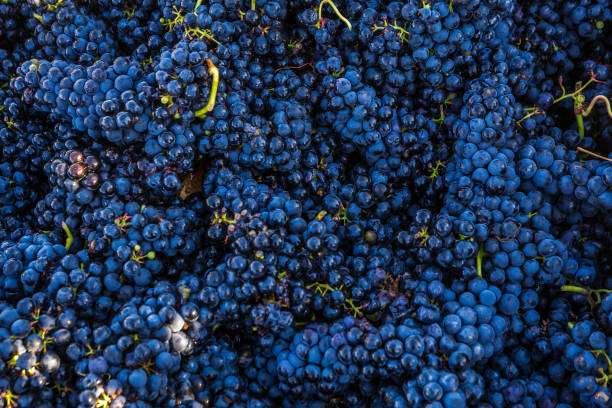
Tokay wine begins with hand‑picked grapes from the Tokaj‑Hegyalja region, primarily Furmint, Hárslevelű, and Sárga Muskotály. Vintners wait for noble rot (Botrytis cinerea) to develop, which concentrates sugars and flavors. Harvest typically occurs in late September to early October, when the grapes reach optimal ripeness and botrytisation.
Each bunch is carefully inspected and sorted on the vineyard floor; only berries showing the right level of shriveling and golden hue are retained. This meticulous selection ensures the wine’s characteristic honeyed aroma and balanced acidity, laying the foundation for a high‑quality Tokay.
Fermentation Process
After selection, the grapes are crushed gently to preserve the delicate botrytised skins. Fermentation takes place in temperature‑controlled stainless steel tanks at 12‑16 °C to slow the process and retain aromatic compounds. Natural yeasts from the vineyard are often encouraged, though winemakers may add cultured strains for consistency.
The fermentation is stopped early—usually by cooling or adding sulfur dioxide—to leave residual sugar, creating the wine’s signature sweetness. Throughout, winemakers monitor sugar levels, pH, and acidity, ensuring the balance between sweetness, acidity, and alcohol that defines authentic Tokay.
Aging Techniques
Once fermentation is halted, Tokay wine is aged for 2‑5 years to develop complexity. Traditional aging occurs in large oak casks that allow micro‑oxygenation, enhancing texture and integrating flavors of dried fruit, spice, and honey. Some producers also use neutral stainless steel vats to preserve primary fruit character.
The wine matures in the cool, humid cellars of the Tokaj region, where the microclimate supports gradual oxidation. Periodic racking and tasting guide the winemaker in deciding when the wine has reached optimal balance before bottling, ensuring a harmonious blend of freshness and aged depth.
Quality Control Measures
Tokay wine is protected by the EU Protected Designation of Origin (PDO), which enforces strict standards. Every batch undergoes laboratory analysis for alcohol content, residual sugar, and acidity, confirming it meets the legal specifications for Tokaj.
Sensory panels conduct blind tastings to assess aroma, flavor, and mouthfeel, ensuring consistency with the region’s profile. Vintners must also adhere to vineyard zoning rules, limiting yields per hectare to preserve concentration.
These rigorous controls, combined with traditional craftsmanship, guarantee that each bottle of Tokay reflects the authentic terroir and quality expected by consumers.
Where to Find Authentic Tokay Wine?

Primary Wine Regions
Tokay wine, historically known as Tokaji, is a celebrated Hungarian dessert wine made from grapes affected by noble rot. Origin: It hails from the Tokaj wine region in northeastern Hungary, where misty autumn conditions foster Botrytis cinerea, concentrating sugars and flavors.
Style: The wine ranges from dry (aszú 3) to intensely sweet (eszencia), characterized by amber hues, honeyed aromas, and vibrant acidity that balances richness. Key grapes: Furmint provides the backbone of acidity, while Hárslevelű adds aromatic complexity; both are essential for authentic Tokay.
Why authenticity matters: Genuine Tokaj wines carry strict EU protected designation of origin (PDO) standards, ensuring the grapes, terroir, and production methods meet centuries‑old criteria.
When searching for authentic Tokay, focus on producers who source grapes from the designated 28 villages within the Tokaj-Hegyalja region and who label their bottles with the official Tokaji seal.
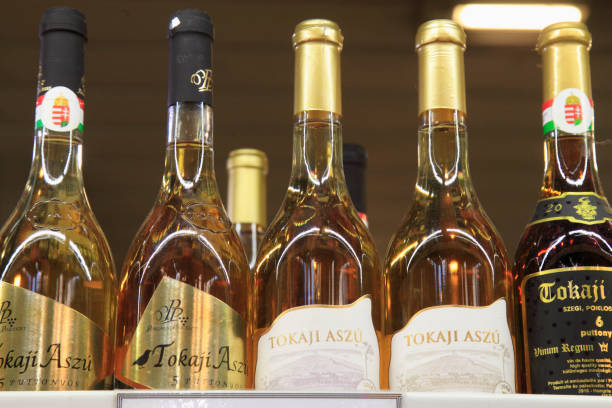
Buying tip: Look for the “Tokaji Aszú” or “Tokaji Eszencia” designation, accompanied by the vintage year and the Hungarian Ministry of Agriculture’s quality stamp. These markers guarantee you are tasting the true essence of this historic sweet wine.
Serving & storage: Store Tokay bottles horizontally in a cool, dark place at 10‑12 °C. Once opened, reseal with a wine stopper and consume within 2‑3 weeks to preserve freshness. Pair it with blue cheese, fruit tarts, or foie gras for an elevated tasting experience.
Trusted Producers and Brands
Finding authentic Tokay wine means turning to producers who have earned the Tokaji Quality Seal and consistently meet the region’s rigorous standards.
Top estates: Royal Tokaji, the historic estate founded in 1880, offers a range of Aszú levels (3, 4, 5) and the prized Eszencia, all bottled with the official seal and a detailed provenance label.
Boutique makers: Disznókő, a family‑run winery, crafts limited‑edition Tokaji Eszencia and late‑harvest Furmint, emphasizing hand‑picked grapes and traditional stone‑cellar fermentation.
Co‑operative brands: The Tokaj‑Hegyalja Wine Co‑op aggregates grapes from multiple vineyards, ensuring a broad expression of terroir while maintaining PDO compliance; its “Grand Superior” Aszú is a reliable entry point for newcomers.
International distributors: Look for reputable merchants such as Wine.com, K&L Wine Merchants, or local specialty shops that list the Hungarian Ministry’s Tokaji Seal on the label; these sellers often provide provenance information and vintage ratings from critics like Robert Parker or Wine Spectator.
Verification tip: Authentic bottles display the “Tokaji” logo, the EU PDO emblem, and a QR code linking to the official registry. When in doubt, request the certificate of origin from the retailer.
By prioritizing these trusted producers and confirming the official seals, you can confidently enjoy genuine Tokay wine without the risk of imitation or mislabeled imports.
What are the Flavor Profiles of Tokay Wine?
Typical Aroma Notes
Tokay wine, often confused with Hungarian Tokaji, displays a fragrant bouquet that immediately signals its sweet, botrytized heritage. Ripe apricot and golden peach dominate the nose, accompanied by subtle hints of orange marmalade and honeycomb.
In cooler vintages, you may also detect delicate white blossom and fresh citrus zest that add brightness. A whisper of nutty almond and spiced ginger can emerge as the wine opens, providing depth without overwhelming the fruit core.
When evaluating a glass, swirl gently and inhale in short bursts to capture the layered aromas, noting how the intensity evolves from initial fruitiness to more complex secondary notes.
This sensory approach helps you appreciate the wine’s origin and guides pairing decisions, ensuring you match the aromatic profile with complementary dishes. Consider serving it slightly chilled, around 10‑12°C, to enhance the aromatic clarity and preserve the delicate balance of fruit and honeyed nuances.
Taste Characteristics
On the palate, Tokay wine delivers a luscious sweetness that is balanced by vibrant acidity, creating a harmonious taste profile. The primary flavors are rich honey and sun‑kissed apricot, interwoven with ripe peach and tropical pineapple notes that lend a bright fruit dimension.
Mid‑palate, subtle caramelized orange peel and spiced cinnamon emerge, adding complexity without overpowering the core fruit. The wine’s moderate alcohol (typically 11‑13% ABV) supports the sweetness while keeping the finish refreshing.
To fully experience these layers, take a small sip, let it coat your tongue, and then note the progression from initial fruit burst to the lingering spice.
This tasting technique helps you identify the balance of sweetness versus acidity, guiding you in pairing the wine with desserts or savory dishes that complement its nuanced profile. A well‑served glass at 10‑12°C maximizes flavor expression and ensures the subtle spice remains vivid.
Texture and Finish
The texture of Tokay wine is silky and plush, giving the mouthfeel a luxurious weight that coats the palate without feeling cloying. Fine glycerol from the botrytized grapes contributes a smooth, almost buttery sensation, while the crisp acidity lifts the body, preventing heaviness.
On the finish, you will notice a lingering honey‑edged aftertaste that gradually fades into delicate notes of almond and vanilla bean, extending the enjoyment for several seconds. The length is typically medium‑long, allowing the complex flavors to resonate after each sip.
To assess texture, swirl the wine gently in your glass and observe how it clings to the sides, then take a slow sip, letting it rest on your tongue before swallowing.
This deliberate approach highlights the balance between richness and freshness, helping you decide if the wine pairs best with creamy cheeses, fruit tarts, or spiced desserts.
Tips for Pairing Tokay Wine with Food
Matching with Appetizers
Tokay wine, often referred to as Tokaji, is a celebrated Hungarian dessert wine made from grapes affected by noble rot, delivering honeyed sweetness and vibrant acidity. When pairing with appetizers, choose dishes that balance its richness without overwhelming the palate.
Soft cheeses like fresh goat cheese or creamy brie complement the wine’s fruit notes, while a drizzle of honey or fig jam enhances its natural sweetness. Lightly cured meats such as prosciutto or smoked salmon provide a salty contrast that highlights the wine’s bright acidity.
Incorporate crisp, seasonal vegetables—roasted beets, caramelized carrots, or a simple arugula salad with citrus vinaigrette—to add texture and a hint of bitterness that cleanses the mouth. Key tip: serve Tokay slightly chilled (10‑12°C) to preserve its aromatic profile, ensuring each bite and sip interact harmoniously.
Pair it with a small spoonful of quince paste or a drizzle of aged balsamic reduction to further accentuate the wine’s complex layers and prepare the palate for the next course.
Complementing Main Courses
Tokay wine’s luscious sweetness and lively acidity make it a versatile partner for main dishes that feature rich sauces or fruit elements. For poultry, a roasted duck breast glazed with orange‑honey or a chicken tagine with apricot preserves mirrors the wine’s honeyed profile while the acidity cuts through the fat.
Beef dishes benefit from a sweet‑savory balance; try a slow‑braised short rib with a pomegranate reduction, where the wine’s bright notes highlight the fruit‑laden sauce. Pork tenderloin with a caramelized apple compote also shines, as the wine’s natural stone‑fruit flavors echo the apple’s tartness.
Vegetarian options such as mushroom risotto finished with a splash of Tokay or a roasted root‑vegetable medley tossed in a balsamic‑honey glaze create a harmonious interplay of earthiness and sweetness.
Key tip: serve Tokay slightly warmer (12‑14°C) with main courses to enhance its body and allow the wine’s complex aromatics to mingle with the dish.
Dessert Pairings
Tokay wine is often celebrated as a dessert wine, and its golden honeyed character pairs beautifully with sweet endings that need a counterbalance of acidity.
Classic desserts such as a traditional Hungarian somlói galuska, a layered sponge cake with chocolate and custard, or a simple panna cotta drizzled with berry coulis benefit from Tokay’s ability to lift richness while echoing fruit flavors.
Pair it with cheese‑based desserts like a warm blue‑cheese cheesecake or a fig and walnut tart; the wine’s acidity cuts through the creaminess and highlights the earthy notes of the cheese and nuts.
For fruit‑forward sweets, think of poached pears in spiced red wine, orange‑infused crumble, or a lemon tart with a honey glaze—the wine’s own citrus and apricot hints resonate with the dessert’s bright profile.
Key tip: serve Tokay chilled (8‑10°C) to preserve its fragrant aromatics, ensuring each spoonful of dessert and sip of wine create a harmonious, lingering finish.
Best Ways to Store and Serve Tokay Wine
Optimal Storage Conditions
Tokay wine, a sweet, amber‑colored dessert wine from the Tokaj region of Hungary, thrives when stored properly. Keep bottles upright to protect the cork from prolonged moisture exposure, which can lead to leakage or oxidation.
Maintain a constant temperature between 10‑13 °C (50‑55 °F); fluctuations accelerate chemical reactions that diminish fruit aroma and acidity. Control humidity at 70‑75 % to keep the cork supple without encouraging mold. Store in a dark, vibration‑free cellar or a dedicated wine refrigerator; UV light degrades delicate aromatic compounds.
Avoid strong odors nearby, as natural cork can absorb them, altering the wine’s subtle honey and apricot notes. If space permits, arrange bottles horizontally on a rack to ensure even pressure on the cork, but only if the cork is high‑quality natural; screw caps can remain upright.
Regularly inspect bottles for leaks or cork drift, and rotate stock periodically to consume older bottles first.
Serving Temperature Guidelines
Tokay wine shines when served at the right temperature, which balances its luscious sweetness with bright acidity. Chill the bottle to 8‑10 °C (46‑50 °F) for a refreshing start; this coolness highlights citrus, green apple, and honeyed notes without muting the wine’s aromatic complexity.
If the wine feels too cold, let it sit for 5‑10 minutes to rise slightly, revealing deeper stone‑fruit and nutty layers. For a more indulgent experience, especially with aged Tokay, aim for 10‑12 °C (50‑54 °F) to allow subtle oxidative nuances to emerge.
Use a wine‑cooling sleeve or an ice‑water bath for precise control, and avoid the freezer, which can over‑chill and damage the cork. Never serve Tokay at room temperature, as the high residual sugar will feel cloying and the delicate bouquet will be overwhelmed.
Before pouring, give the glass a brief swirl to oxygenate the wine, then let it rest for a moment so the aromas can fully develop.
Glassware Recommendations
Choosing the right glass enhances Tokay’s fragrant profile and mouthfeel. Opt for a tulip‑shaped white‑wine glass with a slightly narrowed rim; this shape concentrates the wine’s aromatic compounds while allowing a gentle flow onto the palate.
A bowl capacity of 300‑350 ml provides enough room for swirling, which releases the honeyed and apricot notes without overwhelming the senses. Avoid overly large Bordeaux‑style glasses, as they disperse the delicate bouquet too quickly.
For dessert pairings, a smaller, stemmed coupe can be elegant, but ensure the rim is still tapered to focus the scent. The glass should be crystal or high‑quality glass to preserve temperature and prevent unwanted flavors.
Pre‑chill the glass for a few minutes before pouring to maintain the serving temperature longer. Finally, hold the glass by the stem to keep your hand’s warmth from heating the wine, preserving the intended balance of sweetness and acidity.
Common Myths About Tokay Wine
Myth: Tokay is Always Sweet
Tokay wine, known in Hungary as Tokaji, is a historic dessert wine made from grapes affected by noble rot. It is not limited to a single sweetness level; producers create dry, semi‑dry, and luscious sweet styles.
The most famous version, Tokaji Aszú, uses botrytised grapes and can reach high residual sugar, but the region also offers Furmint and Hárslevelű varietals bottled dry, labeled as ‘Szamorodni’ or ‘Eszencia’ for ultra‑concentrated sweetness.
When tasting, focus on the vibrant acidity that balances sugar, giving the wine longevity and food‑pairing flexibility. To evaluate a Tokay, check the label for the puttonyos number, which indicates the amount of Aszú paste and thus the sweetness intensity.
Don’t dismiss Tokay as only a dessert wine; its dry expressions pair well with seafood, salads, and Asian cuisine. By exploring the range, you’ll discover that Tokay’s character is defined by terroir, grape variety, and winemaking choices rather than a single sugar profile.
Experiment with different styles to find the one that matches your palate and menu. Serve Tokay slightly chilled at 10‑12 °C for dry styles and 12‑14 °C for richer sweet versions; store the bottle upright in a cool, dark place to preserve its delicate aromas for years.
Keep a wine journal noting the puttonyos level and food pairings to refine your selections over time.
Myth: Tokay is Only from Hungary
Many wine lovers assume Tokay comes exclusively from Hungary, but the name has been used for wines in several regions, each with distinct rules.
In Hungary, Tokaji refers to wines from the historic Tokaj‑Hegyalja area, governed by strict EU regulations that protect the geographical indication and require specific grape varieties such as Furmint, Hárslevelű, and Sárga Muskotály.
However, the term “Tokay” also appears on bottles from the Alsace region of France, where it historically described a dry white wine made from Pinot Gris, locally called “Tokay d’Alsace.” This French usage was discontinued in 1993 after a bilateral agreement with Hungary, but older labels still circulate.
Additionally, some New World producers have adopted the Tokay name for stylistic homage, though they must label the wine with the country of origin to avoid confusion. When you encounter a Tokay label, check the appellation: “Tokaji” with an accent indicates Hungarian origin, while “Tokay d’Alsace” signals a French vintage.
Understanding these distinctions helps you select the right style for your menu, whether you seek the honeyed complexity of Hungarian Aszú or the crisp minerality of an Alsatian Pinot Gris. Taste both to appreciate how terroir and tradition shape the wine’s identity.
Pair Hungarian Tokaji with blue cheese or pâté, and Alsatian Tokay with seafood or light salads for optimal balance.
Frequently Asked Questions
What is Tokay wine?
Tokay wine is a historic name for wines from the Tokaj region in Hungary, renowned for its sweet, amber-colored dessert wines made primarily from the Furmint grape.
What grapes are used to make Tokay wine?
The primary grape is Furmint, often blended with Hárslevelű and Sárga Muskotály (Yellow Muscat) to create the distinctive flavor profile of Tokay.
How is Tokay wine produced?
Tokay wine is produced using grapes affected by noble rot (Botrytis cinerea), which concentrates sugars and flavors; the grapes are then fermented slowly and aged in oak barrels.
What does the term ‘Tokaji Aszú’ mean?
‘Tokaji Aszú’ refers to the premium style of Tokay wine made from botrytized grapes, graded by the number of puttonyos (pallets) indicating sweetness level.
How should Tokay wine be served?
Serve Tokay wine chilled at 10‑12 °C (50‑54 °F) in a small dessert wine glass, pairing it with desserts, blue cheese, or pâté.
Where can I buy authentic Tokay wine?
Authentic Tokay wine can be purchased from reputable wine retailers, specialty liquor stores, or directly from Hungarian wineries that export the Tokaj region’s products.
Conclusion
Tokay wine, the celebrated sweet wine of Hungary’s Tokaj region, is crafted from botrytised Furmint, Hárslevelű and other local grapes, giving it intense honeyed flavors and vibrant acidity. Its unique volcanic soils, historic aging methods, and UNESCO recognition create a distinct terroir that lovers cherish. Explore a glass to experience this liquid heritage, and let its rich story inspire your next tasting adventure.