What Is Sweet Red Wine Called
If you’ve ever wondered what sweet red wine is called, you’re in the right place. We’ll quickly clear up the confusion by naming the most popular varieties, from luscious Port and velvety Banyuls to fruity Lambrusco and rich Brachetto. In this short guide you’ll discover the key terms, flavor profiles, and perfect pairings, so you can pick the ideal sweet red for any occasion without any guesswork. Stay tuned, and you’ll be sipping confidently in minutes with perfect pairings everywhere.
What is Sweet Red Wine Called?
Definition of Sweet Red Wine
Sweet red wine is a style of red wine that retains noticeable residual sugar after fermentation, giving it a perceptible sweetness alongside its fruit‑forward flavors.
Unlike dry reds, which ferment until most sugars are converted to alcohol, sweet reds stop fermentation early or have sugar added back, resulting in a balance of alcohol, acidity, and sugar that can range from lightly sweet to lusciously dessert‑like.
Typical flavor notes include ripe berries, cherries, plum, and sometimes hints of chocolate or spice, all softened by the sugar’s rounding effect. The wine may be still or lightly sparkling, and its color can vary from deep ruby to lighter garnet depending on the grape variety and winemaking choices.
Understanding this definition helps consumers identify the right bottle for a dessert pairing, a casual sip, or a celebratory toast where a touch of sweetness is desired.
Common Names and Labels
Common names and labels for sweet red wines vary by region, grape, and production method, but several terms consistently signal a higher sugar level. In Europe, “Port” (especially Ruby or Tawny) is a fortified wine from Portugal known for its rich, sweet character.
Italy offers “Brachetto d’Acqui” and “Moscato d’Asti rosso,” both lightly sparkling and perfumed with red fruit.
“Lambrusco” can be dry or sweet; the sweeter versions are often labeled “Dolce” or “Amabile.” In the New World, producers may use descriptors such as “Sweet Shiraz,” “Late Harvest Zinfandel,” or “Ice Wine” when grapes are harvested frozen, concentrating sugars.
Look for terms like “Dessert Wine,” “Semi‑Sweet,” or “Off‑Dry” on the back label, and pay attention to the alcohol by volume (ABV) and residual sugar (RS) figures, which together give a clearer picture of the wine’s true sweetness.
How Sweetness is Measured
How sweetness is measured in red wine combines scientific metrics with sensory perception, giving consumers a reliable way to gauge sugar levels.
The most common laboratory figure is residual sugar (RS), expressed in grams per liter; values below 10 g/L denote dry, 10‑30 g/L indicate off‑dry, 30‑70 g/L are semi‑sweet, and anything above 70 g/L is considered sweet or dessert‑style.
Winemakers also report Brix, which measures the percentage of sugar in the grape juice before fermentation; a Brix reading of 20‑22 typically yields a dry wine, while 25‑30 Brix often produces a noticeably sweet profile.
In Europe, the Oechsle scale is used, especially for German and Austrian wines, where higher numbers reflect greater sugar content. Ultimately, tasting remains essential, as acidity, tannin, and alcohol can mask or accentuate perceived sweetness despite identical RS numbers.
Therefore, checking both the label and the palate experience ensures you select the ideal sweet red for your occasion.
How to Identify Sweet Red Wines in Stores
Reading Labels and Terms
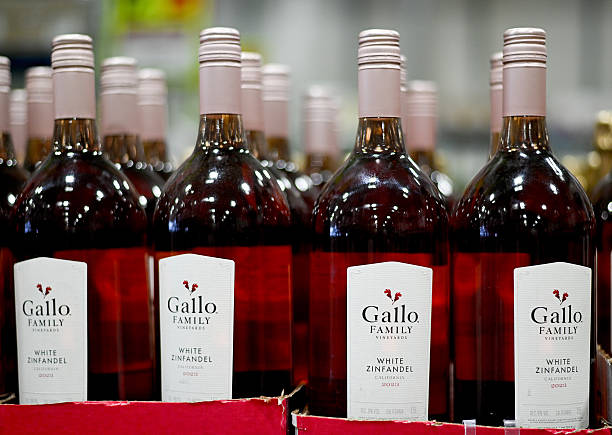
Start by scanning the front label for familiar sweet‑wine terminology. Words such as “late harvest,” “dessert wine,” “ruby port,” “vino dolce,” “sweet red,” or “semi‑sweet” signal higher residual sugar. Producers often list the grape variety—like Zinfandel, Lambrusco, or Brachetto—which can be naturally sweeter.
Look for a “Residual Sugar” figure, usually expressed in grams per liter; values above 30 g/L typically indicate a sweet style. In many regions, the appellation name can also hint at sweetness, for example, Asti in Italy is known for sweet reds.
Pay attention to the alcohol by volume (ABV); sweeter wines often have lower ABV because sugar dilutes the alcohol. Also check for any “sweetness indicator” icons or color‑coded symbols that some wineries use to guide consumers.
By familiarizing yourself with these label cues, you can quickly separate dry reds from those meant for dessert or a sweeter palate.
Recognizing Sugar Levels on the Back
The back label often provides the most precise data about sugar content. Look for a “Residual Sugar” line, which may be listed in grams per liter (g/L) or as a range; anything above 30 g/L is generally considered sweet, while 10‑30 g/L falls into the off‑dry or semi‑sweet category.
Some bottles include a “Sweetness Scale” graphic, ranging from dry to very sweet, making it easy to compare options at a glance. Pay attention to the “Alcohol by Volume” (ABV) figure as well—higher alcohol often correlates with drier wines because fermentation converts sugar into alcohol.
If the label mentions “fortified”, such as a port or a sweet sherry, expect a higher sugar level due to added spirits. Finally, note any “Serving Suggestions” that recommend pairing with desserts; this is a strong hint that the wine is intended to be enjoyed on the sweeter side.
Tips for Tasting Before Buying
When possible, request a small tasting to confirm the wine’s sweetness level before committing to a full bottle. Swirl the glass and take a quick sniff; fruity aromas like ripe berries, cherries, or plum often accompany higher sugar.
Take a sip and let it linger on the palate; a smooth, syrupy mouthfeel and lingering honeyed or cinnamon notes are classic indicators of a sweet red. Compare it side‑by‑side with a known dry red, such as a Cabernet Sauvignon, to notice the contrast in body and finish.
Ask the staff about the “sweetness profile” and whether the wine is “late‑harvest” or “fortified,” which can affect both taste and price. If the wine is sold by the glass, observe the color intensity—deeper, ruby hues can suggest a richer, sweeter style.
Using these sensory cues will help you confidently select a sweet red that matches your palate and occasion.
Best Sweet Red Wine Varieties to Try

Lambrusco
Lambrusco is a sparkling red wine from Italy that often carries a pleasant sweetness, making it a popular choice for those seeking a sweet red wine.
Key points: It originates in the Emilia‑Romagna region, offers flavors of red berries and a hint of floral perfume, and is typically low‑alcohol and lightly carbonated. Serve it chilled to enhance its refreshing character, and pair it with charcuterie, pizza, or spicy dishes.
When looking for a sweet red wine, ask for a dry‑style Lambrusco if you prefer less sugar, or a semi‑sweet or sweet Lambrusco for a fruitier finish. Its versatility makes it an easy entry point for newcomers.
Brachetto d’Acqui
Brachetto d’Acqui is a lightly sparkling, aromatic red wine from Piedmont, Italy, celebrated for its natural sweetness and fragrant bouquet. Key points: It showcases aromas of strawberry, raspberry, and rose petals, with a soft fizz that lifts the palate.
This wine is typically enjoyed as a dessert companion, pairing beautifully with chocolate, berries, or creamy cheeses. When searching for a sweet red wine, request a Brachetto d’Acqui and specify whether you prefer the secco (dry) style or the dolce (sweet) version for a richer taste.
Its low tannins and gentle carbonation make it approachable for beginners and a delightful finish to any meal.
Banyuls
Banyuls is a fortified sweet red wine from the Roussillon region of France, made primarily from Grenache grapes. Key points: It offers deep ruby color, flavors of dried figs, black cherries, and subtle nutty undertones, with a smooth, lingering finish.
Because it is fortified, Banyuls has higher alcohol content and can be served slightly chilled as a dessert wine. To answer the query “what is sweet red wine called,” you can point to Banyuls as a classic example. Pair it with dark chocolate, fruit tarts, or strong cheeses like Roquefort.
When selecting, choose between Banyuls Grand Cru for a richer profile or Banyuls Rancio for an aged, oxidative character.
Red Port
Red Port, often simply called Port, is a fortified sweet red wine from Portugal’s Douro Valley, prized for its rich, velvety texture.
Key points: It is produced from a blend of native red grapes such as Touriga Nacional, Tinta Roriz, and others, and is aged in wood barrels to develop deep flavors of plum, blackcurrant, and caramel. When someone asks “what is sweet red wine called,” Red Port is a quintessential answer.
Serve it slightly chilled as a digestif or pair it with blue cheese, chocolate mousse, or nut‑laden desserts. Choose between Ruby Port for a fruit‑forward youthful style or Tawny Port for a smoother, oxidative profile that evolves with age.
Tips for Pairing Sweet Red Wine with Food
Matching with Chocolate Desserts
Begin by selecting a sweet red wine that can stand up to the richness of chocolate. Varieties such as Brachetto d’Acqui, Lambrusco rosso, or a ruby‑style Port offer bright fruit and gentle tannins that complement cocoa without being overwhelmed.
Serve the wine slightly chilled (around 12‑14 °C) to enhance its refreshing acidity and keep the sweetness in balance. Pair it with dark chocolate desserts that contain at least 60 % cacao, as the wine’s berry notes will echo the fruit undertones in the chocolate.
For milk‑chocolate cakes or chocolate‑covered strawberries, choose a lighter Brachetto, whose floral aromatics add a playful contrast.
Finally, experiment with a small spoonful of the wine drizzled over the dessert; this technique intensifies the flavor bridge and creates a harmonious finish that highlights both the wine’s sweetness and the dessert’s depth.
Pairing with Spicy Dishes
When you serve spicy cuisines—think Thai chilies, Mexican mole, or Indian tandoori—choose a sweet red wine that can tame heat while adding fruit complexity.
Brachetto d’Acqui, a lightly sparkling red, delivers raspberry and rose notes that cool the palate, whereas a semi‑sweet Lambrusco provides gentle effervescence and enough acidity to cut through fat. Serve the wine at cellar temperature (13‑15 °C) so its sweetness is pronounced but not cloying.
Pair a glass with dishes that incorporate sweet‑spicy sauces, such as pork ribs glazed with plum‑hoisin or grilled shrimp tossed in a mango‑chili glaze; the wine’s sugar mirrors the glaze’s fruit, creating a seamless dialogue.
For intensely hot foods, opt for a richer ruby Port, whose higher alcohol and dense fruit can counterbalance the burn. Remember to sip slowly, allowing the wine’s cooling effect to reset your taste buds between bites, which keeps the dining experience lively and balanced.
Complementing Cheese Plates
Sweet red wines are excellent partners for cheese because their sugar balances salty and creamy textures. Choose a wine such as Brachetto d’Acqui for soft, bloomy cheeses like Camembert, or a ruby‑style Port to stand up to sharp, aged varieties such as aged Gouda or Manchego.
Serve the wine slightly cooler than room temperature (12‑14 °C) to preserve its fruit freshness while allowing the cheese’s fat to melt gently on the palate. Build a cheese board that mixes milder options—goat cheese with honey drizzle—and stronger selections—blue cheese crumbled with toasted walnuts.
The wine’s red berry and plum aromas echo the honey’s floral sweetness and cut through the pungency of blue cheese, creating a harmonious contrast.
For a festive touch, add a handful of dried figs or dark chocolate shavings; the sweet red wine will tie all components together, making each bite feel cohesive and elevating the overall tasting experience.
How to Store Sweet Red Wine Properly
Ideal Temperature Range
Sweet red wine, often referred to as dessert red wine, includes varieties such as Lambrusco, Brachetto d’Acqui, and fortified styles like Port. To preserve its delicate fruit and residual sugar, store the bottle at a consistent ideal temperature range of 10‑13 °C (50‑55 °F).
Temperatures above 15 °C can accelerate oxidation, flatten the wine’s bright flavors, and cause premature aging. Conversely, temperatures below 8 °C may mute aromatic complexity and cause the wine to taste overly tart. Use a wine refrigerator or a cool, dark cellar that maintains this narrow band year‑round.
Avoid frequent temperature fluctuations, as they stress the cork and can lead to premature spoilage. By keeping sweet red wine within this precise range, you protect its luscious sweetness and ensure it remains ready for enjoyment whenever you choose to serve it.
This temperature control also helps maintain the wine’s vibrant color and prevents the development of off‑flavors that can diminish its sweet character.
Bottle Position and Light Exposure
Position the bottle horizontally to keep the cork moist, which is essential for preventing air ingress that can dry out the sweet wine and introduce oxidation. If the wine uses a screw‑cap, a horizontal stance is still beneficial for space efficiency but not strictly required.
Store the bottles away from direct sunlight and fluorescent lighting, as UV rays can break down color pigments and degrade the delicate sugars, leading to a flat, dull palate. A dark cabinet or a UV‑filtered wine fridge provides optimal protection.
Additionally, avoid vibrations from appliances or heavy foot traffic; constant movement can disturb the sediment and accelerate aging. By controlling both the orientation and light exposure, you safeguard the wine’s aromatic profile and ensure the sweetness remains bright and inviting.
Keeping the bottles in a stable, dim environment also preserves the subtle fruit notes that define many sweet red varieties, allowing them to shine when finally uncorked.
Shelf Life After Opening
Once opened, sweet red wine remains at its best for 3‑5 days if resealed with a proper wine stopper and stored in the refrigerator. The cooler environment slows down oxidation, preserving the wine’s residual sugar and aromatic intensity.
After the first 48 hours, you may notice a gradual softening of the fruit character and a slight increase in acidity, which is normal as the wine breathes. For longer storage, consider transferring the wine to a smaller, airtight container to reduce the headspace and limit oxygen exposure.
Avoid leaving the bottle at room temperature for extended periods, as this accelerates flavor loss. By following these post‑opening practices, you can enjoy the sweet red wine’s luscious profile for several days without compromising its quality.
If you notice any off‑odors or a sharp, vinegary taste, the wine has passed its optimal window and should be discarded to avoid an unpleasant drinking experience.
Where to Buy Sweet Red Wine Online
Top Retailers and Marketplaces
When you’re hunting for sweet red wine online, start with reputable retailers that specialize in curated wine selections.
Major marketplaces such as Wine.com, Total Wine, and Vivino let you filter by sweetness level and style, making it easy to locate varieties commonly labeled as Brachetto d’Acqui, Lambrusco, or Moscato Rosso—all recognized as sweet red wines.
Boutique sites like K&L Wine Merchants and WineBid often carry limited‑edition bottles and provide tasting notes that highlight the fruit‑forward, low‑tannin profile you’re after. Pay attention to the product description; many listings explicitly state “sweet red” or “dessert‑style red” to confirm the style.
Compare prices across platforms, watch for bulk‑discount options, and read user reviews for insight into flavor balance. By focusing on these trusted retailers, you’ll quickly narrow down the best sources for the sweet red wine you’re seeking.
Checking for Authenticity
Ensuring the sweet red wine you purchase is genuine starts with a close read of the label and product details. Look for terms such as “late‑harvest,” “dessert wine,” “semi‑sweet,” or the specific varietal name Brachetto, Lambrusco, or Moscato; these indicate a higher residual sugar level.
Verify the alcohol by volume (ABV)—sweet reds typically sit between 5% and 12% for lighter styles and up to 20% for fortified options like Port. Check the winery’s reputation by consulting rating platforms like Wine Spectator or Robert Parker, which often flag authenticity issues.
When a listing includes a producer’s seal, QR code, or batch number, use those to cross‑reference the winery’s official site. Finally, read customer photos and reviews; visual confirmation of the bottle’s label and color can reveal mislabeling.
By applying these verification steps, you’ll reduce the risk of receiving a dry or counterfeit product and enjoy the true sweet red wine experience you intended.
Shipping and Return Policies
Before finalizing your purchase, review each retailer’s shipping and return framework to avoid surprises with sweet red wine deliveries. Most online wine shops require an age‑verification step at checkout and will ship in insulated packaging to preserve flavor and prevent breakage.
Look for shipping guarantees that specify delivery within 3‑5 business days, especially for temperature‑sensitive wines like Brachetto d’Acqui or Moscato Rosso. Some carriers offer track‑and‑trace and require a signature upon receipt, reducing the chance of loss.
Return policies vary: many sites allow a 30‑day unopened‑bottle return for a full refund, while others only offer store credit or charge a restocking fee. Check if the retailer covers shipping costs for returns or if you must arrange your own courier.
Finally, confirm any state‑level shipping restrictions, as certain sweet red varieties may be prohibited in specific regions. Understanding these logistics ensures you receive the correct product in optimal condition and have a clear path for returns if needed.
Frequently Asked Questions About Sweet Red Wine
Is Sweet Red Wine the Same as Red Port?
Sweet red wine is commonly referred to as a red dessert wine or ruby‑styled wine, and many people also call it red port when it is fortified.
While the term “red port” specifically describes a fortified wine from the Douro Valley with added spirit, other sweet reds such as Brachetto d’Acqui, Lambrusco Dolce, or a late‑harvest Zinfandel are simply labeled as sweet red wines on the bottle.
The key difference lies in the production method: ports undergo fortification, raising alcohol to about 20 %, whereas non‑fortified sweet reds rely on natural grape sugars or late harvesting. When shopping, look for descriptors like “sweet,” “dessert,” “late‑harvest,” or “fortified” to identify the style you want.
Understanding these naming conventions helps you choose the right bottle for pairing with chocolate, fruit desserts, or cheese plates today.
Can Sweet Red Wine Be Aged?
Yes, many sweet red wines can develop additional complexity with age, but the aging potential varies by style and quality. Fortified options such as ruby port or late‑harvest fortified reds often improve for 5‑15 years, gaining smoother tannins and richer caramel notes.
Non‑fortified sweet reds like Brachetto d’Acqui, Lambrusco Dolce, or a late‑harvest Zinfandel are best enjoyed within 2‑4 years of release, as prolonged storage may cause the fruit flavors to fade and the wine to become overly oxidized.
To assess aging suitability, look for high residual sugar, balanced acidity, and a solid structure; these elements act as natural preservatives. Store the bottles on their side in a cool, dark environment with a constant temperature around 12‑14 °C (55‑57 °F) and humidity near 70 %.
Periodically check the cork for dryness and avoid vibrations. By following these guidelines, you can decide whether to cellar your sweet red wine or enjoy it while it’s still vibrant.
How to Serve Sweet Red Wine at the Right Temperature?
Serving sweet red wine at the proper temperature enhances its aromatic profile and balances the perception of sweetness. Aim for a serving range of 12‑14 °C (55‑57 °F) for most non‑fortified sweet reds, such as Brachetto, Lambrusco Dolce, or a late‑harvest Zinfandel.
This slightly cooler zone preserves bright fruit aromas while allowing subtle spice and chocolate notes to emerge. For fortified styles like ruby port or late‑harvest fortified reds, a slightly warmer temperature of 16‑18 °C (60‑65 °F) is ideal, as it softens the higher alcohol and accentuates the rich, caramelized flavors.
To achieve the target temperature, chill the bottle in the refrigerator for 30‑45 minutes for non‑fortified wines, or for 15‑20 minutes for fortified wines. If the wine is too cold, let it sit in the glass for a few minutes to warm up.
Use a wine thermometer for precision, and always serve in a glass with a slightly tapered rim to concentrate the bouquet. These steps ensure each sip is perfectly balanced and enjoyable.
Frequently Asked Questions
What is the term for sweet red wine?
Sweet red wines are often called ‘dessert reds’ or ‘late‑harvest reds’, and specific styles include Port, Banyuls, and some Italian Vin Santo.
Which popular sweet red wines should I look for?
Popular sweet reds include Portuguese Port, Spanish Banyuls, Italian Recioto della Valpolicella, and some Australian fortified Shiraz.
How does a late‑harvest red differ from a regular red wine?
Late‑harvest reds are made from grapes harvested later, allowing higher sugar levels, resulting in a richer, sweeter palate compared to typical dry reds.
Can I pair sweet red wine with desserts?
Yes, sweet reds pair well with dark chocolate, berry desserts, and cheese plates, as their fruitiness balances rich flavors.
Is there a difference between fortified and non‑fortified sweet reds?
Fortified sweet reds, like Port, have added spirits that increase alcohol and sweetness, whereas non‑fortified sweet reds rely solely on natural grape sugars.
Where can I buy sweet red wine?
Sweet reds are available at specialty wine shops, online retailers, and many supermarkets; look for labels such as Port, Banyuls, or late‑harvest varieties.
Conclusion
Sweet red wines, often labeled as dessert or late‑harvest reds, include varieties like Brachetto, Lambrusco, Port, and Banyuls, each offering distinct fruit‑forward flavors and gentle sweetness. Understanding these names helps you choose the perfect bottle for pairing with chocolate, cheese, or a cozy evening. Explore the options, taste the nuances, and let your palate guide you to new, delightful experiences.


