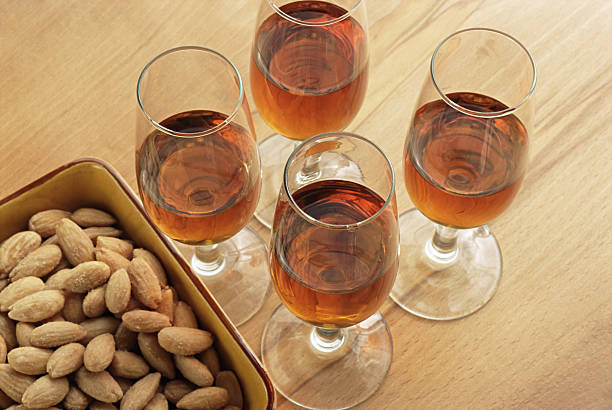
What Is Sherry Drink
What is sherry drink? It’s a unique fortified wine from Spain’s sun-drenched Andalusia region, crafted from white grapes and aged using a special method called the solera system. Whether you love dry, nutty flavors or sweet, dessert-style sips, sherry offers something for every palate. In this guide, we’ll break down the different types—from crisp Fino to rich Pedro Ximénez—and how to enjoy them. Discover why this often-overlooked drink deserves a spot in your glass.
What is Sherry Drink?
Definition of Sherry
Sherry is a fortified wine made from white grapes, primarily in the Jerez region of Spain. What sets sherry apart is its unique production method, where distilled grape spirit is added after fermentation, increasing alcohol content and preserving the wine’s character.
Sherry comes in a range of styles, from dry and light varieties like Fino and Manzanilla to rich, sweet types such as Pedro Ximénez and Cream Sherry. The solera system, a fractional blending process, ensures consistency in flavor and quality across vintages.
This aging method involves stacking barrels in tiers, drawing off a portion of the oldest wine and replenishing it with younger wine. Sherry is typically enjoyed as an aperitif or digestif, but it also enhances cooking, especially in sauces and desserts.
Understanding sherry’s diverse styles and serving suggestions allows you to fully appreciate its complexity and versatility in both casual and formal settings.
Origin of Sherry in Spain
Sherry originates from the Andalusia region of southern Spain, specifically within the ‘Sherry Triangle’ formed by the cities of Jerez de la Frontera, Sanlúcar de Barrameda, and Puerto de Santa María.
This unique geographic area provides the ideal climate and chalky albariza soil needed to cultivate the Palomino, Pedro Ximénez, and Moscatel grapes used in sherry production. The name ‘sherry’ itself is an anglicized version of ‘Jerez,’ reflecting centuries of British trade influence.
Historical records show winemaking in this region dates back over 3,000 years, with Phoenicians, Romans, and Moors all contributing to its development. Modern sherry production began to take shape in the 18th century, gaining international acclaim.
Today, the Denominación de Origen (DO) status protects the authenticity and quality of genuine Spanish sherry. This deep-rooted heritage and strict regulation ensure that only wines from this region can be legally labeled as sherry.
How Sherry Differs from Other Wines
Sherry stands out from other wines due to its fortification process and distinctive aging techniques. Unlike most wines, which rely solely on natural fermentation, sherry has brandy added, altering its alcohol content and stability. The solera system further differentiates it, blending multiple vintages for consistent flavor and complexity.
Another key factor is the presence of flor yeast in biological aging, especially in Fino and Manzanilla sherries, which forms a protective layer and imparts a crisp, tangy profile. Oxidative aging, used for Oloroso and Cream sherries, exposes the wine to air, creating rich, nutty flavors.
Most table wines are consumed young and unfortified, while sherry is designed for longevity and layered development. Serving temperature and glassware also differ—sherries are often served chilled in smaller portions.
Recognizing these production and sensory distinctions helps drinkers appreciate sherry not just as a wine, but as a unique category of its own.
Types of Sherry Wine

Fino Sherry: Light and Dry
Fino Sherry is a light, dry, and crisp wine made primarily in the Jerez region of Spain. It is aged under a layer of yeast called *flor*, which protects the wine from oxidation and gives it a refreshing, tangy flavor with notes of almond, citrus, and saline.
Fino is best enjoyed chilled and is an excellent aperitif, pairing beautifully with tapas like olives, seafood, and Manchego cheese. Because it’s delicate, drink Fino soon after opening—ideally within a few days—to preserve its freshness.
Its low residual sugar and bright acidity make it a perfect choice for those who enjoy dry white wines like Sauvignon Blanc. Serve in a white wine glass to fully appreciate its subtle aromas.
Manzanilla: The Coastal Sherry
Manzanilla is a unique type of Fino Sherry produced exclusively in the coastal town of Sanlúcar de Barrameda. The cooler, more humid climate encourages a thicker layer of *flor*, resulting in a wine that’s even lighter and more delicate than traditional Fino.
It offers crisp saline notes, green apple, and chamomile, reflecting its seaside origins. Like Fino, Manzanilla is best served chilled and consumed shortly after opening. It’s an ideal match for shellfish, ceviche, or light salads.
Considered one of the most refreshing sherries, it’s a go-to for warm weather or pre-dinner sipping. Its subtle complexity and dry, briny finish make Manzanilla a standout choice for discerning wine lovers seeking elegance and finesse.
Oloroso: Rich and Nutty
Oloroso Sherry is a full-bodied, oxidatively aged wine that skips the *flor* yeast layer, allowing it to darken and develop deep, complex flavors. It boasts rich notes of walnut, leather, dried fruit, and spice, with a robust mouthfeel and higher alcohol content.
Unlike Fino, Oloroso is not filtered, contributing to its intense character. It can be dry or slightly sweetened, and its aging process often spans decades. Serve slightly chilled in a red wine glass to concentrate its aromas. Oloroso pairs excellently with roasted meats, game, or strong cheeses.
It also makes a sophisticated after-dinner drink, especially when aged for many years. Its longevity means it can be enjoyed over several weeks once opened, making it a practical yet luxurious choice.
Cream Sherry: Sweet and Smooth
Cream Sherry is a rich, sweet, and velvety wine made by blending dry Oloroso with sweet Pedro Ximénez (PX) or Moscatel wines. This results in a luscious, dessert-style sherry with flavors of figs, toffee, chocolate, and dried fruit.
It has a smooth, full-bodied texture that makes it ideal for sipping after dinner or pairing with desserts like chocolate cake or crème brûlée. Cream Sherry is best served slightly chilled, enhancing its sweetness without overwhelming the palate. Despite its richness, high-quality versions maintain balanced acidity, preventing cloying sweetness.
It’s an excellent introduction to sherry for those who prefer sweeter wines. Store upright and enjoy within a few weeks of opening for optimal flavor and freshness.
How Sherry Is Made

Grape Varieties Used in Sherry
Sherry is made exclusively from three white grape varieties grown in Spain’s Jerez region: Palomino, Pedro Ximénez (PX), and Moscatel.
Palomino is the most widely used, accounting for the majority of dry sherries like Fino and Manzanilla due to its neutral flavor profile and high acidity, which allows the aging process and terroir to shine.
Pedro Ximénez, a sweet, sun-dried grape, produces intensely rich, syrupy sherries with notes of raisin, fig, and molasses, often used in blends or as a standalone dessert wine. Moscatel is less common but adds floral and honeyed characteristics to sweet sherries.
After harvest, the grapes are gently pressed to extract juice, which is then fermented into a base wine. The choice of grape directly influences the final style of sherry, setting the foundation for either biological aging under flor or oxidative aging.
The Solera Aging Process
The solera system is a dynamic and traditional method of aging sherry that ensures consistency, complexity, and quality across vintages. It involves a series of stacked barrels, with the oldest wine at the bottom (the solera) and progressively younger wines above (the criaderas).
Periodically, a portion of wine is drawn from the solera barrels for bottling, then replenished with wine from the first criadera, which in turn is refilled from the next, and so on, creating a continuous blending process.
This fractional blending allows each bottle to contain traces of wine from multiple vintages, including some that may be decades old. The solera system is essential for developing sherry’s layered flavors and maintaining house style.
It’s used for all types of sherry, whether aged biologically under flor or oxidatively, and reflects centuries of winemaking tradition in Jerez.
Role of Flor Yeast in Sherry Production
Flor yeast is a naturally occurring layer of yeast that forms on the surface of certain sherries during aging and plays a pivotal role in defining their character.
This yeast thrives in the cool, humid cellars of Jerez and forms a protective blanket over the wine, preventing oxidation and imparting distinctive flavors like almond, bread, and green apple. Sherries aged under flor—such as Fino and Manzanilla—remain pale, dry, and crisp.
The flor consumes glycerol and alcohol, reducing richness and creating a leaner profile. Its growth depends on specific conditions, including alcohol level (typically 15–15.5% ABV), temperature, and humidity.
In contrast, when flor dies off or is intentionally suppressed by increasing alcohol content, the wine undergoes oxidative aging, resulting in richer styles like Oloroso. The presence or absence of flor is a key determinant in sherry’s final style and classification.
How to Serve Sherry
Best Temperature for Serving Sherry
Serving sherry at the correct temperature is essential to fully appreciate its complex flavors and aromas. Lighter styles like Fino and Manzanilla should be served well-chilled, ideally between 6–8°C (43–46°F), to preserve their crisp, fresh character and delicate saline notes.
Over-chilling can mute subtle aromas, while serving too warm makes them flabby and less vibrant. Heavier styles such as Amontillado and Oloroso benefit from slightly cooler room temperature, around 12–16°C (54–61°F), which allows their nutty, oxidative profiles to open up gracefully.
Always chill bottles in the refrigerator for at least two hours before serving lighter sherries, and let them sit briefly out if needed. For richer, sweeter Pedro Ximénez, a temperature of 14–18°C (57–64°F) enhances its luscious, molasses-like depth.
Avoid serving any sherry straight from the freezer, as extreme cold distorts flavor perception. Proper temperature control ensures optimal balance, aroma release, and drinking pleasure with every sip.
Glassware for Sherry Tasting
Choosing the right glassware significantly enhances the sherry tasting experience by directing aromas and controlling oxidation. For delicate, dry sherries like Fino and Manzanilla, a tulip-shaped glass or small white wine glass works best—its narrow rim concentrates volatile aromas while minimizing rapid oxidation.
These glasses typically hold 150–200ml, allowing just enough room to swirl gently without overexposure. For richer styles such as Amontillado or Oloroso, a standard red wine glass with a broader bowl helps release deeper, nutty, and woody notes.
Sweet sherries like Pedro Ximénez are best served in small dessert wine glasses, about 100ml, to savor their intense, syrupy complexity in moderation. Avoid oversized brandy snifters for dry sherries, as they accelerate evaporation and degrade freshness. A stemmed glass also prevents hand heat from warming the wine too quickly.
Using appropriate glassware ensures maximum aroma development, flavor clarity, and temperature stability, elevating every tasting moment.
When to Drink Sherry During a Meal
Sherry is incredibly versatile and can be enjoyed at multiple stages of a meal, depending on its style. Light, dry sherries like Fino and Manzanilla are ideal as aperitifs, served before food to stimulate the appetite—pair them with olives, almonds, or seafood tapas.
Their crisp acidity and saline finish cleanse the palate beautifully. Amontillado, with its balanced nuttiness and medium body, bridges the gap between starter and main course, complementing dishes like roasted mushrooms, poultry, or aged cheeses.
Fuller, richer Oloroso pairs excellently with red meats, game, or hearty stews, making it a great companion for the main course. Sweet sherries such as Pedro Ximénez (PX) shine as dessert wines, served in small amounts with chocolate, blue cheese, or vanilla ice cream.
They can even be drizzled over desserts for extra richness. Avoid drinking dry sherries after sweet courses, as residual sugar can make them taste sour. Matching sherry to the right meal stage enhances both the wine and the food experience.
Sherry Food Pairings
Pairing Fino with Seafood and Tapas
Fino sherry is a light, crisp, and dry fortified wine that originates from Spain’s Andalusia region, making it an ideal match for seafood and tapas. Its bright acidity and subtle nutty notes cut through rich flavors while enhancing delicate dishes like grilled sardines, shrimp al ajillo, or marinated olives.
The refreshing salinity in Fino complements the natural brininess of shellfish, elevating dishes such as oysters or ceviche. It also pairs beautifully with classic Spanish tapas including jamón ibérico, Manchego cheese, and fried small bites like croquetas.
Serve Fino well-chilled (between 6–8°C) in a white wine glass to preserve its aromas. Because it oxidizes quickly, consume within a few days of opening. For best results, enjoy Fino as an aperitif or throughout a tapas-style meal to cleanse the palate and enhance savory flavors without overpowering them.
Matching Oloroso with Roasted Meats
Oloroso sherry is a full-bodied, rich, and nutty fortified wine aged oxidatively, resulting in deep flavors of walnut, caramel, and dried fruit. This complexity makes it an excellent companion for roasted meats such as duck, lamb, or slow-cooked beef.
The wine’s intense structure and savory depth stand up to bold seasonings and charred textures, enhancing umami without overwhelming the dish. Its natural acidity helps balance fatty cuts, making it perfect for pairing with dishes like roasted pork shoulder or mushroom-stuffed game birds.
Serve Oloroso slightly cooler than room temperature (around 14–16°C) to highlight its layered profile. Unlike lighter sherries, Oloroso is more stable after opening and can last up to several weeks when refrigerated.
For an elevated dining experience, consider reducing Oloroso into a flavorful sauce or glaze to drizzle over meats, deepening the harmony between food and wine.
Cream Sherry with Desserts
Cream sherry is a sweet, velvety, and luscious fortified wine made by blending rich Oloroso with sweet Pedro Ximénez (PX) sherry. Its decadent profile of toffee, fig, chocolate, and raisin makes it a standout pairing for desserts.
It complements chocolate cakes, bread puddings, and caramel-based sweets, where its intense sweetness and full body mirror the richness of the dish. Cream sherry also balances slightly bitter desserts like dark chocolate mousse or espresso-flavored treats, creating a harmonious contrast.
Serve it chilled (10–12°C) in a dessert wine glass to concentrate its aromas. Because of its sweetness, it pairs exceptionally well with blue cheeses or walnut tarts, blurring the line between dessert course and digestif. A small 2-3 oz pour is sufficient—its intensity means a little goes a long way.
For a luxurious twist, drizzle a bit over vanilla ice cream or use in dessert sauces to amplify depth and sweetness.
Storing and Preserving Sherry
How Long Sherry Lasts After Opening
Once opened, sherry’s shelf life depends on its type and how it’s stored. Lighter styles like Fino and Manzanilla are most delicate and should be consumed within 1 to 2 weeks after opening. These sherries are best kept refrigerated to preserve their freshness and crisp flavor.
Medium-bodied sherries such as Amontillado can last 2 to 3 weeks at cool room temperature or in the fridge. Richer styles like Oloroso and cream sherries are more stable and can remain drinkable for 4 to 6 weeks after opening when stored properly.
Always reseal the bottle tightly with its original cork or a wine stopper to minimize oxidation. While these timeframes are general guidelines, taste is the best judge—always sample a small amount before serving. Proper storage significantly extends usability, so follow recommended conditions to get the most from your opened sherry.
Best Conditions for Storing Sherry
To preserve quality, store sherry in a cool, dark place away from sunlight and heat sources.
Unopened bottles of Fino and Manzanilla should be kept upright in a refrigerator if consumed within a few months, while other types do well in a wine cellar or pantry at a steady temperature of 55–65°F (13–18°C). Once opened, refrigeration is essential for all sherry types, especially the lighter varieties.
Keep the bottle tightly sealed to prevent air exposure, which accelerates spoilage. Avoid storing sherry near strong-smelling items, as odors can seep into the cork. Oloroso and cream sherries are more resilient but still benefit from cool storage. Consistent conditions help maintain flavor and aroma.
For long-term aging, only certain vintage-dated sherries are suitable—most are meant to be enjoyed young. Following these best storage practices ensures optimal taste and longevity.
Signs Your Sherry Has Gone Bad
Detecting spoiled sherry involves using your senses. A sharp, vinegary smell or sour aroma is a clear sign of oxidation and spoilage, especially in Fino or Manzanilla. Visually, a deep amber or brownish tint in a once-pale sherry may indicate it’s past its prime.
Taste is the ultimate test—if the sherry tastes flat, overly bitter, or harsh, it has likely deteriorated. While some oxidation is natural in aged styles like Oloroso, a rancid or musty flavor is unacceptable.
Cloudiness or sediment isn’t always a bad sign, particularly in unfiltered sherries, but combined with off-odors, it suggests spoilage. Never consume sherry that smells like wet cardboard, which indicates cork taint. When in doubt, err on the side of caution and discard.
Properly stored sherry should retain its character—any dramatic change in appearance, smell, or taste means it’s time to replace the bottle.
Popular Sherry Brands and Where to Buy
Top Sherry Producers in Spain
Spain is home to the exclusive production region of Sherry, located in the Andalusia region within the ‘Sherry Triangle’ formed by Jerez de la Frontera, Sanlúcar de Barrameda, and El Puerto de Santa María.
Esteve, González Byass, and Lustau are among the most respected producers, known for their traditional methods and wide range of styles.
González Byass, famous for its Tío Pepe brand, offers an accessible entry point into dry, crisp Fino Sherries, while Bodegas Lustau specializes in single-vintage and region-specific expressions that showcase terroir. Emilio Hidalgo and Valdespino are smaller bodegas producing limited, artisanal batches highly prized by connoisseurs.
These producers use the solera aging system, a dynamic blending process that ensures consistency and complexity. When exploring top Spanish brands, look for Denominación de Origen (DO) Jerez-Xérès-Sherry certification, which guarantees authenticity and quality. Purchasing directly from bodega websites or authorized importers ensures freshness and provenance.
Where to Find Sherry in the US
Sherry is increasingly available across the United States, both online and in physical retail stores. Major wine retailers like Total Wine & More, Wine.com, and K&L Wines carry a curated selection of Sherries, from affordable Finos to premium Amontillados.
Specialty liquor stores in larger cities often stock artisanal and small-batch options, especially in markets with strong culinary scenes like New York, San Francisco, and Chicago. Online platforms such as CaskCartel.com and SherryWine.com focus exclusively on Sherry, offering detailed descriptions, food pairing tips, and subscription services.
Some Spanish-focused restaurants and tapas bars also sell bottles to-go. When buying, check the bottling date if available, as freshness is key for delicate styles like Manzanilla. Look for retailers that rotate stock frequently to ensure quality.
Signing up for newsletters from reputable sellers can alert you to new arrivals and limited releases.
How to Choose Quality Sherry
Choosing a high-quality Sherry starts with understanding the style that fits your taste and intended use. For a dry, light aperitif, select a Fino or Manzanilla labeled ‘solo de añada’ or with a recent bottling date.
Richer styles like Oloroso or Palo Cortado offer nutty, complex profiles ideal for sipping after dinner. Always check for the DO Jerez-Xérès-Sherry seal, which certifies authenticity and adherence to strict production standards. Bodega reputation matters—brands like Valdespino, Hidalgo, and Equipo Navazos are known for quality and transparency.
Vintage-dated (VOS or VORS) Sherries indicate extended aging and exceptional depth. Avoid overly sweet, mass-market versions unless specifically desired. Storage conditions post-import are crucial—choose retailers who store Sherry properly, away from heat and light.
When in doubt, ask for staff recommendations or look for critical acclaim from wine experts like Luis Gutiérrez or Jancis Robinson.
Frequently Asked Questions
What is sherry drink?
Sherry is a fortified wine made from white grapes, primarily in the Jerez region of Spain. It ranges in style from dry to sweet and is often enjoyed as an aperitif or dessert wine.
How is sherry made?
Sherry is produced by fermenting white grapes, then fortifying the wine with brandy to increase its alcohol content. The wine is aged using a unique solera system, where younger wines are gradually blended with older ones.
What are the different types of sherry?
Common types of sherry include Fino, Manzanilla, Amontillado, Oloroso, and Pedro Ximénez. Each varies in flavor, sweetness, and aging process, from dry and light to rich and sweet.
How should sherry be served?
Dry sherries like Fino and Manzanilla are best served chilled in a white wine glass. Sweet sherries are typically served slightly chilled in a smaller dessert wine glass.
Can sherry be used in cooking?
Yes, sherry is commonly used in cooking to add depth and flavor to sauces, soups, and marinades. Dry sherry is preferred for savory dishes, while sweet sherry works well in desserts.
How long does sherry last after opening?
Dry sherry should be consumed within 1–2 weeks after opening and stored in the refrigerator. Sweet sherry lasts longer, up to several weeks, when refrigerated.
Conclusion
Sherry is a distinctive fortified wine from Spain’s Jerez region, crafted from white grapes and available in styles ranging from dry and crisp to rich and sweet. Its unique aging process, including the solera system, contributes to its complex flavors. Whether enjoyed as an aperitif or paired with desserts, sherry offers a versatile tasting experience. Explore different types like Fino, Oloroso, or Pedro Ximénez to discover the depth and tradition behind this exceptional drink.