What Is Albarino
What is Albariño? It’s a vibrant, aromatic white wine grape famous for its crisp acidity and refreshing citrus flavors, primarily grown in Spain’s Rías Baixas region. If you love zesty, light-bodied whites with notes of lemon, peach, and a hint of salinity, Albariño is your go-to summer sipper. This guide will quickly break down its origins, taste profile, food pairings, and why it stands out among white wines—giving you everything you need to enjoy it confidently.
What Is Albarino Wine?
Origin of Albarino in Spain
Albarino is a white wine grape variety that originates from the Rías Baixas region in northwestern Spain, specifically in Galicia. This coastal area’s cool, maritime climate and high humidity create ideal conditions for Albarino to thrive, preserving its bright acidity and aromatic intensity.
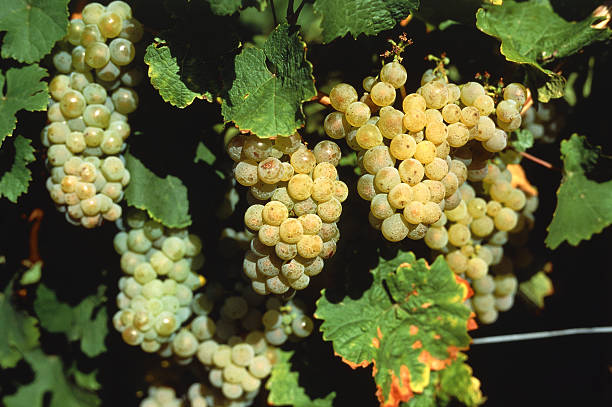
The grape has been cultivated in this region for centuries and is deeply rooted in local tradition. Spanish Albarino is typically labeled under the Denominación de Origen (DO) Rías Baixas, ensuring quality and authenticity. The name ‘Albarino’ is believed to derive from the word ‘white,’ reflecting its pale golden hue.
Hand-harvesting and careful winemaking techniques help maintain the grape’s freshness, making Spanish Albarino a benchmark for quality worldwide.
How Albarino Differs From Other White Wines
Albarino stands out from other white wines due to its high acidity, aromatic complexity, and crisp, refreshing finish. Unlike heavier whites like oaked Chardonnay, Albarino is typically unoaked, preserving its vibrant fruit and floral notes. It has more body and intensity than Pinot Grigio but remains lighter than Viognier.
One key differentiator is its ability to balance sugar and acid, giving it a lively mouthfeel without sweetness. Albarino also often displays a subtle saline minerality, a trait linked to its coastal terroir. This makes it exceptionally food-friendly, especially with seafood.
Compared to Sauvignon Blanc, Albarino is less herbaceous and more rounded, offering stone fruit and citrus with a long, clean finish.
Common Flavor Profiles of Albarino
Albarino is celebrated for its expressive and layered flavor profile, dominated by ripe citrus and stone fruit notes such as lemon, lime, peach, and apricot. These primary flavors are enhanced by floral aromas like orange blossom and honeysuckle, adding elegance and perfume to the wine.
A distinctive mineral edge—often described as wet stone or sea spray—reflects its Atlantic-influenced growing regions. With high acidity, Albarino tastes crisp and refreshing, making it ideal for warm weather or rich dishes. Some expressions may hint at tropical fruit like mango or pineapple, especially in warmer vintages.
The finish is typically dry and zesty, with lingering citrus and salinity. These bold key characteristics make Albarino both approachable and complex, perfect for wine lovers seeking brightness and depth.
Regions Where Albarino Is Grown
While Albarino is most famously grown in Rías Baixas, Spain, it is also cultivated in other regions across Spain and Portugal, where it’s known as Alvarinho. In Portugal, it thrives in the Minho region, particularly in Vinho Verde, often blended with other local grapes.
Beyond the Iberian Peninsula, Albarino has found success in California, Oregon, Australia, and Uruguay, where winemakers replicate its cool-climate preferences. These new-world regions aim to capture the grape’s signature acidity and aromatic profile.
However, the terroir of Rías Baixas—with its granite soils and Atlantic breezes—remains unmatched in producing the most authentic expressions. Each region imparts subtle differences, but all emphasize freshness, fruit purity, and balance, showcasing Albarino’s global appeal and adaptability.
How Albarino Is Made

Harvesting Albarino Grapes
Albarino grapes are typically harvested in late September to early October, depending on ripeness and regional climate. Grown primarily in Spain’s Rías Baixas and parts of Portugal, these grapes thrive in cool, maritime-influenced regions that preserve their natural acidity.
Harvesting is often done by hand to ensure gentle handling and selection of only the healthiest clusters. Growers aim for optimal sugar and acid balance, which is crucial for Albarino’s signature bright, zesty profile. Early morning picking helps maintain low grape temperatures, reducing oxidation risk.
Sustainable and organic practices are increasingly common, emphasizing minimal intervention in the vineyard. Proper harvesting sets the foundation for high-quality Albarino, ensuring the wine retains its aromatic intensity and freshness from vine to bottle.
Fermentation Process for Albarino
After harvesting, Albarino grapes are gently pressed to extract juice, known as must, which is then clarified to remove solids. Fermentation occurs in temperature-controlled stainless steel tanks at cool ranges (12–16°C), preserving the wine’s vibrant aromas and crisp acidity.
Selected yeast strains—either native or cultured—are often used to enhance floral and fruity characteristics like citrus, peach, and apricot. Fermentation typically lasts two to three weeks, after which the wine may undergo brief aging on lees to add texture and complexity without sacrificing freshness.
This process ensures Albarino maintains its light to medium body and bright, aromatic profile. The result is a clean, aromatic white wine with crisp acidity and lively fruit expression, ideal for early consumption.
Use of Oak in Albarino Production
Most Albarino wines are fermented and aged in stainless steel to emphasize freshness, acidity, and aromatic purity. However, some producers experiment with limited oak aging to add complexity and a subtle creamy texture. When oak is used, it’s typically neutral (used) barrels to avoid overpowering the delicate fruit character.
New oak is rare, as it can mask Albarino’s floral and citrus notes. The goal is to enhance mouthfeel and structure without introducing strong vanilla or toast flavors. Oak-aged versions may show hints of baked apple, almond, or spice, appealing to those who prefer a richer style.
Even then, oak use remains minimal and intentional, ensuring the wine’s hallmark vibrancy and crispness remain central. This restrained approach preserves Albarino’s identity while offering nuanced variation.
Modern vs Traditional Winemaking Techniques
Modern Albarino production emphasizes precision, hygiene, and temperature control, using stainless steel tanks and advanced filtration to deliver consistent, aromatic wines. These techniques highlight freshness and fruit purity, appealing to global palates.
In contrast, traditional methods may include spontaneous fermentation with native yeasts, older vessels like concrete or chestnut tanks, and minimal filtration, yielding more complex, terroir-driven expressions. Some winemakers blend both approaches—using modern equipment for stability while incorporating natural fermentation or extended lees contact for depth.
The choice impacts texture, aroma, and aging potential. While modern styles dominate the market, traditional techniques are experiencing a revival among artisan producers. Ultimately, both methods aim to showcase Albarino’s natural acidity, aromatic intensity, and regional character, offering diverse interpretations of this acclaimed white wine.
Tasting Notes and Aromas in Albarino

Primary Fruit Flavors in Albarino
Albariño is celebrated for its vibrant, ripe fruit aromas that immediately engage the senses. Expect prominent notes of ripe peach, apricot, and nectarine, often complemented by citrus zest like lemon and lime. These primary fruit flavors are typically fresh and juicy, giving the wine a lively, approachable character.
In cooler climates, the fruit profile leans more toward green apple and pear, while warmer vintages intensify the stone fruit expression. Tropical hints such as mango or pineapple may appear in riper examples, adding complexity.
To fully appreciate these nuances, serve Albariño well-chilled and in a tulip-shaped glass to concentrate the aromas. These fruit characteristics make it ideal for pairing with seafood, salads, and light appetizers, enhancing both the wine and the dish.
Mineral and Saline Characteristics
A defining trait of Albariño is its distinct mineral backbone, often described as wet stone, flint, or chalk. This minerality reflects the grape’s coastal origins, particularly in Spain’s Rías Baixas region, where granite-rich soils and Atlantic breezes shape its profile.
Many Albariños also exhibit a pronounced saline quality, reminiscent of sea spray or oyster brine, which enhances their freshness and complexity. These elements are not just aromatic—they linger on the palate, contributing to a crisp, clean finish that sets Albariño apart from other white wines.
To highlight these traits, choose bottles from coastal vineyards and serve slightly cooler than room temperature. The mineral-saline interplay makes Albariño a top choice for pairing with shellfish, ceviche, or salt-crusted dishes.
Acidity Levels and Mouthfeel
Albariño is known for its bright, zesty acidity, which gives the wine a lively and refreshing structure. This high acidity balances the ripe fruit flavors, preventing the wine from feeling heavy or overly sweet.
On the palate, Albariño typically has a medium body with a smooth, rounded mouthfeel, often enhanced by subtle textural elements from lees aging. The crisp finish encourages another sip, making it highly drinkable. Proper chilling—around 45–50°F (7–10°C)—preserves the acidity and amplifies the wine’s vibrancy.
Because of its balanced structure, Albariño pairs exceptionally well with rich seafood dishes like grilled shrimp or creamy risottos, cutting through fat while complementing delicate flavors. Maintaining this harmony of acidity and texture is key to its appeal.
How Aging Affects Albarino’s Taste
While most Albariños are best enjoyed young and fresh, typically within 1–3 years of release, some premium versions benefit from short-term aging.
Over time, the vibrant primary fruit notes may mellow, giving way to dried apricot, honey, or toasted almond characteristics, especially in bottles aged on lees or in neutral oak. Acidity remains a backbone, but the mouthfeel can become richer and more layered.
Extended aging is rare, as it risks diminishing the wine’s signature freshness. To explore aged Albariño, look for reserva-designated bottles from reputable producers. These offer a nuanced evolution while preserving core identity. For optimal experience, store bottles upright in a cool, dark place.
Even with aging, Albariño retains its crisp, food-friendly nature, making it a versatile choice across vintages.
Best Food Pairings with Albarino
Seafood Dishes That Complement Albarino
Albariño, a crisp and aromatic white wine from Spain’s Rías Baixas region, shines brightest with fresh seafood. Its bright acidity, citrus notes, and subtle saline minerality make it an ideal match for raw, grilled, or steamed seafood.
Think oysters, clams, shrimp, and ceviche—the wine’s zesty character cuts through brininess and enhances natural sweetness. Grilled fish like sea bass or halibut benefit from Albariño’s light body and floral hints, while shellfish paellas gain complexity. The wine’s refreshing finish cleanses the palate, preparing it for the next bite.
For optimal pairing, serve well-chilled and choose simply prepared dishes to let both the food and wine express their pure, vibrant flavors without overpowering one another.
Cheese Pairings for Albariño
When pairing Albariño with cheese, opt for mild, fresh, and slightly tangy varieties that won’t overpower its delicate profile. Fresh goat cheese, young Manchego, and creamy burrata work exceptionally well thanks to their bright acidity and smooth textures.
The wine’s citrus and stone fruit notes harmonize with the lactic tang in these cheeses, creating a balanced, refreshing experience. Avoid aged or strongly flavored cheeses, as they can overwhelm Albariño’s subtlety. For a Spanish twist, pair with tetilla—a buttery, mild cow’s milk cheese from Galicia.
Serve cheeses at room temperature and alongside a few green olives or thin crackers to enhance the pairing. This combination makes for an elegant, light appetizer course.
Spicy and Asian Cuisine Matches
Albariño’s natural sweetness and vibrant acidity make it a surprising star with spicy and Asian dishes. Its off-dry profile cools the heat of Thai curries, Sichuan cuisine, and Vietnamese salads without clashing.
The wine’s floral and tropical fruit notes—like peach, apricot, and mango—complement aromatic herbs and spices such as lemongrass, ginger, and cilantro. Try it with shrimp dumplings, lemongrass chicken, or spicy tuna rolls for a harmonious balance. Even moderately spicy tacos or coconut-based curries gain brightness when paired with Albariño.
The key is to match the wine’s intensity with dishes that have layered flavors but aren’t overwhelmingly hot. Serve well-chilled to maximize its refreshing effect.
Albarino with Tapas and Appetizers
Albariño is a versatile companion to a wide range of Spanish tapas and light appetizers. Its crisp, lively character pairs beautifully with marinated olives, grilled padrón peppers, and pulpo a la gallega (Galician octopus).
The wine’s bright acidity cuts through richness, making it perfect for fried bites like croquetas or boquerones (marinated anchovies). Its subtle minerality also enhances the umami in jamón ibérico or Manchego-stuffed dates. For a crowd-pleasing spread, serve Albariño alongside a mixed tapas platter featuring both seafood and cured meats.
The wine’s refreshing finish invites continuous sipping, making it ideal for social dining. Chill thoroughly and serve in white wine glasses to fully appreciate its aromatic complexity.
How to Serve Albarino Properly
Ideal Serving Temperature for Albarino
To fully enjoy Albarino’s vibrant acidity and aromatic profile, serve it chilled but not too cold. The ideal serving temperature is between 45°F and 50°F (7°C to 10°C).
Serving it too cold can mute its delicate floral, citrus, and stone fruit notes, while serving it too warm may emphasize alcohol and dull its crisp freshness. To achieve this, refrigerate the bottle for about 2 hours before serving, or place it in an ice-water bath for 20–25 minutes.
Once opened, maintain the temperature with a wine cooler or ice bucket. Avoid prolonged exposure to heat or direct sunlight during service to preserve its balance and brightness. Proper temperature enhances Albarino’s refreshing character, making it perfect for warm days or pairing with seafood.
Best Glassware for Albarino Wine
Choosing the right glass enhances Albarino’s aromatic complexity and crisp texture. Use a medium-sized white wine glass with a slightly tapered rim to concentrate its delicate floral and citrus aromas.
The ideal glass has a narrow opening that directs the wine to the front of your palate, highlighting its bright acidity and fruit-forward profile. Avoid oversized bowls, which can disperse aromas too quickly. A tulip-shaped glass is excellent for capturing and releasing nuanced scents like peach, lime, and saline minerality.
Ensure the glass is clean and free of detergent residue, as Albarino’s sensitivity to impurities can affect taste. Using proper glassware not only improves the sensory experience but also showcases the wine’s elegance and structure, making each sip more enjoyable and true to its character.
Decanting: Is It Necessary for Albarino?
In most cases, Albarino does not require decanting. This fresh, aromatic white wine is best enjoyed for its immediate vibrancy, crisp acidity, and lively fruit expression, which can diminish with excessive oxygen exposure. Unlike bold reds, Albarino benefits little from aeration and is typically ready to drink upon opening.
However, older vintages or premium, barrel-aged Albarinos may benefit from a brief 10–15 minute decant to open up subtle complexities. Avoid prolonged decanting, as it risks flattening the wine’s natural freshness. If serving a young, unoaked Albarino—common in regions like Rías Baixas—simply pour and enjoy.
The goal is to preserve its zesty lemon, green apple, and saline notes. When in doubt, taste first before decanting to assess its openness.
Storage Tips for Unopened and Opened Bottles
To preserve Albarino’s quality, store unopened bottles in a cool, dark place at a consistent temperature of around 55°F (13°C), ideally lying horizontally to keep the cork moist. Avoid heat, light, and vibration, which can degrade the wine’s freshness.
Albarino is best consumed within 1–2 years of vintage to enjoy its peak brightness. For opened bottles, reseal tightly with a wine stopper and refrigerate immediately. Even with refrigeration, aim to finish it within 2–3 days, as its delicate aromas fade quickly.
Using a wine preservation system with inert gas can extend its life by a day. Always minimize headspace in the bottle to reduce oxidation. Proper storage ensures Albarino retains its crisp acidity and aromatic intensity, delivering an optimal tasting experience.
Top Albarino Wines to Try
Award-Winning Albarino Bottles
If you’re exploring what is Albarino, start with award-winning bottles that showcase the grape’s signature bright acidity and aromatic profile. Albarino, primarily grown in Spain’s Rias Baixas region, produces crisp white wines bursting with notes of citrus, peach, and saline minerality.
Top performers like Pazo de Señorans Albarino and Paco & Lola consistently earn high scores from critics for their complexity and balance. These wines are ideal for pairing with seafood, salads, or enjoying on their own.
Look for recent vintage awards from competitions such as the International Wine Challenge or Decanter World Wine Awards. Choosing an acclaimed Albarino not only guarantees quality but also offers a benchmark for understanding the grape’s potential when grown in optimal coastal conditions with granite-rich soils.
Value Picks Under $20
Discovering what is Albarino doesn’t have to be expensive—excellent value picks under $20 deliver authentic character without breaking the bank. Brands like Terras Gauda O Rosal and Fillaboa Albarino offer crisp acidity, vibrant fruit flavors, and a refreshing finish at an accessible price.
These wines are perfect for everyday enjoyment and highlight the grape’s natural freshness and affordability in the right markets. Look for bottles from recent vintages with high user ratings on wine apps or retailer sites. These budget-friendly options often come from sustainable vineyards using traditional methods.
By choosing a quality-value Albarino, you experience the essence of the varietal—zesty, aromatic, and food-friendly—making it ideal for weeknight dinners or summer gatherings.
Premium Albarino from Rias Baixas
To truly understand what is Albarino, try premium examples from its homeland, Rias Baixas, in northwest Spain. This coastal DO (Denominación de Origen) is renowned for producing the world’s finest Albarino wines, where cool Atlantic breezes and granitic soils help preserve acidity and enhance aromatic intensity.
Top-tier bottles like Martín Códax Gran Vinagre or Bodegas Santiago Ruiz offer layered flavors of ripe stone fruit, saline notes, and floral hints, with aging potential that adds complexity. These wines often undergo partial skin contact or lees aging for texture.
Sipping a premium Rias Baixas Albarino reveals the grape’s full potential—structured, elegant, and deeply expressive of terroir—making it a must-try for wine enthusiasts.
International Albarino Producers Outside Spain
Curious about what is Albarino beyond Spain? International producers in the U.S., Australia, and Portugal are crafting compelling versions of this Iberian gem. In California’s Central Coast and Oregon’s Willamette Valley, winemakers are embracing Albarino for its resilience to heat and ability to retain acidity, resulting in vibrant, food-friendly whites.
Australian examples from the Adelaide Hills show tropical fruit and crisp minerality, while Portuguese ‘Alvarinho’ from Vinho Verde offers a lighter, effervescent style. These global interpretations provide a fascinating contrast to Spanish originals, showcasing how climate and winemaking style influence expression.
Trying an international Albarino broadens your understanding of the grape’s versatility and growing appeal worldwide.
Buying and Storing Albarino
When to Drink Albarino: Fresh vs Aged
Albarino is best enjoyed young and fresh, typically within 1–3 years of the vintage. This white wine thrives on its vibrant acidity, zesty citrus notes, and aromatic profile of peach, apricot, and saline minerality—qualities that are most pronounced when the wine is young.
Unlike some whites that benefit from aging, Albarino does not improve significantly over time and may lose its signature brightness. For optimal flavor, choose a recent vintage and store it in a cool, dark place until ready to drink. Chill thoroughly before serving—around 45–50°F (7–10°C)—to enhance its crisp, refreshing character.
If you’re selecting Albarino for immediate enjoyment, freshness is key, so look for bottles with a current or last year’s vintage date.
How Long Albarino Lasts After Opening
Once opened, Albarino should be consumed within 3 to 5 days to preserve its freshness and aromatic intensity. To extend its life, reseal the bottle tightly with a wine stopper and store it in the refrigerator, which slows oxidation and maintains its crisp profile.
Even with proper storage, the wine will gradually lose its vibrant fruit and floral notes. For best results, consider using a vacuum pump or inert gas preserver to minimize air exposure. Avoid leaving opened Albarino at room temperature, as heat accelerates spoilage.
If you only drink a glass at a time, consider splitting a bottle with someone or choosing half-bottles to reduce waste. Ultimately, Albarino is meant to be enjoyed quickly after opening to fully appreciate its bright, lively character.
Where to Buy Authentic Albarino Wine
To ensure authenticity, purchase Albarino from reputable wine retailers, specialty wine shops, or trusted online wine merchants with a focus on Spanish varietals. The best Albarino comes from its native region of Rías Baixas in northwest Spain, where strict quality controls govern production.
Look for bottles labeled ‘Albariño’ with the Denominación de Origen (DO) Rías Baixas seal, which guarantees origin and authenticity. Independent wine importers and stores with curated Spanish selections often carry high-quality options. Avoid mass-market brands with vague labeling. For added assurance, check customer reviews or consult a sommelier.
Buying from a source that stores wine properly—cool, dark, and temperature-controlled—also helps ensure you receive a fresh, well-preserved bottle ready to enjoy.
Reading Albarino Wine Labels for Quality
Understanding Albarino wine labels helps identify quality and authenticity. Look for the DO Rías Baixas designation, which ensures the wine is made in the grape’s traditional region under regulated standards. The word ‘Albariño’ (with the tilde) often indicates Spanish origin, while ‘Alvarinho’ refers to the same grape in Portugal.
Vintage year matters—choose recent releases for optimal freshness. Labels may also mention alcohol content (typically 12–13%), with lower levels suggesting a lighter, crisper style. Terms like ‘bodega’ (winery) and the producer’s name add transparency. Avoid generic labels without region or producer details.
Wines with hand-harvested or estate-grown claims often reflect higher care in production, signaling better quality and flavor integrity.
Frequently Asked Questions
What is Albariño?
Albariño is a white wine grape variety primarily grown in the Rías Baixas region of northwestern Spain. It produces aromatic, crisp, and refreshing white wines with high acidity and notes of citrus, peach, and floral hints.
What does Albariño wine taste like?
Albariño wine typically features vibrant flavors of lemon, lime, green apple, peach, and apricot, often with a saline minerality and a crisp, clean finish. Its high acidity makes it very food-friendly.
Where is Albariño grown?
Albariño is mainly cultivated in the Rías Baixas region of Galicia, Spain, but it is also grown in parts of Portugal, where it’s known as Alvarinho, and in smaller quantities in the United States, Australia, and Uruguay.
What food pairs well with Albariño?
Albariño pairs excellently with seafood, especially shellfish like shrimp, oysters, and clams, as well as light salads, ceviche, and dishes with citrus or herbal flavors. Its acidity and minerality complement salty and fresh ingredients.
Is Albariño a sweet or dry wine?
Albariño is typically a dry white wine, although its ripe fruit flavors can give the impression of slight sweetness. Most commercial Albariños have little to no residual sugar.
How should Albariño be served?
Albariño should be served chilled, ideally between 45–50°F (7–10°C), to enhance its freshness and aromatics. Serve in a white wine glass to fully appreciate its bouquet.
How long can you keep Albariño?
Most Albariños are meant to be consumed young, within 1–3 years of the vintage, to enjoy their bright fruit and acidity. Extended aging is uncommon as the wine loses its freshness over time.
Conclusion
Albarino is a vibrant white wine grape known for its crisp acidity, aromatic profile, and refreshing citrus and stone fruit flavors. Primarily grown in Spain’s Rias Baixas region, it thrives in cool, coastal climates. Albarino pairs beautifully with seafood and light dishes, making it a favorite for summer sipping. Its growing global popularity reflects its quality and versatility. Explore a bottle to experience its bright, zesty charm and discover why Albarino continues to win over wine lovers worldwide.