What Does Vermouth Look Like
Wondering what does vermouth look like? Picture a clear to golden-amber liquid, often with a subtle herbal haze, shimmering in a bottle like liquid sunlight. Depending on the type—dry, sweet, white, or red—vermouth ranges from pale straw to deep ruby red. It’s not just a cocktail ingredient; its appearance gives clues to flavor and use. In this article, we’ll break down exactly what vermouth looks like, show how types differ visually, and help you identify it with confidence.
What Is Vermouth and How Is It Made?
Definition and Origins of Vermouth
Vermouth is a fortified and aromatized wine that originated in Europe, with roots tracing back to 18th-century Italy and France. It begins as a base of white wine, which is then enhanced through the addition of alcohol (typically grape brandy) and a blend of botanicals.
The result is a stable, flavorful spirit with increased alcohol content and complex taste. Historically used for medicinal purposes, vermouth evolved into a popular aperitif. Today, it’s a staple in classic cocktails like the Martini and Negroni.
Visually, vermouth resembles wine but varies in color depending on the type—dry vermouth is pale straw, while sweet red vermouth ranges from amber to deep ruby. Its clarity is typically bright and transparent, poured with a smooth, slightly viscous flow.
Understanding its origins helps explain its dual role as both a standalone drink and a foundational cocktail ingredient.
Key Ingredients in Vermouth Production
The appearance and flavor of vermouth are shaped by its core ingredients: wine, neutral alcohol, sugar, and a proprietary mix of botanicals. The base wine is usually light and low in aroma to avoid overpowering the added flavors.
The most critical botanical is wormwood (Artemisia absinthium), which gives vermouth its name—’vermouth’ is derived from the German word for wormwood. Other common botanicals include citrus peel, coriander, juniper, chamomile, and vanilla, each contributing to the final hue and profile.
Sweet vermouth contains more sugar and often includes caramel coloring, resulting in a richer, darker appearance. In contrast, dry vermouth has minimal sugar and retains a lighter, golden tint. The infusion process extracts pigments and oils from botanicals, subtly influencing clarity and color.
Producers guard their recipes closely, leading to a wide visual and sensory spectrum across brands and styles.
The Role of Fortification and Botanicals
Fortification and botanical infusion are essential to vermouth’s character and appearance. Fortification involves adding distilled alcohol to the wine base, which not only increases the alcohol content (typically 16–22% ABV) but also stabilizes the liquid for longer shelf life.
This process can slightly intensify the color and add a glossy sheen when poured. The botanicals are steeped in alcohol or wine, allowing pigments and aromatic compounds to dissolve, directly influencing the final hue—herbs may lend greenish tones, while spices like cloves or cinnamon deepen the color.
After infusion, the liquid is filtered, resulting in a clear, bright product free of sediment. The balance of sugar, alcohol, and botanical extracts determines whether the vermouth appears light and crisp or rich and syrupy.
These elements work together to create a visually distinct product that signals its flavor profile before the first sip.
Visual Characteristics of Vermouth
Color Variations by Type
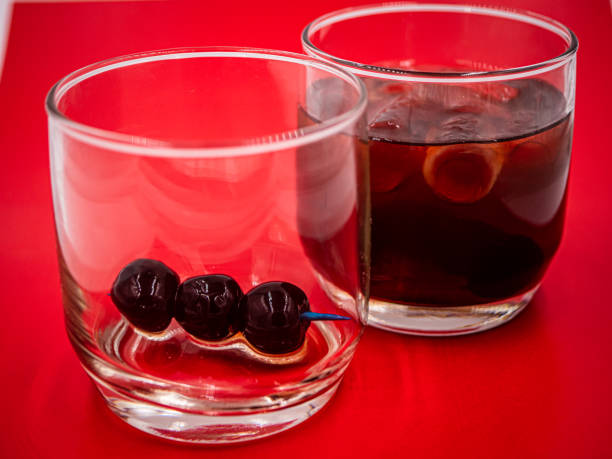
Vermouth’s appearance varies significantly by type, with distinct color differences that help identify its style. Sweet red vermouth is typically deep amber or ruby-red, deriving its rich hue from fortified wine aged with caramel and herbs.
In contrast, dry white vermouth appears pale straw or light gold, reflecting its lighter botanical blend and minimal oxidation. Blanc or bianco vermouth sits between the two, offering a slightly sweeter profile with a bright, golden-yellow tint.
Rosé vermouth, a newer variation, displays a delicate pink or salmon tone, achieved through specific botanicals or brief skin contact. Observing the color can guide cocktail pairings—darker vermouths suit bold drinks like Manhattans, while lighter versions enhance crisp martinis.
Always examine vermouth in clear glass under natural light to accurately assess its true color, as artificial lighting can distort perception. Recognizing these color cues helps both in selection and in detecting potential spoilage or oxidation over time.
Clarity and Viscosity of the Liquid
High-quality vermouth should exhibit brilliant clarity and a smooth, medium-light viscosity. When poured, it flows easily but with a slight sheen, indicating proper balance between wine base and botanical extracts.
There should be no cloudiness, sediment, or floating particles in a freshly opened bottle—these may signal spoilage, improper filtration, or age degradation. Swirling the glass reveals subtle legs or tears, which reflect alcohol content (typically 16–18% ABV) and sugar levels, especially in sweet varieties.
Dry vermouths tend to have thinner legs than richer blanc or red versions. Clarity is a key indicator of freshness; if the liquid appears hazy, it may have been exposed to temperature fluctuations or contamination.
To properly assess, hold the glass against a white background and tilt it to observe light transmission. Clear, bright vermouth ensures optimal flavor delivery in cocktails and confirms the product’s integrity from production to pour.
How Packaging Affects Appearance
Vermouth packaging plays a crucial role in preserving its visual and sensory qualities. Most vermouths are sold in dark glass bottles—typically amber or green—to protect against UV light, which can degrade color and flavor over time.
Transparent bottles, while visually appealing, increase the risk of light exposure and should be stored in dark cabinets. The bottle shape and closure also matter: airtight seals prevent oxidation, which can darken the liquid and dull its clarity.
Once opened, vermouth begins to change; exposure to air may cause slight browning, especially in white varieties. Refrigeration slows this process. Labels often highlight color cues—like ‘Rosso’ or ‘Extra Dry’—to help consumers anticipate appearance.
Always check for fill level and seal integrity when purchasing, as low levels or leaks suggest age or poor storage. Proper packaging maintains visual freshness, ensuring the vermouth looks as vibrant in your glass as intended.
Types of Vermouth and Their Appearance

Dry White Vermouth: Look and Hue
Dry white vermouth typically has a pale straw or light golden hue, resembling a crisp white wine. Its clarity is usually bright and transparent, with no cloudiness when held to the light.
This type of vermouth may have a slightly viscous appearance due to the botanical extracts and alcohol content, which generally ranges from 16% to 18%. When poured into a glass, it maintains a clean, luminous quality that hints at its freshness and delicate flavor profile.
Some premium brands may exhibit subtle greenish or silvery undertones, especially when aged. The liquid moves smoothly, leaving slight ‘legs’ or ‘tears’ on the glass, indicating its alcohol and extract content. To assess quality, observe it in natural light—consistent color and brilliance are signs of proper production and storage.
Avoid any bottles with discoloration or sediment, which may suggest oxidation or spoilage.
Sweet Red Vermouth: Color and Consistency
Sweet red vermouth is instantly recognizable by its rich amber, ruby, or deep mahogany color, derived from caramel coloring and the use of red wine as a base.
It has a fuller, slightly syrupy consistency compared to its dry counterparts, which becomes evident when swirled in a glass—thicker legs slowly trail down the sides. The hue is often intense and opaque, with warm undertones that suggest its sweetness and complex herbal profile.
High-quality red vermouth maintains a glossy, polished appearance, free from cloudiness or particles. When poured, it flows with a smooth, velvety texture, reflecting the balance of sugar, wine, and botanicals. Exposure to light or age may darken the color over time, but a vibrant, deep red still indicates freshness.
Always check for uniform color and clarity—faded or hazy appearance may signal degradation. This visual richness sets the stage for its bold, bittersweet taste.
Blanc and Rosé Vermouth: Distinctive Traits
Blanc and rosé vermouths stand out with their soft, inviting tones and delicate clarity. Blanc vermouth, though technically a sweet white style, often has a slightly deeper, honeyed straw color compared to dry white vermouth, with a subtle sweetness reflected in its gentle viscosity.
It remains bright and clear, sometimes with a faint opalescence, indicating added sugar and botanical infusions. Rosé vermouth, on the other hand, displays a lively pink to light coral hue, achieved through brief skin contact or blending with red wine.
Its appearance is fresh and translucent, reminiscent of rosé wine but with a more pronounced sheen. Both types exhibit moderate legs when swirled, revealing their alcohol and extract content without heaviness. These vermouths are designed to be visually appealing in cocktails, offering a pastel elegance.
Look for vibrant, consistent coloring—dullness or browning suggests age or poor storage.
How Vermouth Bottles Influence Its Look
Standard Wine Bottles and Shapes
Vermouth typically comes in standard wine bottles, which greatly influence its visual identity. These bottles are usually 750 ml and resemble those used for still wines, though they may feature slight variations in shoulder height or body curvature to reflect the brand’s heritage.
Traditional European vermouths, like Italian or French styles, often use tall, slender bottles with pronounced shoulders, evoking classic apéritif elegance. In contrast, modern or craft brands may opt for shorter, more angular bottles to stand out on shelves.
The glass is commonly dark green or amber to protect the fortified wine from UV light, preserving its delicate botanicals. This coloring also gives vermouth a rich, inviting appearance. The shape and hue of the bottle immediately signal its category and quality, helping consumers identify it among spirits.
Recognizing these standard bottle traits helps in identifying authentic, well-crafted vermouth at a glance.
Closures: Cork vs. Screw Cap
The closure on a vermouth bottle offers immediate visual and functional clues about the product inside. Premium vermouths often use natural or synthetic corks, signaling tradition, craftsmanship, and aging potential. A cork closure may come with a wax seal or decorative capsule, enhancing its artisanal appeal.
Visually, a cork-topped bottle suggests a higher-end, sipping-style vermouth meant for slow enjoyment. On the other hand, screw caps are common in entry-level or mass-market brands, offering convenience and consistent preservation. They present a clean, modern look and are easier to reseal, which helps maintain freshness after opening.
While both closures protect the liquid, the choice affects the perceived quality and intended use. Observing the closure helps consumers anticipate the vermouth’s style—whether it’s designed for cocktails or contemplative tasting—making it a subtle yet important aspect of its overall appearance and presentation.
Label Design and Brand Differentiation
Label design plays a crucial role in how vermouth appears on shelves and in homes. These labels often feature ornate typography, vintage illustrations, or minimalist modern art, reflecting the brand’s origin and target audience.
European vermouths like Martini or Cinzano use classic gold-embossed labels with heritage symbols, conveying tradition and authenticity. In contrast, new-world or craft producers may use bold colors, hand-drawn elements, or eco-friendly inks to emphasize innovation and natural ingredients.
The label’s color palette—whether deep reds for sweet vermouth or golden yellows for blanc—visually communicates the style inside. Important details like alcohol content, botanical highlights, and region of origin are prominently displayed.
A well-designed label doesn’t just inform—it invites curiosity and conveys quality, helping consumers instantly recognize and differentiate between types. Ultimately, the label is a visual promise of flavor, craftsmanship, and experience.
How to Identify Quality Vermouth by Sight
Signs of Freshness in Color
When identifying quality vermouth by sight, freshness is reflected in vibrant, true-to-type color. Dry white vermouths should appear crystal clear with pale straw or light gold hues, indicating recent production and minimal exposure to light or air.
Sweet red vermouths, on the other hand, should display rich amber, ruby, or deep mahogany tones without appearing dull or brownish. A bright sheen when tilted in the light suggests proper storage and formulation. Avoid bottles with cloudy appearances or faded color, as these may signal age or poor handling.
Check the label for bottling or expiration dates—fresher vermouth typically maintains better aromatic and flavor integrity. Remember, vermouth is a fortified wine and begins to degrade over time, so color vibrancy is a reliable first indicator of quality before even opening the bottle.
What Sediment Means
The presence of sediment in vermouth can be normal and not necessarily a sign of spoilage. Many high-quality, traditionally crafted vermouths are unfiltered or minimally filtered, allowing natural botanical particles and tannins to remain in suspension.
These appear as fine, dust-like particles or light flecks, especially in red vermouths, and often settle at the bottom over time. Gently tilting the bottle can help distinguish harmless sediment from cloudiness caused by microbial spoilage.
If the sediment is clumpy, stringy, or accompanied by off-odors, the vermouth may be compromised. However, a small amount of fine sediment indicates authenticity and minimal processing, reflecting artisanal production methods. When in doubt, decant slowly before serving.
Ultimately, sediment alone should not disqualify a vermouth—assess it alongside aroma and taste for a full quality evaluation.
Avoiding Oxidation: Visual Clues
Oxidation is one of the most common causes of vermouth degradation, and visual cues can help you spot it early. An oxidized vermouth often appears darker and duller than its original hue—white vermouths may turn deep yellow or brown, while reds may look flat and muddy.
A hazy or cloudy appearance, especially when combined with a sherry-like smell, is a red flag. Another clue is discoloration near the neck or cork, indicating air exposure over time. Once opened, vermouth should be refrigerated and consumed within 1–3 months to prevent oxidation.
Always inspect the fill level—a significantly lowered meniscus suggests evaporation and long-term air exposure. Choosing bottles with intact seals and recent production dates minimizes risk. Trust your eyes: if the color looks off or lifeless, the flavor likely is too.
Serving Vermouth: How Presentation Affects Appearance
Glassware Choices and Visual Appeal
The type of glassware used to serve vermouth significantly influences its visual presentation and overall drinking experience. For straight or chilled vermouth, a small stemmed glass like a coupe or Nick & Nora enhances elegance and concentrates the aromatics.
These glasses showcase the liquid’s clarity and hue, whether it’s the pale gold of dry vermouth or the amber tones of sweet varieties. Stemmed glasses also prevent hand warmth from altering the temperature, preserving both appearance and flavor.
When used in cocktails like martinis or Negronis, the shape and size of the glass highlight the vermouth’s integration with other spirits. A chilled glass with a polished finish adds refined visual appeal, making the drink more inviting.
Choosing the right glass not only elevates the aesthetic but also supports proper serving temperature and aroma release, ensuring the vermouth looks as appealing as it tastes.
Ice and Dilution Effects
Ice plays a crucial role in how vermouth appears and tastes when served. Large, clear ice cubes not only look sophisticated but also melt slowly, minimizing rapid dilution while maintaining a crisp, chilled appearance.
When vermouth is poured over ice, its transparency and color become more vibrant, especially under proper lighting. However, excessive melting can cloud the liquid and weaken its visual and flavor intensity.
For stirred vermouth cocktails, dilution is intentional—controlled chilling and slight water integration open up the botanicals, enhancing both aroma and appearance. Serving vermouth ‘up’ without ice in a chilled glass preserves its full color and clarity, ideal for showcasing premium bottles.
The key is balancing temperature and dilution to maintain visual elegance and aromatic complexity, ensuring every pour looks as refined as it tastes. Proper ice quality and quantity are essential for optimal presentation.
Garnishes That Complement the Look
Garnishes are more than decorative—they enhance the visual storytelling of a vermouth-based drink. A twist of lemon peel expressed over a dry vermouth cocktail adds a bright, citrusy aroma and a vibrant yellow curl that floats elegantly on the surface.
For sweet vermouth, a brandied cherry or orange twist complements its richer hue and deeper flavor profile. Herbs like fresh rosemary or thyme not only add a pop of green but also imply aromatic complexity, inviting the drinker to engage their senses.
The garnish should match the vermouth’s character—subtle for delicate styles, bolder for robust ones. Even the way a garnish is placed—skewered, draped, or floated—affects the drink’s visual balance. These finishing touches elevate presentation, turning a simple pour into a visually captivating experience that hints at flavor before the first sip.
Storing Vermouth to Preserve Its Appearance
Best Storage Conditions
To preserve vermouth’s appearance and quality, store it in the refrigerator after opening. Vermouth is a fortified wine, making it more stable than regular wine, but it still degrades over time when exposed to air and warmth.
Keep the bottle tightly sealed with its original cork or a stopper to minimize oxidation, which can dull its color and alter its flavor. Store the bottle upright to reduce the surface area exposed to oxygen.
Unopened vermouth should be kept in a cool, dark place, like a pantry or cellar, away from heat sources. Once opened, refrigeration slows chemical reactions that affect both taste and appearance. Avoid temperature fluctuations, as they can cause condensation and accelerate spoilage.
By maintaining consistent cold storage and a tight seal, you help retain vermouth’s vibrant hue—whether golden, amber, or ruby—ensuring it looks and tastes fresh when used in cocktails or cooking.
How Light and Temperature Affect Color
Exposure to light and heat significantly impacts vermouth’s appearance, often causing fading or browning over time. Ultraviolet (UV) light, especially from direct sunlight or fluorescent bulbs, can break down pigments and aromatic compounds, leading to a duller, less vibrant color.
Similarly, high temperatures accelerate oxidation and chemical degradation, which not only affects flavor but also alters the liquid’s hue. White vermouth may turn deeper yellow, while red vermouth can lose its rich ruby tones and become murky.
To prevent this, store vermouth in dark glass bottles and keep it in a refrigerator or dark cabinet. Avoid leaving it on countertops or near stovetops where temperature fluctuates.
Consistent, cool storage preserves both the intended color and clarity, ensuring your vermouth remains visually appealing and true to its original profile. Protecting it from environmental stressors maintains its integrity from pour to pour.
Shelf Life and When to Discard
Opened vermouth typically maintains its best appearance and flavor for 1 to 3 months when refrigerated, though it may remain safe to consume longer. Over time, oxidation causes noticeable changes: the color may darken or fade, and the liquid can appear cloudy or flat.
White vermouth often turns amber, and red vermouth may lose its vibrancy, signaling degradation. Smell and taste are reliable indicators—if it smells vinegary, stale, or lacks aroma, it’s time to discard it.
Unopened vermouth can last 3 to 4 years if stored properly, but always check for off-odors or leakage before use. Do not rely solely on appearance, but significant discoloration combined with poor aroma confirms spoilage.
For optimal cocktail quality, label opened bottles with the date and replace them within three months. Discarding old vermouth ensures your drinks look and taste as intended, preserving both aesthetic and flavor integrity.
Frequently Asked Questions
What does vermouth look like?
Vermouth is a fortified wine that typically appears as a clear, reddish-brown or amber liquid in the case of sweet (red) vermouth, and a pale golden or straw-colored liquid for dry (white) vermouth. The color can vary slightly between brands and styles.
How can I tell the difference between red and white vermouth by appearance?
Red vermouth has a distinct amber to deep reddish-brown hue, often resembling light tea or caramel. White vermouth is much lighter, appearing pale yellow to almost clear, with a bright, golden tint when held to the light.
Does vermouth look like regular wine?
While vermouth resembles wine, it often has a slightly darker or richer color than many table wines, especially red vermouth. White vermouth may look similar to dry white wine but tends to be a bit more golden due to fortification and added botanicals.
What color is rosé vermouth?
Rosé vermouth has a delicate pink or blush hue, falling between red and white vermouth in color. It’s made to be lighter than red vermouth but more colored than the pale white version.
Can the color of vermouth indicate its quality?
Color alone doesn’t determine quality, but a consistent, vibrant hue typically indicates freshness. Dull or cloudy appearance may suggest age or improper storage, especially after opening.
What does vermouth look like when poured in a glass?
When poured, vermouth has a smooth, wine-like consistency with a glossy sheen. It leaves slight legs or streaks on the glass, especially sweet vermouth, due to its sugar and alcohol content.
Conclusion
Vermouth comes in various hues, primarily clear, golden, or red, depending on its type and ingredients. Dry vermouth tends to be pale, while sweet red vermouth is richer and amber-toned. Its appearance offers clues to flavor and use in cocktails. Understanding what vermouth looks like helps in selecting the right kind for your drink. Explore different varieties to enhance your mixology skills and enjoy the depth vermouth brings to your favorite recipes.