What Cheese Pairs With Pinot Noir
Wondering what cheese pairs with pinot noir? You’re not alone—and the good news is, there’s a delicious answer. Pinot noir’s bright acidity and subtle earthy notes make it a dream match for a variety of cheeses. From creamy brie to tangy aged gouda, the right pairing can elevate your wine experience instantly. In this guide, we’ll break down the best cheese choices that harmonize perfectly with pinot noir, so you can create a pairing that’s balanced, flavorful, and unforgettable every time.
Best Cheeses to Pair with Pinot Noir
Creamy Brie and Its Complementary Flavors
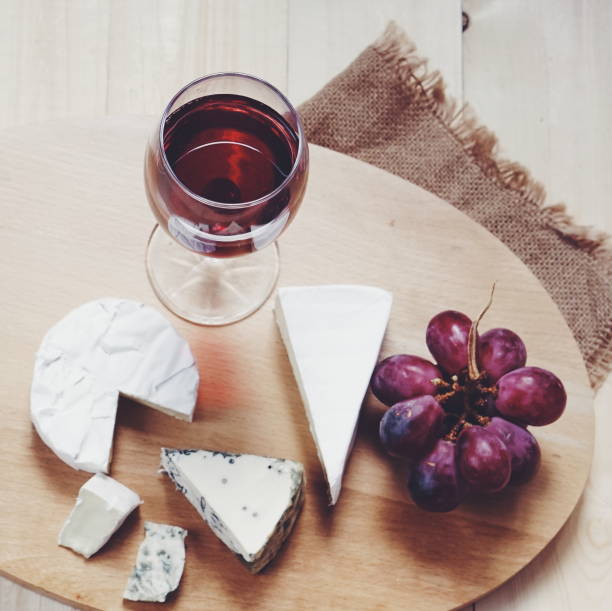
Creamy Brie is one of the best cheeses to pair with Pinot Noir due to its rich, buttery texture and mild flavor that doesn’t overpower the wine’s delicate profile. The wine’s bright acidity cuts through the cheese’s creaminess, creating a harmonious balance on the palate.
Look for a ripe Brie with a soft, yielding center and an edible rind to enhance the tasting experience. Serve at room temperature to fully release its earthy, mushroom-like notes, which echo the subtle forest floor undertones often found in Pinot Noir.
Pairing Brie with fresh baguette slices or crisp apple wedges adds a pleasant contrast and rounds out the pairing, making it ideal for elegant appetizers or casual gatherings.
Aged Gouda for a Richer Match
For those who prefer a more robust pairing, aged Gouda complements Pinot Noir’s complexity with its deep, caramel-like sweetness and slight crunch from tyrosine crystals. The cheese’s nutty, toasty notes align beautifully with the red fruit and spice characteristics of medium-bodied Pinot Noir.
Choose a Gouda aged 18 months or more to achieve the ideal depth of flavor without overwhelming the wine. This pairing works especially well with oak-aged Pinot Noirs, as the shared vanilla and toasted nuances enhance each other.
Serve in small cubes alongside dried apricots or walnuts to elevate the tasting experience and create a well-rounded flavor profile perfect for cheese boards or post-dinner pairings.
Goat Cheese with Tangy Notes
Goat cheese offers a bright, tangy contrast that enlivens the subtle fruitiness of Pinot Noir. Its zesty acidity and creamy texture mirror and complement the wine’s crisp red berry flavors and lively structure.
Opt for a fresh chèvre or a lightly aged goat cheese with a chalky center for the best results. The cheese’s citrus and herbaceous notes can highlight the wine’s floral and earthy undertones, creating a refreshing and dynamic pairing.
Drizzle with honey or serve with roasted beets to add natural sweetness that balances both elements. This combination shines on summer platters or as part of a light appetizer spread, offering a sophisticated yet approachable flavor profile.
Mild Camembert for Balanced Pairing
Mild Camembert is an excellent match for Pinot Noir, offering a velvety texture and delicate flavor that harmonizes with the wine’s elegance. Its subtle earthiness and creamy richness align with the wine’s soft tannins and notes of cherry, raspberry, and forest floor.
To maximize the pairing, allow the Camembert to come fully to room temperature, which enhances its buttery mouthfeel and mushroomy aroma. The rind contributes a gentle bitterness that contrasts the wine’s fruitiness in a pleasing way. Serve with plain crackers or toasted baguette slices to avoid overpowering either component.
This balanced duo is perfect for intimate dinners or wine tastings where refined, understated flavors take center stage.
How Pinot Noir’s Flavor Affects Cheese Pairing

Light Body and Bright Acidity Explained
Pinot Noir’s light body and bright acidity make it a versatile partner for cheeses that won’t overpower the wine. Because the wine is not heavy or dense, it pairs best with cheeses that are creamy but not overly rich, such as fresh goat cheese or young Gouda.
The acidity in the wine helps cut through the fat in the cheese, creating a balanced mouthfeel. Avoid heavily aged or pungent cheeses, as they can overshadow the delicate structure of Pinot Noir. Instead, opt for soft-ripened or washed-rind cheeses like Camembert or Taleggio, which harmonize with the wine’s freshness.
The key is matching intensity—light wine with light cheese—to ensure neither overpowers the other, resulting in a seamless, enjoyable pairing.
Red Fruit Notes That Influence Pairings
The prominent red fruit notes in Pinot Noir—such as cherry, raspberry, and strawberry—complement cheeses with subtle sweetness or fruity undertones. These flavor profiles enhance cheeses that have a naturally tangy or slightly sweet character, like young Manchego or buttery Brie.
The fruitiness of the wine can also mirror the nutty or caramelized notes in semi-firm cheeses such as aged Gruyère, creating a harmonious flavor bridge. For an elevated experience, try a cheese infused with fruit preserves or berry compote, which echoes the wine’s natural aromatics.
Avoid overly sharp or smoky cheeses, as they can clash with the wine’s delicate fruit expression. Matching the wine’s fruit profile with complementary cheese flavors ensures a balanced and memorable pairing.
Low Tannins and Their Impact on Cheese
Pinot Noir’s low tannin content makes it less astringent than other red wines, allowing it to pair gracefully with a broader range of cheeses. High-tannin wines often require fatty or aged cheeses to balance their bitterness, but Pinot Noir’s gentle structure works well with both soft and semi-hard varieties.
This makes it ideal for creamy cheeses like Cambozola or mild blue cheeses such as Gorgonzola Dolce, which won’t compete with the wine’s subtlety. The absence of harsh tannins also means the wine won’t clash with milky or lactic cheese flavors.
Instead, it enhances their richness while maintaining clarity on the palate. Choose cheeses with smooth textures and balanced flavors to fully appreciate the wine’s elegance without overwhelming it.
How Oak Aging Changes the Match
Pinot Noir that undergoes moderate oak aging develops subtle notes of vanilla, spice, and toast, which expand its cheese pairing potential. These warmer, more complex flavors allow the wine to stand up to slightly bolder cheeses, such as aged Cheddar or Comté, without losing harmony.
The oak influence adds structure, making the wine a better match for cheeses with nutty or caramelized characteristics. However, heavily oaked Pinot Noirs are rare, so pairings should still lean toward moderate intensity rather than extreme richness.
Avoid very pungent or salty cheeses like aged blue or feta, which can clash with oak-derived sweetness. Instead, seek cheeses with a buttery mouthfeel and gentle aging, ensuring the wine’s oak nuances enhance rather than compete with the cheese’s profile.
Soft Cheeses That Work with Pinot Noir
Why Brie Melts Perfectly with This Wine
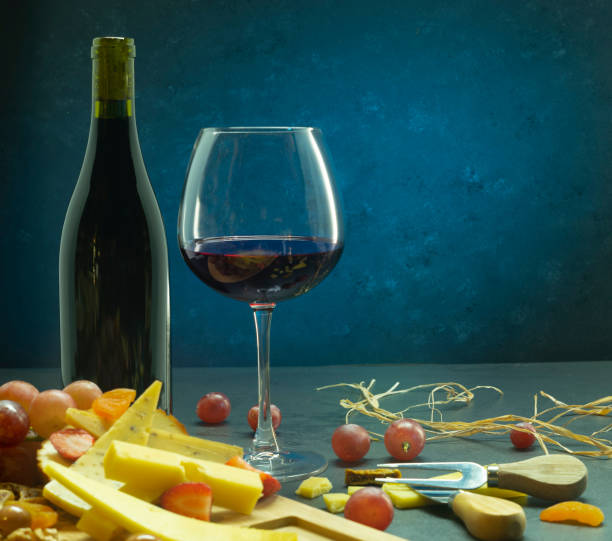
Brie is a classic pairing for Pinot Noir due to its creamy texture and mild, buttery flavor that complements the wine’s bright acidity and red fruit notes like cherry and raspberry.
The soft rind adds a subtle earthiness, echoing the earthy undertones often found in Pinot Noir, especially those aged in oak. When served at room temperature, Brie’s luxurious melt-in-your-mouth quality balances the wine’s light to medium body without overwhelming it.
Allow the cheese to sit out for 30 minutes before serving to fully release its aromas. This harmony of texture and flavor makes Brie one of the most approachable and elegant matches for Pinot Noir, ideal for both casual gatherings and refined tastings.
Triple-Crème Cheeses and Their Richness
Triple-crème cheeses like Brillat-Savarin or Saint-André deliver an ultra-rich, velvety texture that pairs luxuriously with Pinot Noir’s silky mouthfeel. Their high butterfat content creates a luscious contrast to the wine’s crisp acidity, while their mild, slightly tangy flavor allows the wine’s red berry and floral notes to shine.
These decadent cheeses are best enjoyed in small portions to avoid palate fatigue. Serve them at room temperature on a neutral cracker or fresh baguette to maintain balance. The creamy intensity of triple-crèmes enhances the wine’s complexity without masking it, making them a sophisticated choice for special occasions.
Pair with a chilled, fruit-forward Pinot Noir for an unforgettable experience.
Fresh Chèvre for a Zesty Combination
Fresh chèvre, with its tangy, citrusy kick, offers a vibrant contrast to the soft elegance of Pinot Noir. Its bright acidity mirrors the wine’s natural freshness, while its creamy-yet-crumbly texture provides a pleasing mouthfeel.
Flavored varieties like herbed or peppered chèvre can enhance the wine’s earthy or spicy notes without overpowering it. For best results, pair lemon-zested chèvre with a fruit-driven Pinot Noir to amplify the zest and create a lively, refreshing combination.
Serve on a toasted baguette or over a salad with vinaigrette to bridge the flavors. This pairing is especially effective with cooler-climate Pinot Noirs, which tend to have higher acidity and more pronounced red fruit characteristics.
Tips for Serving Soft Cheeses Correctly
To get the most from your cheese and wine pairing, always serve soft cheeses at room temperature—this enhances their aroma and creamy texture. Remove them from the refrigerator 30 to 60 minutes before serving. Use a clean, soft-cheese knife for each type to prevent flavor transfer and maintain presentation.
Offer neutral accompaniments like plain crackers, sliced apples, or honey to let the cheese and wine shine. Avoid overly sweet or spicy pairings that can clash with Pinot Noir’s delicate profile. Limit the selection to 2–3 cheeses to keep the tasting focused.
Finally, serve the wine slightly chilled (around 55°F) to balance the richness of the cheese and highlight its nuanced flavors.
Semi-Hard and Hard Cheeses for Pinot Noir
Aged Manchego with Nutty Characteristics
Aged Manchego is an excellent match for Pinot Noir due to its firm texture and nutty, slightly caramelized flavor profile. As Manchego matures, it develops crystalline crunches and savory depth that complement the wine’s bright acidity and red fruit notes like cherry and raspberry.
The cheese’s sheep’s milk richness balances Pinot Noir’s elegance without overwhelming it. For best results, serve the cheese at room temperature to enhance its aromatic complexity and allow the flavors to fully integrate with each sip.
Pairing aged Manchego with a glass of Oregon or Burgundy Pinot Noir creates a harmonious blend of earthy, fruity, and nutty elements, making it ideal for charcuterie boards or pre-dinner gatherings. This combination also benefits from a light drizzle of quince paste or fig jam.
Comté for a Subtle, Sweet Touch
Comté, a French alpine cheese made from cow’s milk, brings a delicate sweetness and buttery richness that enhances Pinot Noir’s subtle fruit and floral notes. Aged between 12 to 18 months, Comté develops caramel, toasted nut, and honey-like flavors that mirror the wine’s earthy undertones and soft tannins.
Its semi-hard texture melts smoothly on the palate, creating a luxurious mouthfeel that pairs beautifully with the wine’s silky body. Serve thin slices alongside toasted nuts and crisp apple slices to amplify the pairing’s complexity.
This combination works especially well with lighter-bodied Pinot Noirs from cooler climates, where the cheese’s umami notes accentuate the wine’s terroir-driven nuances without masking its delicate character.
Young Gouda and Its Caramel Hints
Young Gouda is a semi-hard cheese with a creamy texture and natural sweetness, making it a delightful companion for fruit-forward Pinot Noir. Its caramel and butterscotch undertones echo the wine’s ripe red berry and vanilla notes, especially in New World expressions aged in oak.
The cheese’s mildness ensures it doesn’t overpower the wine’s finesse, while its slight tanginess cuts through richness and refreshes the palate. For optimal pairing, choose a young Gouda aged 3–6 months and serve it at room temperature to unlock its full flavor potential.
Adding toasted walnuts or dried cherries to the plate enhances the synergy between cheese and wine. This accessible pairing is perfect for casual tastings or holiday gatherings where approachability and balance are key.
How Firmness Affects Flavor Balance
The firmness of cheese significantly influences how it interacts with Pinot Noir’s delicate structure. Semi-hard to hard cheeses like Manchego, Comté, and Gouda offer concentrated flavors without excessive fat, allowing the wine’s acidity and fruit to shine. Their denser texture releases flavors gradually, promoting a balanced tasting experience.
In contrast, softer cheeses can dominate with moisture and richness, while overly hard, aged varieties may clash with Pinot Noir’s light tannins. Choosing a cheese with moderate firmness ensures harmony—it provides enough substance to stand up to the wine without overwhelming it.
Temperature and serving style also matter: bring cheese to room temperature and pair with crusty bread or fruit to bridge flavor gaps and elevate the pairing.
Blue Cheeses and Bold Pairings
Mild Stilton with Earthy Pinot Noir
Mild Stilton is an excellent match for earthy, medium-bodied Pinot Noir, creating a harmonious balance of flavors. The cheese’s creamy texture and subtle blue veining complement the wine’s forest floor, mushroom, and red fruit notes without overpowering them.
Look for younger Stilton that hasn’t aged too long, as it offers a gentler tang and smoother finish, allowing the wine’s delicate acidity to shine. Serve both at cool room temperature to enhance aroma integration.
This pairing works especially well with Pinot Noirs from Burgundy or Oregon, where terroir-driven earthiness meets the cheese’s mellow richness. For an elevated experience, add a few walnuts or a drizzle of honey to bridge the flavors.
Gorgonzola Dolce for Creamy Contrast
Gorgonzola Dolce, with its silky texture and mild tang, pairs beautifully with the bright acidity and red berry notes of Pinot Noir. Unlike sharper blue cheeses, this Italian favorite brings a luscious creaminess that contrasts elegantly with the wine’s crisp structure.
The low salt content and buttery mouthfeel prevent clashing with Pinot’s delicate profile, making it a safe yet sophisticated choice. Serve on a cheese board with fresh pear slices or fig jam to enhance the fruit-forward notes in both cheese and wine.
Chill the Gorgonzola slightly before serving to maintain its luxurious texture, and pour the Pinot at 60–65°F for optimal balance. Ideal for dinner parties or romantic evenings.
Balancing Salt and Sweet in Pairings
To elevate a Pinot Noir and blue cheese pairing, balance saltiness with sweetness for a more dynamic tasting experience. Blue cheeses, even mild ones, carry a natural saltiness that can be tamed by sweet accompaniments like honey, dried cherries, or quince paste.
These additions highlight the wine’s red fruit character—think raspberry and cherry—while softening any sharp edges in the cheese. Try placing a small spoon of honeycomb next to a wedge of blue-veined cheese on your board. The interplay of sweet, salty, creamy, and acidic elements creates a multi-layered flavor journey.
Avoid overly sugary jams that mask the wine; instead, opt for natural, lightly sweet pairings that complement rather than dominate.
When to Avoid Strong-Flavored Blues
Avoid intensely flavored blue cheeses like Roquefort or aged Danish blue when pairing with Pinot Noir, as their high salt content and pungent tang can overwhelm the wine’s subtle profile.
Pinot Noir is known for its finesse, not power, and bold blues tend to drown out its delicate red fruit and floral notes. The wine’s acidity may also clash with overly sharp or ammoniated flavors in mature blues, creating an unpleasant aftertaste.
Instead of masking the wine, the goal is synergy. If you prefer stronger blues, consider pairing them with bolder reds like Syrah or dessert wines like Sauternes. Stick to milder, creamier blues to preserve the elegance of Pinot Noir and ensure a harmonious, enjoyable pairing.
Serving Tips for Cheese and Pinot Noir
Ideal Temperature for Serving Wine
Serve Pinot Noir slightly chilled to enhance its delicate aromas and balance its acidity. The ideal temperature is between 55°F and 60°F (13°C–16°C)—too warm, and the alcohol overpowers; too cold, and the flavors dull. To achieve this, refrigerate the bottle for about 30–45 minutes before serving.
Avoid serving straight from a room-temperature shelf or an ice-cold fridge. Use a wine thermometer if possible, or chill until the bottle feels cool to the touch. This temperature range preserves the wine’s bright red fruit notes—like cherry and raspberry—while allowing its earthy undertones to complement cheese pairings.
Properly cooled Pinot Noir cuts through creamy textures and harmonizes with subtle, nuanced cheeses.
How to Bring Cheese to Room Temperature
Always serve cheese at room temperature to fully express its flavor and texture. Remove cheeses from the refrigerator 30 to 60 minutes before serving, depending on density—softer cheeses like Brie need less time, while aged Gouda or Cheddar benefit from a full hour.
Cover loosely with parchment or wax paper to prevent drying. Cold cheese mutes aromas and can feel waxy or bland, especially when paired with a nuanced wine like Pinot Noir. Allowing cheese to warm enhances its creamy mouthfeel and aromatic complexity, creating a more harmonious pairing.
This small step makes a significant difference, letting subtle earthy and nutty notes in both cheese and wine shine through in every bite.
Best Order to Taste Multiple Pairings
When offering multiple cheese and Pinot Noir pairings, taste from mild to bold to avoid overwhelming your palate. Start with soft, fresh cheeses like goat cheese or Camembert, which highlight the wine’s acidity and red fruit character.
Progress to semi-soft cheeses like Havarti or young Gruyère, then finish with more robust options such as aged Manchego or smoked Gouda. This sequence ensures earlier pairings aren’t overshadowed and allows the wine’s subtleties to remain perceptible throughout. Offer palate cleansers like plain crackers or apple slices between tastings.
This structured approach enhances appreciation of each combination and showcases how Pinot Noir’s versatility complements a range of cheese profiles.
Choosing Accompaniments Like Crackers and Fruit
Select neutral-flavored crackers and complementary fruits to support—not overpower—the delicate balance of Pinot Noir and cheese. Choose plain water crackers or sliced baguette to avoid competing flavors. Add fresh fruit like sliced apples, pears, or red grapes, which echo the wine’s fruitiness and refresh the palate.
Avoid overly sweet or spiced accompaniments that can clash with the wine’s acidity. Dried fruits like figs or cherries pair beautifully with earthy cheeses and enhance Pinot Noir’s subtle spice notes. Include a small dish of unsalted nuts, such as almonds or walnuts, for added texture.
Thoughtful accompaniments create a cohesive tasting experience, letting the harmony between cheese and wine take center stage.
Common Mistakes in Pinot Noir and Cheese Pairing
Avoiding Overly Pungent Cheeses
When pairing cheese with Pinot Noir, avoid overly pungent or strongly aged cheeses like aged gouda or blue varieties such as Roquefort, as their bold flavors can easily overpower the wine’s delicate profile.
Pinot Noir is known for its bright acidity, red fruit notes, and subtle earthiness, which can be lost when matched with aggressive cheeses. Instead, opt for milder, creamy cheeses that complement rather than dominate.
Soft-ripened cheeses like Camembert or mild goat cheese enhance the wine’s fruitiness while providing a smooth texture contrast. The goal is harmony—balance the cheese’s intensity with the wine’s elegance—so the pairing feels seamless and enhances both components without one overshadowing the other.
Don’t Serve Wine Too Cold
Serving Pinot Noir too cold is a common mistake that dulls its aromatic complexity and accentuates bitterness. While it’s tempting to chill red wine, especially in warm weather, Pinot Noir reveals its best qualities between 55°F and 60°F (13°C–16°C).
At this temperature, its red berry notes, floral hints, and silky tannins shine. Over-chilled Pinot Noir can taste flat and astringent, making cheese pairings feel disjointed. Allow the wine to warm slightly after refrigeration—about 15–20 minutes—or store it in a cool room before serving.
This small adjustment maximizes aromatic expression and improves mouthfeel, creating a more cohesive experience when sipping alongside cheeses like Brie or aged Gruyère.
Mismatching Intensity Levels
A key to successful pairing is matching the intensity of the cheese with the body of the Pinot Noir. Light-bodied Pinot Noirs with bright acidity pair best with delicate, fresh cheeses like mozzarella or young chèvre.
Heavier, more structured Pinots—often from cooler climates or with oak aging—can stand up to semi-firm cheeses such as Comté or aged Manchego. Mismatching intensity leads to one element overpowering the other, diminishing the experience. For example, a bold aged cheese with a light Pinot can mute the wine’s subtle flavors.
Conversely, a robust Pinot with a mild cheese may seem unbalanced. Taste both components together to ensure neither dominates, creating a harmonious and enjoyable pairing.
Overlooking Regional Pairing Traditions
Regional pairings offer time-tested guidance for matching Pinot Noir with cheese. In Burgundy, France—where Pinot Noir thrives—locals often enjoy it with Époisses, Chaource, or Brillat-Savarin, all creamy, washed- or bloomy-rind cheeses that mirror the wine’s terroir.
These pairings work because the cheese and wine evolve together in similar climates and traditions, creating natural harmony. Don’t overlook these classic combinations in favor of trendy or overly exotic matches. Exploring regional pairings not only honors authenticity but also increases your chances of a successful match.
Start with French classics, then experiment—this foundation helps build confidence and refine your palate for future pairings.
Frequently Asked Questions
What is the best type of cheese to pair with Pinot Noir?
The best cheeses to pair with Pinot Noir are earthy, creamy varieties like Brie, Camembert, and aged Gouda. These cheeses complement the wine’s bright acidity and red fruit flavors while enhancing its subtle mushroom and forest floor notes.
Can I pair strong cheeses with Pinot Noir?
Strong, pungent cheeses like blue cheese can work with Pinot Noir if balanced carefully. The wine’s acidity cuts through the richness, but very bold or sharp cheeses may overpower its delicate profile.
Does aged cheese go well with Pinot Noir?
Yes, moderately aged cheeses such as aged Cheddar or Comté pair well with Pinot Noir. Their nutty, caramel notes harmonize with the wine’s complexity without overwhelming its light to medium body.
What soft cheeses complement Pinot Noir?
Soft-ripened cheeses like Brie, Camembert, and Chaource are excellent with Pinot Noir. Their buttery texture and mild flavor enhance the wine’s silkiness and red berry characteristics.
Are goat cheeses a good match for Pinot Noir?
Fresh goat cheese can pair well with lighter styles of Pinot Noir, especially those with citrus or cranberry notes. The cheese’s tanginess contrasts nicely with the wine’s acidity and fruitiness.
Should I serve cheese at room temperature with Pinot Noir?
Yes, always serve cheese at room temperature to fully express its flavor and texture. This enhances the pairing experience by allowing the nuances of both the cheese and the Pinot Noir to shine.
Conclusion
Pinot Noir’s bright acidity and earthy notes make it a versatile companion to a range of cheeses. Ideal pairings include creamy Brie, tangy aged Gouda, and nutty Swiss varieties like Emmental. Soft goat cheese also complements its red fruit flavors beautifully. When selecting cheese, aim for balanced textures and flavors that enhance, not overpower, the wine. Experiment with pairings to discover your favorite combinations and elevate your next wine and cheese experience.


