What Are Some Dry Red Wines
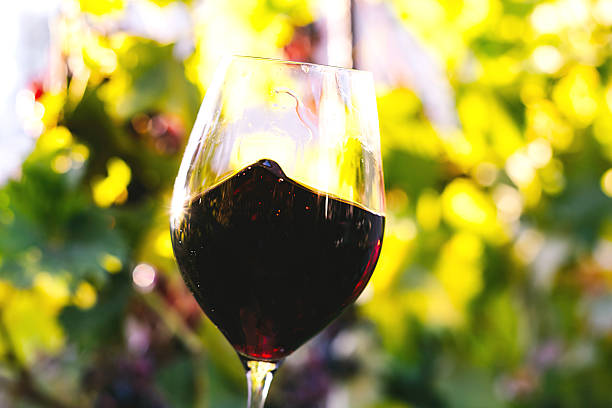
If you’re wondering what are some dry red wines, you’re not alone—many wine lovers seek bold, smooth options without the sweetness. Dry reds are all about rich flavors like cherry, plum, and spice, with little to no residual sugar. From popular picks like Cabernet Sauvignon and Merlot to bolder choices like Syrah and Malbec, there’s a dry red for every palate. This guide will quickly walk you through the top varieties, their taste profiles, and perfect food pairings to help you choose your next favorite bottle.
What Are Dry Red Wines?
How Dryness Is Measured in Wine
Dryness in wine is determined by the amount of residual sugar left after fermentation. During this process, yeast consumes grape sugars and converts them into alcohol. A dry wine has most of its sugar fully fermented, typically containing less than 10 grams of residual sugar per liter.
Winemakers can control dryness by stopping fermentation early for sweeter wines or allowing it to run to completion for dry styles.
The perception of dryness can also be influenced by factors like acidity, tannins, and alcohol level—high tannins or acidity may enhance the sensation of dryness even if sugar levels are stable. To identify truly dry reds, check technical sheets or ask for residual sugar content.
Common dry reds include Cabernet Sauvignon, Merlot, Pinot Noir, and Syrah, all fermented to dryness. Understanding these measurements helps consumers make informed choices based on actual composition, not just taste perception.
Difference Between Dry and Sweet Red Wines
The primary difference between dry and sweet red wines lies in their residual sugar content. Dry reds have undergone complete fermentation, leaving little to no sugar, while sweet reds retain significant sugar due to early fermentation stoppage or late-harvest techniques.
This results in a crisp, tart profile for dry wines versus a jammy, syrupy feel in sweet ones. Dry reds often showcase bold tannins and structured acidity, making them ideal for pairing with savory dishes like steak or aged cheeses. In contrast, sweet reds complement desserts or spicy cuisines.
Flavor perception can be misleading—some dry wines may taste fruity, but fruitiness does not equal sweetness. Varietals like Zinfandel or Lambrusco can be made in both styles, so checking labels is essential.
Choosing between dry and sweet depends on personal preference and food pairing goals, but understanding this distinction ensures a more satisfying wine experience.
Common Misconceptions About Dry Reds
One major misconception is that dry means harsh or bitter, but in wine terms, ‘dry’ refers only to low sugar, not flavor quality.
Another myth is that full-bodied wines are sweet, when in fact, body comes from alcohol and tannins, not sugar—wines like Shiraz or Malbec can be full-bodied yet completely dry.
People also confuse fruit-forward aromas with sweetness, but a wine with notes of blackberry or plum can still be dry if fermentation removed all sugars. Additionally, some assume oak aging adds sweetness, but while oak imparts vanilla or caramel flavors, it doesn’t increase sugar content.
Understanding these distinctions helps consumers select wines based on accurate expectations. Educating yourself on labeling terms and winemaking processes allows for better exploration of dry reds. Ultimately, dry red wines offer complexity, balance, and versatility, making them a staple in diverse culinary pairings and wine collections.
Top Dry Red Wine Varieties to Try
Cabernet Sauvignon: Bold and Full-Bodied
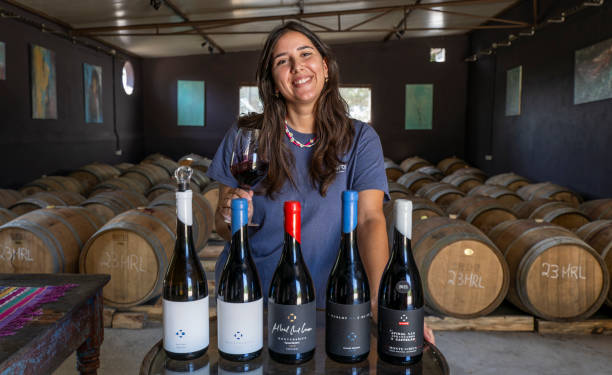
Cabernet Sauvignon is one of the most popular dry red wines worldwide, known for its full body, high tannins, and bold structure. Typically featuring flavors of black currant, cherry, and notes of cedar or tobacco, it pairs exceptionally well with red meats, grilled dishes, and aged cheeses.
This wine often benefits from aging, which softens its tannins and enhances complexity. Look for bottles from Napa Valley, Bordeaux, or Australia for reliable quality. To fully enjoy its depth, serve at slightly below room temperature (60–65°F) and consider decanting for at least 30 minutes before drinking.
Its robust profile makes it a great choice for wine lovers seeking intensity and structure in every sip.
Pinot Noir: Light and Smooth
Pinot Noir stands out for its light to medium body, bright acidity, and silky texture, making it a favorite among those who prefer elegant, easy-drinking reds. It offers delicate flavors of red berries like cherry, raspberry, and strawberry, often with earthy or floral undertones.
This versatile wine pairs beautifully with roast chicken, salmon, mushrooms, and duck. Regions like Burgundy in France, Willamette Valley in Oregon, and Central Otago in New Zealand produce some of the finest examples. Serve Pinot Noir slightly chilled (55–60°F) to enhance its freshness.
Its low tannins and smooth finish make it an excellent entry point for beginners and a go-to for connoisseurs seeking refinement.
Syrah (Shiraz): Spicy and Rich
Syrah, known as Shiraz in Australia, delivers a rich, full-bodied experience with bold flavors and a spicy kick. Expect notes of dark fruit like blackberry and blueberry, along with pepper, smoke, leather, and sometimes chocolate.
This wine thrives in warm climates, with standout versions from Australia’s Barossa Valley, France’s Rhône Valley, and Washington State. Its firm tannins and high alcohol content make it ideal for pairing with barbecue, lamb, or hearty stews. Serve at 60–65°F to balance its intensity.
Whether you prefer the elegant French style or the fruit-forward Australian Shiraz, this dry red offers depth and complexity that evolves beautifully with age.
Malbec: Dark and Fruity
Malbec is celebrated for its deep color, plush texture, and vibrant fruit-forward profile. Originating in France but now most famously produced in Mendoza, Argentina, it delivers rich flavors of plum, black cherry, blackberry, and subtle cocoa or violet notes.
With moderate acidity and soft tannins, Malbec is approachable and smooth, making it a crowd-pleaser. It pairs wonderfully with grilled meats, pizza, and spicy dishes. Serve at 60–65°F to highlight its lush fruit character.
Thanks to its affordability and consistent quality, Malbec is an excellent choice for both casual sipping and dinner pairings. Look for Argentine Malbecs for the most expressive and balanced examples, showcasing sun-drenched fruit and a velvety finish.
How to Choose a Dry Red Wine

Reading Wine Labels for Dryness Clues
When selecting a dry red wine, check the label for clues about sweetness and style. Look for terms like ‘dry,’ ‘brut,’ or ‘secco,’ which indicate minimal residual sugar. Avoid words like ‘doux,’ ‘dolce,’ or ‘semi-sweet,’ as these suggest a sweeter profile.
Varietal names such as Cabernet Sauvignon, Merlot, or Pinot Noir often denote dry wines, especially when labeled by Old World regions like France, Italy, or Spain.
Additionally, Old World wines tend to be drier and more earthy, while New World versions may have riper fruit flavors but can still be dry. If the label mentions ‘oak-aged’ or ‘barrel-aged,’ it may hint at structure and complexity common in dry reds.
Always research the producer—reputable wineries often list technical details online, including residual sugar levels.
What ABV Tells You About Dryness
Alcohol by volume (ABV) can offer important hints about a wine’s dryness. Dry red wines typically have higher ABV levels (12.5%–15%) because most of the grape sugar has been converted to alcohol during fermentation.
Wines with lower ABV (below 12.5%) may retain some residual sugar, making them slightly sweet or off-dry. However, high ABV alone doesn’t guarantee dryness—some high-alcohol wines can still be sweet if fermentation was stopped early.
Use ABV as a starting clue, but pair it with other information like grape variety and region. For example, Syrah and Zinfandel often reach 14%–15% ABV and are usually dry, while a lower-alcohol red like Lambrusco may vary. Always cross-reference ABV with label terms and trusted reviews.
Choosing Based on Food Pairings
Pairing wine with food helps identify the best dry reds for your meal. Bold, tannic wines like Cabernet Sauvignon pair well with rich meats such as steak or lamb, as the tannins cut through fat and refresh the palate.
For lighter dishes like roasted chicken or mushroom risotto, opt for lighter-bodied dry reds like Pinot Noir, which offer bright acidity and red fruit notes without overwhelming the dish. Sangiovese and Tempranillo are excellent with tomato-based pasta or grilled vegetables, thanks to their balanced acidity and earthy tones.
If you’re serving spicy cuisine, avoid high-alcohol reds that can amplify heat—instead, choose a dry, medium-bodied wine like Gamay. Always match intensity—heavier foods need fuller wines, while delicate dishes call for subtler options.
Tips for Selecting Wines on a Budget
Finding quality dry red wine doesn’t require spending a fortune. Look for wines from lesser-known regions like Spain’s Valencia, Portugal’s Alentejo, or southern Italy—these areas produce excellent value-driven dry reds. Wines labeled ‘Reserva’ or ‘Crianza’ from Spain often offer complexity and aging at affordable prices.
Consider buying in-store during sales or joining a wine club for discounts. Private-label wines from reputable retailers like Trader Joe’s or Costco frequently deliver high quality at low cost. Don’t overlook imported house brands from Europe—they’re often made in bulk by experienced producers.
Finally, focus on grape variety over brand name; a $12 Malbec or Nero d’Avola can outperform pricier, trendy labels. With smart choices, you can enjoy consistent, dry reds under $20.
Best Food Pairings for Dry Red Wines
What to Eat with Cabernet Sauvignon
Cabernet Sauvignon is a full-bodied dry red wine with high tannins and bold flavors of black currant, cedar, and spice, making it ideal for pairing with rich, protein-heavy dishes.
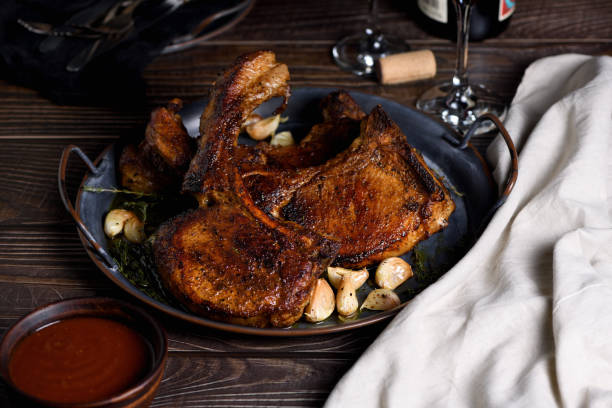
Grilled or seared red meats like ribeye steak, lamb chops, or beef Wellington are excellent matches, as the wine’s structure cuts through the fat and enhances the savory notes. Aged hard cheeses such as aged cheddar or gouda also complement its intensity.
The firm tannins in Cabernet Sauvignon interact well with protein, softening the wine’s astringency and creating a balanced mouthfeel. Avoid pairing it with delicate fish or spicy dishes, which can clash with its robust profile.
For best results, serve slightly below room temperature to highlight its complexity without overwhelming the palate.
Pairing Pinot Noir with Delicate Dishes
Pinot Noir is a light to medium-bodied dry red wine known for its bright acidity, soft tannins, and nuanced flavors of cherry, raspberry, and earthy undertones. Its elegance makes it a versatile pairing for delicate dishes that might be overpowered by bolder reds.
Roasted poultry like duck or chicken, mushroom-based dishes, and salmon with a red wine reduction bring out its subtle fruit and earth notes. Pinot Noir also pairs beautifully with soft-ripened cheeses such as brie or camembert. The wine’s acidity balances the richness of creamy sauces without dominating the dish.
Avoid heavy, spicy, or charred foods that can overwhelm its finesse. Serve slightly chilled to enhance its freshness and aromatic complexity for a harmonious dining experience.
Matching Syrah with Spicy or Smoked Foods
Syrah (also known as Shiraz) is a bold, dry red wine with deep flavors of blackberry, plum, pepper, and smoky or meaty undertones, making it a standout choice for robust and spicy cuisine.
Its full body and moderate acidity stand up well to grilled meats, barbecue, and smoked dishes like brisket or smoked sausage. The wine’s natural peppery notes complement spicy rubs and grilled char, enhancing both the food and the wine.
Hearty stews, lamb tagine, or dishes with cumin and clove also pair well. Avoid pairing Syrah with overly delicate or sweet dishes, which can be overshadowed. Serve at cool room temperature to allow its complex layers to unfold, creating a rich, satisfying pairing that balances heat and depth.
Ideal Foods to Serve with Malbec
Malbec is a medium to full-bodied dry red wine featuring plush tannins, dark fruit flavors like blackberry and plum, and hints of cocoa and violet. Originating from Argentina, it thrives alongside grilled meats and savory dishes.
Argentinian-style steak (asado) is a classic match, as the wine’s juiciness complements charred, fatty cuts. It also pairs well with empanadas, mushroom risotto, and hard cheeses like manchego. The wine’s smooth texture and low acidity make it adaptable to moderately spicy foods, especially those with smoky paprika or garlic.
Avoid pairing Malbec with very delicate seafood or highly acidic dishes, which can dull its richness. Serve slightly below room temperature to emphasize its fruit-forward profile and velvety finish, enhancing the overall meal experience.
Regions Known for Producing Dry Red Wines
Bordeaux, France: Home of Classic Blends
Bordeaux is renowned for its structured, age-worthy dry red wines made primarily from Cabernet Sauvignon, Merlot, and Cabernet Franc. The region’s gravel-rich soils and maritime climate create ideal conditions for balanced ripening, resulting in wines with firm tannins, complex layers of dark fruit, and earthy undertones.
Left Bank areas like Médoc and Pauillac emphasize Cabernet Sauvignon, producing powerful, long-aging reds, while the Right Bank—home to Saint-Émilion and Pomerol—features Merlot-dominant blends known for their plush texture and approachability. These classic Bordeaux blends are excellent with roasted meats and hard cheeses.
For wine lovers seeking elegant, terroir-driven dry reds, exploring Bordeaux offers both tradition and consistency across price points.
Tuscany, Italy: Birthplace of Sangiovese
Tuscany is synonymous with Sangiovese, the grape behind iconic dry reds like Chianti, Brunello di Montalcino, and Vino Nobile di Montepulciano. These wines are celebrated for their bright acidity, firm tannins, and flavors of cherry, herbs, and leather.
The region’s hilly terrain and warm days with cool nights help preserve freshness, making Tuscan reds both food-friendly and age-worthy. Chianti Classico, marked by a black rooster label, offers excellent value, while Brunello—aged for years before release—delivers depth and concentration.
Pair these versatile Italian reds with tomato-based pasta, grilled meats, or aged pecorino. For anyone exploring authentic, food-pairing dry red wines, Tuscany’s offerings are essential.
Napa Valley, USA: Premium Cabernet Regions
Napa Valley is globally acclaimed for its rich, full-bodied Cabernet Sauvignon, producing dry red wines with intense flavors of blackcurrant, vanilla, and spice, often enhanced by oak aging. The region’s warm climate and diverse microclimates allow for concentrated fruit development while maintaining structure.
Sub-regions like Rutherford and Stags Leap District are famed for elegant yet powerful wines with silky tannins and long finishes. These Cabernets typically benefit from aging but are often approachable upon release. Ideal pairings include ribeye steak, lamb, or aged cheeses.
For enthusiasts seeking luxurious, high-scoring dry reds, Napa Valley delivers consistency and excellence. Exploring its wines offers insight into New World winemaking at its finest, blending innovation with tradition.
Mendoza, Argentina: Malbec Capital
Mendoza, nestled in the Andes foothills, is the epicenter of world-class Malbec, producing dry red wines known for their deep color, plush texture, and bold fruit flavors.
High-altitude vineyards with cool nights and intense sunlight yield grapes with exceptional concentration and balanced acidity, resulting in wines bursting with blackberry, plum, and violet notes, often accented by smoky or chocolatey oak.
Malbec from Mendoza ranges from vibrant and fruity at entry levels to complex, structured, and age-worthy in premium bottlings. These affordable yet impressive dry reds pair beautifully with grilled meats, especially Argentine-style steak.
For wine lovers seeking rich, approachable, and consistently dry reds, Mendoza’s Malbecs offer outstanding value and global appeal.
How to Serve and Store Dry Red Wines
Ideal Serving Temperatures by Type
Serving dry red wines at the correct temperature enhances their flavor and aroma. While many assume reds should be served at room temperature, this often means too warm, especially in heated homes.
Lighter reds like Pinot Noir should be served slightly chilled, around 55°F (13°C), to preserve their delicate fruit notes. Medium-bodied wines such as Merlot or Sangiovese do best at 60°F (16°C), balancing acidity and soft tannins.
Full-bodied reds like Cabernet Sauvignon or Syrah can be served at 65°F (18°C) to bring out their rich, complex profiles. Use a refrigerator to cool wines slightly before serving—15 minutes for fuller bodies, 30 minutes for lighter styles. Avoid over-chilling, as it dulls aromas and accentuates bitterness.
Choosing the Right Glassware
The right glass shape significantly impacts how dry red wine tastes and smells. Glasses with larger bowls and tapered rims, like Bordeaux or Burgundy glasses, allow bold reds to breathe and direct wine to the optimal part of the palate.
Bordeaux glasses work well for high-tannin wines like Cabernet Sauvignon, softening their intensity. Burgundy glasses, with wider bowls, enhance the aromatic complexity of Pinot Noir. Ensure glasses are clean and free of detergent residue, which can distort aromas.
Crystal or thin-rimmed glassware improves the drinking experience by providing a smooth flow. Avoid small or stemless tumblers for premium wines—they limit aeration and warmth control. Swirling the wine in a proper glass releases its bouquet and improves flavor perception.
How Long to Keep an Open Bottle
Once opened, dry red wines begin to oxidize, altering their flavor within days. Most dry reds last 3 to 5 days when re-corked and stored in a cool, dark place. Wines with higher tannin and acidity, like Nebbiolo or Syrah, tend to last longer due to natural preservative qualities.
To extend freshness, use a wine preserver with inert gas or a vacuum pump to minimize oxygen exposure. Refrigeration slows oxidation, even for reds—return the bottle to the fridge after opening and let it warm slightly before serving. Avoid leaving open bottles at room temperature for more than a day.
Monitor taste: if the wine tastes flat, vinegary, or dull, it’s past its prime. Decanting just what you’ll drink minimizes waste.
Tips for Long-Term Wine Storage
For aging dry red wines, consistent, cool temperatures around 55°F (13°C) are essential to preserve quality. Fluctuations in temperature can cause corks to expand and contract, leading to seepage or oxidation. Store bottles horizontally to keep corks moist and maintain an airtight seal.
Maintain moderate humidity (60–70%) to prevent cork drying and mold growth. Keep wine in a dark, vibration-free environment, as light and movement can disturb sediment and degrade compounds. Avoid storing near appliances or in areas with strong odors.
Ideal candidates for aging include Cabernet Sauvignon, Barolo, and Bordeaux blends, which develop complexity over years. Use a wine fridge or cellar for best results, and track vintages to enjoy at their peak.
Tips for Buying Dry Red Wines Online
What to Look for in Online Descriptions
When shopping for dry red wines online, pay close attention to the wine description provided by the retailer. Look for terms like ‘dry,’ ‘crisp,’ ‘tannic,’ or ‘earthy,’ which often indicate low residual sugar and a full-bodied profile.
Avoid descriptors like ‘jammy,’ ‘sweet,’ or ‘luscious’ unless you’re certain the wine is still dry. Descriptions that mention acidity levels, grape varietals (like Cabernet Sauvignon or Syrah), and aging in oak barrels can also signal dryness.
Check for technical details such as residual sugar (RS) levels—ideally under 10 g/L for dry wines. Reputable sites often include food pairing suggestions, which can further guide your choice toward a truly dry profile.
Checking Vintage and Alcohol Content
The vintage year significantly impacts a dry red wine’s flavor and structure, especially for wines from cooler climates where weather varies annually. Older vintages may offer more complexity, while younger ones tend to be fruit-forward and tannic. Alcohol content (ABV) is another clue—dry reds typically range from 12.5% to 15%.
Wines at the higher end often come from riper grapes and warmer regions, contributing to bolder flavors without sweetness. Always verify both vintage and ABV on the product page, and consider using vintage charts if available.
This helps ensure you’re selecting a wine that aligns with your taste preferences and the dry profile you’re seeking.
Reading Customer Reviews Effectively
Customer reviews can be a goldmine when selecting dry red wines online. Focus on reviews that mention ‘dry finish,’ ‘not sweet,’ or ‘good acidity’—these are strong indicators of a wine’s dryness. Be cautious of vague praise like ‘tastes great’ without context.
Look for reviewers who describe food pairings, as dry wines often complement savory dishes like steak or roasted vegetables. Consider the consensus: if multiple reviewers note unexpected sweetness, the wine may not be truly dry. Use filters to sort by most recent or verified purchases for the most reliable feedback.
Over time, you’ll recognize trustworthy reviewers whose palates align with yours, making future selections easier and more accurate.
Best Websites and Retailers for Dry Reds
Choosing the right online retailer can make a big difference in finding quality dry red wines. Sites like Wine.com, Vivino, and K&L Wines offer detailed product descriptions, customer reviews, and advanced filters for dryness, region, and varietal.
Specialty retailers like CellarTracker or Wine Access focus on curated selections and expert ratings, helping you discover lesser-known but excellent dry reds. Look for platforms that provide transparent sourcing, clear return policies, and educational content.
Subscription services such as Firstleaf or Winc can also tailor dry red selections based on your preferences. Always check for shipping options and temperature control to ensure your wine arrives in optimal condition.
Frequently Asked Questions
What are some popular dry red wines?
Popular dry red wines include Cabernet Sauvignon, Merlot, Pinot Noir, Syrah (Shiraz), Malbec, and Sangiovese. These wines have low residual sugar, resulting in a dry, non-sweet taste.
How can I tell if a red wine is dry?
A dry red wine lacks sweetness and typically has less than 10 grams of sugar per liter. Check the label or description for terms like ‘dry,’ ‘brut,’ or ‘sec,’ and look for high tannin or acidity levels, which are common in dry wines.
What does ‘dry’ mean in wine?
In wine, ‘dry’ refers to the absence of residual sugar after fermentation. Dry wines are not sweet and often have a crisp, tart, or tannic profile compared to off-dry or sweet wines.
Which dry red wine is best for beginners?
Pinot Noir and Merlot are often recommended for beginners because of their smooth texture and approachable flavors. They are typically lighter in tannins and more fruit-forward, making them easier to enjoy.
Are all red wines dry?
No, not all red wines are dry. While most red wines are made in a dry style, some, like certain Zinfandels or dessert wines, can be off-dry or sweet. Always check the label or product description for sweetness level.
What foods pair well with dry red wines?
Dry red wines pair well with red meats, roasted vegetables, hard cheeses, and pasta dishes with tomato-based sauces. For example, Cabernet Sauvignon complements steak, while Pinot Noir goes well with salmon or mushroom dishes.
Can dry red wine be chilled?
Yes, dry red wines can be slightly chilled to enhance their flavor. Lighter reds like Pinot Noir are best served at 55°F (13°C), while fuller-bodied reds like Cabernet Sauvignon taste best at around 60–65°F (15–18°C).
Conclusion
Dry red wines offer a diverse range of flavors and pairings, making them a versatile choice for any occasion. From bold Cabernet Sauvignon to smooth Pinot Noir, each variety brings its own character. Understanding body, tannins, and region helps in selecting the perfect bottle. Whether you’re new to wine or expanding your palate, exploring dry reds can be both enjoyable and rewarding. Cheers to discovering your next favorite wine!