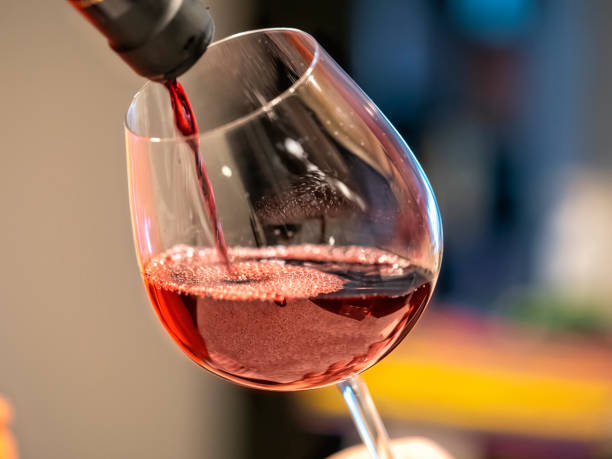
What Are Light Red Wines
Wondering what light red wines are and where to start? You’re not alone. Light red wines are typically lower in tannins and alcohol, offering bright flavors like cherry, raspberry, and red plum—perfect for sipping chilled on a warm day or pairing with lighter dishes. In this guide, we’ll break down the most popular light reds, their taste profiles, and the best ways to enjoy them.
What Are Light Red Wines?
Definition of Light Red Wine
Light red wines are crisp, low-tannin reds known for their refreshing acidity and lighter mouthfeel compared to full-bodied counterparts. These wines are typically made from thin-skinned grape varieties and often undergo shorter maceration periods, limiting tannin and color extraction.
This results in wines with bright fruit flavors like red cherry, raspberry, and strawberry, often with subtle earthy or floral notes. Light reds are generally lower in alcohol, usually between 11% and 13% ABV, enhancing their easy-drinking nature. They’re ideal for chilling slightly before serving, which boosts their freshness.
Popular examples include Pinot Noir, Gamay, and Frappato, each offering delicate profiles perfect for casual sipping or lighter meals. Because of their soft structure, light reds rarely require aging and are best enjoyed young. Understanding this category helps wine lovers choose versatile, food-friendly options that don’t overpower delicate dishes.
How Light Reds Differ from Full-Bodied Reds
The key difference between light and full-bodied red wines lies in structure, texture, and intensity. Light reds have lower tannins, higher acidity, and less alcohol, giving them a leaner, more agile profile.
In contrast, full-bodied reds like Cabernet Sauvignon or Syrah are rich, dense, and tannic, often requiring aging to soften. Light reds showcase bright red fruit and floral notes, while full-bodied versions emphasize dark fruit, spice, and oak influence from barrel aging.
Serving temperature also varies—light reds benefit from slight chilling (55–60°F), enhancing their vibrancy, while full-bodied reds are best served at room temperature (60–65°F) to express complexity. Food pairings differ too: light reds complement roasted poultry, salmon, or vegetable dishes, whereas full-bodied reds stand up to steak or hearty stews.
Recognizing these distinctions helps match the wine to the occasion, ensuring a balanced and enjoyable experience every time.
Common Traits of Light Red Wines
Light red wines share several hallmark characteristics that make them accessible and food-versatile. They typically display pale to medium ruby hues, indicating minimal skin contact during fermentation. Their bright acidity cuts through rich dishes and refreshes the palate, while soft tannins ensure a smooth, non-astringent finish.
Flavor profiles lean toward red fruits—think cranberry, red plum, and fresh strawberry—often accented by herbal, earthy, or mineral undertones. Many light reds are produced using carbonic maceration, a method that enhances fruitiness and drinkability, as seen in Beaujolais. They’re also often unoaked or lightly oaked, preserving freshness and varietal purity.
Most are meant to be consumed within a few years of release, emphasizing youthful vibrancy over age-worthiness. Their moderate alcohol levels make them ideal for daytime events or extended sipping.
Whether enjoyed solo or with dishes like grilled trout, charcuterie, or mushroom risotto, light reds deliver balanced, pleasurable drinking with minimal heaviness.
Popular Light Red Wine Varietals

Pinot Noir: Characteristics and Flavor Profile
Pinot Noir is one of the most popular light red wine varietals, prized for its elegant structure and bright acidity. Grown in cooler climates like Burgundy, Oregon, and New Zealand, it produces wines with light to medium body and low tannins, making it highly drinkable.
Flavor notes often include red cherry, raspberry, strawberry, and subtle earthy undertones like forest floor or mushroom, especially with age. Its versatility with food makes it a favorite—pair it with roasted poultry, salmon, or mushroom dishes. Serve slightly chilled (around 55°F) to enhance its freshness.
Because of its delicate nature, Pinot Noir benefits from careful winemaking to preserve its aromatic complexity and silky texture, making it a top choice for those seeking a refined, approachable red wine.
Gamay: The Grape Behind Beaujolais
Gamay is the signature grape of Beaujolais, a region in France known for producing crisp, fruity, and light-bodied reds. These wines are celebrated for their juicy red fruit flavors—think cranberry, red currant, and ripe banana—along with floral and peppery notes.
Made using carbonic maceration, Gamay wines have low tannins and high acidity, resulting in a refreshing, easy-drinking profile. The best examples, like Beaujolais Cru, offer more depth and aging potential. Gamay is ideal for casual sipping or pairing with charcuterie, grilled vegetables, or roast chicken.
Chill for 20–30 minutes before serving to highlight its vibrant character. As a budget-friendly alternative to Pinot Noir, Gamay delivers exceptional value and drinkability, especially in its youthful form.
Frappato: A Light Italian Option
Frappato is a delicate red grape from Sicily, producing wines that are light in body, color, and tannins, yet bursting with charm. It offers bright red berry flavors like strawberry, red cherry, and pomegranate, often with floral hints of rose and a touch of herbal freshness.
Typically enjoyed young, Frappato is best served slightly chilled to accentuate its lively acidity and fruit-forward nature. It’s often blended with Nero d’Avola to add structure, but as a single varietal, it shines as a refreshing summer red. Perfect for pairing with Mediterranean dishes, grilled seafood, or light pasta.
Frappato’s low alcohol content and zesty profile make it an excellent choice for outdoor dining or as an aperitif. This underrated gem offers a unique taste of southern Italy with effortless drinkability.
Cinsault: Soft and Fruity Red Wine
Cinsault is a soft, fruity red grape primarily grown in Southern France, South Africa, and North Africa, known for its light body and smooth texture. It delivers aromatic notes of red berries, watermelon, and subtle spice, with low to moderate tannins and gentle acidity.
While often used in rosé blends and GSM (Grenache-Syrah-Mourvèdre) red blends, varietal Cinsault showcases its approachable, juicy character. The wine is best enjoyed young and slightly chilled, making it ideal for warm-weather sipping. Pair it with grilled meats, spicy dishes, or mezze platters.
In South Africa, old-vine Cinsault is gaining acclaim for its depth and complexity. As a standalone wine, it offers a refreshing, fruit-forward alternative to heavier reds—perfect for those who prefer light, easy-drinking reds with a touch of elegance.
How to Identify a Light Red Wine
Color Clues in the Glass
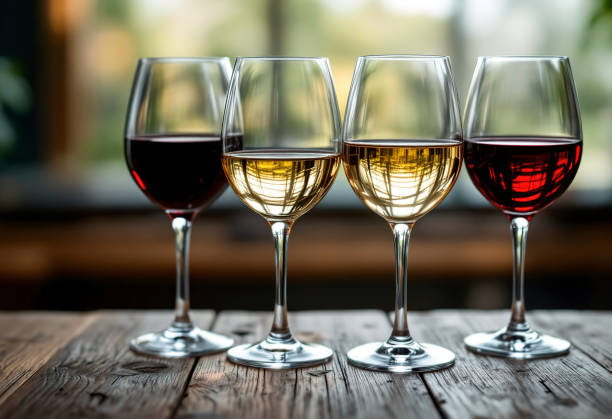
To identify a light red wine by sight, hold the glass up to a white background and observe the hue and intensity. Light red wines typically appear pale to medium ruby, garnet, or even slightly translucent, allowing you to see shapes through the wine.
The edges of the wine in the glass will often fade to a pinkish or watery rim, a strong indicator of lighter body. Compare it to deeper reds like Malbec or Syrah, which are opaque and deeply saturated. Varietals like Pinot Noir, Gamay, and Frappato are classic examples.
These visual cues help you anticipate a more delicate structure before even taking a sip, guiding your selection toward refreshing, easy-drinking styles.
Checking Alcohol Content on the Label
One of the most reliable ways to spot a light red wine is by checking the alcohol by volume (ABV) on the label. Wines with ABV below 12.5% are typically light-bodied, as lower alcohol correlates with fewer extracted compounds and a more delicate mouthfeel.
Look for wines from cooler climates—like German Spätburgunder or Loire Valley Cabernet Franc—where grapes ripen slowly, retaining acidity and lower sugar levels. Avoid wines labeled above 13.5% ABV, as they’re more likely to be full-bodied.
This simple number gives you a scientific clue before tasting, helping you choose lighter, more refreshing reds ideal for warm weather or lighter meals.
Tasting Notes That Indicate Light Body
When tasting, light red wines feel agile and fresh on the palate, with lower tannin levels and higher acidity. They often coat the mouth lightly, lacking the heavy, velvety texture of fuller reds.
Look for flavors like red cherry, strawberry, cranberry, or herbal notes, which suggest minimal skin contact and gentle extraction. The finish is usually crisp and short to medium, not lingering with alcohol warmth. Swirl and sip slowly—if the wine feels juicy and thirst-quenching, it’s likely light-bodied.
These characteristics make them excellent with salads, poultry, or charcuterie. Trust your mouthfeel: lightness equals elegance, not weakness, in these wines.
Using Wine Descriptors on Menus and Bottles
Wine lists and labels often use specific keywords to signal a light red style. Look for terms like ‘crisp’, ‘bright’, ‘elegant’, ‘refreshing’, or ‘low tannin’, which point to a lighter profile. Phrases such as ‘cool-climate’, ‘early-drinking’, or ‘carbonic maceration’ (common in Beaujolais) are strong hints.
Varietal names like Pinot Noir, Gamay, Schiava, or Blaufränkisch also suggest lighter bodies. Descriptors such as ‘red fruit-forward’ or ‘lively acidity’ further confirm this style. Use these cues to make informed choices, especially when unfamiliar with a region.
Mastering this vocabulary helps you consistently select light, food-friendly reds that suit a variety of occasions.
Best Food Pairings for Light Red Wines
Matching Light Reds with Poultry and Pork
Light red wines, such as Pinot Noir, Gamay, and Frappato, are excellent companions for poultry and pork due to their bright acidity and subtle tannins. These wines enhance the natural flavors of roasted chicken, duck, or herb-marinated pork without overpowering them.
Opt for medium-rare to medium-cooked meats to maintain moisture and balance with the wine’s fruit-forward profile. Dishes with cherry glaze, mushroom sauce, or rosemary pair especially well, as the wine’s red fruit notes—like raspberry and cranberry—complement earthy and sweet elements.
Avoid heavily charred or spicy preparations, which can clash with the wine’s delicate structure. Chilling light reds slightly (55–60°F) further refines the pairing, bringing out their refreshing, food-friendly character.
Pairing with Vegetarian and Earthy Dishes
Vegetarian dishes with earthy, umami-rich ingredients are perfect partners for light red wines. Think roasted beets, grilled eggplant, lentil stews, or wild mushroom risotto—these flavors mirror the forest floor and red berry notes common in wines like Pinot Noir and Schiava.
The moderate acidity in light reds cuts through creamy textures, such as goat cheese or tahini-based sauces, while their soft tannins won’t overwhelm delicate vegetables. For best results, incorporate herbs like thyme or sage and a touch of balsamic reduction to bridge the dish and wine.
Avoid overly sweet or acidic components that might throw off the balance. Serving the wine slightly chilled enhances its aromatic complexity and freshness, making it a versatile match for plant-based cuisine.
Serving with Charcuterie and Cheese Boards
Light red wines shine when paired with moderately flavored charcuterie and cheeses, offering a refreshing alternative to heavier reds. Choose cured meats like prosciutto, salami dolce, or smoked turkey, which align with the wine’s bright cherry and cranberry notes without overwhelming its structure.
For cheeses, go for semi-soft varieties such as Havarti, young Gouda, or mild Manchego, which complement the wine’s acidity and fruitiness. Avoid very sharp or blue cheeses, which can dominate the palate. Add accompaniments like cornichons, dried cherries, or almond crackers to enhance the pairing.
Serve the wine at slightly below room temperature (55–60°F) to highlight its crispness and aromatic profile, turning your board into a harmonious tasting experience.
Ideal Matches for Seafood and Light Pastas
Contrary to tradition, light red wines can beautifully complement certain seafood and pasta dishes when chosen thoughtfully. Opt for fattier fish like salmon, tuna, or trout, especially when grilled or served with a red wine reduction or tomato-based sauce—these stand up well to the wine’s acidity and subtle tannins.
Pinot Noir and Valpolicella are particularly effective. For pasta, choose dishes with mushrooms, roasted vegetables, or light meat sauces rather than cream or heavy cheese. Spaghetti with cherry tomatoes and basil, or pappardelle with duck ragù, are ideal.
Avoid delicate shellfish or overly spicy sauces, which can clash with the wine. Chilling the wine slightly (around 57°F) enhances its crispness and aromatic lift, creating a balanced, elegant pairing.
Serving and Storing Light Red Wines
Optimal Serving Temperature for Light Reds
Light red wines, such as Gamay, Pinot Noir, and Frappato, are best enjoyed slightly chilled to enhance their bright acidity and fresh fruit flavors while minimizing any perception of alcohol or bitterness.
The ideal serving temperature is between 50°F and 60°F (10°C–15°C), cooler than room temperature but not as cold as white wines. Serving too warm can make the wine taste flat, while over-chilling can mute its delicate aromas. To achieve this range, refrigerate the bottle for about 30–45 minutes before serving.
This slight chill preserves the wine’s lively character and makes it especially refreshing, particularly when enjoyed during warmer months or with lighter fare like roasted poultry, salads, or charcuterie.
Choosing the Right Glassware
Selecting the proper glass enhances the tasting experience of light red wines by focusing their subtle aromas and balancing their lighter body. A glass with a smaller bowl and slightly tapered rim, such as a Burgundy-style or universal wine glass, is ideal.
These shapes help direct the wine to the tip of the tongue, emphasizing its bright fruit and acidity while softening tannins. Avoid oversized glasses meant for bold reds, as they can disperse delicate aromas too quickly.
Ensure the glass is clean and free of detergent residue, which can distort the wine’s bouquet. Using the right glassware not only elevates enjoyment but also highlights the wine’s elegance and complexity, making each sip more expressive and refined.
How Long to Chill Before Serving
To serve light red wines at their best, chill them for 30 to 45 minutes in the refrigerator before opening. This duration brings the temperature into the optimal 50°F–60°F (10°C–15°C) range without dulling the wine’s aromatic profile.
If using a wine cooler, 20–30 minutes may suffice, depending on the starting temperature. For quicker chilling, place the bottle in an ice-water bath for 10–15 minutes. Avoid freezing or over-chilling, as temperatures below 50°F can suppress the wine’s delicate notes of red berries, flowers, and earth.
Once chilled, serve promptly and consider using a wine thermometer to verify temperature. This simple step ensures the wine expresses its full, vibrant character from the first pour to the last.
Tips for Storing Opened and Unopened Bottles
For unopened bottles, store light red wines in a cool, dark place with a consistent temperature around 55°F (13°C) and moderate humidity to preserve cork integrity. Keep bottles on their side to prevent the cork from drying out.
Once opened, re-cork the bottle and refrigerate it to slow oxidation—light reds handle cold storage well due to their lower tannin levels. They typically stay fresh for 3 to 5 days when properly sealed. For extended preservation, consider using a wine pump or inert gas spray to displace oxygen.
Always minimize exposure to light and heat, whether opened or unopened, to maintain freshness and prevent premature aging. Proper storage ensures every glass tastes as intended.
Where to Buy Light Red Wines
Top Online Retailers for Light Reds
When searching for light red wines online, consider trusted retailers like Wine.com, Vivino, and Total Wine & More. These platforms offer detailed filtering options by body, region, and grape variety, making it easy to find lighter styles.
Look for wines labeled as ‘light-bodied’ or search for specific varietals like Pinot Noir, Gamay, or Frappato, which are naturally lighter. Many sites also include customer reviews and food pairing suggestions, helping you make informed choices. Subscribe to newsletters or join wine clubs for exclusive discounts and curated selections.
Always check shipping policies to ensure delivery in your area, and use search filters for ‘low tannin’ or ‘crisp finish’ to refine your results. Online shopping gives you access to rare and international bottles you might not find locally.
What to Look for at Local Wine Shops
Visiting a local wine shop offers personalized service and expert recommendations. Ask the staff for light-bodied reds with bright acidity and low tannins, ideal for easy sipping. Look for wines from cooler climates—such as Burgundy, Beaujolais, or Alto Piemonte—as they typically produce lighter styles.
Staff often provide tastings or samples, allowing you to test before buying. Seek out small-production or organic options, which frequently emphasize freshness and balance. Don’t hesitate to mention your preference for wines that pair well with salads, poultry, or light pasta dishes—this helps narrow choices.
Building a relationship with your retailer ensures tailored suggestions and early access to new arrivals, making your shopping experience more rewarding and consistent.
Reading Labels to Find Light-Bodied Options
Understanding wine labels is key to identifying light reds. Start by checking the grape variety—Pinot Noir, Gamay, Dolcetto, and Schiava are naturally light-bodied. Labels from regions like Beaujolais (Gamay) or Germany (Spätburgunder) often indicate lighter styles. Look for terms like ‘light,’ ‘elegant,’ ‘crisp,’ or ‘bright acidity’ in the description.
Avoid words like ‘full-bodied,’ ‘bold,’ or ‘high tannin.’ Alcohol content is another clue—wines under 12.5% ABV are typically lighter. Vintage matters too: cooler years often yield lighter wines. If the label mentions carbonic maceration (common in Beaujolais Nouveau), expect fruity, low-tannin profiles.
Learning these cues helps you make confident, informed choices every time.
Affordable Light Reds Under $20
Great light red wines don’t have to be expensive—many excellent options are available under $20. Look for Beaujolais Villages, Italian Bardolino, or Spanish Mencía from regions like Bierzo. These wines deliver bright red fruit, soft tannins, and refreshing acidity at a great value.
Brands like Louis Jadot, Michele Chiarlo, and Bodegas Mengíbar consistently offer quality in this range. Cru Beaujolais from villages like Fleurie or Morgon are especially worth exploring. Shop during sales, or choose previous vintages, which are often discounted but still vibrant.
Don’t overlook imported house wines at specialty shops—they’re often sourced for freshness and balance. With smart choices, you can enjoy elegant, food-friendly light reds every day without overspending.
How to Choose the Right Light Red Wine
Factors to Consider: Region, Vintage, and Grape
When choosing a light red wine, understanding the grape variety, region, and vintage is essential. Light reds typically come from thinner-skinned grapes like Pinot Noir, Gamay, or Frappato, which naturally produce wines with lower tannins and vibrant acidity.
The region influences flavor—cool climates yield brighter, more delicate wines, while warmer areas add riper fruit notes. Vintage matters too, especially in marginal climates where weather variations affect wine character. For consistency, research reputable producers or appellation systems like Beaujolais or Burgundy.
Always check the label for clues: a lighter color in the glass often indicates a lighter body. These key factors help narrow your selection and guide you toward a wine that matches your taste and occasion.
Tips for Beginners Trying Light Reds
If you’re new to light red wines, start with approachable, fruit-forward options like Beaujolais or Valpolicella. These wines are typically low in tannins and high in freshness, making them easy to enjoy without food. Serve them slightly chilled (55–60°F) to enhance their bright berry and floral notes.
Avoid heavy oaked styles, which can overpower the delicate profile. Experiment with different bottles from the same grape to understand flavor variations. Use tasting notes on labels or apps to guide your choices. Most importantly, don’t overthink it—light reds are meant to be enjoyable and versatile.
Starting with well-known, affordable bottles helps build confidence and discover what you truly like.
Best Light Reds for Warm Weather
During warm weather, chilled light red wines are a refreshing alternative to heavy reds or whites. Opt for bottles like Gamay from Beaujolais, Schiava from Italy, or Blaufränkisch from Austria, which offer bright acidity and red fruit flavors without heaviness.
These wines shine when served slightly cooled (about 15 minutes in the fridge), enhancing their crispness and drinkability. They pair perfectly with summer dishes like grilled vegetables, charcuterie, or seared tuna. Avoid high-alcohol or heavily oaked reds, which can feel overwhelming in heat.
A light body and vibrant acidity are key traits to look for. These wines are ideal for picnics, patios, or casual gatherings where refreshment comes first.
How to Sample and Discover Your Favorite
The best way to find your favorite light red is through structured sampling. Visit wine shops or tasting rooms that offer small pours or flights of light reds. Take notes on aroma, body, acidity, and finish—flavors like cherry, raspberry, or earthy notes can help identify preferred styles.
Try the same grape from different regions to see how terroir affects taste. Host a tasting with friends using 3–5 diverse bottles to compare profiles. Use apps or journals to track favorites. Don’t rush—palates evolve, so revisit wines over time.
Sampling widely, asking questions, and staying curious will lead you to your ideal light red match.
Frequently Asked Questions
What are light red wines?
Light red wines are red wines with lower tannin levels, lighter body, and higher acidity, often made from thin-skinned grape varieties. They typically have fresher, fruit-forward flavors like red berries and cherries.
Which grape varieties produce light red wines?
Common grapes for light red wines include Pinot Noir, Gamay, Grenache, and Frappato. These varieties naturally yield lighter color, lower tannins, and vibrant acidity.
How should light red wines be served?
Light red wines are best served slightly chilled, around 55–60°F (13–16°C), to enhance their freshness and fruitiness. Avoid serving them too warm, which can emphasize alcohol and dull flavors.
What foods pair well with light red wines?
They pair well with roasted poultry, grilled salmon, charcuterie, mushrooms, and vegetarian dishes. Their bright acidity and light body make them versatile with a range of lighter savory foods.
Are light red wines lower in alcohol?
Not always, but many light reds like Gamay or cool-climate Pinot Noir tend to have moderate alcohol levels, often between 11.5% and 13% ABV, contributing to their easy-drinking nature.
Can light red wines be aged?
Most light red wines are meant to be enjoyed young and fresh, within 1–3 years of release. Exceptions include high-quality Pinot Noirs, which can develop complexity with short-term aging.
What’s the difference between light red and medium red wines?
Light reds have less body, tannin, and concentration than medium reds like Merlot or Sangiovese. They feel more delicate on the palate and often emphasize red fruit and floral notes over deeper, darker flavors.
Conclusion
Light red wines offer a refreshing, easy-drinking option for wine lovers seeking lower tannins and vibrant acidity. Varietals like Pinot Noir, Gamay, and Frappato showcase bright red fruit flavors and food-friendly profiles. Perfect chilled, they pair beautifully with a range of dishes, from salads to grilled poultry. Exploring light reds opens up a world of versatility and pleasure. Don’t hesitate—grab a bottle, chill it slightly, and savor the crisp, fruity charm these wines bring to any occasion.

