Tapping A Keg With Co2
Tapping a keg with CO2 might seem intimidating, but it is the best way to ensure a perfect, foamy pour every time. Whether you are setting up a home kegerator or prepping for a backyard party, getting the pressure right is key to avoiding a glass full of foam.
Essential Equipment for Tapping a Keg with CO2
Choosing the Right CO2 Tank Size
Selecting the appropriate CO2 tank size is the foundational step in tapping a keg with CO2 efficiently. For most home bar setups or single-event gatherings, a 5-pound CO2 tank is the industry standard because it is portable yet holds enough gas to dispense approximately 6 to 8 full-sized half-barrel kegs.
If you are managing a high-volume commercial environment or a multi-tap kegerator, upgrading to a 10-pound or 20-pound cylinder reduces the frequency of refills and ensures consistent carbonation levels over long periods. Always ensure your tank is certified and within its hydro-test date to guarantee safety during operation.
When calculating your needs, remember that temperature affects gas expansion; keeping your tank in a cool environment prevents pressure spikes.
Investing in a high-quality aluminum tank is recommended over steel because aluminum is lighter and resistant to internal corrosion, which protects the purity of your beverage while ensuring a steady flow of gas for a perfect pour every single time.
Types of Keg Couplers and Connectors
The keg coupler is the vital bridge between your CO2 source and the beer, but you must match the coupler to the specific brand of beer you are serving.
The most common variety in North America is the D-System Sankey coupler, which fits the majority of domestic kegs like Budweiser or Coors. However, if you are tapping European imports, you may require an S-System, A-System, or G-System coupler, each featuring unique probe lengths and attachment mechanisms.
For homebrewers using five-gallon soda kegs, ball lock or pin lock disconnects are the standard connectors required to interface with the gas and liquid posts.
Before attempting to tap the keg, inspect the internal O-rings and check valves for any signs of wear or dryness, as a faulty seal will lead to gas leaks or foamy beer.
Ensuring a secure, airtight connection at the keg neck is the only way to maintain the pressure balance necessary to push the liquid through the lines without losing carbonation.
Gas Lines and Pressure Regulators
A reliable pressure regulator is essential for controlling the flow of high-pressure gas from the tank into the keg at a safe, usable level.
Most setups utilize a dual-gauge regulator, which allows you to monitor both the remaining pressure inside the tank and the specific output pressure being sent to the keg.
For a standard pour, you should typically set the regulator between 10 and 12 PSI, depending on the beer style and the temperature of the keg.
Connecting the regulator to the coupler requires braided or reinforced gas tubing, usually with a 5/16-inch inner diameter, to prevent the lines from bursting under pressure. Use stainless steel worm clamps or Oetiker clamps to create permanent, leak-proof seals at every connection point.
Regularly checking for leaks using a simple soapy water spray test on the fittings will prevent you from accidentally emptying your CO2 tank overnight. Proper calibration of these components ensures that your beer remains perfectly carbonated from the first glass to the very last drop.
How to Prepare Your Keg and CO2 System
Cleaning the Beer Lines
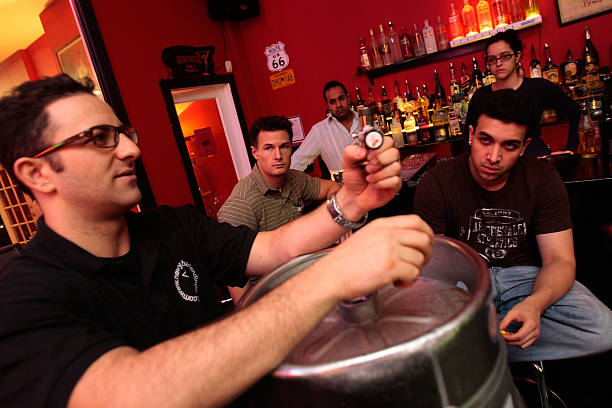
Before you begin tapping a keg with CO2, ensuring a sanitary environment is paramount for flavor integrity. Start by flushing your beer lines with a specialized alkaline cleaning solution to dissolve organic proteins and mineral deposits known as beer stone.
Allow the solution to circulate or soak for at least fifteen minutes to ensure all bacteria are neutralized. After the chemical soak, it is critical to rinse the lines thoroughly with cold water until no residue remains. Use a pH test strip if necessary to confirm the water is neutral.
Neglecting this step can lead to off-flavors or excessive foaming when the beer finally hits the glass. Always inspect your coupler and faucet gaskets for signs of wear or mold during this process. Replacing worn seals now prevents oxygen ingress and ensures a tight, sanitary connection.
A clean system not only improves the taste of your brew but also extends the shelf life of your equipment by preventing corrosive buildup over time.
Checking for Gas Leaks
A successful CO2 setup requires a completely airtight environment to maintain carbonation and prevent wasted gas. Once you have connected your regulator to the CO2 tank, tighten the nut with a wrench to ensure a firm seal.
Before opening the main valve, apply a soapy water solution or leak detector spray to every connection point, including the regulator inlet, shut-off valves, and hose clamps. Slowly open the tank valve and watch for growing bubbles, which indicate an active leak.
If bubbles appear, depressurize the system before tightening the fittings further to avoid stripping the threads. It is also wise to check the high-pressure gauge after turning the tank off; if the needle drops quickly, a hidden leak exists within the system.
Ensuring a leak-free environment prevents the frustration of an empty tank mid-party and guarantees that your beer is pushed through the lines with consistent, reliable pressure. Taking five minutes for this diagnostic check saves significant time and money in the long run.
Ideal Serving Temperatures for Different Beers
Temperature control is the final pillar of a perfect pour, as it directly influences how CO2 dissolves into the liquid. For standard American lagers and pilsners, aim for a chilled range of 38 to 44 degrees Fahrenheit to maintain crispness and prevent excessive head.
If you are tapping craft ales, IPAs, or stouts, slightly warmer temperatures between 45 and 55 degrees allow the complex malt and hop profiles to shine through.
If the keg is too cold, the beer may taste thin and lack aroma; conversely, a warm keg causes CO2 to break out of the solution, resulting in a glass full of foam.
Use a calibrated liquid thermometer to check the internal temperature of the kegerator rather than relying on the external display. Consistent cooling ensures that the pressure settings on your regulator remain accurate, as temperature fluctuations require constant PSI adjustments.
Maintaining the correct thermal environment is the most effective way to ensure every pour is smooth, flavorful, and perfectly carbonated from the first glass to the last.
Step-by-Step Guide to Connecting the CO2 Tank
Attaching the Regulator to the Tank
To begin the process of tapping a keg with CO2, you must first ensure your gas cylinder is upright and secured to prevent it from tipping over.
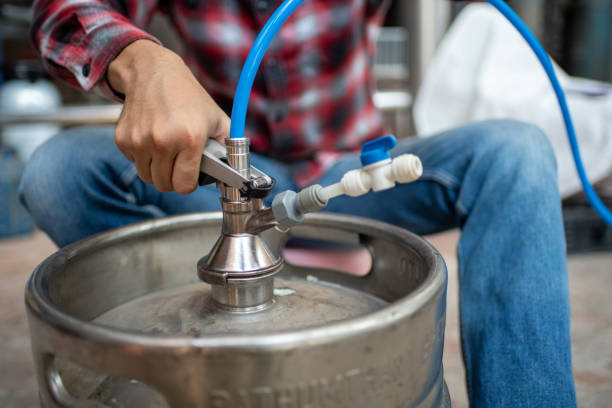
Inspect the regulator’s inlet nipple for any debris and verify that the CO2 washer is present and in good condition, as this is vital for preventing leaks. Align the regulator nut with the tank valve threads and tighten it by hand initially to avoid cross-threading.
Once it is finger-tight, use a crescent wrench to give it an additional quarter to half turn until it is snug; do not overtighten, as this can damage the internal seal. Ensure the regulator’s shut-off valve is in the ‘off’ position, typically perpendicular to the gas line, before proceeding.
This physical connection is the foundation of your draft system, ensuring that the high-pressure gas contained within the tank is safely managed before it reaches your keg coupler and the beer itself.
Opening the Gas Valve Safely
Once the regulator is securely attached, you must open the main tank valve with precision to avoid damaging the regulator’s internal diaphragm.
Slowly turn the handwheel counter-clockwise just a fraction of an inch until you hear the initial rush of gas, then continue opening it fully to ensure a consistent flow. It is a common industry best practice to open the valve all the way to prevent leaks around the valve stem.
While doing this, keep your face away from the regulator gauges as a safety precaution. After the tank is open, check for any audible hissing sounds which might indicate a poor seal.
You can apply a soapy water solution or a dedicated leak detector spray to the connection points; if bubbles form, you must shut the valve and tighten the nut further.
Confirming a gas-tight seal at this stage prevents the frustration of an empty tank and ensures your beer remains properly carbonated throughout the serving session.
Setting the Initial PSI Levels
The final step in the gas setup involves adjusting the pressure to match your specific beer style and temperature. Locate the pressure adjustment screw or knob on the front of the regulator.
Turn the screw clockwise to increase the pressure while watching the low-pressure gauge, which typically displays a range from 0 to 60 PSI.
For most standard ales and lagers served at 38 degrees Fahrenheit, a setting of 10 to 12 PSI is the ideal starting point to maintain carbonation without creating excessive foam.
Once the desired pressure is reached on the dial, open the regulator’s shut-off valve to allow the CO2 to flow through the gas line toward the keg coupler.
If you accidentally set the pressure too high, use the pressure relief valve (the ring on the side of the regulator or coupler) to bleed off the excess gas before readjusting. Consistent pressure is the secret to a perfect pour and a professional draft experience at home.
How to Attach the Coupler to the Keg
Aligning the Coupler Lugs
Before you begin the physical connection process, ensure that the coupler handle is in the upright, disengaged position to prevent accidental spraying. Start by locating the two metal lugs on the rim of the keg valve and the corresponding slots on the bottom of your keg coupler.
Carefully lower the coupler onto the valve, making sure to align the lugs with the openings on the coupler base. Once the coupler is seated flat against the valve, give it a firm quarter-turn clockwise until it hits the built-in stop.
This rotational movement is essential because it creates a secure mechanical grip between the coupler and the keg, ensuring that the unit will not pop off once pressure is applied. Checking for a flush and level fit at this stage is critical for a leak-free experience.
If the coupler feels wobbly or tilted, remove it and re-align the lugs immediately to avoid damaging the internal rubber seals or the keg valve itself.
Locking the Handle into Place
With the coupler securely rotated into the lugs, you are ready to engage the internal probe to start the flow of gas and beer. Grasp the coupler handle firmly; most modern couplers require you to pull the handle outward before you can push it downward.
Apply steady downward pressure until you hear a distinct click, which signifies that the handle has locked into the engaged position. This action pushes the internal probe down into the keg valve, simultaneously opening the gas port and the liquid port.
You should hear a short hiss as the CO2 enters the keg, which is perfectly normal as the system pressurizes. If you hear a continuous leaking sound, the handle may not be fully seated or the seals might be misaligned.
Always ensure the handle is pushed all the way down to the bottom of its travel path to maintain a consistent pressure seal, which prevents oxygen from entering the keg and ensures your beer remains fresh and carbonated.
Connecting the Beer and Gas Lines
The final step in tapping a keg with CO2 involves ensuring your lines are properly secured to the coupler ports. The gas line, typically coming from your regulator, attaches to the side port of the coupler, while the beer line attaches to the top.
Ensure that you have a rubber washer or tailpiece gasket inside each connection point to prevent messy leaks. Use a hex nut wrench to tighten the fittings, but be careful not to over-tighten, which can crush the gaskets.
Once the lines are secure, slowly open the CO2 tank valve and adjust your regulator to the desired PSI, usually between 10 and 12 for standard lagers.
Check the clear beer line for any large air bubbles; a few small bubbles are normal initially, but a steady stream of foam indicates a temperature or pressure imbalance.
By maintaining a tight seal on all connections, you ensure that the CO2 properly pushes the beer from the keg to your faucet without losing carbonation or flavor.
Finding the Perfect Pressure Settings
Standard PSI for Lagers and Ales
When tapping a standard keg of lager or ale, the goal is to maintain the carbonation level set by the brewery while providing enough push to reach the faucet. For most residential kegerators with short lines, you should set your CO2 regulator between 10 and 12 PSI.
This range ensures that the beer remains carbonated without becoming overly foamy or coming out too fast. It is crucial to check your refrigerator temperature before adjusting the gas, as the ideal pressure is directly tied to the liquid’s thermal state.
Most domestic beers are best served at 38 degrees Fahrenheit. If your fridge is warmer, you may need to slightly increase the pressure to prevent the CO2 from breaking out of the solution.
Always open the CO2 tank valve fully and then use the regulator adjustment screw to dial in the specific pressure. This baseline setting provides a balanced pour that preserves the intended flavor profile and mouthfeel of your craft or domestic beer selection.
Adjusting Pressure for Long Draw Systems
If your keg is located in a basement or a separate room far from the tap, you are dealing with a long draw system that requires higher pressure to overcome resistance. You must calculate the vertical lift and horizontal distance to determine the necessary PSI increase.
Every foot of elevation requires approximately 0.5 PSI of additional pressure to fight gravity. Furthermore, the internal diameter of your beer lines creates friction that slows the flow. To compensate for these factors without over-carbonating the beer, professionals often use a nitrogen-CO2 gas blend known as G-Mix or beer gas.
This allows you to apply higher pressure (often 20-30 PSI) to push the beer through long lines while keeping the actual CO2 partial pressure at the standard level. If you are using pure CO2 for a medium-length run, increase the regulator in 2 PSI increments until the flow is steady.
Always monitor the pour speed to ensure the beer does not exit the faucet with excessive force or turbulence.
How to Fix Foamy Beer Issues
Foamy beer is the most common challenge when tapping a keg with CO2, but it is usually solvable with minor adjustments. First, check for air bubbles in the beer line, which typically indicate that the pressure is set too low, allowing gas to escape the liquid.
If the beer is spitting or mostly foam, ensure the keg has settled for at least 24 hours after transport to prevent agitation issues.
Another frequent culprit is a warm draft tower; if the first pour is foamy but the second is clear, you likely need better insulation or a tower cooling fan. If the pressure is too high, you will see fast, turbulent pours that create a thick head.
In this case, shut off the gas and bleed the pressure from the keg using the relief valve on the coupler before resetting the regulator to a lower level.
Regularly cleaning your beer lines and faucet also prevents protein buildup that causes friction and unwanted foam, ensuring every glass is poured perfectly from start to finish.
Safety Tips for Handling CO2 Tanks
Proper Tank Storage and Positioning
Before you begin the process of tapping a keg, you must ensure your gas cylinder is managed with extreme care. Always maintain the CO2 tank in an upright position to prevent liquid carbon dioxide from entering the regulator, which can cause equipment failure or dangerous pressure spikes.
Secure the tank using a safety chain or floor stand to prevent it from tipping over, as a broken valve can turn a pressurized cylinder into a dangerous projectile.
When connecting the gas line to the keg coupler, ensure all fittings are hand-tightened before using a wrench for a final quarter-turn. Never store your tanks in unventilated enclosures or near direct heat sources like radiators, as rising temperatures significantly increase internal pressure.
By prioritizing stable positioning and secure fastening, you create a controlled environment that allows for a smooth tapping process while protecting both the draft equipment and the individuals in the immediate vicinity of the kegerator setup.
Signs of a CO2 Leak in Small Spaces
Safety is paramount when working with compressed gas in confined areas like walk-in coolers or home bars. Carbon dioxide is odorless and colorless, making a reliable leak test essential every time you tap a new keg.
Apply a soapy water solution or specialized leak detector spray to all connections, including the regulator nut, shut-off valve, and coupler interface; if bubbles form, you have a leak that needs immediate attention.
Be vigilant for physical symptoms of CO2 enrichment, such as unexplained headaches, dizziness, or shortness of breath, which indicate the gas is displacing oxygen in the room.
If you hear a faint hissing sound or notice the high-pressure gauge dropping rapidly while the gas is not in use, shut off the main cylinder valve immediately.
Installing a CO2 monitor with an audible alarm provides an extra layer of protection, ensuring that any silent leaks are detected long before they reach hazardous concentrations in your serving area.
When to Refill Your Gas Cylinder
Monitoring your gas levels ensures you never lose carbonation or pressure in the middle of a gathering. The most accurate way to determine when a refill is necessary is by checking the high-pressure gauge on your regulator, which measures the remaining pressure inside the tank.
Note that this reading will stay constant until the liquid CO2 is nearly exhausted, at which point the needle will drop rapidly into the red zone.
It is highly recommended to swap or refill the tank once the gauge falls below 500 PSI to avoid the frustration of a half-poured pint.
Additionally, you can use the tare weight (TW) stamped on the cylinder’s neck; simply weigh the tank and subtract the tare weight to find the exact amount of gas remaining.
Keeping a spare full cylinder on hand is the best solution for seamless transitions, allowing you to continue tapping kegs without interruption while ensuring you never have to deal with the inconsistent flow caused by an empty tank.
Common Mistakes When Tapping a Keg
Over-pressurizing the Keg
One of the most frequent errors when tapping a keg with CO2 is cranking the regulator pressure too high in an attempt to speed up the flow.
While it may seem intuitive that more pressure leads to a better pour, excessive PSI actually forces too much gas into the liquid, resulting in a glass full of foam and wasted beer.
To avoid this, always consult a carbonation chart and set your regulator to the recommended level, typically between 10 and 12 PSI for standard lagers. Before you engage the coupler, ensure the CO2 tank is upright and the valves are fully open to maintain a consistent flow.
If you notice the beer is coming out too fast or looks turbulent in the lines, bleed the pressure relief valve on the coupler or the keg itself to reset the system.
Maintaining the correct equilibrium between the gas and the liquid is the only way to ensure a perfect, head-stable pour every time.
Using the Wrong Coupler Type
Many enthusiasts assume that all keg taps are universal, but using an incompatible coupler is a mistake that leads to leaks and wasted gas.
Most domestic North American beers utilize a Standard D-System Sankey coupler, but European imports often require S, G, or U systems which have different probe lengths and engagement mechanisms.
If you force a coupler that does not fit perfectly, you risk damaging the keg valve or creating a poor seal that allows CO2 to escape into the atmosphere instead of pushing the beer. Before tapping, always verify the brewery requirements for that specific keg to ensure a seamless connection.
A secure fit is indicated by a smooth quarter-turn and a firm click when the handle is engaged.
If you hear a persistent hissing sound after tapping, immediately disengage the handle and check the O-rings for tears or debris, as even a microscopic gap can ruin the carbonation levels and pressure balance of your entire draft setup.
Tapping a Warm or Shaken Keg
Patience is a critical component of a successful tap, yet many people make the mistake of tapping a keg immediately after transport or before it has reached the ideal temperature.
A keg that has been jostled during travel will have agitated CO2, leading to an uncontrollable surge of foam when the tap is opened. You should allow the keg to settle for at least two to four hours after moving it to let the gas re-incorporate into the liquid.
Furthermore, temperature plays a vital role in gas solubility; a warm keg cannot hold onto CO2 effectively, causing the gas to break out of the solution in the lines. Ensure the keg is chilled to a consistent 38 degrees Fahrenheit before you attempt to tap it.
If the barrel feels warm to the touch, your regulator settings will be inaccurate, and you will likely experience excessive foaming and off-flavors. Always use a thermometer to verify the liquid temperature to maintain the integrity of the beer’s carbonation.
Frequently Asked Questions
What equipment is needed to tap a keg with CO2?
To tap a keg using CO2, you need a CO2 tank, a pressure regulator, gas and liquid lines, and a keg coupler that matches your specific keg valve type. This setup allows you to push beer out using constant pressure rather than a manual air pump.
How do I connect the CO2 line to the keg coupler?
Attach the gas line from your regulator to the side port of the keg coupler and secure it with a hose clamp. Ensure the CO2 tank is turned on and the regulator is set to the desired PSI before engaging the coupler handle.
What is the correct PSI for tapping a standard keg?
Most domestic beers are served at a pressure between 10 and 12 PSI. You should adjust the regulator while the tank is open to ensure the pressure is high enough to prevent foaming but low enough to avoid over-carbonation.
How do I engage the coupler to tap the keg?
Align the lugs of the coupler with the grooves on the keg valve, twist it clockwise until it stops, and then press the handle down firmly. You will hear a brief hiss as the CO2 enters the keg and the liquid line primes.
Why is my beer coming out foamy after tapping with CO2?
Foaming is often caused by incorrect temperature or improper pressure settings. Ensure the keg has settled for at least 24 hours and is chilled to roughly 38°F, then verify that your CO2 pressure matches the beer’s carbonation requirements.
Can I leave the CO2 on after tapping the keg?
Yes, unlike a manual party pump which introduces oxygen, a CO2 system should stay pressurized to keep the beer fresh. Leaving the CO2 on maintains the carbonation level and allows the beer to stay good for several weeks or months.
Conclusion
Mastering the art of tapping a keg with CO2 ensures every pour is crisp, cold, and perfectly carbonated. By maintaining the correct pressure settings and prioritizing clean equipment, you can eliminate common issues like excessive foam or flat beer. Now that you have the knowledge, grab your coupler, adjust your regulator, and enjoy the perfect pint.