Proper Red Wine Temperature
Wondering about the proper red wine temperature? You’re not alone—many people serve reds too warm, muting their flavors and making alcohol overpowering. The sweet spot isn’t room temperature, especially in modern homes. This guide cuts through the confusion fast, giving you exact serving temps for popular reds like Cabernet, Pinot Noir, and Merlot. You’ll learn how to chill (or not) each bottle for the best taste, plus quick tips for getting it right every time. Perfect wine starts with the right temp—let’s get yours spot on.
What Is the Ideal Serving Temperature for Red Wine?
Standard Temperature Range for Most Red Wines
The ideal serving temperature for most red wines falls between 60°F and 68°F (15°C–20°C). This range allows the wine to express its full bouquet and balanced structure without exaggerating alcohol or dulling flavors.
Serving red wine too warm—especially above 70°F—can make it taste flabby and overly alcoholic, while serving it too cold suppresses its aromas and makes tannins seem harsh. Lighter reds like Pinot Noir or Gamay benefit from the cooler end of the spectrum (around 55°F–60°F), enhancing their freshness.
Fuller-bodied reds such as Cabernet Sauvignon or Syrah do best near 65°F–68°F, where their complexity and depth shine. Avoid serving straight from room temperature, especially in warm climates, as typical indoor temperatures (72°F+) are too high.
Instead, chill red wines in the refrigerator for 15–30 minutes before serving to reach the ideal range.
Why Temperature Matters for Flavor and Aroma
Serving red wine at the proper temperature enhances both flavor and aroma, creating a more enjoyable tasting experience. When wine is too warm, volatile alcohol compounds dominate, creating a ‘hot’ sensation that overshadows subtle notes of fruit, spice, and earth.
Conversely, overly chilled wine mutes aromatic expression and makes tannins feel astringent and unbalanced. At the correct temperature, the wine’s components—acidity, tannin, fruit, and oak—are in harmony. Aromas unfold more gracefully, revealing layers that might otherwise go unnoticed.
For example, a properly cooled Merlot will show bright red fruit and soft spice, while the same wine at room temperature may taste flat and boozy. Temperature acts as a volume knob for sensory perception, turning up complexity when calibrated right.
Using a wine thermometer or timing fridge exposure helps achieve precision, ensuring every bottle reaches its full sensory potential.
How Alcohol and Body Affect Serving Temperature
The alcohol content and body of a red wine significantly influence its ideal serving temperature. Full-bodied wines with high alcohol (14% ABV or more), like Zinfandel or Shiraz, should be served slightly cooler—around 63°F–66°F—to temper the alcohol’s heat and preserve balance.
If served too warm, these wines can taste unstructured and overly alcoholic. In contrast, lighter-bodied reds with lower alcohol, such as Beaujolais or Dolcetto, benefit from being served closer to 58°F–60°F, which highlights their freshness and vibrant acidity.
Cooler temperatures help maintain crispness in lighter wines, preventing them from tasting thin or overly simple. Understanding this relationship allows you to tailor serving conditions to the wine’s profile.
Always consider the wine’s weight and strength when deciding how long to chill it—err on the side of slightly cooler, as the wine will warm in the glass, evolving beautifully with each sip.
How Temperature Affects Red Wine Taste
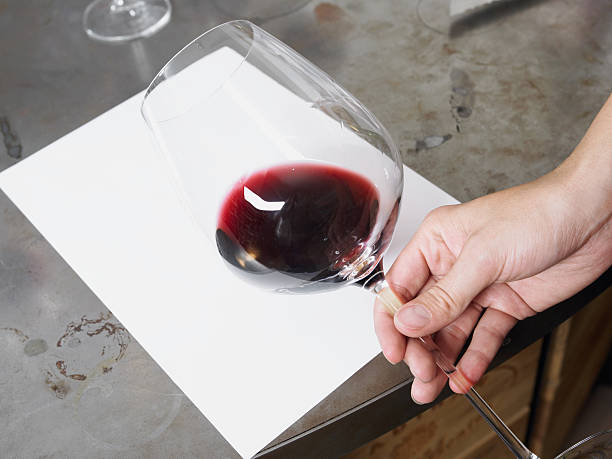
Too Warm: When Wine Loses Balance
Serving red wine too warm—above 68°F (20°C)—can drastically affect its taste and structure. At higher temperatures, alcohol becomes more volatile, leading to an overpowering alcohol sensation that drowns out subtler flavors and creates a ‘hot’ or burning finish.
Additionally, warmth amplifies sweetness and softens tannins too much, which can make full-bodied wines like Cabernet Sauvignon or Syrah taste flabby or unstructured. Volatile acidity and other off-notes may also become more pronounced, diminishing the wine’s harmony. Warm temperatures accelerate oxidation, causing the wine to degrade faster once opened.
To avoid this, never store or serve red wine in hot environments like sunlit rooms or near stoves. If your wine is too warm, chill it for 15–20 minutes in the refrigerator before serving. Proper cooling restores balance, ensuring the fruit, acid, tannin, and alcohol integrate smoothly on the palate.
Too Cold: Suppressing Aromas and Flavors
Serving red wine too cold—below 55°F (13°C)—can mute its complexity and make it seem harsh or closed-off. Cold temperatures cause tannins to tighten and aromas to recede, resulting in a dull, astringent tasting experience.
Lighter reds like Pinot Noir or Gamay may lose their delicate floral and red fruit notes entirely when overchilled. Even full-bodied wines can taste overly tannic and one-dimensional when served too cold, as the cold suppresses the release of aromatic compounds essential for enjoyment.
Avoid pulling red wine straight from a standard refrigerator (typically 35–40°F) and serving it immediately. Instead, allow it to warm up for 10–20 minutes in the glass or decanter. This gradual warming unlocks layers of flavor and aroma, enhancing the wine’s expressiveness.
Remember, temperature affects perception—too cold masks quality, while the right chill reveals it.
Finding the Sweet Spot for Your Palate
The ideal serving temperature for red wine depends on body and style, but the general sweet spot is between 60–65°F (15–18°C). Light to medium-bodied reds like Beaujolais or Sangiovese shine around 60–63°F, preserving their freshness and bright acidity.
Full-bodied reds such as Malbec or Zinfandel taste best at 63–65°F, where warmth helps unfold rich fruit and soften tannins without releasing excessive alcohol. To achieve this, remove the bottle from room temperature and chill for 20–30 minutes in the fridge, or warm a refrigerated bottle slightly before serving.
Use a wine thermometer for precision, or rely on touch—the bottle should feel cool, not cold. Ultimately, personal preference matters: adjust within the ideal range to suit your palate. Experimentation helps you discover how temperature fine-tunes aroma, balance, and finish for maximum enjoyment.
Best Serving Temperatures by Red Wine Type

Light Reds: Pinot Noir and Gamay
Serve light red wines like Pinot Noir and Gamay at 50–55°F (10–13°C) to preserve their delicate aromas and bright acidity. Chilling them slightly enhances their crisp red fruit notes—such as cherry, raspberry, and strawberry—while preventing alcohol from overwhelming the palate.
To achieve this temperature, refrigerate the bottle for about 30–45 minutes before serving. Avoid serving too cold, as it can mute subtle flavors and tighten tannins. These wines thrive when slightly cooler than room temperature, allowing their elegance and freshness to shine.
Using a wine thermometer ensures accuracy, but if unavailable, aim for a temperature where the bottle feels cool but not cold to the touch. Properly chilled Pinot Noir and Gamay pair beautifully with roasted poultry, salmon, or mushroom-based dishes, elevating both the wine and the meal.
Medium-Bodied Reds: Merlot and Sangiovese
The ideal serving range for medium-bodied reds such as Merlot and Sangiovese is 55–60°F (13–16°C), balancing fruit expression with soft tannins and acidity. At this temperature, flavors of plum, red currant, and herbal notes emerge clearly without alcohol heat dominating.
To reach this range, refrigerate the bottle for 20–30 minutes before pouring. Serving too warm flattens the wine’s structure, while too cold dulls its complexity. These versatile wines benefit from slight chilling, which refreshes their profile and improves drinkability. Avoid long chilling times—overcooling can suppress their nuanced aromas.
When served correctly, Merlot and Sangiovese pair exceptionally well with pasta, grilled meats, and semi-soft cheeses. Consistent temperature control ensures each glass delivers the wine’s full character, enhancing both casual and formal dining experiences.
Full-Bodied Reds: Cabernet Sauvignon and Syrah
Serve full-bodied reds like Cabernet Sauvignon and Syrah at 60–65°F (16–18°C) to fully express their rich structure and layered flavors. This range softens robust tannins and allows dark fruit, spice, and oak characteristics—such as blackberry, cassis, and vanilla—to unfold gradually.
To achieve this, store the bottle in a cool room or refrigerate for 10–15 minutes if the room is warm. Serving too warm exaggerates alcohol and bitterness, while excessive chilling suppresses aroma development.
These powerful wines benefit from gentle aeration—decanting for 30 minutes before serving enhances complexity at the proper temperature. Ideal pairings include steak, lamb, or aged cheeses, where the wine’s intensity matches rich dishes. Precision in temperature ensures balance, letting the wine’s depth and elegance shine in every sip.
How to Chill Red Wine Properly
Refrigerator Cooling Times by Wine Type
Chilling red wine in the refrigerator is the most effective way to reach the proper red wine temperature without compromising flavor. Lighter-bodied reds like Pinot Noir or Gamay should be cooled for about 30 to 45 minutes to reach their ideal serving temperature of 55–60°F (13–16°C).
Medium-bodied wines such as Merlot or Sangiovese typically need 45 to 60 minutes to achieve the same range. Fuller-bodied reds like Cabernet Sauvignon or Syrah benefit from slightly warmer temps around 60–65°F (16–18°C) and require only 20 to 30 minutes of refrigeration.
Avoid over-chilling, as excessively cold temperatures mute aromas and accentuate tannins. Always remove the bottle before it becomes too cold, as it will continue to cool slightly once poured. Planning ahead ensures your wine reaches the ideal balance of aroma, flavor, and structure for optimal enjoyment.
Quick Chill Methods Without Diluting Flavor
When you need to chill red wine quickly, use a salted ice-water bath for the fastest, flavor-preserving results.
Fill a bucket or large bowl with ice, water, and a generous handful of salt—this lowers the freezing point and chills the bottle in 10 to 15 minutes to the proper red wine temperature. Swirl the bottle gently to promote even cooling.
Avoid placing the wine in the freezer for more than 10–12 minutes, as this risks freezing the liquid and damaging the cork. Never add ice cubes directly to the glass, as dilution disrupts the wine’s balance.
For a stylish alternative, use chilled wine stones or stainless steel sleeves that cool the pour without contact. These methods maintain the wine’s integrity while bringing it into the ideal 55–65°F (13–18°C) range. Quick chilling is perfect for last-minute guests or warm room temperatures.
Using a Wine Thermometer for Accuracy
Achieving the proper red wine temperature consistently requires precision, and a wine thermometer is the most reliable tool. Digital probe thermometers or infrared models allow you to check the wine’s temperature directly in the bottle or glass, ensuring it falls within the ideal 55–65°F (13–18°C) range.
Insert the probe carefully into the neck of the bottle or measure the surface of the wine in the glass using infrared. This eliminates guesswork, especially when serving multiple reds with varying ideal temps.
For example, a Pinot Noir at 57°F will express brighter fruit, while a Cabernet at 63°F will show softer tannins. Using a thermometer helps you fine-tune serving conditions, enhancing aroma, balance, and mouthfeel. Over time, you’ll learn how long to chill each varietal to hit the sweet spot every time.
Tips for Storing and Serving Red Wine at Home
Ideal Cellar Temperature vs. Serving Temperature
Understanding the difference between ideal cellar temperature and serving temperature is crucial for preserving and enjoying red wine. The ideal long-term storage temperature for red wine is 55°F (13°C), which helps maintain chemical stability and slow aging. However, this is not the same as the optimal serving temperature.
Most red wines are best served slightly cooler than cellar temperature—typically between 60°F and 68°F (15–20°C)—to balance alcohol perception, acidity, and aroma. Lighter reds like Pinot Noir shine around 60°F, while fuller-bodied wines like Cabernet Sauvignon taste best near 65–68°F. Serving too warm makes alcohol overpowering; too cold mutes flavors.
Use a wine thermometer or time out of the fridge (20–30 minutes) to fine-tune serving conditions. Proper temperature control enhances complexity and ensures a more enjoyable tasting experience.
Choosing the Right Glassware
Selecting the right glassware significantly impacts how red wine expresses its aroma and flavor at the proper temperature. Glasses with a larger bowl allow red wines to breathe and direct aromas toward your nose, enhancing the sensory experience.
For fuller-bodied reds like Syrah or Malbec, choose a wide-bowled glass to soften tannins and amplify fruit notes. Lighter reds, such as Gamay, benefit from slightly smaller bowls that concentrate delicate aromas. Ensure the glass is stemmed to prevent hand heat from warming the wine too quickly.
Crystal or thin glass enhances clarity and sip smoothness. Avoid oversized ‘international’ glasses that may dissipate subtle scents. Always fill the glass one-third full to allow swirling without spills.
The right glass not only preserves serving temperature but also unlocks the wine’s full bouquet and balance, making every sip more rewarding and true to its character.
How Long to Let Wine Breathe After Chilling
Allowing red wine to breathe after chilling helps it reach its ideal serving temperature and express its full flavor profile. When pulling a red wine from the refrigerator (typically 35–40°F), let it sit 20 to 30 minutes before serving to warm gradually.
For wines stored at cellar temperature, decanting for 15 to 30 minutes can refresh the aromas and soften tannins. Young, bold reds like Petite Sirah benefit from 30–60 minutes of aeration, while older vintages may only need 15 minutes to open up without fading.
Use a decanter or simply let the wine sit in the glass. Breathing doesn’t mean over-warming—monitor the wine’s temperature to avoid losing balance. The goal is to harmonize aroma, taste, and texture.
Proper breathing after chilling ensures the wine reaches its peak expression, enhancing fruit, spice, and earth notes while integrating acidity and tannin.
Common Mistakes When Serving Red Wine
Serving All Reds at Room Temperature
Serving all red wines at traditional ‘room temperature’ is a common misconception that can negatively impact flavor. Historically, room temperature referred to cooler, unheated European homes around 60–65°F (15–18°C), not modern indoor settings that often exceed 70°F (21°C).
When reds like Pinot Noir or Gamay are served too warm, alcohol becomes overpowering and delicate aromas fade. Fuller-bodied reds like Cabernet Sauvignon or Syrah can tolerate slightly higher temperatures but still suffer when overheated. The ideal range for most reds is 60–68°F (15–20°C), enhancing balance and complexity.
To achieve this, refrigerate lighter reds for 15–20 minutes before serving and store fuller reds in a cool cellar or wine fridge. Use a wine thermometer for precision. Avoid leaving bottles out for hours before serving—small adjustments make a big difference in aroma, acidity, and overall enjoyment.
Over-Chilling in the Freezer
Placing red wine in the freezer to cool it quickly is risky and counterproductive. While chilling can enhance structure and balance, over-chilling dulls aromas and suppresses flavors, making even bold reds taste flat or astringent.
Temperatures below 55°F (13°C) cause tannins to tighten excessively, especially in young, full-bodied wines like Malbec or Nebbiolo. Freezing also risks leaking corks or cracked bottles due to liquid expansion.
Instead of the freezer, use a refrigerator for 30–45 minutes or an ice bucket with water and ice for 10–15 minutes. Remove the wine early—it continues to warm in the glass. For delicate reds like Beaujolais or Barbera, 10–15 minutes in the fridge is sufficient.
Monitor temperature closely; the goal is slight coolness, not cold. Proper chilling preserves complexity and improves drinkability, ensuring the wine expresses its true character without numbing the palate.
Ignoring Climate and Room Conditions
Many wine lovers overlook how ambient temperature and humidity affect serving conditions. In hot climates or heated rooms, red wine can quickly rise above ideal serving ranges, leading to alcohol dominance and lost nuances. Conversely, in overly air-conditioned spaces, even properly stored wine may become too cold.
Adjust serving practices based on environment: in summer, chill bottles slightly longer; in winter, decant at room temp but serve sooner. Use a climate-controlled wine cooler for consistent storage. If unavailable, store bottles in the coolest, darkest area—avoid kitchens or sunlit rooms.
Serve immediately after pouring, as glass temperature changes rapidly. Humidity also affects corks, so long-term storage above 50–80% prevents drying. By adapting to real-time conditions, you maintain optimal flavor expression. Small environmental awareness leads to better-tasting wine every time.
Tools and Gadgets for Perfect Wine Temperature
Wine Fridges with Dual Zones
A dual-zone wine fridge is essential for maintaining the proper red wine temperature, typically between 60°F and 68°F (15°C–20°C), while also chilling whites and sparkling wines in a separate compartment. These fridges offer independent temperature controls for each zone, ensuring optimal storage conditions for different wine types.
Look for models with UV-protected glass doors and vibration reduction technology to preserve wine quality. Set the red wine zone to 65°F (18°C) as a versatile midpoint—ideal for varieties like Cabernet Sauvignon, Merlot, and Syrah. Dual-zone fridges also promote long-term aging by minimizing temperature fluctuations.
For best results, allow bottles to acclimate for at least 24 hours after placement. Choose a unit with adjustable shelves to accommodate various bottle sizes and ensure consistent airflow.
With precise climate control, a dual-zone wine fridge eliminates guesswork and helps you serve every red at its ideal tasting temperature for maximum aroma and flavor expression.
Portable Wine Coolers and Sleeves
Portable wine coolers and insulating sleeves are practical tools for maintaining the proper red wine temperature during picnics, dinners, or travel. These gadgets slow heat transfer, keeping reds from rising above the ideal 60–68°F (15–20°C) range in warm environments.
Gel-lined sleeves or vacuum-insulated coolers can stabilize temperature for hours without refrigeration. For slightly warm bottles, place the sleeve in the freezer for 10–15 minutes before use to provide a cooling boost. Avoid over-chilling—red wine served too cold masks its complexity. Choose breathable, lightweight materials that allow subtle temperature adjustments.
Some smart sleeves even feature built-in temperature indicators that change color based on wine warmth. These tools are especially useful for outdoor events where a wine fridge isn’t available.
By using a portable cooler, you ensure your Pinot Noir or Malbec remains at peak drinking temperature, preserving its balance of fruit, tannin, and acidity for a more enjoyable experience.
Digital Thermometers and Smart Decanters
Achieve precision with digital thermometers and smart decanters that take the guesswork out of serving at the proper red wine temperature. Instant-read digital thermometers provide accurate temperature readings in seconds, ensuring your wine hits the 60–68°F (15–20°C) sweet spot.
Simply insert the probe into the bottle or decanter for real-time feedback. Some advanced models connect to smartphone apps, offering wine-specific recommendations based on varietal. Smart decanters go further—integrating temperature sensors and cooling elements to maintain ideal conditions during service.
They often feature LED indicators to signal when the wine is ready to pour. These tools are especially helpful when aging or aerating full-bodied reds like Bordeaux or Barolo.
By combining accurate monitoring with controlled aeration, digital thermometers and smart decanters elevate your wine experience, ensuring every glass expresses its full aromatic profile and smooth finish at the scientifically optimal temperature.
Frequently Asked Questions
What is the proper serving temperature for red wine?
The proper serving temperature for most red wines is between 60°F and 68°F (15°C–20°C). Serving within this range enhances the wine’s aromas and flavors while balancing alcohol and acidity.
Can I serve red wine at room temperature?
Traditional ‘room temperature’ (around 70°F/21°C) is often too warm for red wines. It’s better to slightly chill fuller-bodied reds and serve lighter reds closer to 60°F for optimal taste.
How do I chill red wine quickly if it’s too warm?
To quickly chill red wine, place it in the refrigerator for 15–20 minutes or in an ice-water bath for 10–15 minutes, checking frequently to avoid over-chilling.
What happens if red wine is served too warm?
If red wine is served too warm, the alcohol becomes overly prominent, and the wine can taste flabby or unbalanced, masking its nuanced flavors and aromas.
Should all red wines be served at the same temperature?
No, lighter reds like Pinot Noir taste best slightly cooler (55°F–60°F), while fuller-bodied reds like Cabernet Sauvignon do well at 60°F–68°F to fully express their structure and complexity.
How can I tell if my red wine is at the proper temperature?
Use a wine thermometer for accuracy, or judge by taste: if alcohol feels harsh or flavors are muted, adjust the temperature slightly cooler or warmer as needed.
Conclusion
Serving red wine at the proper temperature enhances its aroma, flavor, and overall enjoyment. Contrary to popular belief, most red wines taste best slightly below room temperature—between 60°F and 68°F. Lighter reds benefit from cooler temps, while fuller-bodied wines can be served a bit warmer. Avoid serving too warm or too cold, as extremes mute flavors. Experiment with cooling times to find your perfect balance and elevate every glass.
