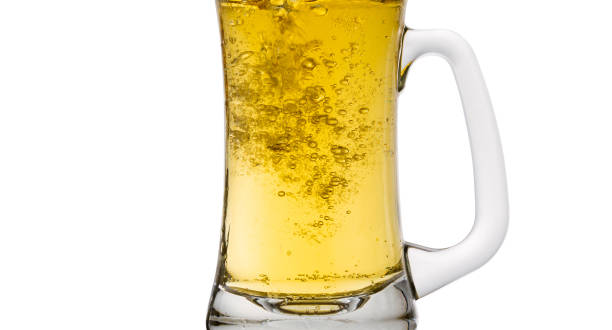
Ounces In A Beer Glass
Ever wondered exactly how many ounces are in a beer glass before you pour your next round? Whether you are hosting a party or just curious about serving sizes, the answer depends on the style of glassware you are using. From the standard American pint to specialized craft chalices, sizes can vary more than you might think. In this quick guide, we will break down the most common beer glass capacities so you can pour the perfect drink every time.
Standard beer glass sizes in the US and UK
The 16-ounce American shaker pint
In the United States, the most ubiquitous vessel found in bars and breweries is the 16-ounce American shaker pint. This standard size is designed for versatility and durability, making it the go-to choice for serving a wide variety of domestic lagers and craft ales.
When calculating ounces in a beer glass, it is important to remember that a standard 16-ounce pour typically leaves about a half-inch of space at the top for the head or foam, which is essential for releasing the beer’s aroma.
While this glass is the industry standard, some establishments use ‘cheat pints’ that only hold 14 ounces, so consumers should look for glassware that clearly accommodates a full 16 fluid ounces. Choosing this size ensures a consistent drinking experience across most American venues.
Because of its conical shape, it is easy to stack and clean, though it offers fewer specialized benefits for complex flavor profiles compared to artisanal glassware found in high-end taprooms.
The 20-ounce British Imperial pint
If you are drinking in the United Kingdom, the standard serving size is significantly larger due to the British Imperial pint, which measures exactly 20 fluid ounces. This is approximately 25% larger than its American counterpart, providing a more substantial serving for pub patrons.
The most recognizable version of this glass is the Nonic pint, characterized by a distinct bulge near the rim that prevents chipping and provides a better grip. By law, many UK glasses are marked with a weights and measures stamp to ensure the customer receives a full 20-ounce pour.
This larger volume is ideal for traditional British bitters and stouts, allowing for a generous liquid portion while still maintaining a thick, creamy head. When traveling abroad, understanding this difference is crucial for managing alcohol intake, as one Imperial pint contains more alcohol than a standard US serving.
The 20-ounce size remains a cultural staple of the British social experience and traditional pub hospitality.
Why glass shape affects liquid volume
The actual number of ounces in a beer glass is often dictated by its specific geometry, which is engineered to balance volume and carbonation.
For example, a tall, narrow pilsner glass might appear large but often holds only 12 to 14 ounces, focusing on maintaining a sparkling appearance and head retention rather than sheer capacity.
Conversely, wide-bowled chalices or snifters are designed for high-alcohol Belgian ales; these typically hold between 8 and 12 ounces to encourage slow sipping and aroma concentration. The taper of the glass determines how the liquid hits your palate and how much room is left for the aromatic foam.
When selecting glassware at home, always check the total capacity to ensure you have enough room for both the liquid and the head.
Understanding that glass shape influences volume helps you appreciate why a heavy stout is served in a smaller tulip glass while a light lager is served in a massive 20-ounce mug or stein.
Common types of beer glasses and their capacity

Tulip and thistle glass measurements
The tulip glass is a versatile vessel designed to enhance the aromatics of complex brews like Belgian ales and double IPAs. Typically, a standard tulip glass holds between 12 to 16 ounces, though it is rarely filled to the brim to allow for a thick, frothy head.
The bulbous body and flared lip are engineered to trap the aroma while supporting the foam, making it essential for high-gravity beers. Thistle glasses, which are a modified version of the tulip, are specifically designed for Scotch ales and usually feature a similar capacity of 12 to 14 ounces.
When pouring into these glasses, aim for a 12-ounce serving to ensure there is enough headspace for the bouquet of scents to develop properly. This capacity is ideal for sipping stronger beers that require temperature regulation through the stem.
Using the correct volume ensures that the carbonation is maintained while providing the drinker with the full sensory experience intended by the brewer.
Pilsner glass ounce variations
Pilsner glasses are characterized by their tall, slender, and tapered shape, which is specifically designed to showcase the clarity and carbonation of lighter lagers. These glasses come in various sizes, but the most common capacities are 12 ounces and 16 ounces.
The smaller 12-ounce version is perfect for standard bottled beers, while the 16-ounce glass, often referred to as a tall pilsner, is favored in taprooms for a full pint pour.
Because of their narrow base, these glasses help maintain the sparkling effervescence and keep the head intact for a longer duration. When selecting a pilsner glass, consider that the height helps drive the bubbles upward, enhancing the visual appeal of the golden liquid.
Whether you are using a European-style 0.3-liter glass or a standard American 12-ounce vessel, the goal is to preserve the crisp finish of the beer. Always leave about an inch of space at the top to accommodate the carbonation and prevent spills during the initial serving process.
The 10-ounce goblet and chalice
Goblets and chalices are the heavyweights of the glassware world, often featuring thick walls and wide bowls designed for heavy, malty beers like Trappist ales and bock beers. These glasses typically have a smaller capacity, often holding around 10 to 12 ounces, which encourages slow sipping of high-alcohol content beverages.
The wide mouth of a 10-ounce goblet allows for deep sips and provides a large surface area for the beer to breathe, which is crucial for identifying complex flavor profiles.
Some chalices are even etched at the bottom to create a nucleation point, which keeps a steady stream of bubbles rising to maintain the head.
Because these beers are often served at a slightly warmer temperature than lagers, the shorter capacity prevents the beer from losing its character before it is finished.
Choosing a 10-ounce serving size for these rich styles ensures that the drinker can enjoy the intensity of the flavor without the beer becoming flat or overly warm during the session.
How much beer is actually in a pint glass?
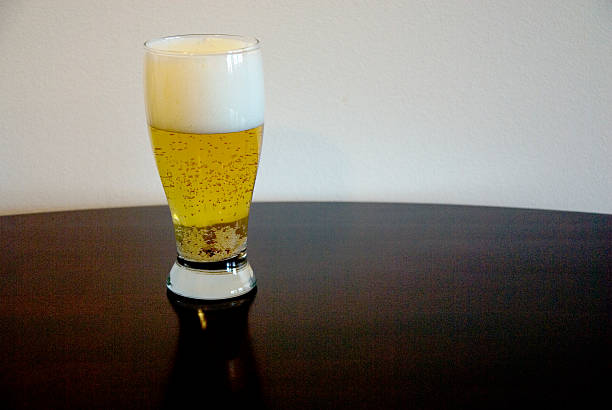
The difference between total volume and pour size
When you order a standard American pint, you are typically expecting exactly 16 ounces of liquid. However, the physical capacity of the glassware often differs from the actual volume of beer delivered to your table.
A standard shaker pint is designed to hold 16 fluid ounces when filled to the very brim, meaning there is no room for carbonation or movement without spilling. In a professional setting, bartenders rarely fill a glass to the absolute edge because it makes the drink impossible to carry.
Consequently, a standard pour usually results in 14 to 15 ounces of actual liquid once you account for the necessary headspace. To ensure you are getting exactly what you paid for, look for establishments that use oversized glassware or ‘line-marked’ glasses which clearly indicate where the 16-ounce measurement sits.
Understanding this distinction helps consumers manage their expectations regarding value and alcohol consumption when drinking at various commercial establishments or bars.
Accounting for the foam head
The presence of foam, or ‘head,’ is essential for a quality beer experience as it releases aromatics and improves mouthfeel, but it also occupies physical space in the glass. In a standard 16-ounce vessel, a proper one-inch head of foam can displace approximately 1 to 2 ounces of liquid beer.
This means that while your glass looks full, the actual volume of fluid might only be 14 ounces of liquid topped with foam. To solve this discrepancy and ensure a full pour, many craft beer enthusiasts prefer the 20-ounce Imperial pint glass.
This larger size allows for a full 16-ounce pour of liquid while still leaving ample room for a thick, frothy head without overflowing. When pouring at home, tilting the glass at a 45-degree angle and straightening it halfway through helps control the foam levels.
This technique allows you to maximize the liquid volume while still enjoying the sensory benefits that a well-formed head provides to the beverage.
The ‘cheater pint’ vs. a true 16-ounce pour
Consumers should be aware of the ‘cheater pint,’ which is a glass that looks identical to a standard shaker pint but features a thicker glass base and walls. These deceptive glasses often only hold 12 to 14 ounces of liquid despite appearing to be full-sized 16-ounce containers.
To protect yourself from paying full price for less volume, you can check the bottom of the glass for volume markings or compare it to known containers.
A true 16-ounce pour is best guaranteed by using certified ‘nucleated’ glassware or glasses that carry a CE mark or a ‘fill line’ common in European pubs.
If you are a business owner, investing in calibrated glassware builds trust with your customers by proving they are receiving the full volume advertised on your menu.
Always remember that a ‘pint’ is a specific unit of measurement, and ensuring you receive a full 16 fluid ounces is a matter of both consumer rights and getting the best value for your money.
Ounces in specialty craft beer glassware
Small 4-ounce to 6-ounce taster glasses
When visiting a local brewery or attending a craft beer festival, you will frequently encounter small taster glasses designed specifically for sampling. These vessels typically hold between 4 ounces and 6 ounces of liquid, providing the perfect volume to evaluate a beer’s profile without committing to a full pint.
Using a smaller glass is a strategic solution for high-alcohol styles like barrel-aged stouts or triple IPAs, where moderation is key to a safe and enjoyable experience.
The narrow base and slightly flared rim of a 5-ounce sampler help to concentrate aromatic compounds, allowing you to detect subtle notes of malt, hops, and yeast.
If you are hosting a tasting party at home, investing in a set of these glasses ensures your guests can try a diverse variety of brews while maintaining proper portion control.
Always remember that these glasses are meant to be filled only to the widest point to maximize head retention and aroma for the best sensory results.
Large German steins and boots
For those seeking a more robust drinking experience, traditional German glassware like the Stein or the ‘Das Boot’ offers significantly higher capacities than standard barware.
A standard German Masskrug is designed to hold exactly one liter of beer, which is approximately 33.8 ounces, making it the ultimate choice for Oktoberfest celebrations and hearty lagers.
These heavy glass or stoneware vessels feature thick walls that provide excellent thermal insulation, keeping your beverage cold for extended periods even in warm outdoor environments. The sturdy handle is a functional solution that prevents your hand from warming the beer, ensuring every sip remains refreshing.
If you are using a novelty glass boot, be aware that they often hold two liters or more, requiring a specific tilting technique to avoid the air pocket ‘bubble’ that can cause splashing.
These large-format glasses are ideal for social gatherings where the goal is to minimize trips to the tap while enjoying traditional European serving sizes with friends.
Stange glasses for Kolsch beers
The Stange glass is a specialized, cylindrical vessel traditionally used for serving Kolsch, a unique hybrid beer style from Cologne, Germany. These glasses are notably smaller and thinner than a standard pint, typically holding between 6.5 ounces and 7 ounces (200ml) of liquid.
The slender, straight-walled design is a deliberate solution to preserve carbonation and maintain a delicate head, which is crucial for the crisp, clean mouthfeel of a Kolsch.
Because the volume is low, the beer is consumed quickly before it has a chance to get warm, ensuring that every drop is enjoyed at the optimal serving temperature.
In traditional German pubs, servers known as Kobes will continuously replace your empty Stange with a fresh, cold one until you place a coaster on top of your glass to signal you are finished.
This method of service emphasizes freshness and quality over sheer volume, making the Stange an essential tool for anyone looking to appreciate delicate ale-lager hybrids in their most authentic and flavorful form.
How to measure beer ounces at home
Using a kitchen scale for accuracy
To determine exactly how many ounces are in your beer glass, the most reliable method is to use a digital kitchen scale. Start by placing your empty glass on the scale and pressing the tare button to reset the display to zero.
This ensures you are only measuring the weight of the liquid and not the vessel itself. Slowly pour water into the glass until it reaches the desired fill line, then check the weight in grams or ounces.
Since water and beer have nearly identical densities, a measurement of one fluid ounce will equal approximately one ounce by weight. This technique is far more precise than eyeballing the volume, especially when dealing with non-standard glassware shapes like tulips or snifters.
By using a digital scale, you can calibrate your home pours to match commercial standards, ensuring you know exactly how much alcohol you are consuming with every serving you pour from a keg or growler.
Checking the bottom of the glass for markings
Before you reach for measuring tools, inspect the glassware itself for hidden indicators of volume. Many professional-grade pint glasses and specialized craft beer vessels feature discreet etchings or embossed numbers on the bottom or near the base.
These markings often indicate the total capacity in milliliters or ounces when filled to the brim. Look for a CE mark or a specific line etched into the side of the glass, which is common in European glassware to signify a legal pint or half-pint measure.
If you see a number like ’16’ or ’20’ stamped into the glass, this typically refers to the total fluid capacity. Understanding these manufacturer markings allows you to quickly identify whether you are drinking from a standard American pint glass or a larger imperial version.
Always remember that a ‘head’ of foam takes up space, so a glass marked for sixteen ounces will hold slightly less actual liquid if poured with a thick, frothy top.
Comparing bottle sizes to glassware volume
If you do not have a scale or markings, you can use a standard container of known volume as a reference point. A typical standard beer bottle or can in the United States contains exactly 12 ounces of liquid.
To measure your glass, fill a clean, empty 12-ounce bottle with water and pour it into your chosen glassware. If the water fills the glass to the top, you have a 12-ounce vessel; if there is significant room left, you are likely using a 16-ounce pint glass.
For larger measurements, use a 22-ounce ‘bomber’ or a 16-ounce tallboy can to test the capacity. This comparative method is a practical way to visualize volume without needing specialized laboratory equipment.
By using standardized containers as your measuring cup, you can easily estimate the volume of any glass in your cabinet. This helps in maintaining consistency when following homebrew recipes or simply tracking your intake during a social gathering at home.
Tips for choosing the right glass for your beer
Matching ABV to glass size
When selecting the ideal vessel, understanding how alcohol by volume influences the drinking experience is essential for any enthusiast. For standard session lagers or light ales with lower alcohol content, a 16-ounce pint glass or a 20-ounce imperial pint is the industry standard.
These larger capacities allow for a generous pour while leaving enough room for a thick, frothy head to develop without overflowing. However, as the alcohol percentage increases, the physical size of the glass should typically decrease to encourage responsible sipping and temperature control.
High-ABV beers are best served in 8 to 12-ounce snifters or tulips. This smaller volume prevents the liquid from warming up too quickly, which can cause the alcohol to taste overly harsh or ‘hot’ on the palate.
By matching the ounce capacity to the ABV, you ensure that the beer remains at its peak serving temperature from the first sip to the very last drop in the glass.
Best glasses for high-gravity stouts
High-gravity stouts and barrel-aged porters require a specific glass geometry to highlight their complex profiles of chocolate, coffee, and dark fruit. The most effective choice is a snifter or a balloon glass, typically ranging from 10 to 14 ounces in total volume.
These glasses feature a wide bowl that increases the surface area of the beer, allowing volatile aromatics to release more effectively as the liquid warms slightly. The tapered rim is a critical design element that concentrates these rich aromas directly toward your nose, enhancing the overall sensory experience.
Because these beers are meant to be savored slowly, the smaller ounce capacity prevents the beer from becoming flat or stale before you finish.
Using a stemmed glass also allows you to cup the bowl with your hand if you need to gently raise the temperature of a chilled stout, or hold it by the stem to keep it cool, providing ultimate control over the tasting process.
Why IPAs need specific ounce capacities
India Pale Ales are defined by their vibrant hop profiles, which require a glass that can manage both carbonation and aromatic release. The specialized IPA glass, often holding between 16 and 19 ounces, features a unique narrow, ribbed base that aerates the beer as you tilt it to drink.
This constant agitation helps to sustain a foamy head, which acts as a cap to trap delicate hop oils and citrus notes.
The extra volume in these glasses is intentional; it provides ample headspace for the ‘nose’ of the beer to develop, allowing you to fully experience the dry-hopping nuances without the liquid reaching the brim.
If you use a glass that is too small, you lose the ability to swirl the beer, which is vital for releasing trapped CO2 and refreshing the aromatic bouquet.
Choosing a glass with the correct ounce capacity ensures that the aggressive bitterness is balanced by a continuous stream of fresh, hoppy scents throughout the session.
International beer volume conversion guide
Converting milliliters to ounces
When navigating international beer menus, understanding the conversion between milliliters and ounces is essential for knowing exactly how much liquid you are receiving. Most of the world utilizes the metric system, where a standard small bottle is typically 330ml, which equates to approximately 11.2 fluid ounces.
If you encounter a larger 500ml serving, you are looking at roughly 16.9 ounces, slightly more than a standard American pint. To convert quickly on the fly, remember that one US fluid ounce equals 29.57 milliliters.
This knowledge helps consumers compare value across different regions and ensures you are not surprised by a smaller pour than expected. For those used to the 12-ounce standard in the United States, seeing a 250ml glass might feel underwhelming, as it only contains about 8.5 ounces.
Mastering these basic mathematical conversions allows for a seamless transition between domestic craft breweries and international taprooms, ensuring your hydration levels and budget remain perfectly balanced during your travels.
European half-liter glass sizes
In many European countries, particularly Germany and the Czech Republic, the half-liter glass is the gold standard for serving lagers and pilsners. This vessel, often referred to as a Seidel or a Willibecher, holds exactly 500ml of liquid, which translates to 16.9 US fluid ounces.
This is notably larger than the standard 16-ounce American mixing glass, providing a generous serving that allows for a thick, creamy head of foam. In the United Kingdom, however, the imperial pint is the legal standard, measuring 20 imperial ounces or approximately 568ml.
This means a British pint is about 20.2 US fluid ounces, significantly larger than what Americans typically expect when ordering a pint at a local bar. When traveling through Europe, always check if the menu specifies a ‘large’ or ‘small’ beer, as a small is often 300ml or 10.1 ounces.
Understanding these regional variations ensures you can order with confidence and accurately track your consumption while enjoying diverse brewing traditions across the continent.
Standard pours in Australia and Canada
Navigating the beer landscapes of Australia and Canada requires an understanding of unique regional terminology and specific volume standards.
In Australia, glass sizes vary significantly by state; for instance, a ‘schooner’ is typically 15 fluid ounces (425ml) in most regions, while a ‘pot’ or ‘middy’ measures approximately 10 fluid ounces (285ml). South Australia uniquely uses the term ‘schooner’ for a 285ml glass, which can be confusing for visitors.
Meanwhile, Canada generally follows the imperial system for draught beer, meaning a standard pint should legally be 20 imperial ounces (568ml). However, many Canadian establishments serve ‘American-style’ pints that are only 16 US fluid ounces (473ml), so it is wise to clarify the volume before ordering.
By recognizing that an Australian schooner is roughly 14.4 US ounces and a Canadian imperial pint is over 20 US ounces, you can better manage your expectations. Always look for volume markings on the glassware to ensure you are receiving a fair pour according to local weights and measures regulations.
Frequently Asked Questions
How many ounces are in a standard US pint glass?
A standard American pint glass, often called a Shaker glass, typically holds 16 ounces. This is the most common size used for serving craft beers and lagers in bars across the United States.
What is the size of a British Imperial pint glass?
An Imperial pint glass used in the UK and Ireland holds 20 fluid ounces. This is significantly larger than the US version, providing extra room for a full 568ml pour plus a frothy head.
How many ounces are in a typical beer tulip glass?
Tulip glasses, designed to enhance the aroma of Belgian ales and IPAs, usually hold between 12 and 16 ounces. They are often filled slightly less than the brim to allow the beer’s aromatics to concentrate in the bowl.
What is the capacity of a standard beer bottle or can?
The standard serving size for a bottled or canned beer in the US is 12 ounces. When pouring this into a 16-ounce pint glass, it leaves exactly enough room for a two-finger head of foam.
How many ounces are in a tall ‘Tallboy’ beer glass?
Glasses designed to accommodate ‘Tallboy’ cans usually hold 24 ounces, though some variations specifically for 19.2-ounce cans are also common. These are popular for large pours of domestic lagers.
What size is a beer sampler or flight glass?
Beer flight glasses used for tastings typically hold between 4 and 6 ounces. This smaller capacity allows drinkers to sample multiple varieties of beer without consuming a full pint of each.
How many ounces are in a Pilsner glass?
A classic Pilsner glass is tall and slender, typically holding 12 to 14 ounces. The narrow shape is designed to showcase the beer’s clarity and maintain the carbonation and head.
Conclusion
Understanding the standard ounces in a beer glass ensures you serve and enjoy every brew correctly. Whether you are pouring a classic sixteen-ounce pint or a smaller tasting flight, knowing these measurements helps with portion control and flavor appreciation. Now that you are equipped with this knowledge, you can confidently navigate any bar menu or host the perfect gathering. Cheers to mastering the art of the pour and making every ounce count in your next glass.