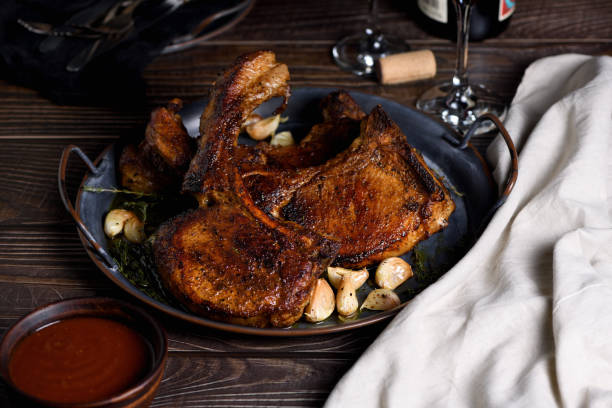
Optimum Temperature Red Wine
Wondering about the optimum temperature for red wine? You’re not alone—many people serve it too warm, which can make it taste overly alcoholic and flat. The sweet spot? Most red wines shine between 60°F and 68°F. Lighter reds like Pinot Noir love the cooler end, while fuller-bodied wines like Cabernet Sauvignon do best a bit warmer. This guide will help you nail the perfect serving temp every time, unlocking richer flavors and a smoother sip. Let’s get it right.
What Is the Best Temperature for Serving Red Wine?
Ideal Serving Range for Most Red Wines
The optimum temperature for serving red wine typically falls between 60°F and 68°F (15°C to 20°C), depending on the style and body of the wine.
Lighter reds like Pinot Noir or Gamay express their best aromas and acidity when served closer to 60°F–65°F, while fuller-bodied reds such as Cabernet Sauvignon or Syrah benefit from slightly warmer temperatures around 65°F–68°F. Serving within this range ensures the wine’s flavor balance, acidity, and tannin structure are properly showcased.
Too warm, and alcohol dominates; too cold, and the aromas become muted. To achieve this, refrigerate the bottle for 15–30 minutes before serving if stored at room temperature. Using a wine thermometer helps ensure precision.
Avoid serving reds at typical room temperature (72°F+), as this can dull complexity and exaggerate heat. Proper chilling enhances enjoyment and reveals the wine’s true character.
Why Temperature Affects Taste and Aroma
Temperature profoundly influences how we perceive a red wine’s aroma, flavor, and mouthfeel. At cooler temperatures, aromatic compounds are less volatile, which can suppress bouquet, while excessive warmth causes alcohol to dominate, creating a ‘hot’ sensation.
The optimum temperature range allows volatile compounds to release gradually, enhancing the nose and complexity. Tannins appear softer and more integrated when served slightly chilled, improving drinkability. Conversely, overly warm wine can make tannins seem harsh and unbalanced.
Additionally, acidity and fruit expression are more vibrant at proper temperatures, offering a fresher, more structured tasting experience. Serving red wine too cold masks subtle notes, while heat amplifies bitterness and alcohol burn.
By serving within the ideal 60°F–68°F window, you allow the wine to express its full spectrum of flavors, balance, and texture, maximizing sensory enjoyment and revealing the craftsmanship behind the bottle.
Common Myths About Room Temperature
One of the most persistent myths is that red wine should be served at ‘room temperature.’ However, this term originates from pre-industrial Europe, where ambient rooms were much cooler (around 60°F–65°F), not today’s heated 72°F+ environments.
Serving red wine at modern room temperature often means it’s too warm, leading to alcohol dominance and flattened flavors. Another misconception is that all reds should be served at the same temperature, but body and structure matter—a bold Malbec needs warmth, while a delicate Nebbiolo benefits from a slight chill.
Some believe chilling reds ruins them, but brief refrigeration enhances balance. The truth is, ‘room temperature’ is outdated. Adjusting for climate and wine style is key. Use a cooler or ice bucket for quick adjustments.
Precision beats tradition—serving at the true optimum temperature elevates the tasting experience and honors the wine’s intended profile.
How Temperature Impacts Red Wine Flavor
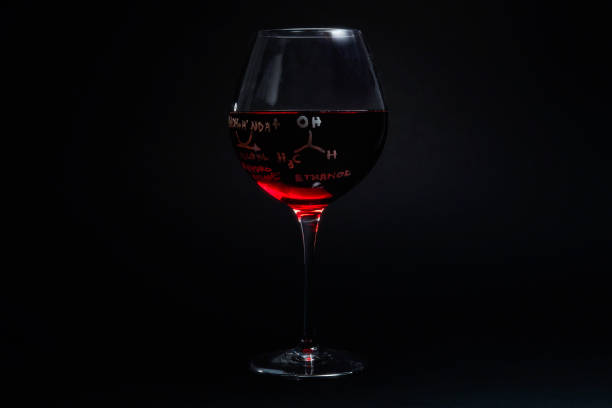
How Warm Wines Reveal Alcohol and Bitterness
Serving red wine too warm amplifies alcohol perception and exaggerates bitterness, masking its nuanced flavors. When temperatures exceed 68°F (20°C), ethanol becomes more volatile, producing a ‘hot’ sensation on the palate that overwhelms subtler notes like spice, earth, or floral tones.
This heat also intensifies tannic astringency, making structured wines like Cabernet Sauvignon or Syrah feel harsh and unbalanced. Warmer conditions cause aromatic compounds to release rapidly, leading to a short-lived bouquet that fades quickly in the glass.
To preserve harmony, avoid serving full-bodied reds at room temperature in warm environments—many traditional ‘room temps’ are too high by modern standards. Ideal serving is below typical indoor temperatures, especially for aged or high-alcohol wines.
Chilling slightly ensures cleaner finish and layered complexity, letting the wine express its full profile without alcohol dominance.
Cooler Temps and Fruit Expression
Serving red wine at slightly cooler temperatures—between 55°F and 65°F (13°C–18°C)—enhances fruit clarity and preserves vibrant acidity, especially in medium-bodied varieties like Pinot Noir or Gamay. At these temps, volatile aromatic compounds release gradually, allowing berry, cherry, and floral notes to emerge distinctly rather than blending into a flat profile.
Cooler serving temperatures also slow alcohol evaporation, preventing the ‘burn’ that dulls delicate flavors. While too cold can mute aromas, a brief chill (15–20 minutes in the fridge) before serving optimizes freshness. This range is ideal for fruit-forward, low-tannin wines, highlighting juiciness and brightness while maintaining balance.
Even bold wines benefit from slight cooling to reveal layered fruit beneath oak or spice, ensuring a more refreshing, drinkable experience. Precision here maximizes aromatic lift and varietal character.
Balancing Tannins and Acidity
Temperature plays a crucial role in how tannins and acidity are perceived in red wine. At cooler temperatures, tannins feel smoother and more integrated, reducing astringency and allowing structure to support rather than dominate the palate.
Meanwhile, acidity becomes more pronounced when chilled, lending wines freshness and lift—especially beneficial for high-tannin varieties like Nebbiolo or Malbec. The ideal balance occurs between 60°F and 65°F (15°C–18°C), where both elements coexist harmoniously. Too warm, and tannins turn aggressive while acidity fades, flattening the wine.
Too cold, and acidity overwhelms while tannins tighten excessively. Adjusting temperature allows customization based on age and style: younger, tannic reds benefit from slight chilling to soften grip, while older wines served slightly warmer express evolved complexity without drying the palate.
Serving Different Red Wines at the Right Temperature
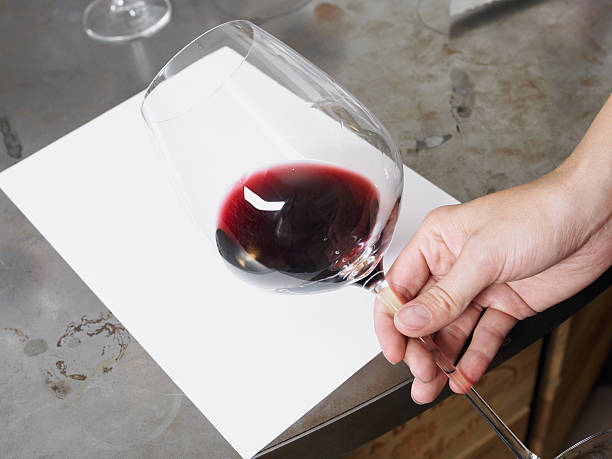
Light Reds: Pinot Noir and Gamay
Light red wines like Pinot Noir and Gamay thrive when served slightly cooler than room temperature, ideally between 55°F and 60°F (13°C–16°C). At this range, their bright acidity and delicate red fruit notes—such as cherry, raspberry, and strawberry—shine without becoming overly alcoholic or flat.
Serving them too warm dulls their freshness, while serving too cold masks their subtle aromas. To achieve this temperature, refrigerate the bottle for about 45 to 60 minutes before serving.
If you don’t have a wine fridge, a simple trick is to chill for 30 minutes and then let it sit at room temperature for 10–15 minutes. Avoid using the freezer, as rapid cooling can shock the wine.
These lighter reds are best enjoyed when their elegance and vibrancy are preserved, making precise temperature control essential for an optimal tasting experience.
Medium-Bodied Reds: Merlot and Sangiovese
Medium-bodied reds such as Merlot and Sangiovese reach their peak flavor profile at 60°F to 65°F (16°C–18°C), balancing fruit richness with soft tannins and acidity. At this temperature, Merlot expresses its plush plum and cocoa notes, while Sangiovese reveals its signature tart cherry and herbal complexity.
Serving too warm amplifies alcohol and makes the wine seem heavy, while too cold suppresses aroma and structure. The best method is to chill the bottle in the refrigerator for 30 to 45 minutes before opening.
These wines are versatile with food, especially pasta, roasted poultry, or mild cheeses, and serving at the ideal midpoint temperature enhances both the wine and the meal. Remember, once opened, the wine will gradually warm, so starting slightly cooler ensures a consistent experience from first pour to last.
Full-Bodied Reds: Cabernet Sauvignon and Syrah
Full-bodied reds like Cabernet Sauvignon and Syrah deliver their best when served at 65°F to 68°F (18°C–20°C), warm enough to unlock their deep structure and complex layers. At this range, Cabernet’s bold tannins soften, revealing blackcurrant, cedar, and spice, while Syrah expresses dark fruit, pepper, and smoky notes.
Serving too cold makes them seem harsh and astringent; too warm brings out excessive alcohol and dulls balance. These wines often benefit from decanting, which, combined with proper temperature, enhances aeration and flavor development. To reach the ideal range, refrigerate for 15 to 20 minutes if stored at room temperature.
These powerful reds pair exceptionally well with rich dishes like steak or braised meats, and serving at the correct temperature maximizes depth and harmony throughout the tasting experience.
How to Chill Red Wine Properly
Refrigerator vs. Ice Bucket Cooling Times
Cooling red wine to the optimum temperature—typically between 60°F and 68°F (15°C–20°C)—depends on your timeline and tools. Using a standard refrigerator (37°F/3°C) takes about 60–90 minutes to chill a room-temperature bottle into the ideal range.
For faster results, an ice bucket with ice and water is far more effective, lowering the temperature in just 20–30 minutes. The water-ice mix conducts cold more efficiently than air, ensuring even cooling. Always add water to the ice bucket—this simple step boosts thermal transfer significantly.
Monitor the wine with a thermometer if possible, or taste-test periodically. Lighter reds like Pinot Noir benefit from the cooler end of the spectrum (around 55°F–60°F), while fuller-bodied wines like Cabernet Sauvignon taste best slightly warmer. Avoid leaving wine in the freezer, as it risks over-chilling or damaging the cork.
Quick Methods to Cool a Bottle
When you need to chill red wine quickly, efficiency and control are key. The fastest method is the wet paper towel technique: wrap the bottle in a damp towel and place it in the freezer for 15–20 minutes. The moisture accelerates heat transfer, cooling the wine rapidly without freezing it.
Alternatively, use a spinning cooler device, which chills a bottle in under 10 minutes by rotating it through a cold chamber. For a no-tool approach, submerge the bottle in an ice-water bath and rotate it gently—this can achieve the optimum temperature in 20 minutes.
Avoid leaving wine in the freezer longer than 20 minutes, as freezing can push the cork out or crack the bottle. Always check progress after 10 minutes to prevent over-chilling. These quick methods preserve flavor while bringing the wine into its ideal serving range.
Avoiding Over-Chilling
Over-chilling red wine masks its aromas and flavors, making it taste flat and overly tannic. The optimum temperature allows the wine’s complexity to shine, so avoid cooling below 55°F (13°C) for most reds.
Over-chilled wine can be gently warmed by cupping the bowl of the glass in your hands or letting the bottle sit at room temperature for 10–15 minutes. Serve lighter reds slightly cooler (55°F–60°F) and bold reds closer to 65°F–68°F.
Use a wine thermometer to monitor temperature accurately—don’t rely solely on timing. If using a freezer, set a timer and never exceed 20 minutes. Remember, it’s easier to warm a slightly chilled wine than to fix one that’s too cold.
Proper storage and mindful chilling preserve the balance of fruit, acidity, and tannins, ensuring a more enjoyable tasting experience.
Storing Red Wine Before Serving
Optimal Cellar Storage Conditions
To preserve the quality and flavor of red wine before serving, maintain a consistent storage temperature between 55°F and 65°F (13°C–18°C). This range slows oxidation and prevents premature aging. Humidity levels should remain around 70% to keep corks from drying out, which can lead to air leakage and spoilage.
Store bottles horizontally to ensure the wine remains in contact with the cork, maintaining a tight seal. Avoid exposure to light, especially UV rays, which can degrade organic compounds and create off-flavors. Additionally, minimize vibration from appliances or foot traffic, as constant movement can disturb sediment and affect aging.
A dedicated wine cooler or a dark, underground cellar provides ideal conditions. Never store red wine above 70°F (21°C) for extended periods, as heat accelerates chemical reactions, potentially leading to ‘cooked’ flavors. Consistency is key—fluctuations in temperature stress the wine and degrade quality over time.
How Long to Chill Before Opening
While red wine is typically stored at cellar temperature, most benefit from slight chilling before serving—ideally 15 to 30 minutes in the refrigerator. This brings the wine to its optimal serving temperature between 60°F and 65°F (15°C–18°C), enhancing balance and aroma.
Lighter reds like Pinot Noir or Gamay do best at the cooler end of the spectrum (around 55°F–60°F), while fuller-bodied wines like Cabernet Sauvignon can be served closer to 65°F. Avoid over-chilling, as temperatures below 55°F dull the bouquet and suppress flavor.
If the wine has been stored at room temperature, 20 minutes in the fridge is usually sufficient. For quick cooling, an ice-water bath for 7–10 minutes works effectively. Always monitor the time to prevent excessive cooling.
Serving at the right temperature maximizes complexity, softens tannins, and highlights fruit characteristics for a more enjoyable experience.
Temperature Stability During Transport
Maintaining temperature stability during transport is crucial to preserving red wine’s integrity. Avoid leaving bottles in hot cars or direct sunlight, as temperatures above 75°F (24°C) can ‘cook’ the wine, leading to flat flavors and aromas.
Ideally, transport wine in a climate-controlled environment or insulated wine bag with cooling packs if ambient temperatures exceed 70°F. Minimize temperature fluctuations—repeated warming and cooling cause corks to expand and contract, potentially allowing oxygen ingress. For long-distance shipping, choose services that offer temperature-controlled options, especially in extreme weather.
If transporting multiple bottles, pack them securely to prevent agitation, which can disturb sediment and accelerate aging. Upon arrival, allow the wine to rest upright for several hours before storing or serving to let any disturbed particles settle.
Consistent temperature from storage to table ensures the wine expresses its intended character and quality.
Tools and Equipment for Temperature Control
Wine Fridges and Coolers
Maintaining the optimum temperature for red wine—typically between 60°F and 68°F (15.5°C to 20°C)—requires reliable storage solutions. Wine fridges and coolers are specifically designed to provide stable, humidity-controlled environments that prevent temperature fluctuations.
Unlike regular refrigerators, which are too cold and dry, wine coolers use thermoelectric or compressor-based cooling systems to sustain ideal conditions. Dual-zone models are especially useful, allowing simultaneous storage of reds and whites at their respective ideal temperatures. Place your wine cooler in a shaded, vibration-free area to enhance performance.
Set the unit to 64°F (18°C) as a balanced midpoint for most reds like Merlot, Cabernet Sauvignon, and Syrah. Consistent cooling preserves aroma, tannin structure, and flavor complexity. For long-term aging, ensure the cooler maintains 50–70% humidity to prevent cork drying.
Investing in a quality wine fridge ensures every bottle reaches the glass at its peak tasting potential.
Digital Thermometers for Wine
To achieve the optimum temperature for red wine, precise monitoring is essential—and that’s where digital thermometers come in. These tools provide instant, accurate readings of wine temperature without guesswork.
Laser or probe-style thermometers can measure the liquid through the bottle or after pouring, ensuring you serve at the ideal 60–68°F (15.5–20°C) range. Some advanced models even sync with smartphone apps to log temperature history and recommend serving times.
For best results, insert the probe just below the wine’s surface or use an infrared thermometer on the bottle’s side after it’s been resting. Avoid serving reds too warm (above 70°F), which accentuates alcohol heat, or too cold, which suppresses aroma. Regular calibration ensures accuracy.
With a dependable digital thermometer, you gain confidence that each pour delivers balanced flavor, soft tannins, and the full expression of the varietal—a must for discerning wine enthusiasts.
Best Wine Coolers for Red Varietals
Choosing the best wine cooler for red varietals means prioritizing temperature precision, capacity, and insulation. Top models like the NewAir AW-281E or Whynter 32-Bottle Dual Zone Cooler offer adjustable thermostats and UV-tinted glass doors to protect wine from light and heat.
Set the red wine zone to 64–66°F (18–19°C)—ideal for Cabernet Sauvignon, Pinot Noir, and Malbec. Vibration-free compressors prevent sediment disturbance and preserve aging potential. Look for coolers with wooden shelves and reversible doors for flexible placement.
For smaller collections, compact thermoelectric coolers like the hOmeLabs 18-Bottle unit maintain stable temps without noise. Ensure the cooler has fan-forced air circulation to eliminate hot spots.
By selecting a high-performance unit tailored to reds, you ensure every bottle matures properly and serves at its flavor-optimized temperature, enhancing body, bouquet, and finish with every glass.
Tips for Serving Red Wine at Home or in Restaurants
Adjusting for Room Conditions
The optimum temperature for red wine typically ranges from 60°F to 68°F (15°C to 20°C), but room conditions can greatly affect this. In warmer climates or during summer months, a standard room may exceed 72°F, making wines taste overly alcoholic and flat.
To counter this, chill full-bodied reds like Cabernet Sauvignon for 15–20 minutes in the refrigerator before serving. Lighter reds such as Pinot Noir benefit from 10–15 minutes of chilling to enhance freshness. Conversely, in cooler environments, let the wine sit at room temperature to reach its ideal range.
Using a wine thermometer helps monitor progress. Avoid drastic temperature changes—never serve red wine straight from a warm storage area. Instead, fine-tune the temperature just before opening. Consistent adjustments based on ambient conditions ensure balanced aromas, acidity, and tannin expression in every glass.
How to Tell If Wine Is at the Right Temp
Determining if red wine is at its optimum temperature doesn’t require a thermometer every time—practice and observation help. When served too warm, red wine releases excessive alcohol fumes and loses aromatic complexity; when too cold, tannins feel harsh and fruit notes are muted.
To assess, pour a small sample and take a cautious sip. If the alcohol burns the nose or palate, it’s too warm—place it in the fridge for 10–15 minutes. If flavors seem closed or tannic, warm the bowl of the glass gently in your hands.
Ideal reds feel smooth, balanced, and aromatic. Over time, you’ll learn visual cues: condensation on the glass indicates proper chill. Trust your senses—aroma, texture, and balance are the best indicators. With experience, you’ll instinctively know when a wine hits its temperature sweet spot, enhancing the overall tasting experience.
Serving Multiple Reds at a Dinner
When serving multiple red wines at a dinner, staging by body and tannin structure ensures each is enjoyed at its optimum temperature. Begin with lighter reds like Gamay or Pinot Noir, serving them slightly cooler (55°F–60°F), then progress to medium and full-bodied wines like Merlot or Syrah (62°F–68°F).
Use separate cooling zones—a wine fridge with dual temperature control or ice buckets for lighter wines and room-temperature placement for bolder ones. Label glasses or decanters discreetly to guide guests. Allow fuller reds to breathe while lighter ones chill. Avoid over-chilling any red, as it masks flavor.
If using a single storage area, pull wines out in stages: start with the heaviest reds 30 minutes before serving, then medium, and chill light reds just before pouring. This method maintains balance across the tasting sequence and ensures every guest experiences each wine at its peak.
Frequently Asked Questions
What is the optimum temperature for serving red wine?
The optimum serving temperature for most red wines is between 60°F and 68°F (15°C to 20°C). Lighter reds like Pinot Noir are best on the cooler end of this range, while fuller-bodied reds like Cabernet Sauvignon taste better slightly warmer.
Why is serving temperature important for red wine?
Serving red wine at the right temperature enhances its aromas, flavors, and balance. If served too warm, alcohol can overpower the taste; if too cold, the flavors may seem dull and tannins more astringent.
Can I serve red wine chilled?
Yes, lighter red wines like Beaujolais or Lambrusco can be slightly chilled to around 55–60°F (13–15°C) to enhance their freshness. However, avoid over-chilling, as it can mute the wine’s character.
How do I cool red wine quickly?
To cool red wine quickly, place it in the refrigerator for 15–20 minutes or use an ice bucket with ice and water for 10–15 minutes. This brings it to the ideal range without over-chilling.
Should I store red wine at its serving temperature?
No, red wine should be stored at a consistent temperature around 55°F (13°C), ideally in a cool, dark place. Serving temperature is slightly higher and only applied shortly before drinking.
What happens if red wine is served too warm?
If red wine is served too warm, the alcohol becomes more prominent, overwhelming the flavors and making the wine taste unbalanced and ‘hot.’ It can also cause the aromas to fade quickly.
How can I tell if my red wine is at the right temperature?
Use a wine thermometer for accuracy, or gauge by touch: after 15 minutes in the fridge, most reds reach an ideal range. The wine should feel cool but not cold, with vibrant, well-integrated flavors.
Conclusion
The ideal serving temperature for red wine typically ranges between 60°F and 68°F, enhancing its aroma, balance, and flavor. Too warm, and alcohol dominates; too cold, and nuances fade. Lighter reds thrive cooler, while fuller-bodied wines suit the warmer end of the spectrum. Chilling red wine briefly before serving can elevate the experience. Discovering your preferred temperature brings out the best in every bottle, making each sip more enjoyable. Cheers to better wine moments!