Optimal Temperature For White Wine
Wondering about the optimal temperature for white wine? You’re not alone—serving your favorite Chardonnay or Sauvignon Blanc too cold can mute its flavors, while serving it too warm makes it taste flat. The sweet spot? Most white wines shine between 45°F and 50°F. In this guide, we’ll break down ideal temps by varietal, share quick chilling tips, and help you serve every bottle at its absolute best—because great wine isn’t just about taste, it’s about temperature.
Best Serving Temperatures for Different White Wines
Chardonnay: Ideal Temperature Range
The optimal temperature for Chardonnay is between 50°F and 55°F (10°C–13°C), allowing its complex flavors to shine without dulling its richness. Serving it too cold masks the wine’s buttery texture and oak-influenced notes, while serving it too warm emphasizes alcohol and reduces freshness.
For oaked Chardonnays, aim for the warmer end of the range to enhance creaminess and vanilla undertones. Lighter, unoaked versions benefit from slightly cooler temps to preserve their crisp apple and citrus notes. To achieve this, chill the bottle in the refrigerator for about 45 minutes before serving.
If needed, warm the glass gently in your hands to fine-tune the experience. This balance ensures the wine’s full profile is expressed with harmony and depth.
Sauvignon Blanc: How Cold Should It Be?
Sauvignon Blanc is best enjoyed at 45°F to 50°F (7°C–10°C), the sweet spot that highlights its vibrant acidity and aromatic intensity. At this temperature, signature notes of grapefruit, lime, and fresh-cut grass are crisp and pronounced, while excessive chill can mute these lively characteristics.
Avoid serving straight from a standard refrigerator (typically 35°F–40°F), as it’s too cold. Instead, remove the bottle 15–20 minutes before serving to allow slight warming. This small adjustment brings out the wine’s floral and herbal complexity while maintaining refreshing brightness.
For warmer climates or outdoor settings, use an insulated wine sleeve to maintain the ideal range. Proper chilling ensures Sauvignon Blanc delivers its signature zesty, invigorating profile with every sip.
Riesling: Balancing Sweetness and Chill
The optimal temperature for Riesling depends on its sweetness level, but most styles perform best between 45°F and 50°F (7°C–10°C). At this range, the wine’s bright acidity balances its natural sweetness, preventing it from tasting cloying.
Dry Rieslings reveal crisp green apple and mineral notes, while off-dry and sweet versions showcase peach, honey, and floral tones without overwhelming the palate. Over-chilling suppresses aroma and sweetness perception, while serving too warm accentuates alcohol and sugar.
For late-harvest or dessert Rieslings, lean toward the cooler end to maintain freshness. Chill for 1 hour in the fridge, then adjust by letting it sit out briefly. This precision ensures Riesling’s harmonious interplay of sweetness and acidity is fully expressed.
Pinot Grigio: Crispness at the Right Temp
Pinot Grigio reaches its peak at 43°F to 48°F (6°C–9°C), where its light body and zesty character are most refreshing. At this temperature, crisp citrus, green apple, and subtle floral notes come alive, making it ideal for warm days or light appetizers.
Serving too cold flattens its delicate aromas, while warmer temps highlight thinness and alcohol. To achieve the ideal chill, refrigerate for about 1 hour—longer if your fridge runs warm. Avoid freezing or over-icing, which numbs the palate.
For slightly fuller Italian styles, let the wine warm in the glass for a few minutes to unlock nuanced texture. Maintaining this narrow temperature range ensures Pinot Grigio remains lively, clean, and perfectly balanced—a go-to for effortless, refreshing sipping.
How Temperature Affects White Wine Flavor

Too Cold: What Happens to the Taste?
Serving white wine too cold—below 40°F (4°C)—can significantly mute its flavor and aroma profile. While extreme chill might enhance crispness, it suppresses volatile compounds responsible for fruitiness, floral notes, and complexity. This makes the wine taste flat or overly acidic, masking the nuances intended by the winemaker.
Over-chilled wines, especially aromatic varieties like Riesling or Viognier, lose their expressive character, reducing the overall enjoyment. High-acid wines like Sauvignon Blanc may seem harsh instead of refreshing when too cold. To avoid this, avoid storing white wine in the freezer or leaving it on ice too long.
Instead, allow a brief 10–15 minute warm-up at room temperature after refrigeration. This small adjustment helps the wine open up, restoring balance and revealing its true aromatic depth, making each sip more vibrant and satisfying.
Too Warm: When Aromas Fade
When white wine is served too warm—above 55°F (13°C)—its delicate balance begins to unravel. Warm temperatures cause alcohol to become more prominent, giving the wine a ‘hot’ or sharp sensation that overshadows subtle flavors.
More importantly, volatile aromas dissipate quickly, robbing the wine of its freshness and floral or citrus notes. Fuller-bodied whites like Chardonnay can taste flabby or dull when overly warm, losing their crisp structure. Additionally, oxidation accelerates, potentially leading to a flat, stale taste.
Avoid leaving white wine out for extended periods after opening or serving it straight from a warm room. To correct this, chill the bottle in the refrigerator for 20–30 minutes. Maintaining cooler—but not cold—serving temperatures preserves aromatic intensity and acidity, ensuring a more enjoyable, balanced tasting experience.
Finding the Sweet Spot for Balance
The optimal temperature for white wine typically ranges between 45°F and 55°F (7°C–13°C), depending on body and style. Light, crisp wines like Pinot Grigio and unoaked Sauvignon Blanc shine at 45–50°F (7–10°C), preserving their zesty acidity and bright fruit notes.
Medium-bodied whites, such as Viognier or Albariño, reach their peak at 50–53°F (10–12°C), allowing aromas to unfold without chill suppression. Fuller-bodied, oak-aged whites like Chardonnay benefit from slightly warmer 53–55°F (12–13°C), enhancing richness and texture.
Use a wine thermometer or time refrigeration—about 2 hours in the fridge or 30 minutes in an ice-water bath—to hit the target. Letting the wine breathe slightly in the glass also helps it adjust and express its full character, delivering a harmonious, flavorful experience.
Tips for Chilling White Wine Properly
Refrigerator vs. Freezer: Which Is Better?
When chilling white wine, the refrigerator is generally the better option for gradual, even cooling. The ideal serving temperature for most white wines ranges between 45°F to 50°F (7°C to 10°C), and a standard refrigerator set at 40°F (4°C) safely brings wine to this range without freezing it.
Using the freezer may seem faster, but it poses risks—over-chilling dulls aromas and flavors, and if left too long, the wine can freeze and expand, potentially pushing out the cork or cracking the bottle.
For best results, place the bottle in the main compartment of the refrigerator for 2 to 3 hours before serving. This method ensures the wine reaches the optimal temperature without compromising quality.
If you must use the freezer, set a timer for 15 to 20 minutes and monitor closely to avoid over-chilling.
How Long to Chill in the Fridge
To achieve the optimal temperature for white wine, plan ahead and allow sufficient chilling time in the refrigerator. Most white wines need 2 to 3 hours in a standard 40°F (4°C) fridge to reach the ideal range of 45°F to 50°F (7°C to 10°C).
Lighter styles like Pinot Grigio and Sauvignon Blanc benefit from the cooler end of that spectrum, while fuller-bodied whites like oaked Chardonnay taste best slightly warmer to preserve their complexity. For best results, store bottles upright to minimize surface exposure and ensure even cooling.
Avoid leaving wine in the fridge for more than 4 hours, as prolonged chilling can mute delicate aromas. If serving later, transfer the bottle to a wine cooler or room-temperature area to prevent over-chilling. Planning ahead ensures your white wine is served at its peak flavor and aroma.
Quick Chill Methods Without Dilution
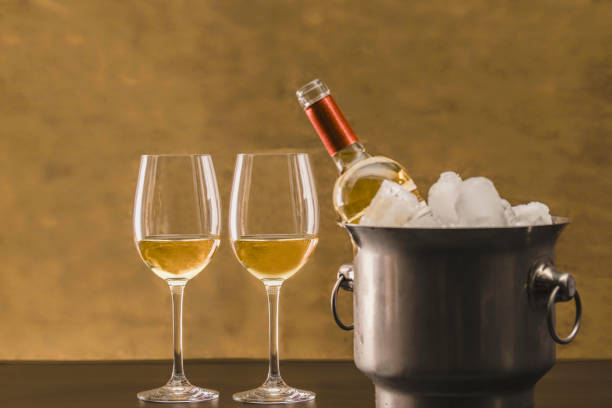
When you’re short on time, use quick chill methods that preserve flavor without dilution. One effective technique is the ice bucket method: fill a bucket with equal parts ice and water, then submerge the bottle for 15 to 20 minutes.
The water conducts cold more efficiently than ice alone, speeding up chilling. For even faster results, wrap the bottle in a damp towel and place it in the freezer for 10 to 15 minutes—the evaporating water enhances cooling. Avoid opening the bottle during this process to prevent oxidation.
Another option is using specialized wine chillers or cooling sleeves that rapidly lower temperature without adding moisture. These methods help reach the optimal serving temperature quickly while maintaining the wine’s integrity. Always monitor closely to avoid over-chilling, which can suppress aromatic expression and balance.
Storing White Wine Before Serving
Ideal Fridge Temperature for Storage
The ideal fridge temperature for storing white wine before serving is between 45°F and 50°F (7°C to 10°C). This range preserves the wine’s freshness, acidity, and aromatic profile while preventing it from becoming too cold, which can mute flavors.
Avoid using the main compartment of most household refrigerators, which typically run at 35°F to 40°F (1.7°C to 4.4°C), as this is too cold for long-term storage and can dull delicate notes.
Instead, consider using a wine cooler or setting aside a slightly warmer section of your fridge, like the door or a dedicated wine drawer if available. For best results, store bottles horizontally to keep the cork moist and prevent oxidation.
Always allow the wine to warm slightly if over-chilled—let it sit at room temperature for 10–15 minutes before serving. Consistent, moderate cooling enhances balance and bouquet, ensuring a more enjoyable tasting experience.
How Long Can You Keep White Wine Chilled?
White wine can be safely chilled for up to 48 hours before serving without compromising quality, provided it’s stored properly. If kept in a standard refrigerator, place the bottle in the back where temperatures are more stable, and seal it with a wine stopper if opened.
For unopened bottles, extended chilling beyond two days is not recommended in regular fridges, as the dry, cold environment may affect the cork and wine chemistry over time. Ideally, chill the wine only when you plan to serve it within a day or two.
Lighter styles like Pinot Grigio or Sauvignon Blanc benefit from shorter chilling periods—about 2–3 hours before serving—while fuller whites like oaked Chardonnay can handle longer cooling. Always monitor storage duration to preserve freshness and prevent flavor fatigue.
For longer storage, a temperature-controlled wine fridge set to 50°F (10°C) is optimal, maintaining readiness without overexposure to extreme cold.
Avoiding Temperature Fluctuations
Maintaining consistent temperature is crucial when storing white wine before serving, as fluctuations can damage its structure and taste. Repeated warming and cooling cause the wine to expand and contract, potentially pushing air past the cork and leading to oxidation or premature aging.
Always store white wine in a stable, cool environment—ideally a dedicated wine cooler—rather than transferring it in and out of the refrigerator. Avoid placing bottles near heat sources like ovens or dishwashers, and keep them out of direct sunlight.
If using a regular fridge, minimize door openings to maintain internal stability. For best results, chill the wine once, then keep it at serving temperature until ready. Sudden shifts dull aromatics and imbalance acidity. By prioritizing temperature consistency, you preserve the wine’s integrity, ensuring crisp, vibrant flavors when poured.
This is especially important for aromatic varieties like Riesling or Viognier, which are sensitive to thermal changes.
Serving White Wine at the Right Temperature
Using a Wine Thermometer
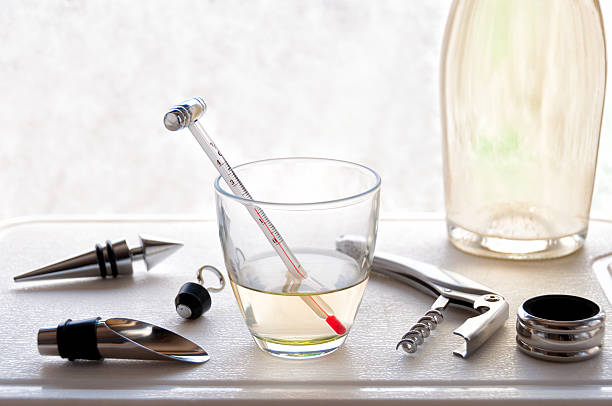
A wine thermometer is a precise tool to ensure your white wine reaches the optimal serving temperature, typically between 45°F and 55°F (7°C–13°C) depending on the varietal.
Light, crisp whites like Pinot Grigio and Sauvignon Blanc taste best at the cooler end of this range, around 45°F–50°F (7°C–10°C), preserving their bright acidity and fresh aromas. Fuller-bodied whites such as Chardonnay or Viognier shine closer to 50°F–55°F (10°C–13°C), allowing their complex textures and oak influences to express fully.
Insert the thermometer into the wine just before serving to verify temperature, avoiding prolonged exposure that could affect accuracy. Avoid relying solely on refrigerator time, as home fridges are often too cold (around 35°F/2°C), risking over-chilling.
With a wine thermometer, you gain consistent control, enhancing both flavor and aroma with every pour.
What to Do If Wine Is Over-Chilled
If your white wine is over-chilled, its aromas and flavors can become muted, and the acidity may seem harsh. To correct this, remove the bottle from the fridge and let it sit at room temperature for 10–15 minutes before serving.
Holding the wine glass in your hands can gently warm a single serving, releasing the bouquet and softening the palate. For faster results, swirl the wine gently in the glass—this increases surface exposure and accelerates warming.
Avoid microwaving or using hot water, as rapid temperature shifts can damage the wine’s structure. Fuller-bodied whites like oaked Chardonnay benefit most from slight warming, as it unlocks creamy textures and nuanced notes.
Monitoring the wine’s evolution as it warms allows you to serve it at its ideal sensory peak, balancing freshness and complexity without losing vibrancy.
Glassware Choices That Maintain Temperature
Selecting the right glassware plays a crucial role in maintaining the optimal temperature of white wine throughout service. Tulip-shaped glasses with a narrower bowl help preserve cooler temperatures by reducing the wine’s surface area exposed to air, slowing heat absorption.
Thinner crystal or glass walls also enhance the drinking experience by allowing faster thermal adjustment to your palate without retaining excessive cold. Avoid oversized red wine glasses, which accelerate warming due to greater air contact.
For chilled whites, consider pre-chilling the glassware slightly—just 5–10 minutes in the fridge—to extend coolness without frosting, which can dilute the wine. Stemmed glasses are ideal, as they prevent hand heat transfer from your grip.
Choosing appropriate glassware ensures your white wine stays within its ideal range, preserving its aromatic profile, acidity, and balance from first sip to last.
Common Mistakes When Serving White Wine
Serving Straight from the Freezer
Serving white wine straight from the freezer is a common mistake that can severely impact its taste and aroma. While chilling white wine enhances its refreshing qualities, freezing temperatures—below 20°F (-6°C)—can numb the palate and suppress delicate flavors and aromas.
Wines served too cold lose their complexity, making fruit notes dull and acidity overly sharp. The optimal temperature for most white wines ranges between 45°F and 50°F (7°C–10°C), cool enough to refresh but warm enough to appreciate the nuances.
To avoid over-chilling, remove the bottle from the freezer after 20–25 minutes or transfer it to the refrigerator for gradual cooling. For long-term storage, never keep wine in the freezer.
Instead, use a wine cooler or chill in the fridge for 2–3 hours before serving to achieve the ideal balance of flavor and refreshment.
Leaving Wine Out Too Long
Leaving white wine out at room temperature for too long after opening can diminish its quality and alter its taste profile. Once poured, white wine begins to warm, and if left unchecked, it can surpass the optimal serving temperature, leading to a flat, overly alcoholic, or flabby taste.
As the wine warms beyond 55°F (13°C), volatile aromas dissipate, and acidity loses its crispness. To maintain freshness, return the bottle to the refrigerator between servings or use an insulated wine sleeve or ice bucket with water and ice (not pure ice) to keep it cool without over-chilling.
Avoid placing the glass in direct sunlight or near heat sources. For extended gatherings, consider opening multiple smaller bottles rather than one large container. This ensures each pour stays within the ideal temperature range, preserving the wine’s balance and vibrancy from first sip to last.
Assuming All White Wines Are the Same
A major oversight when serving white wine is assuming all varieties should be served at the same temperature. In reality, different white wines have distinct optimal serving temperatures based on body, sweetness, and acidity.
Light, aromatic whites like Pinot Grigio and Sauvignon Blanc shine at 45°F–50°F (7°C–10°C), where their crispness and floral notes are highlighted. Fuller-bodied whites such as oaked Chardonnay benefit from slightly warmer temps—50°F–55°F (10°C–13°C)—to express rich textures and complex flavors.
Sweet wines like Riesling or Sauternes are best at 40°F–45°F (4°C–7°C) to balance sugar and acidity. Serving outside these ranges can mute aromas or make the wine seem unbalanced. Use a wine thermometer or timed chilling methods to tailor the temperature.
Recognizing these differences ensures every white wine is enjoyed at its peak expression and refreshment.
Best Ways to Adjust Temperature After Pouring
Letting Wine Warm in the Glass
When white wine is served too cold, its aromas and flavors can be muted, diminishing the tasting experience.
Allowing the wine to warm slightly in the glass is a simple, effective method to reach the optimal temperature, which typically ranges between 45°F and 50°F (7°C to 10°C) for most white varieties.
Begin by serving the wine chilled, then let it sit uncovered for 5 to 10 minutes while you prepare your meal or palate. Swirling the glass gently accelerates warming and helps release volatile compounds responsible for aroma.
Monitor the change in taste—citrus and floral notes should become more pronounced as the wine approaches ideal temperature. Avoid leaving it too long, as exceeding 55°F (13°C) may make the wine taste flabby or overly acidic.
This technique works especially well for complex whites like Chardonnay or Viognier, where temperature balance enhances texture and bouquet without requiring additional tools or equipment.
Using Room Temperature Control
Controlling the ambient room temperature is a proactive way to fine-tune white wine serving conditions after pouring.
If your wine is too cold straight from the fridge, placing it in a room set to 68°F to 72°F (20°C to 22°C) allows gradual warming to the optimal range of 45°F to 50°F (7°C to 10°C).
Keep the bottle or glass away from direct sunlight or heat sources to avoid overshooting. For faster adjustment, pour a smaller amount into a stemmed glass, which transfers heat more efficiently than a thick tumbler.
You can also cradle the bowl of the glass gently in your hands to speed warming—just be mindful not to overheat. This method is ideal for entertaining, where consistency across servings matters.
Stable room temperature ensures predictable results, letting delicate wines like Riesling or Sauvignon Blanc express their full balance of acidity and fruit character without abrupt thermal shifts.
Decanting for Temperature Balance
Decanting is not just for reds—using a decanter can help stabilize and optimize white wine temperature after pouring, especially for full-bodied or aged whites.
When a chilled white is poured into a room-temperature decanter, the increased surface area allows it to warm more evenly and reach the ideal 45°F to 50°F (7°C to 10°C) range faster than in a standard wine glass.
This method enhances aromatic complexity and softens acidity in varieties like oaked Chardonnay or white Bordeaux blends. For precision, monitor the wine’s evolution over 10–15 minutes, tasting periodically. Avoid over-decanting delicate, aromatic whites like Pinot Grigio, which can lose freshness.
Decanting also aerates the wine, further integrating flavor and temperature for a harmonious profile. This technique is especially useful when serving multiple guests, ensuring consistent temperature and maximizing sensory enjoyment across all pours.
Frequently Asked Questions
What is the optimal temperature for serving white wine?
The optimal serving temperature for most white wines is between 45°F and 50°F (7°C to 10°C). This range preserves the wine’s acidity and aromatic profile while preventing it from becoming too flat or overly alcoholic in taste.
Does the type of white wine affect the ideal serving temperature?
Yes, lighter whites like Pinot Grigio and Sauvignon Blanc are best served colder, around 45°F (7°C), while fuller-bodied whites like Chardonnay taste better slightly warmer, at 50°F–55°F (10°C–13°C), to enhance their rich textures and complex flavors.
Can I serve white wine too cold?
Yes, serving white wine too cold (below 40°F or 4°C) can mute its aromas and make it taste overly acidic. It’s best to chill it properly and let it warm slightly in the glass for optimal flavor.
How long should I chill white wine in the refrigerator?
Chill white wine in the refrigerator for about 2 hours before serving. For quicker chilling, place it in an ice water bath for 20–30 minutes, which cools the wine more efficiently than the freezer.
What if I don’t have a wine thermometer?
If you don’t have a thermometer, refrigerate the wine for 2–3 hours, or use visual cues: when condensation forms steadily on the bottle, it’s likely close to the ideal serving temperature.
Should I adjust the temperature for sparkling white wines?
Yes, sparkling whites like Champagne or Prosecco should be served colder than still whites, ideally between 40°F and 45°F (4°C–7°C), to preserve carbonation and maintain a crisp, refreshing taste.
Conclusion
The optimal temperature for white wine enhances its aroma, balance, and overall enjoyment. Most white wines taste best between 45°F and 55°F, with lighter varieties served cooler and fuller-bodied ones slightly warmer. Serving at the right temperature prevents flavors from being muted or overly sharp. By paying attention to these subtle details, wine lovers can elevate their tasting experience. Cheers to discovering the perfect chill for your next glass!