How to Use the Wusthof Knife Sharpener for Precision Results
Keeping your kitchen knives sharp is essential for safe and efficient food preparation. The Wusthof knife sharpener is a popular tool designed to maintain a keen edge with minimal effort, and this guide explains how to use it correctly to extend the life of your blades while ensuring your home cooking remains precise and enjoyable.
While high-quality cutlery is an investment, even the finest blades will eventually dull with regular use in the kitchen. Learning to use a dedicated sharpener properly prevents unnecessary metal removal and protects your knife’s structural integrity. Understanding the tool’s specific mechanics is the most important step toward achieving professional-level sharpness at home.
In the following sections, we provide a clear, step-by-step walkthrough for operating your Wusthof device safely. You will learn how to position your blade, apply the correct amount of pressure, and maintain the proper angle for optimal results. Follow these simple instructions to keep your kitchen tools performing at their absolute best.
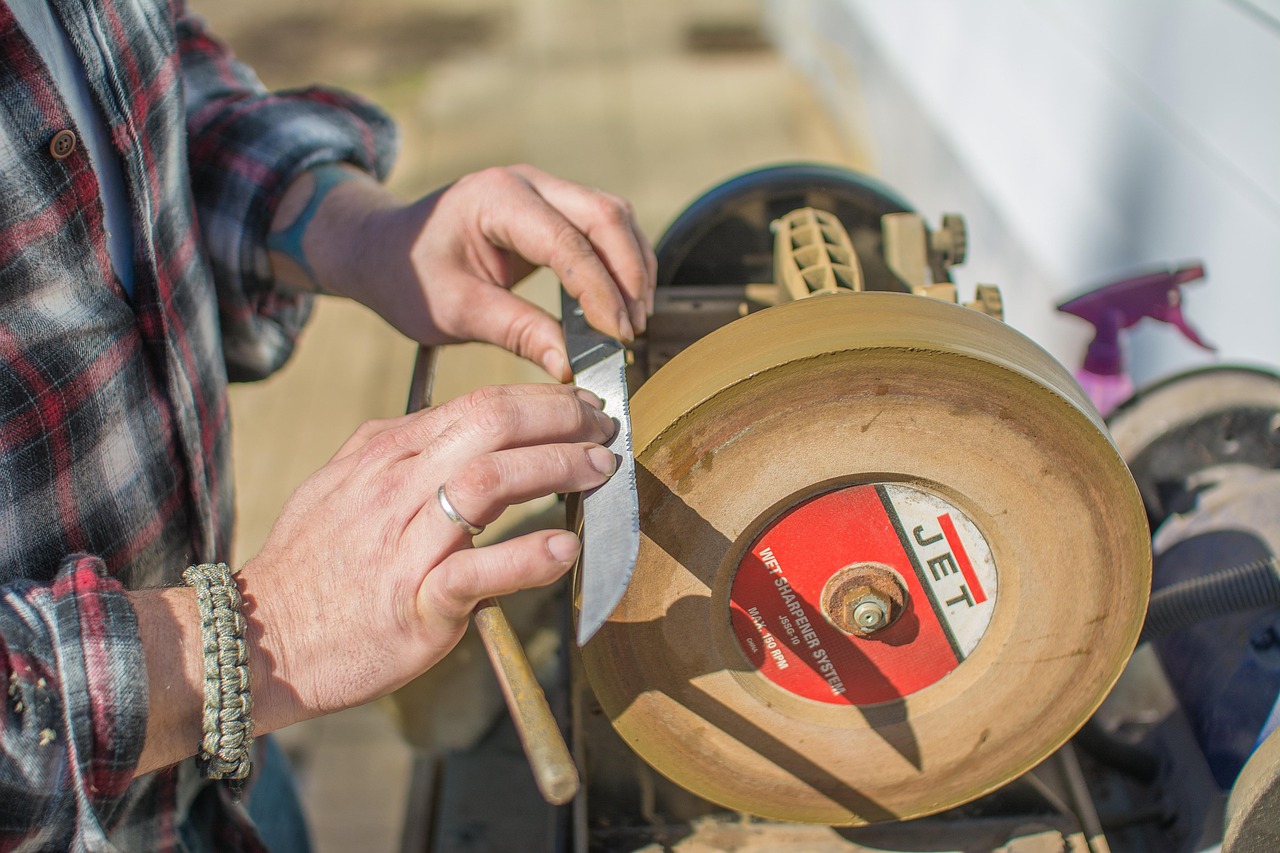
Understanding Your Wusthof Sharpener
Before you begin sharpening your kitchen knives, it is essential to identify which Wüsthof sharpening tool you own. Wüsthof manufactures several distinct styles, ranging from manual pull-through sharpeners to handheld whetstones and ceramic rods. Using the wrong technique for your specific device can damage your blade’s edge rather than restoring it.
Most Wüsthof manual pull-through sharpeners feature a multi-stage system designed for different levels of maintenance. These devices typically include two or three slots, each serving a specific function in the sharpening process:
- Coarse Stage: This slot contains abrasive components designed to remove small amounts of metal. Use this only if your knife is visibly dull or has minor nicks. It establishes a new, sharp edge profile.
- Fine Stage: This stage uses ceramic rods to hone the edge. It is intended for regular maintenance to realign the blade and keep it performing at its best.
If you are using a handheld stone or a ceramic honing rod, the process differs significantly. These tools do not have designated slots; instead, they require you to maintain a consistent angle—usually between 14 and 15 degrees for Wüsthof knives—manually. If you are unsure which tool you have, check the base of the unit for a model number or consult the original packaging.
Always ensure your sharpener is placed on a flat, stable, and non-slip surface before starting. Never force the knife through the slots; a gentle, consistent pressure is all that is required. If your pull-through sharpener has multiple slots, always start with the coarse stage (if necessary) and finish with the fine stage. This sequence ensures the blade is both sharp and polished. By understanding the specific capabilities of your device, you protect your investment and ensure your kitchen knives remain safe and effective tools for all your culinary tasks.
Safety First When Handling Sharp Blades
Achieving a razor-sharp edge on your kitchen knives is a rewarding task, but it requires your full attention. Before you begin using your Wüsthof knife sharpener, you must prioritize your physical safety to prevent accidental cuts or equipment damage.
Start by preparing your workspace. Always place the sharpener on a flat, stable, and non-slip surface. If your countertop is slick, place a damp kitchen towel or a silicone mat underneath the device to prevent it from sliding while you apply pressure. A stable base is the most effective way to maintain control throughout the sharpening process.
When handling your knives, follow these essential safety protocols:
- Maintain distance: Keep your fingers well away from the sharpening slots and the blade edge at all times. Grip the knife handle firmly, ensuring your knuckles are clear of the sharpener’s housing.
- Use gentle pressure: Never force the knife through the mechanism. Excessive force can cause the blade to slip out of the guide, potentially cutting your hand or damaging the internal sharpening elements.
- Steady motion: Pull the blade through the slots using a smooth, consistent motion. If the blade feels like it is catching or dragging, stop immediately and re-align the knife before trying again.
Your goal is to let the sharpening mechanism do the work. By applying only light, even pressure, you ensure that the abrasive elements effectively hone the steel without compromising the structural integrity of your blade. If you feel uncomfortable or if the knife is particularly dull, take your time and focus on maintaining a perpendicular angle to the sharpener base.
Remember that a sharp knife is safer than a dull one because it requires less force to cut through food, reducing the likelihood of a slip. However, the transition period—where your blade becomes increasingly sharp—is when most accidents occur. Stay alert, keep your workspace clear of clutter, and always move the knife away from your body during the sharpening strokes. By respecting the tool, you ensure a long life for your cutlery and a safe kitchen environment.
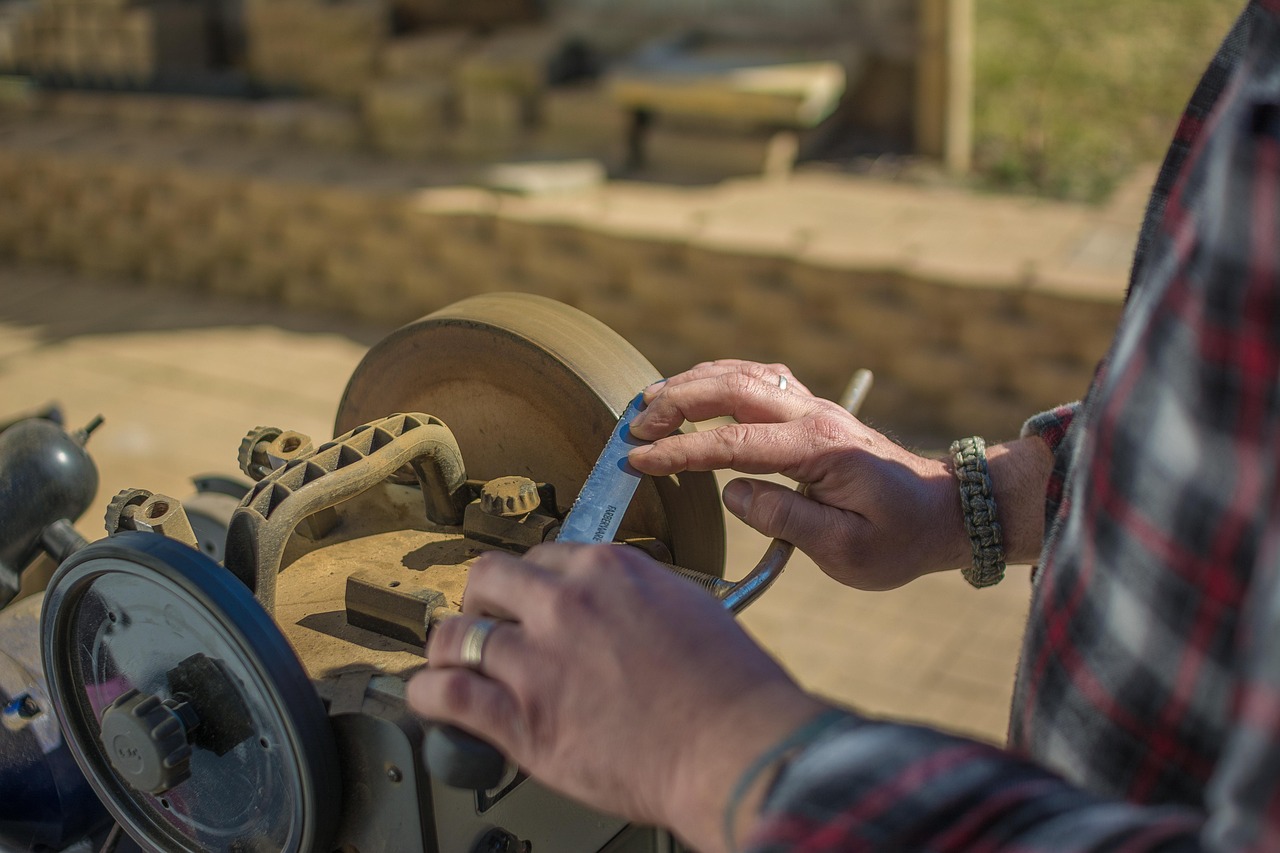
Step-by-Step Sharpening Process
Before you begin sharpening your Wüsthof knife, ensure the blade is completely clean and dry. Any residual grease, food particles, or moisture can interfere with the sharpening mechanism and potentially damage the abrasive components. Wipe the blade carefully with a soft cloth, moving from the spine toward the edge to avoid accidental cuts.
Once the knife is prepared, place the sharpener on a flat, stable surface. Grip the handle firmly with one hand while holding the sharpener steady with the other. Follow these steps for an effective edge:
- Insert the heel of the blade into the appropriate sharpening slot.
- Keep the knife perpendicular to the base of the sharpener throughout the entire motion.
- Apply light, consistent downward pressure—do not force the blade through the mechanism.
- Pull the blade toward you in one smooth, fluid motion, maintaining contact until the tip leaves the slot.
Repeat this process several times depending on the dullness of your blade. It is critical that you do not lift the knife or change the angle until the stroke is complete. Lifting mid-stroke can result in an uneven edge or cause the blade to snag against the internal components.
After completing the necessary passes, inspect the edge under good lighting. If you notice any burrs or metal shavings, wipe the blade clean again with a damp cloth before use. Always perform a test cut on a piece of paper or a soft vegetable to ensure the blade has reached your desired level of sharpness. If the knife still feels dull, repeat the process with a few more light, controlled passes.
Proper maintenance is the secret to a long-lasting edge. By using a light touch and maintaining a consistent angle, you protect the integrity of your Wüsthof steel while ensuring your kitchen tasks remain safe and efficient. Always store your sharpened knives in a block or on a magnetic strip to prevent the newly honed edge from contacting other metal utensils, which can cause premature dulling.
Refining the Edge
Once you have established a sharp edge using the coarse slot, it is time to refine the blade. If your Wüsthof sharpener includes a fine or honing stage, this step is essential for achieving a professional-grade finish. This process polishes the metal and removes microscopic burrs—the jagged metal fragments left behind by the initial sharpening process.
To refine the edge effectively, follow these steps:
- Place the heel of the knife into the fine-grit slot.
- Maintain the same steady, consistent pressure you used during the coarse stage.
- Pull the blade through the slot in one smooth, fluid motion from heel to tip.
- Repeat this process three to five times, ensuring the blade remains perpendicular to the base.
This final polishing stage is the secret to effortless kitchen preparation. A burr-free edge glides through delicate garden harvests, such as fresh basil, chives, or heirloom tomatoes, without tearing the plant fibers. When your knife is properly honed, you will notice a significant reduction in the resistance you feel while slicing, allowing for cleaner cuts that keep your herbs fresher for longer.
Always keep your fingers clear of the sharpening slots and ensure the sharpener is placed on a flat, non-slip surface before you begin. Because the fine stage removes very little material, you can use this honing function more frequently than the coarse stage. Incorporating this quick refinement into your routine before a heavy cooking session will keep your blades performing at their peak.
After you finish, carefully wipe the blade with a clean, dry cloth to remove any remaining metal dust. Never test the sharpness by running your finger along the edge; instead, perform a simple paper-slice test. If the knife cuts through a sheet of paper cleanly without snagging, your edge is perfectly refined and ready for use. Proper maintenance not only improves cutting precision but also extends the overall lifespan of your high-quality cutlery.

Maintenance and Troubleshooting
Once you have finished sharpening your Wusthof knife, it is essential to clean both the blade and the tool immediately. Even if the process appears clean, microscopic metal filings remain on the edge of the blade. Wipe the knife carefully from the spine toward the edge—never toward the blade—with a damp, lint-free cloth to remove these particles before the knife touches any food.
If your knife fails to regain its sharpness after several passes through the sharpener, do not force the process. Over-sharpening can remove unnecessary metal and damage the blade geometry. Instead, inspect the edge under a bright light for the following issues:
- Micro-chips: If you see small nicks or jagged spots along the edge, the blade has sustained damage that standard pull-through sharpeners cannot correct.
- Rolled edges: A blade that has folded over will not sharpen effectively until it is straightened.
- Deep dullness: If the edge is completely rounded, the knife likely requires professional grinding to restore the proper bevel angle.
In these cases, professional sharpening services are the safest and most effective solution. A professional can remove the damaged steel and reset the edge, providing a clean slate for your home maintenance routine.
Finally, remember that the sharpener itself requires care to remain effective. Metal dust and debris accumulate inside the sharpening slots over time, which can clog the abrasive components and lead to inconsistent results. Follow the manufacturer’s instructions to clean the device regularly. Typically, this involves using a soft brush or a blast of compressed air to clear the internal mechanism. Never submerge the sharpener in water unless specifically permitted by the manual, as moisture can cause internal corrosion. Keeping the sharpener clean ensures that every stroke provides the consistent, precise results you expect from your Wusthof cutlery.