How to Use a Linkyo Knife Sharpener for Garden Tools and Kitchen Blades
A sharp blade makes gardening tasks like pruning and harvesting safer and more efficient. This guide explains how to properly use a Linkyo knife sharpener to restore your tools to peak condition while prioritizing user safety. Keeping your equipment in top shape is essential for maintaining healthy plants and reducing physical strain during long sessions.
Achieving a professional-grade edge on your gardening shears or harvest knives does not require expensive equipment or years of experience. With the right technique, you can quickly revive dull blades right at home. Understanding your tool’s specific bevel and material is the first step toward achieving lasting sharpness and improved overall performance.
In the following sections, we break down the step-by-step process of preparing your Linkyo sharpener for optimal results. You will learn how to maintain the correct angle, apply consistent pressure, and test your blades for precision. Follow these practical tips to ensure your gardening tools remain reliable, effective, and safe for every season.
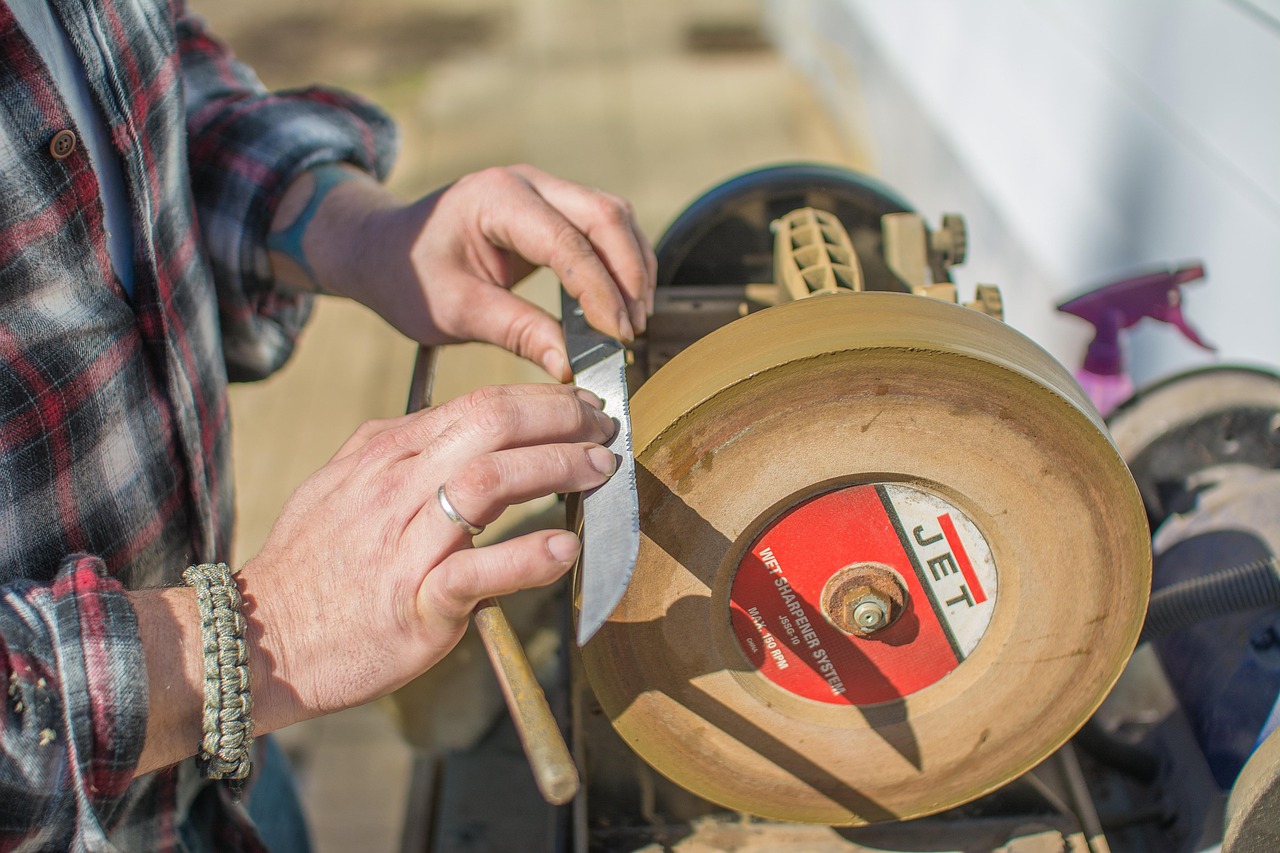
Understanding Your Linkyo Sharpener
To get the best results from your Linkyo knife sharpener, you must understand how its two-stage system works. Each slot is engineered for a specific purpose, and using them correctly is essential for maintaining your gardening tools and kitchen knives without removing unnecessary metal.
The device typically features two distinct slots, clearly labeled to guide your sharpening process:
- Stage 1 (Coarse): This slot is designed for aggressive sharpening. Use this only when your blade is dull, chipped, or has lost its factory edge. It uses harder abrasives to reshape the metal and create a new bevel. Because this stage removes a significant amount of material, you should use it sparingly.
- Stage 2 (Fine): This slot is for honing and polishing. After you have established a fresh edge in the coarse slot, move to this stage to smooth out burrs and refine the sharpness. This is also the ideal slot for regular maintenance, allowing you to touch up your blades before they become truly dull.
For the best results, always pull the blade through the sharpener in a smooth, consistent motion, moving from the heel of the blade to the tip. Never push the knife forward, as this can damage the sharpening rods or the blade itself. Maintain a light, even pressure; letting the sharpener do the work prevents you from grinding away too much steel.
If you are sharpening gardening shears or bypass pruners, ensure the blade is clean and free of sap or debris before you begin. Dirt and residue can clog the sharpening mechanism, reducing its effectiveness over time. By alternating between the coarse and fine slots only when necessary, you will extend the lifespan of your tools and ensure they remain safe and efficient for every task in your garden. Always test the edge on a scrap piece of paper after sharpening to ensure you have achieved the desired level of precision.
Essential Safety Precautions Before You Begin
Before you begin sharpening your gardening tools, prioritizing safety is essential. A sharp edge is a tool’s most effective state, but the process of restoring that edge requires focus and caution to prevent accidental injury.
The most important safety measure is to wear high-quality, cut-resistant gloves. While these gloves do not make you invincible, they provide a critical layer of protection against accidental slips or brushes with the sharpened blade. Always ensure your gloves fit snugly so they do not interfere with your grip or dexterity while handling the Linkyo sharpener.
Stability is equally vital. Before you start, place your sharpener on a flat, stable, and non-slip surface. A cluttered or uneven workspace can cause the unit to shift unexpectedly, leading to uneven sharpening or dangerous slips. If your workspace lacks grip, consider placing a damp paper towel or a silicone mat underneath the sharpener to lock it firmly in place.
To maintain a safe environment, adhere to these fundamental practices:
- Keep fingers clear: Always maintain a safe distance between your fingers and the blade edge. Never place your hands or fingers in the path of the sharpening slot.
- Maintain a firm grip: Hold the handle of your gardening tool securely, ensuring your knuckles are positioned away from the sharpening mechanism.
- Use steady pressure: Do not force the blade through the sharpener. Use smooth, consistent, and controlled strokes to achieve the desired edge without risking a sudden jerk.
- Focus on the task: Avoid distractions while sharpening. If you need to adjust your grip or check the progress of the blade, stop the motion entirely before moving your hands.
By treating the sharpening process with the same respect you give to your gardening shears or pruners, you ensure that your tools remain in peak condition without compromising your personal safety. Taking these few seconds to prepare your workstation and gear will make your maintenance routine both efficient and injury-free.
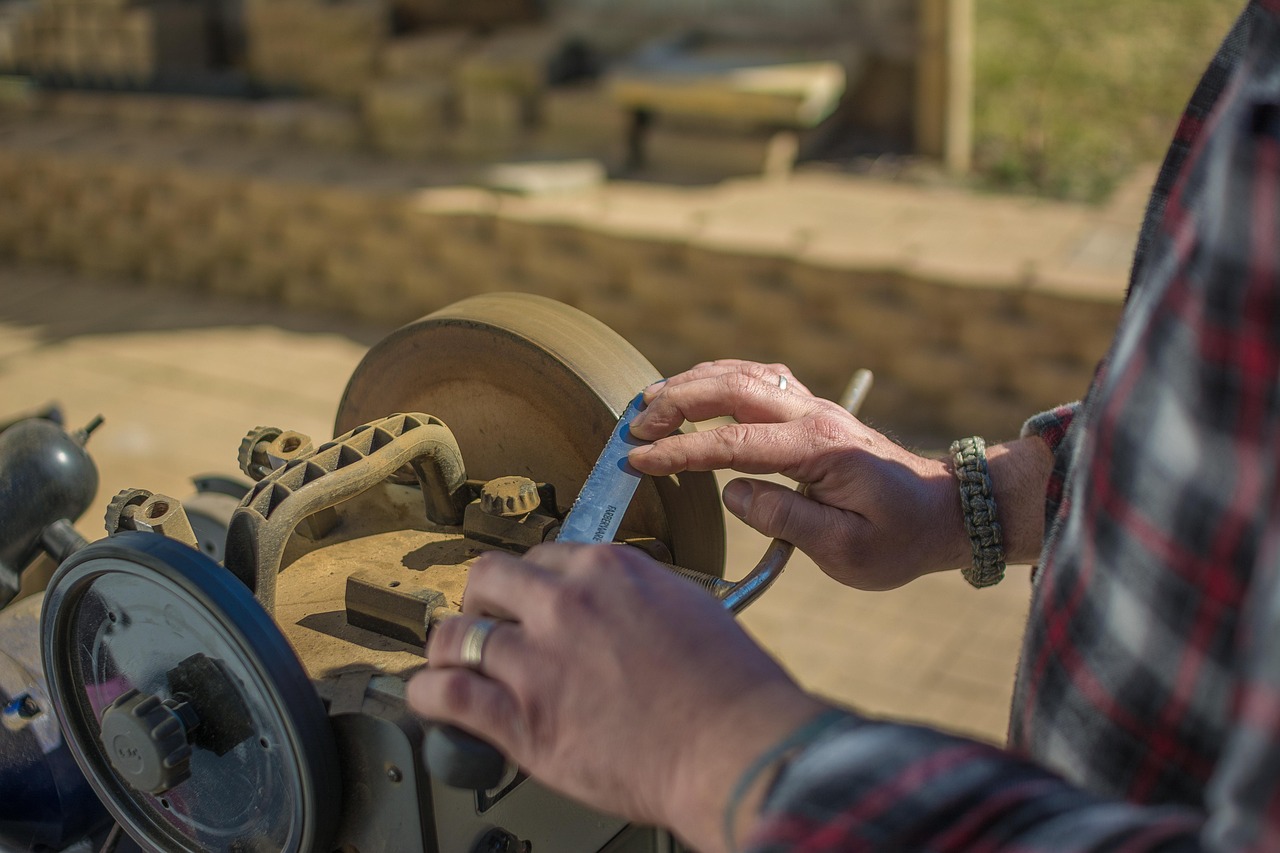
Step by Step Sharpening Process
Keeping your gardening tools sharp is essential for clean cuts that prevent plant disease and promote faster healing. A dull blade crushes stems rather than slicing through them, which can leave your plants vulnerable to infection. Using your Linkyo knife sharpener, you can restore your pruning shears or harvesting knives to professional-grade performance in just a few minutes.
To begin, ensure your blade is clean and dry. Place the sharpener on a stable, flat surface and hold it firmly with one hand. Follow these steps to achieve a precision edge:
- The Coarse Slot: Insert the heel of your blade—the part closest to the handle—into the coarse sharpening slot.
- Apply Pressure: Use light, consistent downward pressure. Do not force the blade, as excessive pressure can damage the metal.
- The Pull: Pull the blade straight back toward you in one smooth, fluid motion. Keep the blade perpendicular to the sharpener throughout the entire stroke.
- Repeat: Perform this pulling motion 5 to 10 times, depending on how dull the blade has become. Always pull in one direction; do not move the blade back and forth.
Once you have completed the coarse stage, move the blade to the fine ceramic slot. This stage is critical for honing the edge and removing any microscopic burrs created during the coarse process. Repeat the same pulling motion—using light pressure and a straight, consistent stroke—three to five times. This final step refines the edge, ensuring your tool glides through stems and branches with minimal resistance.
After sharpening, carefully wipe the blade with a clean cloth to remove any metal shavings before using it on your plants. A sharp tool requires less physical effort, reduces hand fatigue during long gardening sessions, and ensures your garden remains healthy and vibrant. Always store your sharpener in a dry place to prevent corrosion and maintain its effectiveness for future maintenance cycles.
Best Practices for Garden Tools
Maintaining your garden tools is essential for plant health. Dull blades crush plant stems rather than slicing through them cleanly, which leaves your shrubs and trees vulnerable to disease and pests. While a tool like the Linkyo knife sharpener is designed primarily for kitchen cutlery, it can be used on smaller garden equipment if you approach the process with care.
Garden tools, such as bypass loppers and pruning shears, differ significantly from kitchen knives. They often feature thicker steel, distinct bevel angles, and complex hinge mechanisms. Because these tools are bulkier, they may not fit into standard sharpening slots as easily as a chef’s knife.
Follow these steps to safely sharpen your garden tools:
- Disassemble when possible: If your bypass loppers have a central bolt, remove it to separate the blades. This provides better access to the cutting edge and prevents the tool’s handles from hitting the sharpener housing.
- Check the bevel: Most garden shears are single-beveled. Ensure the sharpened side of the blade is the only side making contact with the sharpening mechanism.
- Maintain the angle: Because garden tools are often thicker, you may need to tilt the blade slightly to ensure the edge aligns with the internal sharpening rods. Do not force the blade into the slot if it feels jammed; if the tool is too thick, the sharpener is not suitable for that specific implement.
- Clean before sharpening: Use a wire brush or steel wool to remove sap, rust, and dried debris from the blades first. A clean surface ensures a consistent edge and protects the sharpener’s components.
After sharpening, always wipe the blades down with a light coat of mineral oil. This prevents rust and ensures smooth operation for your next pruning session. If you find that your heavy-duty loppers are too wide for your sharpener, it is safer to use a manual sharpening stone to maintain the edge rather than risking damage to your device or the tool itself.

Maintenance and Troubleshooting Tips
Consistent maintenance is the secret to keeping your garden tools performing at their peak. A sharp blade makes cleaner cuts, which helps plants heal faster and reduces the risk of disease transmission. For most home gardeners, sharpening your shears and pruners once at the beginning of the season and once mid-season is sufficient. However, if you notice your tools are tearing stems rather than slicing through them, it is time to use your Linkyo sharpener.
After each use, your sharpener will likely accumulate fine metal filings. These particles can clog the abrasive components and reduce efficiency over time. To clean it, simply turn the unit upside down and gently tap it against a trash bin to dislodge loose debris. For a deeper clean, use a soft, dry brush or a blast of compressed air to clear out the sharpening slots. Never use water or liquid cleaners, as moisture can cause internal components to rust.
While manual sharpeners are excellent for routine honing, they are not designed to repair structural damage. You should inspect your blades carefully before starting:
- Check for damage: Run your thumb (carefully) along the blade to feel for deep nicks, large chips, or bent edges.
- Assess the depth: If a chip is visible to the naked eye or deeper than a standard scratch, a manual sharpener will not be able to grind enough metal away to restore the edge.
- Know when to outsource: For blades with significant structural damage, attempting to force a repair with a manual tool will only wear down your sharpener prematurely and potentially ruin the blade’s geometry.
In these cases, seek out a professional sharpening service. A professional has the heavy-duty grinding equipment required to remove enough material to create a new, functional edge. Once they have restored the blade’s integrity, you can resume using your Linkyo sharpener for regular touch-ups to keep the tool in top condition for years to come.