How to Use a Knife Sharpening Rod for Garden Tools
To use a knife sharpening rod, hold the rod firmly and draw your blade across it at a consistent twenty-degree angle from heel to tip. Repeat this motion several times on both sides to realign the metal edge. This essential technique keeps your gardening shears, pruners, and knives in top condition for every task.
Mastering this skill requires patience and steady hands, but it is far easier than using a traditional whetstone. While a sharpening rod is perfect for daily maintenance and honing, remember that it cannot repair severely damaged or chipped blades. Regular practice will help you maintain a razor-sharp edge throughout the entire growing season.
This guide explains how to safely hone your blades to ensure clean cuts, which promotes healthier plant growth and reduces the risk of disease spread in your garden. We will walk you through the proper grip, the ideal angle, and the safety precautions necessary to keep your favorite gardening tools performing at their absolute best.
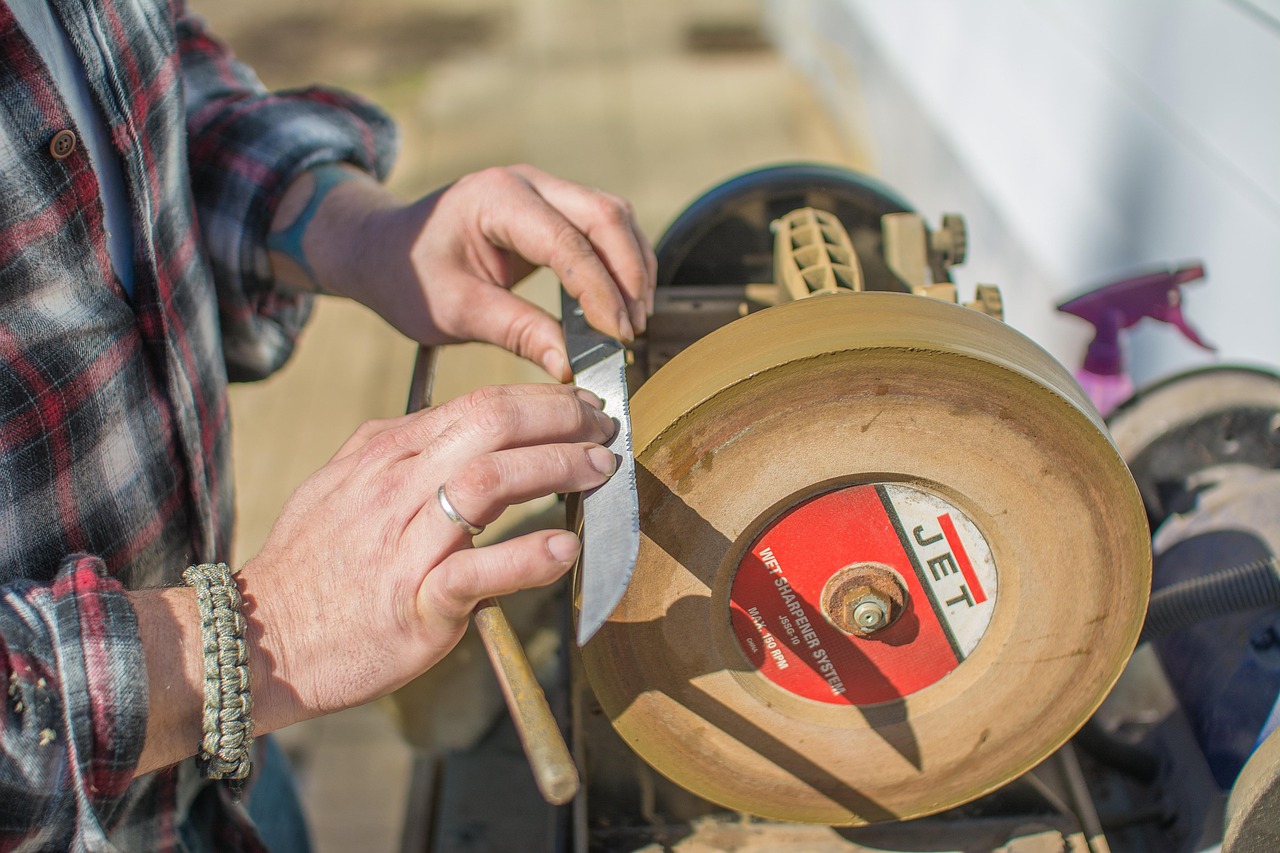
Understanding the Sharpening Rod
In the context of home gardening, your pruning shears, loppers, and harvest knives are essential tools that require consistent care. While many gardeners mistakenly believe a sharpening rod—often called a honing steel—is for grinding down metal, its true purpose is maintenance. Think of it as a tool for alignment rather than material removal.
Over time, the microscopic edge of a garden blade becomes slightly bent or “rolled” due to contact with tough stems, woody branches, or soil. A sharpening rod pushes this thin metal edge back into a straight, uniform line. Because it removes virtually no steel, you can use it frequently without shortening the lifespan of your expensive gardening equipment.
To keep your tools in peak condition, integrate the rod into your regular routine. Using it before or after a day in the garden ensures your cuts remain clean, which is vital for plant health. Sharp, clean cuts heal faster and prevent the crushing of delicate plant tissue, reducing the risk of disease transmission between your garden beds.
Follow these steps to effectively use your sharpening rod:
- Hold the rod firmly by the handle, keeping your fingers protected behind the guard.
- Position the blade against the rod at a 20-degree angle. This is roughly the angle of a standard garden blade.
- Apply light, consistent pressure as you draw the blade down the length of the rod in a sweeping motion.
- Repeat this motion three to five times on each side of the blade to ensure even alignment.
Remember that a honing steel is not a replacement for a whetstone or a file. If your blade is dull to the point of being rounded or chipped, it requires an intensive sharpening session to restore the edge geometry. Use the rod for maintenance to extend the time between these heavy-duty sharpening sessions, ensuring your tools stay ready for every pruning task throughout the growing season.
Essential Safety Precautions
Sharpening your garden tools requires focus and the right safety protocols. Because a sharp blade is essential for clean cuts that promote plant health, you must prioritize your physical safety during the maintenance process. Even a small slip can result in a significant injury, so never rush the sharpening task.
Before you begin, ensure your environment is set up for success:
- Wear cut-resistant gloves: Always wear high-quality, cut-resistant gloves. These provide a critical layer of protection against accidental slips and sharp edges.
- Maintain a stable workspace: Work on a flat, non-slip surface. If possible, secure your tool in a bench vise to keep it immobile, leaving your hands free to manage the sharpening rod safely.
- Clean and dry your tools: Remove all dirt, sap, and moisture from your shears or pruners before starting. A clean tool ensures the rod maintains proper contact with the metal and prevents slipping caused by debris.
The most important rule of using a sharpening rod is your hand positioning. Always move the rod or the blade in a direction that directs the edge away from your body and your fingers. If you are holding the rod, your fingers should remain well behind the guard or at a safe distance from the sharpening surface. Never pull the blade toward your hand or body, as a sudden slip can easily result in a deep laceration.
Finally, keep your workspace well-lit and free of distractions. If you feel tired or rushed, it is better to postpone maintenance until you can give the task your full attention. By following these simple precautions, you ensure that your garden tools remain in peak condition without compromising your personal safety. Taking these extra seconds to prepare properly makes the entire sharpening process more efficient and significantly less dangerous for home gardeners of all skill levels.

Step-by-Step Honing Technique
Keeping your gardening tools sharp is essential for clean cuts that promote plant health. A dull blade crushes plant stems, leaving them vulnerable to disease and rot. Using a honing rod regularly realigns the microscopic edge of your blade, keeping it cutting efficiently between heavy sharpenings.
Follow this technique to safely maintain your pruners, shears, and harvest knives:
- Stabilize the rod: Place the tip of the honing rod firmly onto a stable, non-slip surface, such as a wooden workbench or a thick cutting board. Hold the handle securely with your non-dominant hand to ensure it remains vertical and steady.
- Set the angle: Position the heel of your blade against the top of the rod. Tilt the blade to create a 20-degree angle between the steel and the rod. If you are unsure of the angle, imagine a 45-degree angle and then cut that distance in half.
- Execute the sweep: Maintaining that consistent 20-degree angle, pull the blade down the length of the rod in a smooth, sweeping motion. Move from the heel of the blade all the way to the tip as you draw it downward. Keep your fingers safely behind the blade edge at all times.
- Repeat for balance: Perform the same motion on the opposite side of the blade. It is crucial to alternate sides—left, then right—to ensure the edge remains centered and balanced.
Repeat this process five to ten times on each side. You do not need to apply heavy pressure; let the hardness of the rod do the work of realigning the metal. Once finished, wipe the blade clean with a dry cloth to remove any microscopic metal filings before returning to your garden. A sharp tool makes pruning more precise, requires less physical effort, and ensures your plants heal quickly after every cut.
Testing Your Blade for Sharpness
Once you have finished using your sharpening rod, you must verify the edge before returning to your gardening tasks. Never use your fingers or skin to test the sharpness of a blade, as even a dull-looking edge can cause deep, accidental lacerations. Instead, rely on simple, safe materials found around your home or potting shed.
The most effective way to test your blade is by using a piece of scrap cardboard or a thick, sturdy leaf, such as a hosta or a magnolia leaf. Hold the material firmly in one hand, keeping your fingers well away from the cutting path. With your other hand, make a controlled, deliberate slice through the material.
A properly honed blade should perform the following:
- Slice cleanly: The blade should glide through the material with minimal resistance.
- Maintain integrity: The edges of the cut should be smooth, not jagged or frayed.
- Avoid crushing: The material should not show signs of bruising or tearing at the entry point.
If you find that the blade is tearing the cardboard or crushing the leaf rather than slicing through it, the edge is likely still dull or has developed a “burr.” A burr is a thin, folded piece of metal that forms on the edge during sharpening; it can prevent the blade from cutting effectively. If you encounter this, return to your sharpening rod and perform a few lighter, alternating passes to realign the edge.
For gardening tools like pruners or shears, you can also test the tension by closing the blades on a single sheet of newspaper. If the tool is sharp and correctly adjusted, it should slice the paper cleanly without snagging. If it catches or folds the paper, continue refining your technique. Taking these extra moments to verify your edge ensures that your cuts are precise, which promotes faster healing and better overall health for your plants.
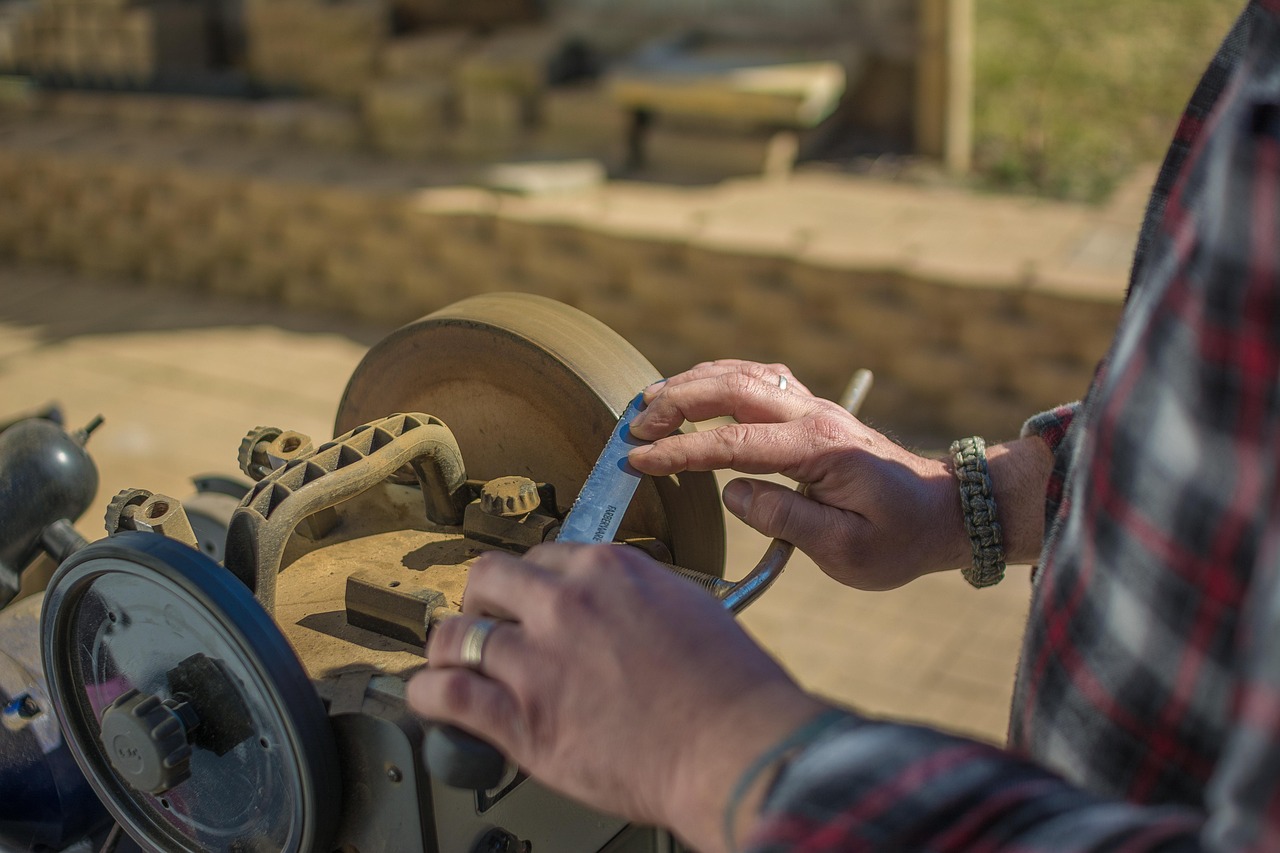
Maintenance and When to Seek Professional Help
Consistent maintenance is the secret to keeping your gardening tools in peak condition. A sharpening rod, or honing steel, is designed to realign the microscopic edge of your blade, not to remove significant amounts of metal. For most gardeners, honing your bypass pruners or shears before every use—or at least once a week during the active growing season—is sufficient to maintain a clean, precise cut.
Proper care of the rod itself ensures its longevity and effectiveness. After each use, wipe the rod down with a soft, dry cloth to remove any fine metal particles or sap residue. If the rod becomes heavily soiled, clean it with a mild dish soap and warm water, then dry it thoroughly immediately to prevent oxidation. Never store a damp sharpening rod, as moisture can compromise the integrity of the surface.
While a sharpening rod is excellent for routine maintenance, it has physical limitations. It is a tool for alignment, not for heavy-duty material removal. You should stop using the rod and seek professional assistance if you encounter the following:
- Deep Nicks or Chips: If the blade edge has visible indentations from hitting stones or wire, a rod cannot bridge these gaps. These require professional grinding to restore a smooth edge.
- Severe Dullness: If the blade requires excessive force to cut through a thin stem, the edge geometry is likely worn down. A professional can re-establish the correct bevel angle.
- Structural Damage: If the blade is bent, cracked, or the pivot point is seized, attempting to sharpen it is ineffective and potentially unsafe.
Recognizing when a tool is beyond the scope of home maintenance is essential for safety. Attempting to force a severely damaged blade to cut can lead to slipping and injury. If your garden shears are not responding to a few passes on the honing rod, it is time to consult a professional sharpener or consider replacing the blade to ensure your gardening remains efficient and injury-free.
