How to Use a Cutco Knife Sharpener Correctly and Safely
Keeping your kitchen knives sharp is essential for safe and efficient food preparation. This guide explains how to properly use the official Cutco knife sharpener to maintain your blades, ensuring they stay in top condition for years of home cooking. Proper tool maintenance is the foundation of every successful kitchen and gardening routine.
While many home gardeners and cooks invest in high-quality cutlery, even the best blades eventually lose their edge through regular use. Understanding how to operate your specific sharpening tool correctly is vital to prevent unnecessary damage to the metal. Consistency is key, as frequent light maintenance is always superior to aggressive, infrequent sharpening sessions.
In the following sections, we will walk you through the precise steps required to achieve professional-level results at home. You will learn the correct positioning, pressure, and techniques needed to restore your knives safely. By mastering these simple steps, you can extend the lifespan of your favorite tools and improve your overall kitchen efficiency.
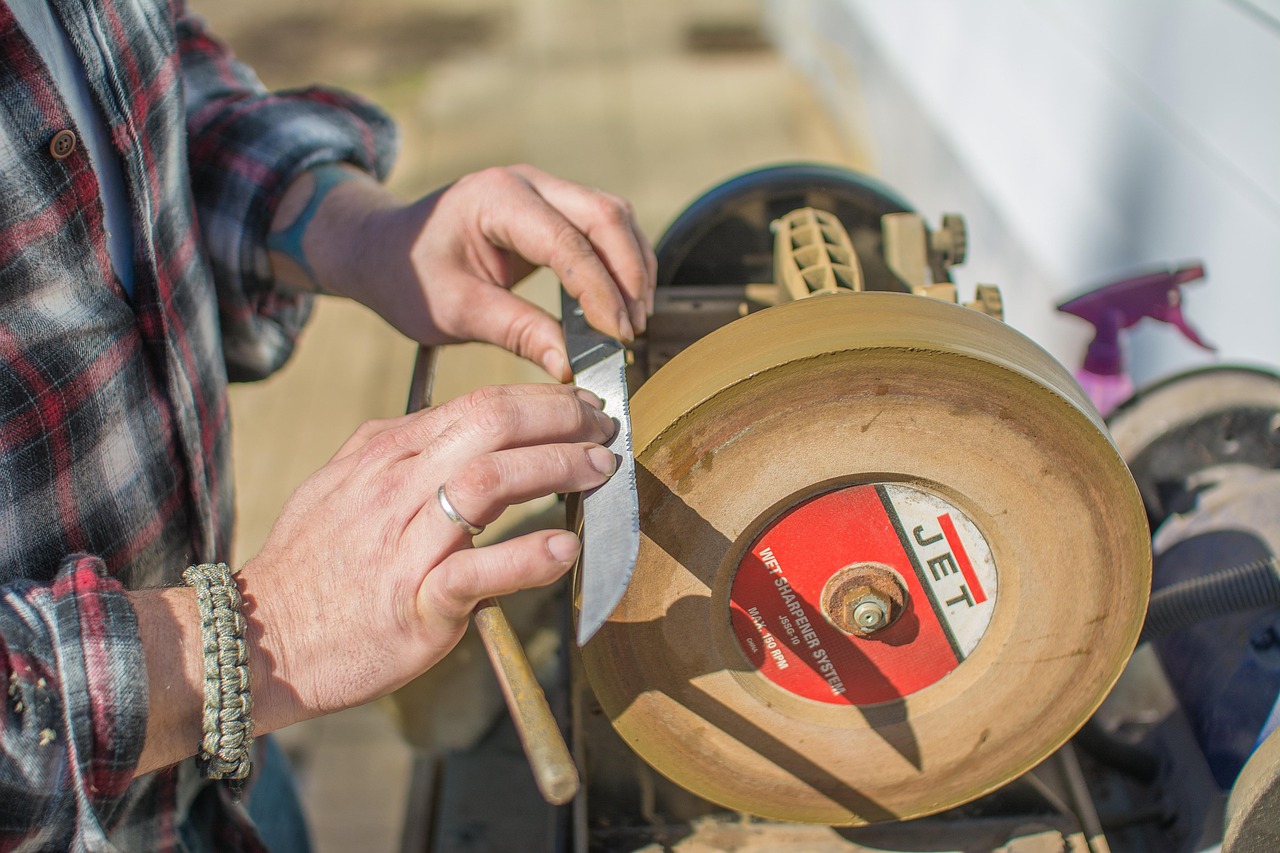
Understanding Your Cutco Sharpener
The Cutco sharpener is a specialized pull-through tool engineered to maintain the unique geometry of Cutco cutlery. Unlike universal sharpening stones or honing rods, this device is precision-calibrated to work exclusively with two specific blade profiles: the signature Double-D recessed edge and standard straight-edge blades.
Because the Double-D edge features recessed cutting surfaces, standard sharpeners will often damage or dull the blade rather than restore it. The Cutco sharpener uses specific slots designed to navigate these recesses without grinding away the sharpened points. Similarly, the straight-edge slot is optimized for the specific bevel angle used on Cutco kitchen knives.
To ensure you are using the device safely and effectively, keep these operational guidelines in mind:
- Identify the slots: The sharpener is clearly labeled. Always match your blade type to the corresponding slot indicated on the housing.
- Avoid serrated blades: This tool is not designed for traditional serrated bread knives, which feature large, pointed teeth. Using the sharpener on these blades can cause irreversible damage to both the knife and the sharpening mechanism.
- Check the markings: Always inspect the base or side of your specific sharpener model. Manufacturers occasionally update designs; if your device does not explicitly list a blade type, do not attempt to force it through the mechanism.
- Maintain consistent pressure: When pulling the blade through the sharpener, use light, even pressure. Let the tool do the work rather than pushing down heavily, which can cause the blade to skip or chip the edge.
Before beginning, take a moment to read the manufacturer’s markings printed directly on the sharpener’s casing. These instructions are the final authority for your specific model. By respecting the intended design of the tool, you prevent accidental damage to your cutlery and ensure your blades remain sharp for years of gardening, harvesting, and kitchen preparation tasks.
Essential Safety Precautions
Achieving a razor-sharp edge on your kitchen knives requires more than just the right tool; it demands a focus on safety. Because sharpening involves metal-on-metal friction and high-pressure movements, even a small lapse in concentration can lead to injury. Before you begin using your Cutco knife sharpener, prioritize these essential precautions.
The foundation of safe sharpening is your workspace. Always place the sharpener on a stable, flat, and non-slip surface, such as a sturdy kitchen island or countertop. If the device wobbles or slides while you are pulling the blade through, you lose control of the knife’s trajectory. A secure base ensures that your energy is directed entirely into the sharpening process rather than stabilizing the tool.
Maintaining proper hand placement is equally critical. Use the following guidelines to protect your fingers during every pass:
- Keep fingers clear: Ensure your fingers remain firmly behind the protective guard of the sharpener at all times. Never allow your digits to cross the path of the sharpening slots.
- Maintain a firm grip: Hold the knife handle with a strong, confident grip. A loose handle can cause the blade to tilt or slip, which may damage the knife’s edge or lead to a slip.
- Use steady pressure: Apply consistent, downward pressure without forcing the blade. Let the sharpening mechanism do the work.
If you are new to knife maintenance or feel uncomfortable handling exposed blades, consider wearing cut-resistant gloves. These specialized gloves provide an extra layer of protection against accidental nicks or slips while you develop your technique. Remember, a sharp knife is safer than a dull one because it requires less force to cut, but the process of sharpening itself carries inherent risks. By creating a stable environment and respecting the blade’s edge, you can effectively maintain your cutlery while keeping your hands safe from harm. Always take your time; rushing is the most common cause of preventable kitchen accidents.
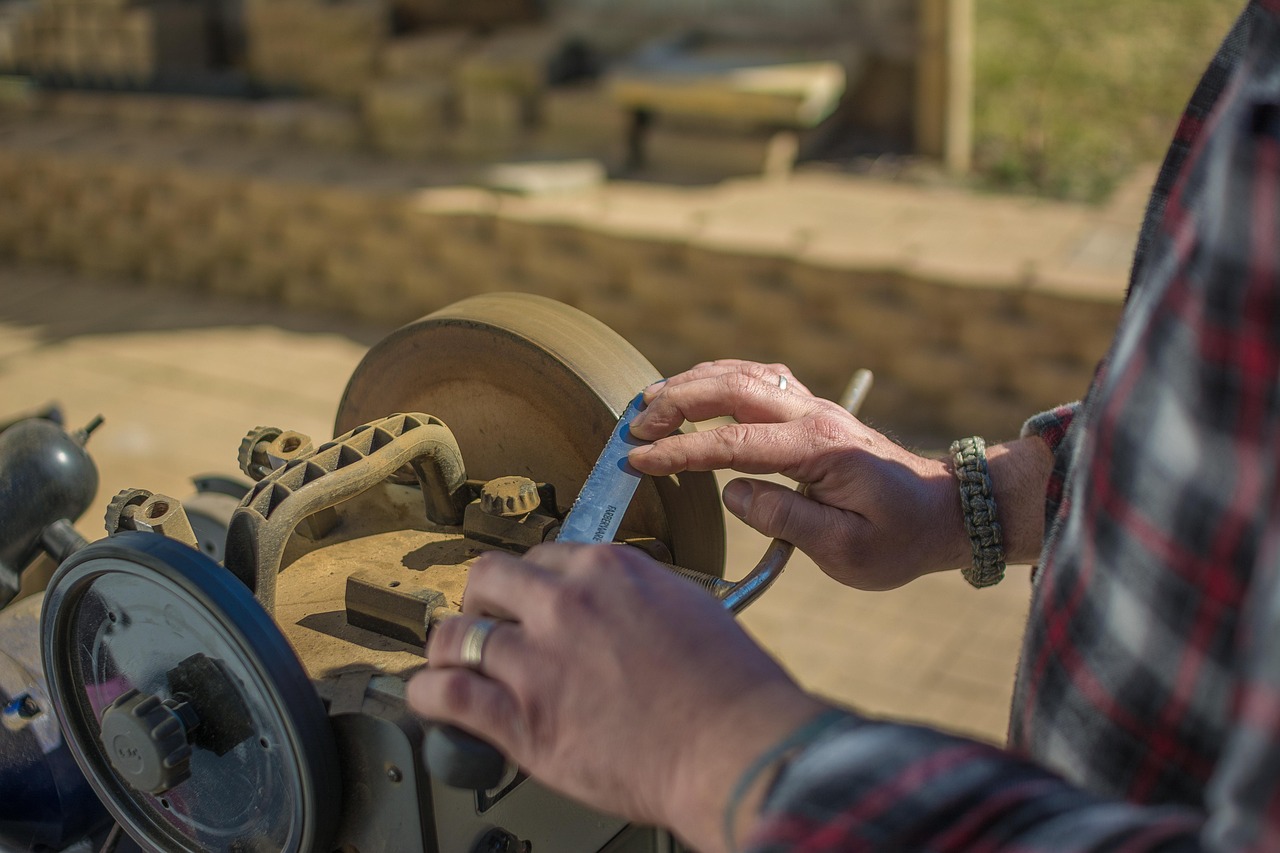
Step-by-Step Sharpening Process
Achieving a razor-sharp edge on your kitchen knives is essential for precision gardening tasks, such as harvesting herbs or trimming delicate plant stems. Proper maintenance ensures clean cuts that promote plant health and prevent unnecessary damage to your greenery.
To begin, place your Cutco knife sharpener on a flat, stable, and non-slip surface. Ensure the device is positioned securely so it does not shift while you are working. A steady base is the foundation of safe and effective sharpening.
Follow these steps to restore your blade:
- Identify the correct slot on the sharpener designed for your specific knife type.
- Insert the heel of the knife blade—the part closest to the handle—into the slot.
- Maintain a level position, keeping the blade perpendicular to the sharpener.
- Pull the knife toward you in a smooth, fluid motion, using only light, consistent pressure.
It is a common mistake to press down too hard, thinking that more force will speed up the process. In reality, heavy-handedness can damage the blade’s edge or cause the knife to slip, creating a significant safety hazard. Instead, focus on control and repetition.
Multiple light passes are far safer and more effective than a single, aggressive stroke. By using gentle pressure, you allow the sharpening mechanism to gradually refine the metal edge. Continue pulling the knife through the slot until you achieve the desired sharpness. Typically, three to five controlled passes are sufficient for a standard touch-up.
After sharpening, always wipe the blade clean with a damp cloth to remove any microscopic metal filings. This prevents debris from transferring to your plants during pruning or harvesting. Once clean and dry, your knife is ready to return to your gardening toolkit, providing the clean, surgical cuts necessary for healthy plant maintenance. Remember to store your sharpened tools safely to protect both the edge and your hands during future use.
Testing and Finishing Your Blade
Once you have finished using your Cutco sharpener, it is time to verify the results. Never use your finger to test the edge of a blade, as even a dull knife can cause a deep, painful laceration. Instead, use a controlled, safe method to gauge the sharpness of your edge.
The paper test is the industry standard for home gardeners and kitchen enthusiasts alike. Hold a standard sheet of printer paper vertically by one edge. With the knife held at a slight angle, attempt to slice downward through the paper in one smooth, continuous motion. A properly sharpened blade will glide through the paper without tearing or catching. If the knife snags or rips the paper, you may need to repeat the sharpening process.
Alternatively, you can test the blade on a firm vegetable, such as a carrot or a cucumber. A sharp knife should slice through the vegetable with minimal downward pressure. If you find yourself pushing hard to get through the skin, the edge is not yet optimized.
Once you are satisfied with the sharpness, you must clean the blade thoroughly before returning to your gardening tasks or kitchen prep. The sharpening process inevitably creates microscopic metal shavings and debris that can contaminate your food or soil. Follow these steps for a safe finish:
- Dampen a soft, clean cloth or paper towel with warm water and a drop of mild dish soap.
- Wipe the blade carefully, moving from the spine toward the edge. Never run your fingers directly along the sharp edge during this process.
- Rinse the blade under running water to remove any remaining particles.
- Dry the knife immediately with a separate, lint-free towel to prevent water spots or potential oxidation.
By taking these final steps, you ensure that your tools remain in peak condition and that your workspace stays clean and safe. A well-maintained blade is the foundation of efficient gardening and precise culinary work.

Maintenance and When to Seek Professional Help
Consistent maintenance is the secret to keeping your kitchen tools in peak condition. For most home cooks, sharpening your knives every few months is sufficient. If you notice your blade struggling to slice through a tomato skin or tearing delicate herbs from your garden, it is time for a quick touch-up.
To keep your sharpener functioning correctly, follow these simple cleaning steps:
- After each use, gently wipe the sharpening slots with a soft, dry cloth to remove any fine metal shavings.
- Avoid using water or harsh chemical cleaners, as moisture can lead to corrosion inside the mechanism.
- Store the device in a cool, dry place to prevent debris buildup.
While home sharpening is excellent for routine maintenance, there are limits to what a handheld device can achieve. If you notice deep chips in the blade, a bent tip, or if the edge has become severely rounded from years of improper sharpening, a manual tool will not suffice. Attempting to force a severely damaged knife through a standard sharpener can actually cause more harm to the steel.
When a blade is beyond the scope of home care, it is time to utilize the Cutco factory sharpening service. Professional technicians have the specialized equipment required to regrind the edge, remove deep imperfections, and restore the factory geometry of the blade. This service is particularly important for Double-D® recessed edges, which require specific expertise to maintain properly without altering the serration pattern.
Think of home sharpening as your daily or weekly maintenance routine, similar to watering your garden plants, while professional service acts as the deep restoration needed for long-term longevity. By combining regular at-home care with professional intervention when necessary, you ensure your knives remain safe, efficient, and reliable for years to come. Always prioritize safety; a sharp knife is a predictable knife, but a damaged blade should be handled with extreme caution until it has been professionally serviced.