How to Use a Baccarat Knife Sharpener for Precision Garden Tool Maintenance
To use a Baccarat knife sharpener, simply place the blade into the designated slot and pull it toward you with light, consistent pressure. This essential tool ensures your knives remain razor-sharp for clean, precise cuts in the garden, which prevents unnecessary plant damage and the spread of harmful diseases during pruning or harvesting tasks.
Maintaining sharp edges is a fundamental aspect of responsible plant care, yet many gardeners overlook the importance of tool maintenance. While a Baccarat sharpener offers a convenient, user-friendly solution for your blades, it is important to remember that consistent, gentle honing is always superior to aggressive grinding. Regular care extends your equipment’s lifespan significantly.
This guide provides clear, practical instructions on how to safely and effectively use your Baccarat sharpener for both kitchen and gardening blades. We will walk you through the proper technique to achieve a professional edge, ensuring your tools remain in peak condition for every task, whether you are harvesting vegetables or pruning delicate garden shrubs.
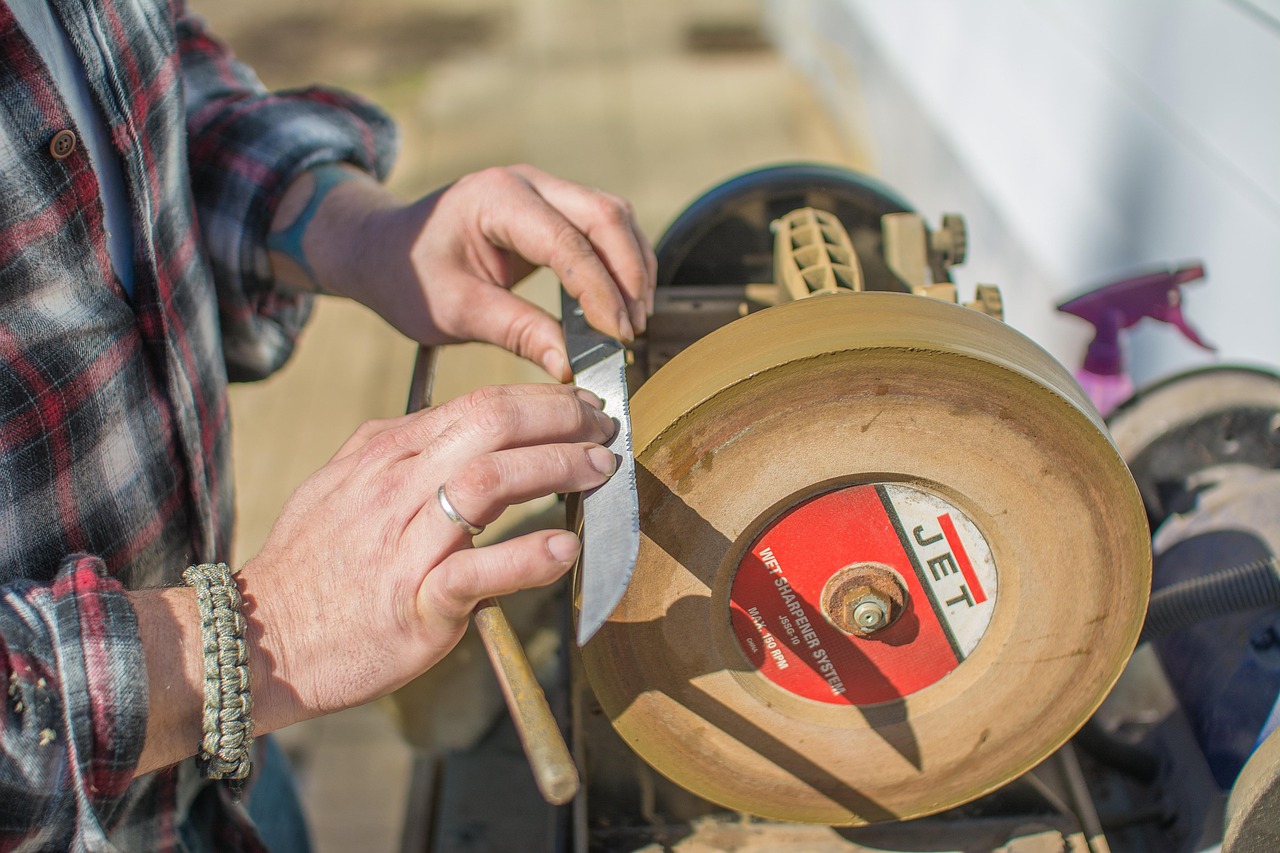
Understanding Your Baccarat Sharpener
A Baccarat knife sharpener is a precision tool designed to extend the life of your kitchen cutlery by maintaining a consistent edge angle. Most models feature a multi-stage system that allows you to restore dull blades through a controlled, two-step process. Understanding how these stages function is essential to prevent unnecessary metal removal and keep your knives performing at their best.
The sharpener typically consists of two distinct slots, each serving a specific purpose in the maintenance cycle:
- Coarse Slot (Stage 1): This slot uses abrasive wheels to reshape the edge of a blade that has become blunt or developed minor nicks. It removes a small amount of metal to redefine the bevel. Use this stage only when your knife no longer cuts through food cleanly.
- Fine Slot (Stage 2): This stage is designed for honing and polishing. It smooths out the microscopic burrs left behind by the coarse slot, refining the edge for a razor-sharp finish. This stage should be used regularly to maintain sharpness between heavy-duty sessions.
Using these stages correctly requires a steady hand and a focus on safety. Always place the sharpener on a flat, stable surface and hold the handle firmly. When inserting your knife, ensure the blade is positioned vertically within the slot. Apply light, consistent pressure as you pull the blade toward you; never push the knife away from your body while it is engaged with the sharpening wheels.
Avoid the common mistake of over-sharpening. If your knife is still cutting well, you likely only need the fine slot to hone the edge. By reserving the coarse slot for truly dull blades, you preserve the structural integrity of your knife and significantly extend its lifespan. Always wipe the blade clean with a damp cloth after sharpening to remove any metal filings before using it on food. This simple routine ensures your kitchen tools remain safe, efficient, and ready for any culinary task.
Essential Safety Precautions Before You Begin
Sharpening your gardening tools and kitchen knives is an essential part of home maintenance, but it requires your full attention. Before you begin using your Baccarat knife sharpener, you must prioritize safety to prevent accidental cuts and ensure the longevity of your blades.
Always set up your workspace on a stable, flat, and non-slip surface. A wobbly table or an uneven countertop can cause the sharpener to shift during the process, leading to inconsistent results or potential injury. Ensure your area is well-lit so you can clearly see the alignment of the blade within the sharpening slots.
Follow these core safety protocols every time you sharpen:
- Keep fingers clear: Never place your fingers near the sharpening slots or the blade edge. Hold the handle of the knife firmly, keeping your knuckles away from the device.
- Use protective gear: If you are a beginner or feel uneasy handling sharp steel, wear cut-resistant gloves. These provide an extra layer of defense against accidental slips.
- Prepare the blade: Before inserting the knife, ensure the blade is completely clean and dry. Residue, oil, or water on the metal can cause the knife to slip inside the guide, which may damage the blade or cause you to lose control.
- Maintain a steady grip: Use a firm, controlled motion when pulling the knife through the sharpener. Do not force the blade; let the sharpening mechanism do the work.
Taking these precautions protects your hands and preserves the integrity of your tools. By maintaining a clean, stable environment, you turn a potentially hazardous task into a safe, routine part of your home care regimen. If at any point you feel the knife is not seating correctly in the sharpener, stop immediately, remove the blade, and re-evaluate your positioning before attempting another pass. Never rush the process; precision is the key to both a razor-sharp edge and personal safety.
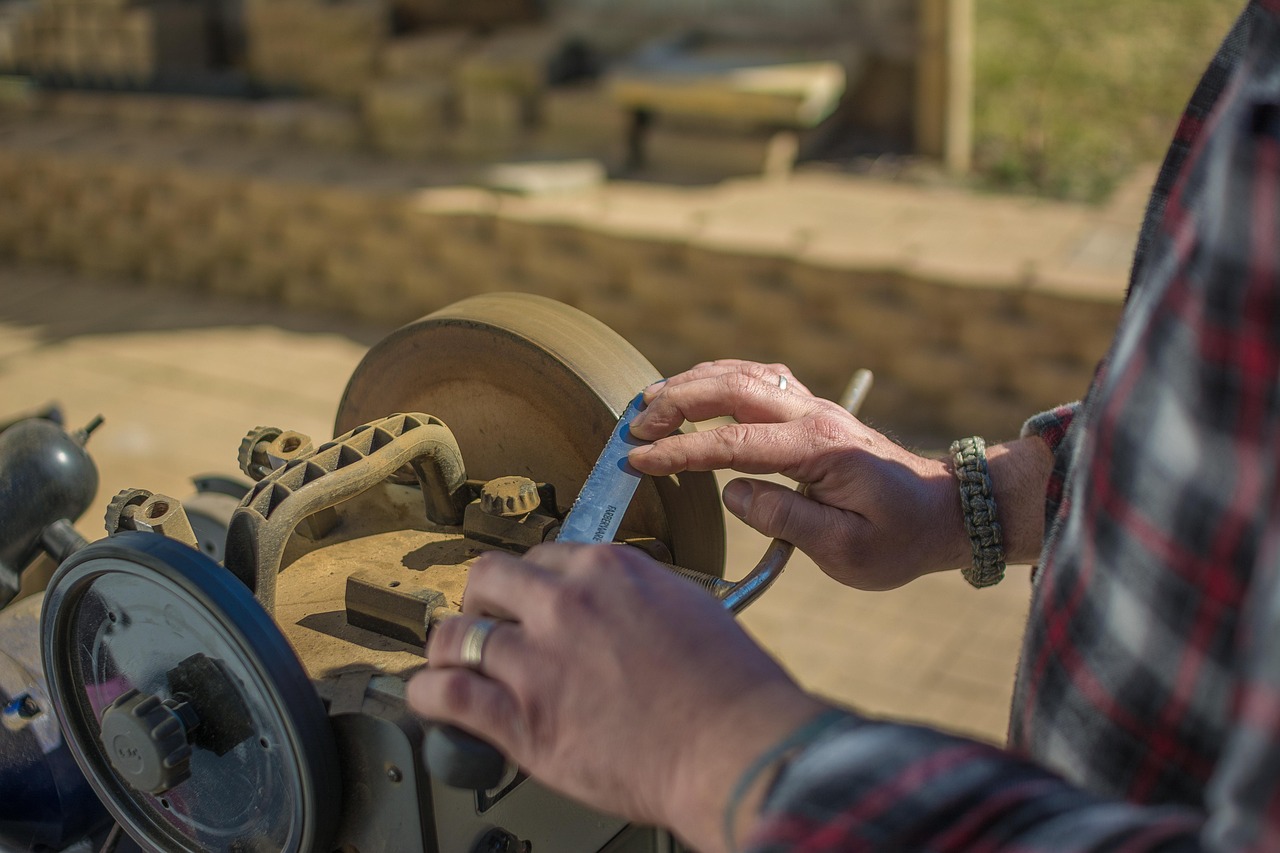
Step-by-Step Sharpening Process
Using a Baccarat knife sharpener effectively requires a steady hand and a focus on safety. Before you begin, ensure the sharpener is placed on a flat, stable surface to prevent slipping. Always keep your fingers clear of the blade’s edge throughout the entire process.
Follow these steps to restore your knife’s edge:
- Coarse Sharpening: Place the heel of your knife blade into the coarse slot. Apply gentle, consistent downward pressure and pull the blade straight back toward you in one smooth, continuous motion. Repeat this process three to five times.
- Fine Honing: Once the edge is reshaped, move the blade to the fine slot. Repeat the same smooth, backward pulling motion three to five times to hone the edge and remove any remaining burrs.
Consistency is key to maintaining a uniform edge along the entire length of the blade. Ensure you are pulling the knife straight back; tilting the blade to the side can result in an uneven sharpen or damage the internal sharpening elements.
Crucially, never push the knife forward into the sharpener. Pushing the blade forward can cause the sharp edge to catch on the internal components, which may chip your knife or permanently damage the sharpening tool. Always lift the knife out of the slot at the end of each backward stroke before repositioning it for the next pass.
After completing the process, carefully wipe the blade with a damp cloth to remove any fine metal shavings created during sharpening. Dry the blade immediately with a clean towel to prevent corrosion. Test the sharpness by slicing through a piece of paper; the blade should glide through cleanly without tearing. If you feel resistance, repeat the fine honing step once more. Regular maintenance using this method will keep your kitchen knives performing at their best, making your food preparation safer and more efficient.
Testing and Finishing Your Blade
Once you have finished sharpening your garden knife, the final steps are critical for both your safety and the longevity of your tools. A freshly sharpened blade will have microscopic metal filings—known as a burr—clinging to the edge. These must be removed before you use the knife on delicate plant stems or woody shrubs.
Start by taking a clean, damp cloth and carefully wiping the blade from the spine toward the edge. Be extremely cautious during this process, as even a dull knife can cause accidental cuts. Ensure you remove all metal debris, as leftover filings can cause corrosion or contaminate the plant tissue when you perform your next pruning task.
To verify the effectiveness of your Baccarat sharpener, perform a simple paper test:
- Hold a single sheet of standard printer paper vertically in one hand.
- With your other hand, attempt to slice downward through the paper using the knife.
- A properly sharpened blade will glide through the paper cleanly without snagging or tearing the edges.
- If the knife tears the paper, repeat the sharpening process with a few light passes.
Never attempt to test the sharpness of your blade by running a finger along the edge. Even if the knife feels dull, it can easily break skin. Rely on the paper test to gauge your progress safely.
Once you are satisfied with the edge, wash the blade with mild dish soap and warm water to remove any remaining residue. Dry the knife immediately and thoroughly with a lint-free towel to prevent rust. Moisture is the primary enemy of garden tools, so ensuring the blade is completely bone-dry before returning it to your tool kit is essential. Proper maintenance ensures your knife stays ready for your next day in the garden, allowing for clean, healthy cuts that promote faster plant healing and prevent disease transmission.

Maintenance and When to Seek Professional Help
Maintaining your Baccarat knife sharpener is essential for ensuring both the longevity of your kitchen tools and the safety of your food preparation. After every use, gently tap the sharpener against a hard surface or use a soft, dry brush to dislodge the fine metal dust that accumulates within the slots. Allowing these microscopic metal shavings to build up can clog the mechanism, causing the abrasive surfaces to become less effective and potentially damaging your blade’s edge over time.
While regular maintenance keeps your blades in top shape, it is important to recognize when a manual sharpener has reached its limitations. A Baccarat sharpener is designed for routine edge refinement, not major structural repair. You should seek professional sharpening services if you notice any of the following:
- Deep chips or visible nicks along the cutting edge.
- A severely bent or rolled tip that cannot be straightened.
- A blade that has become so dull that the sharpener cannot “catch” or create a burr after several passes.
- Signs of heavy rust or corrosion that have pitted the metal surface.
Attempting to fix major damage with a manual sharpener often results in unnecessary metal removal, which shortens the overall lifespan of your knife. Professional sharpeners have the specialized equipment, such as water-cooled grinding wheels, to reprofile a damaged edge without overheating or ruining the temper of the steel.
Consistency is the secret to tool longevity. Rather than waiting for your knives to become completely dull, adopt a habit of light, regular honing. Frequent, gentle maintenance keeps the edge aligned and sharp, requiring far less effort than aggressive, infrequent sharpening sessions. By keeping your equipment clean and knowing when to call in an expert, you protect your investment and ensure that your knives remain safe and reliable for years to come. Always remember that a sharp knife is a predictable knife, making your time in the kitchen both more efficient and significantly safer.
