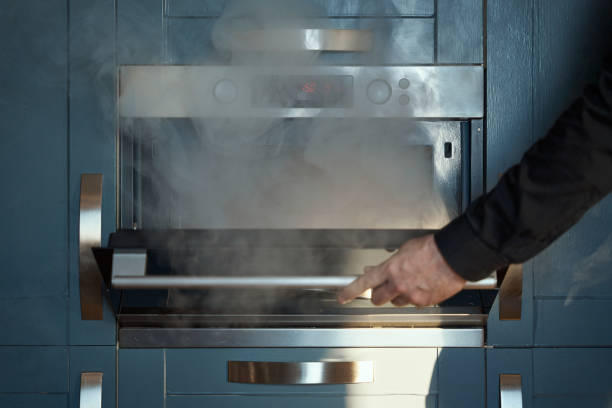
How To Remove Grease Stains From Oven
Tackling grease stains in your oven doesn’t have to be a chore. Whether it’s built-up splatters or stubborn baked-on residue, we’ve got the simple, effective solutions you’re looking for. From common household items to store-bought cleaners, this guide walks you through quick, safe methods that actually work. Say goodbye to grime and hello to a sparkling oven—without the frustration.
Understanding Grease Stains in Your Oven
What Causes Grease Buildup in Ovens?
Grease buildup in ovens primarily results from frequent cooking at high temperatures, especially when roasting, broiling, or baking fatty foods. Every time oil or fat splatters during cooking, it adheres to oven walls, racks, and the ceiling.
Over time, repeated exposure to heat causes these residues to polymerize and harden, forming a sticky, dark layer. Spills that aren’t wiped immediately worsen the problem, and self-cleaning cycles may not fully eliminate thick deposits. Using uncovered dishes or improper cookware increases splatter.
Even steam from cooking can carry microscopic grease particles that settle inside the oven. Preventing buildup starts with immediate cleanup after spills and using oven liners or drip trays to catch excess grease before it bakes on.
Types of Oven Grease Stains
Oven grease stains vary based on cooking frequency, food types, and temperature exposure. Fresh grease is typically light-colored and oily, easily wiped with a damp cloth if caught early. After repeated heating, it turns into baked-on residue—dark, sticky, and stubborn.
Long-term neglect leads to carbonized grease, a black, tar-like coating that resists most cleaners. Some stains mix with food particles, forming a crusty film, while others absorb odors and smoke during baking. Self-cleaning ovens may reduce some buildup but often leave behind residue in crevices.
Recognizing the type helps choose the right cleaning method: mild detergents for fresh grease, baking soda pastes or commercial degreasers for baked-on, and extended soaking for carbonized layers.
Why Grease Stains Are Difficult to Remove
Grease stains become tough to remove because high oven temperatures cause fats to chemically bond with metal and enamel surfaces. This process, known as polymerization, transforms liquid oil into a durable, plastic-like coating that resists water and standard cleaners.
Additionally, layers accumulate over time, trapping food debris and smoke residues that deepen discoloration. Most household cleaners lack the alkaline strength needed to break down these complex bonds. Scrubbing alone is often ineffective and may damage oven surfaces. The confined space and hard-to-reach corners further complicate cleaning.
Heat reactivates old grease, making it spread during cleaning if not properly contained. Effective removal requires chemical breakdown agents like baking soda, vinegar, or specialized oven cleaners with dwell time to penetrate layers.
Health and Safety Risks of Grease Accumulation
Accumulated oven grease poses serious health and safety hazards beyond just appearance. When heated, old grease can emit toxic fumes and smoke, irritating lungs and worsening indoor air quality, especially for those with respiratory conditions.
It’s also a fire hazard—built-up grease can ignite during high-heat cooking or self-cleaning cycles, potentially causing oven fires. Bacteria and mold can grow in greasy residue, contaminating food and increasing illness risk. Persistent grease odors can transfer to meals, affecting taste and freshness.
Regular cleaning isn’t just about maintenance; it’s a critical safety practice. Using non-toxic cleaners and proper ventilation during cleaning reduces exposure. Preventing buildup protects your health, ensures efficient oven performance, and extends appliance lifespan.
Preparing to Clean Your Oven Safely
Turning Off and Cooling the Oven
Before attempting to remove grease stains from your oven, always turn off the power to ensure safety. If your oven was recently used, allow it ample time to cool completely—this prevents burns and avoids damaging cleaning materials when they contact hot surfaces.
For electric ovens, switch off the circuit breaker as an extra precaution. For gas ovens, turn the knob to the ‘off’ position and confirm the pilot light is extinguished. Never apply cleaning agents to a hot oven, as this can release toxic fumes and reduce cleaning effectiveness.
Wait until the interior is at room temperature, typically 1–2 hours after use. This step is critical for safe and effective grease removal and sets the foundation for a thorough cleaning session without risk of injury or damage.
Gathering Essential Cleaning Supplies
To effectively remove tough grease stains, assemble all necessary cleaning supplies beforehand to streamline the process. You’ll need a commercial oven cleaner or a homemade solution of baking soda and vinegar, rubber gloves, non-abrasive scrubbing pads, a plastic scraper, microfiber cloths, and a spray bottle.
For self-cleaning ovens, consult the manual—some chemicals can damage the interior. Using the right tools prevents surface scratches and maximizes grease breakdown. A bowl for mixing DIY pastes and a trash bag for soiled rags also help keep the area tidy.
Having everything within reach reduces interruptions and exposure to fumes. Proper preparation ensures you can target stubborn stains efficiently while protecting your oven’s finish and your own safety during cleaning.
Wearing Protective Gear
Protecting yourself is essential when removing grease stains from your oven. Always wear rubber gloves to shield your skin from harsh chemicals and prolonged moisture exposure. If using a strong commercial degreaser, add safety goggles to prevent splashes from irritating your eyes.
Long sleeves and an apron can further guard against drips and residue. Some oven cleaners emit fumes that may irritate the respiratory system, so consider a mask rated for chemical vapors if ventilation is limited.
Protective gear ensures a safe cleaning experience, minimizing health risks while allowing you to scrub effectively. Never skip this step—even natural cleaners like vinegar can cause irritation with extended contact. Safety first leads to better, stress-free results.
Ventilating the Kitchen Area
Proper ventilation is crucial when cleaning oven grease to avoid inhaling harmful fumes from cleaning products. Open windows and turn on exhaust fans to create cross-ventilation that quickly removes airborne chemicals. If available, use a range hood fan set to high for maximum airflow.
For stronger degreasers, consider placing a portable fan near an open window to push fumes outdoors. This step is especially important in small or enclosed kitchens. Good airflow reduces respiratory irritation and speeds up the dissipation of odors.
Ventilating the area not only protects your health but also improves cleaning efficiency by preventing condensation and allowing solutions to work effectively. Always ventilate before, during, and after cleaning for a safer, more comfortable experience.
Natural and DIY Methods to Remove Grease Stains
Using Baking Soda and Vinegar Paste
Create a powerful cleaning paste by mixing equal parts baking soda and water until it forms a thick consistency. Apply this paste directly to greasy areas inside the oven, focusing on stubborn spots. Let it sit for at least 15–20 minutes to break down the grease.
Then, slowly pour white vinegar over the paste—the fizzing reaction helps lift grime. After waiting another 5–10 minutes, scrub the area with a non-abrasive sponge or cloth. Wipe clean with a damp towel. This method is safe, non-toxic, and highly effective for regular maintenance.
For heavy buildup, repeat the process or let the paste sit longer, even overnight with the oven off.
Lemon Juice and Baking Soda Scrub
Leverage the natural acidity of lemon juice combined with the mild abrasiveness of baking soda to tackle tough oven grease. Mix 1/4 cup of baking soda with enough lemon juice to form a spreadable paste. Apply it to greasy surfaces and let it sit for 20–30 minutes.
The citric acid helps dissolve grease while deodorizing the oven. Use a sponge or soft brush to scrub the area in circular motions, then wipe clean with a damp cloth. This method leaves behind a fresh scent and cuts through grime effectively.
Avoid using on aluminum surfaces, as lemon juice may cause discoloration. Ideal for light to moderate stains and routine cleaning.
Salt as an Abrasive Cleaner
Coarse salt acts as a natural, eco-friendly abrasive that’s perfect for scrubbing away baked-on grease in ovens. After wiping loose debris, dampen a cloth or sponge and dip it into table salt or kosher salt. Gently scrub greasy areas, using the salt’s texture to lift residue without scratching most surfaces.
For tougher stains, combine salt with a small amount of dish soap or baking soda to enhance cleaning power. This method works best on warm (not hot) surfaces and is especially useful for spot-treating spills. Always rinse the area afterward to prevent salt residue buildup.
It’s a simple, low-cost solution that’s safe for most oven interiors.
Tips for Maximizing DIY Cleaning Effectiveness
To get the best results from natural cleaning methods, clean spills promptly before they bake into hard layers. Work in small sections and allow cleaning pastes to dwell long enough to penetrate grease—overnight treatments are ideal for heavy buildup. Use microfiber cloths and non-scratch sponges to avoid damaging oven surfaces.
For added power, apply paste while the oven is slightly warm (not hot) to help open pores in the grease. Always ventilate the area during cleaning. After scrubbing, wipe thoroughly with water to remove residue.
Regular maintenance—like monthly wipe-downs—reduces the need for deep cleaning and keeps your oven in top condition using only safe, homemade solutions.
Commercial Oven Cleaners: Pros and Cons
Top-Rated Oven Cleaning Sprays
Top-rated oven cleaning sprays, such as Easy-Off and Glisten, are highly effective at breaking down baked-on grease and carbonized residues with minimal scrubbing. These sprays work by penetrating deep into stubborn stains when applied to cool ovens and left to dwell for the recommended time—typically 15 to 30 minutes.
Always follow label instructions to avoid damaging oven surfaces, especially on self-cleaning or ceramic-coated interiors. For best results, spray evenly on affected areas, avoiding heating elements, and wipe clean with a damp cloth. Ventilate the area well during and after use.
While convenient and fast-acting, some sprays emit strong fumes, so consider using them when you can open windows or turn on exhaust fans. These sprays are ideal for routine maintenance and moderate grease buildup.
Gel-Based Cleaners for Tough Stains
Gel-based cleaners like Carbona Oven Cleaner and Mr. Muscle Max Foaming Gel are designed to cling to vertical surfaces, making them ideal for tackling grease stains on oven doors and walls. Their thick consistency allows prolonged contact time, enhancing their ability to dissolve tough, carbonized grime without dripping.
Apply the gel evenly on cool surfaces, focusing on heavily soiled areas, and let it sit for several hours or overnight for maximum effectiveness. After dwell time, wipe away residue with a damp sponge and rinse thoroughly. Avoid abrasive scrubbers to prevent scratching.
These gels are especially useful for ovens with persistent grease layers that sprays can’t fully penetrate. While highly effective, they may require protective gloves and good ventilation due to their chemical strength.
Eco-Friendly Commercial Options
Eco-friendly commercial oven cleaners, such as Better Life and Eco-Me, offer a safer alternative to harsh chemical formulas without sacrificing cleaning power. These plant-based, biodegradable solutions use natural enzymes and citrus extracts to gently break down grease stains and baked-on food residues.
They are non-toxic, fume-free, and safe for homes with children and pets. Apply as directed, usually with a spray or cloth, allow dwell time (often longer than chemical sprays), then wipe clean.
While they may require slightly more elbow grease for heavy buildup, they protect both your health and the environment. These cleaners are ideal for regular oven maintenance and users seeking non-caustic, sustainable cleaning solutions. Always check labels to confirm eco-certifications and compatibility with your oven type.
Safety Tips When Using Chemical Cleaners
Using chemical oven cleaners safely is crucial to prevent inhalation of toxic fumes and skin irritation. Always wear rubber gloves and eye protection to shield against caustic ingredients like sodium hydroxide. Work in a well-ventilated kitchen—open windows and use exhaust fans to reduce airborne chemicals.
Never mix different cleaning products, as this can produce dangerous gases. Avoid contact with heating elements, seals, and aluminum parts to prevent corrosion. Keep children and pets away during cleaning and rinsing. After use, thoroughly wipe down all surfaces to eliminate residue that could emit fumes during future oven use.
For self-cleaning ovens, check the manufacturer’s guidelines—many advise against chemical cleaners. When in doubt, opt for milder solutions or professional cleaning services.
Step-by-Step Guide to Deep Cleaning Your Oven
Removing Oven Racks and Trays
Start by removing oven racks and trays to clean them separately, which allows for a more thorough deep clean. Carefully slide them out and place them in a bathtub or large sink.
To break down tough grease, soak them in hot water mixed with dish soap and a half-cup of baking soda for at least 30 minutes. For stubborn, baked-on residue, sprinkle baking soda directly on the racks and spray with white vinegar to create a fizzing reaction that loosens grime.
After soaking, use a non-abrasive scrubbing pad to wipe away grease without damaging the finish. Rinse thoroughly and dry before reinserting them into the oven. This step ensures maximum effectiveness when cleaning the oven cavity.
Applying Cleaner Evenly
Once the racks are removed, apply oven cleaner evenly across all interior surfaces, focusing on areas with visible grease stains. Use a spray-based cleaner or a homemade paste of baking soda and water for a non-toxic option. Avoid the heating elements and any electrical components to prevent damage.
For best results, use a sponge or cloth to spread the cleaner in a thin, consistent layer, ensuring complete coverage of greasy spots. Pay extra attention to corners and crevices where grease accumulates heavily. If using a commercial product, follow label instructions for application.
Even distribution helps the solution penetrate and lift grime effectively, setting the stage for easier removal during the next steps.
Letting the Solution Sit for Optimal Results
After applying the cleaner, allow it to sit undisturbed for the recommended time—typically 15 to 30 minutes for commercial cleaners, or up to 12 hours for baking soda paste. This dwell time is critical for breaking down grease and carbonized food residues.
The longer the solution sits, especially on tough stains, the more effective it becomes. Covering the oven door with plastic wrap can prevent the cleaner from drying out and enhance its performance. Avoid turning on the oven during this time.
For particularly stubborn buildup, extending the wait time overnight yields better results. Never leave acidic cleaners like vinegar-based solutions too long on stainless steel surfaces to prevent corrosion. Patience here minimizes scrubbing effort later.
Scrubbing and Wiping Away Grease Residue
After the cleaner has had time to work, begin gently scrubbing the interior with a non-abrasive sponge or brush to lift grease residue. Focus on stained areas, using circular motions to dislodge grime without scratching the oven surface.
For persistent spots, reapply cleaner or a baking soda paste and let it sit a few more minutes. Once all grease is loosened, wipe down the interior with a damp microfiber cloth to remove the cleaning solution and debris. Change the water frequently to avoid spreading grease.
Finally, dry the oven with a clean towel and run it on low heat for 10–15 minutes to evaporate any moisture. This ensures a spotless, safe, and odor-free oven ready for use.
Cleaning Different Types of Ovens
Gas vs. Electric Oven Cleaning Tips
When removing grease stains from gas or electric ovens, start by turning off the power and allowing the oven to cool completely. For gas ovens, remove burner caps and grates to clean separately with warm, soapy water, as built-up grease can clog gas ports.
Use a non-abrasive cleaner or a paste of baking soda and water on the oven interior, focusing on greasy areas. Let it sit for 15–30 minutes before wiping with a damp cloth. Electric ovens often have smooth surfaces, making them easier to wipe, but avoid harsh scrubbers that can scratch.
Always dry thoroughly before reassembling gas components or restoring power. Regular cleaning prevents grease buildup and ensures even heating in both oven types.
Self-Cleaning Ovens: How to Use Safely
Self-cleaning ovens use high heat to burn off grease and food residue, making them effective for stubborn grease stains. Before starting, remove oven racks and any plastic or metal debris, as the process can warp or damage them.
Wipe away loose grime first to reduce smoke and odor during the cycle. Ensure proper ventilation by opening windows and turning on the exhaust fan. Never leave the oven unattended during cleaning, and keep children and pets away due to extreme external heat.
After the cycle completes and the oven cools, wipe away the remaining ash with a damp cloth. Avoid using commercial cleaners during this process, as they can damage the oven lining and interfere with the self-cleaning mechanism.
Convection Oven Maintenance
Convection ovens use a fan to circulate hot air, which can cause grease and food particles to accumulate on the fan and interior walls. To clean, first disconnect power and remove the rear panel cover if accessible.
Gently wipe the fan blades with a damp cloth—avoid submerging or spraying water directly on the motor. For grease stains inside, apply a baking soda and water paste, let it sit for 20 minutes, then wipe clean.
Avoid abrasive pads that can damage the non-stick coating often found in convection ovens. Clean the oven racks separately with a mild degreaser. Regular maintenance prevents airflow blockages and ensures even cooking. Always refer to your manual before disassembling any internal components to avoid voiding the warranty.
Avoiding Damage to Oven Surfaces
To safely remove grease stains without harming oven surfaces, avoid steel wool, harsh chemicals, or abrasive scrubbers that can scratch enamel or stainless steel. Instead, use a soft sponge or microfiber cloth with a gentle degreaser or homemade solution of baking soda and vinegar.
Test any cleaner on a small, hidden area first. For porcelain or enamel interiors, never use acidic cleaners long-term, as they can erode the finish. On stainless steel, wipe in the direction of the grain to prevent streaks. Always follow manufacturer guidelines to preserve warranties and performance.
Immediate cleanup of spills after cooling reduces the need for aggressive scrubbing later, protecting your oven’s surface and extending its lifespan with minimal effort.
Preventing Future Grease Stains and Maintenance Tips
Simple Daily Habits to Reduce Buildup
Developing simple daily habits can significantly reduce grease buildup in your oven. Always wipe spills immediately after cooking while the oven is still warm—this prevents them from hardening and becoming difficult to remove. Use a damp microfiber cloth to clean accessible surfaces like the door and control panel.
Avoid using excessive oil when roasting or baking, and cover dishes when possible to minimize splatter. Allow the oven to cool slightly before wiping, but don’t wait until it’s completely cold.
These small actions, consistently applied, make deep cleaning much easier and help maintain a cleaner oven over time, reducing the need for harsh chemicals or scrubbing when tackling how to remove grease stains from oven surfaces.
Using Oven Liners and Splatter Guards
Oven liners and splatter guards are effective tools for preventing grease stains and simplifying cleanup. Place heat-resistant oven liners on the bottom rack or oven floor to catch drips and spills before they bake onto surfaces.
Ensure the liner is compatible with your oven model and doesn’t block vents or heating elements. For broiling or roasting, use silicone splatter guards over dishes to contain grease splashes. These accessories act as a protective barrier, making it easy to remove and wash them separately.
By using these tools regularly, you drastically reduce the chances of stubborn grease stains forming, answering the long-term need for how to remove grease stains from oven interiors with minimal effort.
Setting a Regular Cleaning Schedule
A consistent cleaning schedule is key to preventing tough grease stains and maintaining oven performance. Aim to deep clean your oven every 1-3 months, depending on usage. For frequent cooks, a monthly wipe-down of interior surfaces with a mild cleaning solution helps.
Schedule light cleaning weekly, focusing on door seals, knobs, and accessible areas. Use natural cleaners like baking soda and vinegar for routine maintenance to avoid harsh chemical buildup. Sticking to a schedule prevents grease from accumulating into thick, carbonized layers that are difficult to remove.
This proactive approach not only supports how to remove grease stains from oven surfaces easily but also extends the appliance’s lifespan and ensures safer, more efficient cooking.
Best Practices for Long-Term Oven Care
For long-term oven care, combine preventive measures with smart usage habits. Always follow the manufacturer’s cleaning guidelines to avoid damaging surfaces or voiding warranties. Use self-cleaning cycles cautiously, as frequent use can wear out components. After each cycle, wipe away residual ash to prevent buildup.
Inspect and clean oven vents and seals regularly to maintain efficiency and prevent grease migration. Replace damaged racks or seals promptly. Educate all household users on proper practices, like covering food and avoiding aerosol oils.
These best practices ensure your oven remains in optimal condition, making it easier to address issues like grease stains quickly and effectively—answering the ongoing question of how to remove grease stains from oven without stress or damage.
Frequently Asked Questions
What is the best way to remove grease stains from an oven?
The best way to remove grease stains is to use a mixture of baking soda and water to form a paste, apply it to the stains, let it sit overnight, then wipe it away with a damp cloth. For tougher stains, a commercial oven cleaner can be effective when used according to the manufacturer’s instructions.
Can I use vinegar to remove grease from my oven?
Yes, vinegar can help cut through grease. After applying a baking soda paste, spray or drizzle white vinegar over it to create a fizzing reaction that helps loosen grime. Wipe clean afterward for a natural cleaning method.
How do I clean baked-on grease from oven racks?
Remove the racks and soak them in hot water with dish soap and baking soda for several hours or overnight. For stubborn buildup, use a non-abrasive scrubber or make a paste with baking soda and vinegar to gently scrub the grease away.
Is it safe to use oven cleaner on the oven door window?
Yes, but use caution. Apply oven cleaner only to the interior glass, avoiding the door seals and exterior surfaces. Wipe thoroughly afterward to remove any residue that could emit fumes when heated.
How often should I clean grease from my oven?
It’s recommended to clean your oven every 3 to 6 months, depending on usage. Regular light cleaning can prevent heavy grease buildup and make deep cleaning easier.
Can I use a steam cleaner to remove grease from my oven?
Yes, a steam cleaner can effectively loosen grease and grime without chemicals. Use it on cool surfaces, follow the device instructions, and wipe away the residue with a microfiber cloth.
What should I avoid when cleaning oven grease?
Avoid using abrasive scrubbers like steel wool on glass or enamel surfaces, and never mix chemical cleaners with vinegar or ammonia, as this can produce toxic fumes.
Conclusion
Use natural solutions like baking soda and vinegar or effective commercial cleaners, always following safety precautions. Regular maintenance prevents buildup and makes cleaning easier over time. With a little effort and consistency, your oven can stay spotless and function efficiently. Don’t wait for tough stains to form—take action today and enjoy a cleaner, safer kitchen.