
How To Get Cork Off Wine Opener
Stuck with a cork lodged in your wine opener? Don’t worry—you’re not alone, and it’s easier to fix than you think. From household hacks to proper tool techniques, this guide quickly walks you through the best methods so you can get back to enjoying your favorite bottle with confidence and ease.
How to Remove a Stuck Cork from a Wine Opener
Check the Type of Wine Opener You’re Using
The first step in removing a stuck cork is to identify the type of wine opener you’re working with, as different tools require different removal techniques.
For example, a double-hinged lever corkscrew often traps corks between the levers, while a screw-type waiter’s friend may have the worm embedded deep in the cork. If you’re using an electric wine opener, the mechanism may have retracted, pulling the cork partway in.
Understanding your opener’s design helps determine whether you need to reverse the extraction motion or disassemble a component. Some models have release levers or slots specifically for ejecting corks. Consult the manufacturer’s instructions if available, as they often include troubleshooting tips.
Never force the mechanism, as this can damage the tool. Instead, gently test movement and look for release points. Knowing your opener empowers you to choose the safest, most effective method to free the cork without harming the device or risking injury.
Assess the Position of the Cork
Before attempting removal, carefully examine how deeply the cork is embedded in the opener and whether any portion remains accessible. If part of the cork is protruding, you may be able to gently twist or pull it free by hand, especially if the cork is dry and brittle.
However, if the cork broke during extraction and is lodged inside the spiral or clamp mechanism, you’ll need a more strategic approach. Look for alignment issues—sometimes the worm entered off-center, causing the cork to jam.
Rotate the opener slowly to check for resistance points, which can indicate where the cork is binding. Avoid aggressive pulling, as this can fragment the cork further. If the cork is flush or recessed, direct grip methods won’t work, and you’ll need tools like pliers.
Assessing the cork’s position helps you decide whether to attempt manual removal or move to mechanical assistance, reducing the risk of damaging your wine opener or injuring yourself during extraction.
Use Pliers or Tweezers for Grip
When the cork is stuck and hand removal isn’t possible, use needle-nose pliers or tweezers to gain a firm grip on the exposed edge or fragment. First, ensure the opener is securely placed on a stable surface to prevent slipping.
Carefully insert the pliers into the gap between the cork and the spiral or clamp, then gently clamp onto the cork’s edge. Apply steady, even pressure while twisting slightly to loosen the cork from the mechanism.
If the cork is soft or crumbling, wrap the tip of the pliers with a rubber band for extra traction. Work slowly to avoid breaking the cork further. For electric openers, this method is especially useful when the cork remains partially inside the unit after automatic extraction.
Once the cork is free, clean any residue from the opener’s components to maintain performance. Using the right tools safely increases your chances of successful removal without damaging your wine opener.
Best Tools for Removing Cork from a Corkscrew
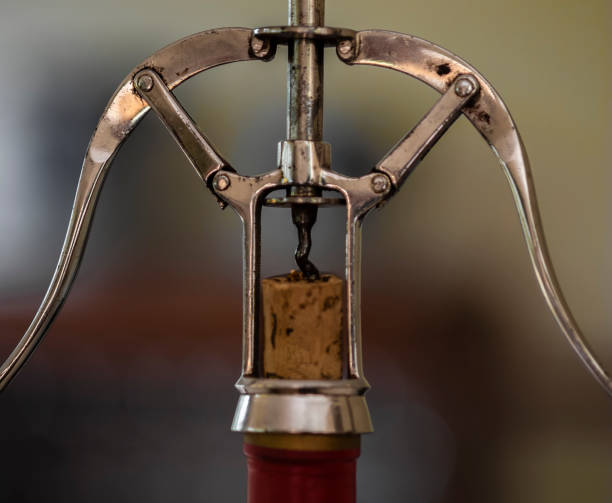
Needle-Nose Pliers for Tight Spaces
When a cork breaks and part remains stuck in the corkscrew, needle-nose pliers are one of the most effective tools for removal. Their slim, tapered design allows you to grip the exposed edge of the cork firmly, even in tight spaces.
First, ensure the wine bottle is stable on a flat surface. Gently insert the tips of the pliers around the stuck cork fragment, taking care not to push it deeper. Once you have a secure grip, apply steady, even pressure while pulling straight upward to extract the cork.
This method works best when at least a small portion of the cork is protruding. To avoid damaging the bottle’s rim or your hand, maintain control and avoid jerking motions.
Needle-nose pliers are commonly found in home toolkits, making them a practical, accessible solution for unexpected cork mishaps during wine service.
Flathead Screwdriver as a Lever
A flathead screwdriver can serve as an improvised but effective tool to remove a stuck cork from a corkscrew. If the cork is partially detached but still lodged, insert the tip of the screwdriver carefully between the cork and the corkscrew’s helix.
Use the screwdriver as a lever by gently prying the cork upward while stabilizing the corkscrew. The thin, rigid blade allows for precise control, helping to dislodge the cork without crumbling it further.
Be cautious not to apply excessive force, which could damage the corkscrew or break the cork into smaller pieces. This technique works best when there’s a slight gap between the cork and the screw. Always work over a clean surface to catch any debris.
A flathead screwdriver is a common household item, making this a quick, accessible fix when specialized tools aren’t available. With patience, this method can save your wine experience.
Using a Second Corkscrew for Assistance
When a cork is stubbornly stuck on a corkscrew, using a second corkscrew can provide the extra leverage needed for removal. Carefully insert the spiral of the second corkscrew at an angle into the remaining portion of the stuck cork, avoiding the embedded corkscrew.
Once securely anchored, slowly twist and pull upward to extract both the cork and the original tool. This dual-corkscrew technique works best when enough cork material remains to support a second insertion. It’s essential to maintain control and pull straight to prevent cork fragments from falling into the wine.
This method is particularly useful in social settings where multiple corkscrews may be available. By distributing the extraction force, you reduce the risk of further breakage.
While it requires a bit more coordination, it’s a clever, low-tech solution that leverages tools you likely already have, ensuring minimal disruption to your wine enjoyment.
Step-by-Step Guide for Different Corkscrew Types
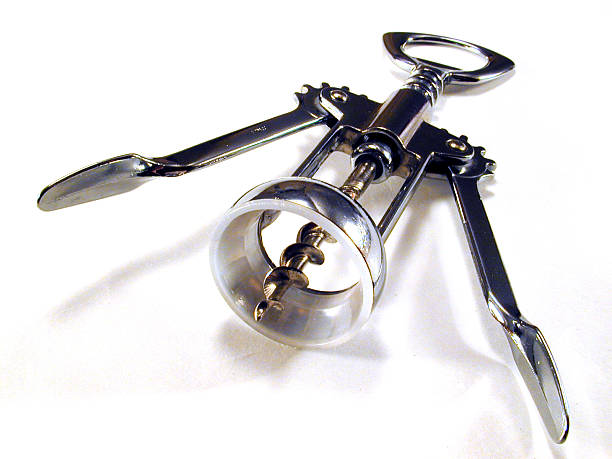
Removing Cork from a Waiter’s Friend
To remove a cork from a waiter’s friend corkscrew, first ensure the bottle is stable on a flat surface. After extracting the cork, it may remain lodged in the screw. Hold the corkscrew firmly with one hand and grip the cork with the other.
Twist the cork gently while pulling it straight off the worm. If the cork resists, place the tip of the corkscrew on a hard surface and press the cork down to dislodge it. Avoid forcing it, as this may break the cork.
For stubborn corks, use the lever arms of the waiter’s friend to help push the cork off by re-engaging the second lever position and applying downward pressure. Regular cleaning of the worm prevents residue buildup. Keeping the mechanism clean ensures smoother operation and easier cork removal over time.
With practice, detaching the cork becomes quick and seamless.
Getting Cork Off a Rabbit Corkscrew
When using a rabbit corkscrew, the cork often gets trapped between the extraction arms and the internal worm. After removing the bottle, keep the handle in the upright position to maintain tension. Grasp the cork firmly and rotate it counterclockwise while gently pulling it away from the mechanism.
If the cork doesn’t come free easily, depress the release lever to disengage the clamps, allowing easier access. Never yank the cork, as this can damage the internal gears. Some models allow you to manually retract the worm by reversing the handle motion slightly.
Use a soft cloth to assist your grip if the cork is slippery. For frequent use, periodic inspection of the clamping jaws and worm ensures smooth release. Cleaning the interior with a dry brush prevents buildup that can hinder cork removal.
With proper technique, extracting the cork from a rabbit opener is efficient and mess-free.
Fixing a Cork Jam in an Electric Opener
If your electric corkscrew jams during or after cork removal, first disconnect it from the power source or remove the batteries. Do not force the mechanism, as this can damage the motor. Hold the device vertically and inspect whether the cork is partially extracted or stuck inside the spiral.
Use tweezers or small pliers to gently pull out any cork fragments. If the worm is retracted, press the reverse button (if available) to back it out slightly before manually removing the cork. Ensure the spiral is centered in the cork before starting to prevent jams.
Clean the worm with a dry cloth after each use to avoid residue accumulation. For persistent jams, consult the user manual for disassembly instructions. Regular maintenance and avoiding wet or brittle corks extend the life of your electric opener and reduce jamming risks significantly.
What to Do When the Cork Breaks Inside the Bottle
Use a Second Screw to Extract Broken Pieces
When the cork breaks and part of it remains in the bottle, use a second corkscrew to carefully extract the remaining fragment. Start by selecting a clean, thin corkscrew—preferably a double-hinged waiter’s friend or a screw with fine threads.
Insert the screw slowly and at a slight angle into the center of the broken cork piece, avoiding pushing it further down. Twist gently until the screw gains enough grip, then pull steadily using the lever mechanism.
If the cork crumbles further, stop immediately to prevent debris from falling into the wine. This method works best when at least 1 inch of cork remains above the bottle’s neck. Patience is key—rushing increases the risk of breaking the cork completely.
With steady hands and the right tool, you can often retrieve the cork without contaminating the wine, allowing you to enjoy your bottle as intended.
Filter Wine Through a Cloth or Coffee Filter
If cork fragments fall into the wine, don’t panic—simply decant and filter the wine before serving. Begin by pouring the wine slowly through a fine-mesh strainer lined with cheesecloth, a clean linen napkin, or a coffee filter placed in a funnel.
Hold the bottle at an angle and pour in small increments to avoid stirring up sediment or pushing more cork into the stream. This filtration process effectively removes small particles while preserving the wine’s flavor and aroma.
For best results, pre-wet the filter to help it adhere to the funnel and reduce absorption of wine. Though the process may take a few extra minutes, it ensures a smooth, enjoyable drinking experience. This method is especially useful for older wines with fragile corks, where breakage is more common.
Filtering is a simple, reliable fix that turns a frustrating moment into a seamless solution.
Avoid Pushing Cork Further into the Bottle
One of the most critical steps when dealing with a broken cork is to stop immediately if you feel resistance. Pushing the cork further into the bottle can force debris into the wine and make extraction nearly impossible.
Instead, assess how much cork remains in the neck and determine if it’s safe to proceed. If the cork is partially out, gently wiggle the opener to loosen it rather than applying more downward pressure. Using a corkscrew with a narrow, sharp spiral reduces the chance of splitting the cork.
If the cork starts to crumble, consider switching tools—such as an Ah-So opener—to slide between the cork and glass without piercing. Patience and gentle technique prevent worsening the situation. Remember, preserving the integrity of the cork and bottle neck is essential for successful removal and maintaining wine quality.
Tips for Preventing Corks from Sticking
Insert the Screw at the Center of the Cork
To successfully remove a cork without it sticking to the wine opener, start by positioning the screw directly in the center of the cork. This ensures even pressure and minimizes the risk of the cork breaking or twisting unevenly.
Before inserting the screw, make sure the wine bottle is stable on a flat surface and the opener is held at a perpendicular angle to the cork. Begin twisting the screw slowly, keeping it straight to avoid tearing the cork.
If the screw enters off-center, the cork may split, causing fragments to cling to the worm. Use a two-stage corkscrew if possible, as it’s designed to pierce the cork evenly and reduce slippage. Proper alignment not only prevents sticking but also preserves the integrity of the cork, making removal smoother.
Taking a few extra seconds to align correctly can save time and frustration later.
Twist Slowly and Evenly
One of the most effective ways to prevent corks from sticking is to twist the corkscrew slowly and with consistent pressure. Rushing this step can cause the screw to wobble, increasing the chance of splitting the cork or embedding too deeply.
Rotate the handle clockwise with a steady motion, allowing the spiral to grip the cork evenly. Stop twisting just before the screw reaches the bottom of the cork—typically leaving one or two coils visible—to avoid pushing it into the wine.
This technique reduces surface friction and helps the cork release cleanly when pulled. If you feel resistance, pause and adjust your angle slightly. Using controlled force rather than speed ensures a smoother extraction and keeps the cork intact.
This mindful approach not only prevents sticking but also enhances your overall wine-opening experience.
Maintain Your Wine Opener Regularly
Regular maintenance of your wine opener is essential for smooth cork removal and preventing sticking. Over time, residue from cork particles and wine can accumulate on the screw, creating a rough surface that grips the cork too tightly.
After each use, wipe the worm clean with a damp cloth and dry it thoroughly to prevent corrosion. For deeper cleaning, use a soft brush to remove debris caught in the spiral.
If your opener has moving parts, like a lever or hinge, apply a food-safe lubricant occasionally to ensure smooth operation. Inspect the screw for bends or dulling—damaged tools are more likely to tear corks.
A well-maintained opener not only performs better but also reduces the risk of cork breakage and sticking. Think of it like maintaining kitchen knives: sharp, clean tools make all the difference.
Cleaning and Maintaining Your Wine Opener
Disassemble Removable Parts Safely
To effectively remove cork residue from your wine opener, start by disassembling any removable parts according to the manufacturer’s instructions. Many wine openers, especially winged or electric models, have components like corkscrews, gears, or arms that can be taken apart for cleaning.
Use a small tool if necessary, but avoid forcing parts to prevent damage. Once separated, inspect each piece closely—cork fragments often get lodged between moving mechanisms. Gently pry out visible cork pieces using a toothpick or soft brush. Handle sharp corkscrews with care to avoid injury.
Keeping track of how parts fit together ensures easy reassembly later. Regular disassembly not only helps in removing stuck cork but also allows for deeper cleaning, maintaining the opener’s functionality and longevity. Always consult your user manual for model-specific guidance.
Wash with Warm Soapy Water
After disassembling your wine opener, clean each part using warm water and mild dish soap to dissolve residue and loosen stubborn cork particles. Use a soft sponge or brush—like an old toothbrush—to scrub around the spiral and joints where debris accumulates.
Avoid soaking electric models or wooden handles, as water damage can occur. For manual openers, gentle scrubbing usually removes all traces of cork and wine. Rinse components under lukewarm water to wash away soap, ensuring no suds remain, which could affect taste during future use.
Never use abrasive cleaners or steel wool, as they can scratch surfaces and promote rust. This cleaning step not only removes cork but also prevents bacterial growth and odors. Consistent washing after each use keeps your opener in top condition and ready for the next bottle.
Dry Thoroughly to Prevent Rust
Once cleaned, immediately dry every component with a soft, lint-free towel to prevent moisture buildup, which can lead to rust—especially on metal corkscrews. Air-dry parts on a clean rack for at least 15–20 minutes before reassembling, ensuring hard-to-reach areas are moisture-free.
Pay close attention to hinges, screws, and spiral grooves where water can pool. For wine openers with wooden handles, avoid prolonged exposure to air moisture to prevent warping or cracking. Complete drying is essential for longevity and performance.
If your model includes springs or gears, lightly wipe them to prevent corrosion. Once dry, reassemble carefully and store in a cool, dry place. This final step ensures your wine opener remains functional, hygienic, and free of cork residue, ready for effortless use at your next gathering.
Alternative Methods to Open Wine Without a Corkscrew
Using a Shoe to Pop the Cork
If you don’t have a corkscrew, a sturdy shoe can help you safely extract the cork using gentle impact. First, place the bottle inside the shoe so the base of the bottle is flush with the heel.
Hold the bottle and shoe securely at a 45-degree angle against a solid wall or tree trunk. Use a consistent, moderate tapping motion—the impact will gradually push the cork out as pressure builds inside the bottle. Continue for 15–30 seconds until enough of the cork protrudes to grab and pull.
Avoid excessive force to prevent breaking the bottle. This method works best with natural corks and standard wine bottles. Once the cork is partially out, use your hands to finish removing it. It’s a clean, low-risk technique that requires only household items and is ideal for outdoor settings or emergencies.
Screw and Hammer Technique
When a corkscrew isn’t available, a screw and hammer offer a reliable alternative to remove a stubborn cork. Choose a screw slightly narrower than the cork—drywall or wood screws work well. Carefully screw it into the center of the cork about halfway using steady pressure to avoid splitting it.
Then, grip the screw head with pliers or use the claw of a hammer to gently pull upward in a straight motion. The cork should come out smoothly if the screw is centered. Avoid tilting to prevent cork fragments from falling into the wine.
This method is fast and effective, especially with longer corks, but requires caution to prevent spills or injury. Always stabilize the bottle on a flat surface during insertion and extraction. It’s a smart, mechanical solution ideal for indoor use when standard tools are missing.
Pushing Cork In with a Knife
In urgent situations, pushing the cork into the bottle with a sanitized knife is a quick fix. Select a long, thin blade like a butter or butter-paring knife.
Carefully insert the blade into the side of the cork at a slight angle, then gently twist and push downward to guide the cork into the wine. Use smooth motions to avoid breaking the glass.
Once the cork drops in, it will float, and the wine remains drinkable—just pour carefully through a filter or cloth to catch any small pieces. This method is best for immediate consumption, not storage, as it alters presentation. While not ideal, it’s a practical workaround when no tools are available.
Always prioritize safety: hold the bottle firmly and keep fingers clear. It’s a last-resort but functional solution perfect for casual settings.
Frequently Asked Questions
Why does the cork get stuck in a wine opener?
The cork can get stuck in a wine opener, especially a corkscrew, if the screw is twisted too deeply or if the cork is old and brittle. As pressure is applied to pull the cork out, it may break or cling tightly to the spiral, making removal difficult.
How do I remove a cork stuck in a corkscrew?
To remove a stuck cork, grip the cork firmly with your fingers and twist it off the corkscrew’s worm. If it’s too tight, use pliers or a butter knife to carefully pry the cork off while holding the screw steady.
Can I use household items to remove a cork from a wine opener?
Yes, you can use pliers, a butter knife, or even a pair of tweezers to help grip and twist the cork off the corkscrew. Gently lever the edge of the knife between the cork and the spiral to loosen it without damaging the cork or tool.
What should I do if the cork breaks while using a wine opener?
If the cork breaks, try pushing the remaining piece into the wine bottle using a clean butter knife or the handle of a wooden spoon. Alternatively, use a two-pronged cork puller (Ah-So) to carefully extract the remaining cork without pushing it in.
How can I prevent corks from getting stuck in the future?
To prevent corks from sticking, center the corkscrew properly and twist it into the cork only about halfway to two-thirds of its length. Avoid over-twisting, and pull straight upward with steady pressure to minimize breakage.
Conclusion
Removing a stuck cork from a wine opener doesn’t have to be frustrating. With patience and the right technique—such as using pliers, pushing the cork through, or employing a second corkscrew—you can successfully free it. Always prioritize safety and take your time. Most importantly, don’t let a small setback ruin your wine experience. With these simple tips, you’ll be sipping smoothly in no time—cheers to that!