How to Deep Clean a Whirlpool Dishwasher for Optimal Performance
To deep clean your Whirlpool dishwasher, start by removing and scrubbing the filter, then run a hot cycle with white vinegar. This essential maintenance clears away stubborn grease, mineral deposits, and food debris that accumulate over time. Following these simple steps will effectively eliminate lingering odors and restore your appliance to peak cleaning performance.
While modern dishwashers are designed to handle heavy loads, they still require regular attention to function correctly and remain sanitary. You should aim to perform a thorough deep clean every few months, depending on your water hardness and daily usage habits. Consistent care prevents mechanical issues and extends the overall lifespan of your machine.
In this guide, we provide a clear, step-by-step process to deep clean your Whirlpool dishwasher safely and effectively. You will learn how to inspect the spray arms, clear clogged nozzles, and sanitize the interior surfaces. Follow these practical instructions to ensure your dishes consistently come out sparkling clean and free from unwanted residue.

Safety First and Preparation
Before you begin deep cleaning your Whirlpool dishwasher, prioritizing safety is essential to prevent injury or equipment damage. Always disconnect the appliance from its power source first. You can do this by unplugging the unit from the wall outlet or by switching off the dedicated circuit breaker in your home’s electrical panel. This simple step ensures the dishwasher cannot be accidentally activated while you are working inside the tub.
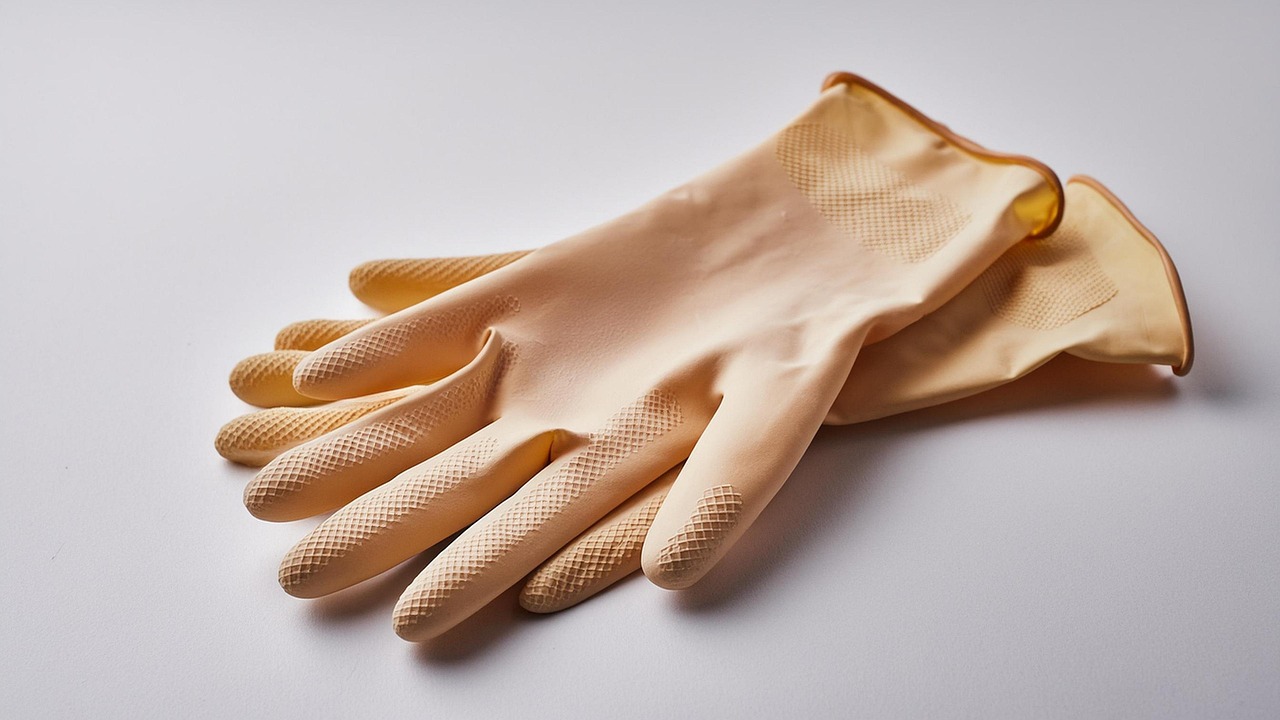
Next, protect your skin. Dishwashers often trap sharp debris like broken glass, jagged plastic, or metallic food scraps in the filter area. Furthermore, the cleaning agents you will be using—such as white vinegar—can irritate sensitive skin or dry out your hands. Wearing durable rubber gloves provides a necessary barrier against both sharp objects and chemical exposure.
Gathering your supplies beforehand streamlines the process and keeps you from searching for items with messy hands. You will need a few household staples to effectively break down grease and mineral buildup:
- White vinegar: Excellent for dissolving hard water deposits and neutralizing odors.
- Baking soda: A gentle abrasive that helps scrub away stubborn grime.
- Soft-bristled brush or old toothbrush: Ideal for reaching into tight crevices, spray arm nozzles, and the filter mesh without scratching the interior surfaces.
- Microfiber cloth: Perfect for wiping down seals, the door frame, and the exterior for a streak-free finish.
Once you have your supplies ready and the power is confirmed off, you are prepared to start the cleaning process. Taking these precautions not only keeps you safe but also protects the integrity of your dishwasher’s delicate components. Never use harsh scouring pads or abrasive steel wool, as these can damage the protective coating on the racks or scratch the stainless steel interior. With the right preparation, you can restore your appliance to peak efficiency and ensure it runs smoothly for years to come.
Clearing the Filter and Drain
The filter is the first line of defense against food debris and grease buildup in your Whirlpool dishwasher. Over time, these particles accumulate, leading to unpleasant odors and poor cleaning performance. To begin, pull out the bottom dish rack to gain clear access to the base of the tub.
Locate the cylindrical filter assembly at the bottom center of the unit. Most Whirlpool models require a simple quarter-turn counter-clockwise to unlock the assembly. Once unlocked, lift the filter straight up and out of the housing.
Cleaning the filter effectively requires a few simple steps:
- Rinse the filter thoroughly under hot running water to dislodge loose food particles.
- Use a soft-bristled brush, such as an old toothbrush, to gently scrub the fine mesh screen. Avoid using harsh metal brushes or abrasive scouring pads, as these can damage the delicate mesh.
- For stubborn, greasy residue, soak the filter in a mixture of warm water and mild dish soap for a few minutes before scrubbing.
After cleaning the filter, turn your attention to the drain area located beneath where the filter sits. Inspect the sump for any trapped debris, such as broken glass, plastic shards, or fruit pits. These small, hard objects are common culprits for drainage clogs and can potentially damage the pump if left unattended. Use a paper towel or a pair of tongs to carefully remove any visible obstructions, ensuring the path to the drain pump is completely clear.
Once the filter is clean and the drain area is free of debris, reinsert the filter assembly into the base. Align it properly and twist it clockwise until you feel it click or lock firmly into place. A properly seated filter is essential for preventing leaks and ensuring your dishwasher operates efficiently. Regularly clearing this area—ideally once a month—will extend the lifespan of your appliance and ensure your dishes come out spotless every time.
Cleaning Spray Arms and Interior Surfaces
Over time, mineral deposits from hard water and trapped food particles can obstruct the spray arm nozzles in your Whirlpool dishwasher. When these holes become clogged, the machine cannot distribute water effectively, leading to poor cleaning performance. To restore optimal flow, carefully inspect each nozzle on the spray arms. If you notice debris, use a toothpick or a thin piece of wire to gently push the blockage out. Avoid using harsh metal tools that could scratch or enlarge the openings, as this can disrupt the water pressure.
Once the spray arms are clear, focus on the interior surfaces. A clean interior prevents odors and ensures that your dishes remain sanitary. Follow these steps for a thorough wipe-down:
- Mix a solution of warm water and a few drops of mild dish soap.
- Use a soft, damp cloth or sponge to wipe down the interior walls, floor, and the interior face of the door.
- Pay special attention to the door edges and the area around the latch, where grime often collects.
- Rinse your cloth frequently to avoid spreading residue back onto the clean surfaces.
The rubber door gasket is the most critical area to address. Because this seal stays damp and is prone to hidden buildup, it is a common breeding ground for mold and mildew. Gently pull back the folds of the rubber gasket to inspect the hidden crevices. Use your soap and water mixture to scrub away any soap scum or black spots trapped within the folds. If you encounter stubborn debris, a soft-bristled toothbrush can help reach deep into the grooves without damaging the rubber material.
After cleaning, leave the dishwasher door slightly ajar for a few hours. This allows the interior to air dry completely, which inhibits future mold growth. Maintaining a clean interior and clear spray arms not only improves your dishwasher’s efficiency but also extends the overall lifespan of the appliance, saving you from costly repairs or premature replacements down the road.
Running a Deep Cleaning Cycle
To effectively deep clean your Whirlpool dishwasher, you must first address the internal buildup of grease and mineral deposits. Before starting, ensure the unit is completely empty. Remove any large food particles from the filter to prevent clogs during the process.
Place a dishwasher-safe bowl filled with two cups of white distilled vinegar on the top rack. The vinegar acts as a natural solvent, cutting through grime and neutralizing odors. Select the hottest water setting available on your dishwasher and run a full cycle without any detergent. The combination of high heat and vinegar will loosen stubborn residue throughout the tub and spray arms.
Once the cycle is complete, follow these steps to deodorize the interior:
- Sprinkle one cup of baking soda across the floor of the dishwasher tub.
- Ensure the unit remains empty.
- Run a short, hot water rinse cycle.
The baking soda reacts with any remaining acidity to scrub away lingering stains and leave the interior smelling fresh. This two-step process is safe for most Whirlpool models and requires no harsh chemicals.
If you notice persistent mineral buildup, such as white cloudy spots on your glassware, it is often a sign of hard water. While this deep cleaning method removes surface deposits, you may find that adding a dedicated dishwasher salt or a rinse aid helps prevent future accumulation. Always check your owner’s manual to confirm that your specific model can handle vinegar; while generally safe, some manufacturers advise against it if it could potentially damage certain rubber seals over time.
After the final rinse, leave the dishwasher door slightly ajar for an hour. This allows air to circulate, drying the interior completely and preventing the growth of mold or mildew. Regular maintenance using this method every few months will keep your appliance running efficiently and ensure your dishes come out sparkling clean every time.

Maintenance Tips and Troubleshooting
Maintaining your Whirlpool dishwasher is the most effective way to prevent future buildup and ensure your appliance runs efficiently for years. Consistent, small habits significantly reduce the need for intensive deep cleaning sessions.
Always scrape leftover food particles into the trash or compost bin before loading your dishes. While modern machines are powerful, large debris can clog the filter and spray arms, leading to poor wash performance and unpleasant odors. Additionally, ensure you are not overloading the racks, as proper water circulation is essential for a thorough clean.
To keep the interior smelling fresh and operating smoothly, follow these routine maintenance practices:
- Run a cleaning cycle once a month using a dishwasher-safe cleaner or a cup of white vinegar placed on the top rack.
- Inspect the door gasket regularly for debris, wiping it down with a damp cloth to maintain a proper seal.
- Check the filter at the bottom of the tub periodically; remove it and rinse away any trapped food particles under warm, running water.
- Avoid using bleach inside your dishwasher, especially if you have a stainless steel interior, as it can cause permanent pitting and corrosion.
If you experience persistent issues after performing a deep clean, such as lingering odors, water leaks, or unusual mechanical noises, do not ignore them. These symptoms may indicate a more complex internal problem, such as a failing pump or a damaged drain hose. In these instances, consult your specific Whirlpool user manual for model-specific troubleshooting steps. The manual provides clear guidance on error codes and common mechanical fixes that you can safely handle yourself.
If the troubleshooting steps in your manual do not resolve the issue, it is time to contact a professional technician. Attempting to disassemble internal components without proper training can void your warranty or lead to safety hazards. A qualified expert can diagnose the root cause, ensuring your dishwasher returns to peak performance without risking further damage to your appliance or your kitchen plumbing.
