How to Deep Clean Your Dishwasher Without Vinegar
You can deep clean your dishwasher without vinegar by using a combination of baking soda, dish soap, and a soft-bristled scrub brush. Many homeowners avoid acidic vinegar to prevent potential damage to delicate rubber seals and internal hoses. These gentle, non-acidic alternatives effectively dissolve stubborn grease and mineral buildup while protecting your appliance components.
Achieving a spotless dishwasher requires consistent maintenance rather than harsh chemicals. While vinegar is a popular choice, its acidity can degrade rubber gaskets over time, leading to costly leaks. By opting for safer, neutral cleaning agents, you ensure your machine remains in peak condition while effectively eliminating unpleasant odors and lingering food particles.
This guide provides practical, step-by-step methods to refresh your dishwasher using common household staples. We will walk you through safe scrubbing techniques, filter maintenance, and natural deodorizing strategies that keep your appliance running efficiently. Follow these expert tips to achieve a sparkling clean machine without the risks associated with acidic cleaning solutions.

Safety First: Preparing Your Appliance
Before you begin the deep cleaning process, prioritizing safety is essential to protect both yourself and your appliance. Taking a few moments to prepare correctly ensures a smooth workflow and prevents unnecessary hazards.
First, completely turn off the dishwasher. For maximum safety, disconnect the appliance from its power source. If your dishwasher is plugged into an outlet behind or under the unit, unplug it. If it is hard-wired, switch off the corresponding circuit breaker in your home’s electrical panel. This step is critical to prevent the machine from accidentally activating while you are working inside the drum.
Once the power is secured, prepare your workspace by gathering the necessary safety gear:
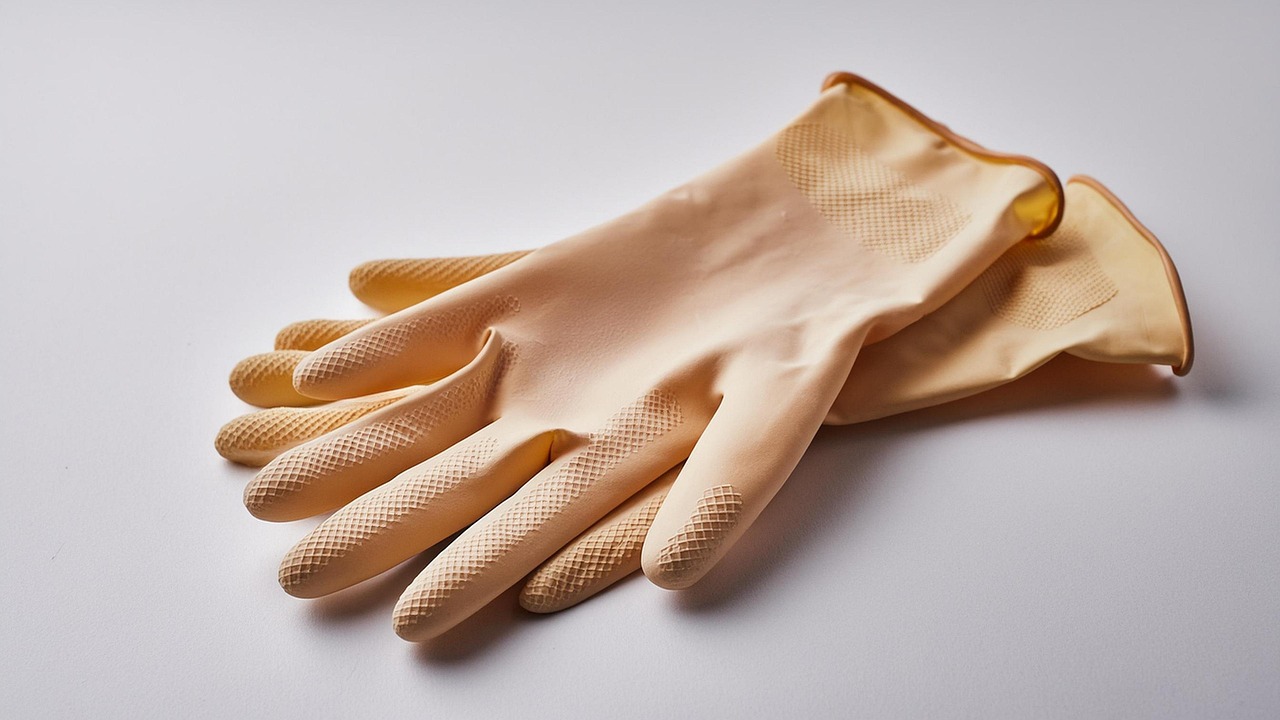
- Wear heavy-duty rubber gloves: The filter area is a common trap for hazardous debris, including shards of broken glass, jagged metal fragments, or sharp plastic pieces from damaged containers. Gloves provide a necessary barrier against these cuts.
- Clear the area: Remove all racks and movable components to give yourself clear access to the interior. Place these items on a towel or in a sink to avoid scratching your countertops.
- Check for standing water: If there is significant standing water at the bottom of the tub, use a cup or a wet-dry vacuum to remove it before reaching into the drain area. This allows you to clearly see what you are doing and prevents you from blindly touching hidden sharp objects.
Never force any part of the dishwasher mechanism. If a filter or spray arm feels stuck, do not apply excessive pressure, as this can damage the plastic components or snap internal clips. If you encounter significant resistance, consult your manufacturer’s manual for the specific removal procedure. By taking these precautions, you create a controlled environment that makes the deep cleaning process safer and more efficient. Once the area is cleared of debris and the power is disconnected, you can proceed to clean the interior surfaces with confidence.
Cleaning the Filter and Spray Arms
The filter is the most common culprit behind lingering odors and poor drainage in your dishwasher. Over time, food particles and grease accumulate in this mesh screen, preventing water from circulating efficiently. To clean it, locate the filter at the bottom of the tub—usually near the center—and twist it to unlock it from its housing.
Once removed, bring the filter to your kitchen sink. Use warm water and a small amount of mild dish soap to break down the grime. A soft-bristled brush, such as an old toothbrush, is the best tool for this task. Gently scrub the mesh to dislodge trapped debris without damaging the delicate screen. Rinse it thoroughly under running water before snapping it back into place.
While the filter is out, inspect the spray arms. These rotating components rely on clear nozzles to distribute water effectively. If food particles or mineral deposits block these holes, your dishes will not get clean, regardless of how much detergent you use.
If you notice clogs, follow these steps to restore full water flow:
- Examine the small holes along the top and bottom of the spray arms.
- Use a toothpick, a thin piece of wire, or a needle to gently push debris out of the nozzles.
- Avoid using sharp metal objects that could widen the holes or damage the plastic.
- If the spray arms are removable, take them off and rinse them under the faucet to flush out any loosened particles.
Keeping these components clear is a simple, proactive maintenance habit that prevents long-term mechanical issues. By addressing the filter and spray arms manually, you ensure that water flows freely through the system, leaving your dishes spotless and your appliance smelling fresh without needing harsh chemicals or acidic cleaners. Aim to perform this check once a month to maintain peak performance and extend the lifespan of your dishwasher.
Deep Cleaning the Interior with Baking Soda
If you prefer to avoid vinegar, baking soda is the most effective, natural alternative for refreshing your dishwasher. Its mild abrasive properties and alkaline nature make it perfect for neutralizing stubborn food odors and lifting stubborn grease buildup without damaging the appliance’s seals or internal components.
To begin, ensure the dishwasher is empty. Remove the bottom rack to gain clear access to the filter and the base of the unit. Clear away any visible debris, such as food particles or bits of paper labels, from the drain area to prevent clogs.
Once the base is clear, follow these steps for a deep, chemical-free clean:
- Sprinkle generously: Distribute approximately one cup of baking soda across the bottom of the dishwasher basin. Ensure you cover the filter area and the corners where grime often accumulates.
- Run a hot cycle: Close the door and select the hottest water setting available, such as a “Heavy,” “Pots and Pans,” or “Sanitize” cycle. Do not add detergent during this process.
- Allow for agitation: As the hot water hits the baking soda, it creates a gentle scrubbing solution that circulates through the spray arms, loosening grease and mineral deposits throughout the interior walls.
If you notice lingering odors after the cycle finishes, check the filter one more time. Sometimes, a small amount of baking soda may settle there, which you can easily wipe away with a damp microfiber cloth. This process is safe to perform monthly or whenever you notice a stale scent.
By relying on baking soda, you effectively deodorize the interior while maintaining the integrity of your dishwasher’s rubber gaskets. Unlike acidic cleaners, which can cause long-term wear on certain dishwasher components, baking soda is gentle, inexpensive, and highly effective at restoring a fresh, clean smell to your appliance. For best results, always ensure your water temperature is high enough to fully dissolve the powder, leaving your dishwasher sparkling and ready for your next load of dishes.
Removing Stubborn Stains and Buildup
When routine cleaning cycles fail to remove stubborn mineral deposits or persistent food stains, you need a more targeted approach. Baking soda acts as a gentle, effective abrasive that breaks down grime without damaging your appliance’s interior components.
To create a safe cleaning paste, mix two parts baking soda with one part warm water in a small bowl. Stir until it reaches a thick, spreadable consistency. This mixture is powerful enough to lift calcified hard water buildup but mild enough to protect your dishwasher’s finish.
Apply the paste directly to the problem areas using a soft, non-abrasive sponge. Focus your efforts on these specific zones:
- Interior Walls: Gently scrub in circular motions to lift grease and mineral streaks.
- Dishwasher Racks: Use an old toothbrush dipped in the paste to reach into the crevices of the coated tines.
- Door Seals: Carefully apply the paste to the rubber gasket, as this is a common hiding spot for mold and food debris.
After scrubbing, let the paste sit for 15 to 20 minutes. This dwell time allows the baking soda to soften the remaining buildup. Once finished, wipe away the paste thoroughly with a clean, damp cloth. Finally, run a short rinse cycle with hot water to ensure no residue remains in the spray arms or drainage system.
It is vital to prioritize the integrity of your dishwasher’s surfaces during this process. Never use steel wool, wire brushes, or harsh scouring pads. These tools will create microscopic scratches in stainless steel or plastic interiors. Once the surface is compromised, food particles and bacteria are much more likely to adhere to the walls in the future, leading to recurring odors and staining. By sticking to soft sponges and microfiber cloths, you preserve the protective coating of your appliance while achieving a deep, hygienic clean.

Maintenance Tips and Troubleshooting
Maintaining a clean dishwasher goes beyond the occasional deep clean. Consistent, small actions prevent the buildup of food particles and grime that lead to odors and mechanical failure. By integrating these habits into your weekly routine, you extend the lifespan of your appliance and ensure your dishes come out spotless every time.
The rubber door gasket is the most common culprit for hidden odors. Because it stays damp and traps debris, it is a prime breeding ground for mold. To keep it fresh, wipe down the gasket weekly with a soft, damp cloth. Use mild dish soap if you encounter stubborn residue, but ensure you rinse it thoroughly afterward.
When performing routine maintenance, keep these safety guidelines in mind:
- Avoid bleach: Never use bleach to clean your dishwasher. It can cause irreversible damage to stainless steel components, corrode internal seals, and potentially damage your plumbing.
- Check the filter: Remove the filter at the bottom of the tub once a month. Rinse it under hot running water to remove grease and trapped food particles.
- Clear the spray arms: Inspect the small holes in the rotating spray arms. If you see mineral buildup or debris, use a toothpick or a soft brush to clear the blockage so water can flow freely.
- Inspect the racks: Check for any exposed metal on the racks. If the protective coating is worn, apply a dishwasher-safe rack repair kit to prevent rust from spreading.
Even with diligent cleaning, mechanical issues can occur. If you notice persistent water pooling at the bottom of the unit, unusual grinding noises, or error codes that do not resolve after a thorough cleaning, it is time to seek expert help. Do not attempt to dismantle the motor or electrical components yourself, as this can void your warranty and create safety hazards. Contact a professional technician to diagnose and repair internal faults, ensuring your dishwasher continues to operate safely and efficiently for years to come.
